Proteins
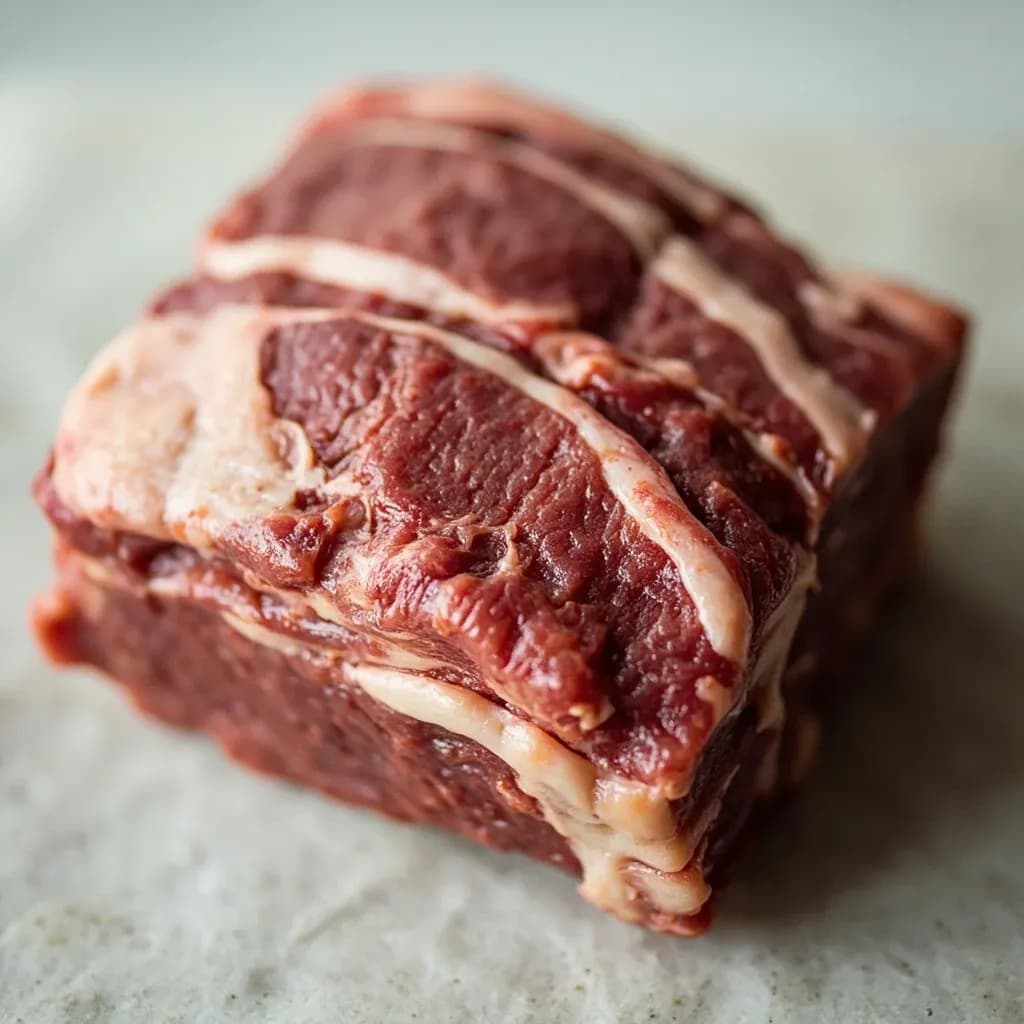
Beef Back Ribs
Long curved rib bones with meat between them, slow-cooked or barbecued for fall-off flavor.
Beef back ribs are cut from the upper rib section near the ribeye, leaving flavorful meat between and around the bones. They are best cooked low and slow — smoked, braised, or oven-roasted — to render the connective tissue tender. Their deep beefy flavor makes them a barbecue favorite.
Beef back ribs come from the rib primal section of the carcass—specifically ribs 6 through 12—where long curved bones extend from the spine. Unlike pork spare ribs, the meat on beef back ribs sits between and atop the bones rather than between them, giving the rack a distinctive arched profile. The intercostal meat (the meat between the bones) is moderately thick but heavily interlaced with connective tissue, which is why these ribs demand patient cooking to fully break down collagen into silky gelatin. They are not to be confused with beef short ribs, which are cross-cut bones from the plate or chuck primal and carry far more surface meat per bone. The fat cap on the meat side remains intact for most low-and-slow applications, basting the meat from above as it renders. In American barbecue, beef back ribs have long lived in the shadow of brisket, but the cut has gained serious standing in competitions and restaurants over the past decade because they are more forgiving than brisket yet still reward attentive technique with deeply beefy, smoke-infused flavor and a satisfying chew that falls cleanly from the bone when properly cooked.
- Measured in
- g
- Storage
- Fridge
Types & varieties
Entire primal rib section with backbone intact on one side; 8–13 bones; the most common retail presentation
Front or rear half of the rack; 4–6 bones; easier to handle and portion for smaller gatherings
Marketing term for back ribs with chine bone and feather bones removed, leaving a uniform rectangular rack; not the same as Denver steak, which comes from the chuck
Beef Back Ribs vs. Beef Short Ribs
The confusion between these two cuts causes more home-cook frustration than almost any other beef confusion. Beef back ribs come from the rib primal and have long, curved bones with a modest amount of meat between and on top—think of a natural arch. Beef short ribs come from the plate (lower ribs) or chuck primal and are cut across the bones in two styles: English cut (parallel to the bone, thick and blocky) or Flanken cut (crosswise into thin strips). Short ribs have dramatically more surface meat and a different fat distribution. You cannot substitute one for the other in recipes without adjusting cooking time and technique significantly. When shopping at Costco or Korean markets, the 'beef ribs' sold there are almost always short ribs from the plate or chuck, not back ribs. Ask your butcher explicitly for 'back ribs from the rib primal' if that's what you need.
- Back ribs: rib primal, curved bones, meat between and on top
- Short ribs: plate/chuck primal, cross-cut bones, more surface meat
- Different cooking times and fat behavior—do not interchange in recipes
Common uses
Tips & pitfalls
- Remove the silverskin (membrane) from the bone side before cooking—it's chewy and impenetrable to smoke and seasoning; slide a butter knife under one corner and peel it off in one piece.
- Leave the fat cap on during low-and-slow cooking; it bastes the meat from above as it renders. Only trim it if you are fighting uncontrollable charring on a high-heat method.
- Season aggressively with salt 30–60 minutes before cooking (or overnight uncovered in the refrigerator) to draw moisture out and improve bark formation—the same technique used for brisket.
- The bones will curl outward as a rack cooks; bend them back inward with tongs just before serving for a neat, presentable rack.
- Do not confuse beef back ribs with beef short ribs—short ribs have much more meat per bone but require different handling and yield a denser, steak-like texture when cooked.
- For oven roasting, place bone-side down in a roasting pan, cover tightly with foil, cook at 275°F until 195°F internal, then uncover and blast at 400°F for 10 minutes to firm the bark.
- Use a reliable meat thermometer—ribs are done when they bend noticeably when lifted with tongs and internal temp reaches 195–203°F where collagen converts to gelatin.
- Avoid racks where bones have been sawed to uneven lengths; this indicates careless butchery and will cause uneven cooking.
Nutrition
Energy
732 kJ · per 100 g
Where the calories come from
Protein
19.1g
38% DV
Carbs
0.4g
0% DV
Fat
10.2g
13% DV
Fiber
0g
0% DV
Sodium
65mg
3% DV
Source · USDA FoodData Central · Beef, rib, shortribs, separable lean only, choice, raw
View on FDC →In the shops
Matched grocery products
No matched grocery products for Beef Back Ribs yet.
Good to know
- Cut location
- Ribs 6–12 of the beef carcass, from the rib primal section
- Bone count
- Typically 8–13 bones per full rack; 4–6 per half rack
- Weight range
- Full rack: 3–8 lbs; individual ribs: 3/4–1 lb each
- Fat cap
- Thick fat layer on the meat side of the rack; usually left intact for slow cooking
- USDA grades
- Prime preferred for rich marbling; Choice acceptable; Select leaner and less forgiving
- Internal temp for optimal texture
- 195–203°F (90–95°C) for collagen conversion and fall-off-bone texture
- Yield
- Approximately 30–40% cooked weight loss; meat-to-bone ratio roughly 2:1
- Freezer shelf life
- Up to 6 months in airtight packaging
Substitutes
- Beef short ribs (English cut) — Much thicker meat with more surface area; requires longer cooking time; richer, fattier texture; acceptable in a pinch but not equivalent—adjust liquid and timing accordingly
- Pork spare ribs — Completely different flavor profile and fat content; do not use as a direct substitute in beef rib recipes
Pairs with
Also called
Beef Ribs · Dinosaur Ribs
Related
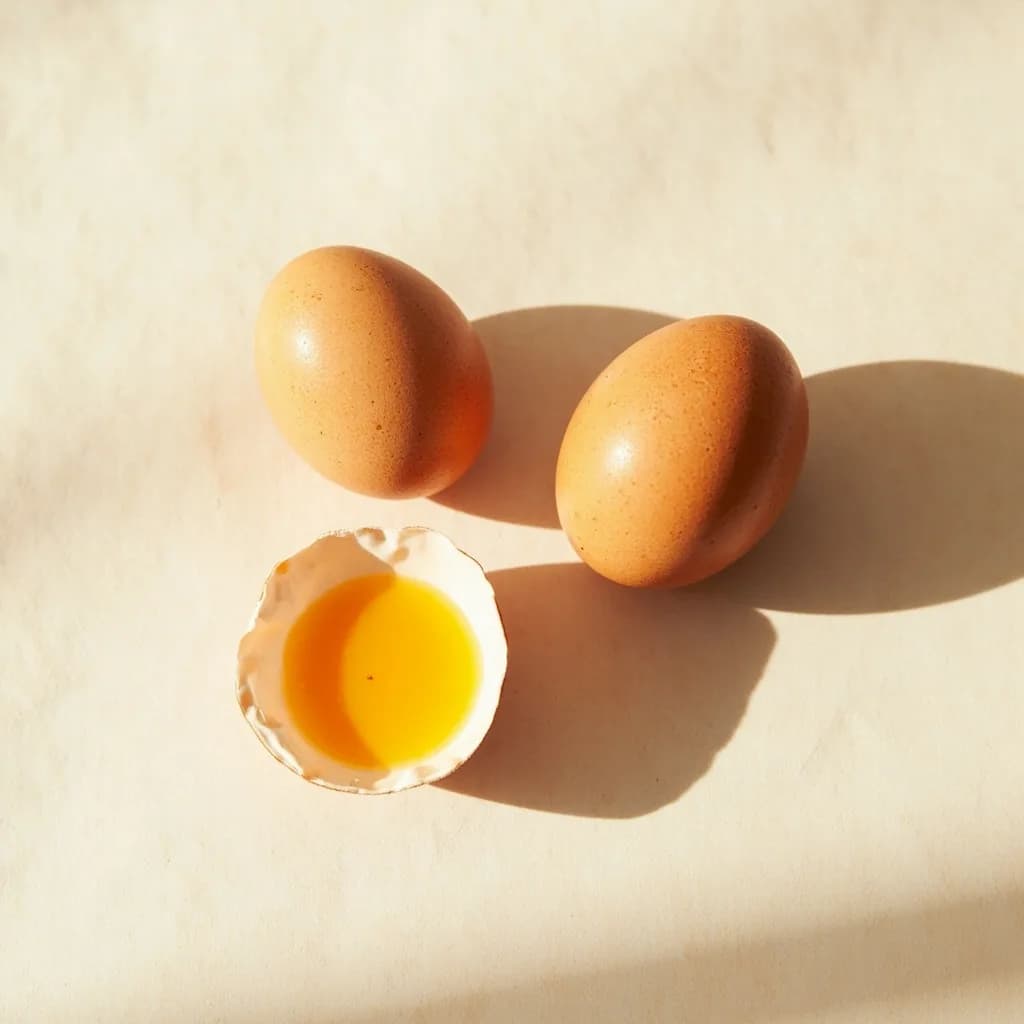
Egg
The kitchen's everything ingredient — bind, leaven, enrich, or fry
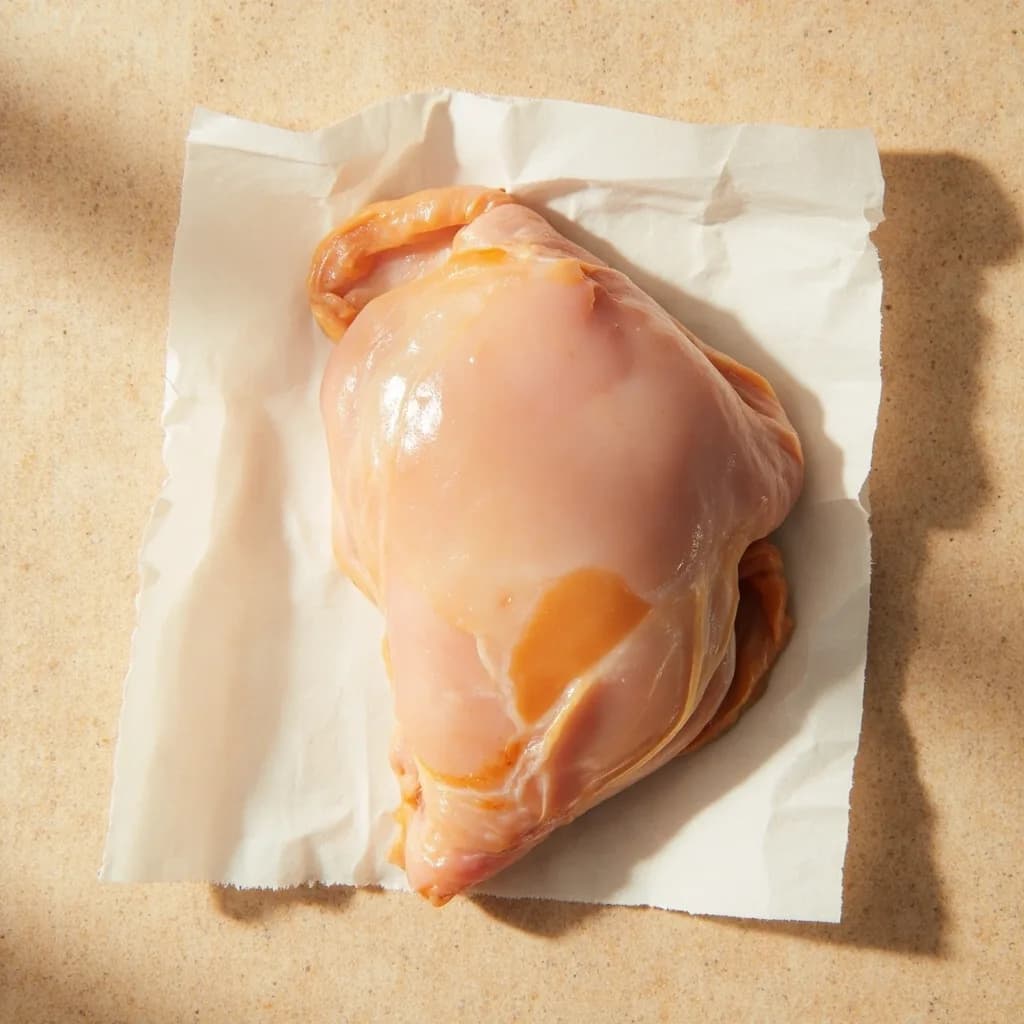
Chicken Breast
Lean, quick-cooking white meat for everyday dinners

Ground Beef
Versatile minced beef for burgers, ragù, tacos, and meatballs
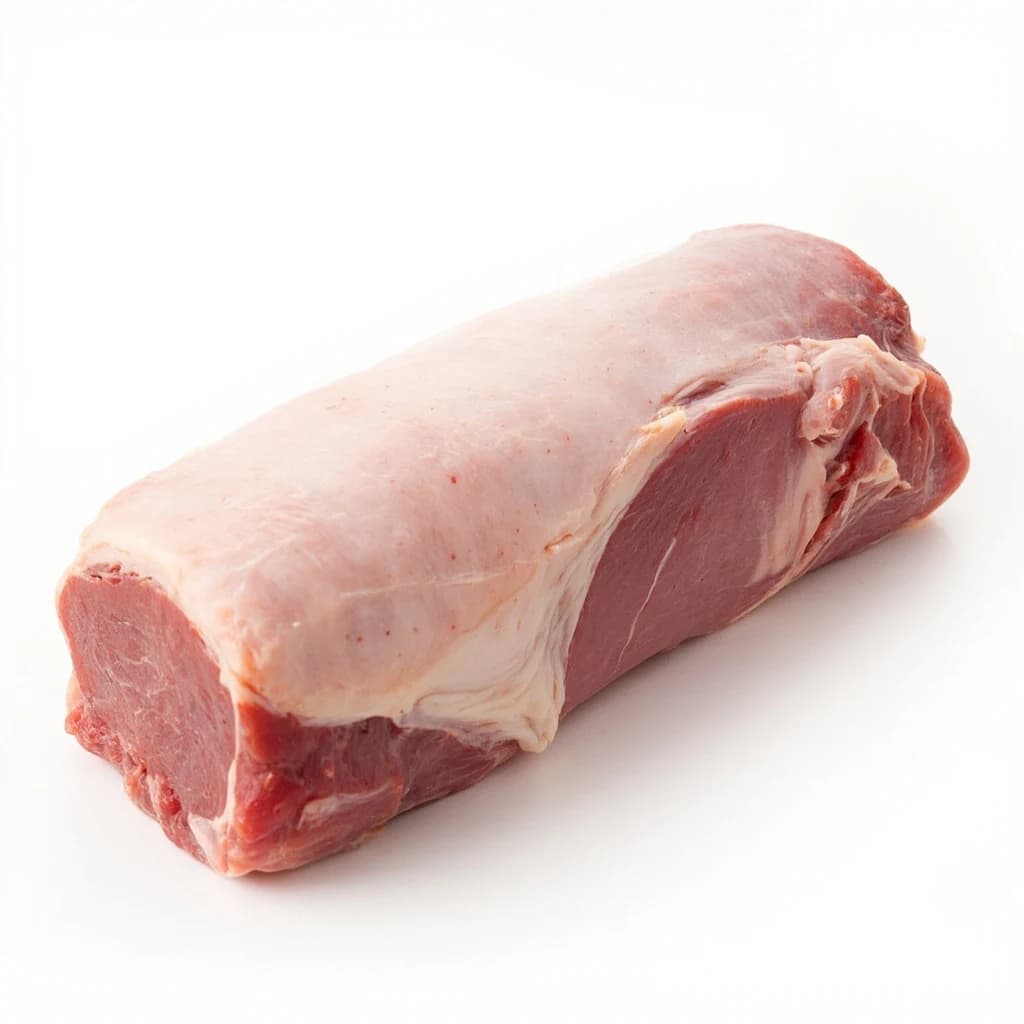
Pork Loin
Lean, tender roasting cut that stays juicy with care
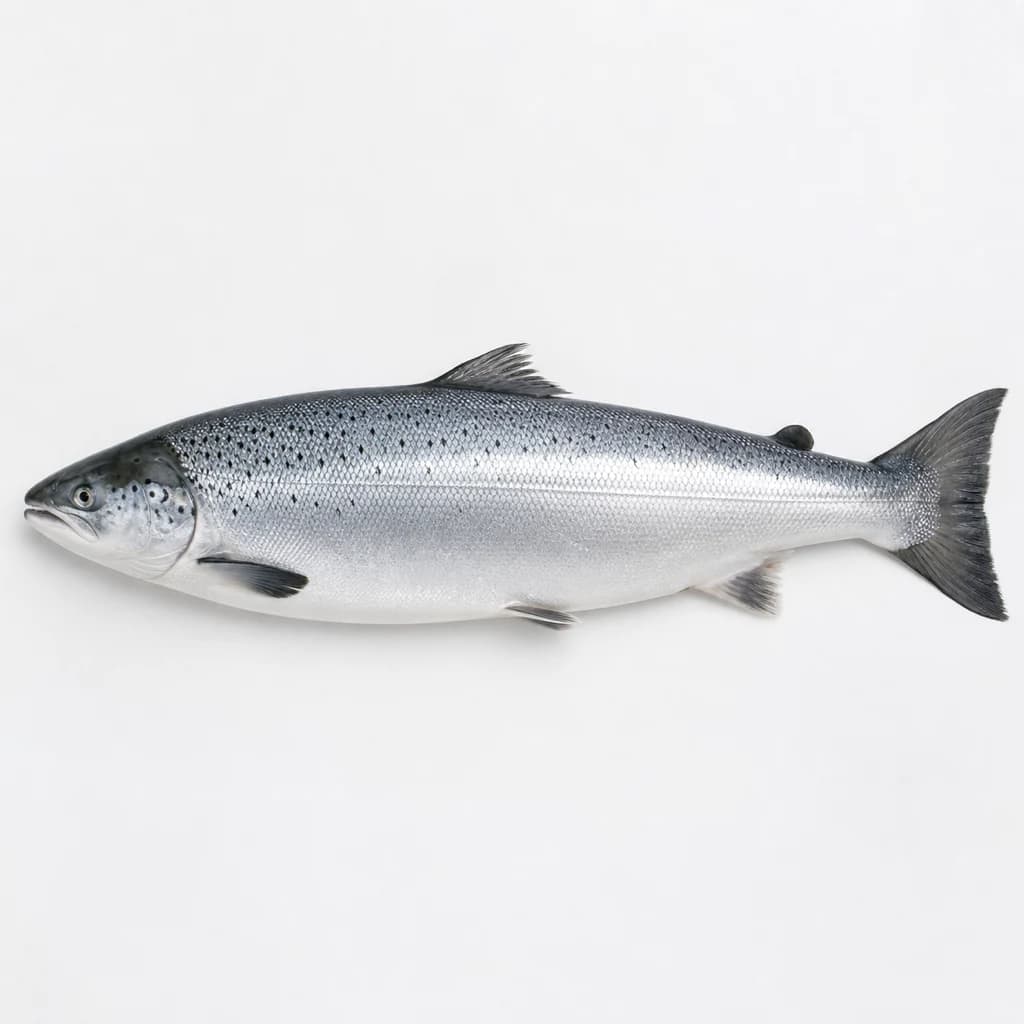
Salmon
Rich, rosy fish that roasts, grills, or cures beautifully

Egg White
Pure protein that whips to airy peaks for meringue and more
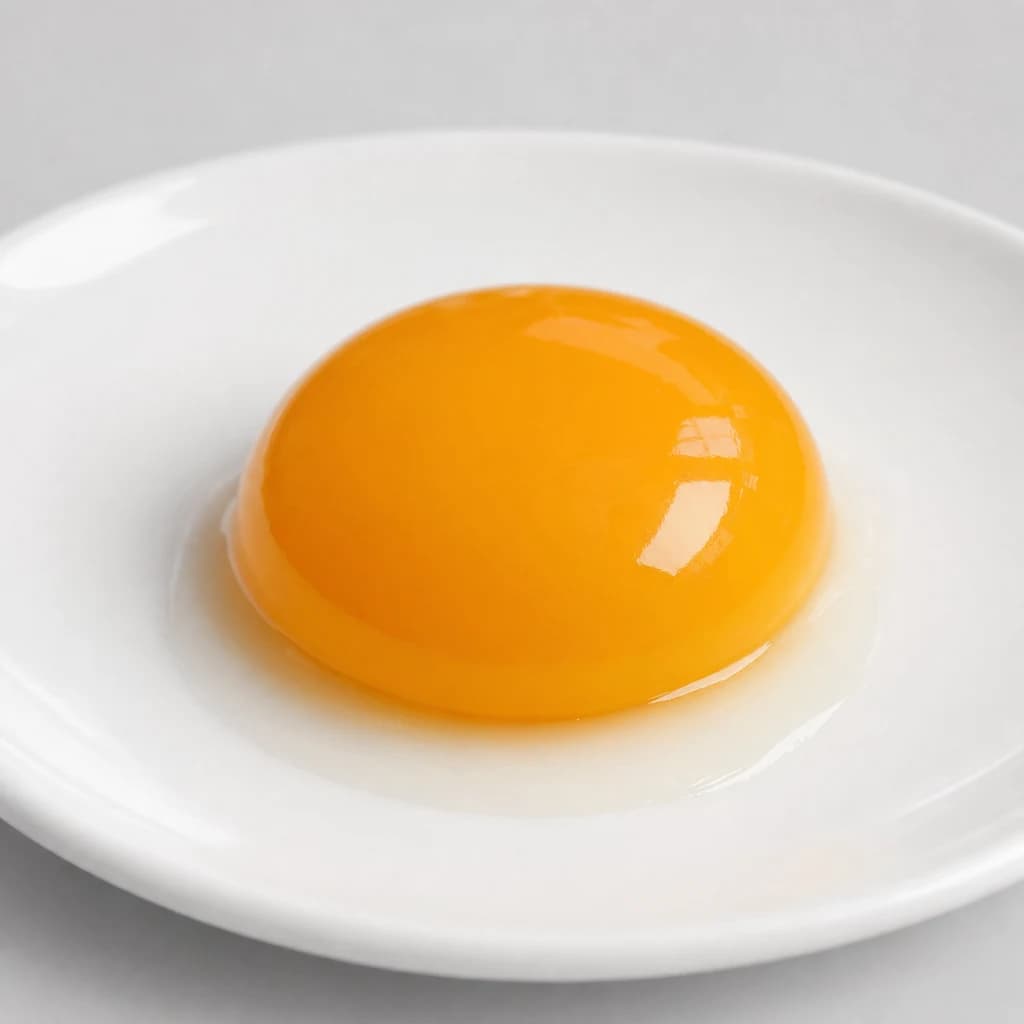
Egg Yolk
Rich, golden yolk for custards, mayonnaise, and pasta

Quail Egg
Tiny, speckled eggs for garnishing and elegant bites