Natural form
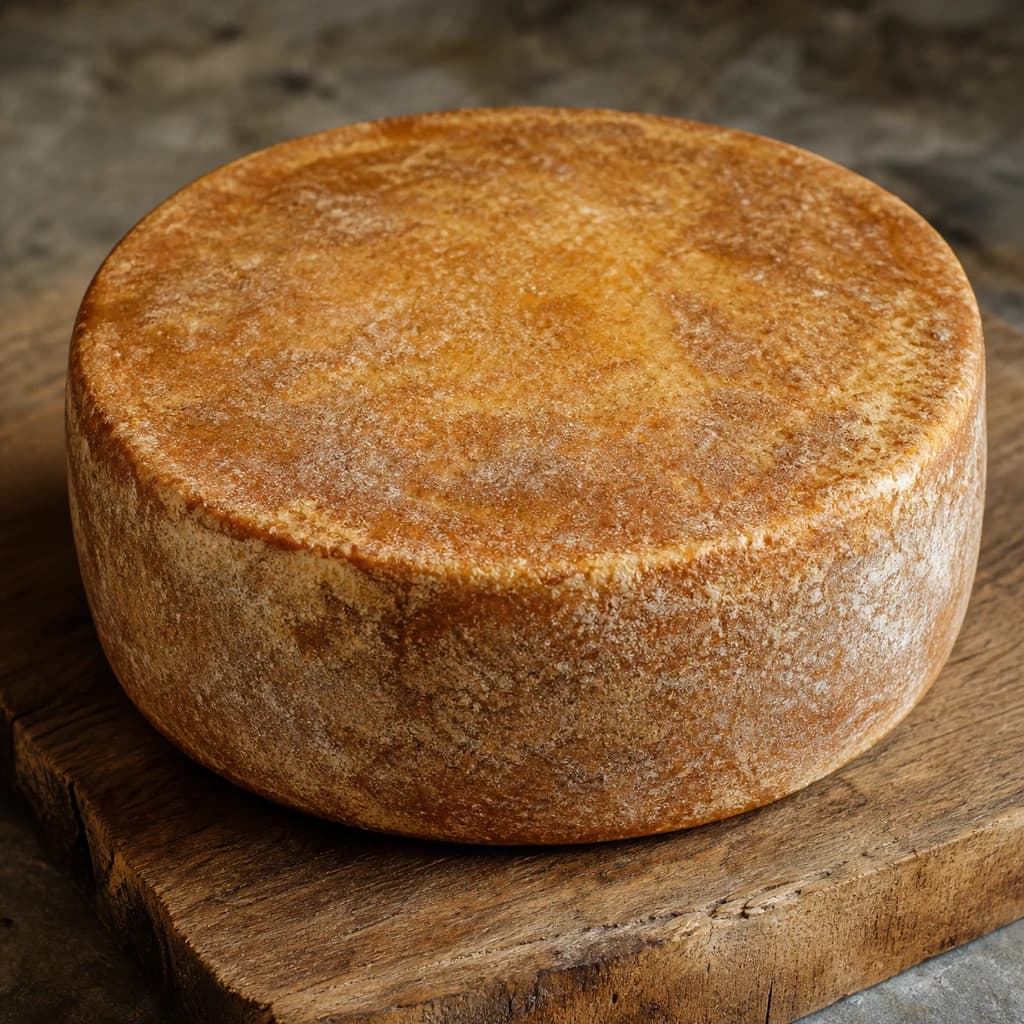
A whole Bergkäse wheel showing its characteristic brown rind and firm Alpine form.
Shows the wheel's size, shape, and natural rind so readers recognize Bergkäse in whole form at markets or shops.
Dairy & Eggs
Mountain Cheese (Bergkäse)
Alpine cow's-milk cheese aged for a firm, nutty, savory wheel.
Bergkäse, meaning 'mountain cheese,' is an Alpine cow's-milk cheese produced in Austria, Germany, and Switzerland from milk of high-pasture cows. Aged for months, it develops a firm texture and a deep nutty, savory, slightly fruity flavor. It is sliced for boards, melted into gratins and fondue, or grated over Alpine dishes like Käsespätzle.
Bergkäse is a category of firm, aged hard cheeses produced in the Alpine regions of Austria, Switzerland, and southern Germany. The name means simply "mountain cheese," and it describes a tradition rather than a single product—the common thread is high‑altitude production from the milk of cows grazing on diverse Alpine pastures during summer months. This seasonal grazing gives the milk—and thus the cheese—a distinctive herbal and floral complexity that lowland cheeses cannot replicate. The result is a wheel with a compact, small‑eyed paste that ranges from firm to hard, with a smooth, often waxed or oiled rind that protects it through aging of two months to over a year. Younger Bergkäse melts smoothly and evenly, making it the backbone of Alpine cooking; aged wheels develop crystalline texture and a sharp, savory intensity that rewards careful slicing. Austrian Bergkäse carries EU PDO protection, requiring production above 1,000 meters elevation, which guarantees both tradition and terroir. The cheese matters because it bridges the gap between a cooking ingredient and a table cheese—equally at home in a bubbling fondue pot or on a carefully composed board.
- Measured in
- g
- Storage
- Fridge
Allergens
Types & varieties
PDO protected; made in Tyrol from summer Alpine milk, aged minimum 3 months; distinctly nutty and aromatic
Produced in Bavaria's Allgäu region; similar style but often slightly milder; also PDO protected
Swiss mountain dairies produce excellent hard Alpine‑style cheeses (Gruyère, Sbrinz, and regional Alp cheeses); aged 6–18 months; excellent melting quality
Graubünden canton specialty; firm, flavorful; a staple in fondue and raclette
Why Seasonal Production Matters
Bergkäse is inherently a summer product. Cows are brought to high Alpine pastures when the snow melts, typically May through September, and the milk is richest and most complex in July and August when the forage includes dozens of herbs and wildflowers. Traditional bergkäserei (mountain cheese dairies) produce the majority of their wheels in summer and age them through winter—a process that yields more nuanced cheese than year‑round factory production. Cheese made from this milk develops flavor complexity that winter milk simply cannot achieve. When you buy a wheel with a known provenance and summer production date, you are tasting that specific season's pasture.
- Summer milk = more aromatic cheese due to botanical diversity in Alpine pastures
- Winter milk produces milder, less complex wheels; seek summer‑production dates when possible
- Traditional wheels aged through winter develop more depth than factory cheeses made year‑round
Selecting for Your Purpose
The age of the wheel determines its best use. Wheels aged 2–4 months have higher moisture content and melt smoothly, making them ideal for fondue, raclette, cheese sauces, and gratins. Wheels aged 8 months or longer develop tyrosine crystals (the white flecks visible in older cheese) and a pronounced savory bite; these are for slicing thin on a board, shaving over salads, or serving with bread where the flavor can be appreciated directly. A mid‑aged wheel (5–7 months) offers a compromise—serviceable for both cooking and board use, though excels at neither.
- 2–4 months: best for melting applications—fondue, raclette, sauces
- 8+ months: crystalline texture, intense flavor; slicing and boarding only
- 5–7 months: flexible but not exceptional; a practical compromise for the home kitchen
Common uses
Tips & pitfalls
- Bring cheese to room temperature 30–60 minutes before serving or cooking—cold cheese fails to melt evenly and can turn rubbery
- Store cut cheese in waxed paper or cheese wrap, then loosely in a plastic bag; never airtight, which traps moisture and causes sogginess
- If mold appears on cut surfaces, trim generously—the interior of aged hard cheese is still sound
- For grating: use the large holes on a box grater; older, drier wheels are easier to grate than moist younger wheels
- When melting for fondue: maintain gentle, steady heat; direct high heat causes fat separation, producing a stringy, oily texture
- Authentic Bergkäse has natural sharpness that mellows with age—buy younger wheels for melting, older wheels for bold board presence
- Wrap the cut side of the cheese in plastic wrap before refrigerating to minimize oxidation
- Do not assume all "mountain cheese" labeling indicates true PDO Bergkäse—taste and quality vary widely; seek regional certification marks for authenticity
Nutrition
Energy
1628 kJ · per 100 g
Where the calories come from
Protein
25.6g
51% DV
Carbs
1.6g
1% DV
Fat
31.1g
40% DV
Fiber
0g
0% DV
Sugars
1.6g
of which
Sodium
800mg
35% DV
Source · USDA FoodData Central · approx. Cheese, fontina
View on FDC →In the shops
Matched grocery products
No matched grocery products for Mountain Cheese (Bergkäse) yet.
Good to know
- Origin
- Alpine regions of Austria, Switzerland, and southern Germany (Bavaria, Allgäu)
- Milk
- Raw or pasteurized cow's milk, typically from high Alpine pasture‑fed herds
- Aging
- Minimum 2 months; premium wheels aged 6–12+ months
- Texture
- Firm to hard; compact, small‑eyed paste; smooth rind
- Flavor
- Nutty, savory, slightly sharp; intensity increases with age; notes of fruit and herbs from Alpine forage
- Wheel Size
- 20–40 kg (44–88 lbs)
- Protection
- Austrian Bergkäse and Allgäu Bergkäse both carry PDO designation under EU law
- Rind
- Edible; often waxed or oiled for protection during aging
- Shelf Life
- Sealed wheels keep several months; cut cheese 2–3 weeks refrigerated
Substitutes
- Gruyère — Closest equivalent; Swiss hard cheese with similar Alpine production and nearly identical melting and flavor profile
- Comté — French Jura Alpine cheese; comparable nutty depth and melting quality; slightly sweeter tone
- Emmental — Milder Swiss wheel cheese; acceptable for cooking when Bergkäse unavailable but noticeably less flavorful
- Parmesan (Parmigiano‑Reggiano) — Acceptable for grating; sharper and saltier, not an Alpine product; different terroir character
- Jarlsberg — Norwegian cheese with similar melting behavior; milder flavor; useful for cooking only
Pairs with
Also called
Alpkäse (Alpine Mountain Cheese) · Alpine Cheese
Appears in these dishes
Related

Whole Milk
Rich, full-fat milk for drinking, coffee, sauces, and baking
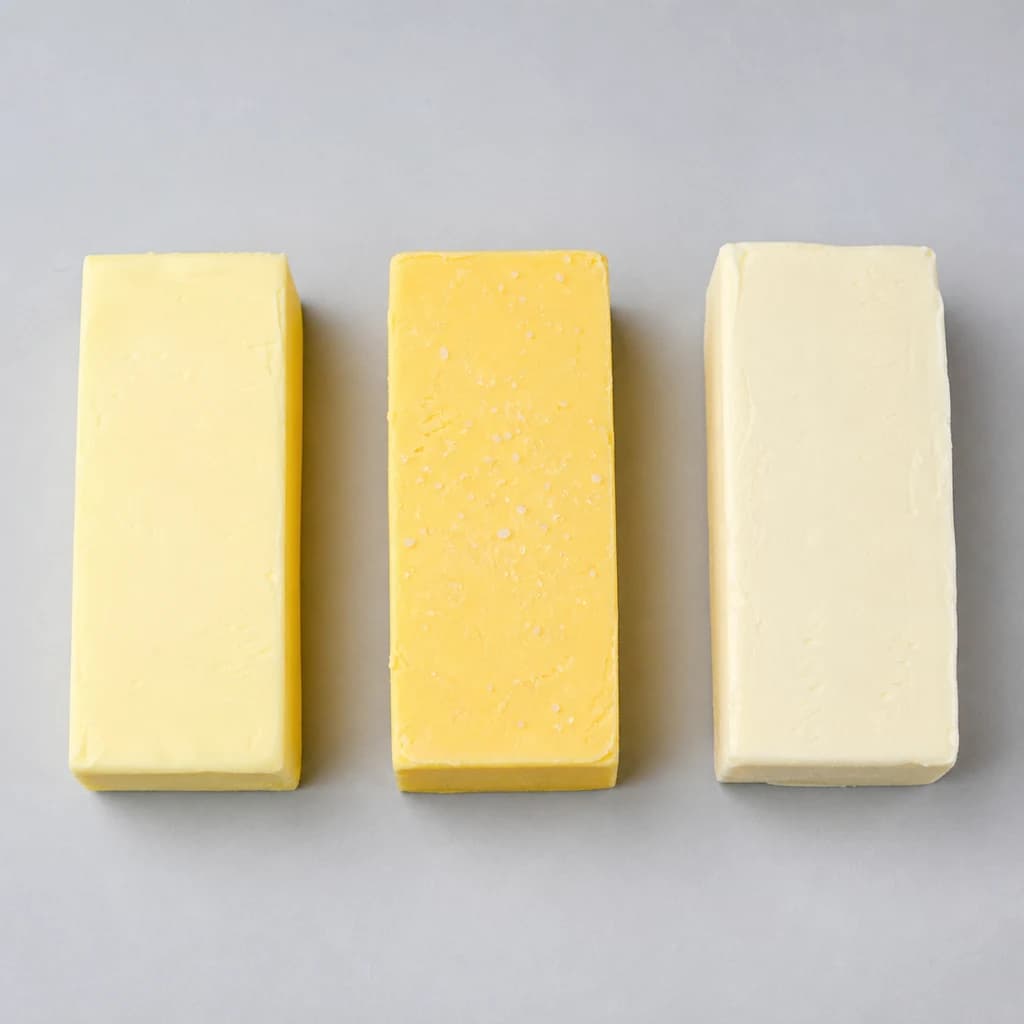
Butter
Golden fat for searing, baking, and finishing a sauce
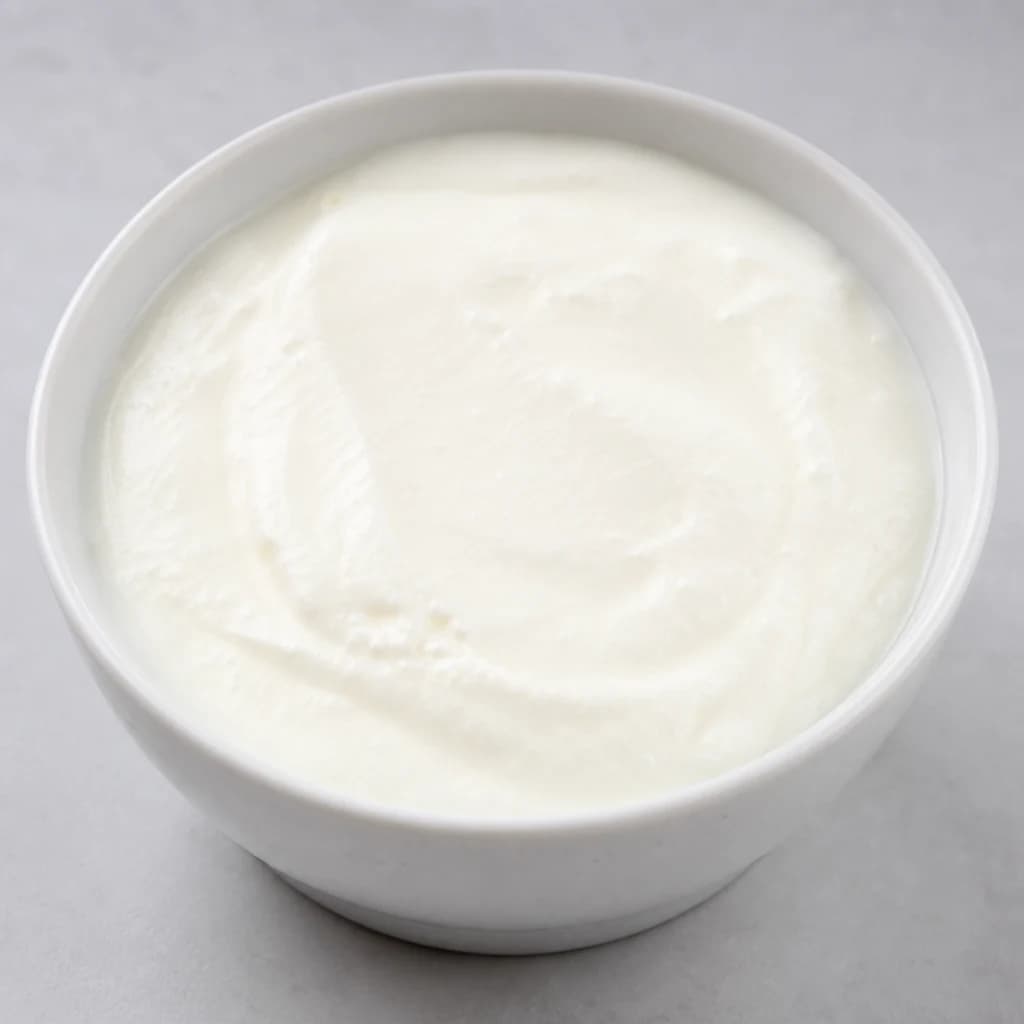
Yogurt
Tangy, creamy culture for breakfast, sauces, and marinades
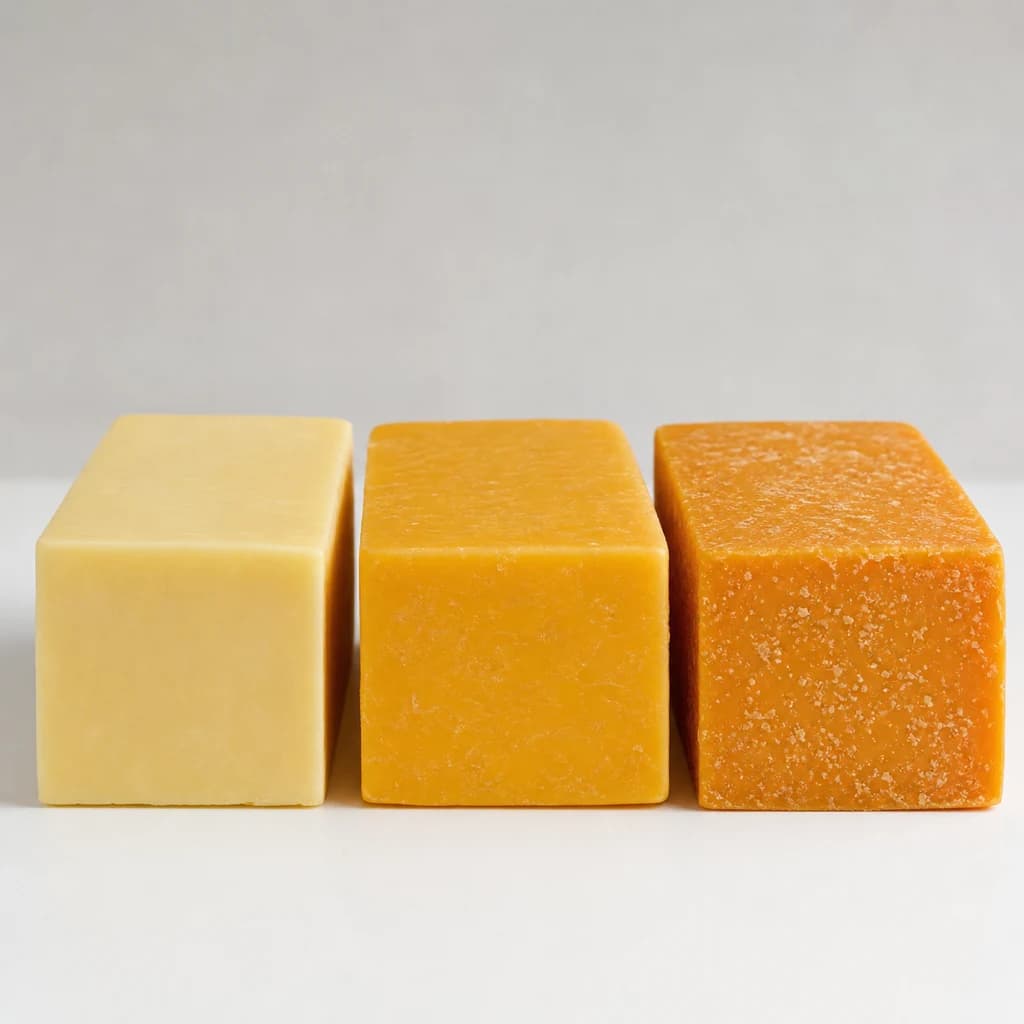
Cheddar Cheese
Sharp, melty cheese for sandwiches, gratins, and grating
Skim Milk
Fat-free milk for lighter drinking, coffee, and cooking
Heavy Cream
Rich cream that whips, enriches sauces, and sets ganache

Sour Cream
Tangy, thick cream for dolloping, baking, and dips
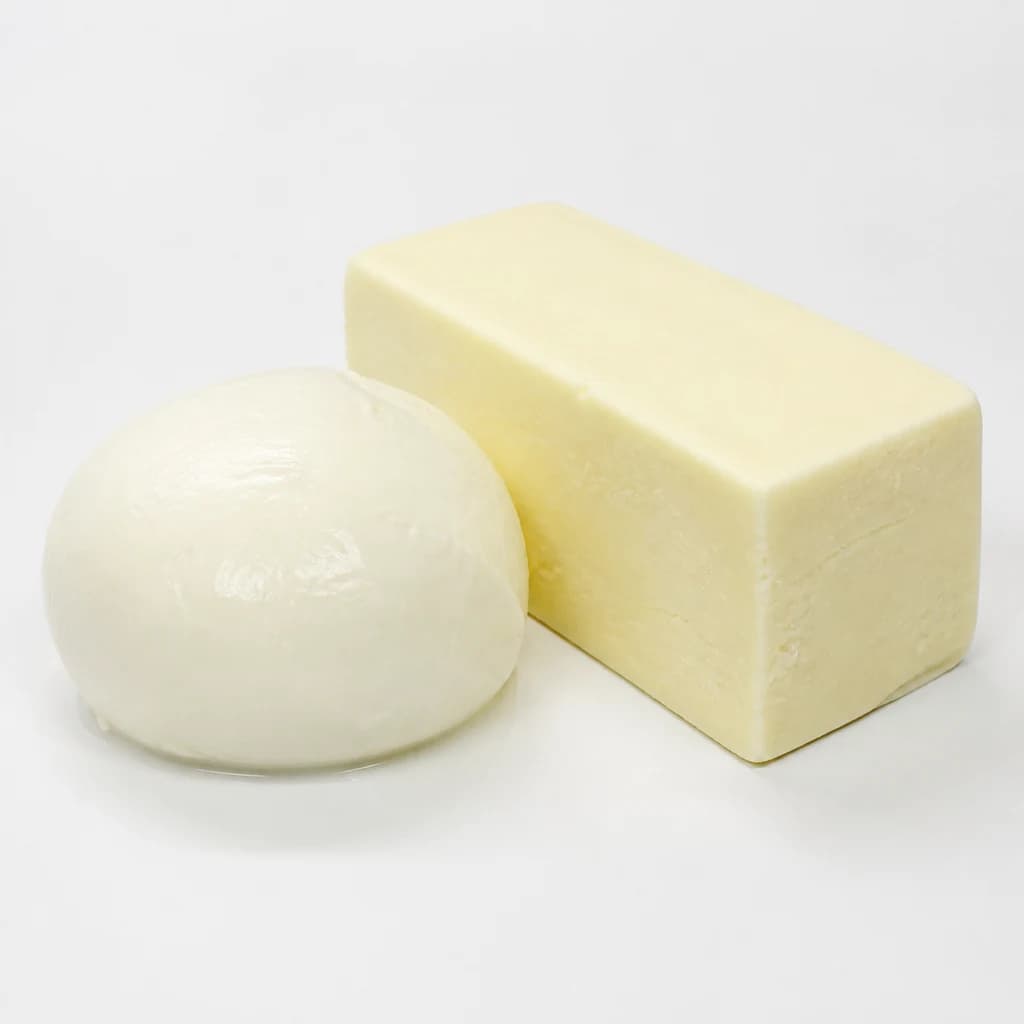
Mozzarella
Soft, milky cheese that melts into stretchy pizza pulls