Natural form
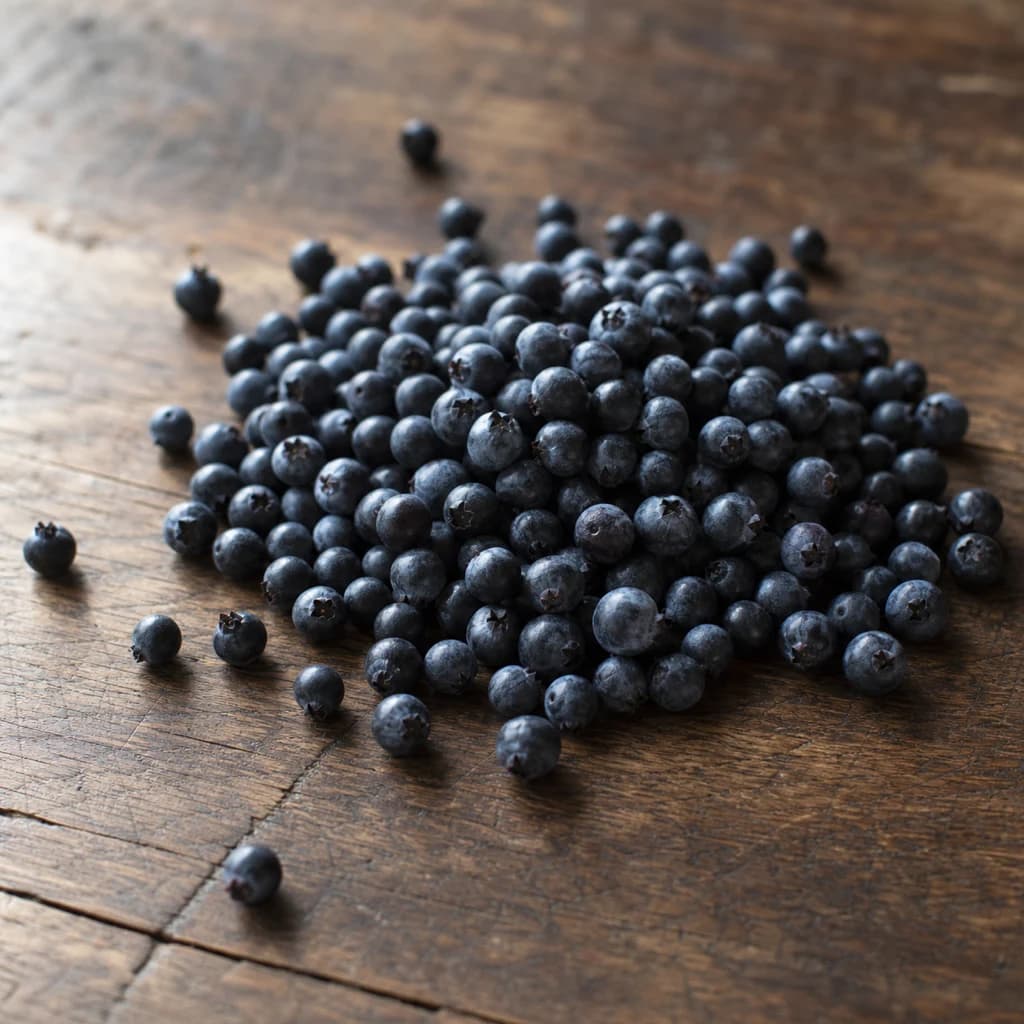
Fresh wild bilberries piled loosely on a weathered wooden board, showing their small size and deep blue-black skin.
Establishes the berry's defining visual identity: tiny size, nearly black skin with a powdery bloom, and wild-gathered abundance.
Produce
Bilberry
Small dark wild relative of the blueberry, intensely flavored and tart.
Bilberry is a small dark-blue wild berry native to northern European heaths and forests, closely related to the blueberry but smaller and more intensely flavored. Its deep purple flesh stains everything it touches and tastes sweet-tart, used in Nordic pies, jams, soups and desserts. It is gathered wild rather than cultivated.
Bilberries (Vaccinium myrtillus) are small, intensely pigmented berries native to northern Europe and parts of North America. Unlike their cultivated American cousins, the entire berry—skin, flesh, and juice—is a deep purple-black, and the flavor is notably more tart and aromatic. Fresh bilberries are highly seasonal, available only during a narrow window in late summer, and they bruise and spoil quickly. The vast majority of culinary bilberries are preserved: frozen, dried, or transformed into preserves. Their assertive flavor means they perform best when given room to shine rather than being buried in heavy preparations. In Scandinavian and Alpine cuisines, bilberries are woven into the fabric of traditional cooking, from breakfast porridge to festive pastries.
- Measured in
- g
- Storage
- Fridge
Types & varieties
The standard wild type; smaller and more intensely flavored than cultivated blueberries
Grown at high latitudes; prized for exceptional color and aroma
Concentrated flavor; rehydrate or use directly in baked goods and trail mixes
Flash-frozen at peak ripeness; best quality available outside fresh season
Common uses
Tips & pitfalls
- Fresh bilberries stain everything—protect your hands and workspace, and accept that teeth and lips will turn purple; it fades.
- Do not overcook fresh bilberries; heat destroys their delicate aroma. Add sugar in stages and use low, brief heat to preserve color and fragrance.
- Frozen bilberries are an excellent substitute when fresh are unavailable; thaw gently and use juices that accumulate.
- For fresh berries, wash minimally and dry on a towel—excess moisture accelerates spoilage.
- A brief maceration with a small amount of sugar draws out juices and intensifies flavor before cooking or serving fresh.
Nutrition
Energy
238 kJ · per 100 g
Where the calories come from
Protein
0.7g
1% DV
Carbs
14.5g
5% DV
Fat
0.3g
0% DV
Fiber
2.4g
9% DV
Sugars
10g
of which
Sodium
1mg
0% DV
Source · USDA FoodData Central · Blueberries, raw
View on FDC →In the shops
Matched grocery products
No matched grocery products for Bilberry yet.
Good to know
- Scientific name
- Vaccinium myrtillus
- Origin
- Northern Europe, wild-harvested
- Peak season
- July–September (fresh)
- Color
- Deep purple-black throughout
- Flavor
- Tart, intensely aromatic, with subtle sweetness when fully ripe
- Fresh shelf life
- 1–2 days at cool room temperature; 3–4 days refrigerated
Substitutes
- American blueberries — Larger, milder, and less deeply pigmented; increase quantity by roughly one-third to approximate bilberry intensity
- Blackberries — Similar deep color and tartness, but softer texture and different aroma; works well in preserves and sauces
Pairs with
Also called
Wild Blueberry · Mustikka · Whortleberry
Appears in these dishes
Related
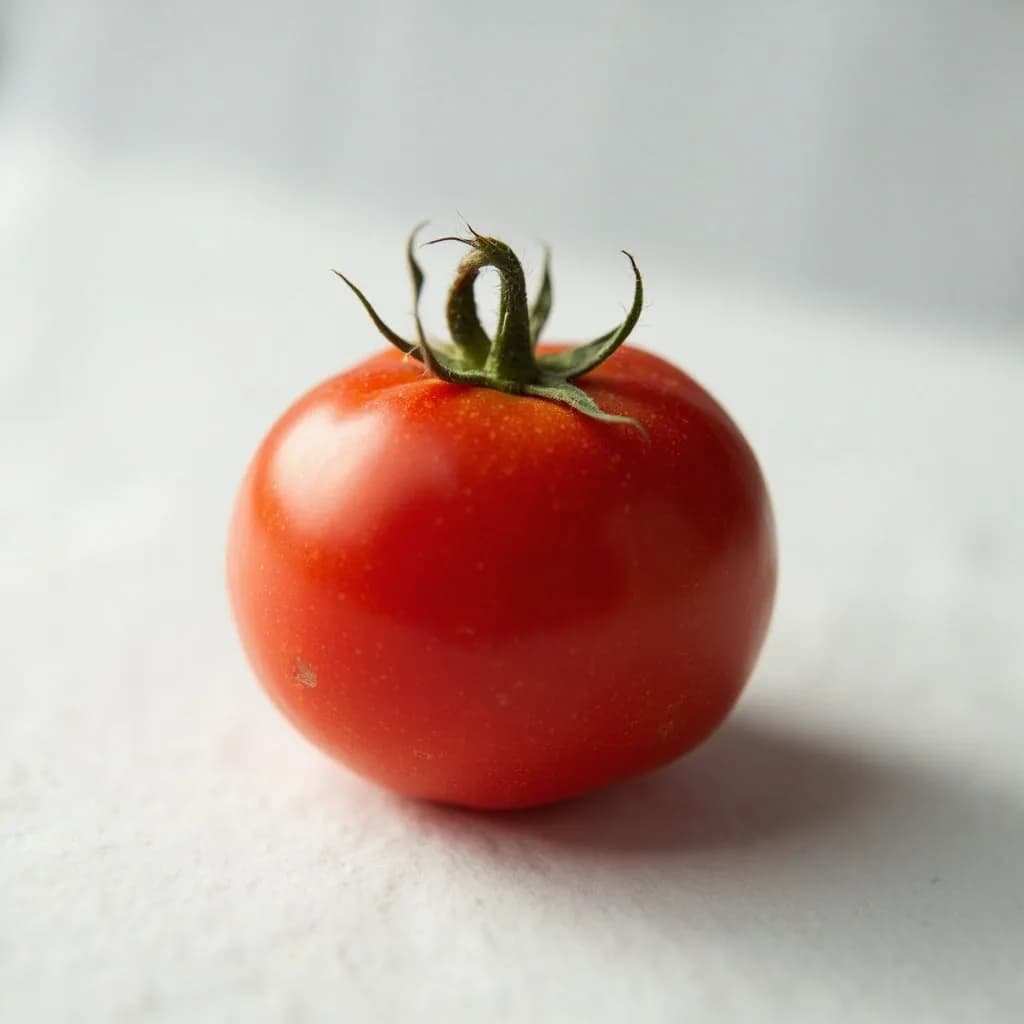
Tomato
Juicy, sun-sweet fruit for sauces, salads, and slow-cooked depth
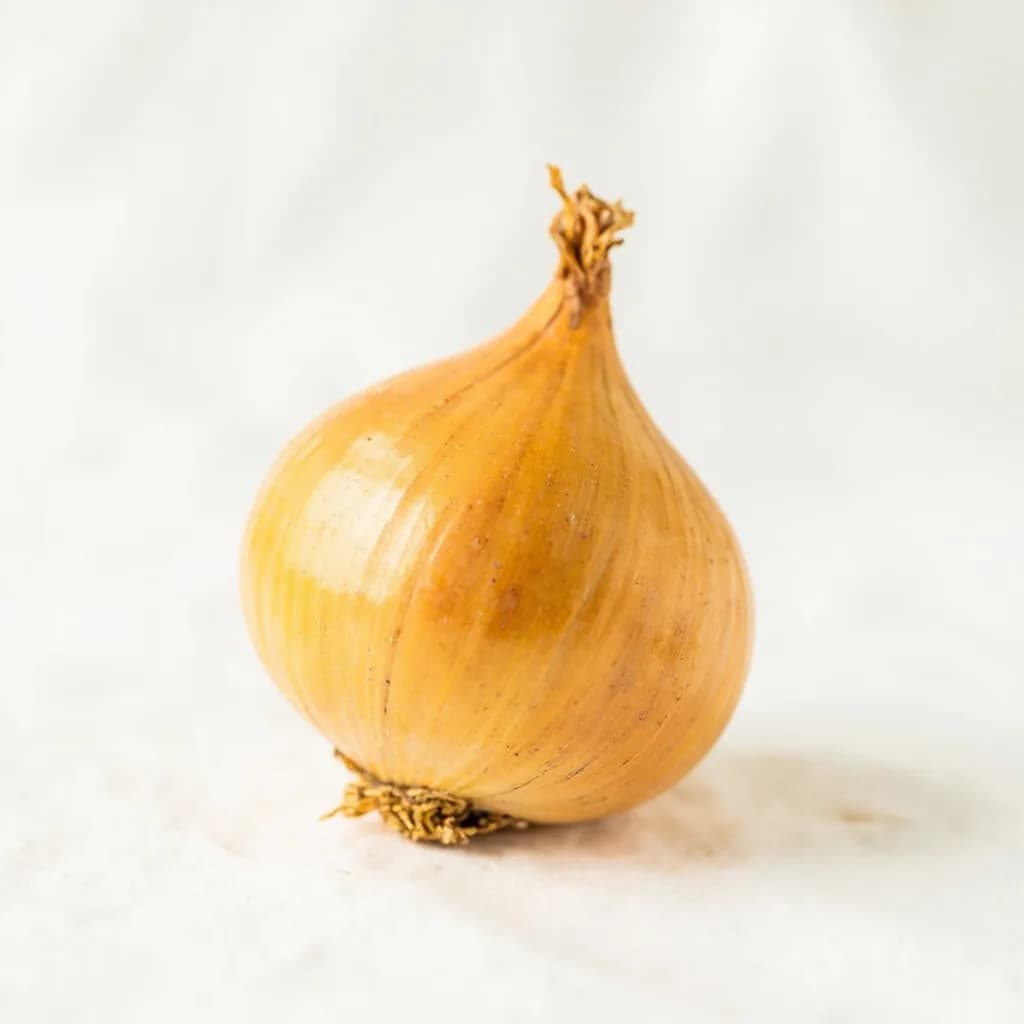
Yellow Onion
The aromatic backbone of soups, sofritos, and braises
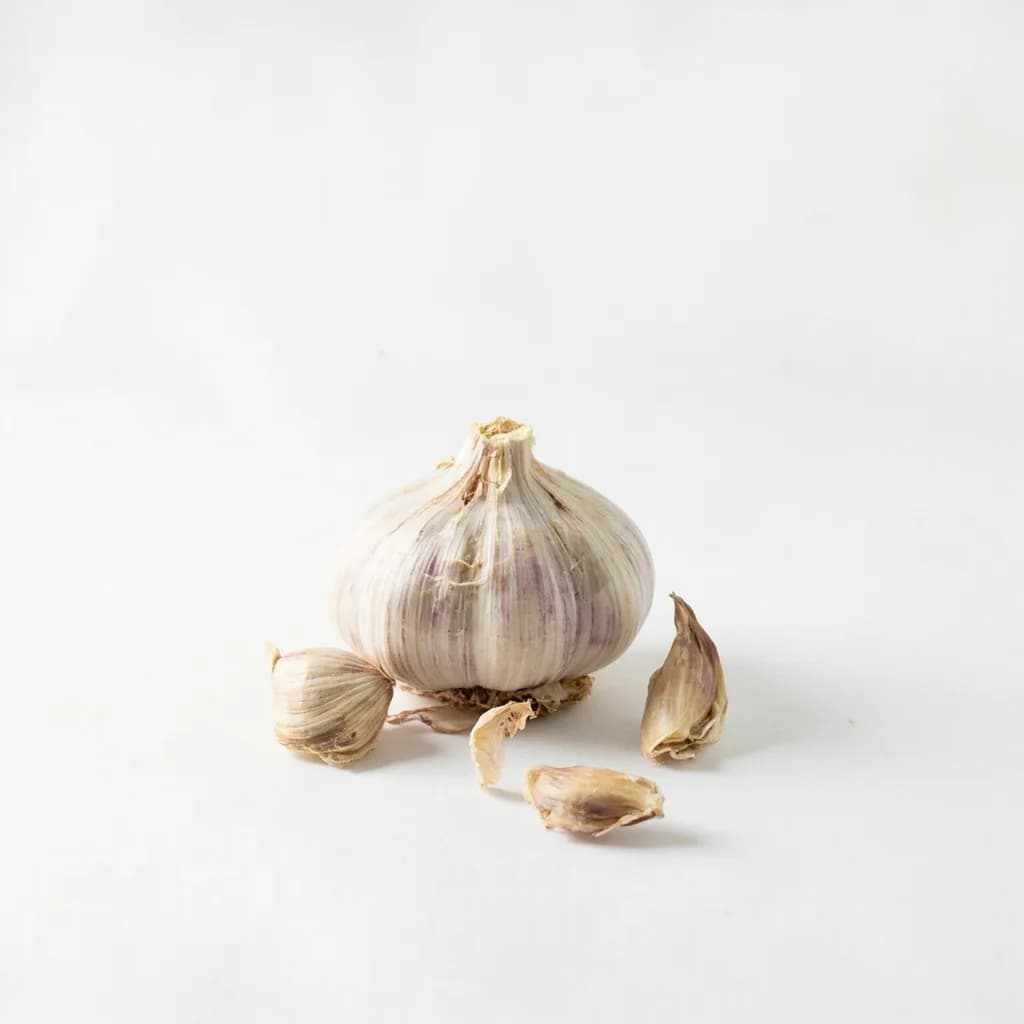
Garlic
Pungent cloves that perfume nearly every savory dish
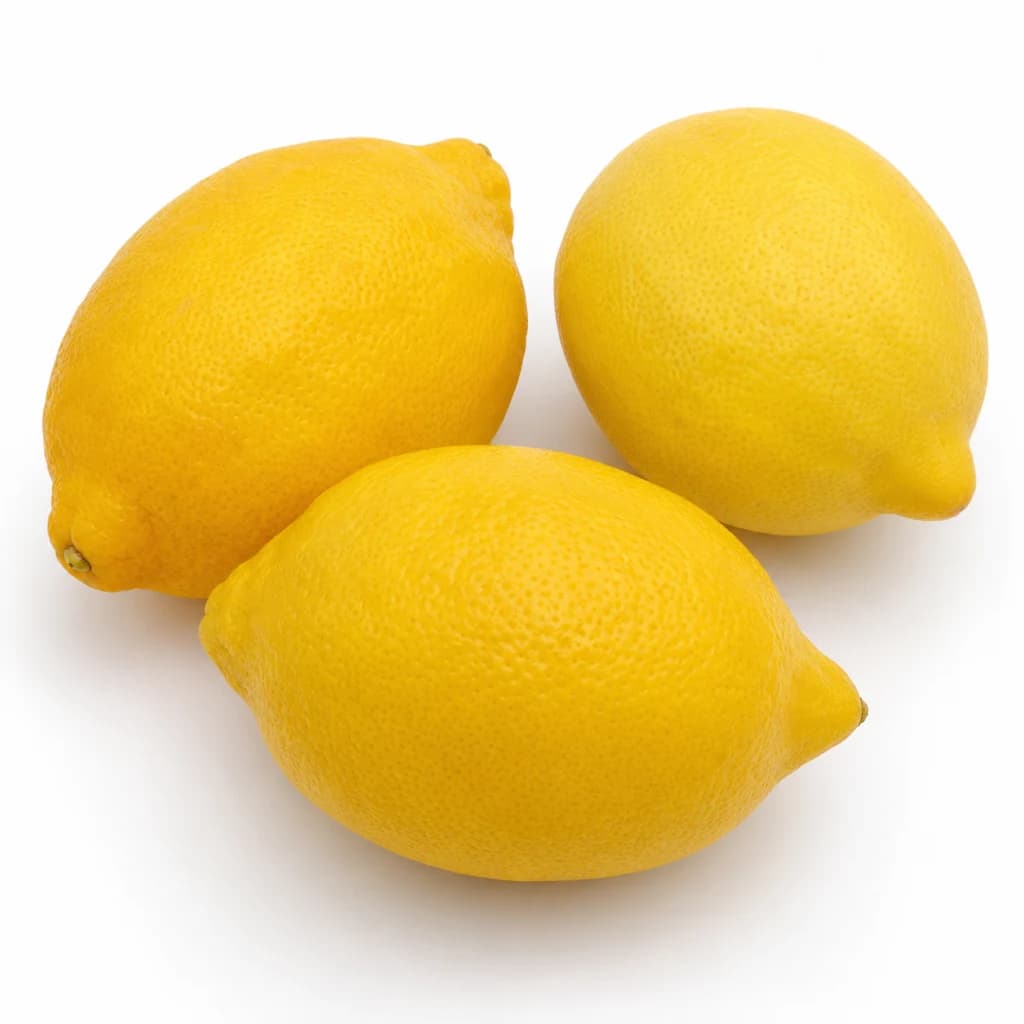
Lemon
Bright, acidic citrus that wakes up almost any dish
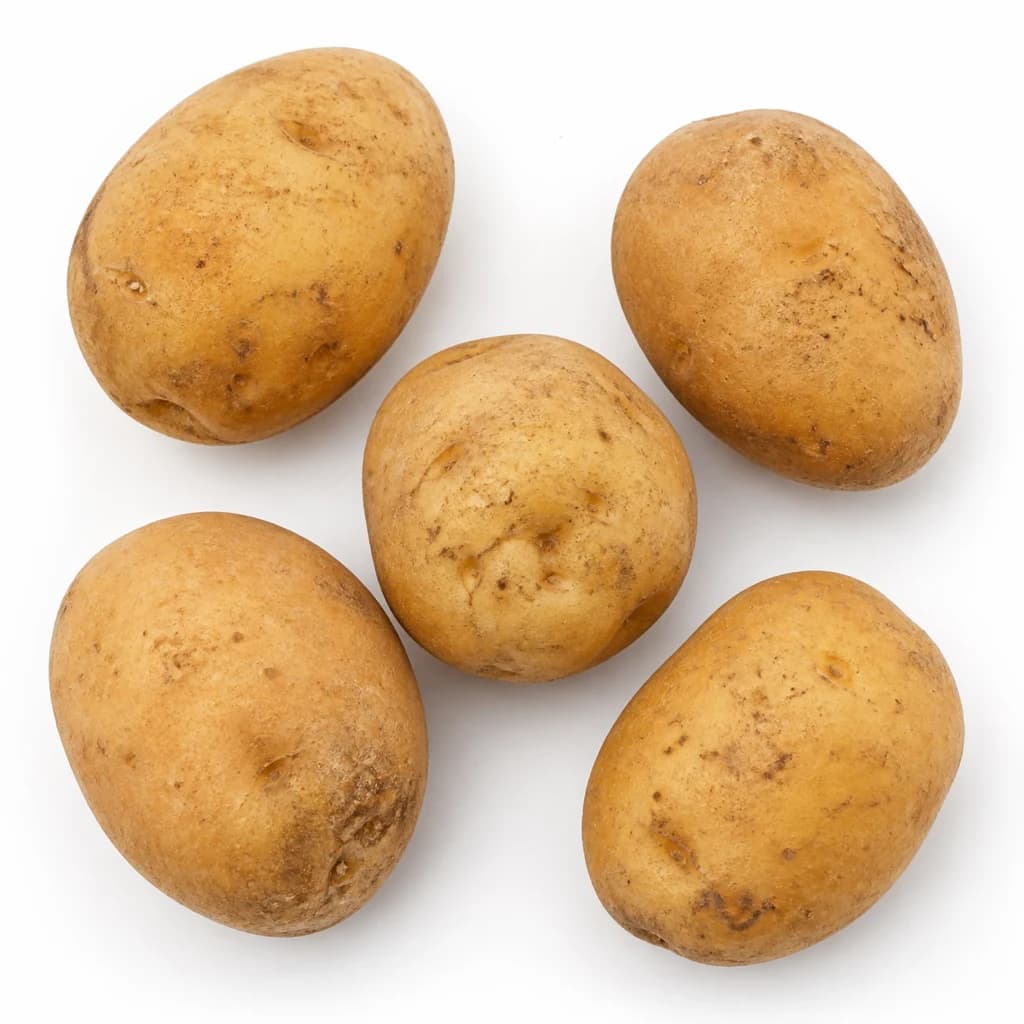
Potato
Humble, hearty staple — roast, mash, fry, or boil
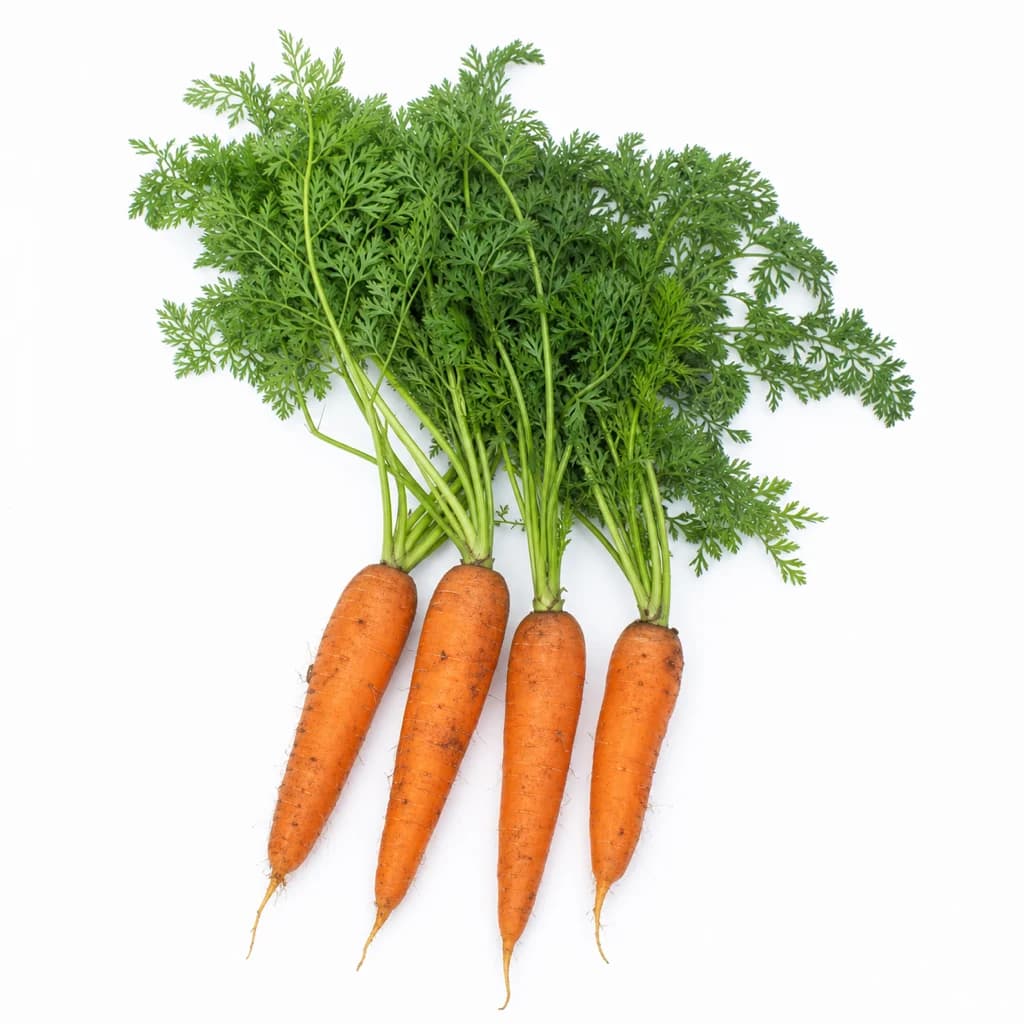
Carrot
Sweet, crunchy root — raw, roasted, or the base of a sofrito
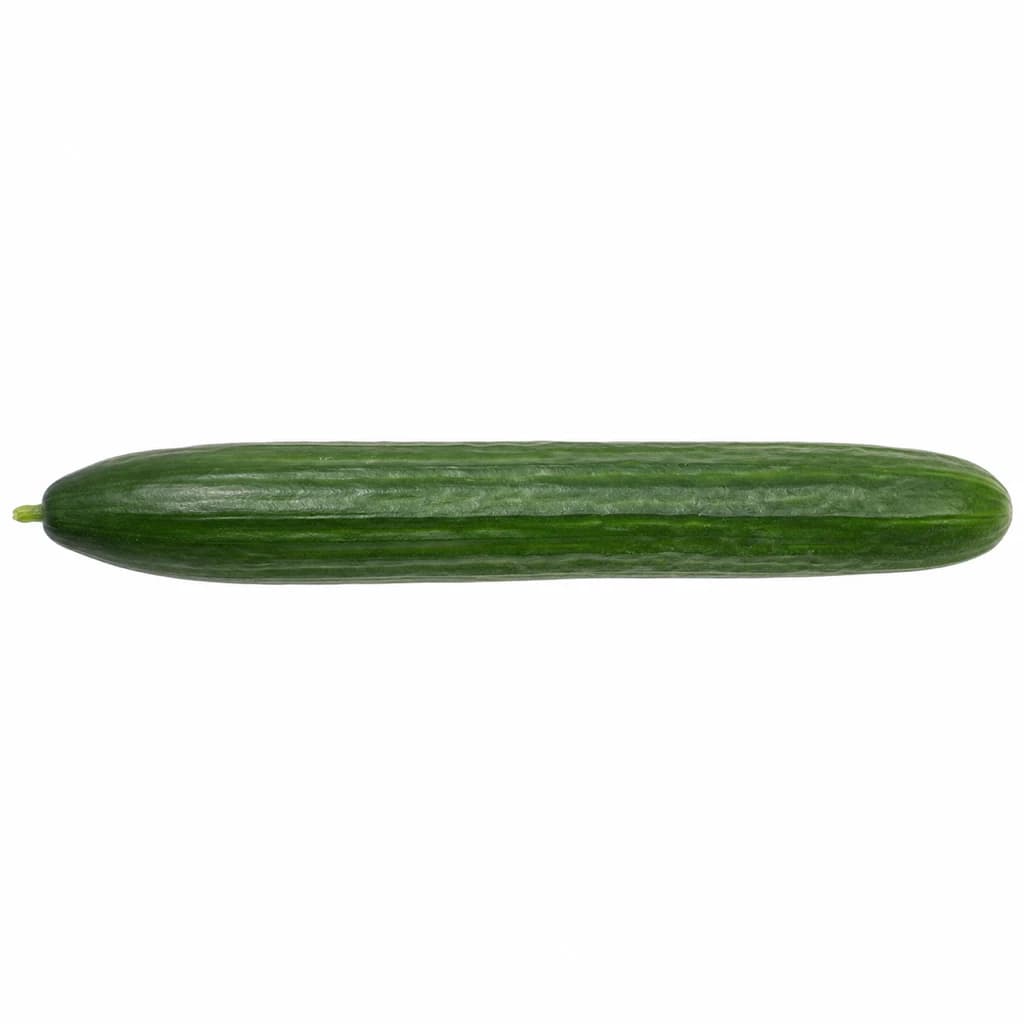
Cucumber
Cool, crisp, and watery — for salads, pickles, and tzatziki

Lettuce
Crisp leaves for salads, wraps, and a fresh crunch