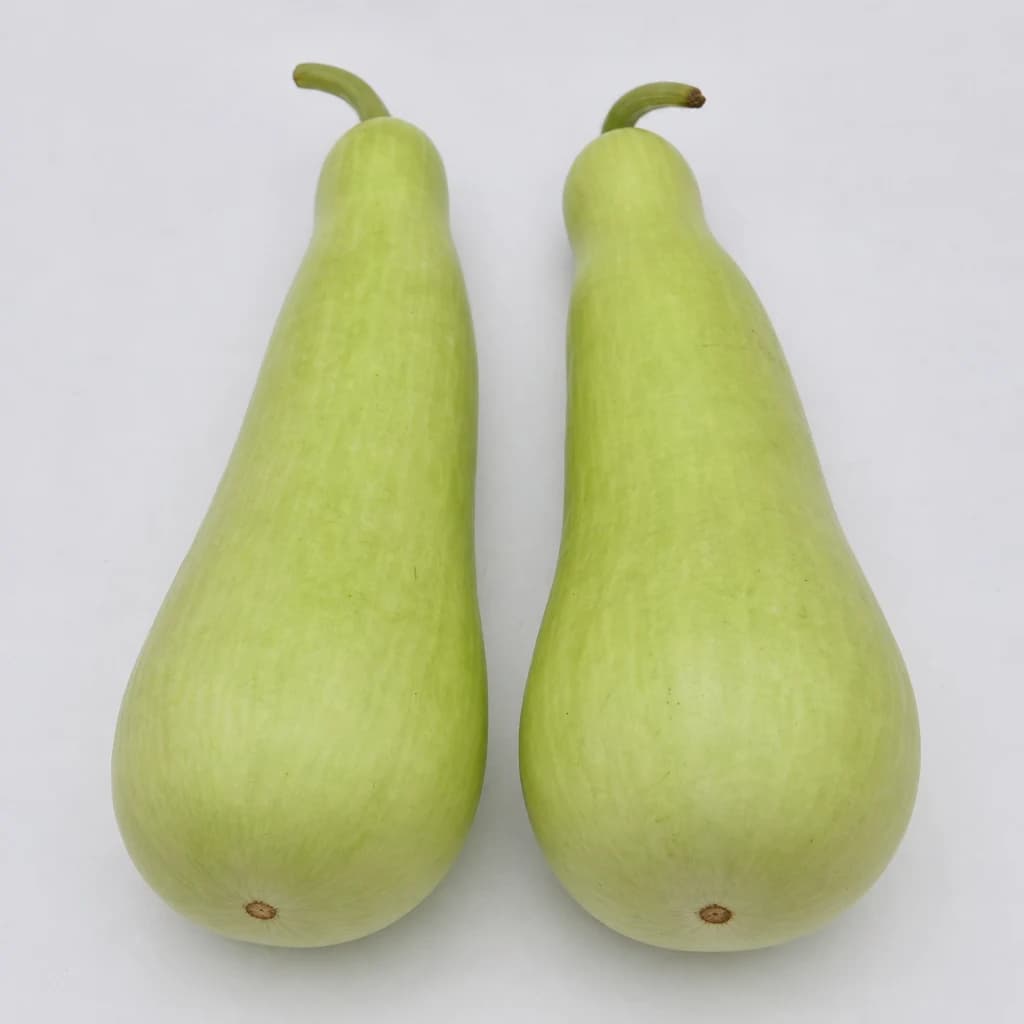
Natural form
Whole bottle gourds showing the distinctive elongated club shape and pale green skin.
Establishes the gourd's unmistakable silhouette, size, and exterior color so readers can identify it at a market.
Produce
Bottle Gourd
Pale green, mild summer gourd cooked into curries, dals, and soups across South Asia.
Bottle gourd is a large, pale-green gourd with soft white flesh and a very mild, slightly sweet flavor. It is peeled and cooked into curries, dals, fritters, and soups across South Asia and East Africa, and grated into sweet milk-based desserts. Light and watery, it absorbs the spices it is cooked with and is considered gentle on digestion.
Bottle gourd (Lagenaria siceraria) is one of humanity's oldest cultivated vegetables, domesticated in Africa and carried along trade routes to become a kitchen staple across South Asia, Southeast Asia, and China by 8,000–6,000 BCE. Its pale green, smooth-skinned flesh has a remarkably mild, slightly sweet flavor that acts as a neutral canvas, absorbing seasonings and spices while providing body and texture. The cooked flesh ranges from silky-tender to almost melting, depending on preparation, making it uniquely versatile in ways that more assertive vegetables cannot match.
The gourd's high water content (approximately 92%) is both its asset and its challenge in the kitchen. When cooked properly, this moisture creates luscious curries and soups; when mishandled, it produces a watery, mushy mess. Traditional techniques across Asian cuisines address this through salting and pressing before cooking—a step many home cooks skip to their detriment. The vegetable pairs naturally with the aromatic foundations of South Asian cooking: ginger, cumin, garlic, and tomato, while in East Asian preparations it harmonizes with sesame oil, soy sauce, and ginger. Beyond the flesh, young leaves and tendrils are edible and used in Southeast Asian cooking much like spinach, and the seeds of young gourds are nutritious when roasted.
Safety is paramount: bottle gourd belongs to the Cucurbitaceae family, which can produce toxic cucurbitacins under stress or when cross-pollinated with wild varieties. Any gourd that tastes bitter must be discarded entirely—cooking does not neutralize the toxin, which causes severe gastric distress and, in rare cases, death. Commercial varieties are safe, but always taste a small raw piece before proceeding. This precaution aside, bottle gourd is one of the most forgiving and adaptable vegetables in any cook's arsenal, bridging cuisines and occasions with quiet elegance.
- Measured in
- piece
- Storage
- Fridge
Types & varieties
Most common commercial variety; cylindrical with narrow neck, 15–45 cm long, pale green smooth skin
Hindi/Urdu names common in Indian markets; typically longer and thinner than Western varieties
Some cultivars develop a bulbous base; more common in Latin American and West African cooking
South Indian variety; similar morphology to standard bottle gourd with regional culinary uses
Wild or stress-induced variant containing toxic cucurbitacins; must be avoided—causes severe poisoning if consumed
Smaller, rounder gourd often confused with bottle gourd; actually a different species (Praecitrullus fistulosus)
Understanding Cucurbitacin Toxicity
Bottle gourd can produce dangerous cucurbitacin E when stressed, cross-pollinated with wild varieties, or grown under adverse conditions. This toxin is not destroyed by cooking. Symptoms of poisoning include nausea, vomiting, bloody diarrhea, hypotension, and in rare cases death. Commercial cultivation minimizes this risk, but any bitterness signals danger. The threshold for toxicity is extremely low—do not consume any portion of a bitter gourd. The toxin concentrates most in the skin and flesh near the skin, so even cooking the sweet portions of a partially bitter gourd is unsafe. If you grow your own gourds or purchase from informal markets, test every gourd by biting a small piece from the stem end before cooking.
- Never taste a gourd that smells bitter or unusual
- Commercial grocery store gourds are safe; homegrown or informal-market gourds require testing
- Any bitterness, however slight, means discard the entire gourd
- Cooking does NOT neutralize cucurbitacin toxins
Mastering Water Management
The gourd's high water content can overwhelm a dish if not properly managed. Traditional South Asian technique involves salting cubed or sliced gourd, letting it sit 15–20 minutes to draw out liquid, then squeezing firmly before cooking. This single step prevents watery curries and mushy texture. For halwa and other sweet preparations, dry-roasting the shredded gourd in ghee before adding liquid is essential to evaporate moisture and develop concentration. In stir-fries, cook over high heat with minimal liquid and avoid crowding the pan, which steams rather than sears.
- Salt and squeeze before cooking in curries and sabzis
- Dry-roast in ghee for sweet preparations
- Use high heat and minimal liquid for stir-fry applications
- The gourd cooks faster than expected—taste frequently
Common uses
Tips & pitfalls
- Select young, small gourds: they are more tender, have thinner skin, and fewer seeds; they should feel heavy for their size with bright, unblemished pale-green skin
- Avoid gourds with yellowing skin, soft spots, or any bitter aroma—this indicates the presence of toxic cucurbitacins
- Always taste a small raw piece before cooking: if bitter, discard entirely; cooking does not neutralize the toxin
- For curries and sabzis, salt the cubed gourd, let it sit 15–20 minutes, then squeeze out liquid—this prevents a mushy or watery final dish
- The seeds are edible and nutritious when young; mature seeds from large gourds can be roasted like pumpkin seeds
- Peel only if the skin is thick and waxy; young gourds with thin, tender skin can be left unpeeled for added nutrition and structure
- Do not overcook: unlike zucchini, bottle gourd collapses rapidly and can become mushy; cook until just tender, 5–8 minutes for cubed pieces in liquid
- Pair with aromatics: the mild flavor disappears without sufficient seasoning; use generous ginger, cumin, coriander, and chili to build complexity
- When making halwa, dry-roast the gourd in ghee first to evaporate moisture and concentrate flavor before adding sugar and milk
Nutrition
Energy
84 kJ · per 100 g
Where the calories come from
Protein
1.2g
2% DV
Carbs
4.4g
2% DV
Fat
0.2g
0% DV
Fiber
1.1g
4% DV
Sugars
2g
of which
Sodium
3mg
0% DV
Source · USDA FoodData Central · approx. Gourd, dishcloth (towelgourd), raw
View on FDC →In the shops
Matched grocery products
No matched grocery products for Bottle Gourd yet.
Good to know
- Scientific Name
- Lagenaria siceraria
- Family
- Cucurbitaceae (gourd family)
- Origin
- Domestication began in Africa; spread to South Asia, Southeast Asia, and China by 8,000–6,000 BCE
- Peak Season
- Summer (June–September in temperate regions; year-round in tropical markets)
- Flavor
- Mild, slightly sweet; neutral base that absorbs seasonings readily
- Primary Texture
- Firm raw; silky and tender when cooked
- Water Content
- Approximately 92%
- Typical Size
- 15–30 cm when harvested young; up to 1 meter if allowed to mature
- Nutrients
- Vitamin C, B-complex vitamins, calcium, magnesium, potassium, zinc, dietary fiber
- Storage (Whole)
- Refrigerate unwashed up to 7 days in crisper drawer
- Storage (Cut)
- Refrigerate wrapped, use within 2–3 days
- Traditional Preparation
- Salted and squeezed to remove excess moisture before cooking
- Ayurvedic Classification
- Considered a cooling food (shita); used to balance pitta and vata doshas
Substitutes
- Zucchini — Similar mild flavor and cooking behavior; slightly firmer texture; use 1:1 ratio
- Yellow Summer Squash — Closest textural match; slightly sweeter; cook 1–2 minutes less than bottle gourd
- Chayote — Comparable neutral flavor and absorbent nature; slightly crunchier; works in soups and curries
- Delicata Squash — When young; similar mildness; skin is edible; better for roasting than stewing
- Ridge Gourd (Turai/Luffa) — Authentic Indian substitute with similar cultural context; more fibrous; requires longer cooking
- Patola (Pointed Gourd) — Traditional Indian substitute; stronger vegetable flavor; cook slightly longer
- Cucumber (cooked) — For soups only; will not hold shape in curries; use sparingly
Pairs with
Also called
Lau · Calabash · Opo Squash · Lauki
Appears in these dishes

Related
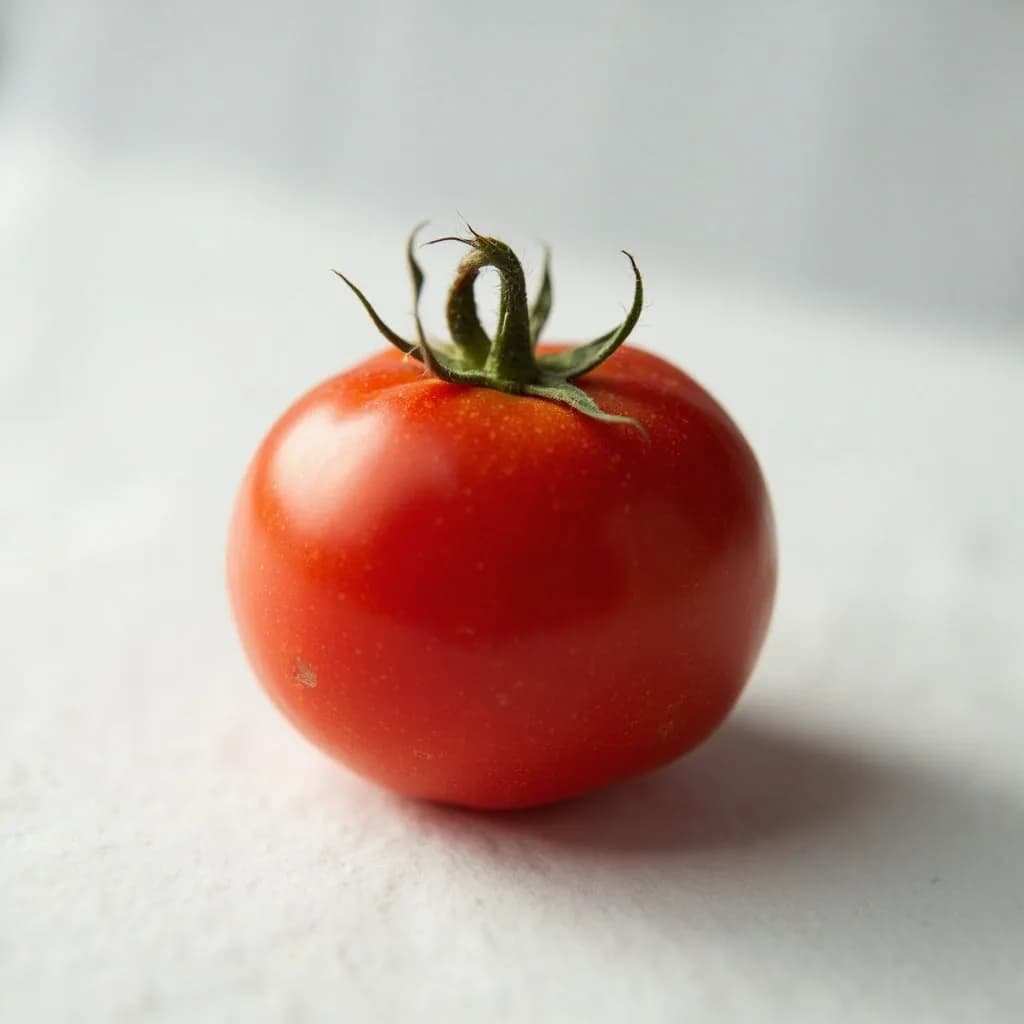
Tomato
Juicy, sun-sweet fruit for sauces, salads, and slow-cooked depth
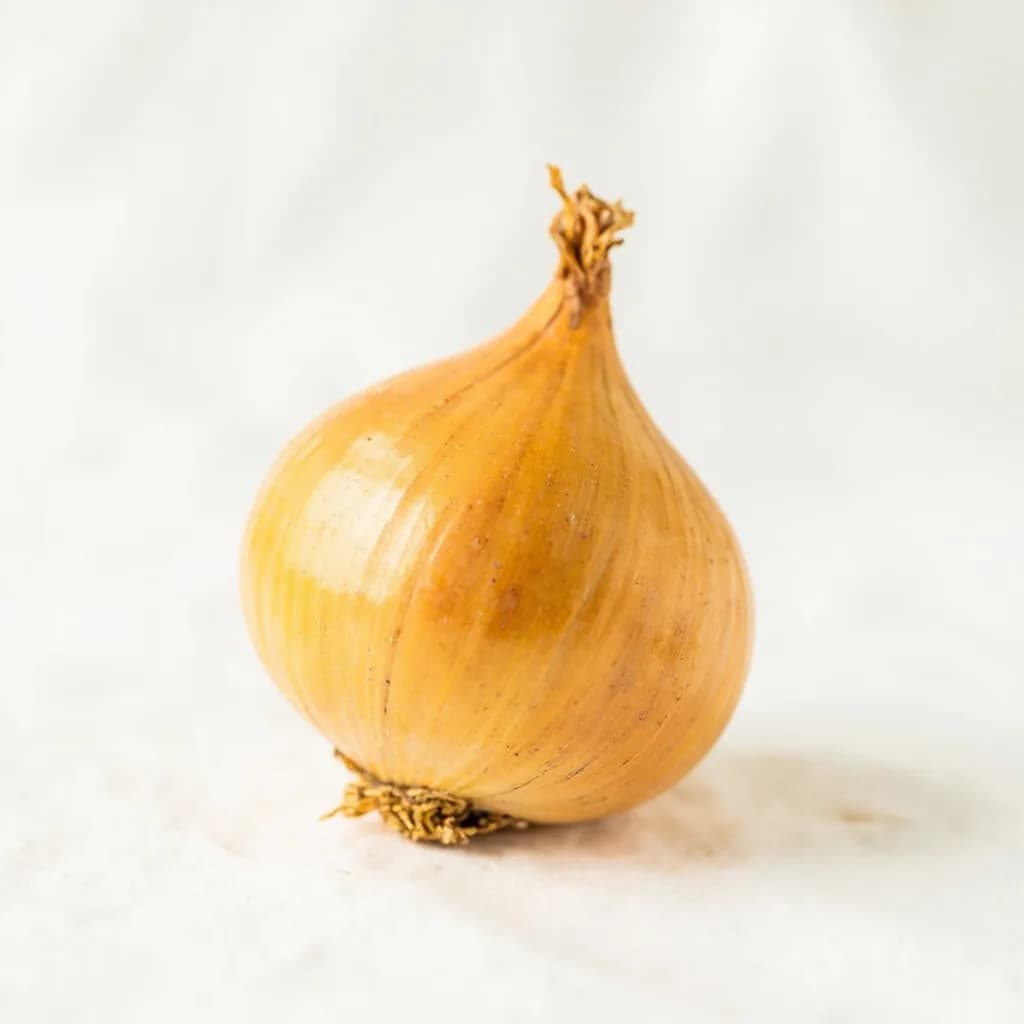
Yellow Onion
The aromatic backbone of soups, sofritos, and braises
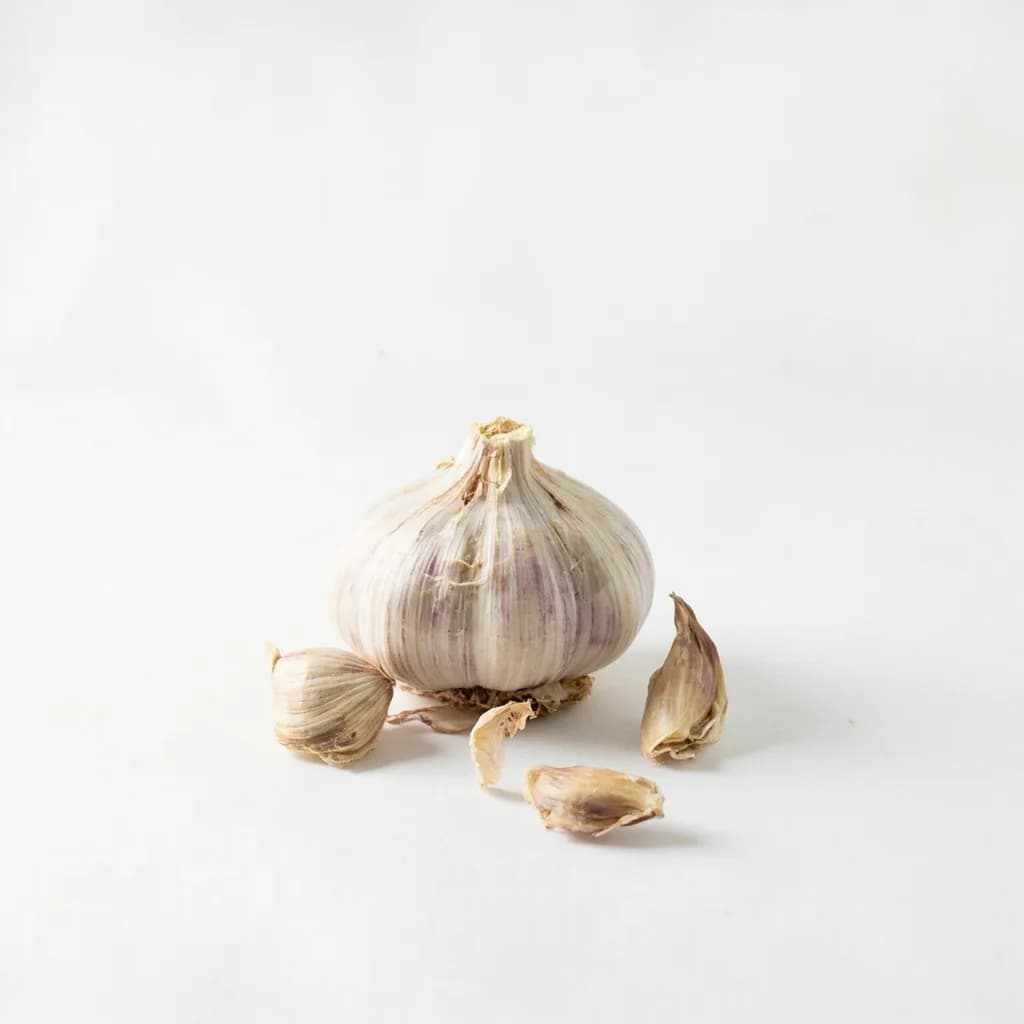
Garlic
Pungent cloves that perfume nearly every savory dish
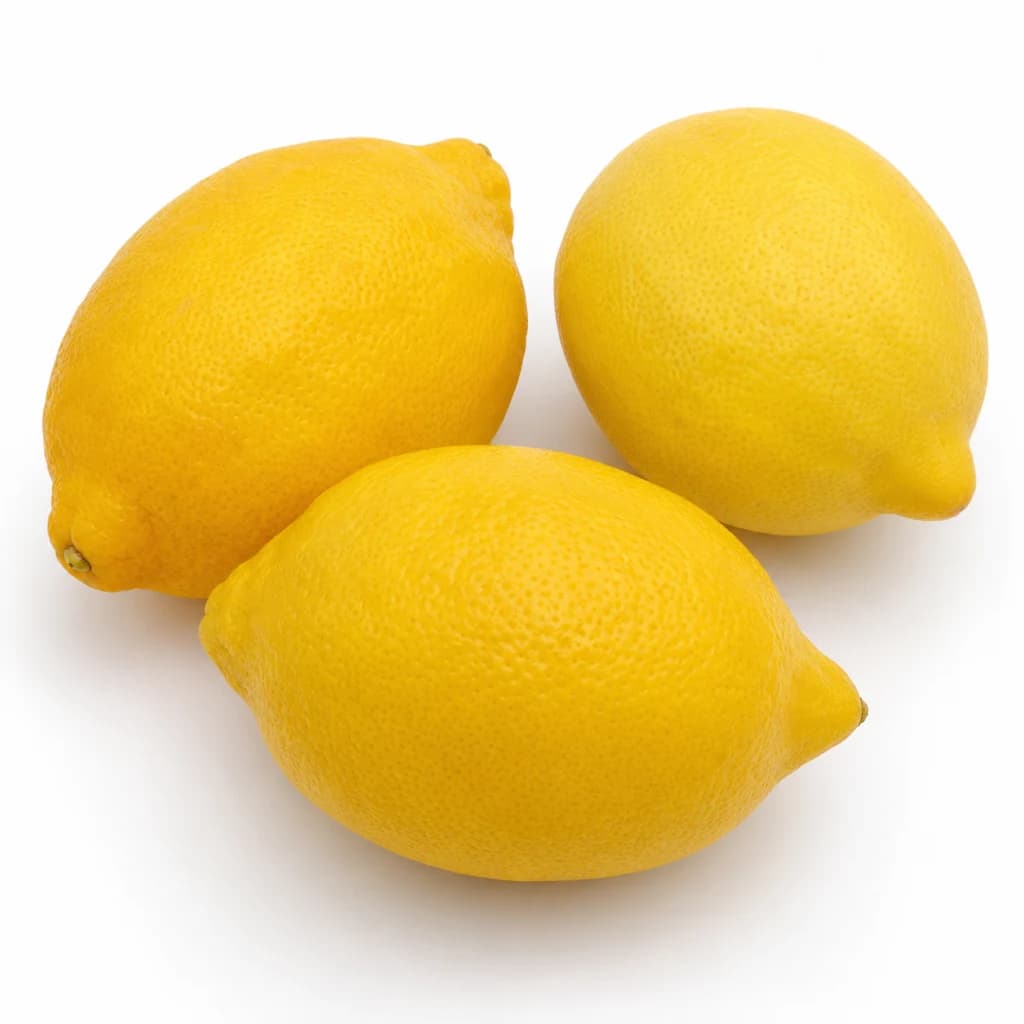
Lemon
Bright, acidic citrus that wakes up almost any dish
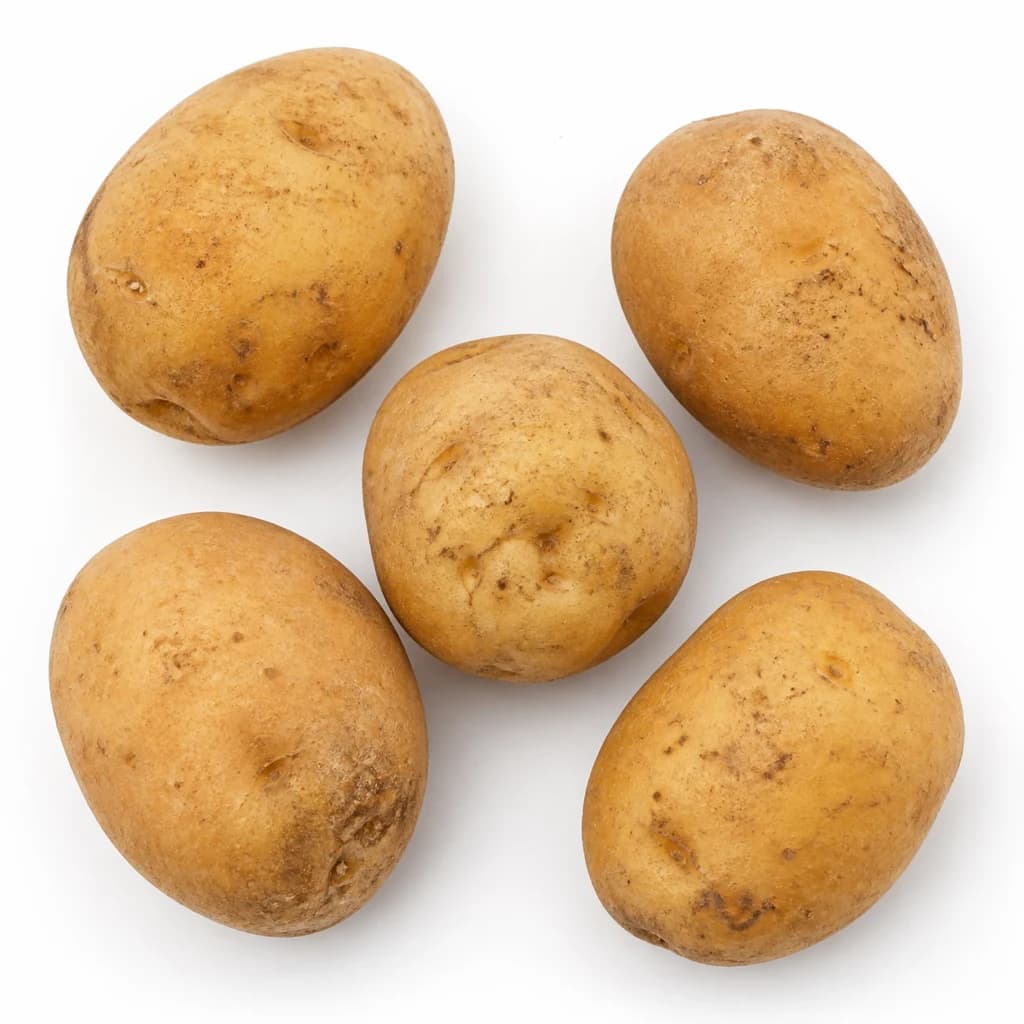
Potato
Humble, hearty staple — roast, mash, fry, or boil
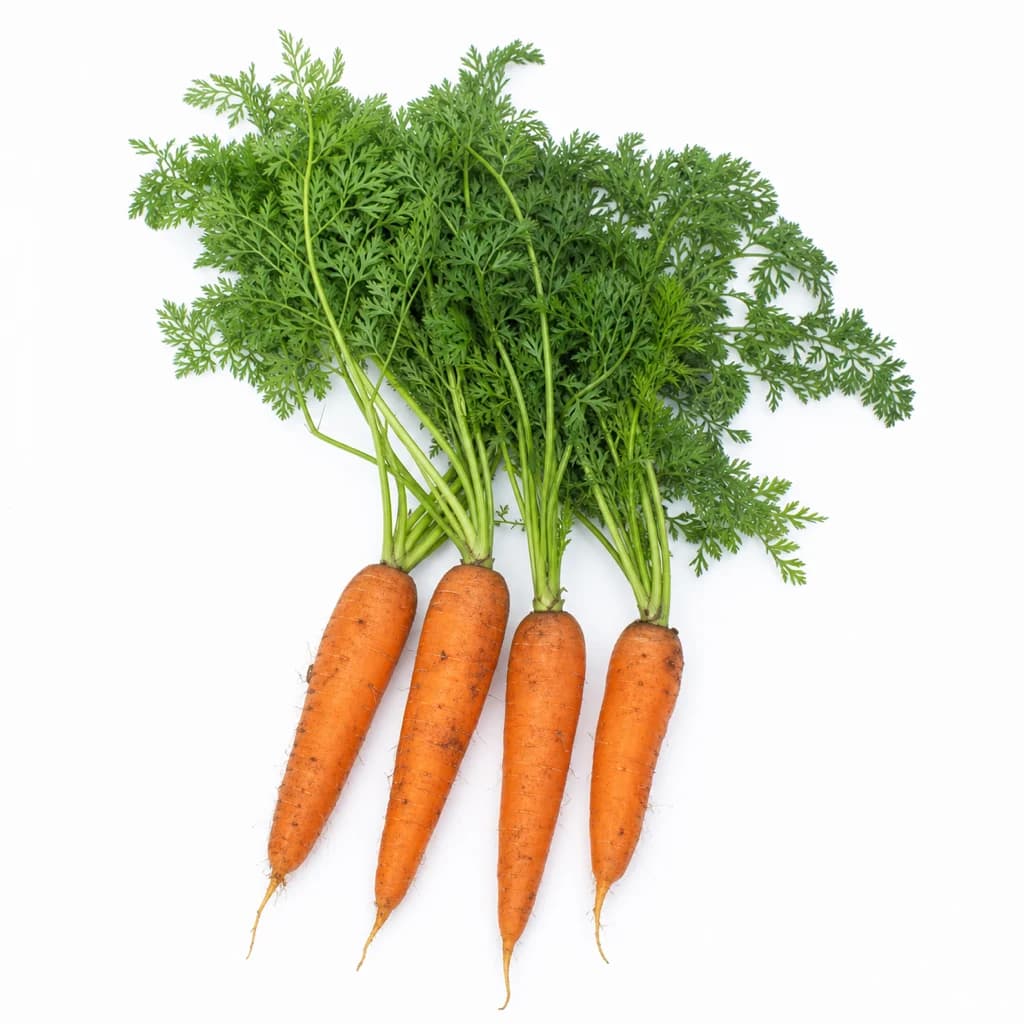
Carrot
Sweet, crunchy root — raw, roasted, or the base of a sofrito
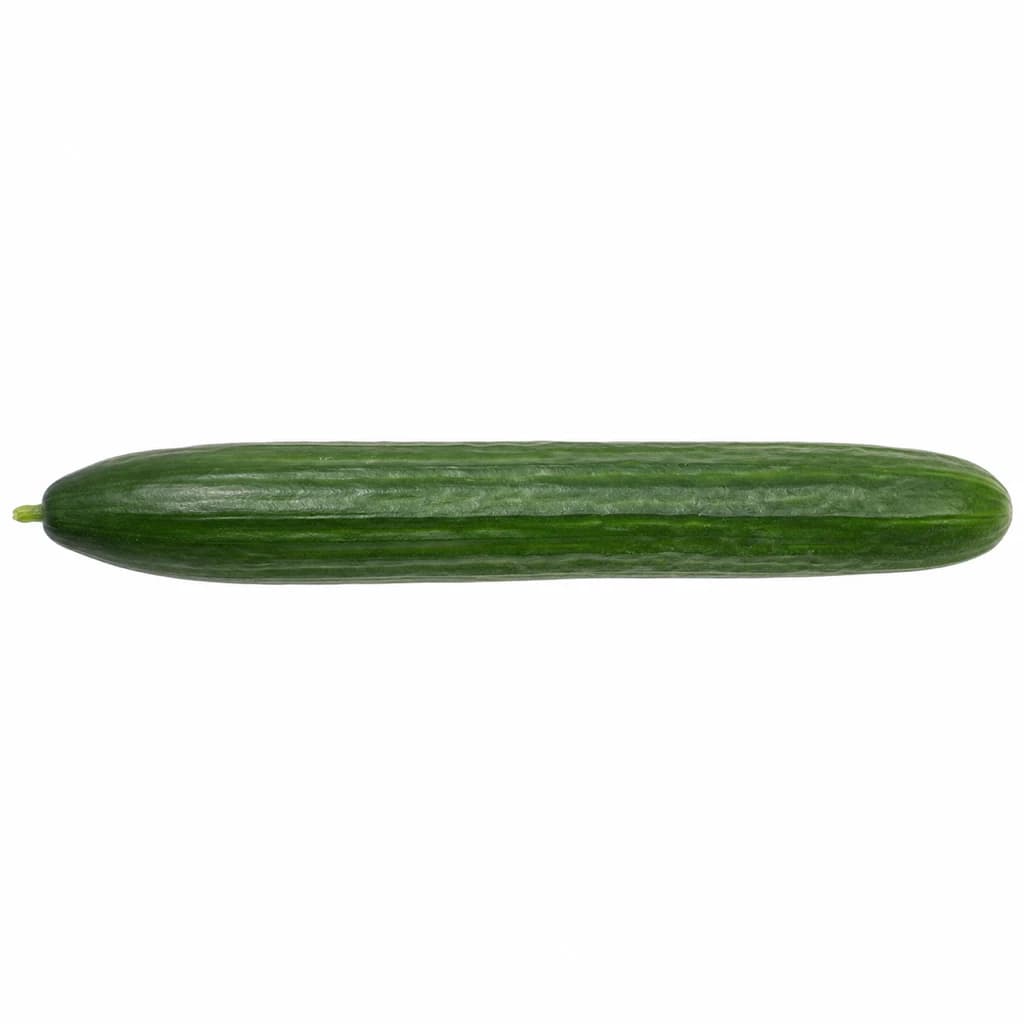
Cucumber
Cool, crisp, and watery — for salads, pickles, and tzatziki

Lettuce
Crisp leaves for salads, wraps, and a fresh crunch