Grains & Rice
Brik Pastry (Malsouka)
Thin Tunisian wheat pastry sheets fried into crisp brik parcels around egg and tuna.
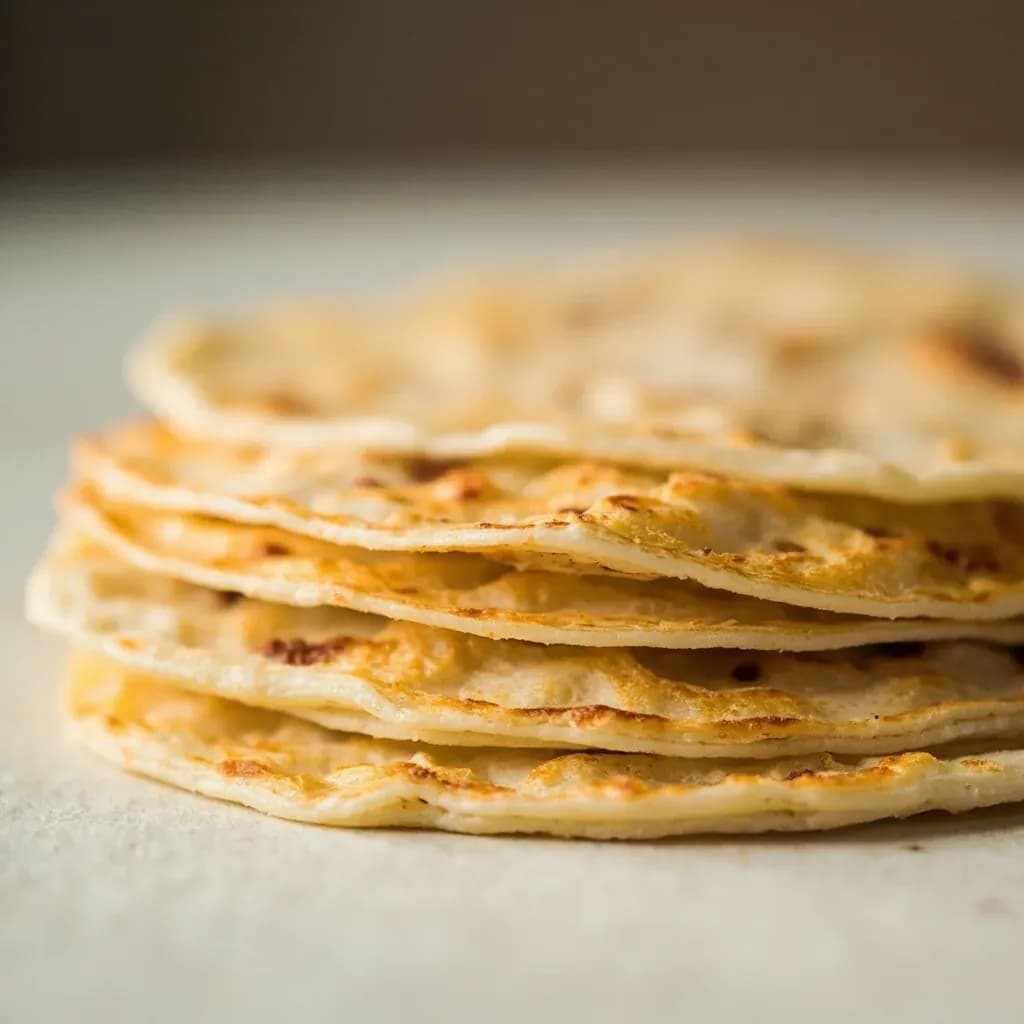
Brik pastry, known as malsouka or warqa, is a thin, semi-cooked sheet of wheat-flour dough used across Tunisia and the Maghreb. It is folded around fillings like egg, tuna, potato and capers, then fried until shatteringly crisp to make brik. The sheets are more delicate and crackly than filo when fried.
Brik pastry is a paper-thin, dried sheet of wheat flour dough that transforms dramatically when exposed to heat. Originating in Tunisia, these delicate rectangles—typically 25–30 cm by 40 cm—are stacked and sold in bundles of ten to twelve sheets. When brushed with oil or butter, folded around a filling, and plunged into hot oil at 180°C, the pastry fries in two to three minutes into a crisp, lacy shell that shatters at the first bite. The contrast between that delicate crunch and a warm, often runny center is the defining pleasure of brik and the reason it has endured as Tunisia's most beloved street food.
The ingredient's significance extends beyond texture: brik is a canvas for the bold, bright flavors of Tunisian cuisine. Harissa, capers, tuna, and fresh herbs all find their place within these fragile parcels. Unlike flakier pastries that rely on butter layers for their structure, brik depends entirely on the frying process to achieve its signature crunch—making temperature control and handling technique the two skills a cook must master. The dried sheets are forgiving of storage lapses (they keep for months sealed in a cool, dry place) but demand respect once exposed to humid air, when they tear easily and lose their workability within minutes.
- Measured in
- piece
- Storage
- Fridge
Allergens
Types & varieties
The standard commercial name for the dried brik sheet in Tunisia and among North African grocers
Moroccan counterpart; similar thin pastry, though sometimes slightly thicker and used for both fried and baked preparations (bastilla)
Extra-thin grade preferred by professionals for the most delicate, laciest crunch
Common uses
Tips & pitfalls
- Do not overfill — a tablespoon to a generous tablespoon and a half of filling is sufficient; overfilling causes the parcel to burst during frying and leaks oil into the cooking vessel
- Moisten the edges with water or beaten egg white before folding, then press firmly to seal; an unsealed edge will open in the oil and ruin the parcel
- Heat oil to 180°C (355°F) — use a thermometer; too cool and the pastry absorbs oil and turns sodden; too hot and it browns before the filling heats through
- Use a heavy-bottomed pot or deep fryer to maintain stable temperature, especially when frying multiple parcels in succession
- Fry only one or two parcels at a time to avoid dropping the oil temperature dramatically
- Handle dried sheets with care — they tear easily, especially once removed from the stack; work quickly once a sheet is exposed to air
- If a sheet becomes too dry to fold cleanly, mist it lightly with water and cover with a damp cloth for 30 seconds to restore flexibility
- Double-fold the edges if you want a thicker, more substantial pastry wall; single folds are traditional but more delicate
- Leftover fried parcels reheat poorly and lose their crunch — make only what you plan to serve immediately
Nutrition
Energy
1586 kJ · per 100 g
Where the calories come from
Protein
5.5g
11% DV
Carbs
47.8g
17% DV
Fat
18.5g
24% DV
Fiber
2.2g
8% DV
Sugars
17g
of which
Sodium
231mg
10% DV
Source · USDA FoodData Central · approx. Pastry, Pastelitos de Guava (guava pastries)
View on FDC →In the shops
Matched grocery products
No matched grocery products for Brik Pastry (Malsouka) yet.
Good to know
- Origin
- Tunisia, North Africa
- Primary Material
- Wheat flour (sometimes with semolina), water, salt
- Typical Format
- Rectangular thin sheets, approximately 25–30 cm × 40 cm, sold dried in stacks of 10–12 sheets
- Texture (prepared)
- Crisp, paper-thin, lacy when fried
- Storage (unopened)
- Cool, dry place; shelf-stable for 6–12 months
- Storage (opened)
- Wrapped airtight; use within days to prevent drying out
- Typical Preparation
- Brushed with oil or butter, folded around filling, deep-fried until golden and crisp
- Equipment Required
- Heavy-bottomed pot or deep fryer; tongs for handling
- Cooking Time
- 2–3 minutes per parcel in oil at 180°C (355°F)
- Difficulty
- Beginner-friendly; forgiving of filling variations
Substitutes
- Phyllo Dough — The closest Western substitute; brush each layer generously with butter, cut to approximate rectangle, and fry. The result is richer and slightly flakier but entirely serviceable.
- Spring Roll Wrappers — Square rice-paper or wheat-based wrappers sold at Asian markets; the folding technique differs but acceptable for a quick substitute.
- Filo Pastry — Use the thinnest grade available; cut to rectangle shape and treat like phyllo with butter brushing before frying.
Pairs with
Also called
Malsouka · Warqa · Feuilles de Brick
Appears in these dishes

Related

White Rice
Fluffy long-grain rice — the neutral base for almost any meal

White Bread
Soft sandwich loaf for toast, sandwiches, and crumbs
Brown Rice
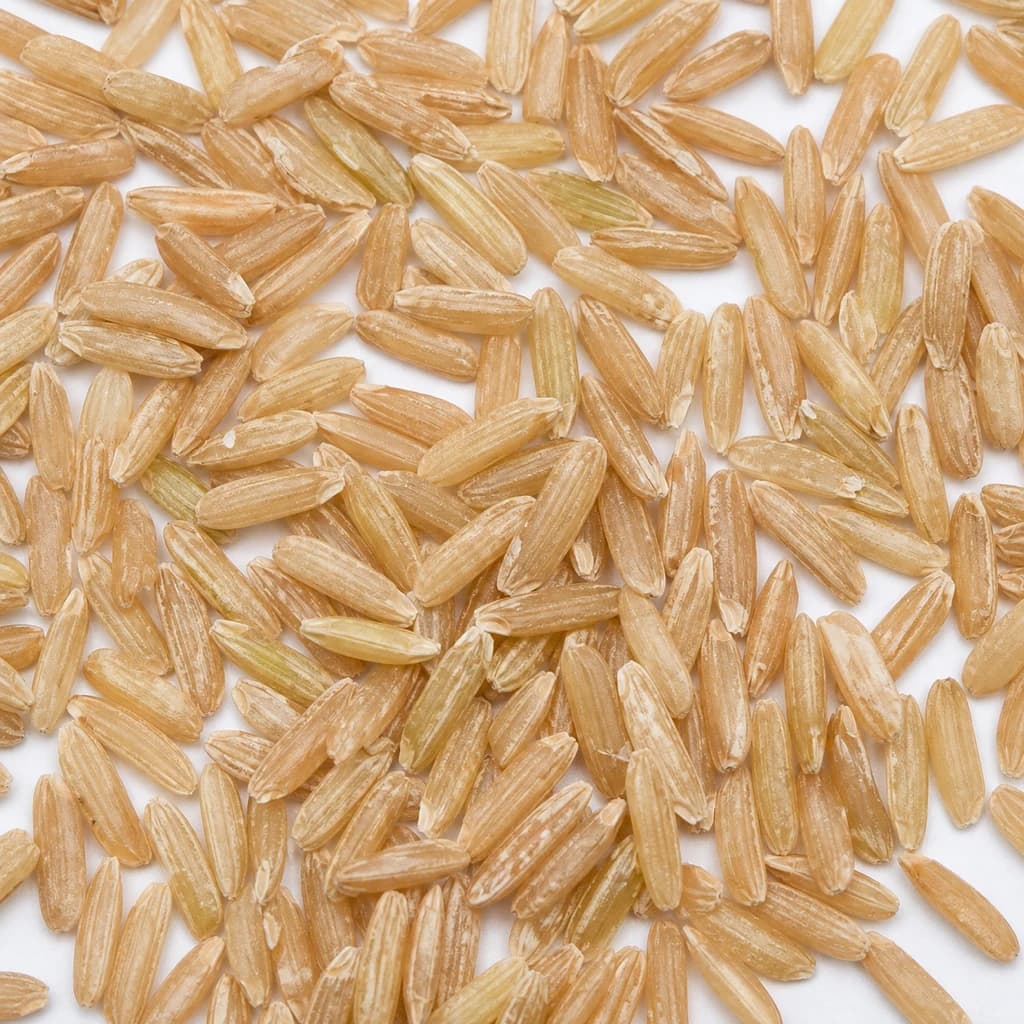
Nutty, whole-grain rice with chew and extra fiber

Basmati Rice
Fragrant, long-grain rice that cooks up light and separate
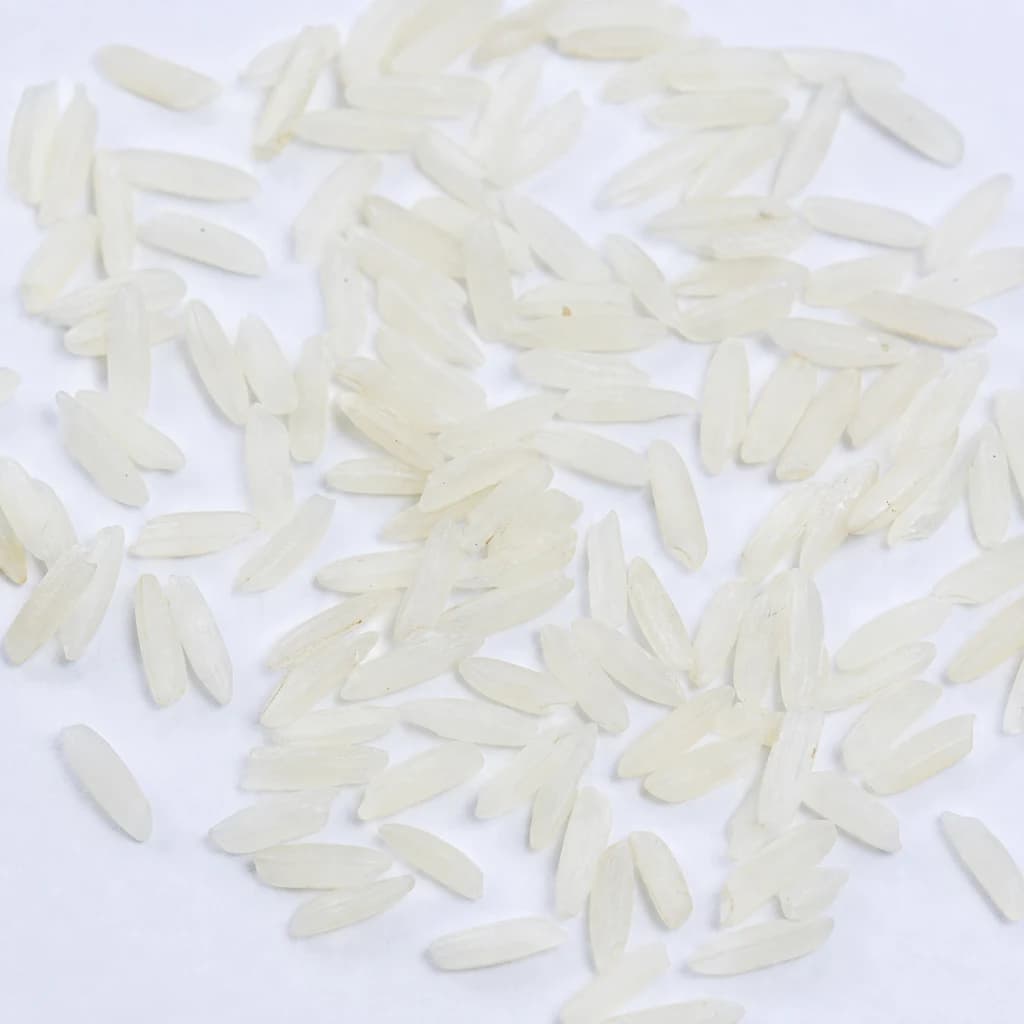
Jasmine Rice
Soft, floral-scented rice that's the pillar of Thai meals
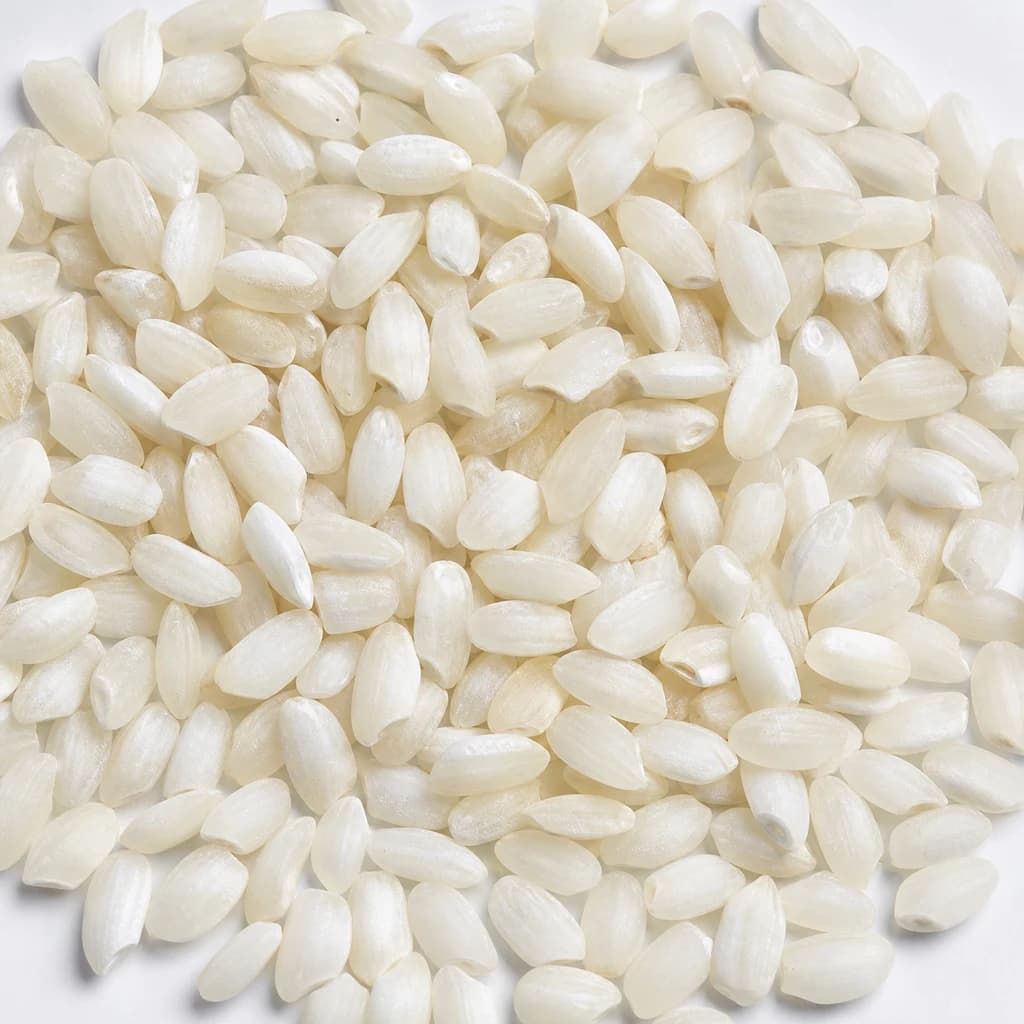
Arborio Rice
Plump, starchy rice that makes risotto creamy
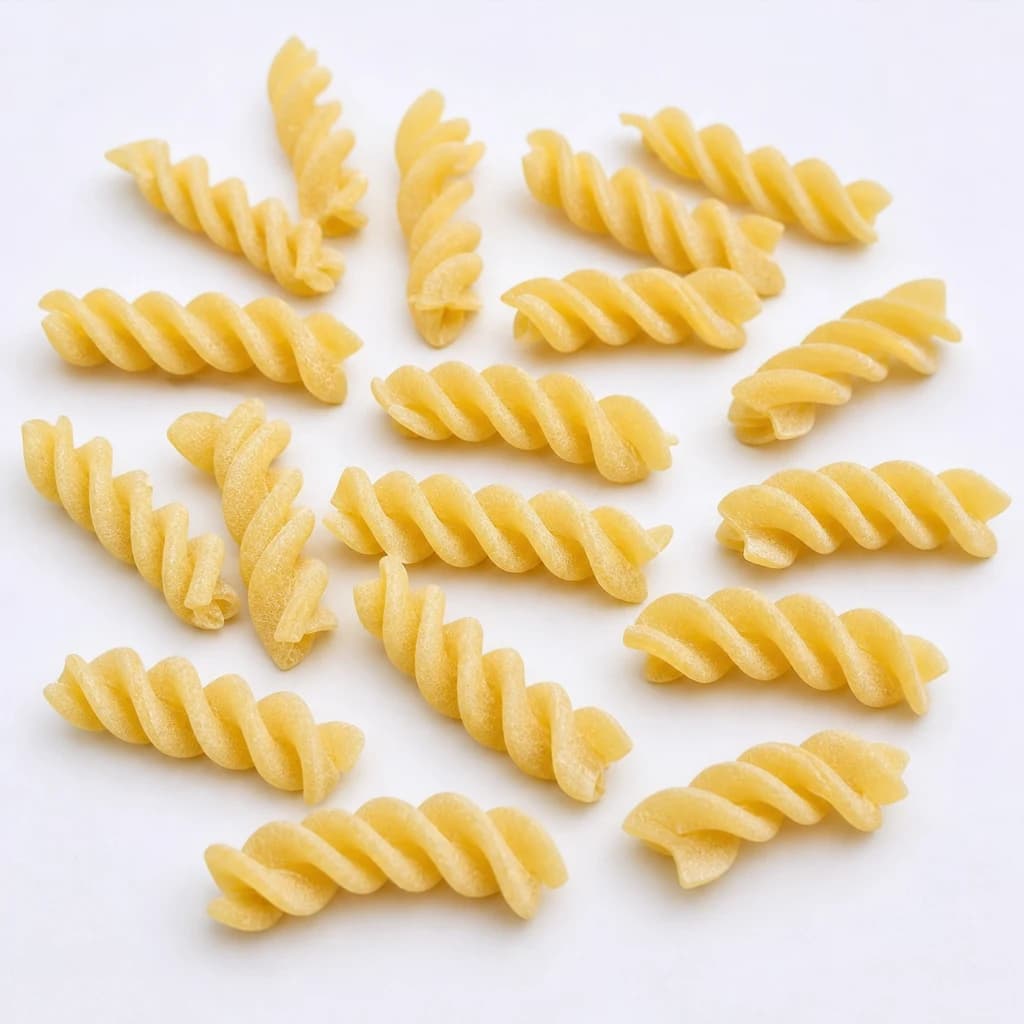
Fusilli
Spiraled pasta that twirls up sauce and dresses cold salads
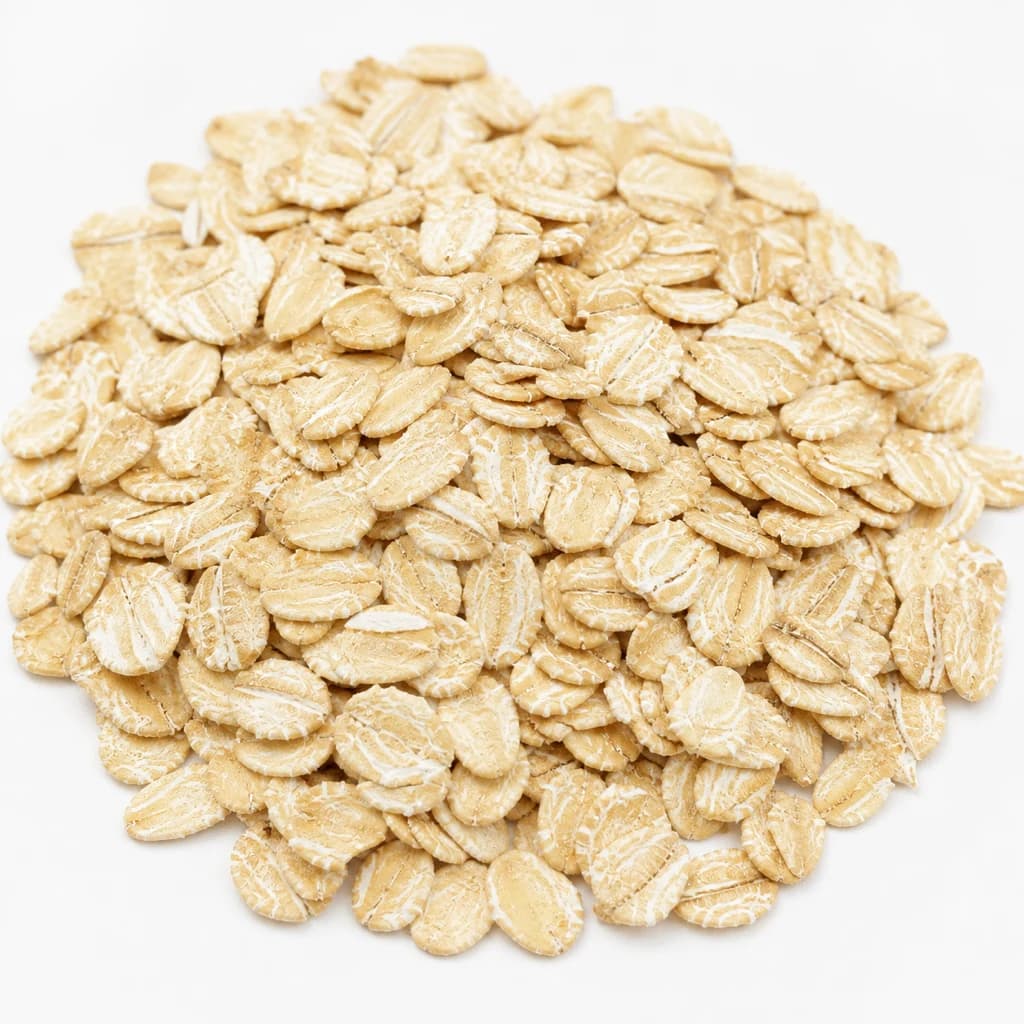
Rolled Oats
Hearty flakes for porridge, granola, and chewy cookies