
Natural form
A firm block of brunost showing its distinctive caramel-brown color and dense texture.
Establishes what the whole cheese block looks like — its unmistakable dark amber-brown color and compact rectangular form.
Dairy & Eggs
Brown Cheese (Brunost)
Caramel-colored Nordic whey cheese with a sweet, fudgy, slightly tangy flavor, sliced thin.
Brown cheese, called brunost in Norway and mysuost in the Nordic region, is made by slowly boiling whey until its milk sugars caramelize into a sweet, fudge-like brown block. It is shaved thin with a cheese slicer onto waffles, crispbread, and bread for breakfast. Its flavor is caramel-sweet with a faint tang, more like a confection than a typical cheese.
Brown cheese, or brunost, occupies a singular place in Nordic cuisine: it is technically a whey cheese, not a cheese in the traditional sense, made by concentrating and slowly simmering whey—often for 12 to 24 hours—until the lactose caramelizes and the mixture achieves a dense, fudgy consistency. The long, gentle cooking produces its signature deep brown color and caramel sweetness without any added sugar. Gudbrandsdalsost, named for the Gudbrandsdalen valley in Norway, is the archetype, typically made from goat's milk whey with a small amount of cream. The result is a cheese with a paradoxical flavor: sweet and caramel-like on first bite, with a clean, mildly tangy finish that lingers. Its texture is equally distinctive—firm enough to slice cleanly when cold, but becoming yielding and spreadable at room temperature. This duality makes it unusually versatile, equally at home sliced thin on bread or allowed to soften on a cheese board. Brunost is deeply woven into Norwegian food culture, appearing at breakfast tables, on waffles, alongside lamb stew, and as a bar snack with aquavit. Its concentrated whey proteins also make it notably rich in protein—around 30%—while maintaining the fudgy richness of a high-fat confection.
- Measured in
- g
- Storage
- Fridge
Allergens
Types & varieties
The classic and most widely known variety; named after Gudbrandsdalen valley; made from goat's milk whey with some cream
Made predominantly or entirely from goat's milk; sharper, more tangy flavor; darker color
Made with added cream (fløte), resulting in higher fat content and richer, sweeter flavor
A generic term for whey cheese; typically made from cow's milk whey; milder flavor than goat-based varieties
A fresh, softer, paler version of whey cheese; often used as a spread or in baking rather than slicing
How Brunost Is Made
The production of brunost begins not with curds, as with most cheeses, but with whey—the liquid remaining after milk has been curdled and strained. This whey is transferred to large open kettles and heated over sustained, gentle heat. Over 12 to 24 hours, the whey slowly reduces, its moisture evaporating while the lactose concentrates and caramelizes. The milk proteins and fat, now super-concentrated, bind into a smooth, cohesive mass. The longer the cooking and the higher the heat toward the end, the darker and more intensely flavored the final cheese becomes. The addition of cream (as in Fløtemysost) or the use of purely goat's milk (as in Ekte Geitost) further distinguishes flavor profiles. No starter cultures, rennet, or added sugar are required—the caramel flavor comes entirely from the milk's own lactose, transformed by heat.
Buying and Storing
Authentic brunost is sold in rectangular blocks or rounds, typically 500g to 1kg, wrapped in wax paper. Look for even coloration throughout—the interior should match the surface color, indicating consistent caramelization. Avoid packages with visible moisture beads or a grainy, separated texture, which suggests improper storage or aging. Because brunost has low moisture content, it keeps well unrefrigerated for several weeks. For longer storage, refrigerate tightly wrapped in plastic wrap plus a layer of aluminum foil to prevent it from absorbing other flavors—this is critical, as the cheese readily picks up odors. Frozen, it maintains quality for up to 12 months; thaw slowly in the refrigerator to preserve texture.
- Check that the color is consistent from surface to interior
- Wrap tightly in plastic wrap, then aluminum foil, to block refrigerator odors
- Freeze for up to 12 months; thaw slowly in the refrigerator
Common uses
Tips & pitfalls
- Slice paper-thin with a sharp knife; the density makes thick slices chewy and overwhelming
- The darker the cheese (mahogany to near-black), the more intense and complex the caramel flavor—darker is preferred for cheese boards, paler for baking
- Slice from the refrigerator when cold for clean cuts; it spreads slightly as it warms on the plate
- When melting into sauces, add small shavings off the heat and stir gently; it scorches easily if added to a rolling boil
- Let sliced portions sit at room temperature for 10–15 minutes before serving to achieve the optimal fudgy, spreadable texture
- Do not confuse authentic brunost with chocolate-flavored cheese or fruit-topped commercial products—these are adaptations, not traditional whey cheese
- If unavailable, simmer regular whey down for hours until caramelized (a traditional home method), though commercial versions offer better consistency
Nutrition
Energy
1628 kJ · per 100 g
Where the calories come from
Protein
25.6g
51% DV
Carbs
1.6g
1% DV
Fat
31.1g
40% DV
Fiber
0g
0% DV
Sugars
1.6g
of which
Sodium
800mg
35% DV
Source · USDA FoodData Central · approx. Cheese, fontina
View on FDC →In the shops
Matched grocery products
No matched grocery products for Brown Cheese (Brunost) yet.
Good to know
- Origin
- Norway; Gudbrandsdalen valley is the historic center of production
- Type
- Whey cheese (from concentrated, simmered whey, not traditional curds)
- Milk Base
- Goat's milk, cow's milk, or a blend; Gudbrandsdalsost uses primarily goat's milk
- Flavor
- Sweet, caramel-like, fudgy, mildly tangy; intensity increases with color depth
- Color
- Ranges from tan to deep mahogany brown; caramelization of lactose during slow simmering creates the color
- Texture
- Dense, smooth, fudgy; cuts cleanly when cold, spreads at room temperature
- Fat Content
- Approximately 35%
- Protein Content
- Approximately 30%
Substitutes
- Dulce de leche — Closest flavor match; shares the caramelized milk sweetness, though lacks the savory, tangy depth of whey cheese
- Evaporated milk caramel — Simmer 2 cups whole milk with 1/2 cup sugar until deep amber (45–60 minutes); stir frequently; closer to brunost's intensity than standard caramel sauce
- Crème fraîche — Provides tanginess and creaminess but missing the caramel notes; use as an emergency spread substitute
- Sweetened condensed milk (reduced) — Simmer a can until thick, golden, and fudgy to approximate texture and sweetness
Pairs with
Also called
Brunost · Mysuostur · Whey/Prim Spread · Messmör (Whey Spread) · Mysuost
Related

Whole Milk
Rich, full-fat milk for drinking, coffee, sauces, and baking
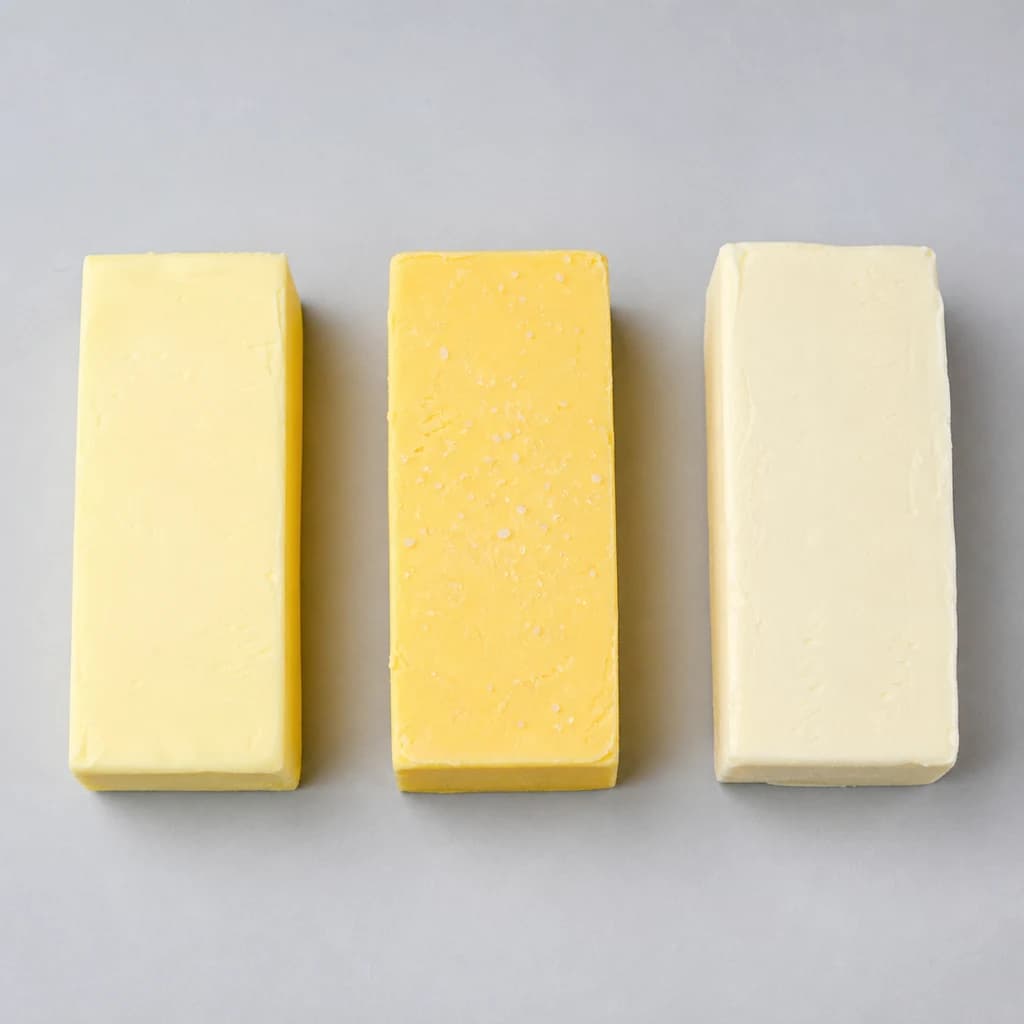
Butter
Golden fat for searing, baking, and finishing a sauce
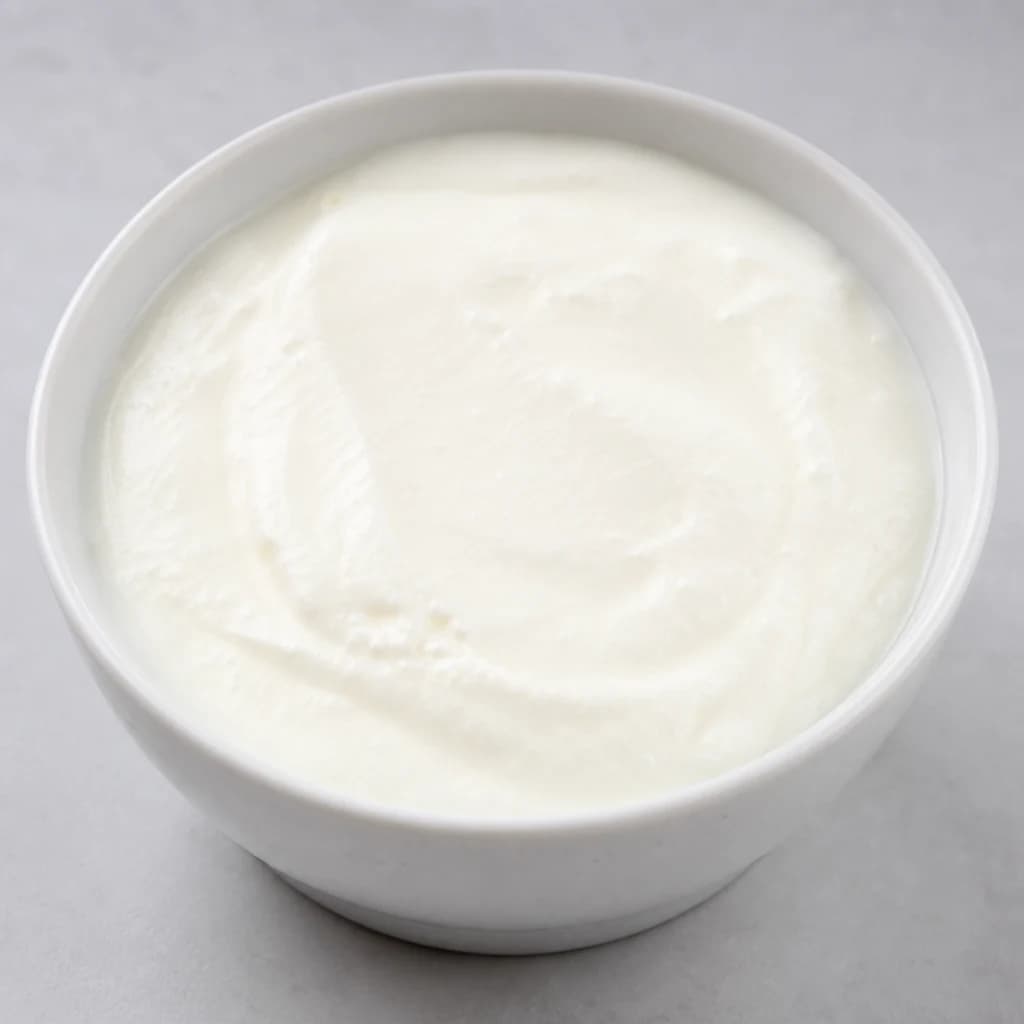
Yogurt
Tangy, creamy culture for breakfast, sauces, and marinades
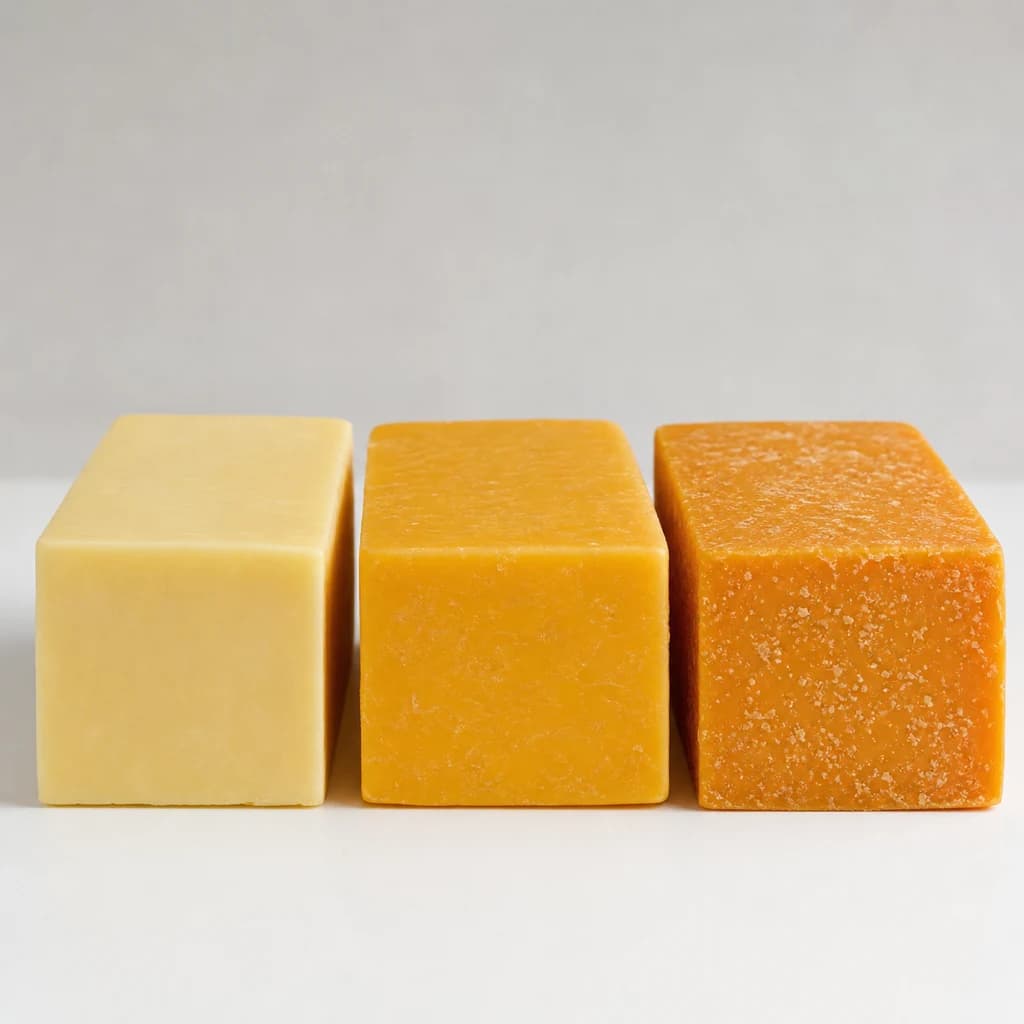
Cheddar Cheese
Sharp, melty cheese for sandwiches, gratins, and grating
Skim Milk
Fat-free milk for lighter drinking, coffee, and cooking
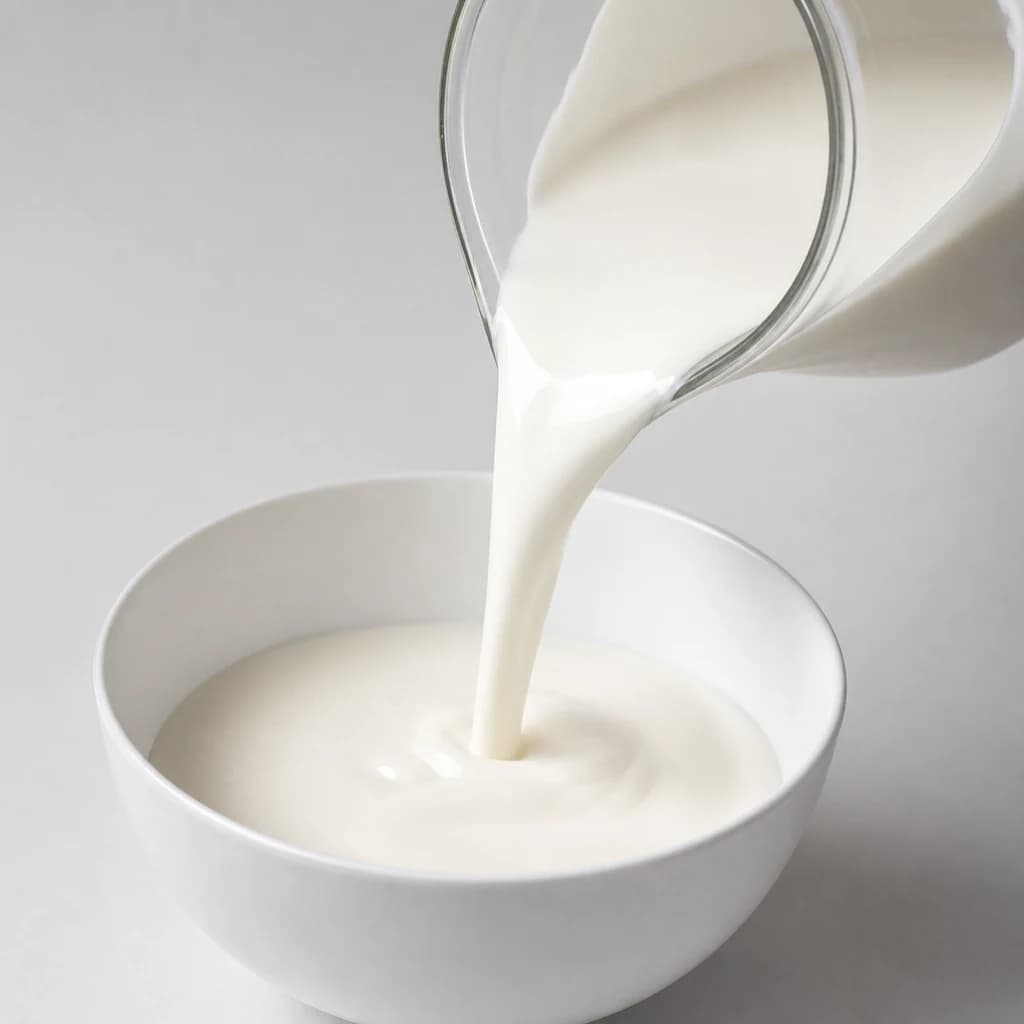
Heavy Cream
Rich cream that whips, enriches sauces, and sets ganache

Sour Cream
Tangy, thick cream for dolloping, baking, and dips
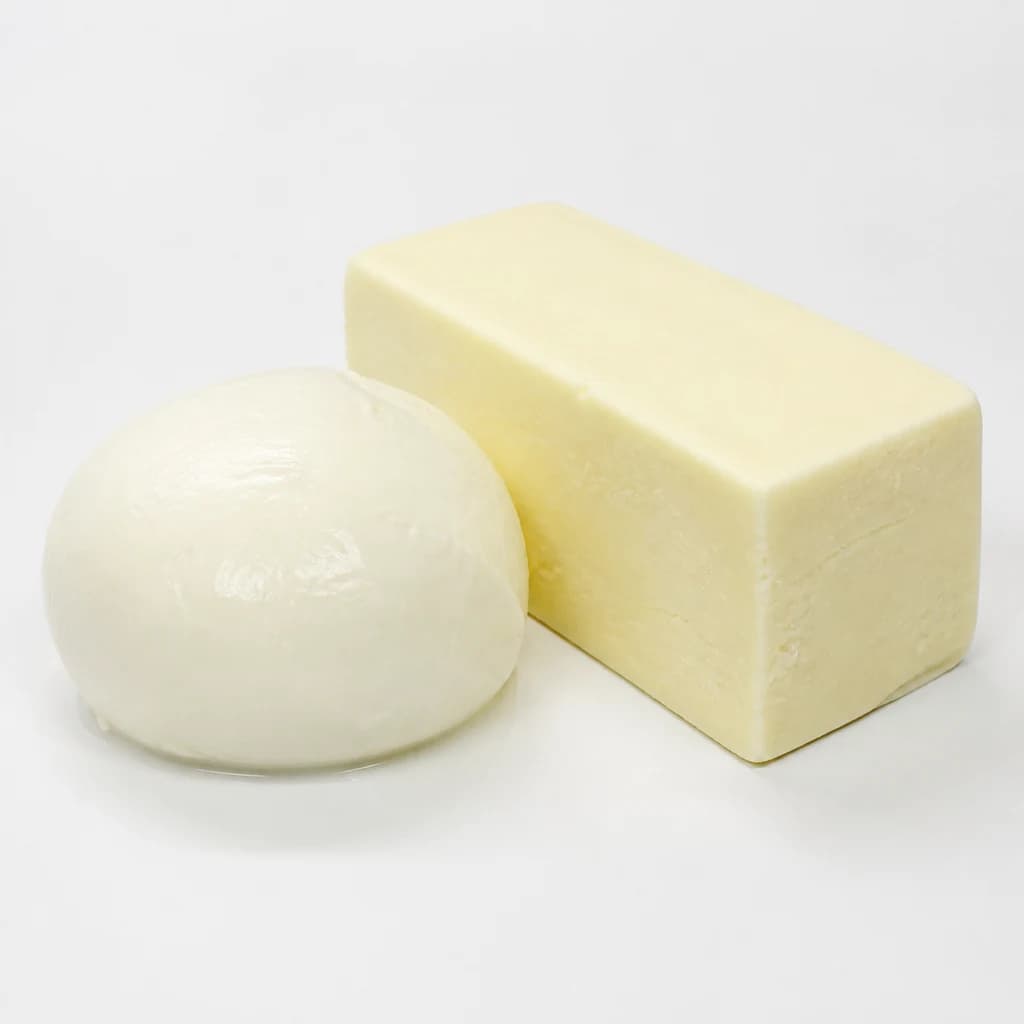
Mozzarella
Soft, milky cheese that melts into stretchy pizza pulls