Proteins
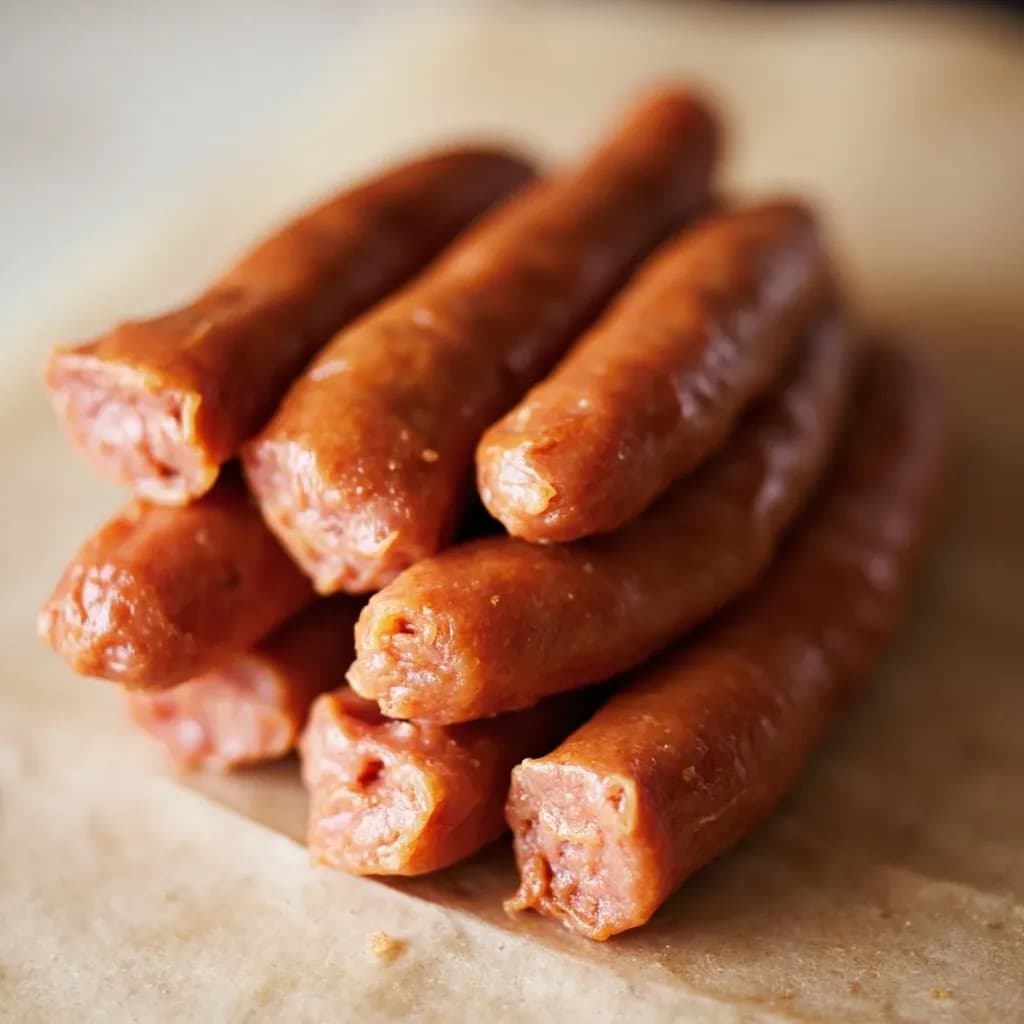
Butifarra Sausage
Fresh white pork sausage from Spain and Latin America, grilled or fried.
Butifarra is a fresh pork sausage seasoned with garlic, pepper, and regional spices, found across Spain (Catalonia) and parts of Latin America. The Spanish version is mild and grilled with white beans, while Peruvian butifarra refers to a cured, spiced pork served in sandwiches. It is generally cooked from raw and prized for its clean pork flavor.
Butifarra is a fresh, uncooked pork sausage originating from Catalonia that has become a staple across Spain and Latin America. Unlike its cured cousin chorizo, butifarra is always sold raw and must be cooked before serving—the name itself derives from the Catalan 'bufra,' meaning puffing or blowing, a reference to how the casing swells over heat. The sausage is typically made from a blend of lean pork and pork fat (20–30% fat by weight), stuffed into natural pork intestine casings. Its seasoning is deliberately restrained: salt, black pepper, and nutmeg form the backbone, with some regional varieties adding garlic, cinnamon, or paprika. This mild flavor profile makes butifarra extraordinarily versatile—it absorbs surrounding flavors in stews while providing rich, juicy texture. In Catalonia, butifarra is as fundamental to the table as bread, appearing at festivals, in simple bocadillos, and alongside the legendary calcotada grilled onion celebration. Latin American varieties, particularly Colombian butifarra criolla, bring garlic, cumin, and achiote into the mix, adapting the sausage to local palates while retaining its essential character as a fresh, fat-rich pork link that demands cooking.
- Measured in
- g
- Storage
- Fridge
Types & varieties
The classic white Catalan sausage; fresh and mildly seasoned with salt, pepper, and nutmeg; most common variety in Spain
Blood sausage version with pork blood added, producing a dark color and iron-rich, earthy flavor; similar to morcilla or black pudding
Standard commercial variety; similar to butifarra blanca but may include garlic and sometimes paprika; the everyday table sausage
Specifically grilled until charred and caramelized; a Catalonia specialty often associated with calcotada festivals
Latin American variety, especially Colombian; seasoned with garlic, cumin, and sometimes achiote; often grilled or fried alongside arepa
Galician style with a distinct seasoning profile; often used in traditional cocido stews
Variety with added pork liver for a richer, more intense flavor; found in some Spanish regions
Common uses
Tips & pitfalls
- Prick the casing with a fork 1–2 times before grilling or pan-frying to prevent bursting from steam buildup
- Cook over medium heat rather than high heat—high heat splits the casing before the interior is fully cooked
- For butifarra socarrada, turn frequently and char the exterior well; this caramelization is intentional and prized in Catalonia
- In stews, add butifarra in the final 15–20 minutes to prevent it from disintegrating into the broth
- Remove from refrigerator 30 minutes before cooking to take the chill off for more even cooking throughout
- Do not overcook—fresh pork sausages become dry and dense past 160°F (71°C) internal temperature
- When frying, start in a cold pan with a small amount of oil and let the sausage gradually heat up for even interior cooking
- Allow grilled butifarra to rest 2–3 minutes before cutting to let juices redistribute
Nutrition
Energy
1213 kJ · per 100 g
Where the calories come from
Protein
13.9g
28% DV
Carbs
3g
1% DV
Fat
24.3g
31% DV
Fiber
0g
0% DV
Sugars
1.2g
of which
Sodium
563mg
24% DV
Source · USDA FoodData Central · approx. Sausage, Italian, pork, mild, raw
View on FDC →In the shops
Matched grocery products
No matched grocery products for Butifarra Sausage yet.
Good to know
- Origin
- Catalonia, Spain; also popular in Latin America (Colombia, Ecuador, Peru)
- Primary Protein
- Pork (lean and fat, typically 20–30% fat)
- Casing
- Natural pork intestine (tripa natural)
- Raw Color
- Pale pink to white
- Typical Seasonings
- Salt, black pepper, nutmeg; some varieties add garlic, cinnamon, or paprika
- Fresh/Smoked
- Typically fresh and uncooked; some Latin American varieties are smoked
- Refrigerated Shelf Life
- 3–5 days raw; cook within 1–2 days for best quality
- Frozen Shelf Life
- Up to 2 months if tightly wrapped
- Safe Internal Temperature
- 160°F (71°C)
- Serving Temperature
- Always cooked; served hot as a main or in dishes
Substitutes
- Italian pork sausage — Mild or sweet Italian sausage is the closest substitute; similar fat content and mild seasoning profile
- Breakfast pork sausage — American breakfast sausage works in a pinch; may be slightly sweeter, adjust seasonings as needed
- Fresh chorizo (not cured) — More highly seasoned and reddish, but works in stews and with beans; will change the dish's color and flavor intensity
- Merguez — North African lamb/beef sausage; acceptable substitute in Mediterranean-style dishes; distinctly spicier
- Bratwurst — German pork sausage; similar texture and fat content; good for grilling; neutral enough for most applications
Pairs with
Also called
Butifarra · White Pork Sausage
Related
Egg
The kitchen's everything ingredient — bind, leaven, enrich, or fry
Chicken Breast
Lean, quick-cooking white meat for everyday dinners

Ground Beef
Versatile minced beef for burgers, ragù, tacos, and meatballs
Pork Loin
Lean, tender roasting cut that stays juicy with care
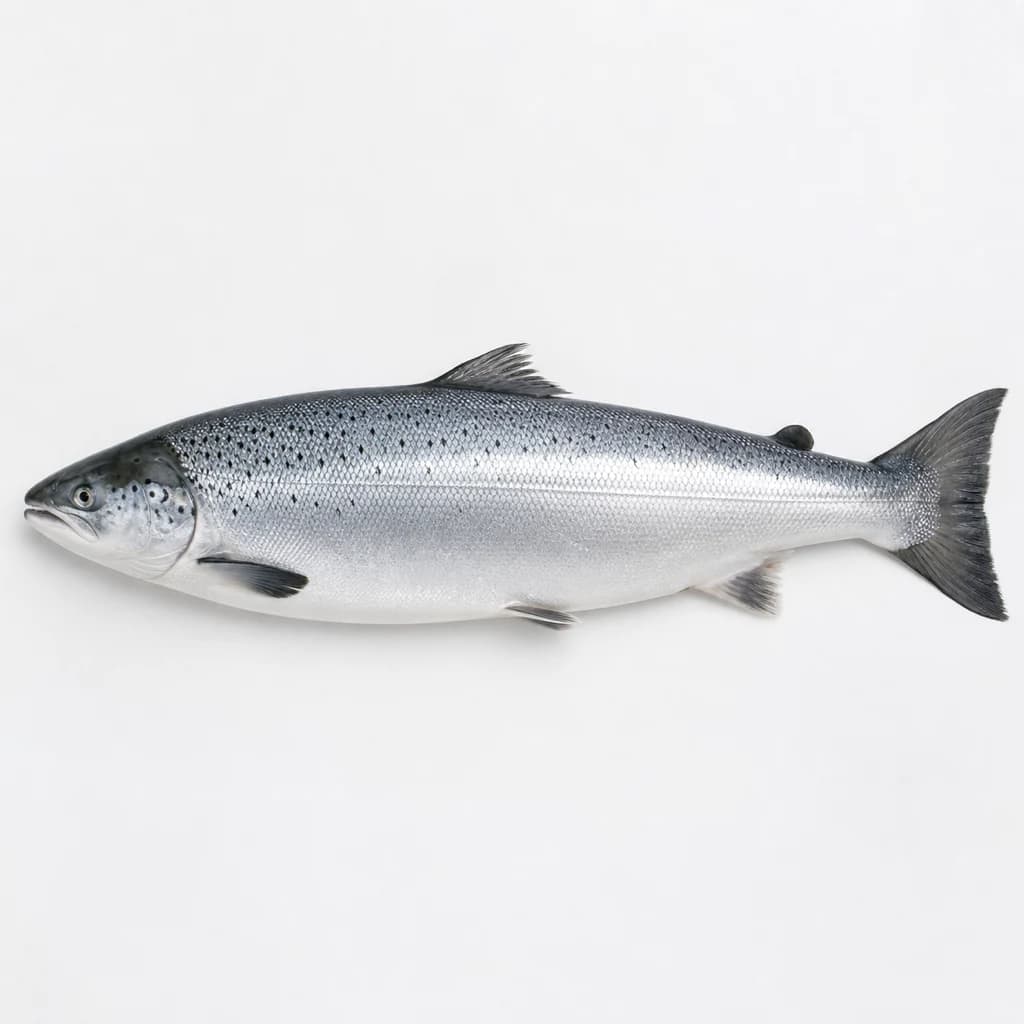
Salmon
Rich, rosy fish that roasts, grills, or cures beautifully

Egg White
Pure protein that whips to airy peaks for meringue and more

Egg Yolk
Rich, golden yolk for custards, mayonnaise, and pasta

Quail Egg
Tiny, speckled eggs for garnishing and elegant bites