Natural form
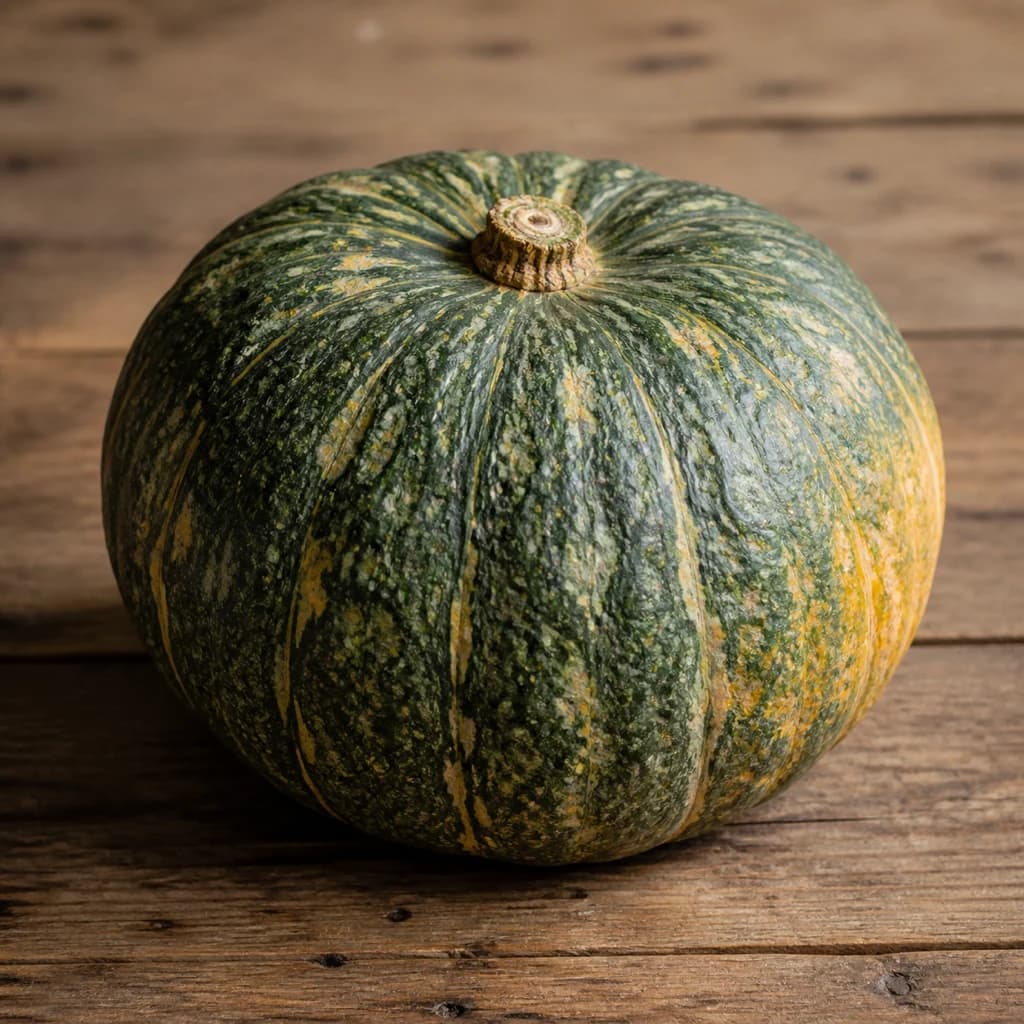
A whole calabaza pumpkin, showing its mottled green rind and large round shape.
Establishes the reader's first recognition cue — the distinctive mottled green exterior and impressive size that sets calabaza apart from common pumpkins.
Produce
Calabaza
Large sweet tropical pumpkin used in Caribbean and Latin soups, stews, and the Haitian soup joumou.
Calabaza is a large, round tropical squash with dense, sweet orange flesh, a staple across the Caribbean and Latin America. It is simmered into soups and stews, mashed, or featured in Haiti's symbolic soup joumou. Usually sold in cut wedges because of its size, it has a flavor and texture between butternut and pumpkin.
Calabaza is not a single variety but a loose culinary category of winter squash (primarily Cucurbita moschata and C. maxima) grown throughout the Caribbean, tropical Latin America, and parts of Florida. It is characterized by a hard, often dark green rind that encases dense, deeply orange flesh with a sweet, nutty flavor that is richer and less watery than many common pumpkins. In Haitian, Cuban, Puerto Rican, and Dominican cooking, calabaza is a foundational ingredient—a pantry staple that anchors soups, stews, rice dishes, and sweets across the Spanish-speaking and Francophone Caribbean. Its ability to hold its shape in long-cooked braises while also breaking down to thicken broths makes it uniquely versatile. When selecting calabaza, look for specimens that feel heavy for their size with unblemished skin; the weight indicates dense, moist flesh rather than a hollow center. Its thick rind is a genuine cutting challenge—never attempt to peel one raw without proper technique or equipment.
- Measured in
- g
- Storage
- Pantry
Types & varieties
Cucurbita moschata; thick dark green rind with orange flesh; the standard variety throughout Puerto Rico, Cuba, and the Dominican Republic
Smaller, softer-rind variety called 'summer calabaza'; easier to peel but spoils faster
Small, round variety with orange rind; used in Puerto Rico primarily for sweets and preserves
Cucurbita moschata; Florida-grown calabaza-type with excellent flavor and disease resistance
French West Indian variety; pale green with orange flesh, dense and sweet texture
Common uses
Tips & pitfalls
- For peeling: pierce the rind in several places and microwave 2–3 minutes, or score and roast whole 15–20 minutes at 375°F; the rind will slice off easily after heating
- Never attempt to peel a raw calabaza with a standard vegetable peeler—the rind is too hard; use a heavy cleaver or chef's knife with care
- Test firmness by pressing the rind with your thumb; it should give very slightly and feel heavy for its size, indicating dense, moist flesh
- Store uncut calabaza away from direct sunlight at room temperature; refrigeration causes rapid deterioration
- For soup joumou, cube the squash small (½-inch) so it dissolves into the broth and thickens it naturally
- When substituting for butternut squash in savory dishes, note that calabaza is denser and sweeter; reduce cooking liquid slightly
- The seeds are edible when roasted and seasoned; scoop them out before cooking and set aside for a snack
- In the continental U.S., buy calabaza from Hispanic grocery stores rather than standard supermarkets; Florida-grown varieties (often labeled Seminole pumpkin) tend to have superior flavor to imported squash picked underripe
Nutrition
Energy
109 kJ · per 100 g
Where the calories come from
Protein
1g
2% DV
Carbs
6.5g
2% DV
Fat
0.1g
0% DV
Fiber
0.5g
2% DV
Sugars
2.8g
of which
Sodium
1mg
0% DV
Source · USDA FoodData Central · Pumpkin, raw
View on FDC →In the shops
Matched grocery products
No matched grocery products for Calabaza yet.
Good to know
- Botanical family
- Cucurbita (primarily C. moschata and C. maxima)
- Origin
- Native to the Americas; cultivated for centuries in the Caribbean and tropical Latin America
- Typical size
- Medium to large, 5 to 30+ pounds depending on variety and maturity
- Rind color
- Most commonly dark green, sometimes striped or mottled; orange varieties exist
- Flesh color
- Deep orange, dense and smooth
- Flavor profile
- Sweet and nutty, less watery than standard pumpkins; richer than butternut squash
- Peak season
- Year-round in tropical regions; late summer through winter in temperate zones
- Shelf life
- 2–3 months whole in a cool, dry, dark place
- Yield
- Approximately 50–60% edible after peeling and seeding
- Equipment note
- Requires heavy knife or cleaver and steady hand for safe cutting due to hard rind
Substitutes
- Butternut squash — The closest substitute in North American markets; slightly less sweet and dense but works in virtually any recipe 1:1
- Kabocha squash — Japanese squash with similar density and sweet, smooth flesh; excellent in soups and stews
- Sugar pumpkin (pie pumpkin) — Smaller and easier to find, but significantly less dense; reduce liquid slightly when substituting
- Hubbard squash — Large winter squash with similarly dense flesh; flavor is slightly earthier; peel after microwaving to soften rind
- Boniato (Cuban sweet potato) — Not a true substitute for texture but used alongside calabaza in many Caribbean stews for complementary sweetness
Pairs with
Also called
West Indian Pumpkin · Auyama · Calabaza Pumpkin · Joumou
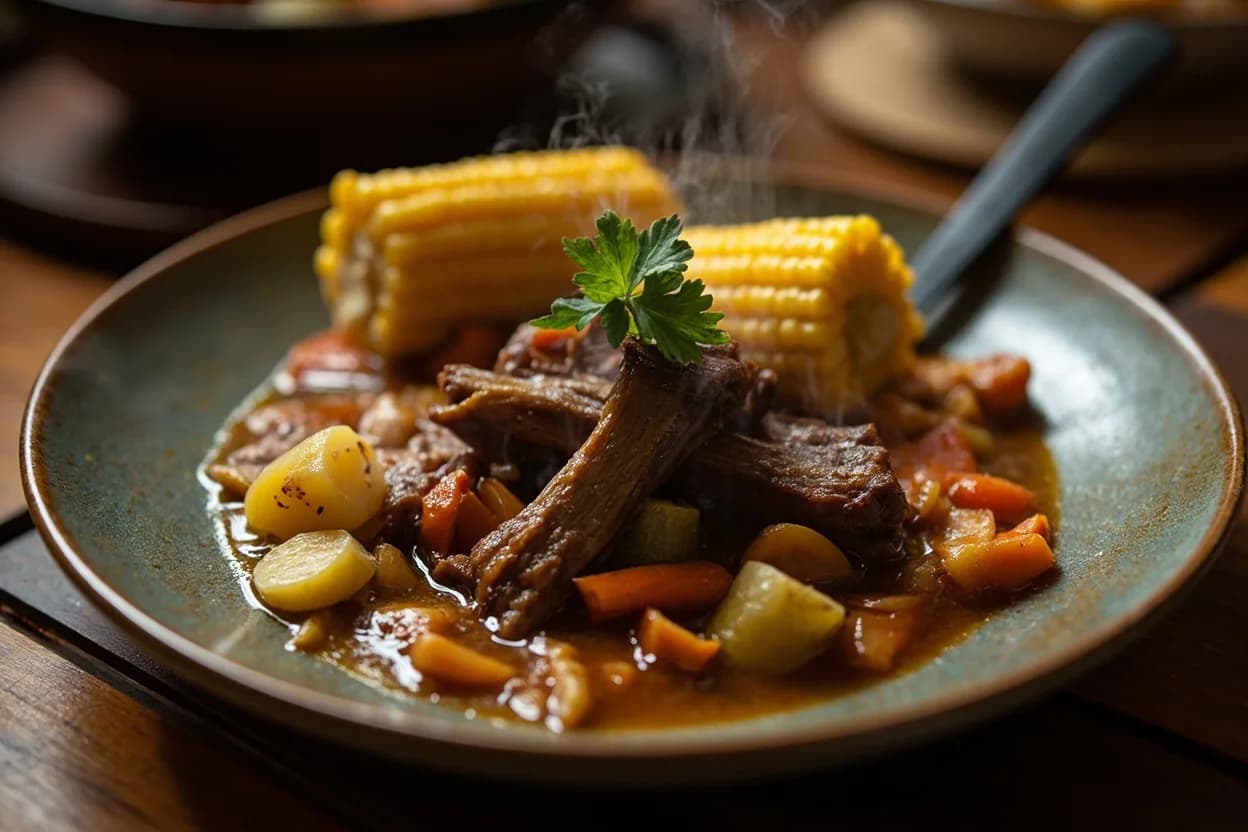
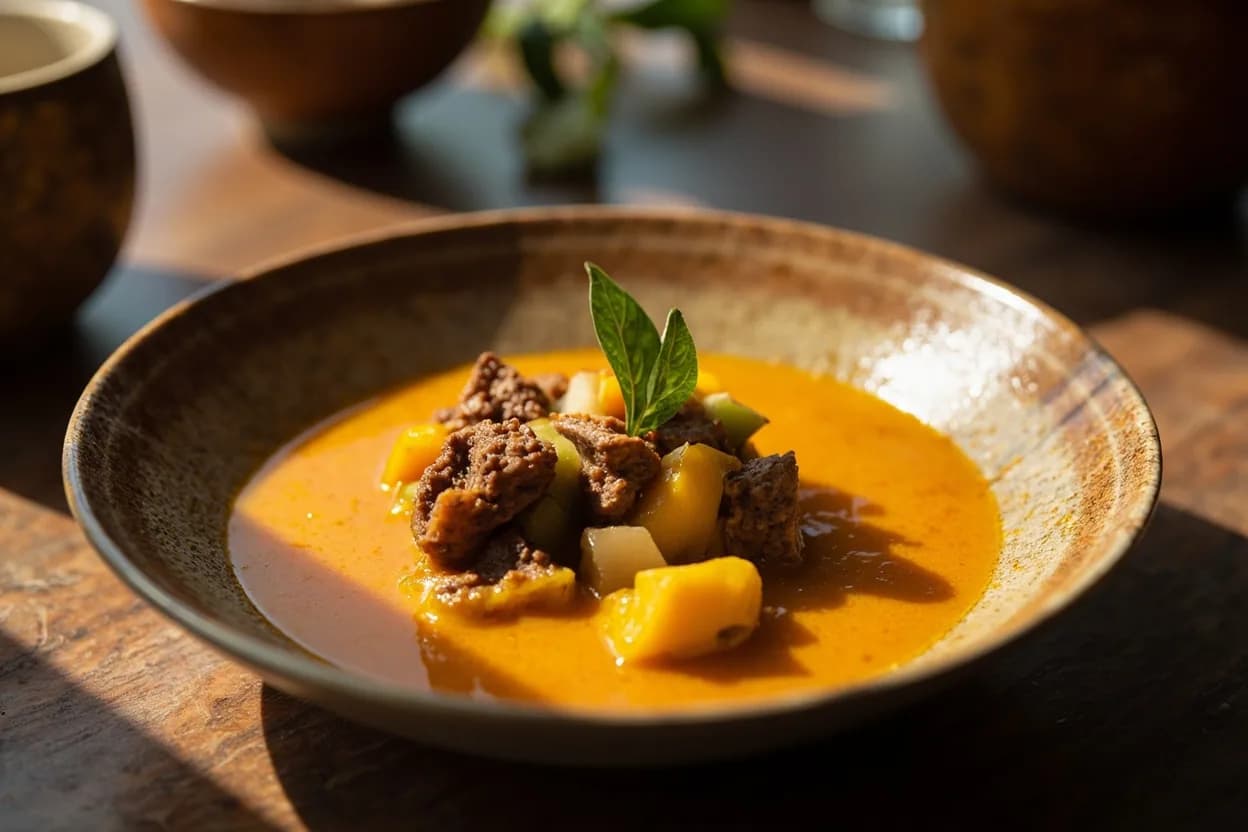
Appears in these dishes
Related
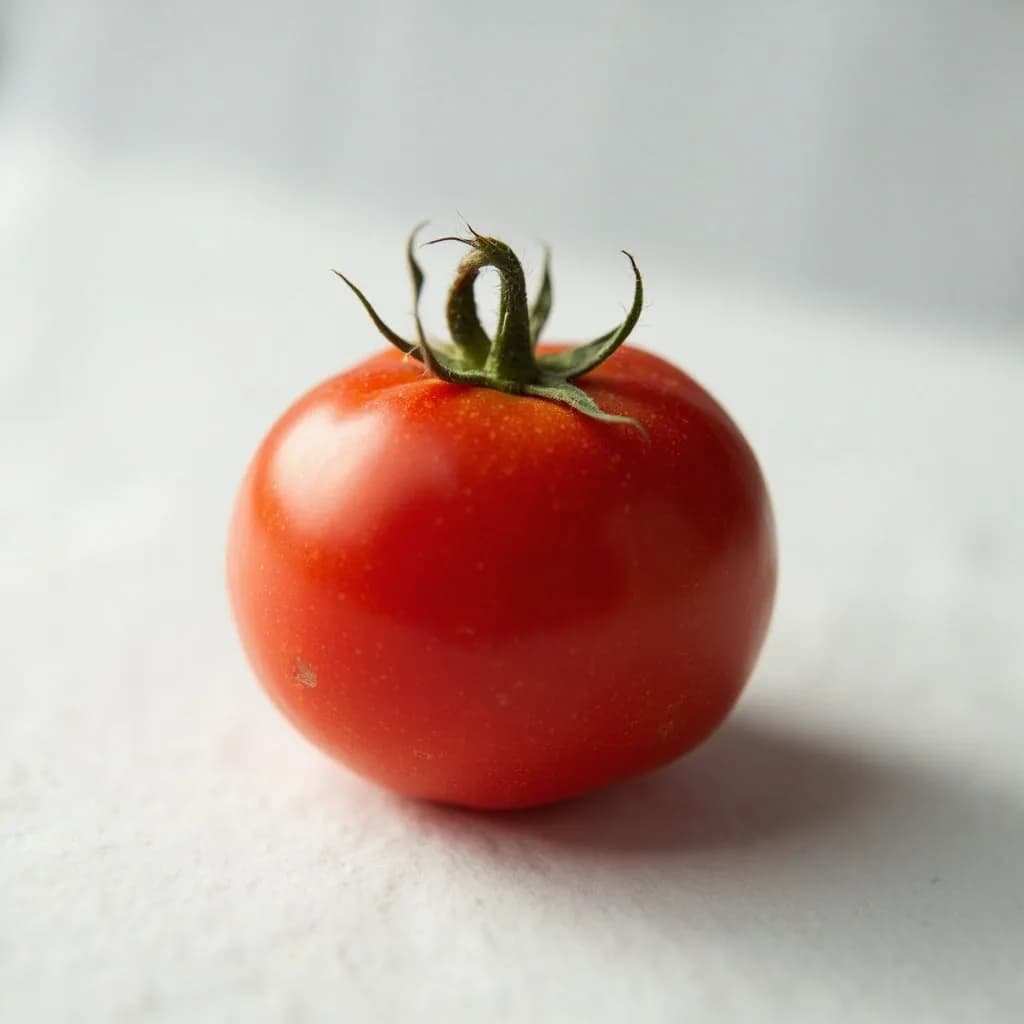
Tomato
Juicy, sun-sweet fruit for sauces, salads, and slow-cooked depth
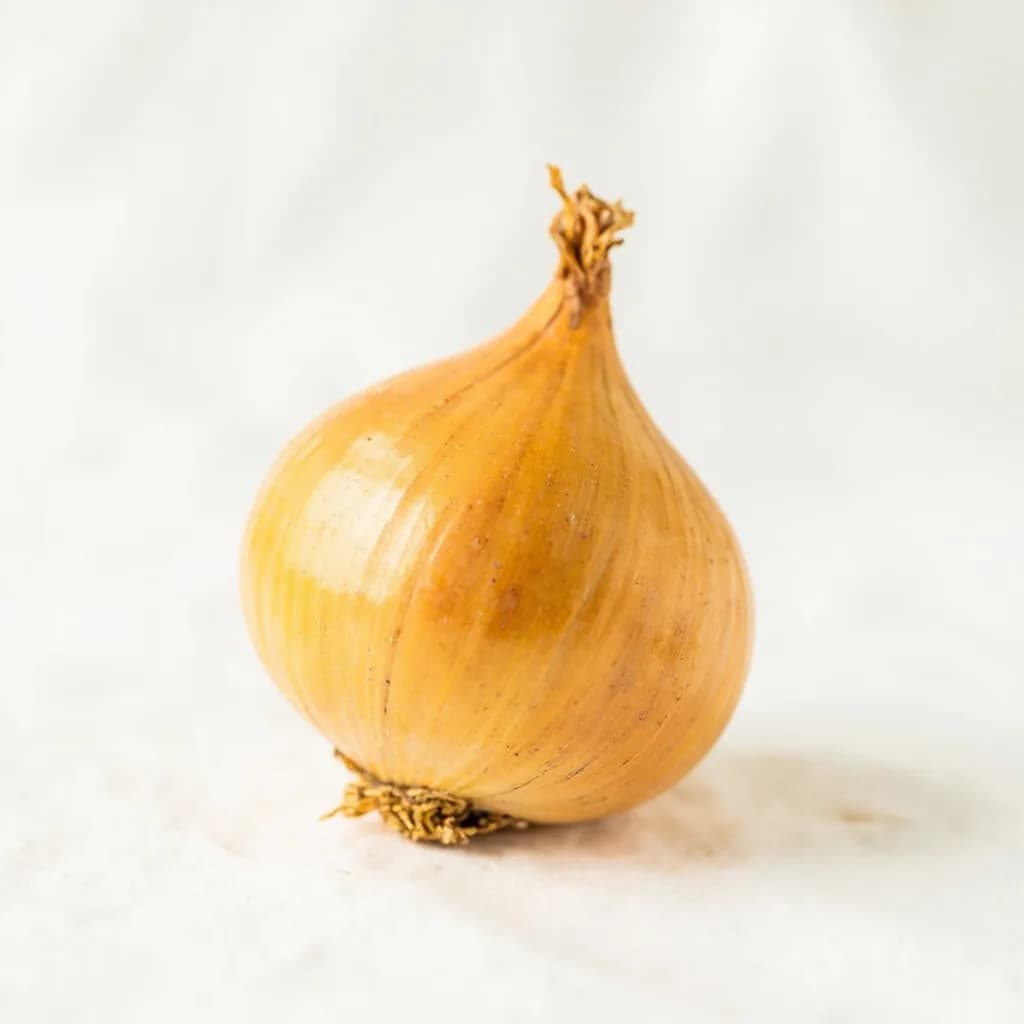
Yellow Onion
The aromatic backbone of soups, sofritos, and braises
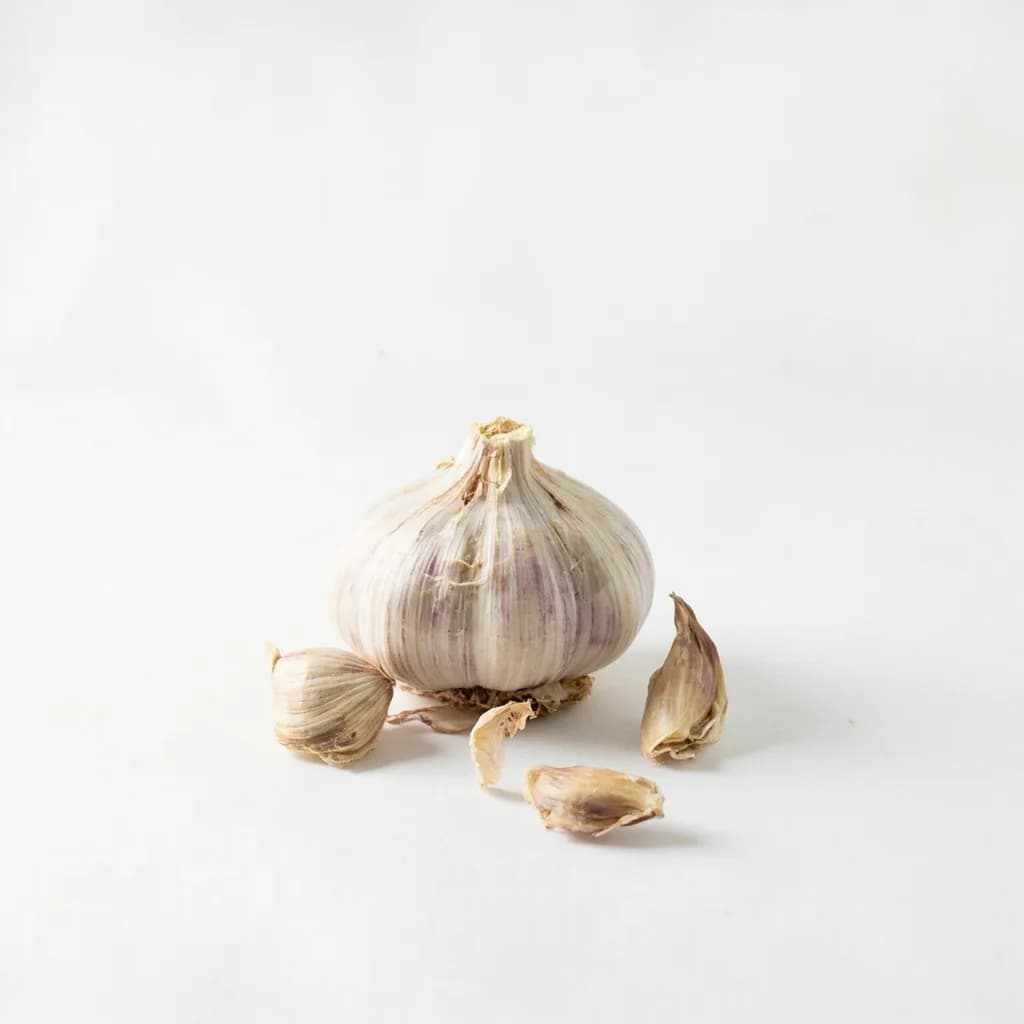
Garlic
Pungent cloves that perfume nearly every savory dish
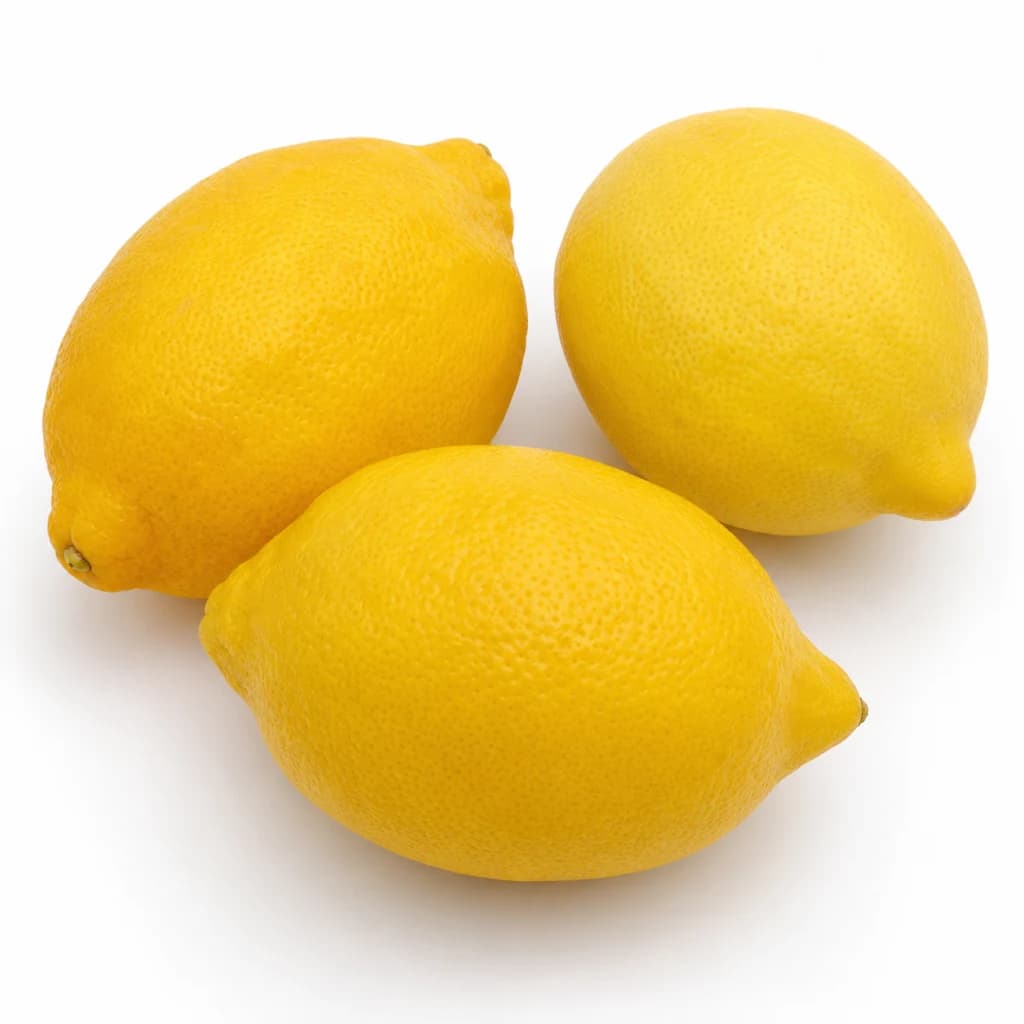
Lemon
Bright, acidic citrus that wakes up almost any dish
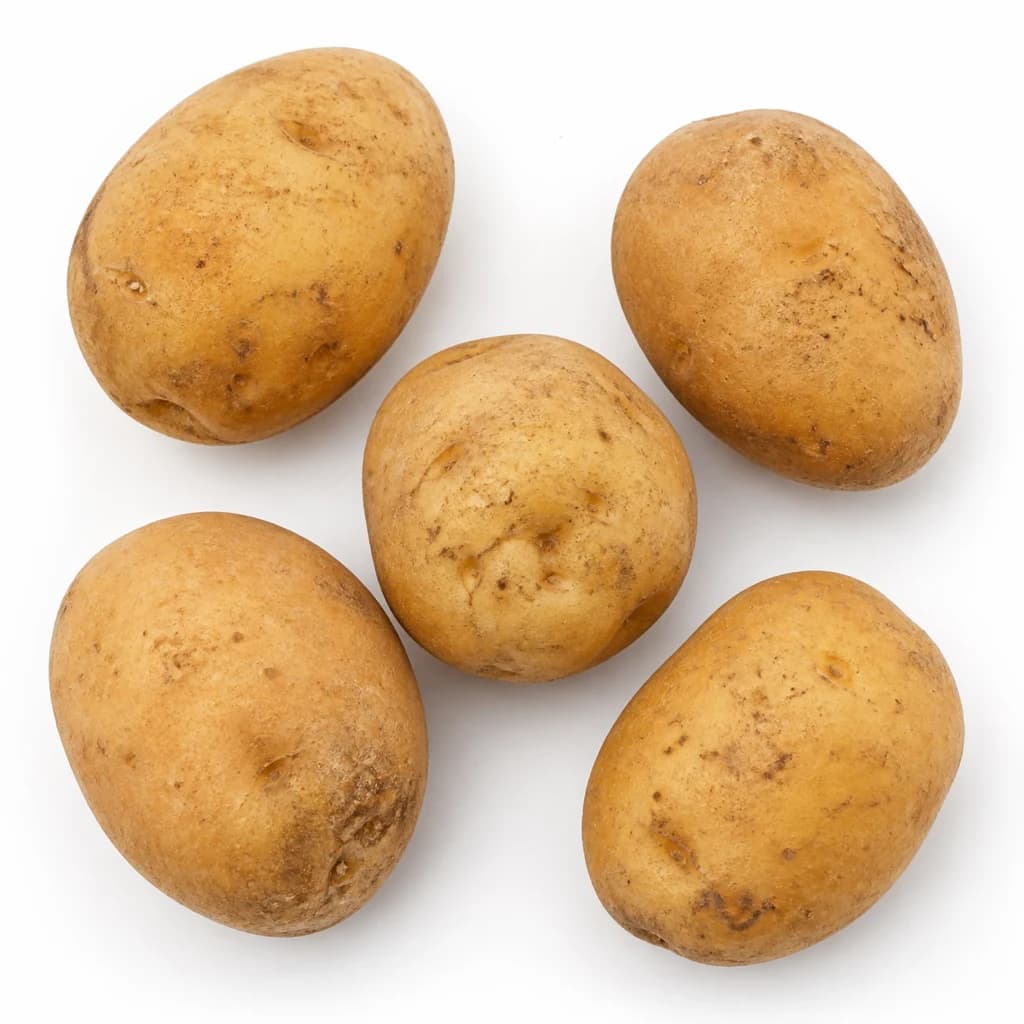
Potato
Humble, hearty staple — roast, mash, fry, or boil
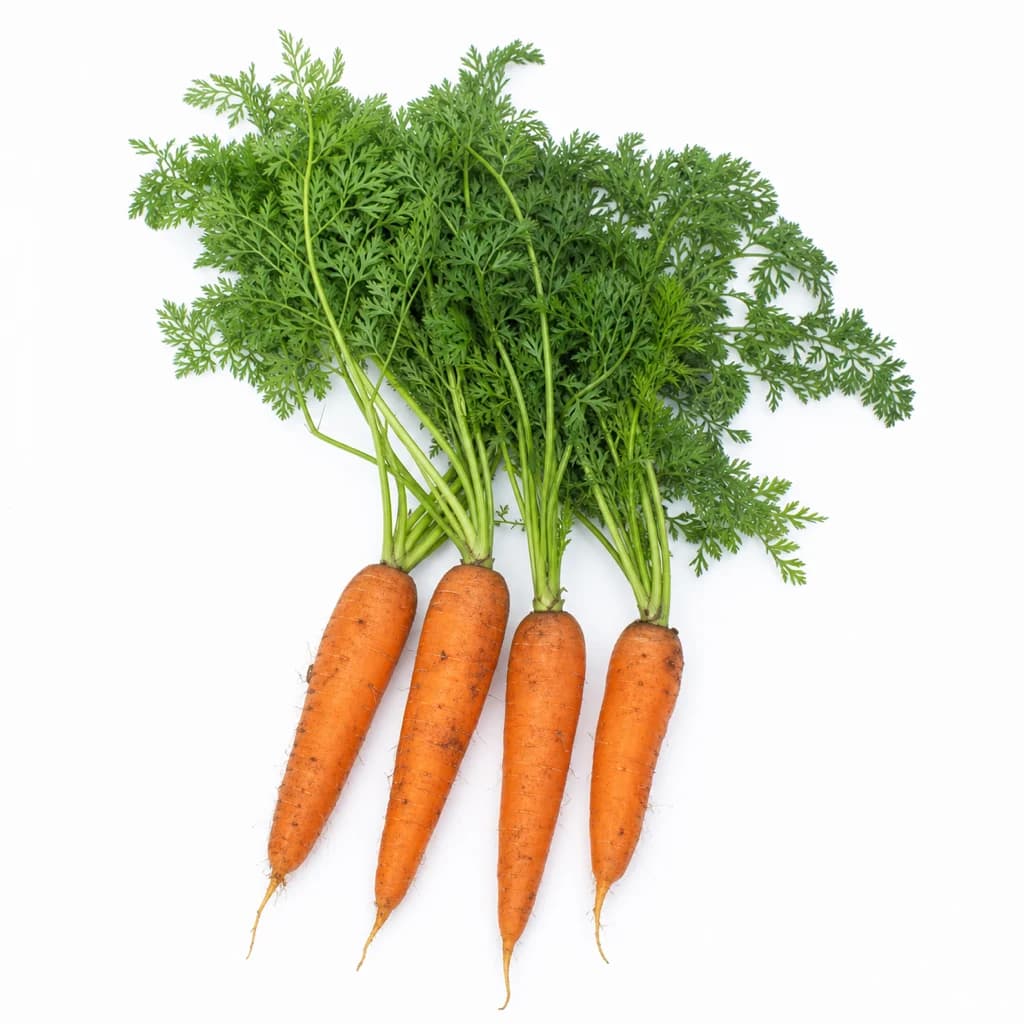
Carrot
Sweet, crunchy root — raw, roasted, or the base of a sofrito
Cucumber
Cool, crisp, and watery — for salads, pickles, and tzatziki

Lettuce
Crisp leaves for salads, wraps, and a fresh crunch