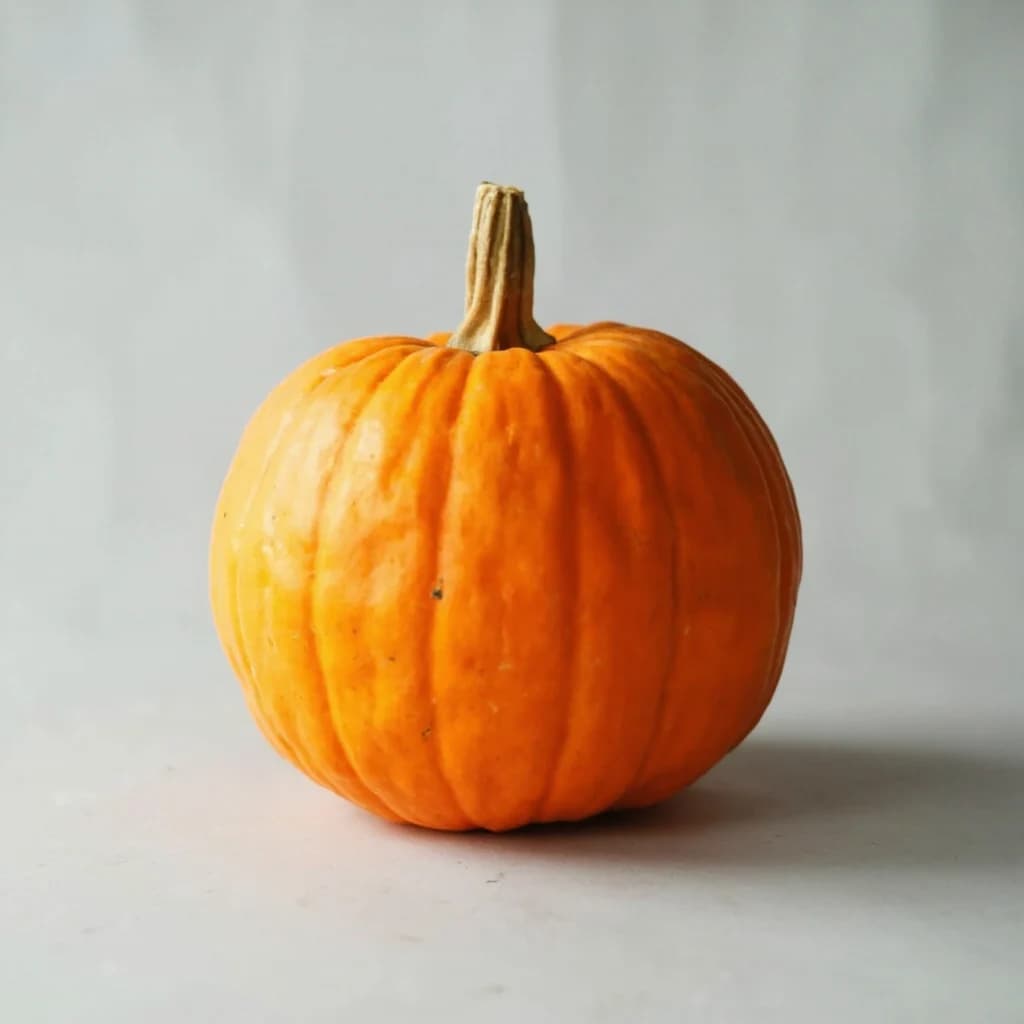
Natural form
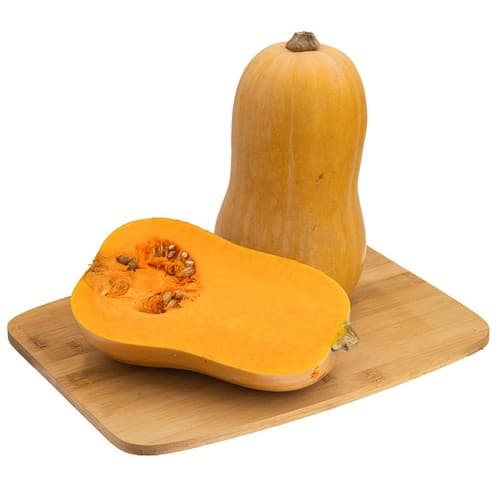
Whole pumpkin showing its ribbed orange exterior and dried stem.
Shows the reader exactly what a pumpkin looks like before any preparation — size, color, shape, surface texture, and stem.
Produce
Pumpkin
Sweet, earthy squash for soups, pies, and roasting
Earthy and sweet, pumpkin roasts into wedges, purées for pie and soup, and brings autumn to the table. Its thick skin means it stores for weeks somewhere cool.
Pumpkin is the iconic autumn squash — earthy, mildly sweet orange flesh inside a thick, ribbed shell. The key distinction cooks must know: the big jack-o'-lantern pumpkins are bred for carving and are watery and stringy, while small sugar (pie) pumpkins are dense, sweet, and the ones to cook with. Roasted, puréed, or simmered, sweet pumpkin makes pies, soups, curries, and breads, and its seeds toast into a savory snack.
- Measured in
- g
- Storage
- Dark Cool
- Shelf life
- 60 days
Find it in
Types & varieties
Small, dense, sweet; the one to cook with
Large, watery, stringy; for decoration, not the pot
Sweet, chestnutty, dry-fleshed; excellent roasted
Deep flavor, great for cooking
How to choose
For cooking, choose small, heavy sugar pumpkins (or kabocha) with hard, matte skin, a solid intact stem, and no soft or moldy patches — skip the big carving pumpkins, which are bland and stringy. Heft matters: a dense, heavy pumpkin has meatier, less watery flesh.
How to store
A whole sound pumpkin keeps for one to three months in a cool, dark, dry place (not the fridge), if the stem is intact and the skin unbroken. Once cut, wrap and refrigerate and use within a few days. Cooked purée freezes well for months.
How to cook and purée
The easiest path is to halve a sugar pumpkin, scoop the seeds, and roast it cut-side down until tender, then scoop and purée or mash the flesh — far better flavor than from a can, and less watery. If your purée is loose, drain it through a sieve or cloth. Save the seeds: clean, toss with oil and salt, and roast them. (Canned pumpkin is a fine, consistent shortcut for baking.)
- Roast halves cut-side down, then scoop
- Drain watery purée before baking
- Roast the seeds — don't waste them
Common uses
Tips & pitfalls
- Cook with sugar pumpkins, not carving ones — texture and flavor are worlds apart
- Roast rather than boil to avoid a watery purée
- Strain homemade purée if it's loose, so pies and soups set properly
- Toast the cleaned seeds with oil and salt for pepitas
- Warm spices (cinnamon, ginger, nutmeg) for sweet; cumin and chili for savory
Nutrition
Energy
109 kJ · per 100 g
Where the calories come from
Protein
1g
2% DV
Carbs
6.5g
2% DV
Fat
0.1g
0% DV
Fiber
0.5g
2% DV
Sugars
2.8g
of which
Sodium
1mg
0% DV
Source · USDA FoodData Central · Pumpkin, raw
View on FDC →In the shops
Matched grocery products
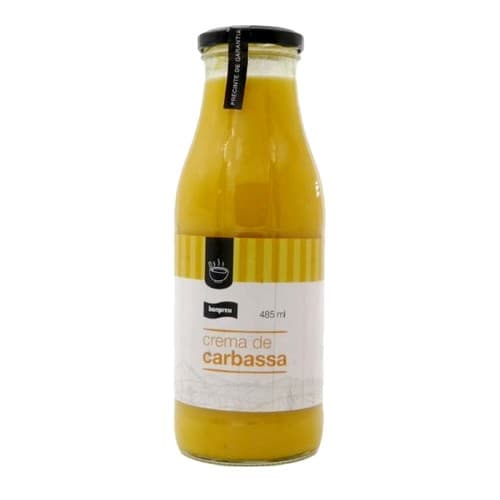 €1.99
€1.99Pumpkin Cream
BONPREU · l · Bonpreu
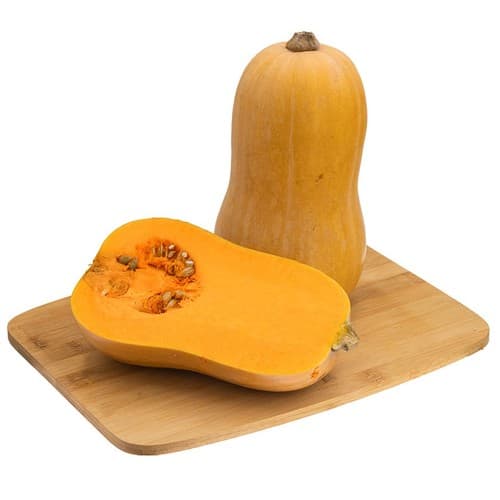 €2.70
€2.70Km0 Pumpkin, 1 unit
ud · Bonpreu
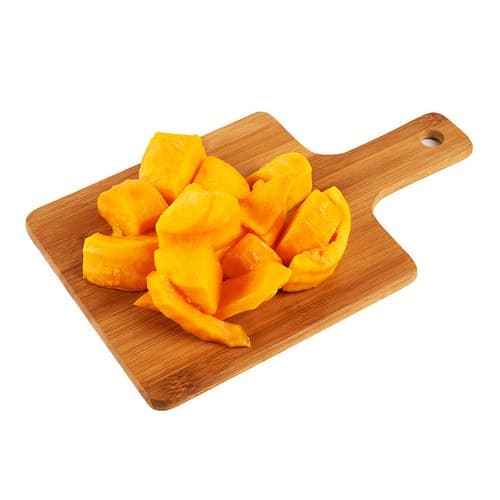 €1.99
€1.99La Collita Pre-cut Pumpkin
LA COLLITA · kg · Bonpreu
 €2.49
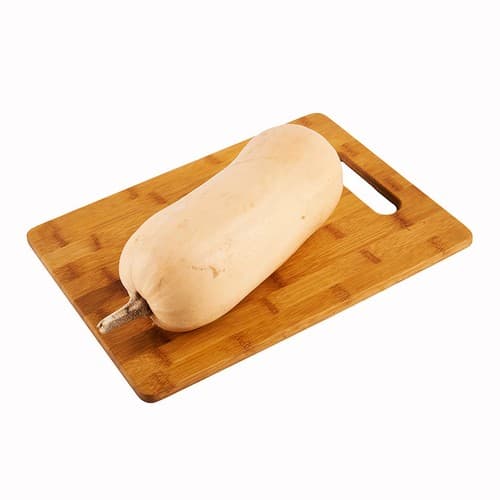
€2.49LA COLLITA Pumpkin Km0 1 unit
LA COLLITA · Bonpreu
 €2.19
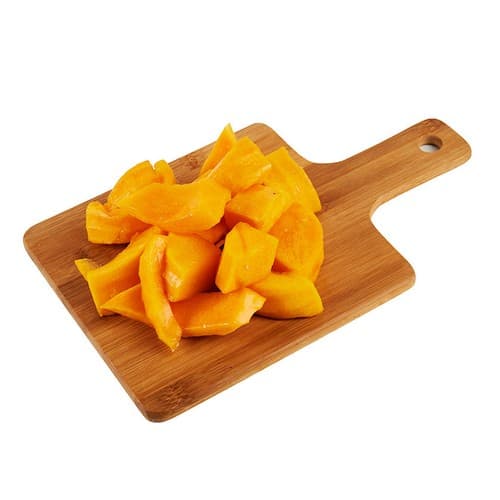
€2.19Ecological Pumpkin Local 0km 1 unit
Bonpreu
 €2.19
€2.19LA COLLITA Organic Cut Pumpkin Zero Km in 400g Bag
LA COLLITA · kg · Bonpreu
Good to know
- Peak season
- Fall (peak); stores into winter
- Flavor
- Mild, earthy, sweet; deepens when roasted
- Origin
- Mesoamerica (Mexico); among the oldest domesticated crops — Cucurbita squash were domesticated ~8,000–10,000 years ago
- Nutrition
- ~26 kcal/100g; very high beta-carotene (vitamin A), vitamin C, fiber
- How to buy
- Small sugar pumpkins for cooking; heavy, hard, intact stem; no soft spots
Substitutes
- Butternut squash — Sweeter, less watery; ideal swap in soups and purées
- Kabocha — Sweet and dry-fleshed; excellent roasted alternative
- Sweet potato — For pie and purée applications
Also called
calabaza
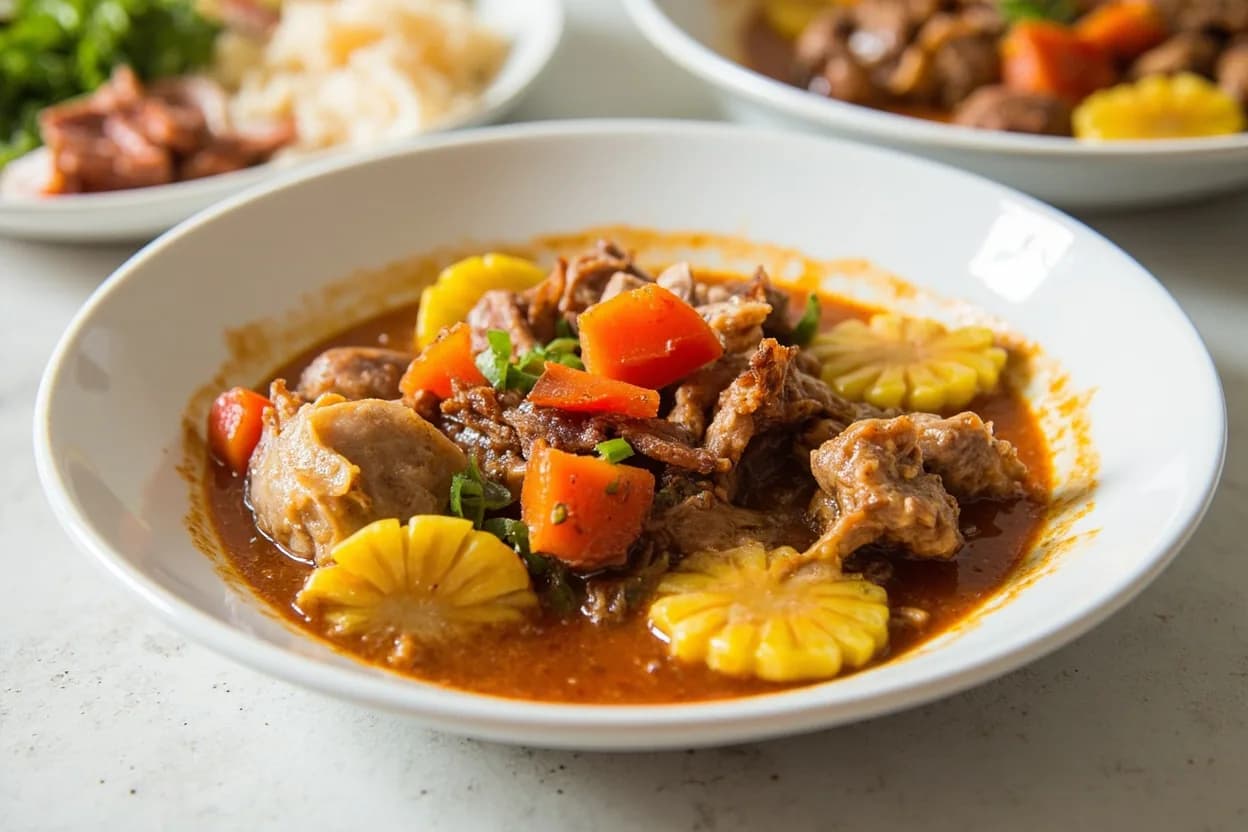
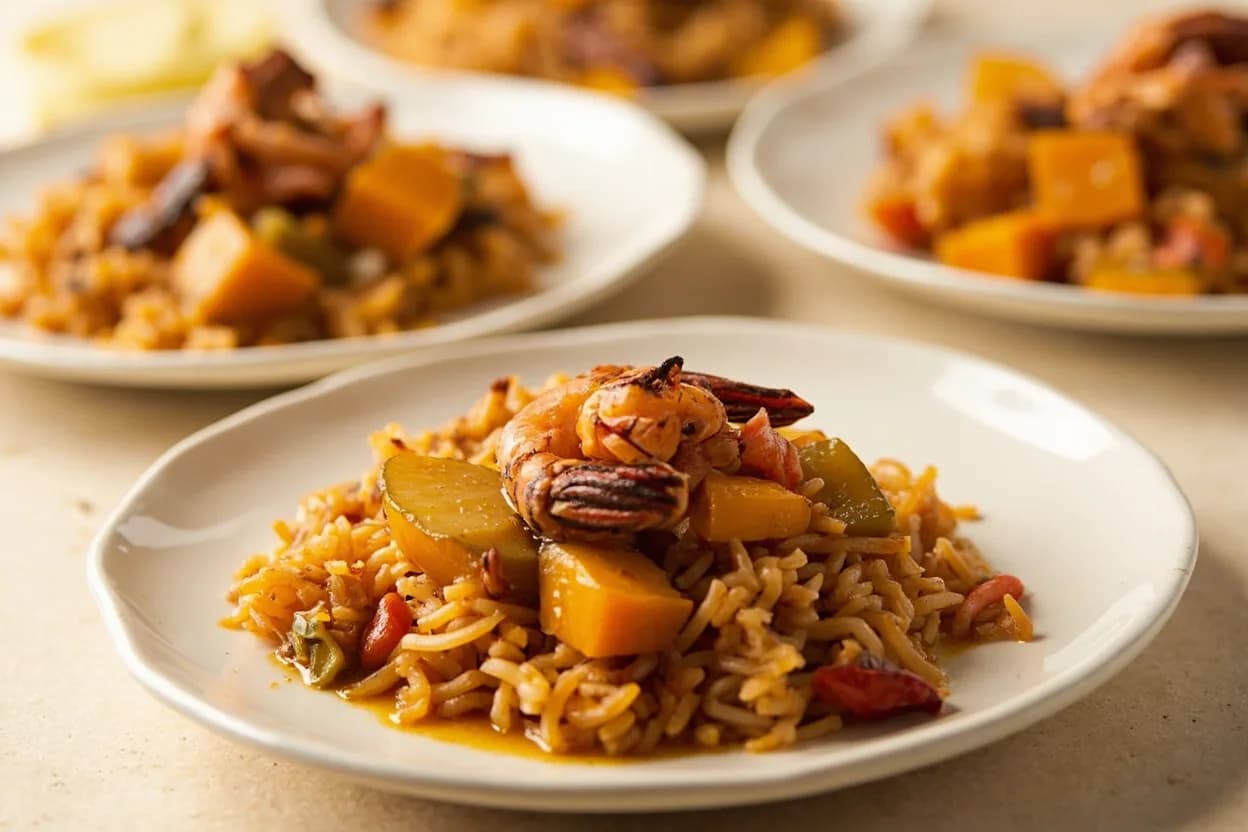
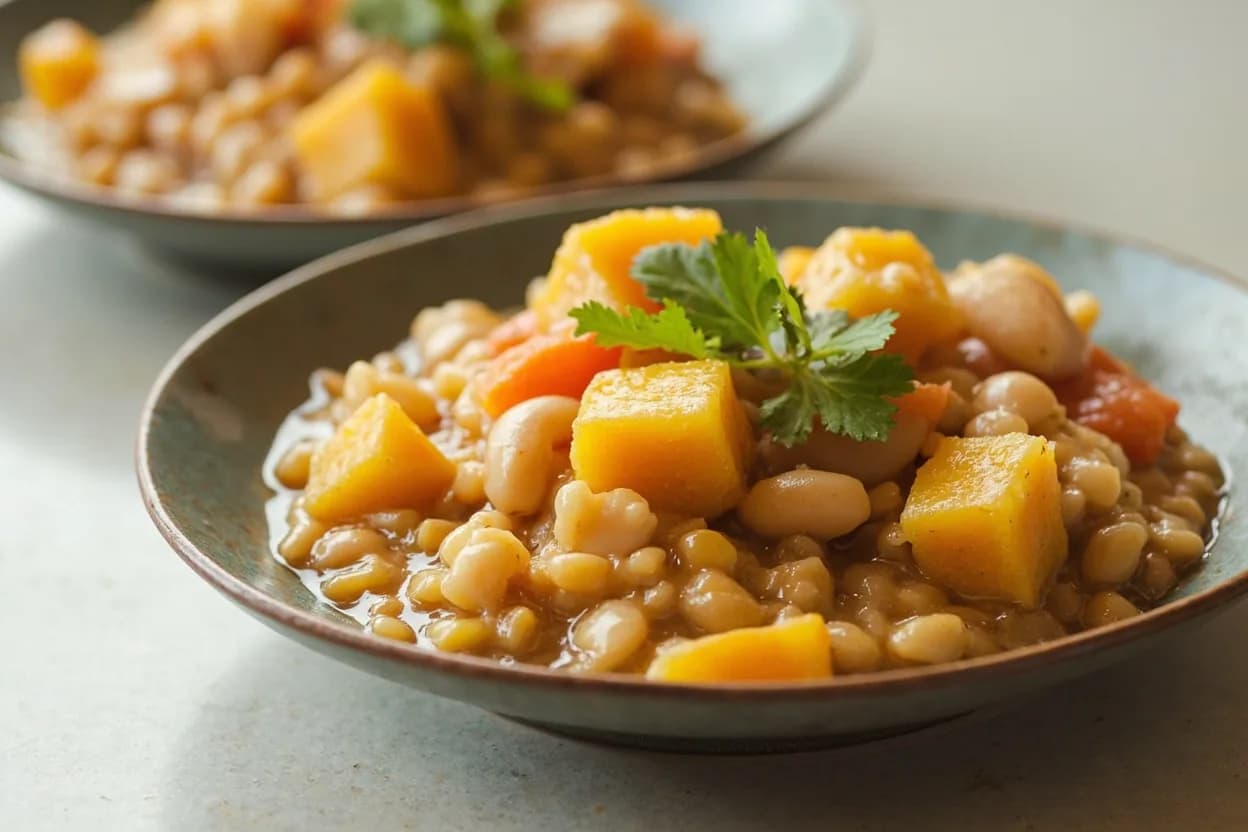
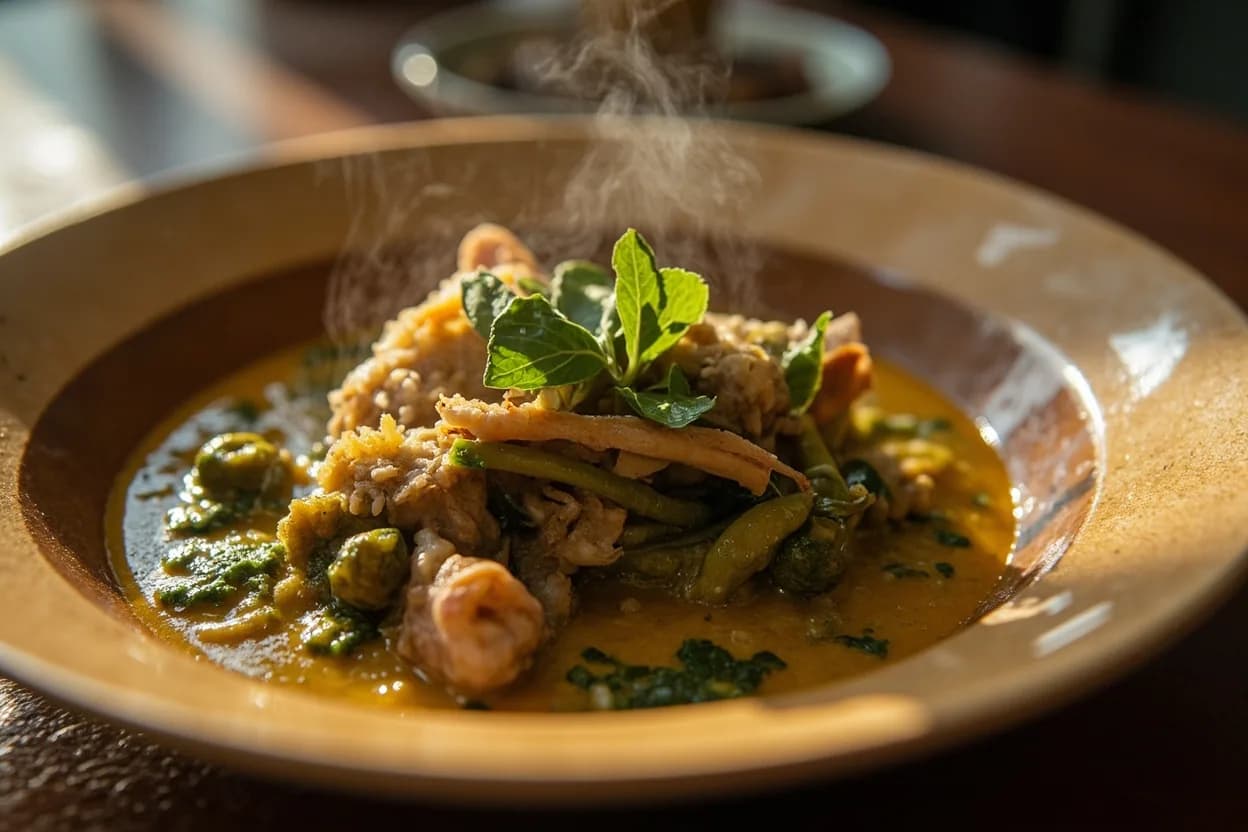
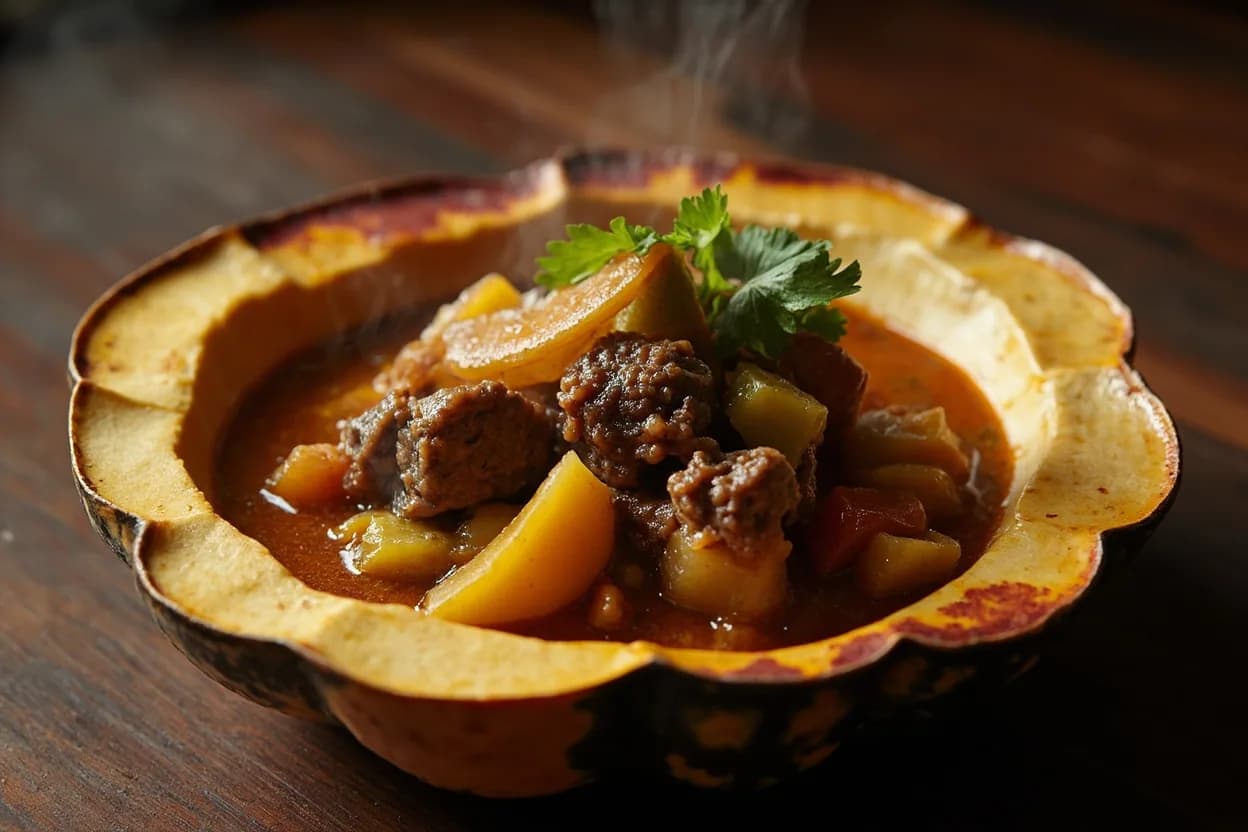
Appears in these dishes
Related
Tomato
Juicy, sun-sweet fruit for sauces, salads, and slow-cooked depth
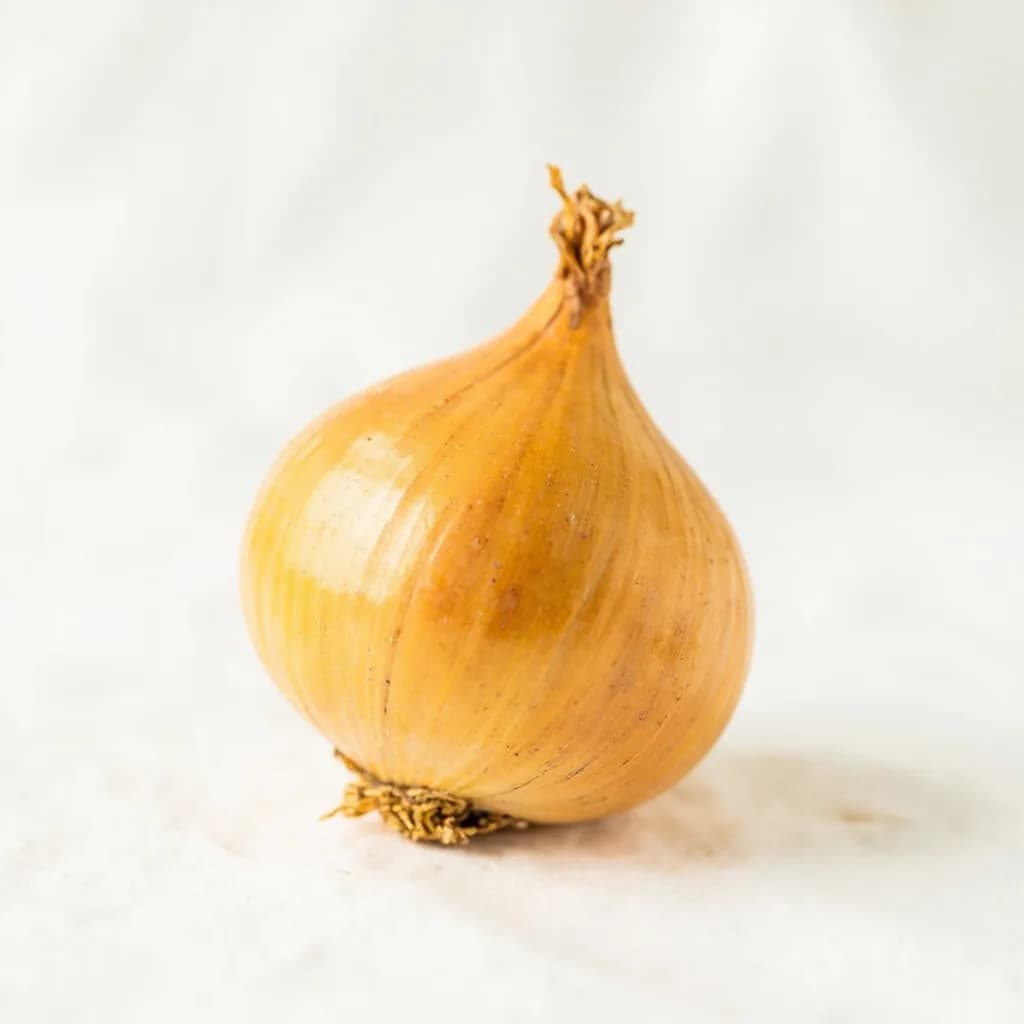
Yellow Onion
The aromatic backbone of soups, sofritos, and braises
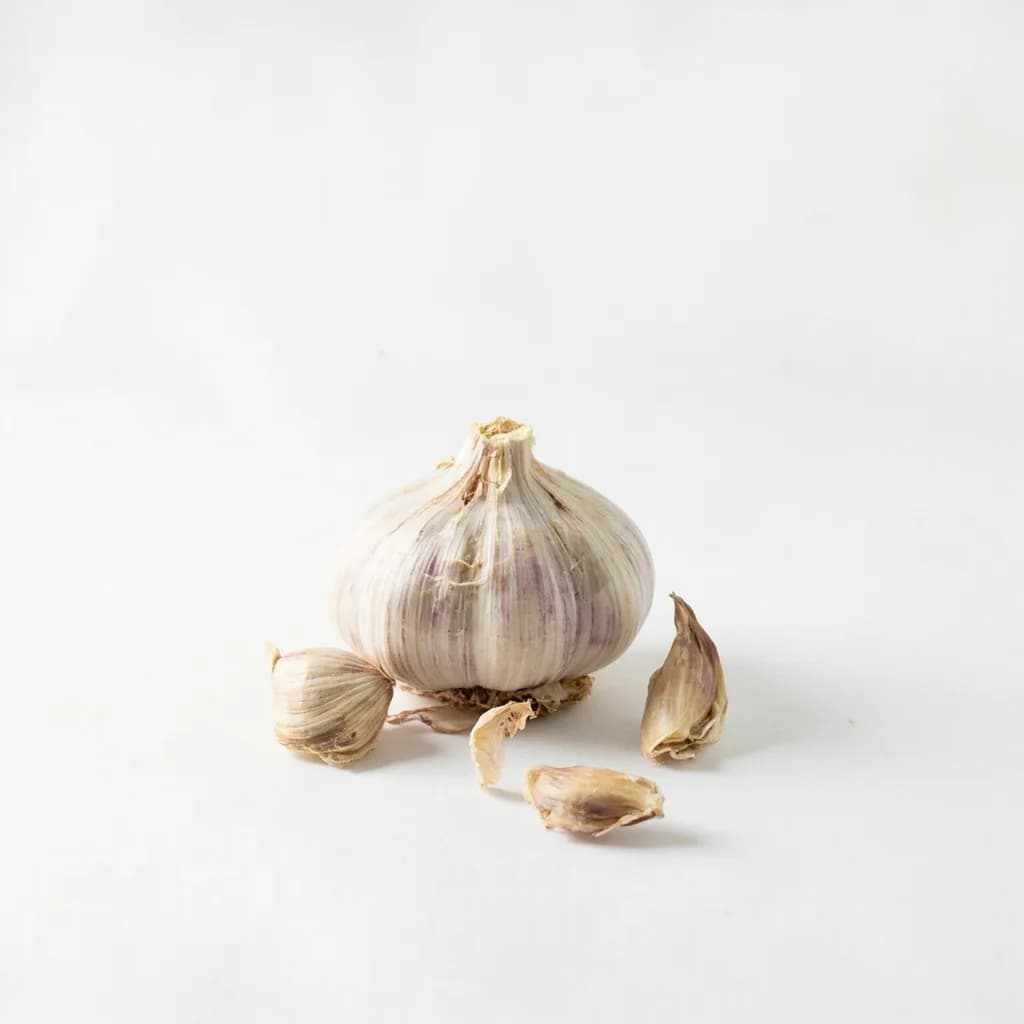
Garlic
Pungent cloves that perfume nearly every savory dish
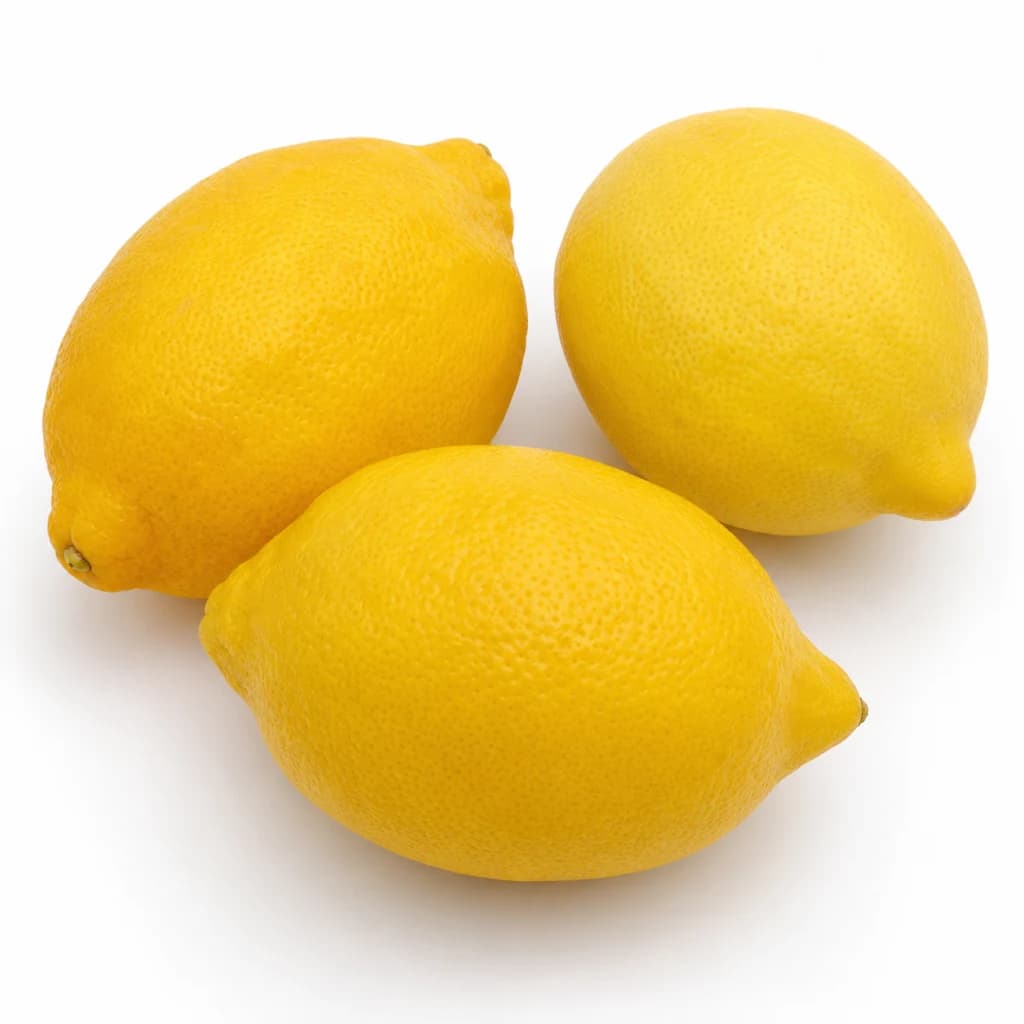
Lemon
Bright, acidic citrus that wakes up almost any dish
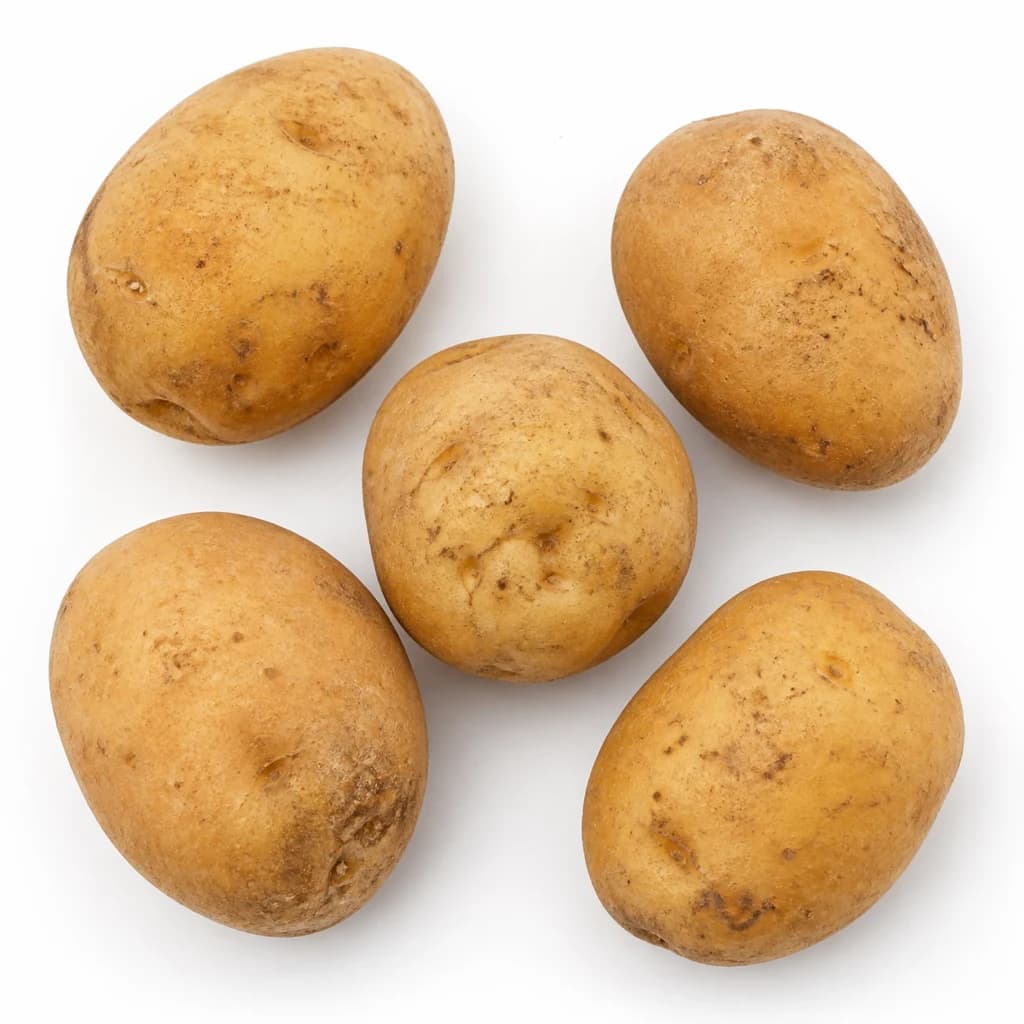
Potato
Humble, hearty staple — roast, mash, fry, or boil
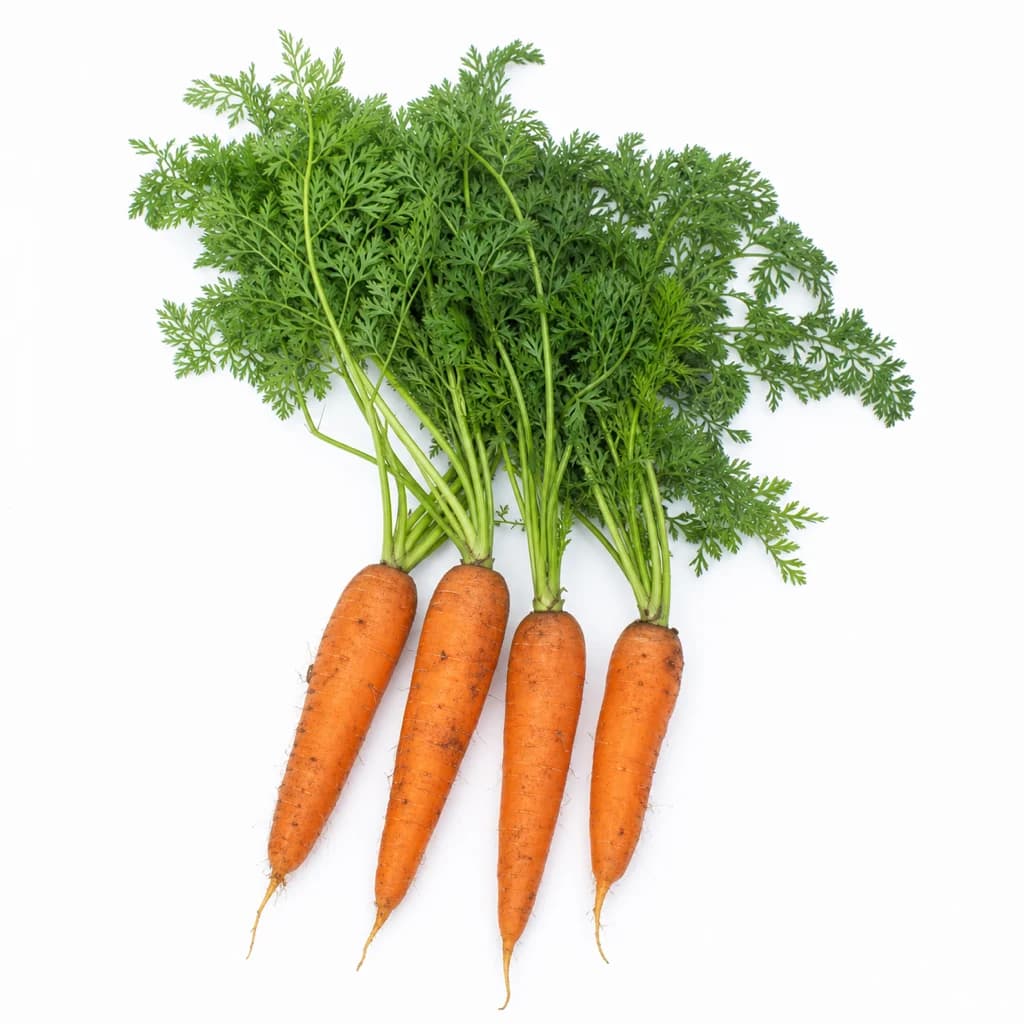
Carrot
Sweet, crunchy root — raw, roasted, or the base of a sofrito
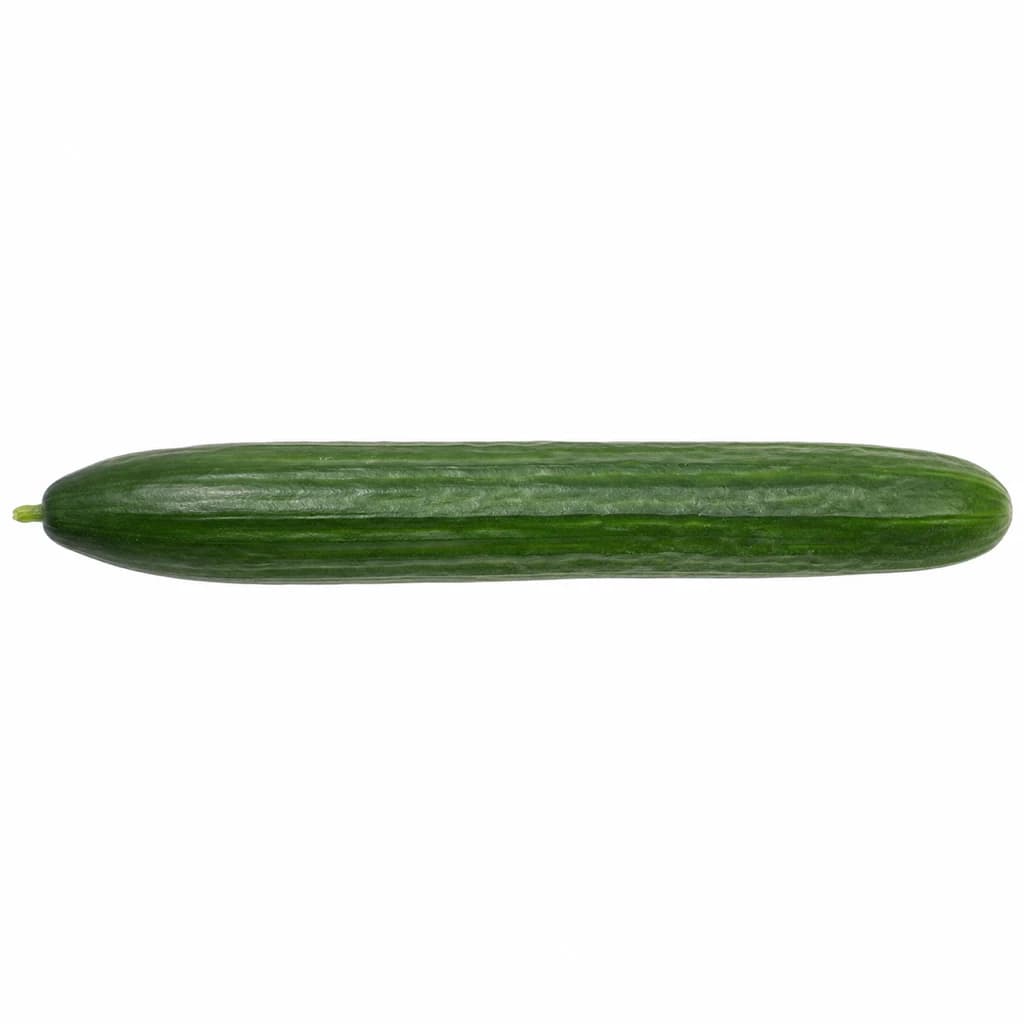
Cucumber
Cool, crisp, and watery — for salads, pickles, and tzatziki

Lettuce
Crisp leaves for salads, wraps, and a fresh crunch