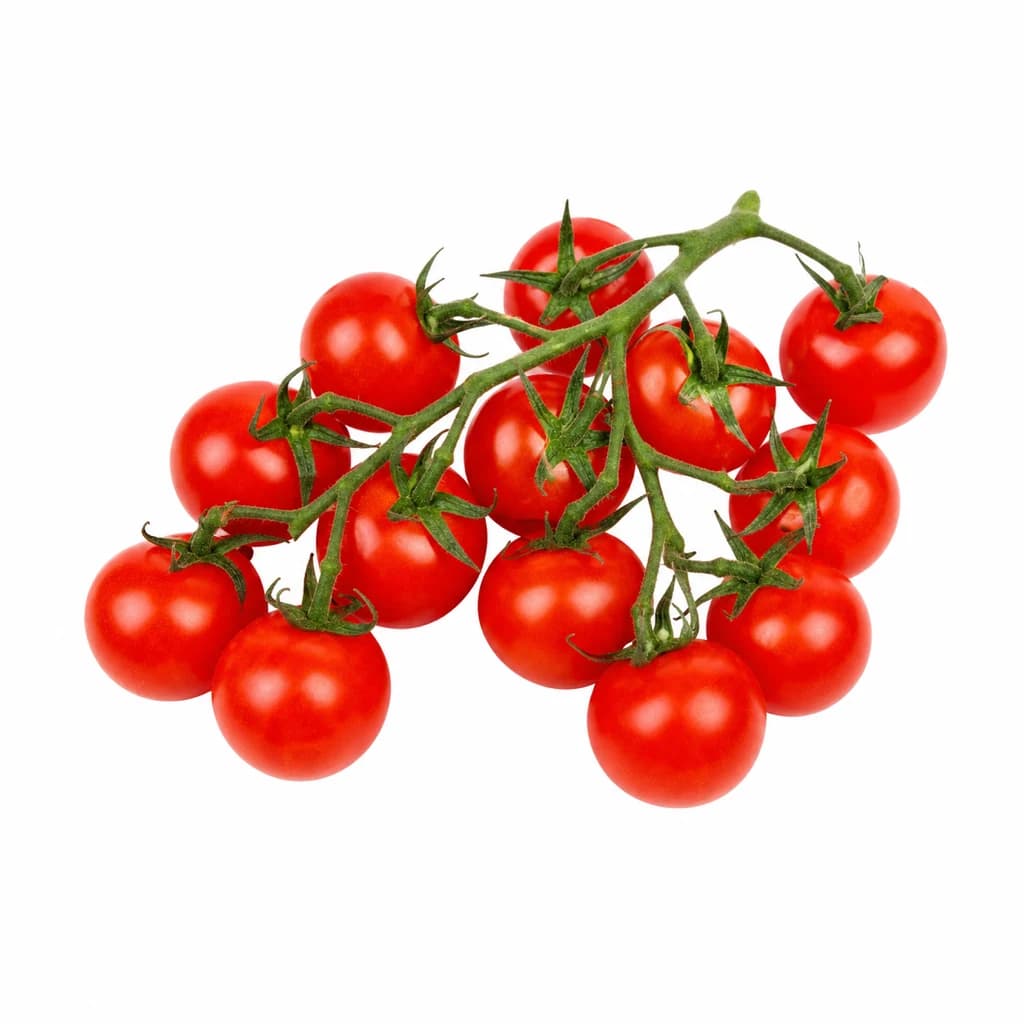
Natural form
Cherry tomatoes on the vine, showing their small round form and vivid red color.
Shows the ingredient in its most recognizable state — clustered on the vine with intact stems — so readers can identify it at market.
Produce
Cherry Tomato
Small, sweet, juicy tomatoes eaten raw in salads or roasted whole until bursting.
Cherry tomatoes are bite-sized tomatoes prized for their high sugar and concentrated flavor. They are tossed raw into salads and pastas, roasted whole until they blister and burst, or confited slowly in oil. Their thin skins and balanced sweet-acid taste make them a versatile year-round staple.
Cherry tomatoes are technically a horticultural classification, not a botanical species, descended from the small wild tomatoes of the Andes. Their ancestry traces to South America, where they were selected over centuries for compact growth and concentrated sweetness—typically 8–12% higher sugar content than standard slicing tomatoes. The modern commercial industry grew from breeding work at the University of Tennessee in the 1970s; Fred C. Gloeb's 'Sweet 100' (1978) launched the category as we know it. Their small size and thin skin mean they burst when bitten, releasing intensely sweet, low-acid juice that behaves quite differently from larger tomatoes. This makes them uniquely suited to raw applications where their brightness shines, and to brief cooking where they collapse into intensely concentrated sweetness. The practical challenge: decent cherry tomatoes are available year-round from greenhouse production, but the best come from summer farmers markets where sun-ripened fruit develops its full flavor. Cold storage devastates their flavor faster than almost any other tomato type—learn to tell the difference between a bland raw tomato that should have been cooked versus one that was simply mistreated.
- Measured in
- g
- Storage
- Pantry
Types & varieties
Orange when ripe; intensely sweet, tropical-fruity; widely considered the sweetest cherry tomato; licensing-protected variety (Takii Seed)
Bright red; prolific clusters of up to 100 fruits; classic sweet-tart balance; the variety that launched the commercial cherry tomato industry in 1978
Purple-brown to dusky rose; complex, wine-like flavor with earthy undertones; heirloom variety
Elongated grape shape; firmer flesh, fewer seeds; excellent for roasting and holds up in sauces better than round varieties
Pale yellow, pear-shaped; mild, low-acid sweetness; attractive in salads but less flavorful than colored varieties
Heirloom red; rich tomato flavor with pronounced acidity; Alan Chadwick's variety from the early organic farming movement
Ivory to pale yellow; mild, fruity, almost citrusy; delicate skin bruises easily
Why Cherry Tomatoes Behave Differently
Cherry tomatoes are not simply small versions of beefsteak or Roma tomatoes. Their thin skin, high water content, and developed sugar-to-acid ratio make them behave distinctively in the kitchen. When roasted at high heat, they burst and collapse rather than roasting into structure. When sliced for salads, they bleed juice immediately—this is desirable, and that juice is valuable. The sugar concentration means they caramelize faster and brown more readily than larger tomatoes, which is why blistered cherry tomatoes are a reliable technique while blistered Romas are not. Understanding this behavior prevents common mistakes: you cannot substitute them 1:1 in recipes expecting tomato chunks that hold their shape, and you should not cook them as long as you would a larger tomato in sauce, or you lose the bright, fresh quality that makes them worth using.
- High sugar content causes faster browning—watch closely when roasting above 400°F/200°C
- Thin skin means no peeling required, but they collapse completely when cooked
- Juice released when sliced is highly flavored—save it for dressings and sauces
- Less cooking time needed than larger tomatoes to develop sweetness
Buying and Storing
Choose cherry tomatoes that are fully colored with no green shoulders—they will not ripen significantly off the vine. Avoid any with cracks or soft spots. The container should smell faintly sweet and vegetal, never sour or fermented. At the farmers market, taste one before buying: flavor should be bright and noticeably sweet. Once home, never refrigerate unripe tomatoes—cold permanently arrests ripening and produces mealy texture. Store ripe tomatoes stem-side down at room temperature for up to two days. For longer storage, refrigerate ripe tomatoes up to 5 days, but always bring to room temperature before eating raw. For freezing, spread whole tomatoes on a sheet pan until frozen solid, then transfer to bags; they collapse when thawed but are excellent for winter roasting.
- Fully colored = ready to eat; they will not ripen further off the vine
- Smell test: faintly sweet and vegetal, never sour
- Handle Sun Gold and Snow White minimally—tender skins bruise easily
- Freeze whole on sheet pans, then bag; excellent for winter roasting but not for thawing and eating raw
Common uses
Tips & pitfalls
- Never refrigerate unripe tomatoes—cold arrests ripening and produces mealy texture. Keep stem-side down at room temperature until fully colored.
- Score an X in the bottom skin before roasting at high heat (400°F/200°C+) to prevent explosive popping and ensure even blistering.
- For salads, halve and salt generously, let rest 10–15 minutes to draw out juices—those juices are the dressing, do not discard them.
- If cherry tomatoes taste bland raw, they were likely stored too cold. Cook them rather than eating raw to salvage them.
- When roasting for sauce, spread in a single layer on a sheet pan; crowding causes steaming instead of caramelization.
- Sun Gold and other tender-skinned varieties bruise easily—handle minimally and add to dishes at the last moment.
- Bland cherry tomatoes are usually a storage problem, not a variety problem. Taste before assuming they are inferior.
- Freeze them whole on sheet pans, then transfer to bags for up to 6 months—excellent for winter roasting when fresh tomatoes are at their worst.
Nutrition
Energy
63 kJ · per 100 g
Where the calories come from
Protein
1g
2% DV
Carbs
3g
1% DV
Fat
0.3g
0% DV
Fiber
0.7g
3% DV
Sodium
23mg
1% DV
Source · USDA FoodData Central · approx. Tomatoes, yellow, raw
View on FDC →In the shops
Matched grocery products
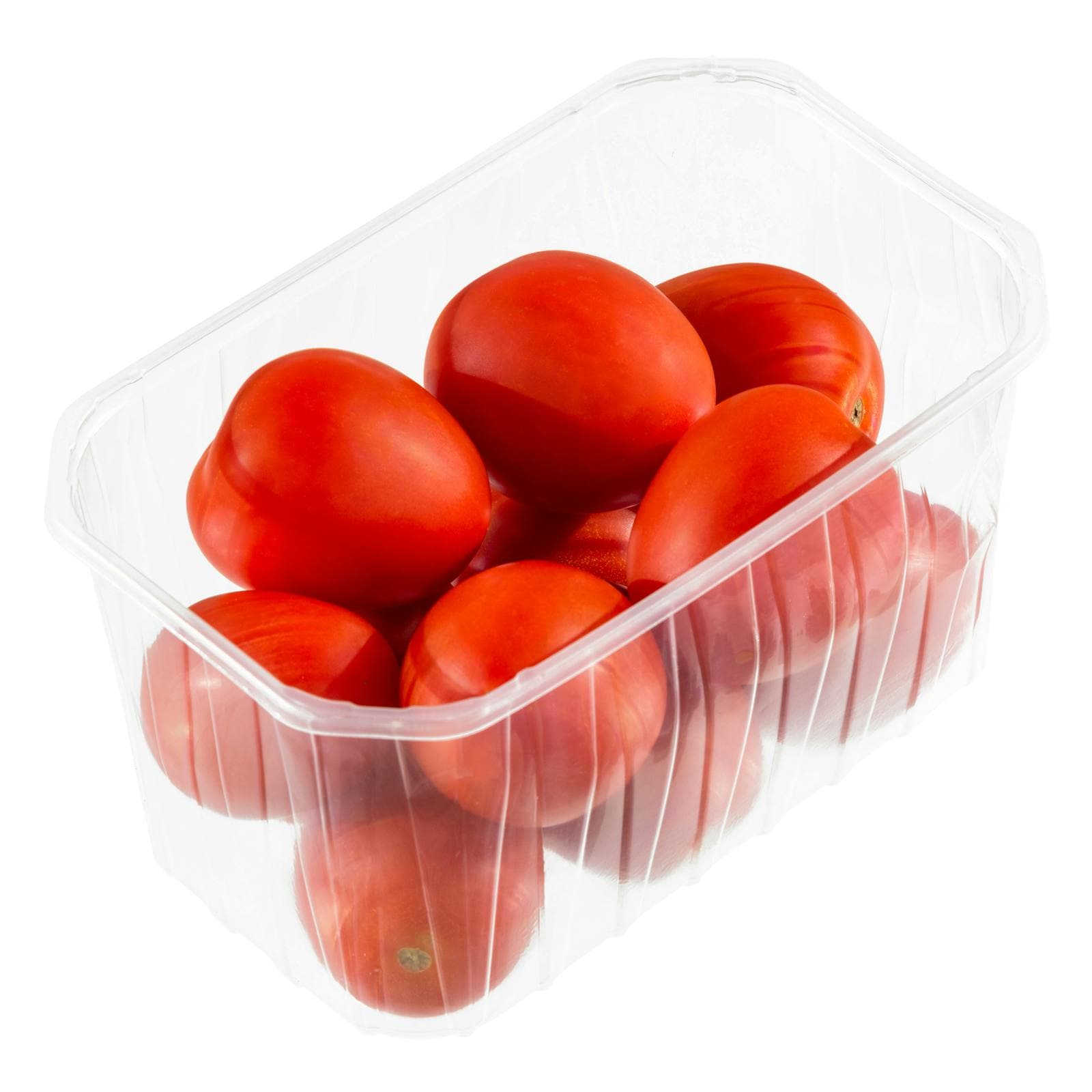 €2.62
€2.62Pear Tomatoes
1.14 kg · Mercadona
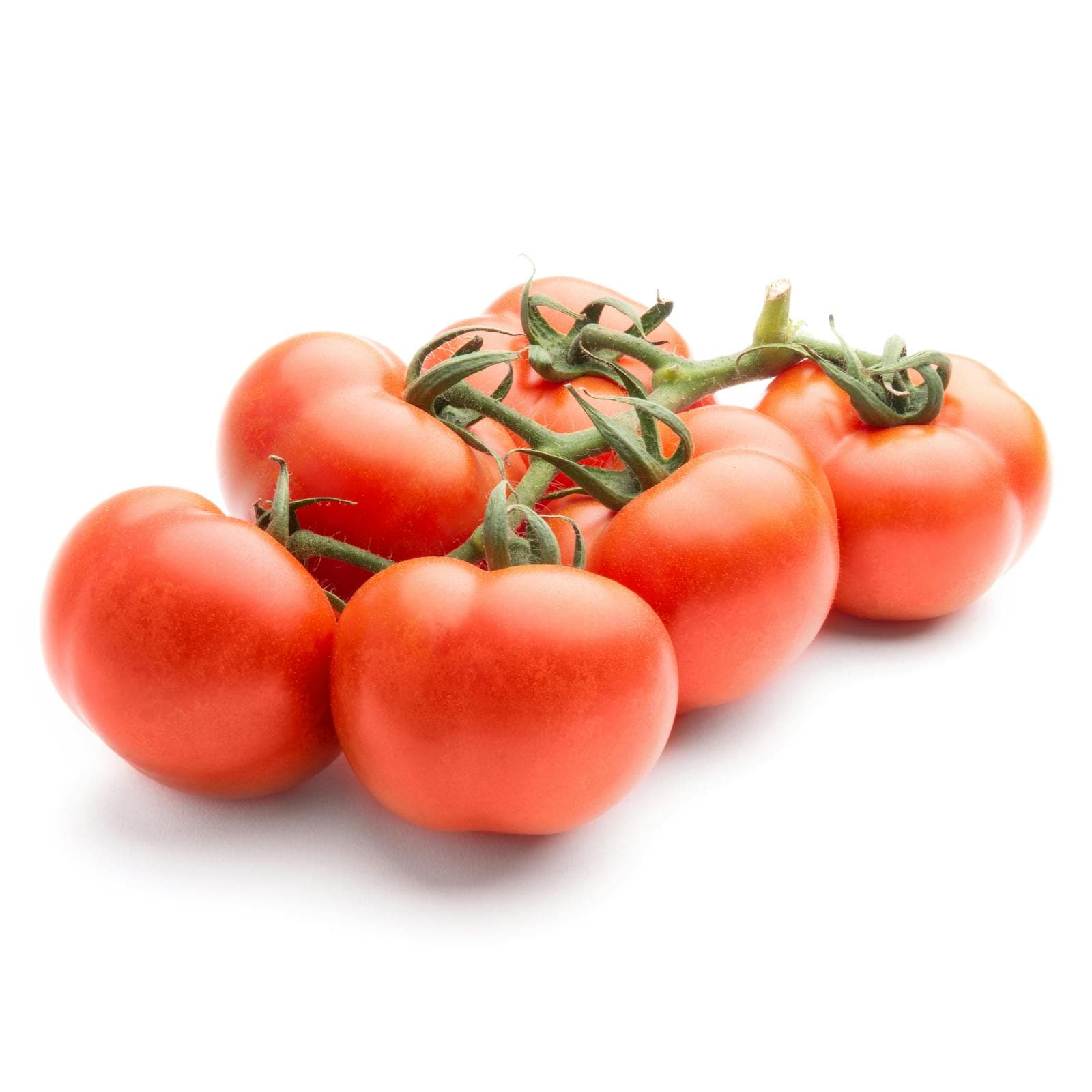 €1.49
€1.49Truss Tomatoes
550 g · Mercadona
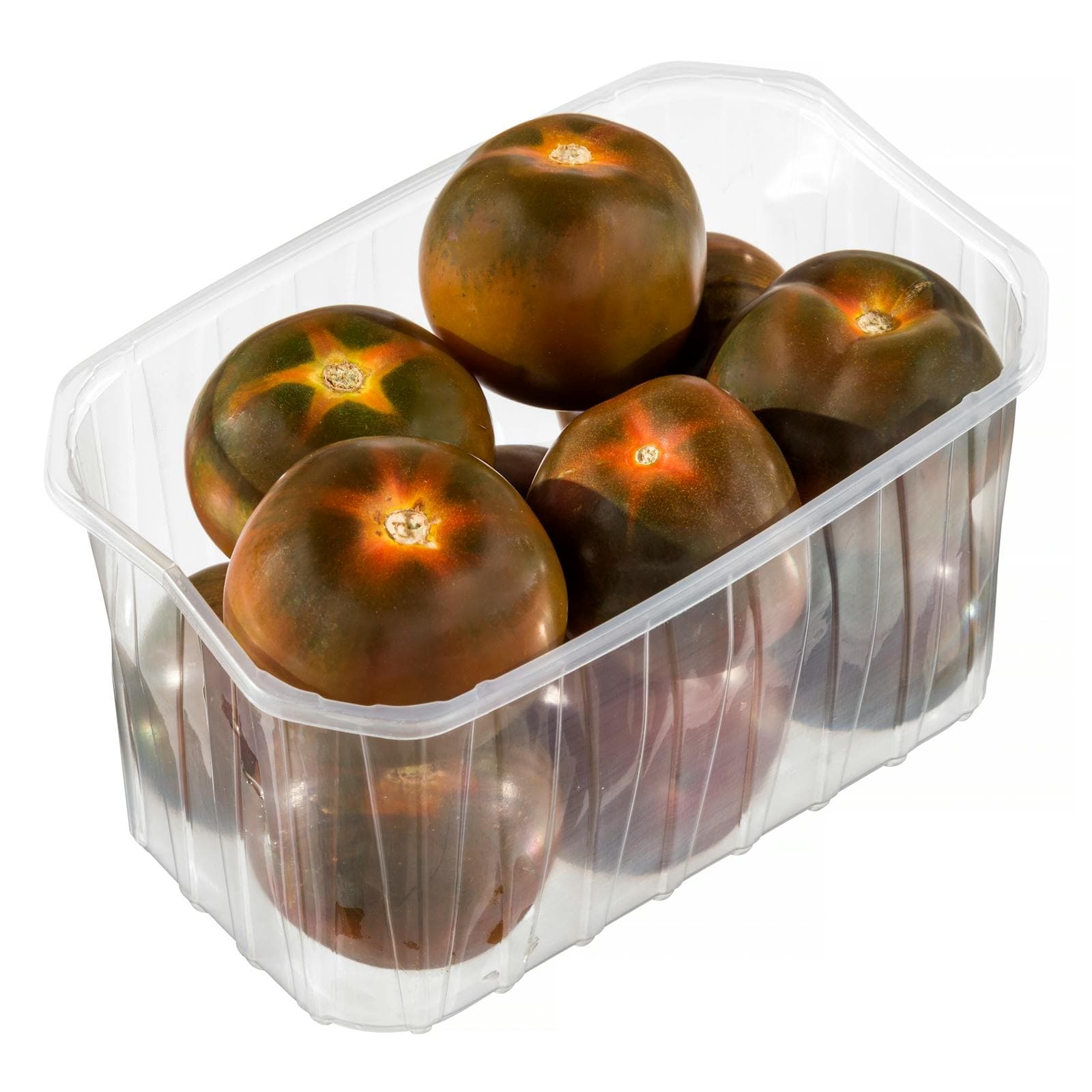 €2.60
€2.60Black Tomatoes
1 kg · Mercadona
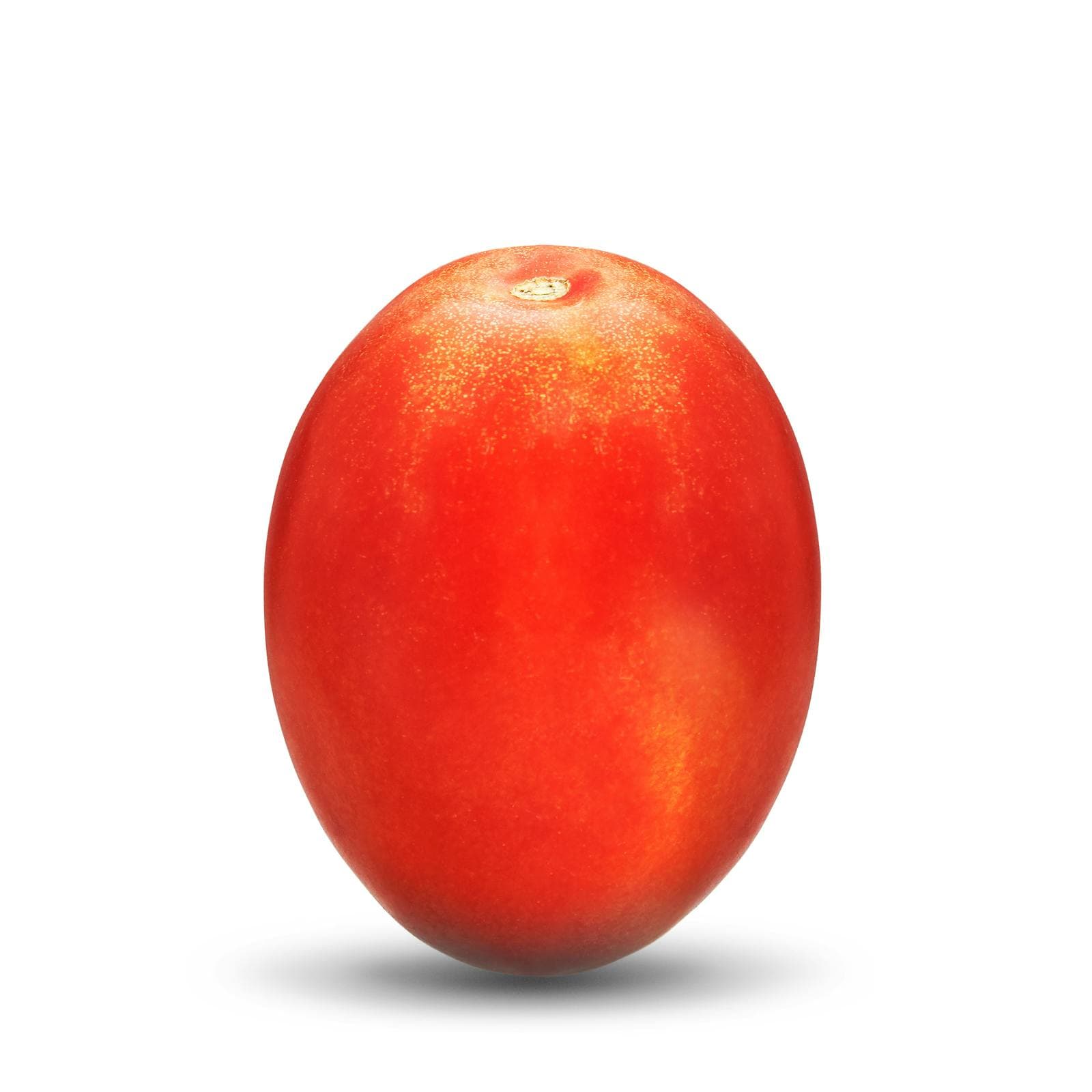 €0.29
€0.29Plum Tomato
130 g · Mercadona
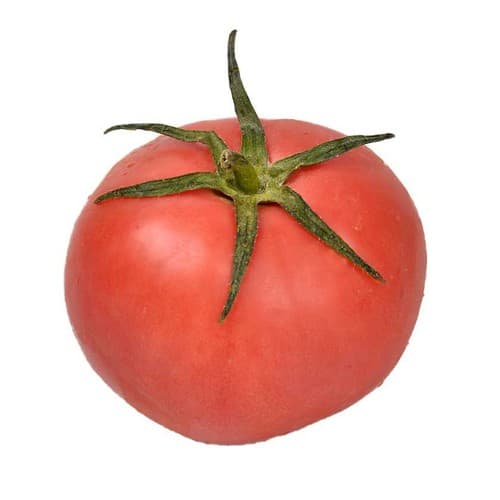 €1.07
€1.07Pink Tomato
ud · Bonpreu
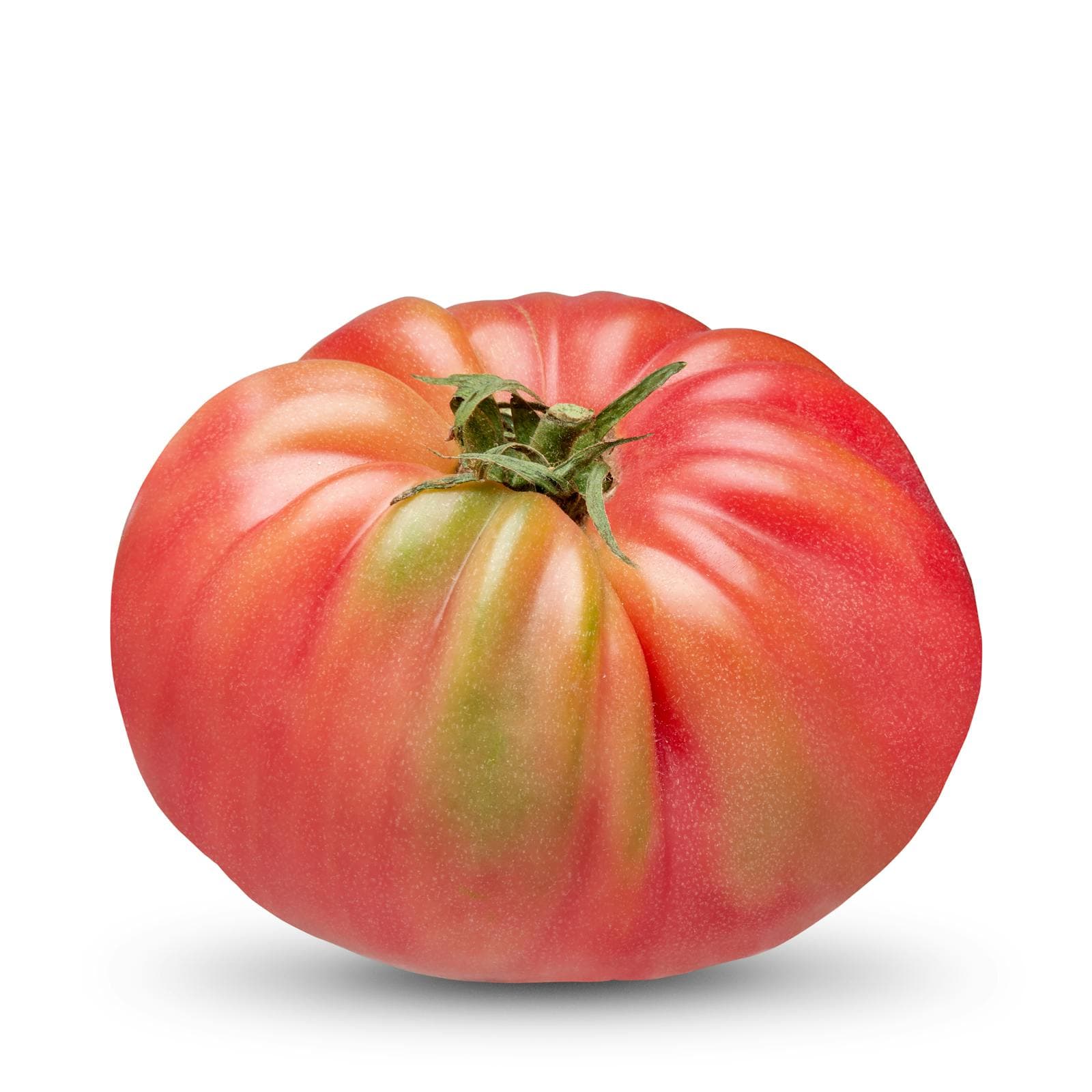 €1.16
€1.16Pink Tomato
340 g · Mercadona
Good to know
- Type
- Small fruiting tomato (Solanum lycopersicum var. cerasiforme)
- Typical Size
- 0.5–1 inch (1.5–2.5 cm) diameter
- Color Range
- Red, orange, yellow, pink, purple-black
- Flavor
- Sweeter and less acidic than standard slicing tomatoes; sugar content 8–12% higher
- Peak Season
- Summer for field-grown; year-round from greenhouse production
- Yield
- About 20–30 tomatoes per 1 cup chopped; 1 lb ≈ 2 cups whole
- Storage (Unripe)
- Room temperature, stem-side down, until fully colored
- Storage (Ripe)
- Refrigerate up to 5 days; bring to room temperature before eating raw
Substitutes
- Grape tomatoes — Closest substitute; slightly less sweet, denser flesh, holds shape better in cooking. Use 1:1.
- Campari tomatoes — Slightly larger, similar sweetness and juiciness. Work well for salads and light cooking.
- Roma or plum tomatoes, quartered — Better for cooked applications (sauces, roasting); less sweet, more seedy, mushier texture. Not suitable raw.
- Canned whole tomatoes, drained — For sauces and cooked dishes only; will not replicate raw brightness or burst texture.
Pairs with
Also called
Pomodorino · Grape Tomato
Appears in these dishes
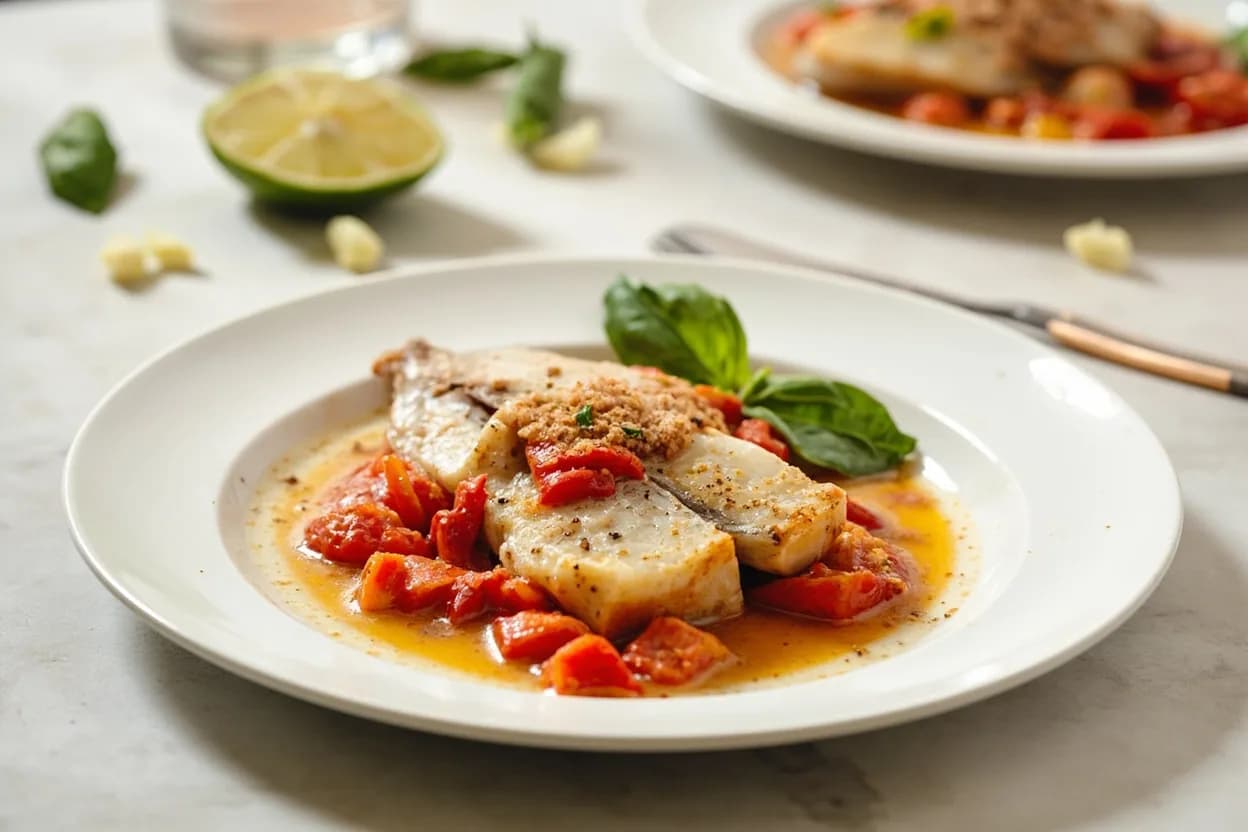
Related
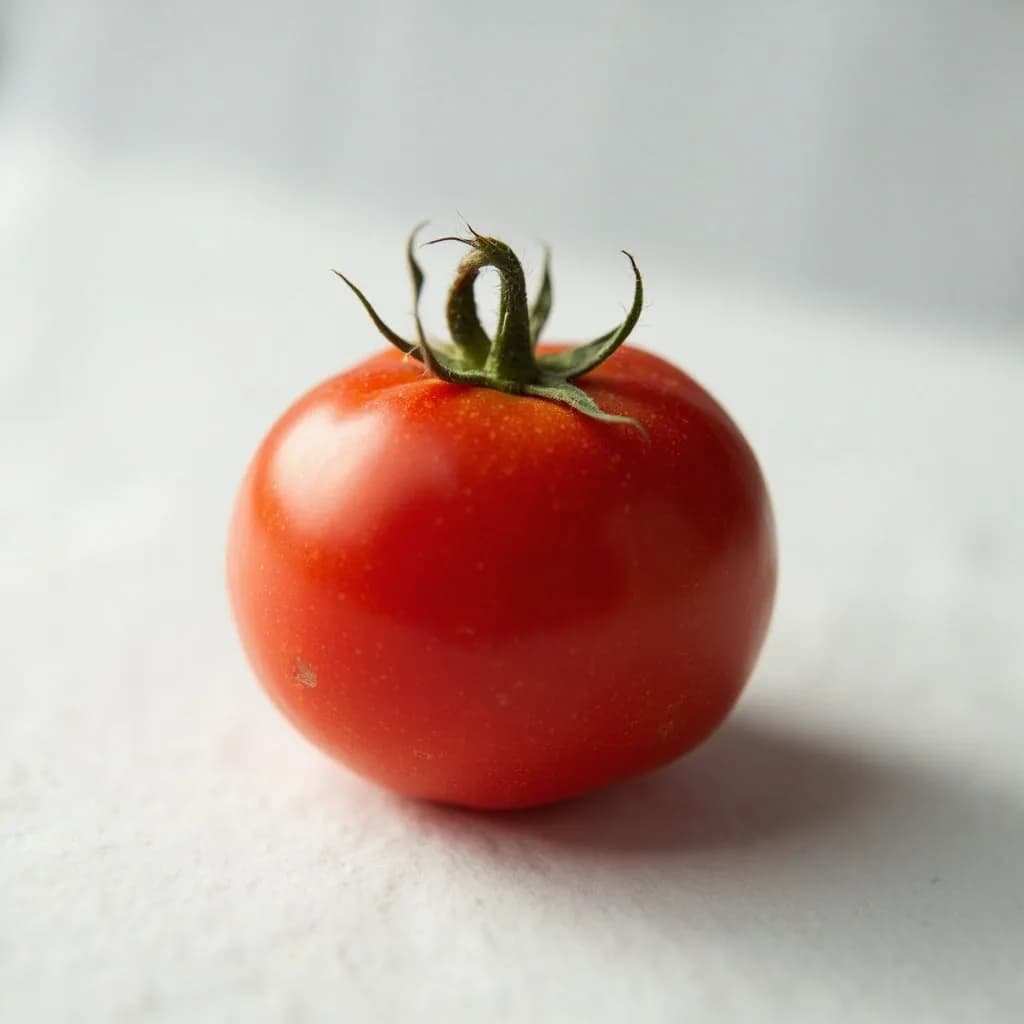
Tomato
Juicy, sun-sweet fruit for sauces, salads, and slow-cooked depth
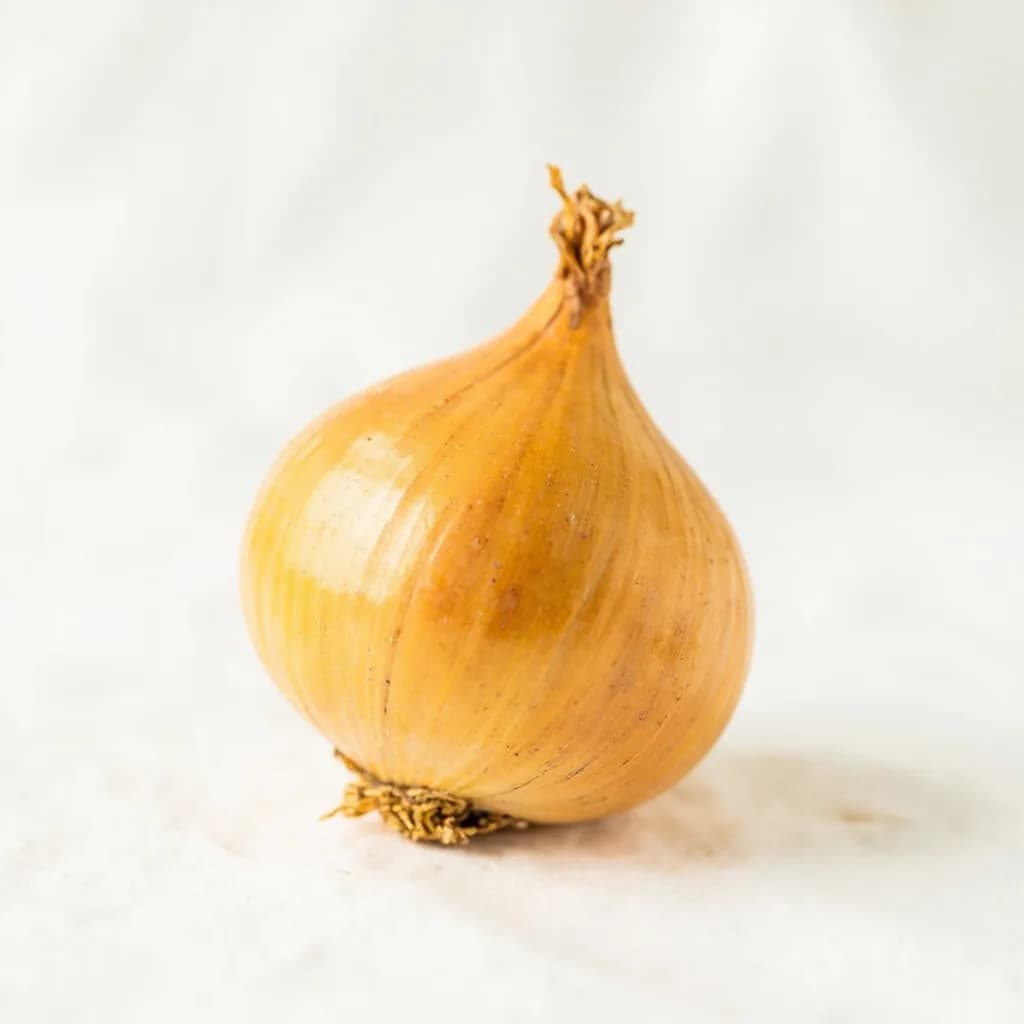
Yellow Onion
The aromatic backbone of soups, sofritos, and braises
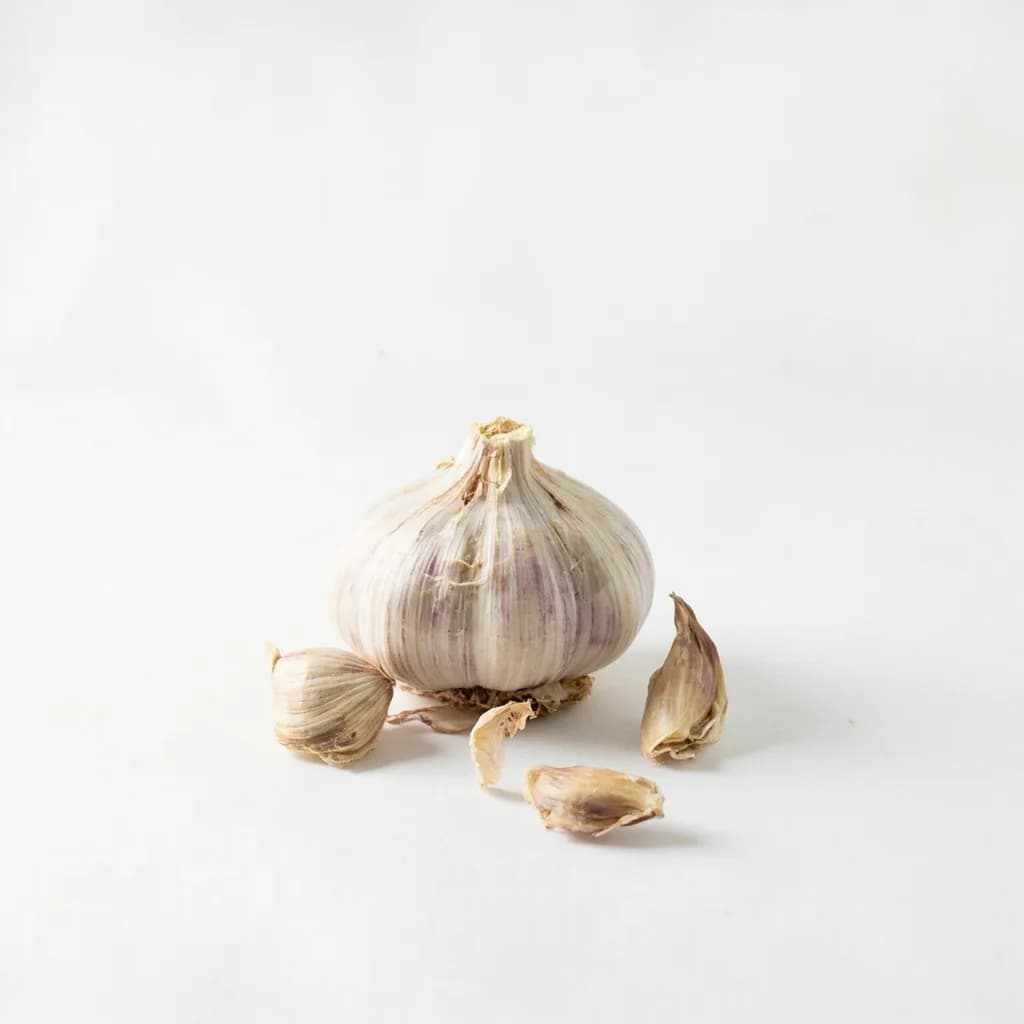
Garlic
Pungent cloves that perfume nearly every savory dish
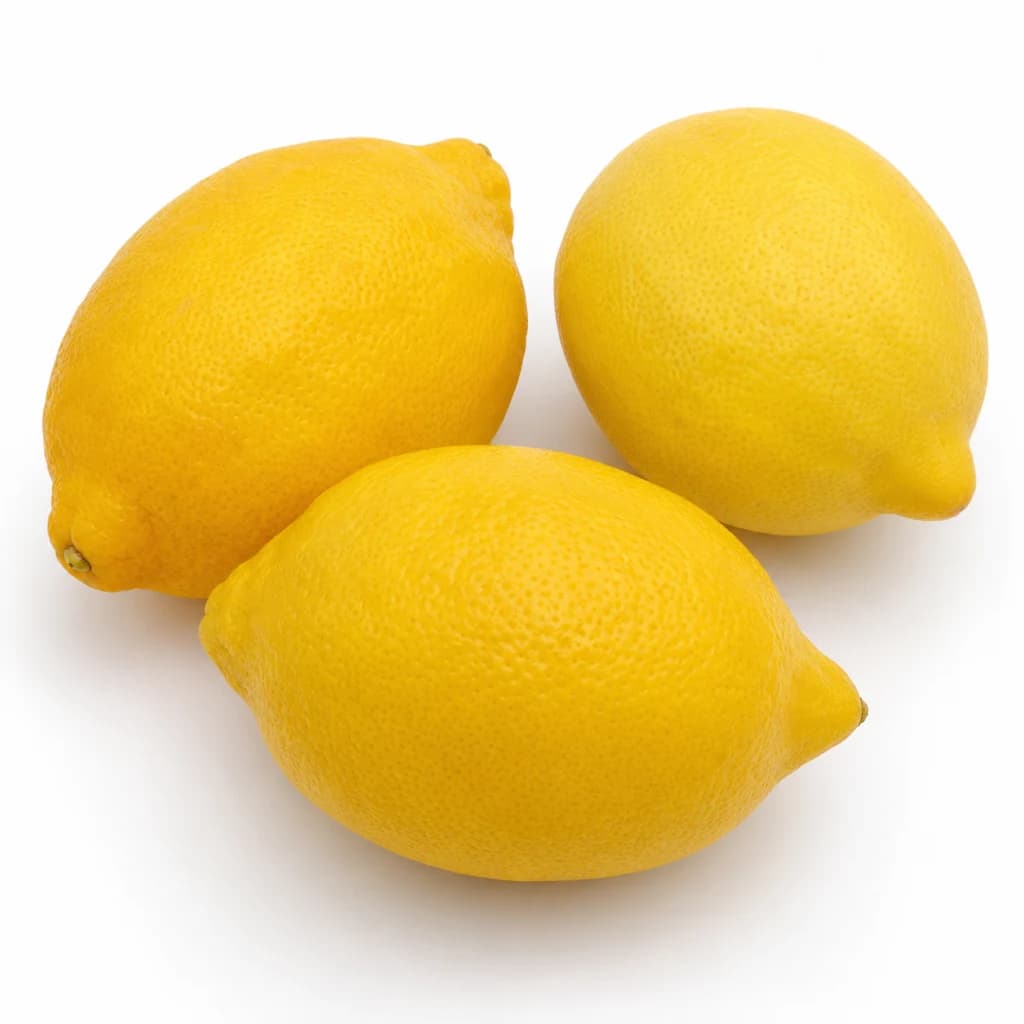
Lemon
Bright, acidic citrus that wakes up almost any dish
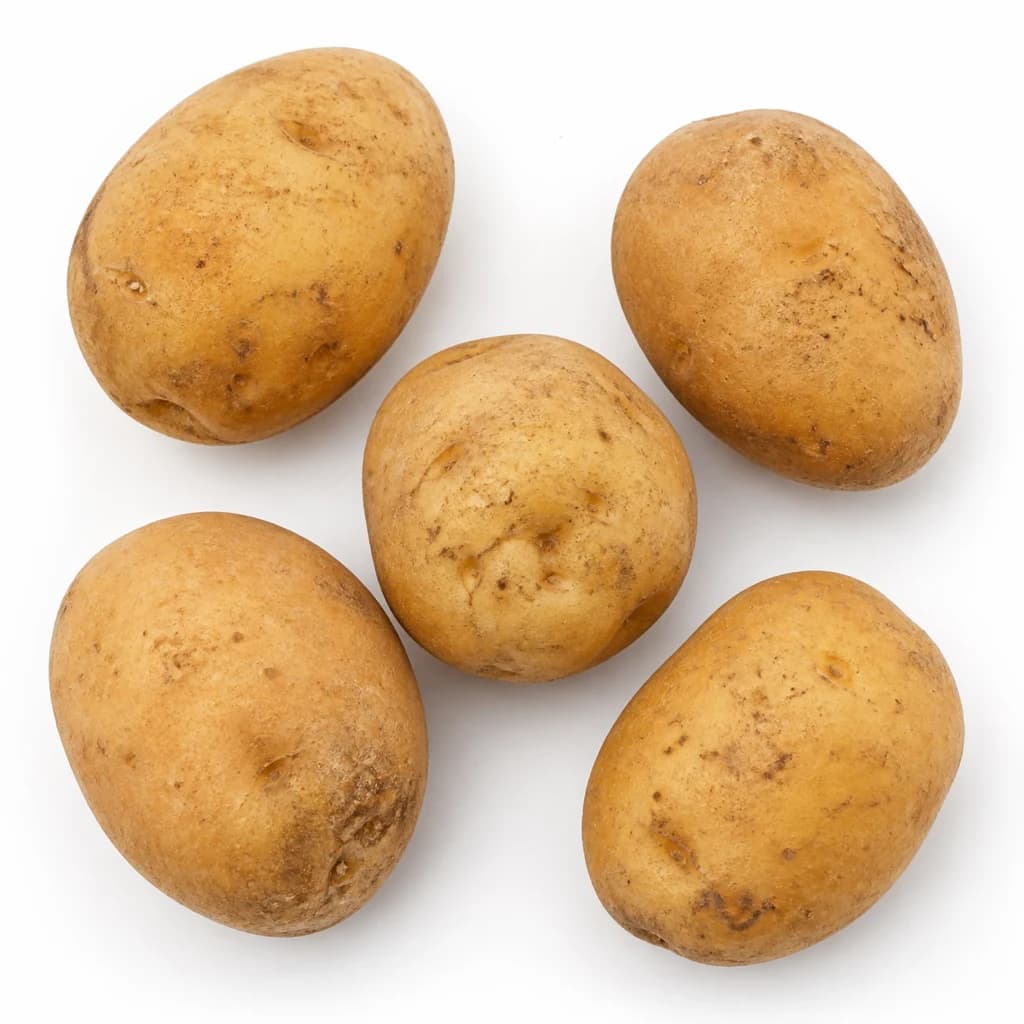
Potato
Humble, hearty staple — roast, mash, fry, or boil
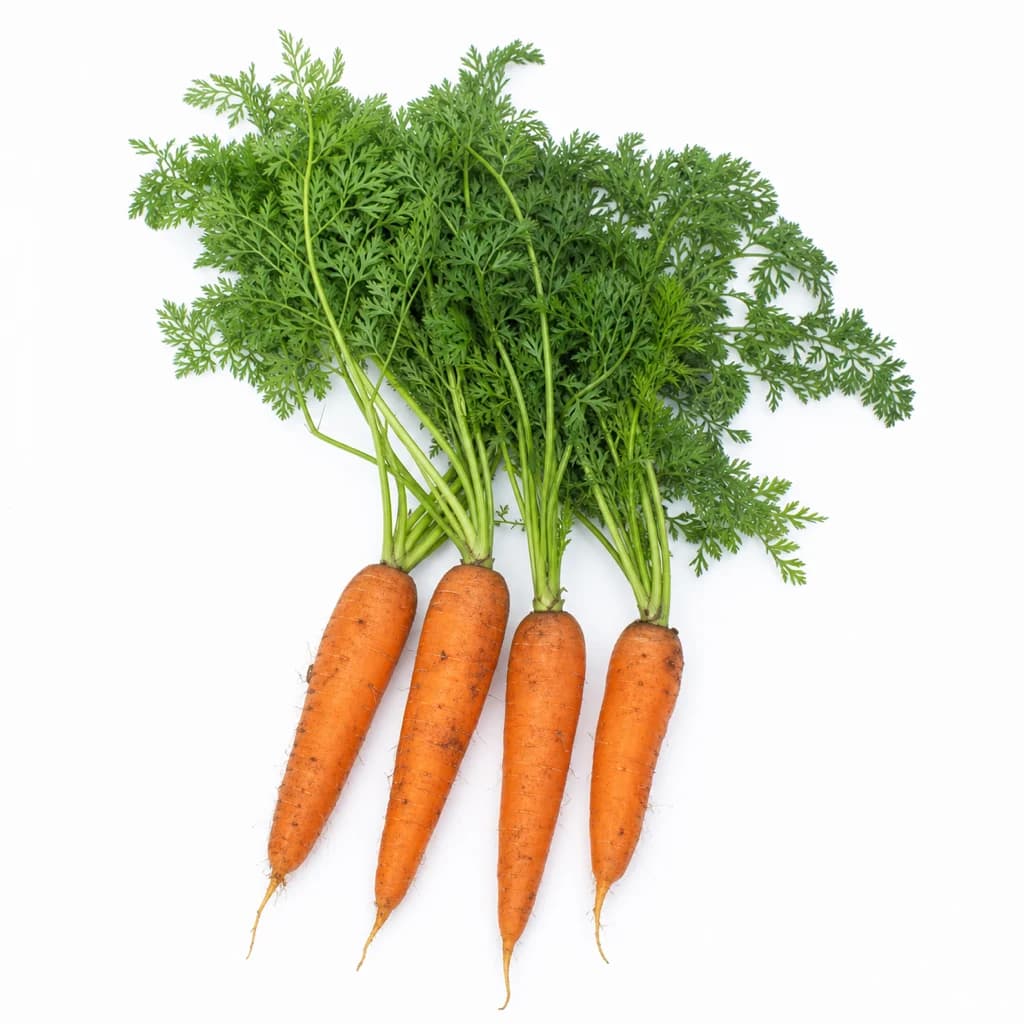
Carrot
Sweet, crunchy root — raw, roasted, or the base of a sofrito
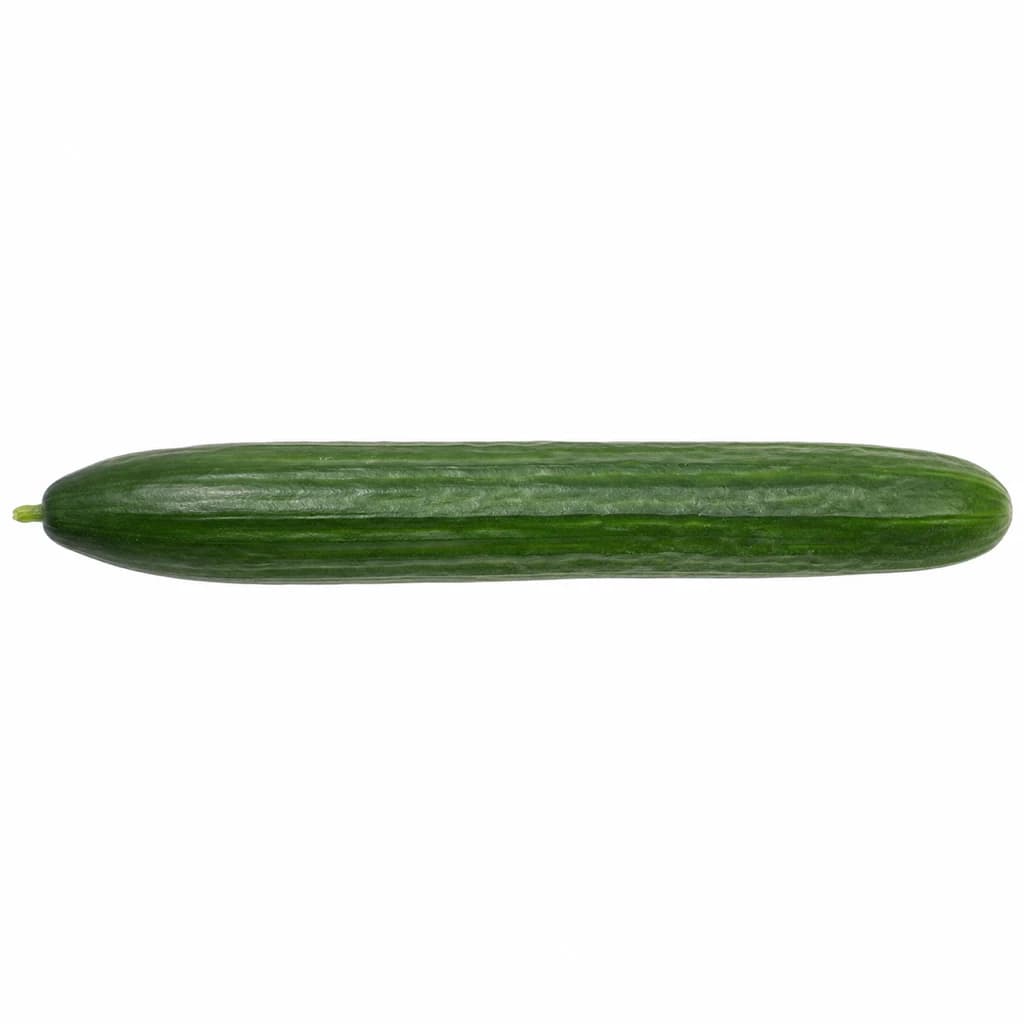
Cucumber
Cool, crisp, and watery — for salads, pickles, and tzatziki

Lettuce
Crisp leaves for salads, wraps, and a fresh crunch