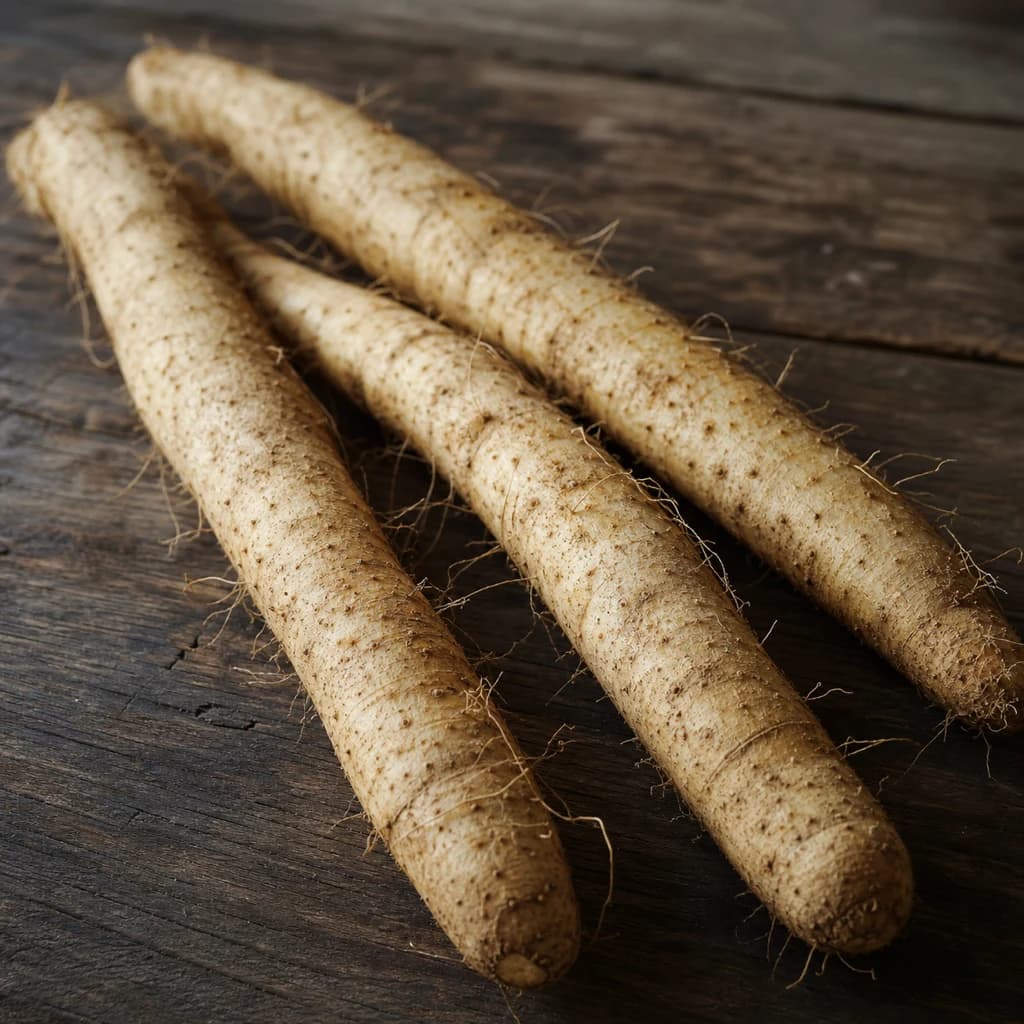
Natural form
Chinese yam: long, slender brown-skinned tubers with a papery, earthy exterior.
Shows the tuber's distinctive elongated shape and rough brown skin so readers can identify it raw at market.
Produce
Chinese Yam
Slender tuber used fresh or dried in Chinese soups and tonics; mild and slightly slippery.
Chinese yam is a long, slender tuber with crisp white flesh, used both fresh and dried in Chinese cooking and herbal tonics. Fresh, it is stir-fried or added to soups where it turns slightly slippery; dried slices are simmered in nourishing broths. Its flavor is mild and faintly sweet, valued as much for texture and tradition as for taste.
Chinese Yam (Shānyào, 山药) is a slender, cylindrical tuber from the Dioscorea opposita species, cultivated throughout East Asia for both culinary and medicinal purposes. Unlike the yams consumed in West Africa, the Caribbean, and Central and South America—which belong to a different genus entirely—Chinese yam carries a distinctly mild, subtly sweet flavor with a clean, slightly earthy finish. Its flesh ranges from white to ivory, firm and dense when raw, and transforms into a smooth, tender, slightly sticky consistency when cooked. The raw tuber is notably crunchy, but once cut or grated, it releases a slippery mucilage prized in certain preparations rather than considered a flaw.
The mucilaginous quality that develops when Chinese yam is cut is caused by mucopolysaccharides (glucomannans) that interact with water, creating a gelatinous coating. When cooked in long-simmered broths, the yam gradually releases its starches, gently thickening the liquid while absorbing surrounding flavors. The texture becomes silken and yielding without becoming mealy, provided it is not overcooked. This ability to thicken without adding flavor of its own makes it uniquely valuable in delicate soups.
In Traditional Chinese Medicine, Chinese yam is classified as neutral and sweet, believed to tonify the spleen and stomach, benefit the lungs, and calm the spirit. This medicinal heritage informs many of its culinary applications, particularly in restorative winter soups, tonic preparations, and convalescent cooking. The dried form, known as Huai Shan (淮山), is rehydrated for soups and decoctions and is prized for its concentrated properties. The tuber stores well refrigerated in a paper bag for two to three weeks and should never be frozen fresh.
- Measured in
- g
- Storage
- Pantry
Types & varieties
The primary culinary variety; named after the Huai River basin in Henan/Anhui provinces. Medium thickness, good slipperiness, balanced texture. Most commonly sold fresh in markets.
"Iron" Chinese yam; named for its particularly firm, dense flesh. Holds shape well in cooking; less slippery than other varieties. Preferred for stir-frying.
"Old" Chinese yam; longer, thicker, and drier. Higher starch content; becomes very soft when cooked. Better for braised dishes than soups.
Different species (D. japonica); longer and straighter with thinner skin. Significantly less mucilaginous when cut; remains relatively firm. Ideal for grating raw into tororo (slimy paste).
Short, thick cultivar; the slipperiest of the Japanese yams. Premium variety for raw grating applications. Difficult to peel due to irregular shape.
Korean variety; similar to Huai Shan in appearance and properties. A staple in Korean medicinal soups (guk) and traditional tonic preparations.
Common uses
Tips & pitfalls
- Wear latex gloves when peeling: the raw tuber exudes a sticky mucilage that can irritate skin for some individuals; wiping hands with vinegar afterward helps.
- Prevent discoloration immediately: once peeled and cut, place pieces in cold water with a splash of rice vinegar (1:10 ratio) to prevent oxidation browning.
- Do not overcook: Chinese yam becomes mealy and loses its silky quality if cooked too long; add to soups in the last 15–20 minutes of cooking.
- For maximum slipperiness in Japanese preparations: grate raw nagaimo or yamato-imo just before serving; the mucilage dissipates quickly after grating.
- For less slippery texture: briefly blanch cut pieces in boiling water before adding to soups or stir-fries; this deactivates the enzymes responsible for mucilage formation.
- Choose firm tubers: should feel heavy for their size with taut skin; avoid any with soft spots, cuts, or sprouting eyes.
- Dried Huai Shan (淮山): Toast briefly in a dry pan before using to deepen flavor; simmer longer than fresh (30–45 minutes) to fully rehydrate and soften.
- For thickening: simply simmer cut pieces in broth; they will gradually break down and release starch; do not stir aggressively or they will dissolve completely.
- Korean preparation note: traditionally the outer skin is scrubbed thoroughly with a brush rather than peeled, as the skin is believed to hold beneficial properties.
Nutrition
Energy
494 kJ · per 100 g
Where the calories come from
Protein
1.5g
3% DV
Carbs
27.9g
10% DV
Fat
0.2g
0% DV
Fiber
4.1g
15% DV
Sugars
0.5g
of which
Sodium
9mg
0% DV
Source · USDA FoodData Central · Yam, raw
View on FDC →In the shops
Matched grocery products
No matched grocery products for Chinese Yam yet.
Good to know
- Scientific Name
- Dioscorea opposita (also D. oppositifolia)
- Chinese Name
- 山药 (Shānyào); 淮山 (Húaishān) as dried form
- Japanese Name
- Nagaimo (長芋) for long type; Yamato-imo (大和芋) for short type
- Korean Name
- Sanghwang (상황)
- Origin
- Native to China; cultivated throughout East Asia
- Peak Season
- Late autumn through winter; available year-round
- Shape
- Long, cylindrical, sometimes curved; 20–60 cm long, 2–5 cm diameter
- Skin
- Pale beige to light brown, thin, easily peeled
- Flesh
- White to ivory, firm, dense
- Raw Texture
- Crunchy and crisp; becomes extremely slippery and mucilaginous when cut or grated
- Cooked Texture
- Smooth, tender, slightly sticky; less slippery than raw
- Flavor
- Mild, subtly sweet, clean, slightly earthy; almost neutral
- Storage
- Refrigerate unwashed in a paper bag; use within 2–3 weeks; do not freeze fresh
- Dried Form
- Sold as Huai Shan (淮山) or Shan Yao (山药); rehydrated for soups and medicinal decoctions
Substitutes
- Japanese Nagaimo — Best substitute; same genus but different species (D. japonica). Can substitute 1:1 in most preparations; slightly less mucilaginous.
- Japanese Yamato-imo — Premium substitute for raw grating applications; even slipperier than Chinese yam. Not ideal for long-cooked soups where it may disintegrate.
- Taro (芋头, Colocasia esculenta) — Different flavor (slightly sweet, nuttier) but similar cooking behavior. Substitute 1:1 in braised or thick soup applications; does not become slippery the same way.
- Sweet Potato (红薯) — Not a close substitute; acceptable only in a pinch for soups. Flavor is much sweeter and more pronounced; texture becomes soft rather than silky.
- Arrowroot Starch or Tapioca — Useful only for the thickening function. Dissolve in cold water and add to soups; not a textural substitute for the yam itself.
- Korean Mountain Yam (칡, Chami) — Wild mountain yam (Dioscorea species); very similar properties and uses. Often used interchangeably in Korean cuisine. High slipperiness, mild flavor.
Pairs with
Also called
淮山 · Dried Chinese Yam · Shan Yao · Nagaimo
Related
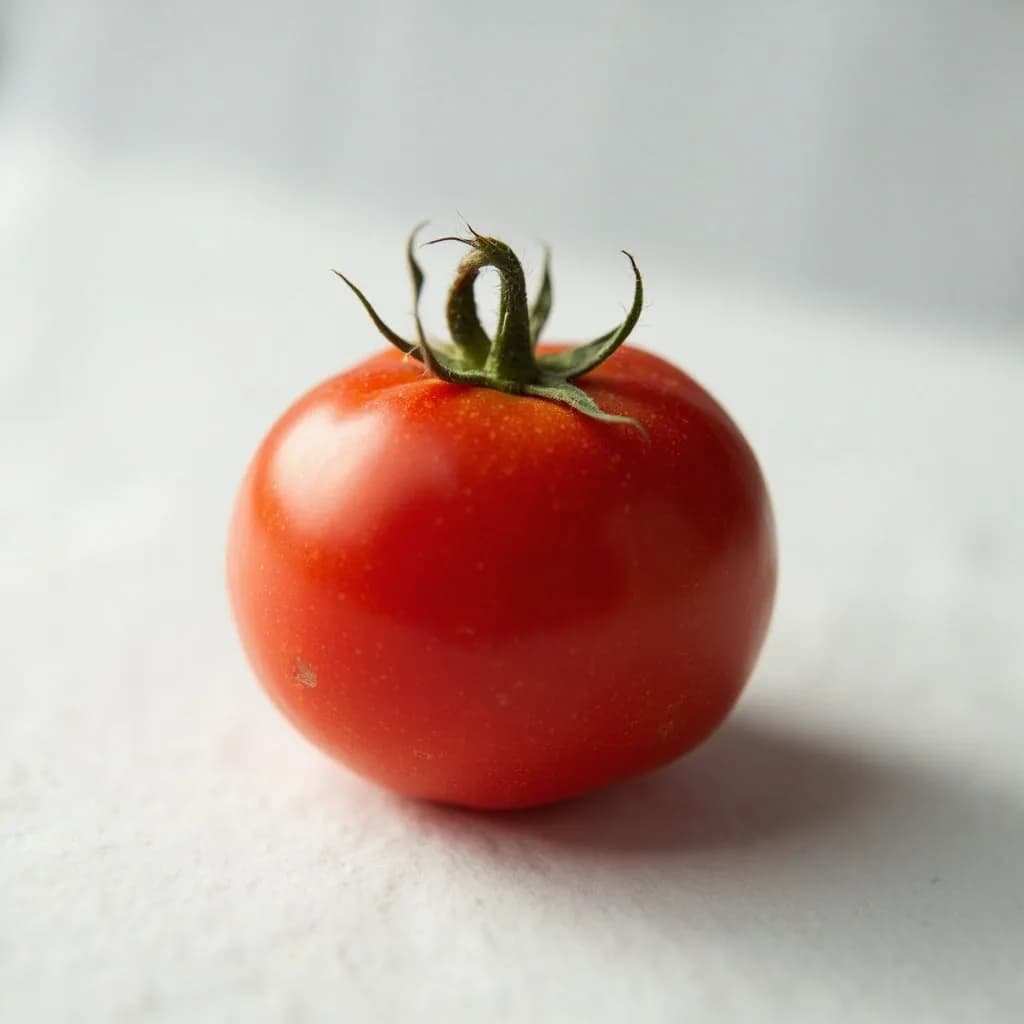
Tomato
Juicy, sun-sweet fruit for sauces, salads, and slow-cooked depth
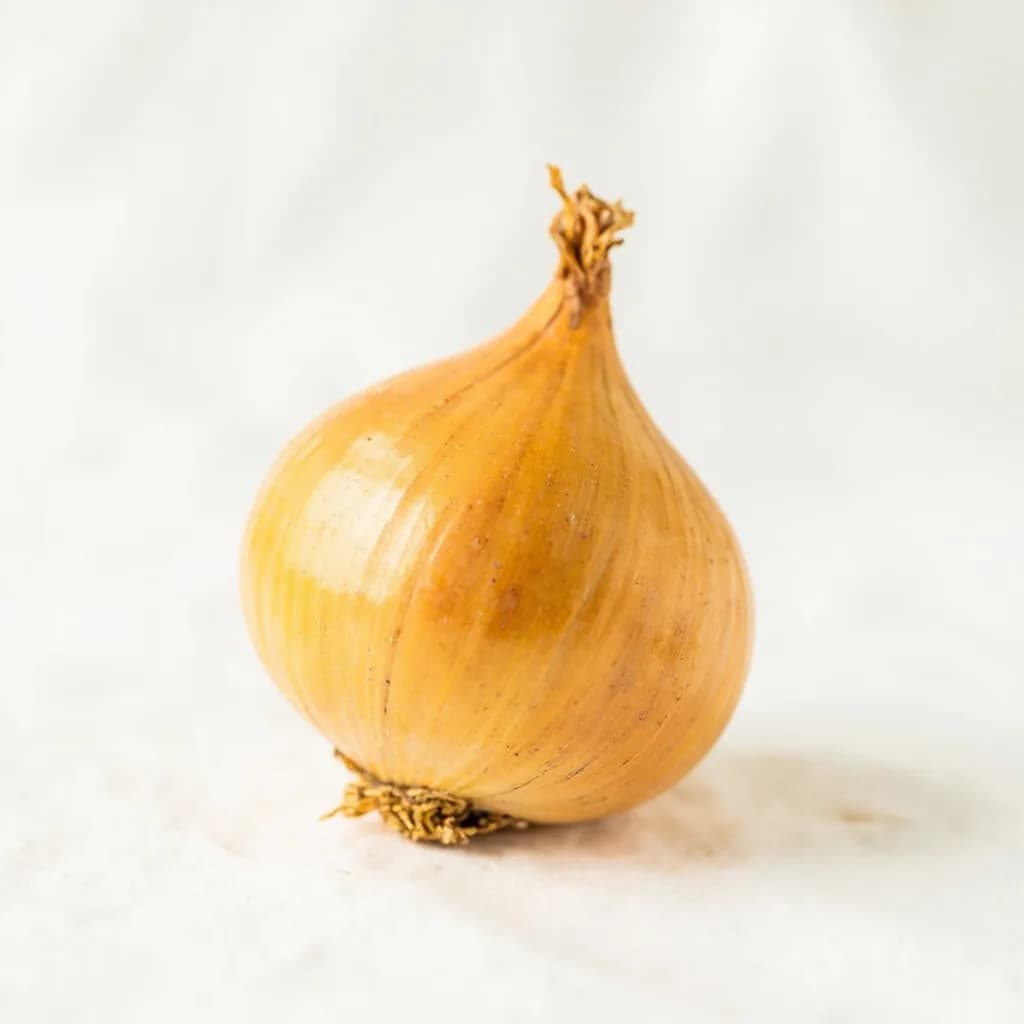
Yellow Onion
The aromatic backbone of soups, sofritos, and braises
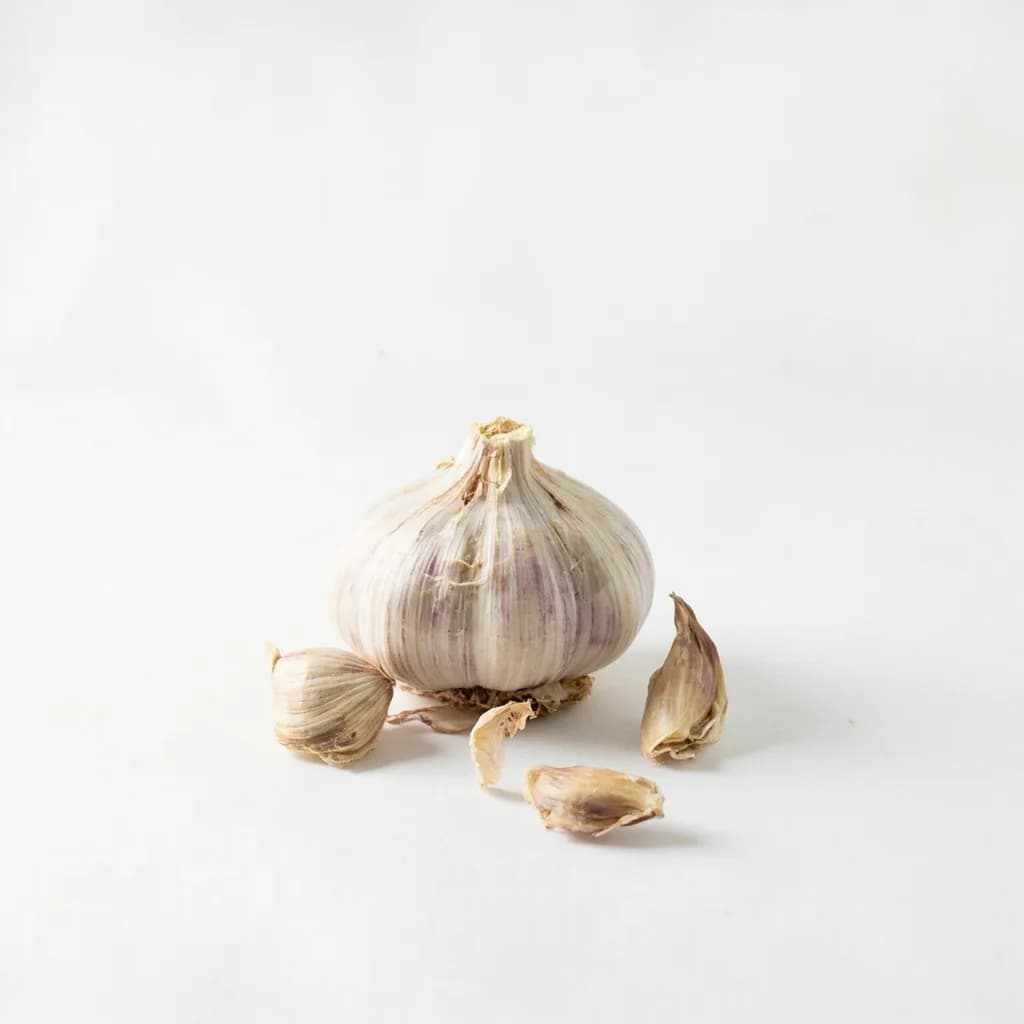
Garlic
Pungent cloves that perfume nearly every savory dish
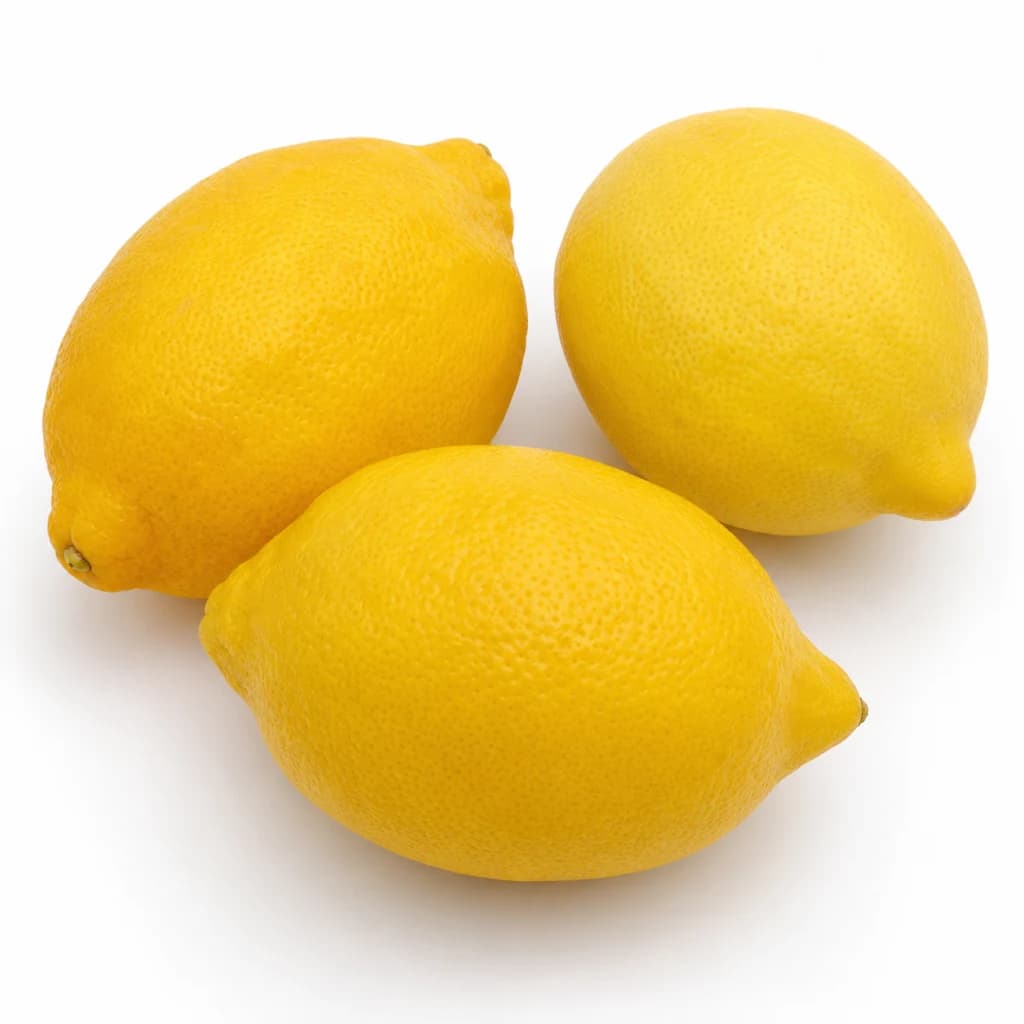
Lemon
Bright, acidic citrus that wakes up almost any dish
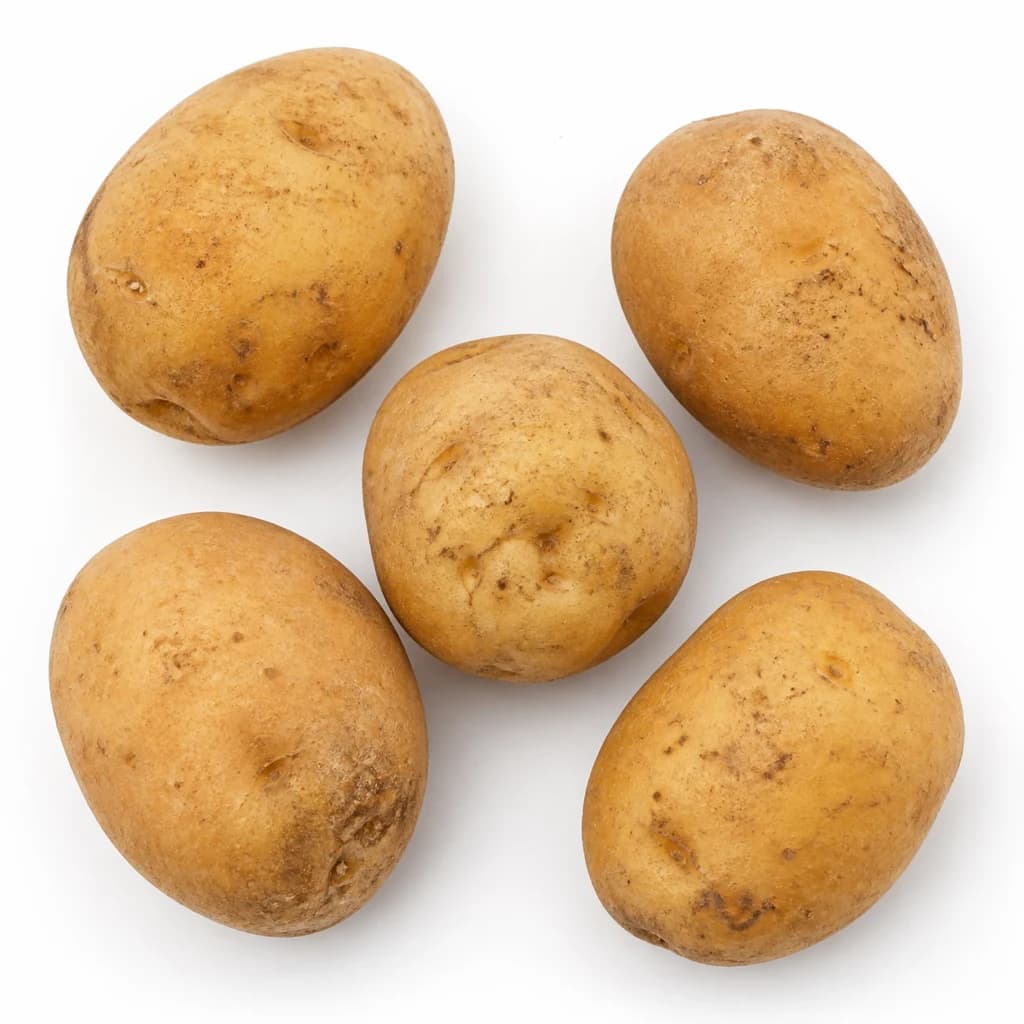
Potato
Humble, hearty staple — roast, mash, fry, or boil
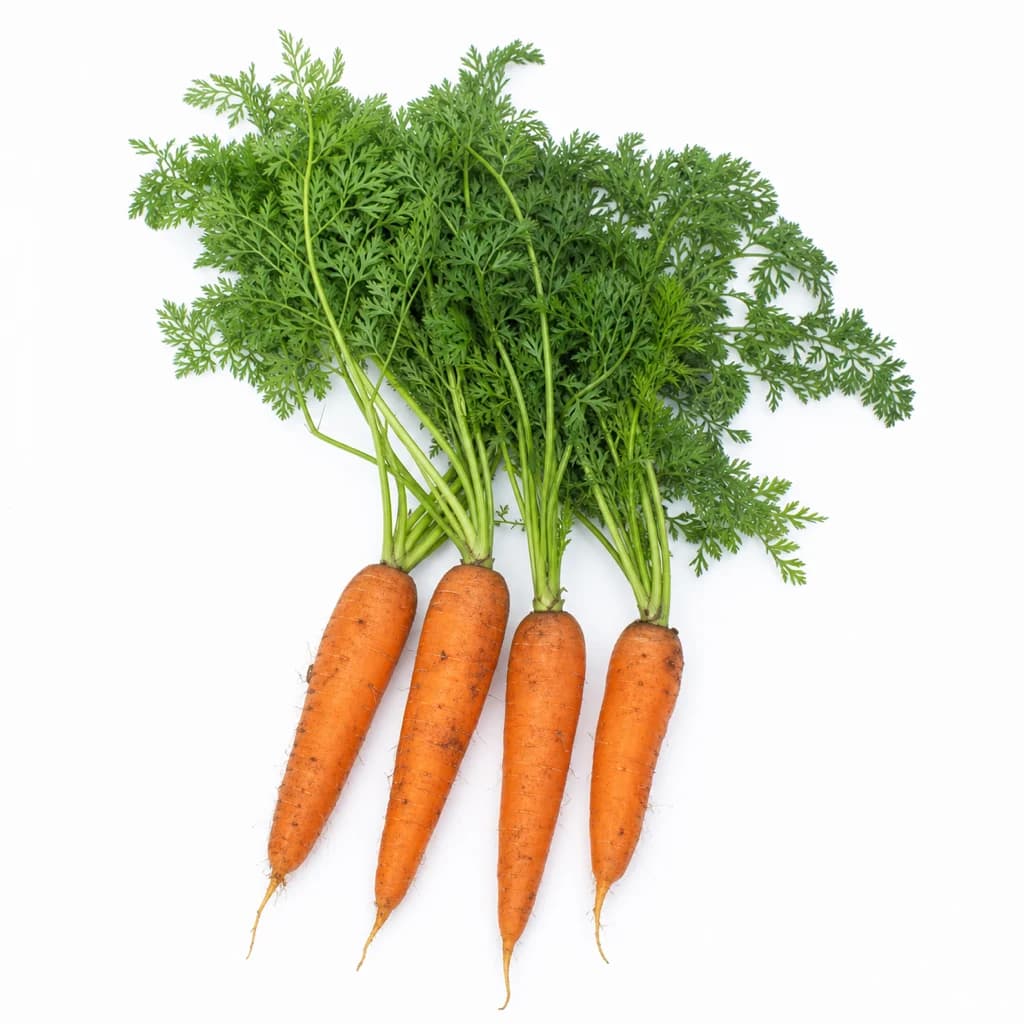
Carrot
Sweet, crunchy root — raw, roasted, or the base of a sofrito
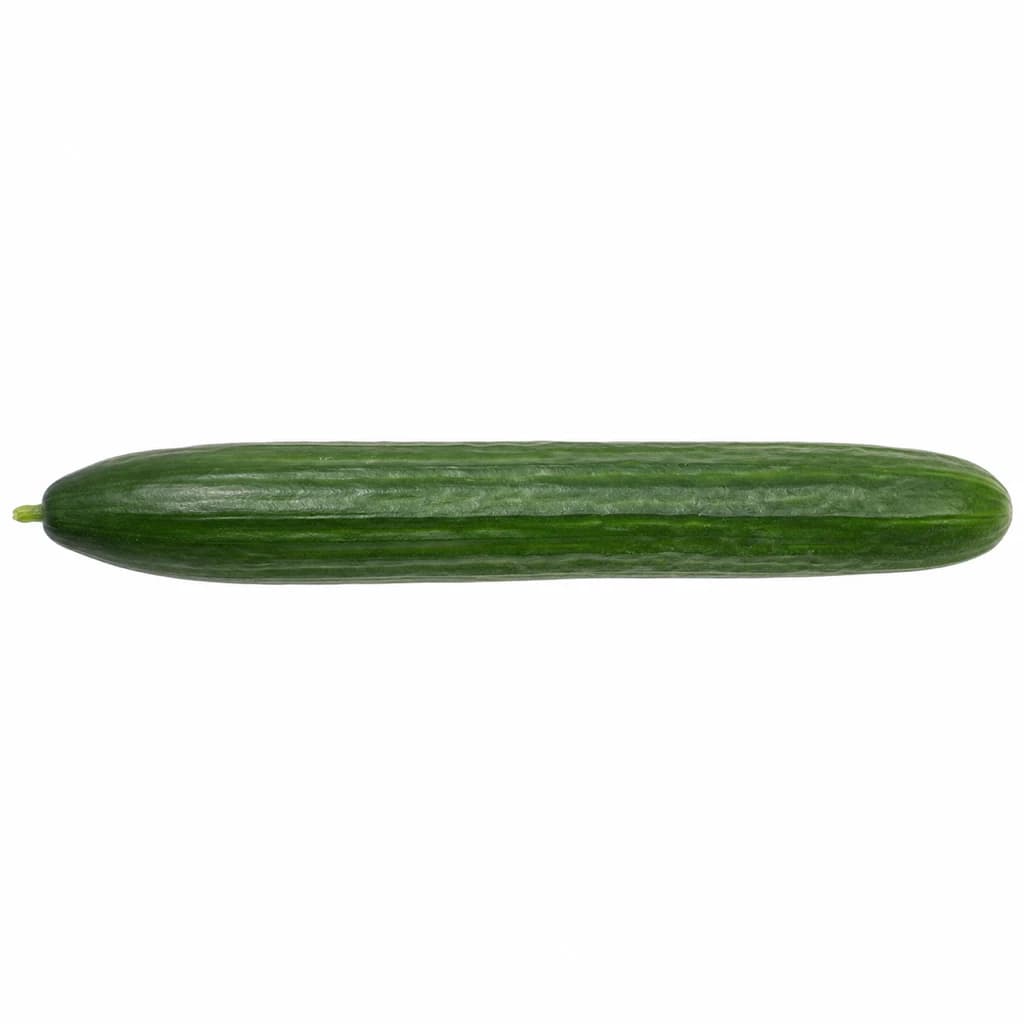
Cucumber
Cool, crisp, and watery — for salads, pickles, and tzatziki

Lettuce
Crisp leaves for salads, wraps, and a fresh crunch