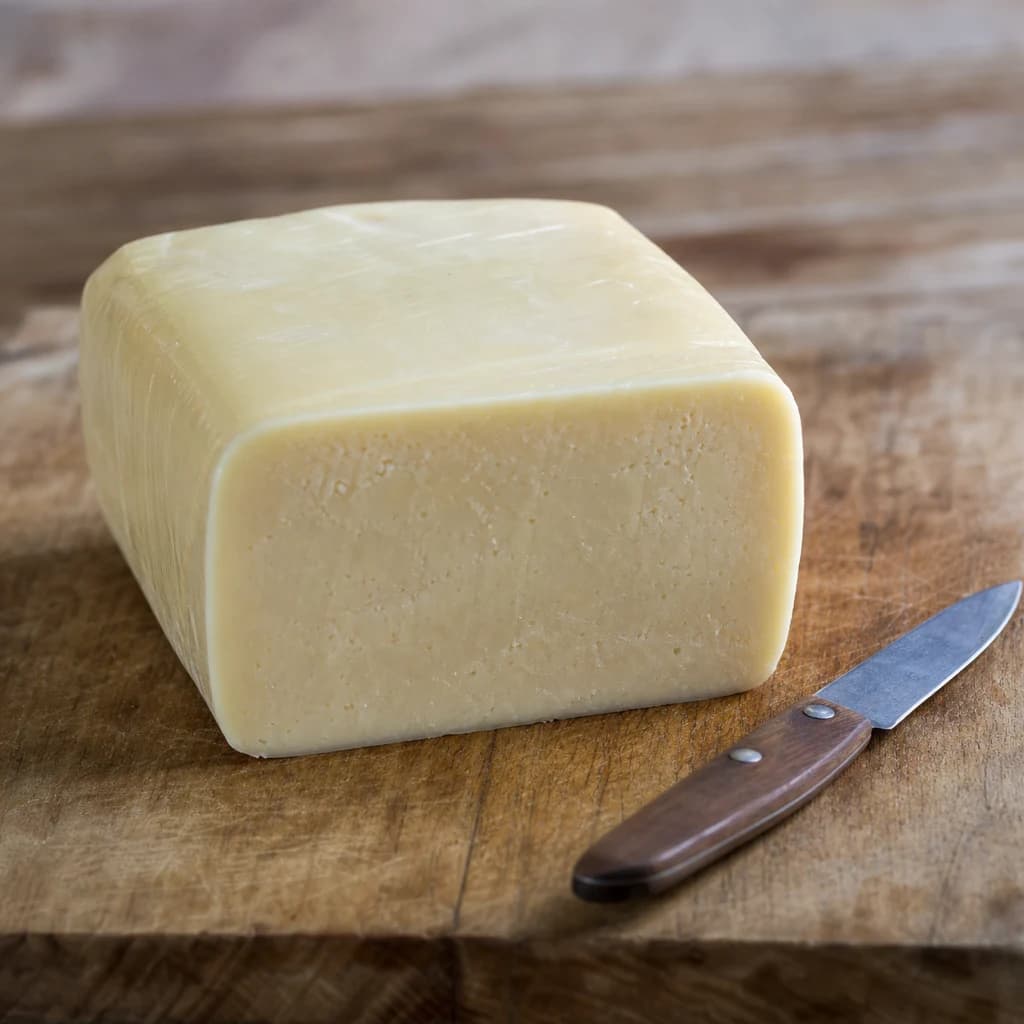
Natural form
A firm block of fresh queijo coalho, pale ivory with a smooth rind, showing its dense texture.
Shows the cheese's characteristic form, color, and dense squeaky texture before any preparation.
Dairy & Eggs
Coalho Cheese (Queijo Coalho)
Brazilian firm rennet cheese grilled on skewers without melting.
Queijo coalho is a firm, mildly salty Brazilian cow's-milk cheese with a squeaky texture that holds its shape when heated. It is famously threaded onto skewers and grilled on the beach until golden and bubbling on the surface. It is also used in stews, cornmeal cakes, and breakfast dishes.
Queijo Coalho is a firm, full-coagulation rennet cheese native to northeastern Brazil, particularly the states of Ceará, Rio Grande do Norte, Paraíba, Pernambuco, and Bahia. Unlike fresh cheeses such as ricotta (a whey cheese) or spreadable requeijão, coalho achieves its signature dense, compact texture through full coagulation using animal rennet, which produces a tighter protein matrix capable of withstanding direct heat without collapsing into a pool of melted fat. The cheese is traditionally sold by street vendors called Queiroz at beaches, markets, and roadside stalls throughout the region, where it is grilled on metal or wooden skewers over charcoal until charred and golden.
The defining characteristic of coalho is its unusually high melting point combined with a mild, slightly salty, milky flavor profile. When raw, the texture is firm and slightly rubbery; under direct high heat, the exterior develops a crisp, golden crust while the interior softens into a yielding but still intact bite. This behavior makes it exceptional for grilling and frying applications where other cheeses would melt away. The moderate to high salt content in traditional recipes contributes not only to flavor but also acts as a natural preservative, extending shelf life in the warm climates of the Brazilian northeast.
In the interior sertão, families traditionally make coalho from fresh cow's milk (occasionally goat or sheep) for immediate consumption or short-term storage. The cheese is deeply embedded in regional food culture, appearing not only as a beloved street food but also as an ingredient in traditional dishes like panelada and sarapatel, and as a filling for acarajé in Bahian cuisine. Its versatility—from street snack to salad ingredient to dessert when paired with honey—reflects its role as a daily staple rather than a specialty item.
- Measured in
- g
- Storage
- Fridge
Allergens
Types & varieties
Standard cow's milk version; the most widely available and the benchmark for the category
Made with goat milk; slightly tangier flavor, traditional in some sertão communities
Cold-smoked version; imparts smoky depth while retaining the firm texture through the smoking process
Grilling Technique: Mastering Queijo Coalho na Brasa
The classic preparation of coalho is the grilled skewer, known as queijo coalho na brasa. This is not merely heating the cheese—it is a transformation from rubbery raw texture to the characteristic crisp exterior and yielding interior that defines the experience. Charcoal is preferred over gas or electric heat because the sustained high temperature and smoky environment are essential to developing proper char without drying the interior.
- Thread 1.5–2 cm cubes or thick slices onto skewers; thin pieces will crumble or melt through the grate
- Brush generously with oil or melted butter before placing on the grill
- Position over high, direct heat and grill 2–3 minutes per side, turning every 30–45 seconds to prevent burning and ensure even browning
- The exterior should develop visible char marks and a slightly crispy crust; the interior should feel firm but yielding when pressed lightly with tongs
- Rest 1–2 minutes before serving; the residual heat continues cooking the interior slightly
- Watch carefully during the final minutes—coalho can go from perfectly charred to burnt quickly due to its protein and lactose content browning rapidly at high heat
Frying Technique: Golden and Crispy
Frying coalho produces a different but equally satisfying result: a uniformly golden, slightly crispy crust throughout. This method works well for serving sizes that are impractical on skewers or when a more controlled, even browning is desired.
- Cut into cubes or thick slices, minimum 1.5 cm thick
- Heat a heavy skillet over medium-high heat and add a thin layer of oil
- When oil shimmers, add coalho pieces without crowding
- Fry 2–3 minutes per side until golden brown on all faces
- Remove to a paper-towel-lined plate immediately to drain excess oil
- Season with salt, pepper, or za'atar while hot for variation
Common uses
Tips & pitfalls
- Thread onto skewers and grill over high, direct heat (charcoal preferred) until charred in spots, 2–3 minutes per side—do not walk away, as burning happens quickly in the final minute
- The exterior should develop a slightly crispy, golden crust while the interior softens but remains intact; if the interior feels hard, it is overcooked
- Turn frequently, every 30–45 seconds, to prevent burning and ensure even cooking across all surfaces
- Brush with oil or melted butter before grilling to promote browning and prevent the exterior from drying out before the interior heats through
- If frying, use medium-high heat; too high will char before heating through, too low will make it greasy and prevent proper crust formation
- Do not slice too thin—pieces should be at least 1.5 cm thick to hold together on the grill and develop proper texture contrast between crust and interior
- When using in salads, grill or pan-sear first to add flavor and textural complexity; raw coalho is bland and rubbery compared to its cooked form
- Common mistake: undersalting the surface before cooking—this cheese benefits from a light seasoning of coarse salt on the exterior, which adheres better than fine salt and creates pleasant textural pops
- Store in the coldest part of the refrigerator, wrapped tightly in plastic, to prevent surface drying and textural degradation
- Do not attempt to melt coalho in a sauce or bake it into a casserole—it will hold its shape indefinitely, becoming tough rather than creamy
Nutrition
Energy
1628 kJ · per 100 g
Where the calories come from
Protein
25.6g
51% DV
Carbs
1.6g
1% DV
Fat
31.1g
40% DV
Fiber
0g
0% DV
Sugars
1.6g
of which
Sodium
800mg
35% DV
Source · USDA FoodData Central · approx. Cheese, fontina
View on FDC →In the shops
Matched grocery products
No matched grocery products for Coalho Cheese (Queijo Coalho) yet.
Good to know
- Origin
- Northeastern Brazil (Ceará, Rio Grande do Norte, Paraíba, Pernambuco, Bahia)
- Milk Type
- Cow's milk (occasionally goat or sheep)
- Texture
- Firm, compact, slightly rubbery when raw; develops crisp exterior and yielding interior when cooked
- Color
- White to pale yellow
- Flavor
- Mild, slightly salty, milky; neutral enough to absorb marinades and accompaniments
- Melting Point
- High; holds shape under direct heat, unlike soft or semi-soft cheeses
- Form
- Cylindrical loaves or rounds, typically 1–2 kg, sold whole or cut to order
- Shelf Life
- Refrigerated: 2–4 weeks; best within 1 week of opening
- Traditional Cooking
- Grilled on metal or wooden skewers over charcoal; also fried in slices or cubes
- Salt Content
- Moderate to high; contributes to firm texture and natural preservation
Substitutes
- Halloumi — Cyprus origin; similar high-melting protein structure; pan-fry or grill with excellent shape retention and a comparable squeaky texture
- Paneer — Indian fresh cheese; firmer texture, milder flavor; best in fried or grilled applications where structure matters
- Queso Panela — Mexican fresh cheese; slightly softer but holds shape when fried; acceptable budget substitute, though it lacks coalho's characteristic rubbery bite
Pairs with
Also called
Queijo Coalho · Coalho
Related

Whole Milk
Rich, full-fat milk for drinking, coffee, sauces, and baking
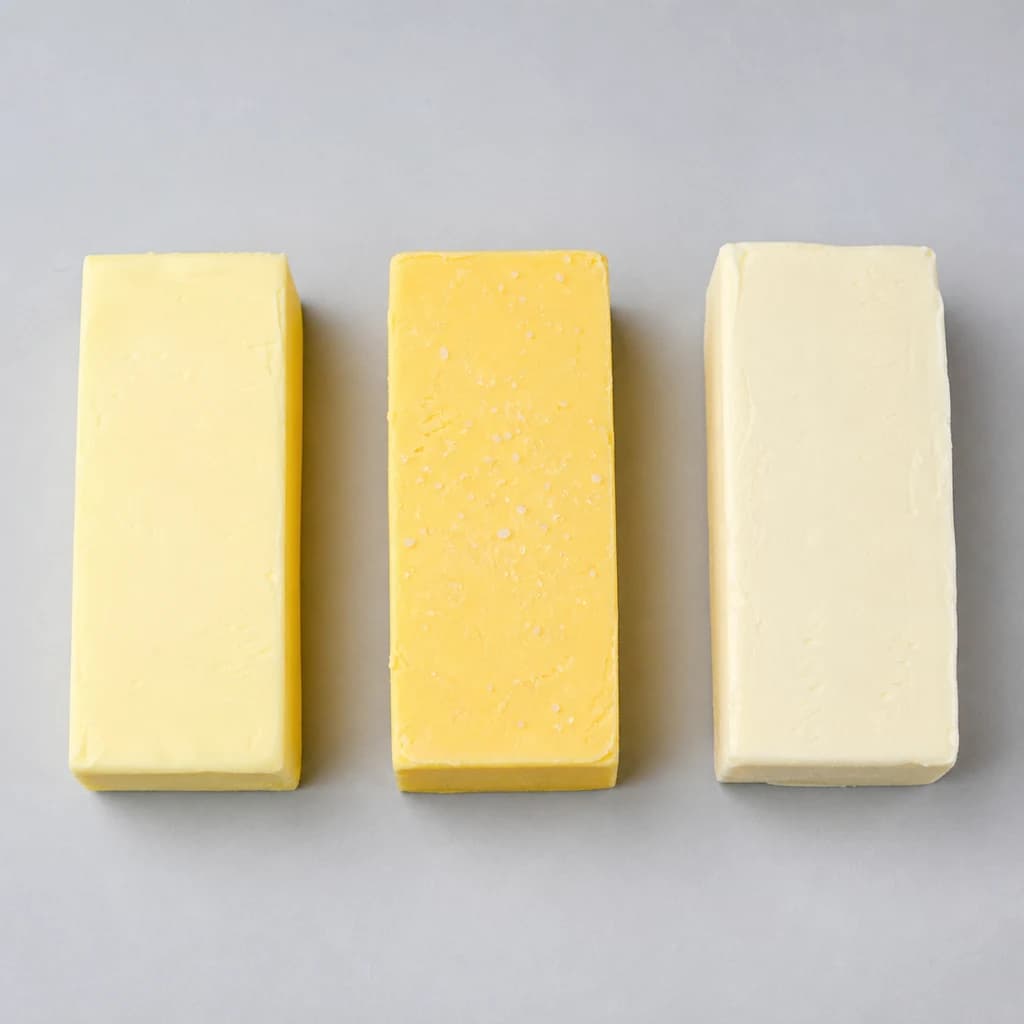
Butter
Golden fat for searing, baking, and finishing a sauce
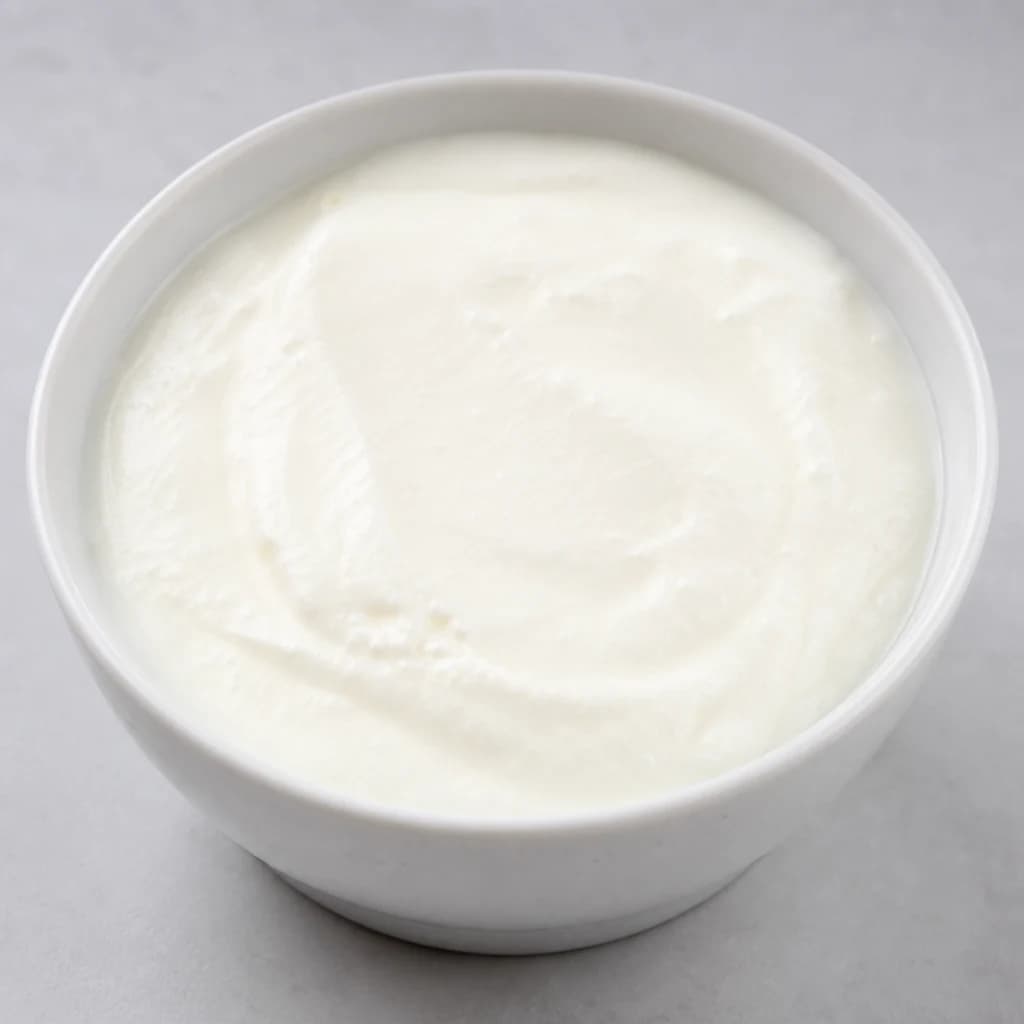
Yogurt
Tangy, creamy culture for breakfast, sauces, and marinades
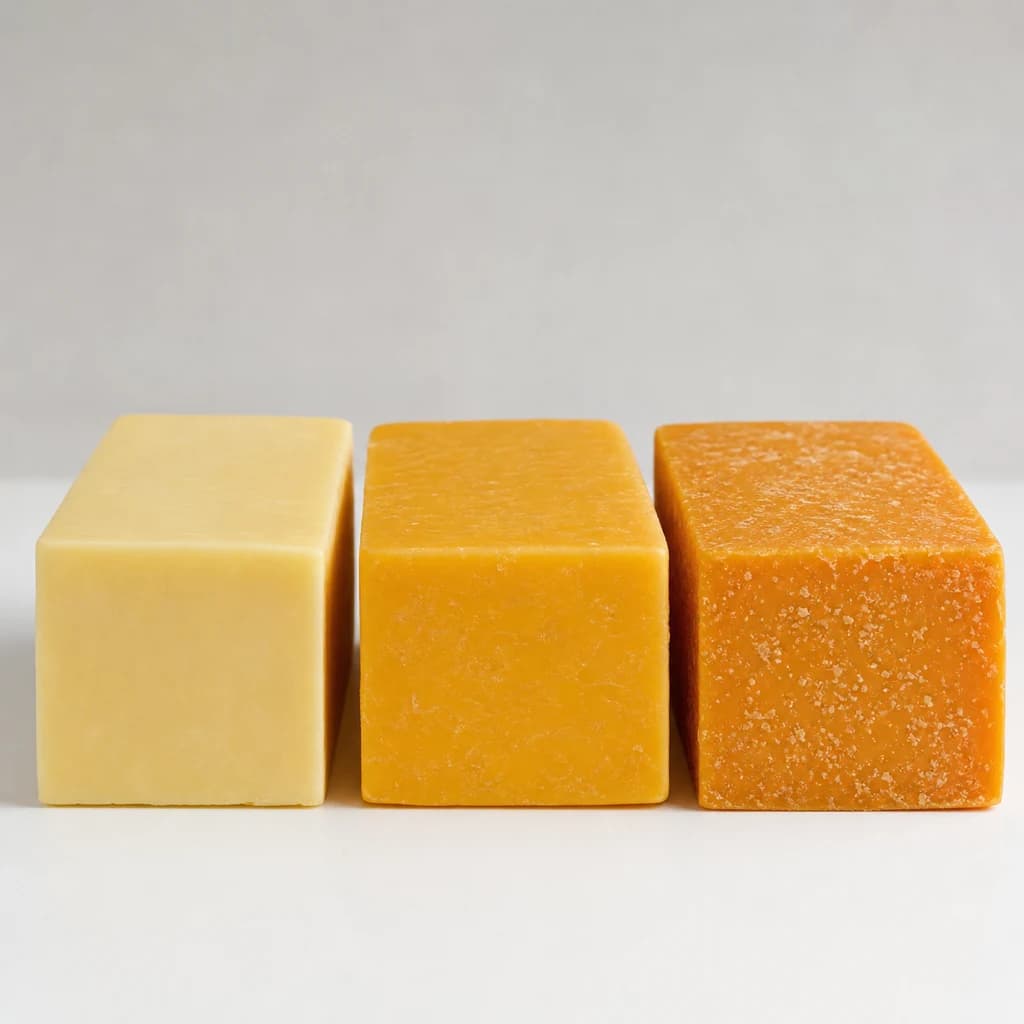
Cheddar Cheese
Sharp, melty cheese for sandwiches, gratins, and grating
Skim Milk
Fat-free milk for lighter drinking, coffee, and cooking
Heavy Cream
Rich cream that whips, enriches sauces, and sets ganache

Sour Cream
Tangy, thick cream for dolloping, baking, and dips
Mozzarella
Soft, milky cheese that melts into stretchy pizza pulls