Grains & Rice
Corn Noodle (Oksusu Guksu)
Chewy Korean noodles made from corn flour, often served in cold or summer dishes.
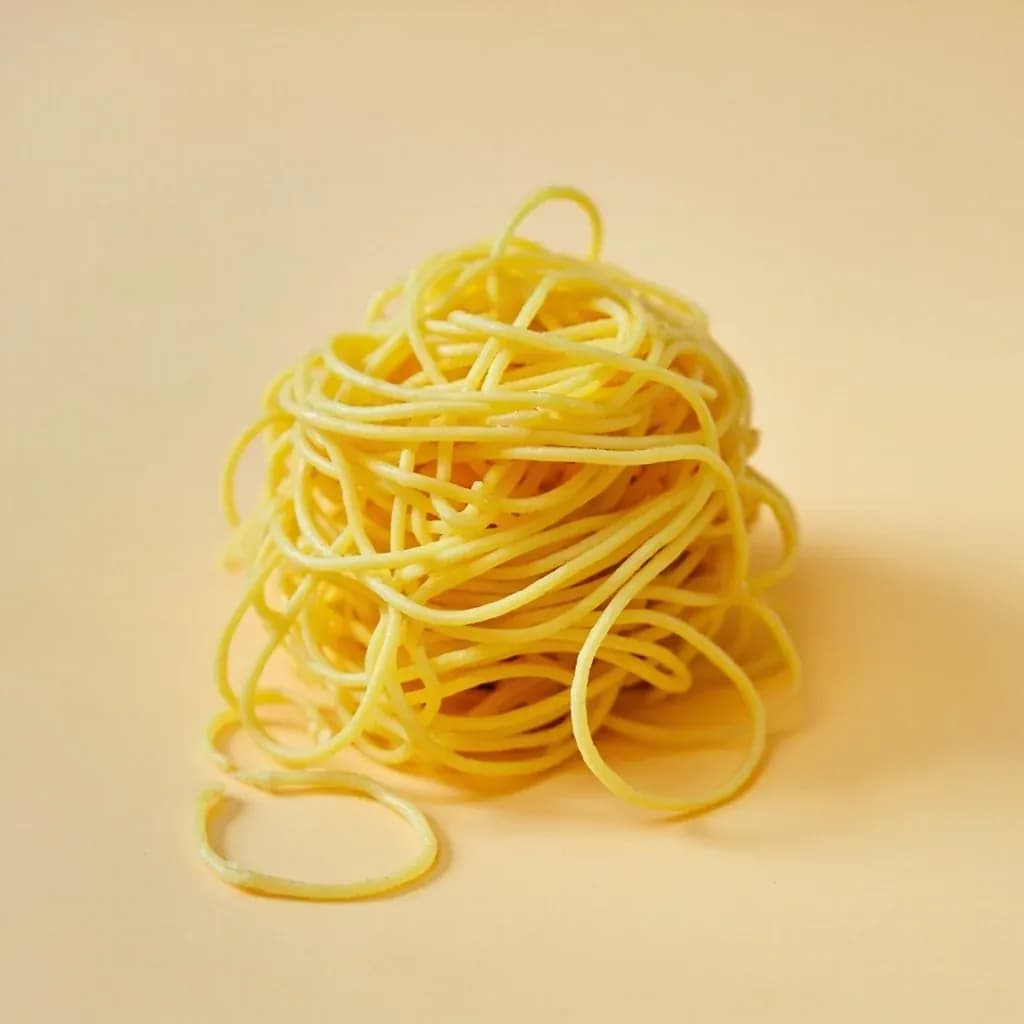
Corn noodles, known in Korea as oksusu guksu, are made primarily from corn flour, giving them a slightly sweet flavor and pale yellow color. They are naturally gluten-free or low-gluten and have a chewy, slippery texture. Common in Korean summer dishes, they are served chilled in broth or with vegetables.
Corn Noodle (Oksusu Guksu, 옥수수국수) is a traditional Korean noodle made primarily from corn flour, sometimes blended with a small amount of wheat flour for added elasticity. Unlike many Asian noodles that rely on wheat or rice as a base, Oksusu Guksu celebrates the natural sweetness and golden color of corn, resulting in a distinctive chewy texture with a subtle grittiness that sets it apart from smoother rice or glass noodles. The noodles are typically cut to a medium thickness—thinner than wheat udon but thicker than vermicelli—that balances structural integrity with a tender bite. In Korea, these noodles are a summer staple, prized for their light, refreshing quality and their ability to carry bold sesame and gochujang-based sauces without becoming soggy.
The natural corn sweetness makes them surprisingly forgiving in sauce balancing—over- or under-application of sweet-salty dressings that would ruin wheat noodles does not ruin corn noodles. Fresh Oksusu Guksu, found in Korean grocery stores refrigerated or loosely packed, delivers noticeably superior flavor and texture compared to dried versions, which tend toward a denser, less vibrant chew. Corn noodles do not absorb liquid as readily as wheat noodles, so they require a different saucing technique—tossing 2–3 times during application rather than relying on absorption. Their slight grittiness pairs best with smooth, rich sauces where the textural contrast creates a pleasing mouthfeel.
Oksusu Guksu are distinct from other Asian corn noodles in that Korean versions typically use a higher proportion of corn flour and are cut to a specific medium thickness that balances chew with tenderness.
- Measured in
- g
- Storage
- Pantry
Types & varieties
Refrigerated or loosely packed; best texture and corn flavor; found in Korean grocery stores
Longer shelf life; slightly denser texture after cooking; common in export markets
Delicate, similar to vermicelli; cooks faster; used in light broth soups
Most common; substantial chew; ideal for cold sesame preparations
Why Corn Noodles Behave Differently
Corn noodles react differently to heat, sauce, and storage than their wheat or rice counterparts. Understanding these differences prevents the most common mistakes home cooks make.
- Corn protein does not form gluten, so noodles cannot be stretched or kneaded; texture comes entirely from starch gelatinization and the natural grit of corn flour
- Corn starch retrogrades faster than wheat starch, meaning noodles stiffen more rapidly after cooking—serve immediately or toss with oil
- Unlike wheat noodles, corn noodles have a defined al dente window that closes quickly; past that point, they turn soft and mushy with no recovery
- The rough surface of cooked corn noodles creates friction that helps sauce cling, but only if the sauce is smooth; chunky bits catch and distribute unevenly
Common uses
Tips & pitfalls
- Do not overcook—corn noodles turn mushy quickly once they pass al dente; test at the low end of cooking time and drain immediately when tender
- Rinse cooked noodles under cold running water to remove excess starch; this prevents clumping and is essential for cold dishes
- If serving warm in broth, skip the ice water shock—drain and add directly to prevent the noodles from drawing liquid from the broth
- When substituting dried for fresh, increase cooking liquid slightly as dried noodles absorb more broth than fresh
- Toss noodles 2–3 times while applying sauce rather than once; corn noodles do not absorb sauce as readily as wheat noodles
- Store fresh noodles loosely wrapped in the refrigerator; sealed plastic traps moisture and causes the noodles to stick together
- Seek Korean or Japanese brands for dried corn noodles; Chinese-style mung bean starch noodles are sometimes mislabeled and behave entirely differently
- If sauce seems too thin, add a spoonful of noodle cooking water—the starch in the water helps the sauce adhere better
Nutrition
Energy
1971 kJ · per 100 g
Where the calories come from
Protein
10.9g
22% DV
Carbs
63.6g
23% DV
Fat
21.2g
27% DV
Fiber
6.7g
24% DV
Sugars
0g
of which
Sodium
866mg
38% DV
Source · USDA FoodData Central · approx. Noodles, chinese, chow mein
View on FDC →In the shops
Matched grocery products
 €1.55
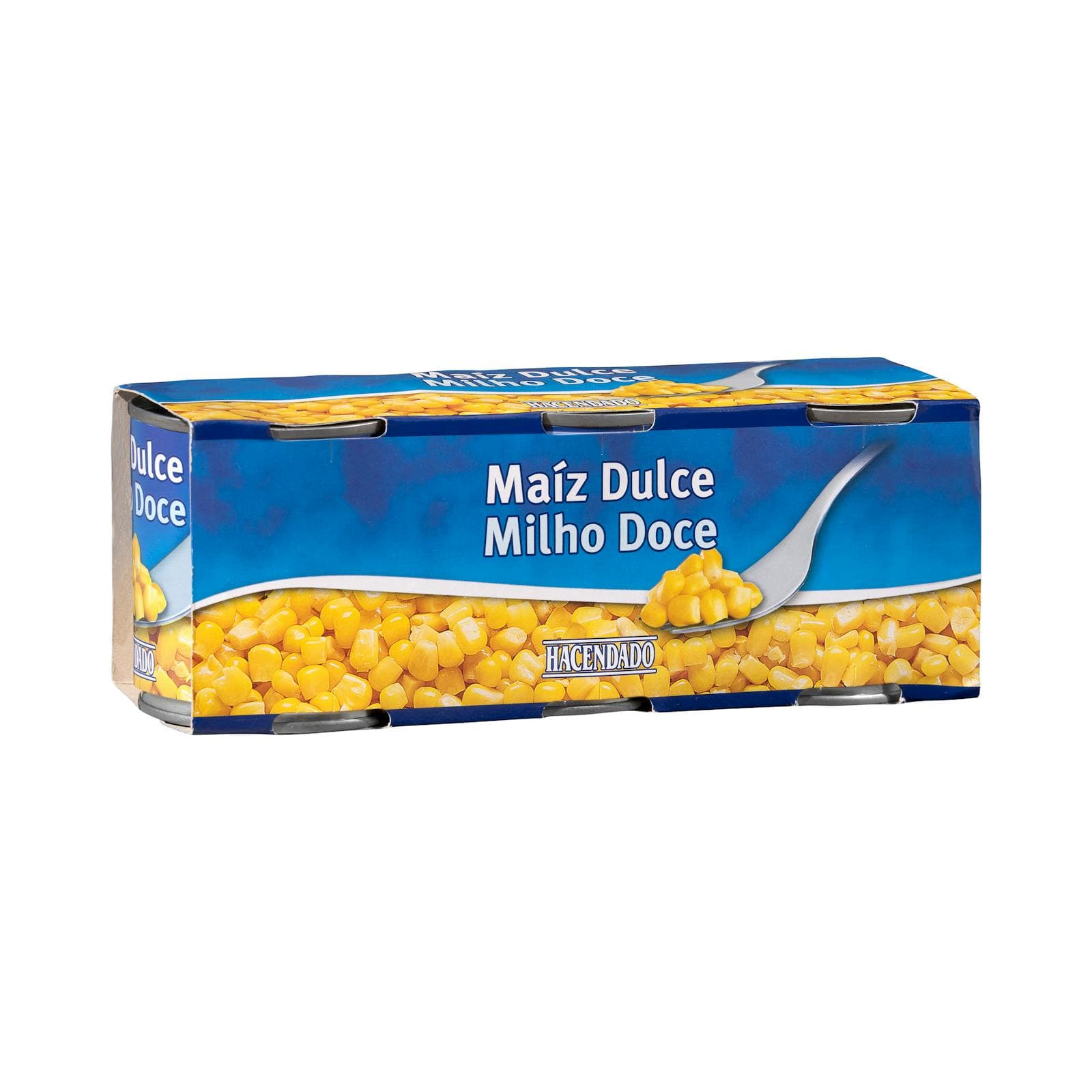
€1.55Sweet Corn
Hacendado · 450 g · Mercadona
 €1.59
€1.59Sweet Corn Bonpreu
BONPREU · kg · Bonpreu
 €2.49
€2.49Sweet Corn Bonpreu
BONPREU · kg · Bonpreu
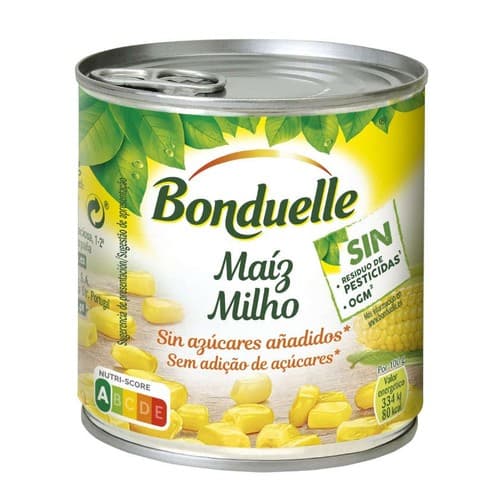 €1.99
€1.99Bonduelle Sweet Corn
BONDUELLE · kg · Bonpreu
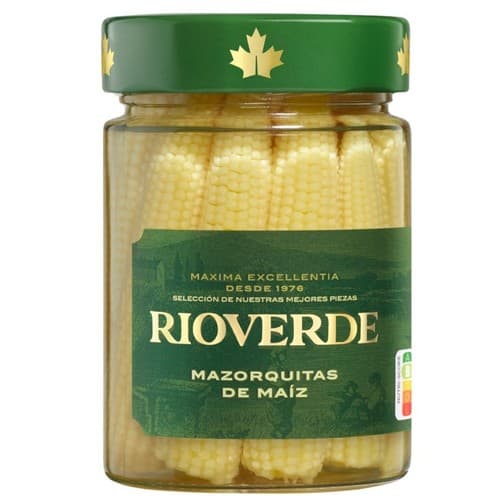 €2.99
€2.99Pickled Corn Kernels
RIOVERDE · kg · Bonpreu
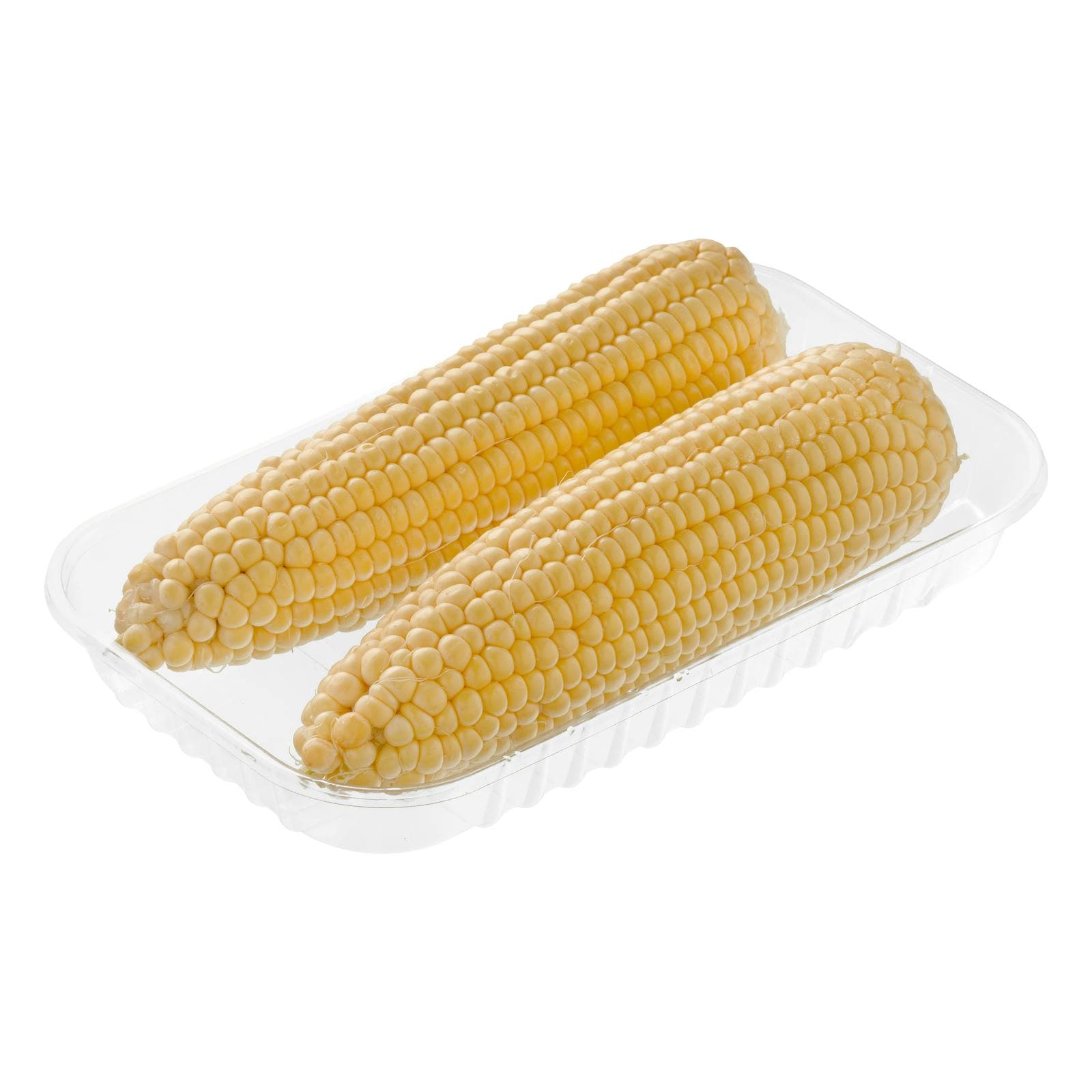 €3.15
€3.15Sweet Corn on the Cob
2 ud · Mercadona
Good to know
- Origin
- Korea (Oksusu Guksu, 옥수수국수)
- Primary ingredient
- Corn flour (sometimes blended with wheat flour for elasticity)
- Texture
- Chewy, slightly gritty, firm bite
- Color
- Yellow to golden, from corn pigment
- Gluten status
- Gluten-free when made with 100% corn flour only
- Typical serving
- Cold with sesame-based sauce; also in light broth
- Cooking time
- Fresh: 3–5 minutes; dried: 6–8 minutes
- Storage (fresh)
- Refrigerate 3–5 days; freeze up to 1 month
- Storage (dried)
- Cool, dry place up to 12 months
Substitutes
- Glass noodles (dangmyeon) — Different texture (bouncy, clear) but works in cold sesame preparations; not gluten-free if made with wheat starch
- Rice vermicelli — Delicate, non-chewy; acceptable in broth preparations; does not hold thick sauces well
- Japanese soba (buckwheat noodles) — Nutty flavor similar to corn; not a direct textural match but works in warm preparations; 100% buckwheat soba is gluten-free
Pairs with
Also called
Oksusu Guksu · Korean Corn Noodle
Related

White Rice
Fluffy long-grain rice — the neutral base for almost any meal

White Bread
Soft sandwich loaf for toast, sandwiches, and crumbs
Brown Rice
Nutty, whole-grain rice with chew and extra fiber

Basmati Rice
Fragrant, long-grain rice that cooks up light and separate
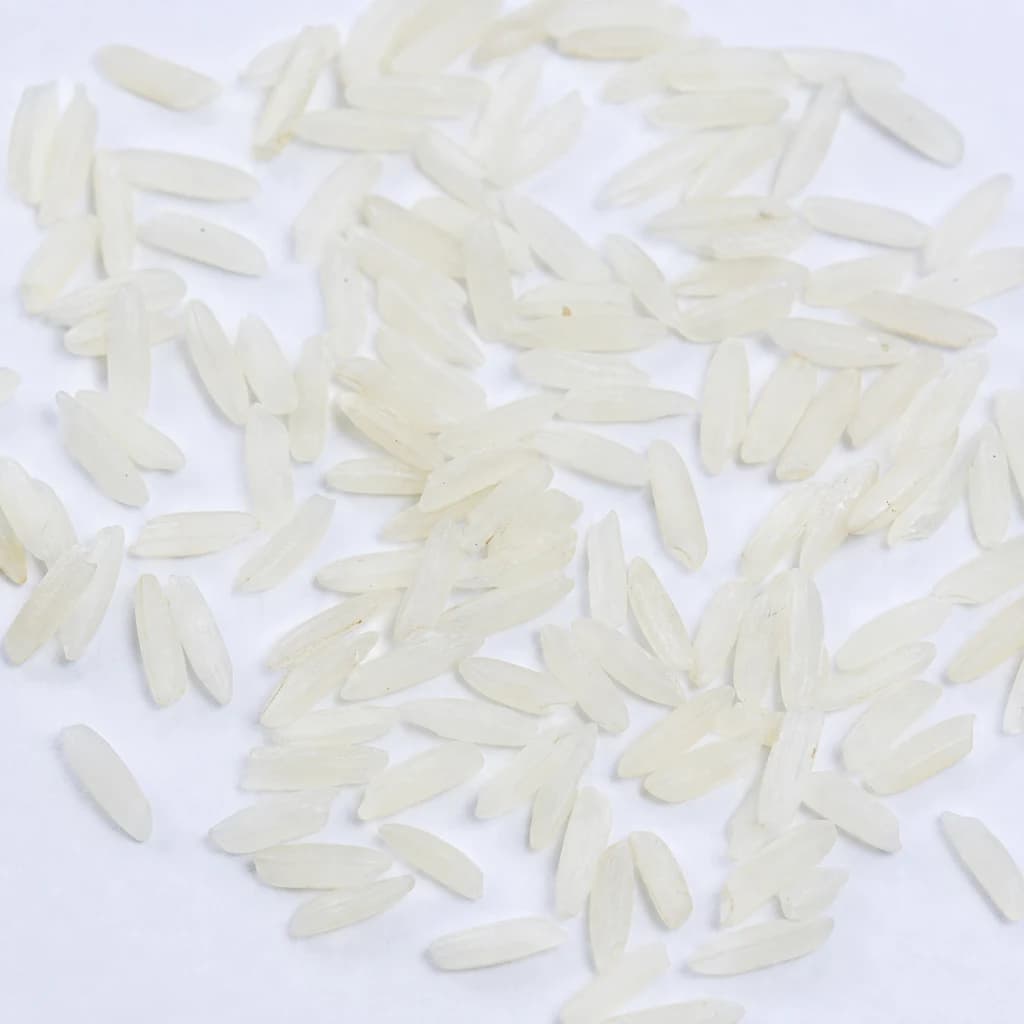
Jasmine Rice
Soft, floral-scented rice that's the pillar of Thai meals
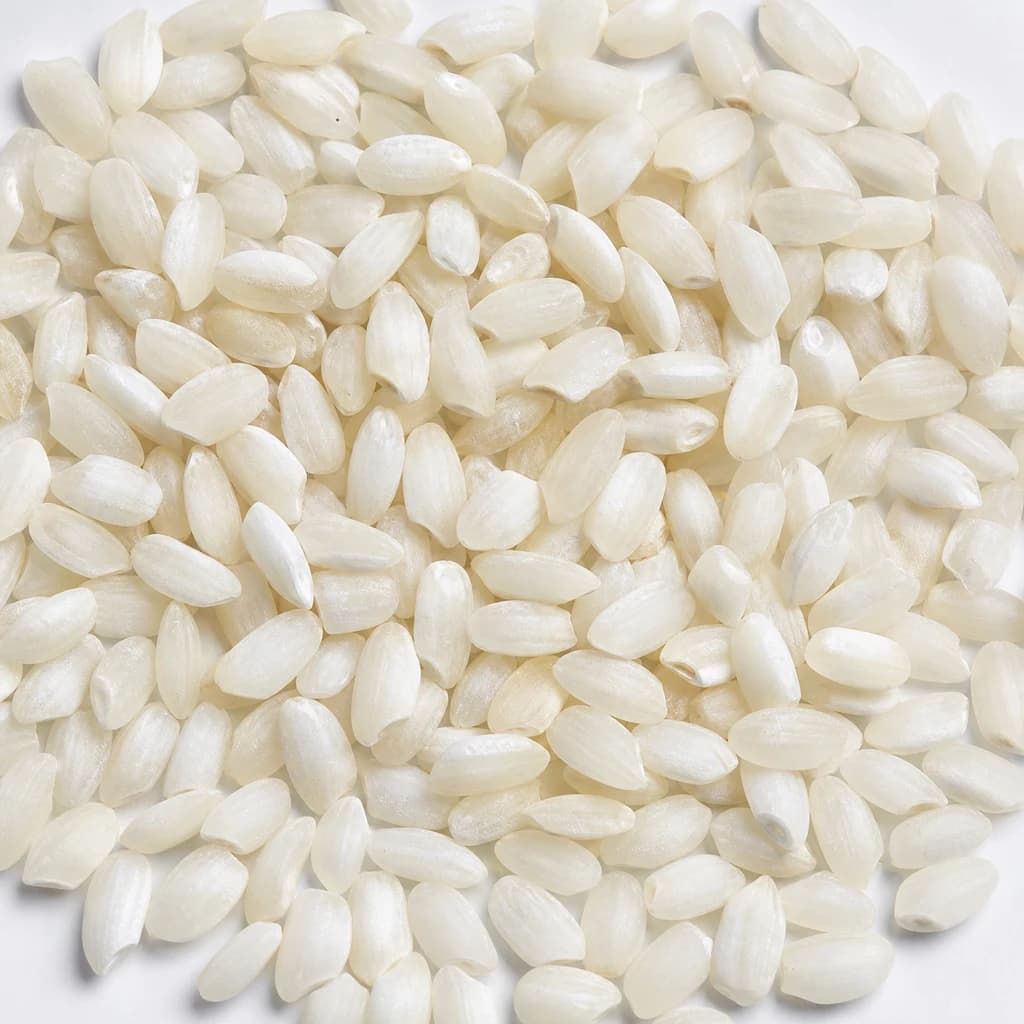
Arborio Rice
Plump, starchy rice that makes risotto creamy
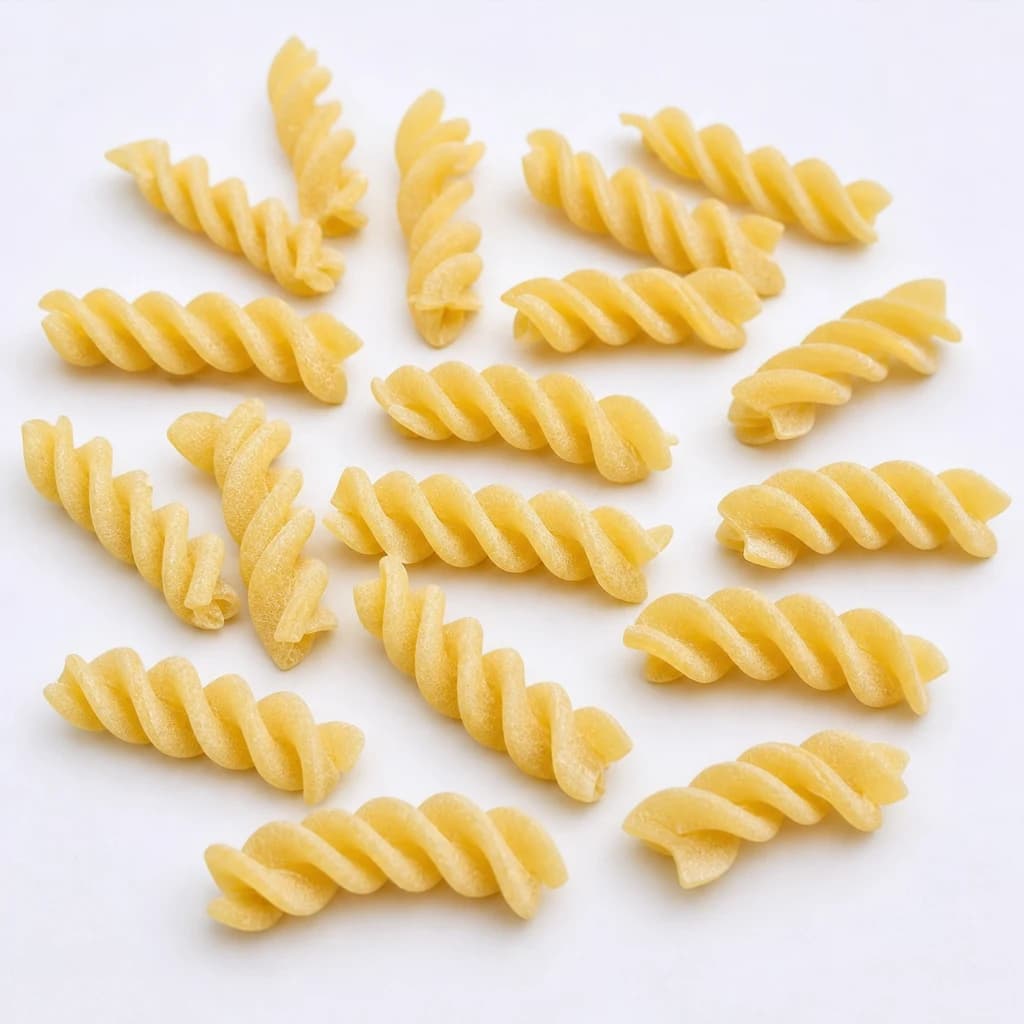
Fusilli
Spiraled pasta that twirls up sauce and dresses cold salads
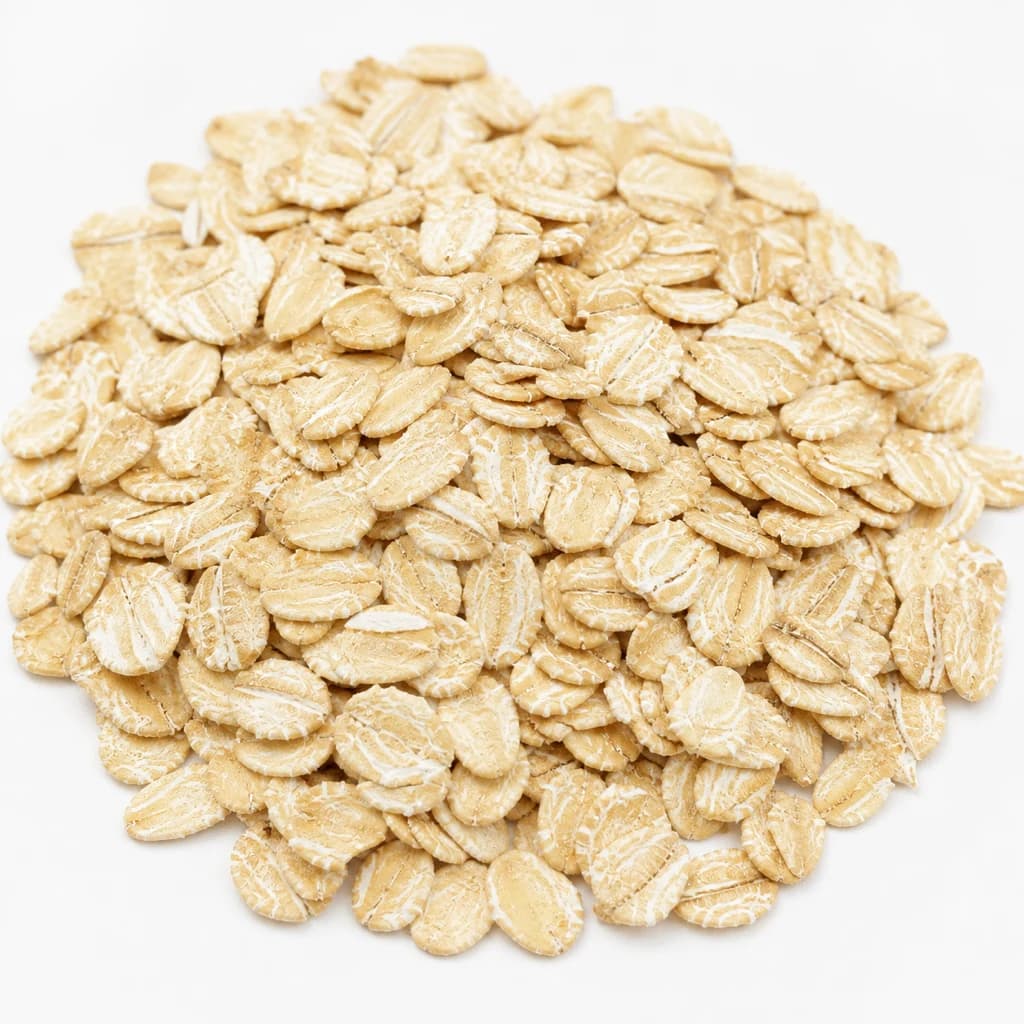
Rolled Oats
Hearty flakes for porridge, granola, and chewy cookies