Proteins
Cretons
Québécois spiced pork-fat spread eaten cold on toast at breakfast.
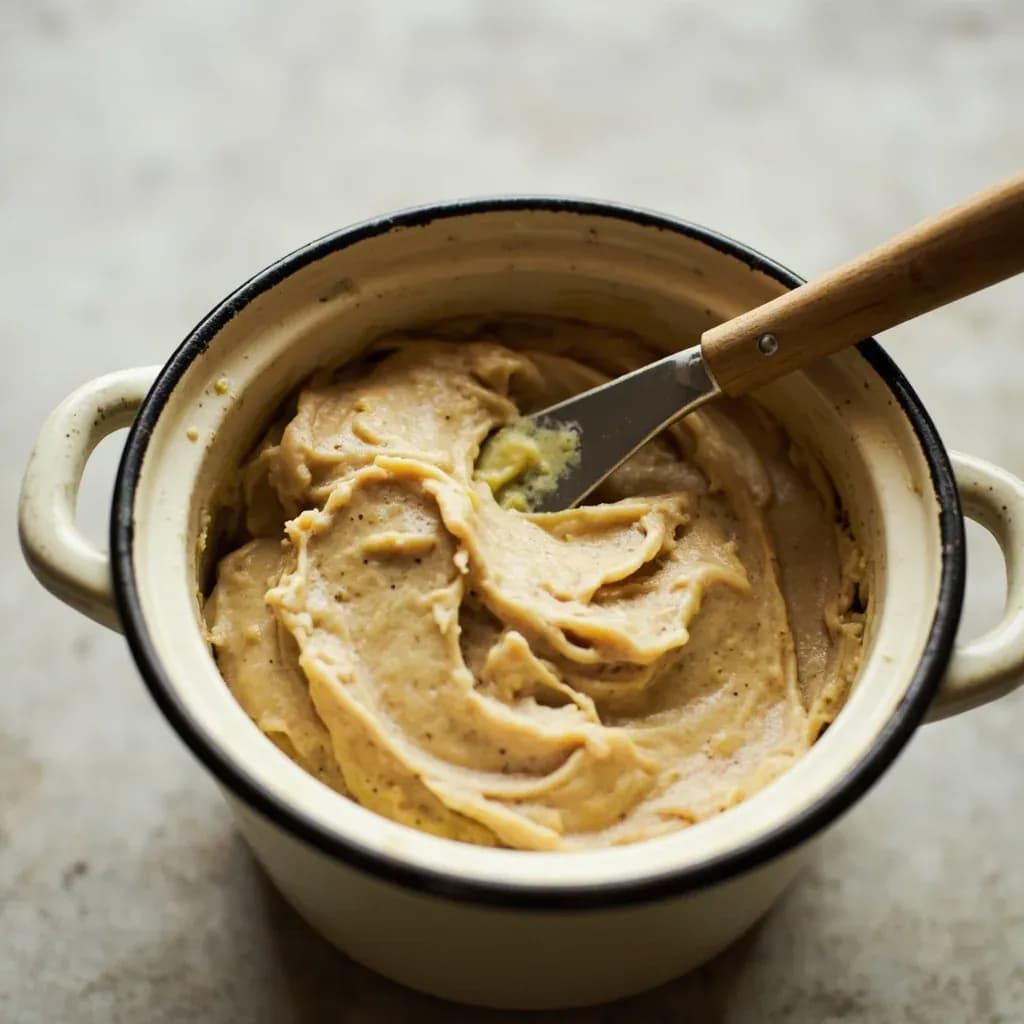
Cretons is a traditional French-Canadian cold pork spread made from ground pork slowly cooked with onions, milk, and warm spices like cinnamon and clove. It sets into a soft, spreadable terrine eaten on toast, especially at breakfast in Québec. Its gentle sweetness from the spices distinguishes it from a plain rillette.
Cretons is a traditional Quebec pork spread made by slowly simmering ground pork with pork fat, onions, salt, and a warm spice blend—typically cloves, allspice, and cinnamon—until the mixture becomes a cohesive, spreadable paste. The long, gentle cooking renders the fat fully into the meat, creating a product that holds together yet spreads easily once chilled. Unlike rillettes, its distant French cousin, cretons is never served warm; it is always cooled and spread cold or at room temperature. It has been a cornerstone of Quebec breakfast culture since at least the early 20th century, appearing on tables alongside fried or poached eggs, thick-cut toast, and strong coffee. The name likely derives from the French word for a type of sausage paste, though some etymologists note it may have entered Quebec French via the English word "curing." Today it is found in virtually every Quebec grocery store and butcher shop, sold by the slice or in bulk containers, though many families maintain their own recipes as heirlooms.
- Measured in
- g
- Storage
- Fridge
Allergens
Types & varieties
Classic traditional version; pork liver adds depth of flavor and produces a smoother, more cohesive spread
Leaner modern variation; coarser texture and milder flavor, still fully traditional in many households
Smooth, almost paste-like consistency; commercial-style preparation popular in grocery stores
Rustic preparation with visible pork pieces; prized by those who prefer texture and substance over smoothness
Small-batch preparations using higher-quality pork and traditional spice blends; often sold at specialty butchers and markets
Making cretons at home
The core technique is straightforward — the challenge lies in patience and seasoning. Ground pork is combined with finely diced onions, pork fat, salt, and whole spices, then simmered together over low heat for an extended period, typically 1 to 2 hours. This slow cooking serves two purposes: it renders the fat completely into the meat and allows the onions to caramelize, sweetening the mixture and deepening its flavor. The mixture should be stirred regularly, especially toward the end, to prevent scorching. Some cooks add a splash of water or stock early on to prevent sticking. The finished mixture should be quite soft — almost liquid — when hot; it firms considerably as it cools and chills. Once cooled to room temperature, it is packed into containers, the surface pressed flat and covered directly with plastic wrap to prevent oxidation, then refrigerated overnight before serving.
- Use a heavy-bottomed pot or Dutch oven to distribute heat evenly and prevent hot spots
- Add the spices whole (cloves, allspice berries) and remove them before packaging, or grind them for easier eating
- Taste and season generously during cooking — the fat dulls flavors, so under-seasoning is the most common mistake
Common uses
Tips & pitfalls
- Cook the pork mixture slowly over low heat — rushing produces a dry, uneven result that refuses to spread properly when chilled
- The spread should be quite soft and almost liquid when hot; it firms up nicely once refrigerated, so do not be alarmed by the consistency in the pot
- Season generously with salt throughout cooking — pork fat dulls perception of salt, so what tastes properly seasoned raw will be underwhelming once chilled
- Add onions early in the cooking process so they have time to caramelize and sweeten the mixture rather than tasting raw and sharp
- Traditional recipes call for whole cloves and allspice — these are what give cretons its distinctive flavor; do not substitute with pre-ground spices alone
- Cool the finished spread completely before refrigerating, and press plastic wrap directly against the surface to prevent oxidation and discoloration
- Let cretons sit at room temperature for 15–20 minutes before spreading — cold cretons is too firm to spread cleanly and may tear bread
- Do not confuse cretons with rillettes: rillettes are cooked until the meat pulls apart in shreds and are served warm or at room temperature as a spread or topping
Nutrition
Energy
983 kJ · per 100 g
Where the calories come from
Protein
7.7g
15% DV
Carbs
11.9g
4% DV
Fat
17.3g
22% DV
Fiber
0.2g
1% DV
Sugars
0g
of which
Sodium
1013mg
44% DV
Source · USDA FoodData Central · approx. Sandwich spread, pork, beef
View on FDC →In the shops
Matched grocery products
No matched grocery products for Cretons yet.
Good to know
- Origin
- Quebec, Canada — French-Canadian tradition established by the early 20th century
- Primary ingredients
- Ground pork, pork fat (lard), onions, salt, cloves, allspice, and cinnamon
- Typical additions
- Some traditional versions include pork liver for added richness and a smoother, more cohesive texture
- Texture
- Spreadable coarse-ground paste when finished; ranges from smooth commercial-style to rustic with visible pork pieces
- Serving temperature
- Always served cold or at room temperature — never hot or warm
- Shelf life
- 2–3 weeks refrigerated in an airtight container; freezes well for several months
- Typical fat content
- High — relies on pork fat for its signature spreadability and richness
- Traditional context
- Breakfast spread served with toast as part of a full Quebec-style breakfast alongside eggs and coffee
Substitutes
- Country-style pork paté — Closest substitute in texture and richness; slightly smoother in most commercial preparations but works well as a direct replacement
- Liverwurst — Comparable flavor profile when liver is included in the original recipe; similar spreadability and fat content make it a practical stand-in
- Mortadella — Crumbly texture similar when spread, but lacks the seasoning complexity and warmth of traditional cretons spice blend
Pairs with
Also called
Pork Spread · Gorton
Related
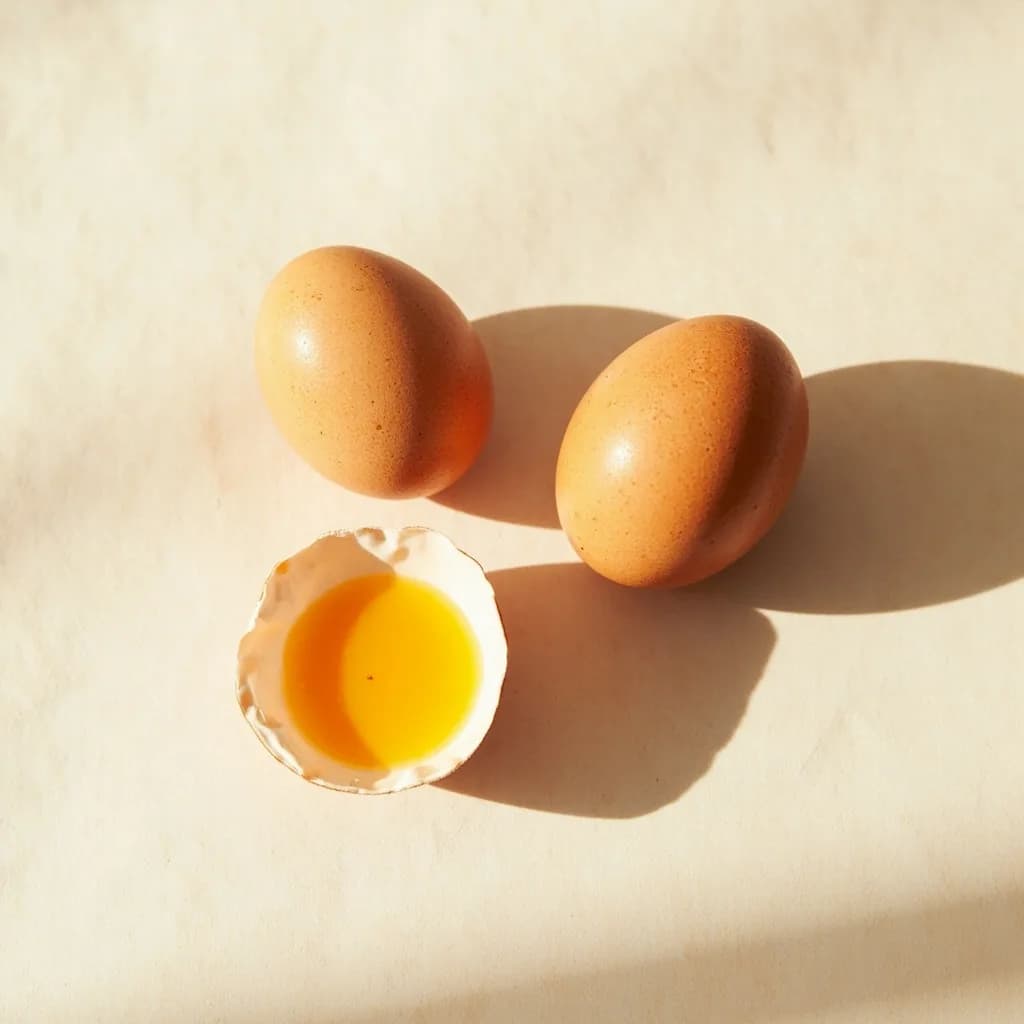
Egg
The kitchen's everything ingredient — bind, leaven, enrich, or fry
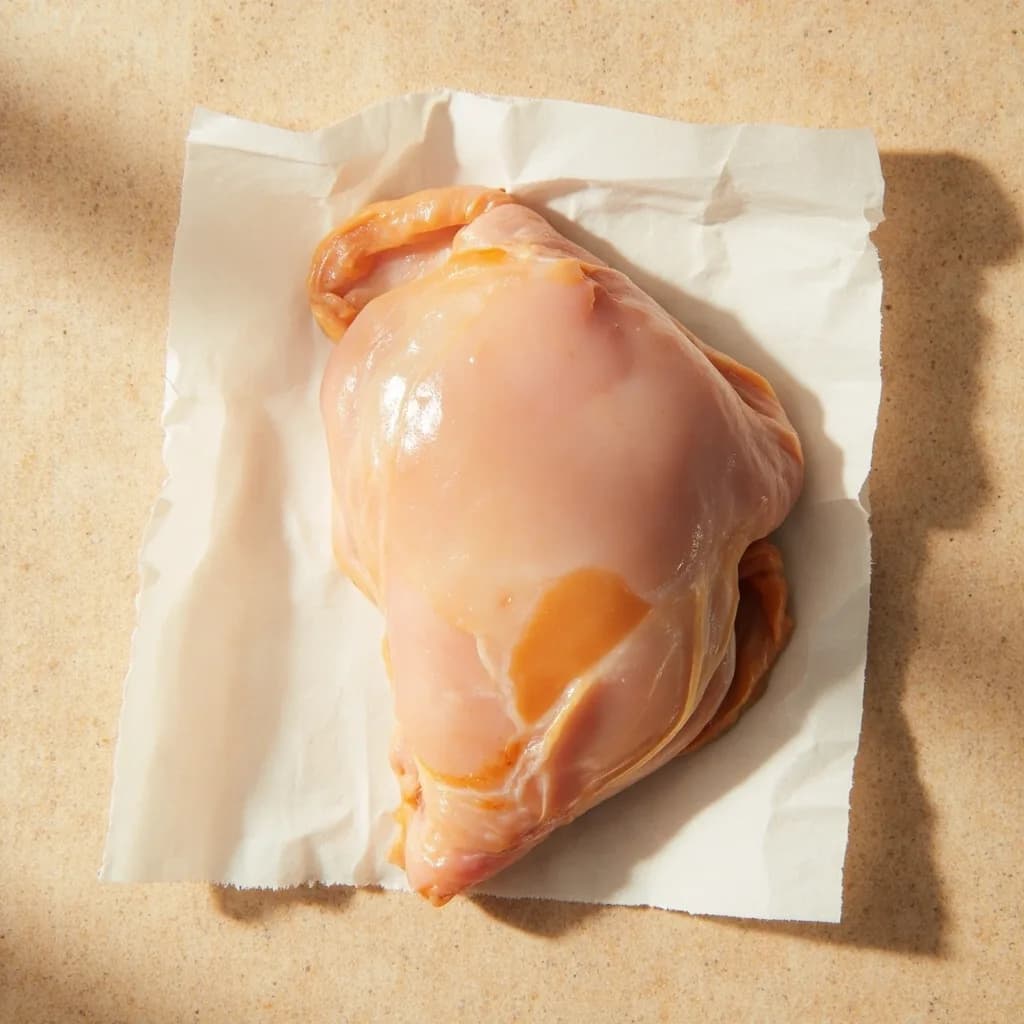
Chicken Breast
Lean, quick-cooking white meat for everyday dinners

Ground Beef
Versatile minced beef for burgers, ragù, tacos, and meatballs
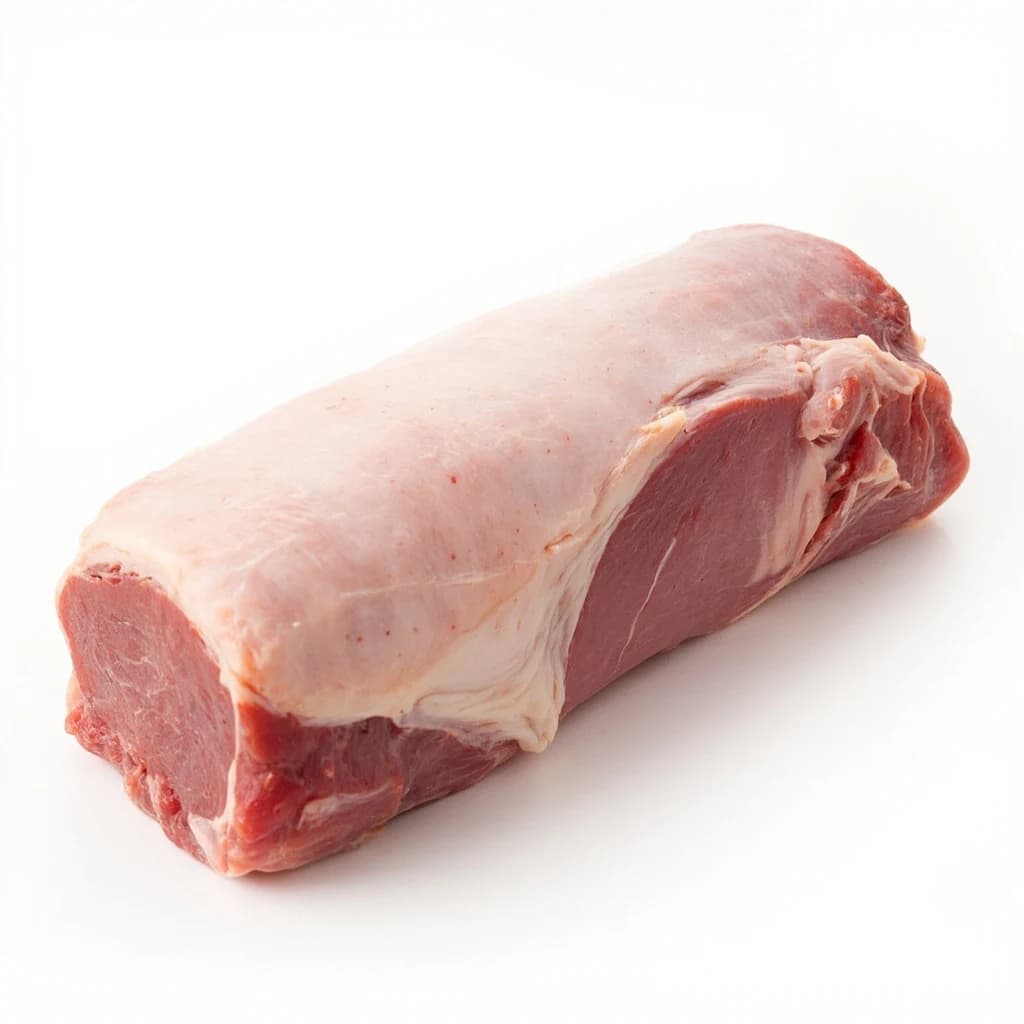
Pork Loin
Lean, tender roasting cut that stays juicy with care

Salmon
Rich, rosy fish that roasts, grills, or cures beautifully

Egg White
Pure protein that whips to airy peaks for meringue and more

Egg Yolk
Rich, golden yolk for custards, mayonnaise, and pasta

Quail Egg
Tiny, speckled eggs for garnishing and elegant bites