Proteins
Dried Sprat
Small dried oily fish used whole in South Asian sambols and curries.
Dried sprats (halmasso) are small oily fish dried whole and used across Sri Lanka and South India. They are fried crisp or pounded into fiery sambols and curries, adding salty crunch and concentrated fish flavor. Like other dried small fish, they keep well in the pantry.
Dried sprats are small, oily fish, typically 3–5 inches long, dried whole with head, organs, and fine bones intact. The drying process concentrates the fish's natural oils and creates an intensely salty-umami flavor with a slight bitterness from the softened bones—a flavor profile that makes dried sprats both a seasoning agent and a protein in South Asian and Baltic pantries. The fine bones, which dissolve completely during cooking, contribute measurable calcium and micronutrients that would otherwise be discarded with fresh fish. In Sri Lanka, dried sprats ground into coconut sambol are an ubiquitous side dish; in coastal India, they transform humble vegetables into deeply savory preparations; in the Baltic countries, smoked and dried versions anchor soups and stews. The key to working with dried sprats is understanding that they function as a condiment as much as an ingredient: a small amount delivers significant depth, and proper preparation—rinsing, toasting, and controlled quantity—is non-negotiable for balanced results.
- Measured in
- g
- Storage
- Pantry
Allergens
Types & varieties
Common in South Asian markets; dried solely by sun and air, resulting in a firm texture and clean salt levels
Pre-salted before drying; saltier and more intense flavor; common in Baltic cuisine
Small sprat or sardine species common in Tamil and Malayalam cuisines; traditionally dried on coconut mats
Key in Lithuanian, Latvian, and Estonian cooking; often smoked and dried for deeper flavor
From Net to Pantry: The Role of Dried Sprats
Dried sprats occupy a unique niche as both a flavoring agent and a protein source, concentrating the nutritional density of fresh fish into a shelf-stable form. In South Asian cuisine, they bridge the gap between seasoning and main component—ground into coconut sambols as a textural and flavor element, or simmered in dals to layer umami without visible fish. The Baltic tradition treats them differently: smoked and dried sprats are often simmered whole in rogst (rye soup) or served fried with potatoes, where the fish's intensity complements the starchy simplicity of Northern European cooking.
- Whole fish with intact organs contain more fat-soluble nutrients than cleaned varieties
- Smoked variants from the Baltic have a deeper, more complex flavor than sun-dried South Asian types
- The high fat content makes proper storage essential—rancidity develops quickly in warm conditions
Common uses
Tips & pitfalls
- Always rinse under cold water and soak briefly (5–10 minutes) before cooking to remove surface dust and reduce excess salt
- Toast whole dried sprats in a dry skillet over medium heat for 2–3 minutes until fragrant—this deepens the flavor and kills any surface bacteria
- For sambols, toast then pound with coconut, chili, and lime while still warm for better absorption of seasonings
- In curries, add early (with aromatics) so bones soften completely and flavor melds into the sauce
- Store in freezer for long-term storage if you won't use within 3 months—the fat can go rancid at room temperature
- Crush while still slightly warm from toasting for cleaner breaking; cool sprats are brittle and shatter unpredictably
- Common mistake: skipping the rinse assuming dried fish is already clean—dust and debris accumulate during sun-drying
- Common mistake: using in excess thinking a little will not matter—dried sprats are concentrated; 2–3 fish per serving is often enough
- Do not substitute dried shrimp 1:1—sprats have different fat content and flavor profile; use half the quantity if substituting
Nutrition
Nutrition
No USDA FoodData Central match for Dried Sprat yet. We surface a per-100 g profile once a generic whole-food entry is matched and verified.
In the shops
Matched grocery products
No matched grocery products for Dried Sprat yet.
Good to know
- Scientific Name
- Sprattus sprattus (European sprat); Sardinella species used in South Asian markets (sold as nethili/mathi)
- Origin
- Native to Northern European waters (Baltic Sea, North Sea, Atlantic) and South Asian coastal waters; widely traded across regions
- Size
- Typically 3–5 inches (8–12 cm) whole, sold dried
- Flavor Profile
- Pronounced salty-umami, intensely fishy, with slight bitterness from softened bones
- Form
- Whole dried fish with head and internal organs intact; sometimes split and cleaned
- Preservation
- Sun-dried or salt-dried; sometimes lightly smoked
- Shelf Life
- 6–12 months airtight in cool, dry place; inspect for rancidity due to high oil content
- Salt Content
- Significantly salty; requires rinsing before use in most preparations
- Bone Structure
- Fine, small bones that soften fully with extended cooking
Substitutes
- Dried Anchovies — Closest substitute; similar size, saltiness, and umami punch. Use 1:1 and rinse both before use
- Dried Baby Sardines — Slightly larger but same culinary function; available in South Asian and Mediterranean markets
- Dried Silver Fish (Chhui Jhal) — Smaller and more delicate; common in Bangladeshi cuisine; use sparingly as it is less intense
- Fermented Fish Paste — For liquid dishes only; dissolve 1–2 teaspoons per serving; not a textural substitute for whole dried fish
Pairs with
Also called
Halmasso · Hal Masso · Sprats
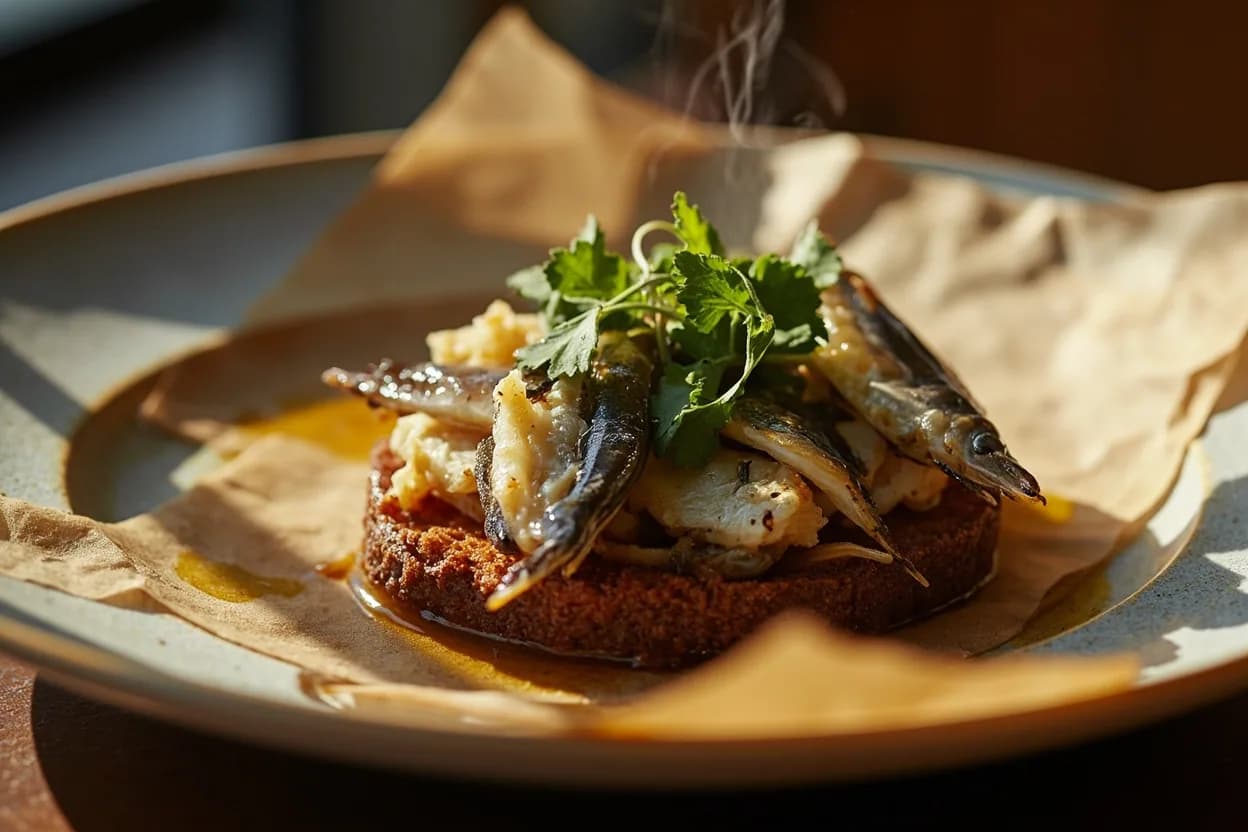
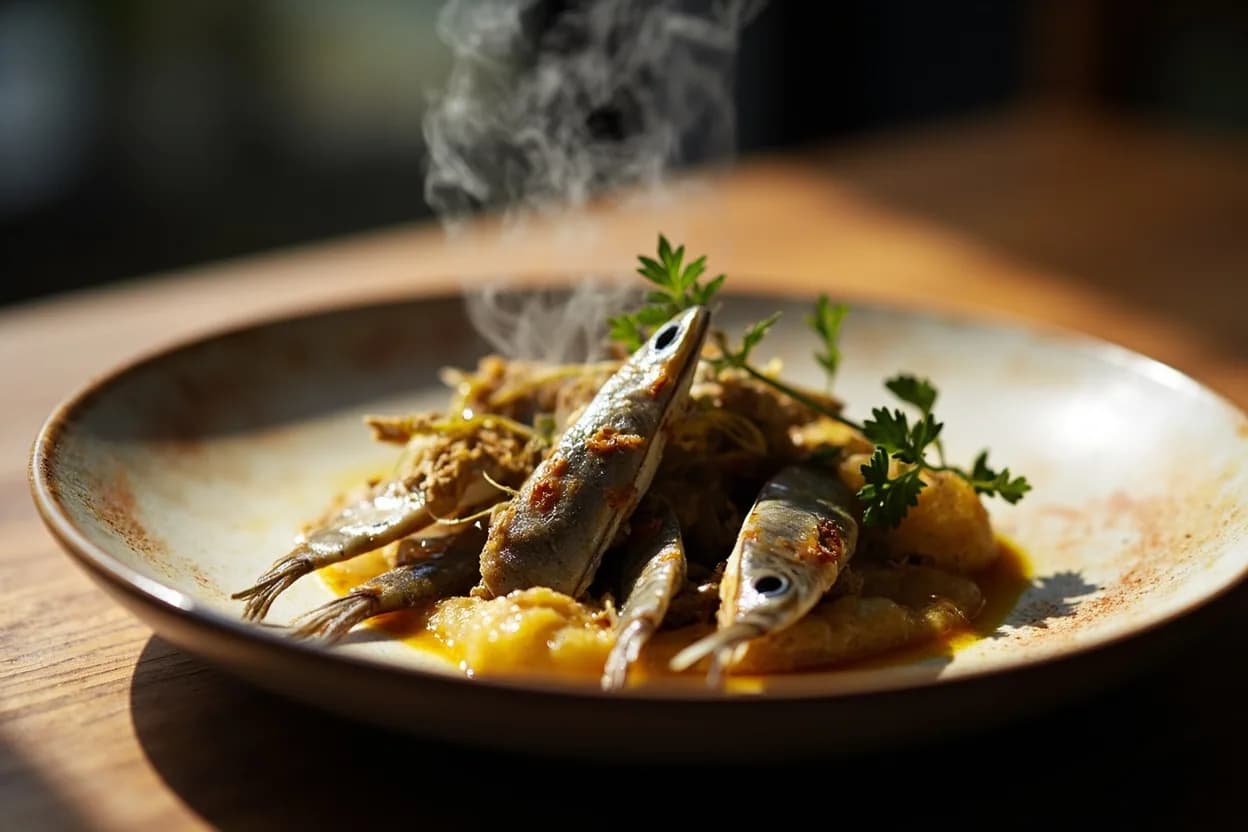
Appears in these dishes
Related
Egg
The kitchen's everything ingredient — bind, leaven, enrich, or fry
Chicken Breast
Lean, quick-cooking white meat for everyday dinners

Ground Beef
Versatile minced beef for burgers, ragù, tacos, and meatballs
Pork Loin
Lean, tender roasting cut that stays juicy with care
Salmon
Rich, rosy fish that roasts, grills, or cures beautifully

Egg White
Pure protein that whips to airy peaks for meringue and more

Egg Yolk
Rich, golden yolk for custards, mayonnaise, and pasta

Quail Egg
Tiny, speckled eggs for garnishing and elegant bites