
Natural form
Whole unripe green mangoes showing the firm, smooth, fully green exterior before ripening.
Shows the reader exactly what to look for when selecting green mango — the uniformly green skin, oblong shape, and firm form that distinguishes it from ripe fruit.
Produce
Green Mango
Unripe, sour mango shredded into salads, pickled, or dried for tangy seasoning.
Green mango is the firm, unripe fruit of the mango tree, with crisp flesh and a sharp, sour flavor. It is shredded raw into salads, pickled into achar, or eaten with salt and chili across South and Southeast Asia, and dried and ground into the sour spice amchur. Its tartness brightens both fresh and cooked dishes.
Green mango is the unripe fruit of the mango tree, harvested before the fruit has developed its characteristic tropical sweetness. At this stage, the flesh is firm and crisp—almost crunchy like a hard pear—with an intensely sour, slightly bitter flavor that varies by variety. The distinction matters fundamentally: green mango is not an immature version of a lesser mango, but an ingredient prized in its own right, with a culinary identity entirely separate from its ripe counterpart. Southeast Asian and South Asian cuisines have independently developed rich traditions around green mango, using it as a primary souring agent where other cultures might reach for lemon or tamarind.
What makes green mango exceptional is the combination of sharp acidity with structural integrity. Unlike ripe mango, which is soft and yielding, unripe green mango holds up beautifully when shredded, julienned, or sliced thin. This makes it indispensable in fresh preparations like Thai som tam and Vietnamese nộm xoài, where ripe fruit would simply fall apart. The acidity also makes green mango ideal for preservation: Indian achaar, or mango pickle, relies on the fruit's natural acids to help preserve it in oil alongside spices. The pH of fully unripe specimens can reach 2.5-3.5, more acidic than lemon juice, which means it performs serious souring work in cooked dishes like daals and curries.
Green mango's flavor profile is clean and bright, offering sharp tartness with subtle vegetal notes rather than the rounded sweetness of tamarind or the deep complexity of other preserved fruits. This makes it remarkably versatile—it can anchor a fiery Thai salad, complement a complex Indian pickle, or simply be eaten fresh with chamoy, salt, and chili on the streets of Mexico. The key to working with green mango is recognizing that sourness varies dramatically by variety and maturity, so tasting and adjusting throughout cooking is essential, not optional.
- Measured in
- piece
- Storage
- Fridge
Types & varieties
Vietnamese variety, commonly used green for salads and pickles
Thai variety, used at various stages; excellent for shredding
Mexican variety; firm when unripe, used for fresh eating with salt and chili
Indian variety; widely used for pickling when unripe
Regional Indian varieties specifically selected for achaar production
Indian; occasionally used green but prized primarily as premium ripe mango
Buying and Storing
Select mangoes that are completely firm with no give when pressed—they should feel like a hard pear. Bright green color is ideal, though slight yellowing at the stem end is acceptable and doesn't indicate overripeness. Avoid any soft spots, bruising, or wrinkles, which suggest the fruit is past its prime or has begun to ripen unevenly. When purchasing for pickling, choose the smallest, firmest mangoes available; larger specimens may be too mature and can develop off-flavors during fermentation. Whole green mangoes keep refrigerated for 2-3 weeks. Once shredded or sliced, store in an airtight container with a squeeze of lime juice to prevent oxidation, and use within 5 days.
- Look for firm, bright green mangoes with no soft spots
- Slight yellowing at stem end is acceptable
- For pickling, choose the smallest, firmest mangoes
- Refrigerate whole for up to 3 weeks; shredded keeps 5 days
Oxidation and Color
Green mango flesh discolors rapidly after cutting, turning gray-brown when exposed to air. This is purely cosmetic for most preparations—graying shredded mango in som tam will still taste fine—but for presentations where color matters, toss cut pieces immediately with lime or lemon juice. The acid preserves the bright green color and adds a layer of sourness that integrates well with most preparations.
- Toss cut mango with citrus juice immediately to prevent browning
- Oxidation is cosmetic, not a safety concern
- Lime juice enhances rather than fights the mango's sourness
Common uses
Tips & pitfalls
- Choose mangoes that are completely firm with no give when pressed—they should feel like a hard pear
- Shred on the large holes of a box grater or julienne by hand for Thai-style salads to maintain crunch
- For pickles, select the smallest, firmest mangoes; larger ones may be too mature and develop off-flavors during fermentation
- Taste before using; sourness varies dramatically by variety and maturity—adjust other sour ingredients accordingly
- Do not confuse green mango with green papaya; they serve different flavor roles despite similar textures
- Green mango oxidizes quickly after shredding; toss with a squeeze of lime if not using immediately
- If a recipe calls for green mango paste, you can approximate with tamarind paste but reduce other acids in the recipe
- For drying, slice paper-thin and dry in direct sunlight or a food dehydrator at 135°F until brittle
Nutrition
Energy
251 kJ · per 100 g
Where the calories come from
Protein
0.8g
2% DV
Carbs
15g
5% DV
Fat
0.4g
0% DV
Fiber
1.6g
6% DV
Sugars
13.7g
of which
Sodium
1mg
0% DV
Source · USDA FoodData Central · Mangos, raw
View on FDC →In the shops
Matched grocery products
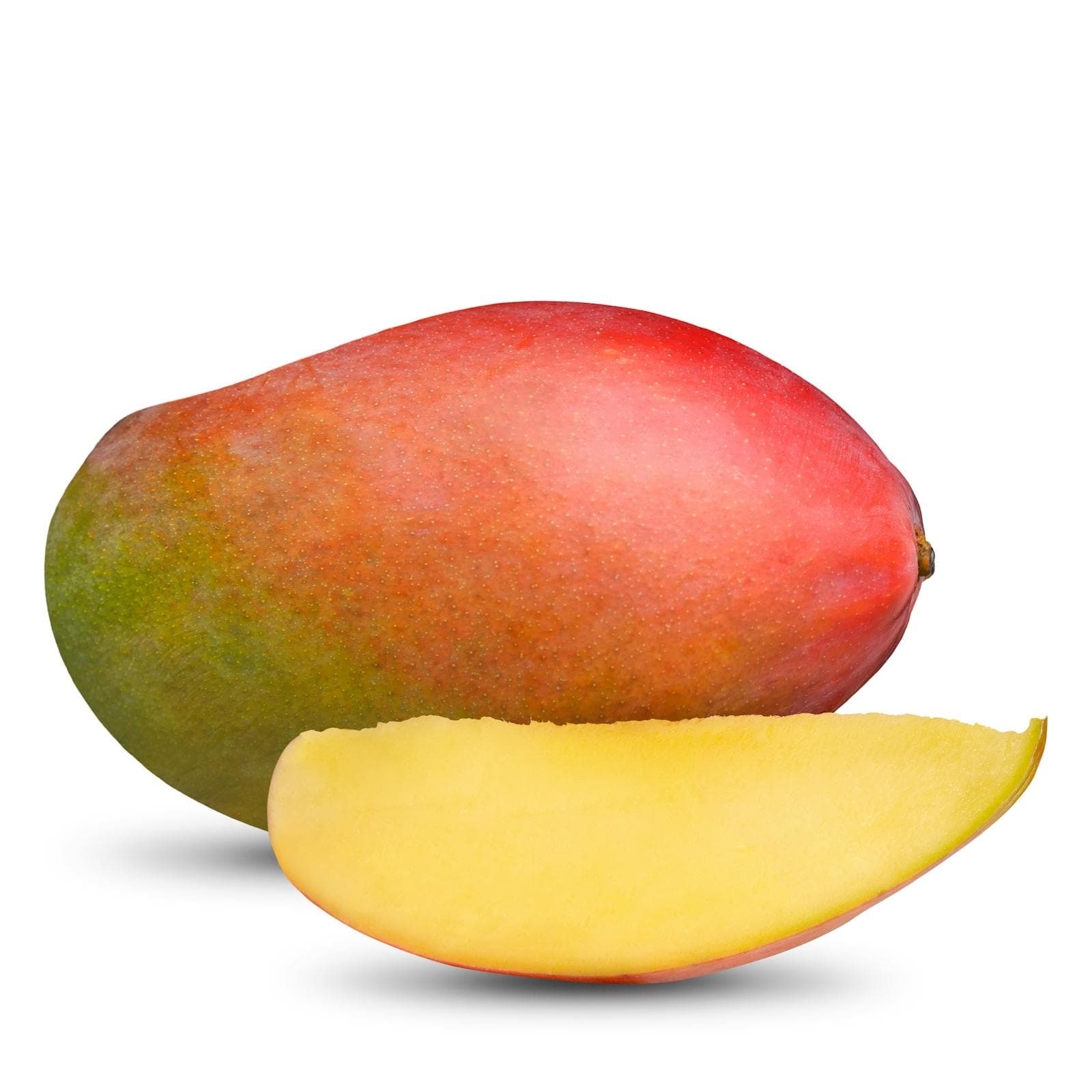 €1.45
€1.45Mango
500 g · Mercadona
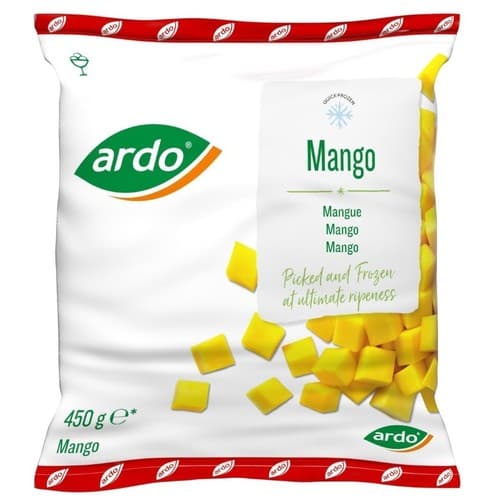 €2.75
€2.75Ardo Mango
ARDO · kg · Bonpreu
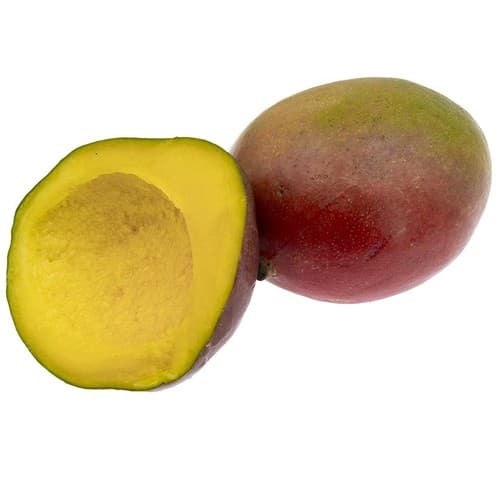 €3.99
€3.99LA COLLITA Mango 1 unit
LA COLLITA · Bonpreu
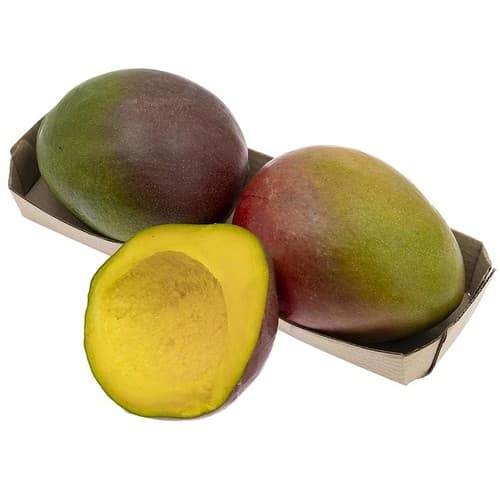 €2.79
€2.79Mango in tray of 2 units
ud · Bonpreu
Good to know
- Origin
- Southeast Asia and South Asia; cultivated in India, Thailand, Vietnam, Philippines, and Mexico
- Flavor
- Intensely sour, slightly bitter; some varieties with faint sweetness; no tropical sweetness of ripe mango
- Texture
- Firm, crisp, almost crunchy; similar to a hard pear or green apple
- pH
- Approximately 2.5-3.5 when fully unripe—more acidic than lemon juice
- Shelf Life
- Refrigerated whole: 2-3 weeks; refrigerated shredded: up to 5 days in airtight container
- Common Forms
- Fresh whole, shredded, pickled, dried and powdered, paste or concentrate
- Yield
- One medium green mango (300-400g) yields approximately 1 cup shredded
Substitutes
- Tamarind paste — Closest flavor match; use 1 tablespoon tamarind paste per cup of green mango called for
- Green papaya — Textural substitute only for salads; add lime juice for sourness
- Lime or lemon juice — Provides sourness but lacks the complex tartness and fibrous texture; add lime zest for depth
- Unripe pineapple — Similar sourness and crunch; shred or slice as appropriate
- Dried mango powder (amchoor) — Same fruit, different form; reconstitute in water or add directly to dishes
Pairs with
Also called
Raw Mango · Kacha Aam · Sour Mango
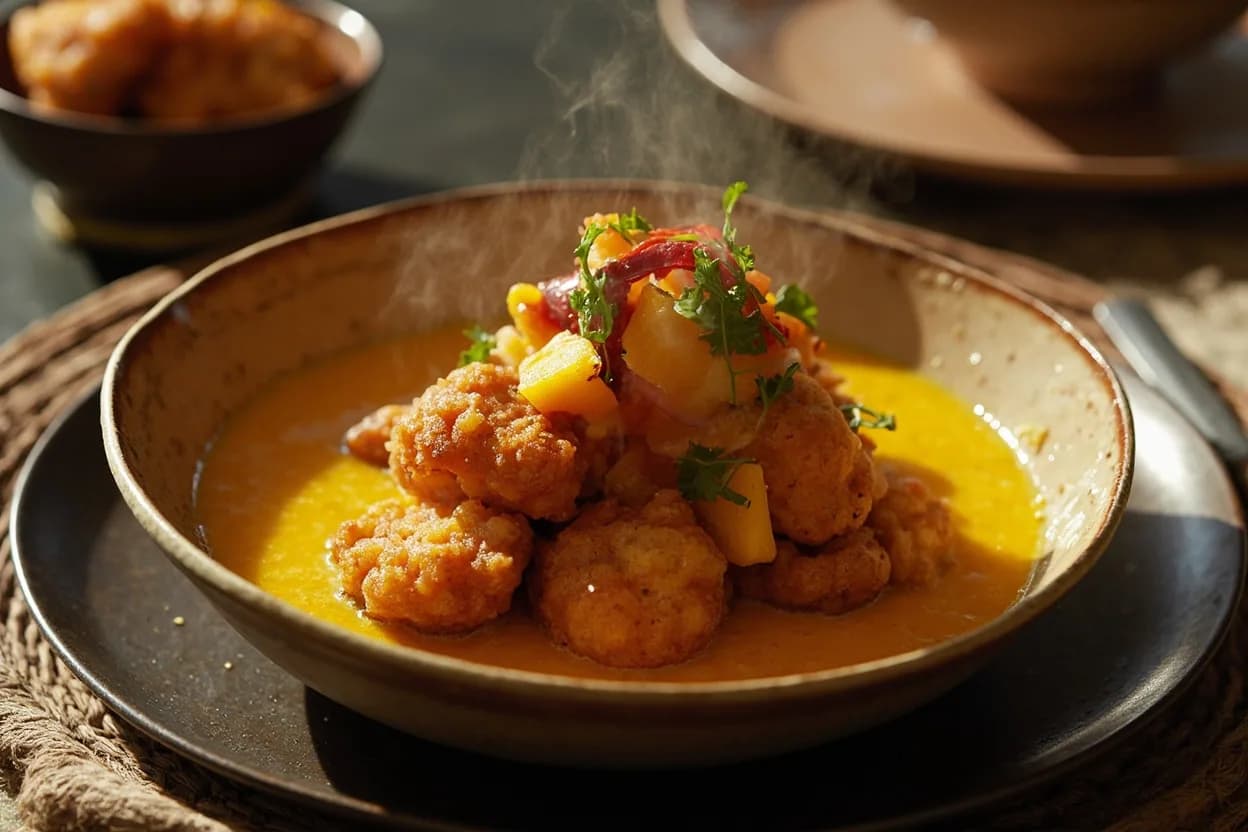
Appears in these dishes
Related
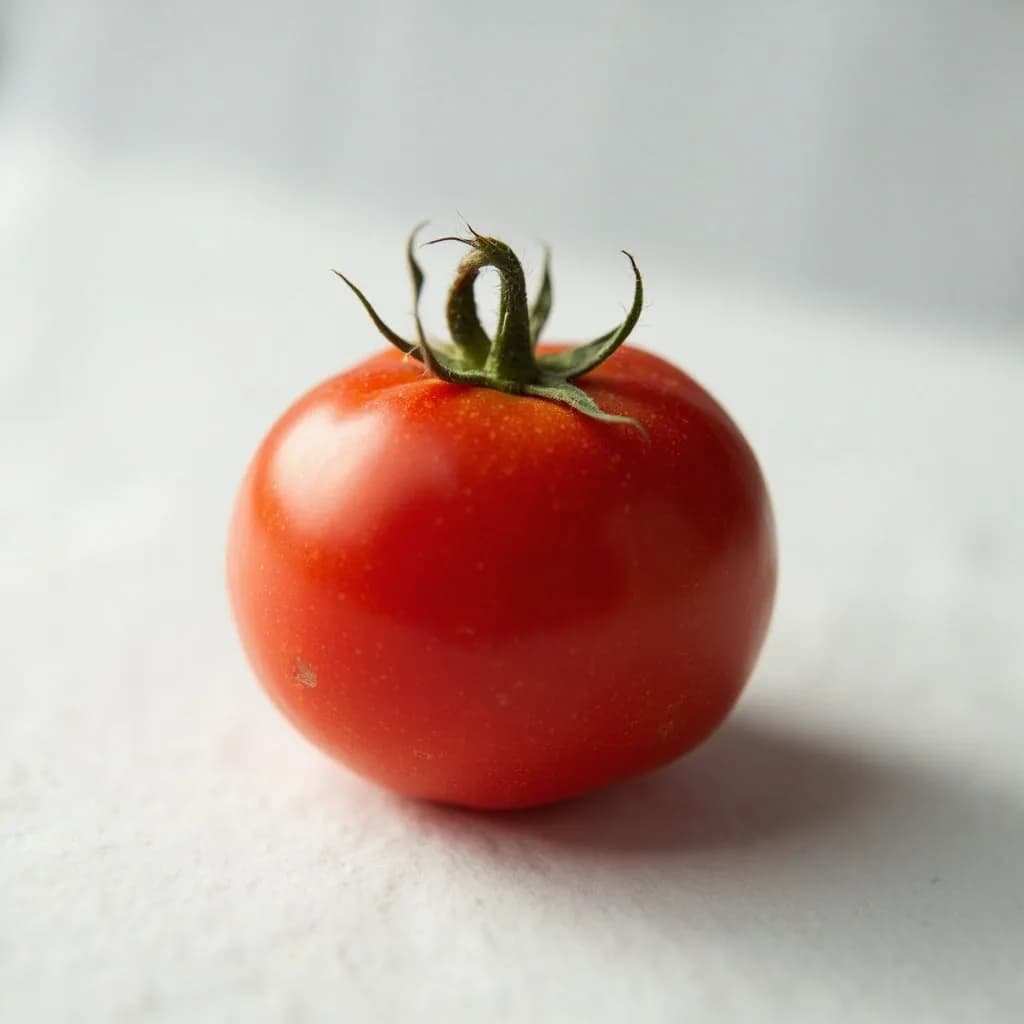
Tomato
Juicy, sun-sweet fruit for sauces, salads, and slow-cooked depth
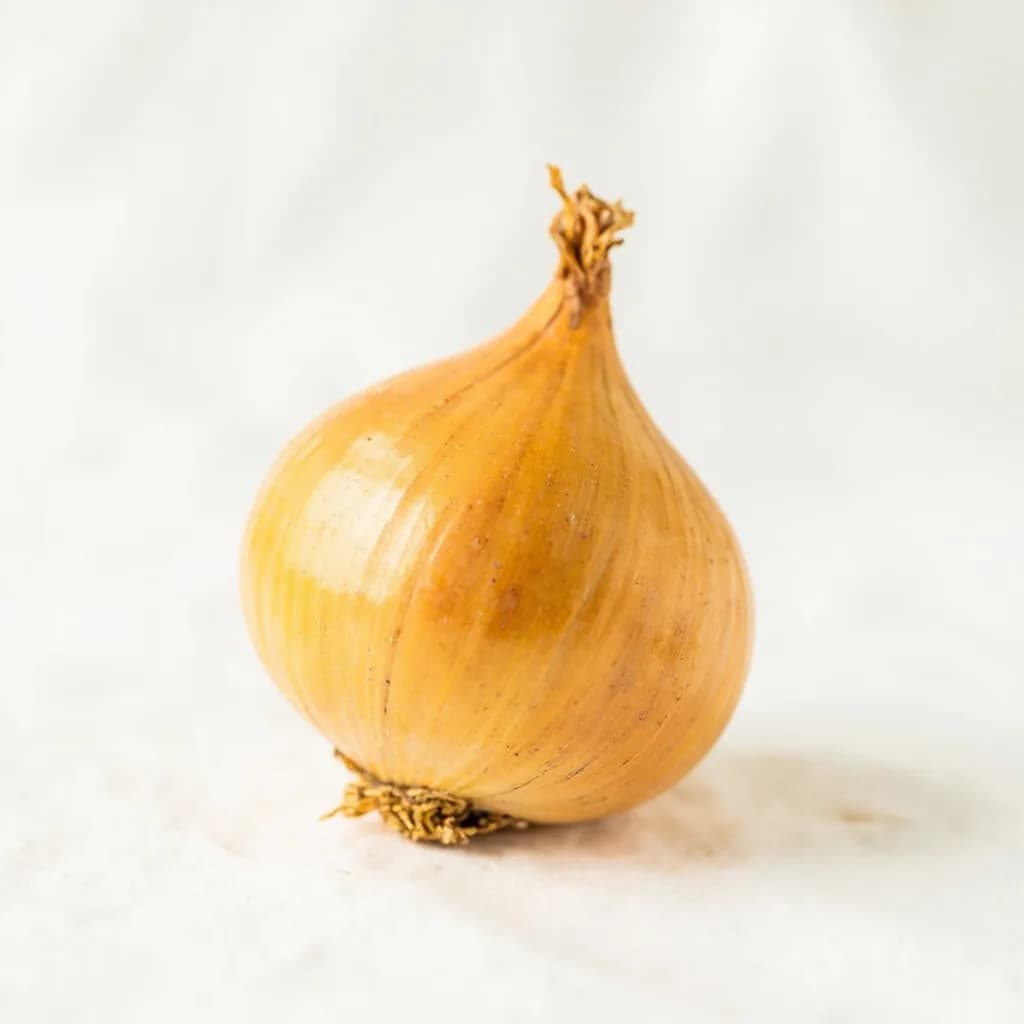
Yellow Onion
The aromatic backbone of soups, sofritos, and braises
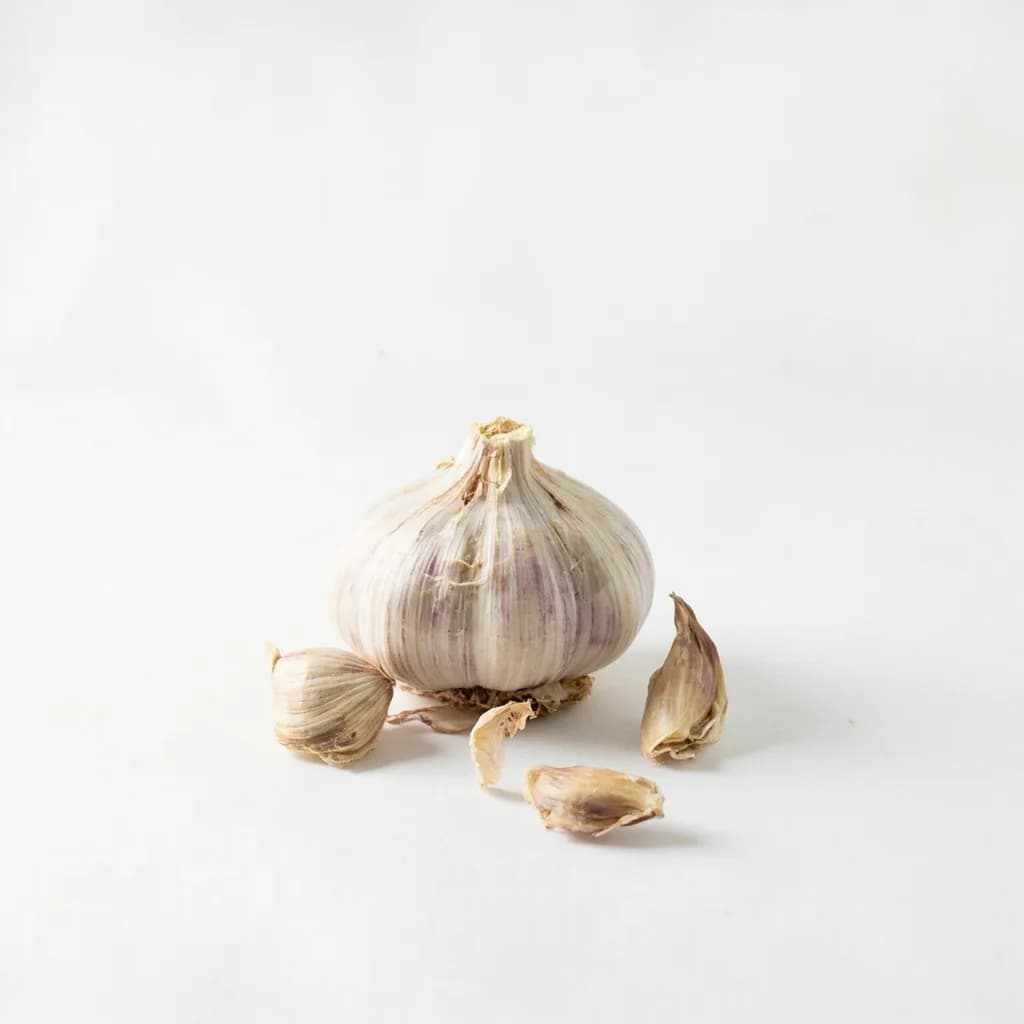
Garlic
Pungent cloves that perfume nearly every savory dish
Lemon
Bright, acidic citrus that wakes up almost any dish
Potato
Humble, hearty staple — roast, mash, fry, or boil
Carrot
Sweet, crunchy root — raw, roasted, or the base of a sofrito
Cucumber
Cool, crisp, and watery — for salads, pickles, and tzatziki

Lettuce
Crisp leaves for salads, wraps, and a fresh crunch