
Natural form
Whole unripe green papaya showing its smooth, firm exterior and oblong shape.
Shows the reader exactly how to identify a green papaya at market — its size, uniform pale green skin, and oblong form distinguish it from ripe fruit.
Produce
Green Papaya
Unripe papaya shredded raw for crunchy salads or cooked as a mild vegetable in curries and soups.
Green papaya is the firm, unripe fruit of the papaya plant, with crisp pale-green flesh and a neutral flavor that absorbs dressings well. It is shredded raw for salads like Thai som tam, or simmered into curries and soups across Southeast and South Asia. The unripe fruit contains papain, an enzyme that also tenderizes meat.
Green papaya is the unripe stage of the Carica papaya fruit, harvested while the flesh is still firm, white to pale green, and distinctly not sweet. Where ripe papaya is soft, fragrant, and relegated to desserts and smoothies, green papaya operates as a vegetable—crunchy, mild, and aggressively neutral, absorbing bold seasonings rather than contributing flavor of its own. The texture closely resembles jicama or crisp daikon, with an open, watery cell structure that shreds cleanly and bruises well under a pestle. In Southeast Asian cuisines, where green papaya is indispensable, it is typically shredded raw for salads like Thai som tam or sliced into soups and curries where it contributes body without asserting itself. The unripe fruit contains papain, a potent proteolytic enzyme concentrated in the skin and seeds that actively breaks down proteins—this is why it functions as a traditional meat tenderizer in Filipino and Malay cooking, but the same property demands respect: leaving green papaya in contact with delicate proteins like raw fish will turn them mushy within minutes. Heat neutralizes the enzyme, making cooked applications forgiving, but raw preparations require attentive timing.
- Measured in
- piece
- Storage
- Fridge
Types & varieties
Bred specifically for green consumption; the preferred varieties in Thai and Vietnamese cuisine for som tam and salads—look for these in Southeast Asian markets for the most authentic results
Larger and more elongated than Hawaiian types; very common in Southeast Asian markets; good all-purpose green-eating variety
Smaller (1–3 lbs), round to pear-shaped; acceptable for green use when small and firm; tend to have fewer seeds when ripe
Hybrid variety with reddish-orange flesh when ripe; usable green when harvested small and firm
Green Papaya vs. Ripe Papaya
The culinary difference between green and ripe papaya is absolute and must be respected. Ripe papaya is soft, juicy, and sweet with a tropical perfume—suitable for eating out of hand, adding to fruit salads, or blending into smoothies and desserts. Green papaya is hard, crunchy, and aggressively mild—suitable for shredding into salads or simmering in broths. These are not interchangeable, and substituting one for the other in a recipe will produce an entirely different, often unpleasant, result. When purchasing, check that the skin is uniformly green and the flesh gives no yield when pressed. Any softening or orange blush near the stem indicates the fruit is beginning to ripen and is no longer ideal for raw applications.
- A papaya that has begun to soften is still fine for cooked dishes but will not hold a clean shred
- Markets in Southeast Asia typically display green and ripe papayas separately and may price them differently for this reason
- If you have a papaya that's partially green and partially orange, use the green portion for cooking and the ripe portion for sweet applications
Common uses
Tips & pitfalls
- Peel green papaya with a sharp vegetable peeler or knife, then shred using a julienne peeler, mandoline set to the coarse side, or box grater; Thai cooks use a traditional green-papaya grater (khao tang) that produces long, even strands ideal for som tam
- For authentic som tam: pound the sauce components—chilies, garlic, fish sauce, palm sugar—together in a clay or wooden mortar first, then add the shredded papaya and bruise it lightly; overmixing collapses the shreds into mush
- Test freshness by dropping a shred: it should break with a sharp snap; limp, bendy shreds have lost their appeal and will not contribute the desired crunch
- For cooked applications (curries, soups), cut papaya into larger pieces—quarter-moons or thick slices—so it holds together during cooking; it becomes tender in 3–5 minutes depending on size, so add it toward the end
- Green papaya will tenderize meat if left in contact too long—this is used intentionally in Filipino and Malay meat marinades; but with delicate proteins like raw fish, limit contact to a few minutes or the texture turns mealy and mushy
- Do not confuse green papaya with green mango; while similar in application, papaya has a more open, watery cell structure and milder flavor; green mango is denser, more tart, and shreds differently
- If the papaya shows any orange blush or softening, it is past its best for raw use but still perfectly fine for cooked applications where texture matters less
- Store whole green papayas unwashed in the refrigerator for up to 2–3 weeks; once shredded, use within 1–2 days in a sealed container to prevent drying out
Nutrition
Energy
180 kJ · per 100 g
Where the calories come from
Protein
0.5g
1% DV
Carbs
10.8g
4% DV
Fat
0.3g
0% DV
Fiber
1.7g
6% DV
Sugars
7.8g
of which
Sodium
8mg
0% DV
Source · USDA FoodData Central · Papayas, raw
View on FDC →In the shops
Matched grocery products
No matched grocery products for Green Papaya yet.
Good to know
- Scientific Name
- Carica papaya (unripe stage)
- Origin
- Native to southern Mexico and Central America; now cultivated throughout tropical Southeast Asia, India, and the Philippines
- Primary Producers
- India, Brazil, Mexico, Indonesia, Philippines, Thailand
- Peak Season
- Year-round in tropical regions; late summer to early fall in subtropical areas like Florida and Hawaii
- Cut Color
- White to pale green flesh
- Texture (Raw)
- Firm, dense, and crunchy—comparable to jicama or crisp daikon
- Flavor (Raw)
- Mild and vegetal, with a slight bitterness; distinctly not sweet
- Flavor (Cooked)
- Absorbs surrounding flavors; becomes tender and yielding, similar to summer squash
- Typical Weight
- 1–3 lbs when harvested for eating; can grow to 20+ lbs if allowed to ripen
- Selection
- Choose firm, heavy-for-size specimens with unbroken green skin; no softening or yellowing near the stem end
- Refrigerator Storage (Whole)
- 2–3 weeks
- Refrigerator Storage (Shredded)
- Use within 1–2 days for best texture
- Freezing
- Not recommended; texture becomes mushy upon thawing
Substitutes
- Green Mango — Closest substitute for raw shredded applications; similar crunch and mild acidity; slightly denser and more tart than papaya, so adjust acid in the dressing
- Daikon Radish — Good textural substitute for raw use; milder, slightly peppery flavor; can be used in similar salad preparations at a 1:1 ratio
- Jicama — Similar crunch and mild flavor for raw salads; more starchy and less watery than papaya; acceptable in similar proportions
- Unripe Mango — Acceptable when green mango is unavailable; similar density but less watery than papaya; shreds slightly differently but works in the same dressings
- Green Apple (Fuji or Granny Smith) — Emergency textural substitute only; will brown without acid and lacks the vegetal character, so add a squeeze of lime
Pairs with
Also called
Kacha Pepe · Green Pawpaw · Papaya Green
Appears in these dishes
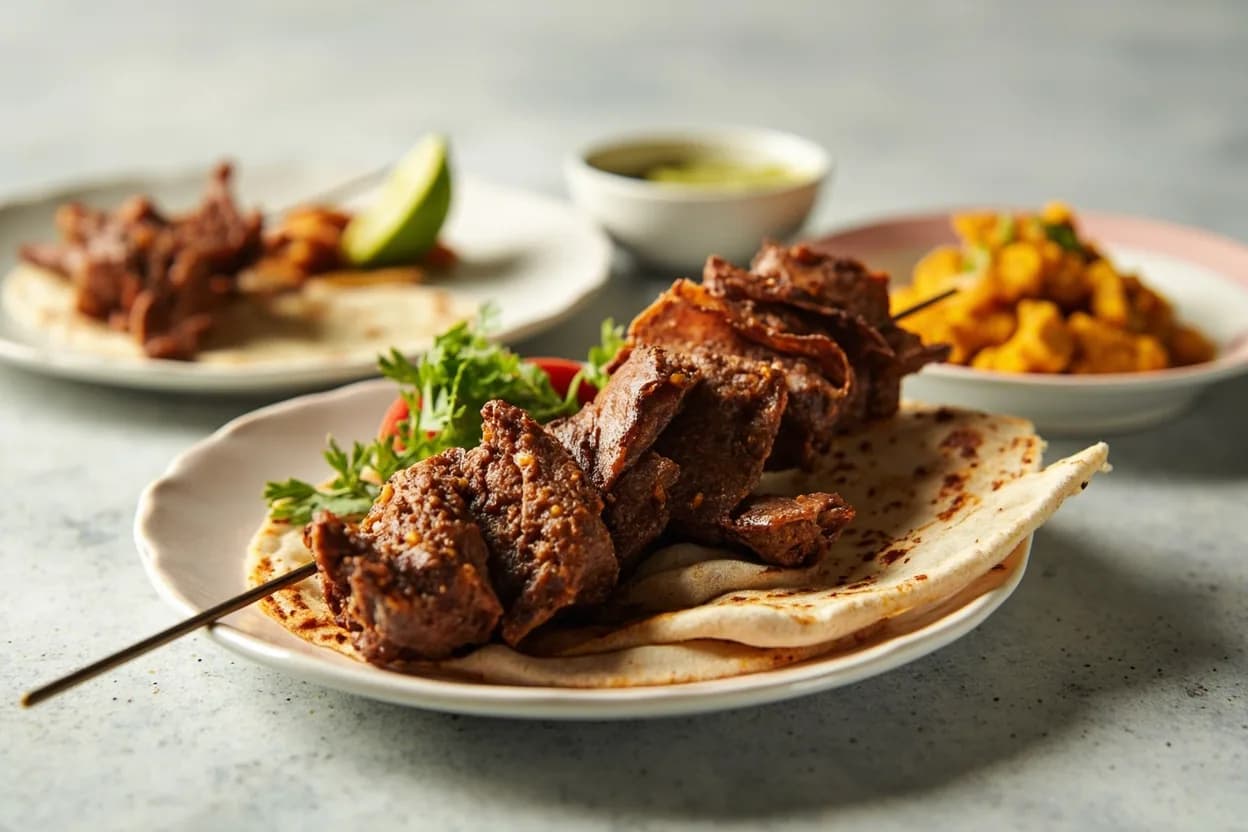
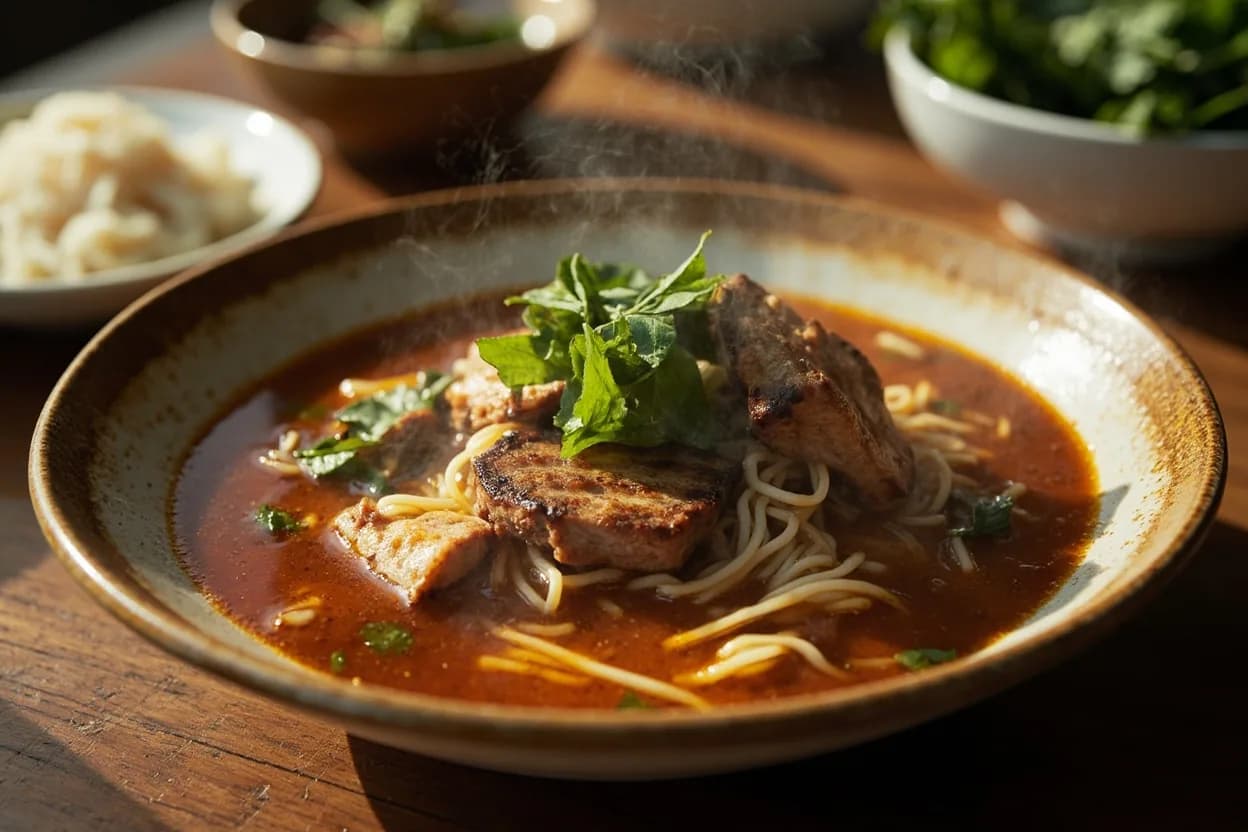
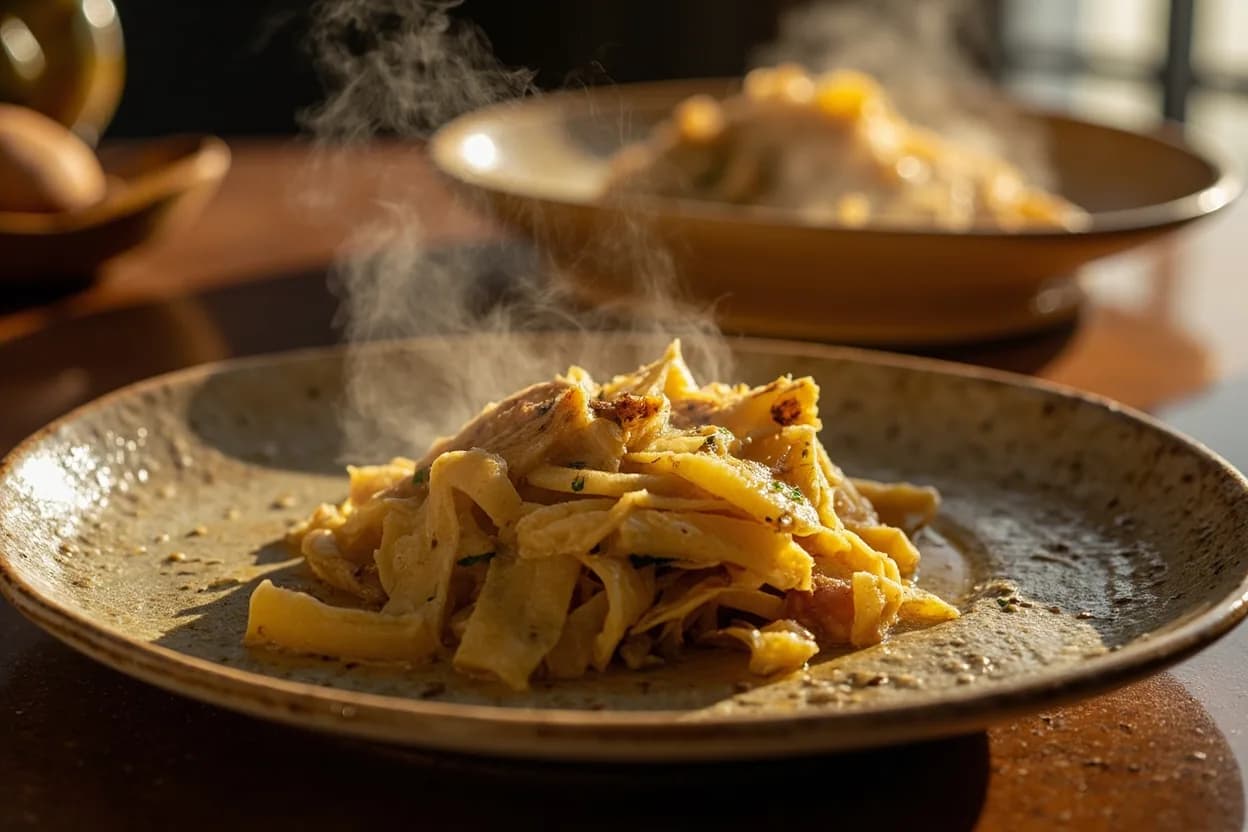
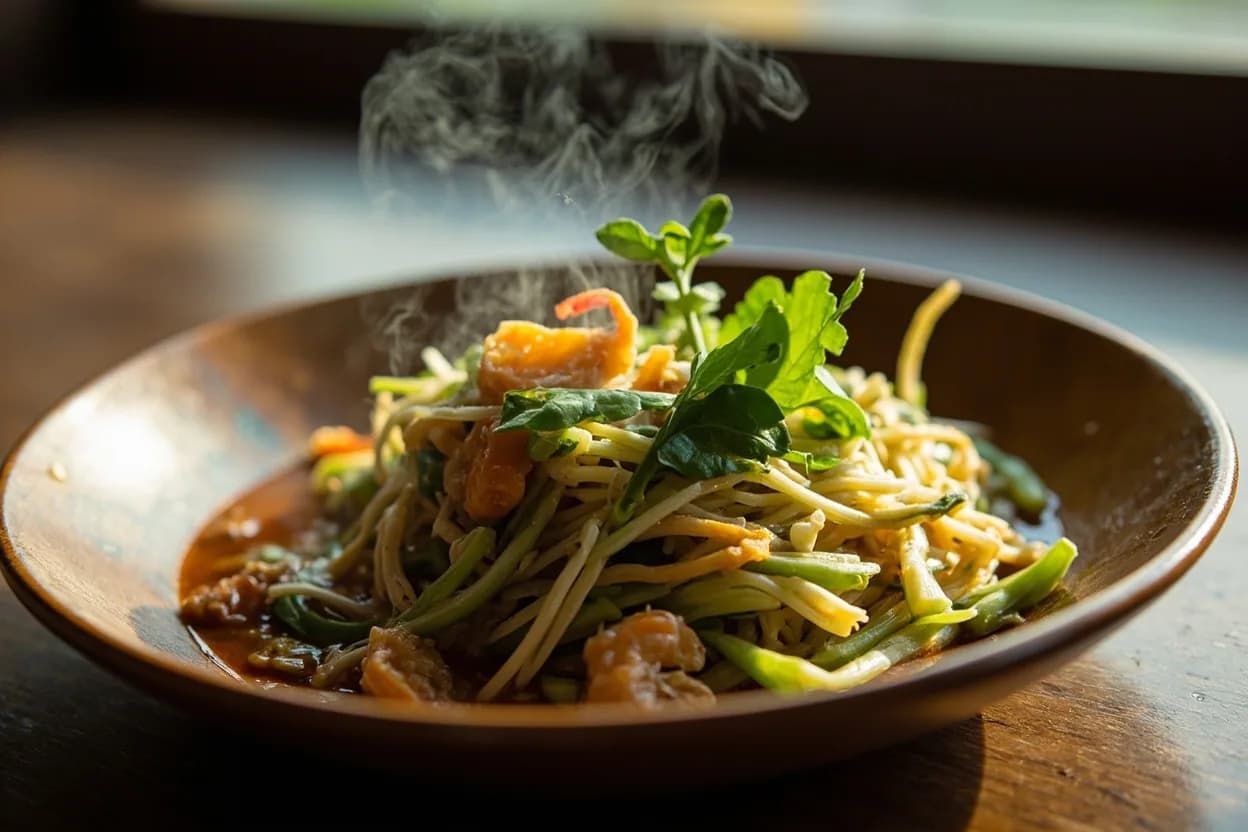
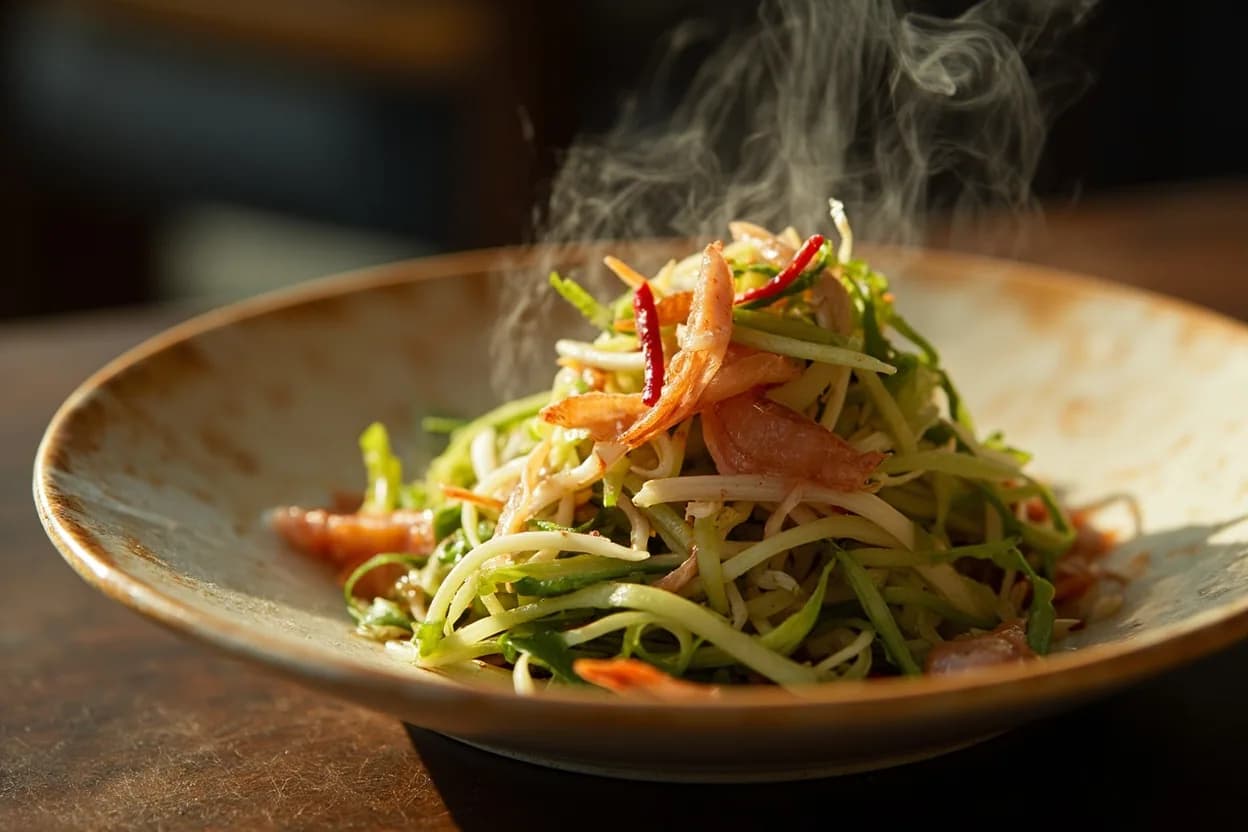
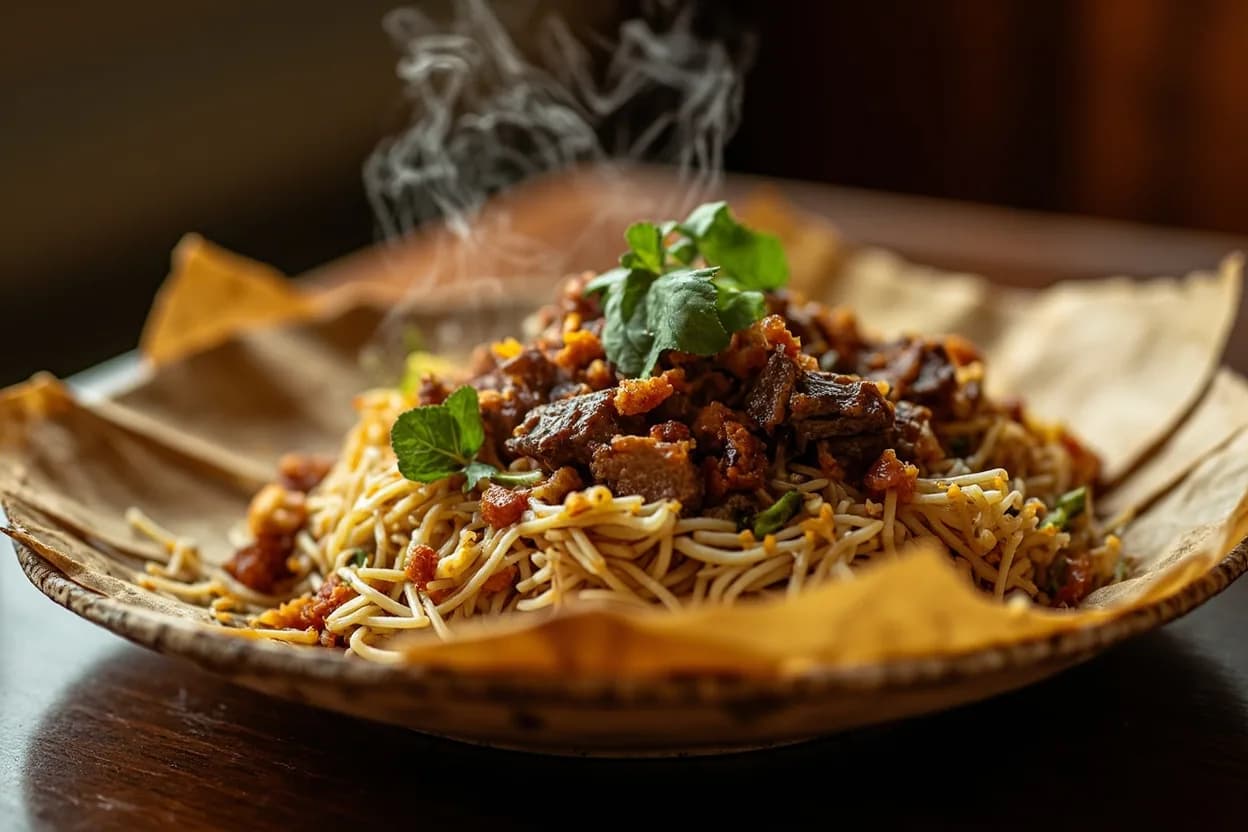
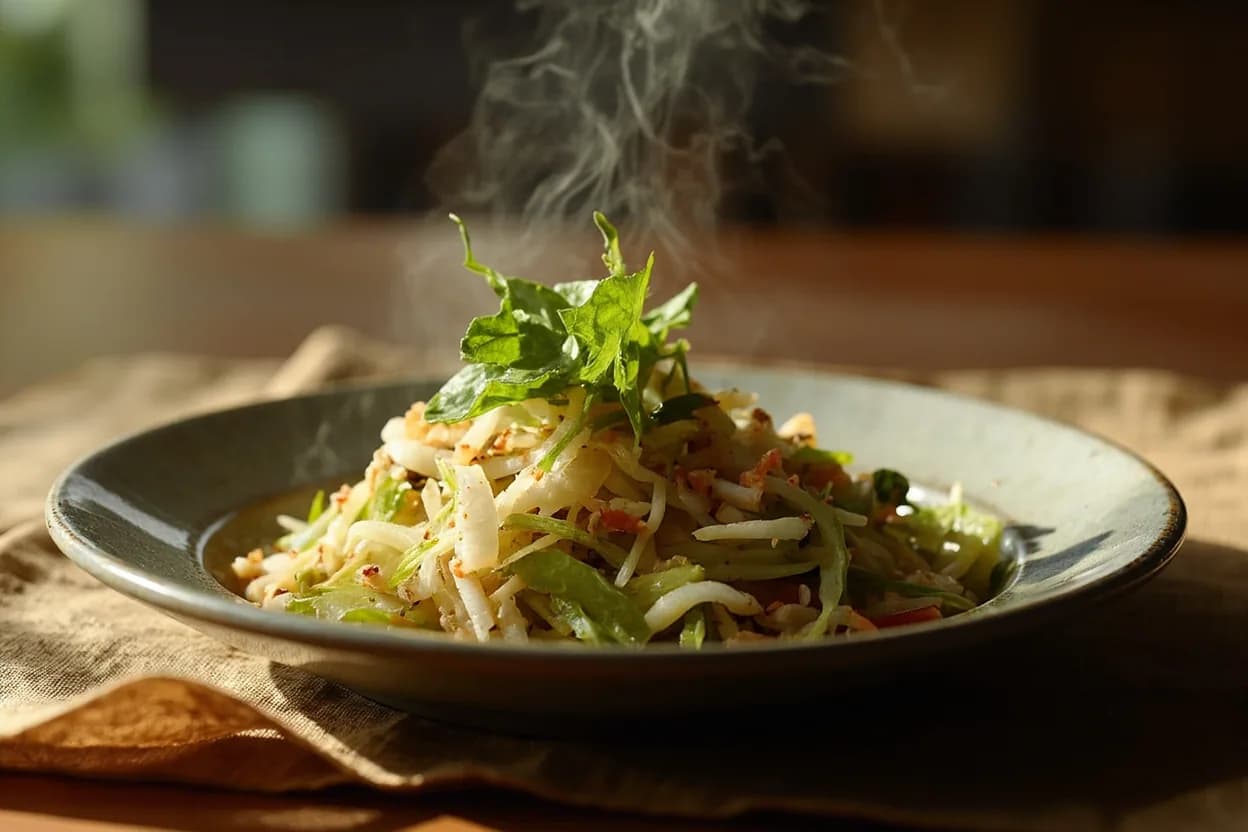
Related

Tomato
Juicy, sun-sweet fruit for sauces, salads, and slow-cooked depth

Yellow Onion
The aromatic backbone of soups, sofritos, and braises

Garlic
Pungent cloves that perfume nearly every savory dish

Lemon
Bright, acidic citrus that wakes up almost any dish

Potato
Humble, hearty staple — roast, mash, fry, or boil

Carrot
Sweet, crunchy root — raw, roasted, or the base of a sofrito

Cucumber
Cool, crisp, and watery — for salads, pickles, and tzatziki

Lettuce
Crisp leaves for salads, wraps, and a fresh crunch