Proteins
Dry-Aged Beef
Beef aged uncovered for weeks to concentrate flavor and tenderize, prized for deeply nutty, funky steaks.
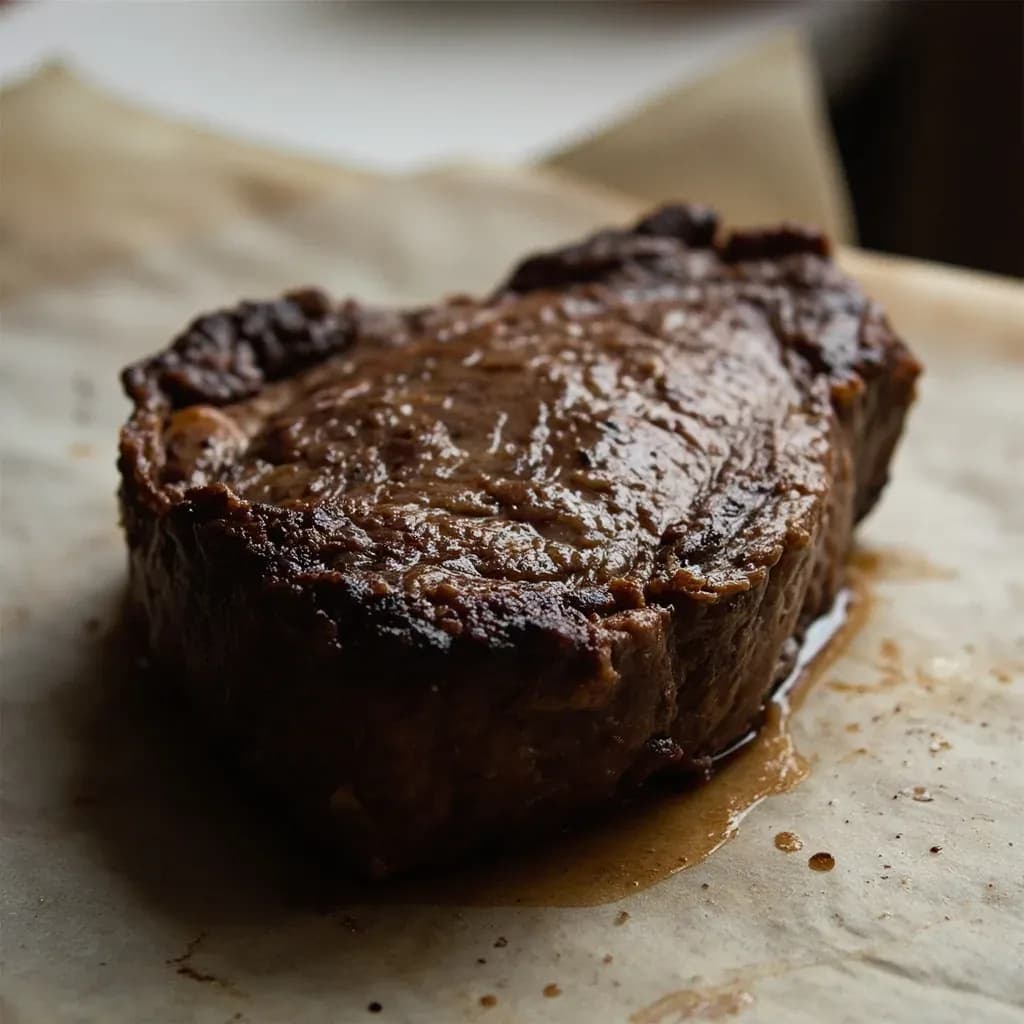
Dry-aged beef is a primal cut held in controlled cold, humid air for two weeks to several months, during which moisture evaporates and natural enzymes break down connective tissue. The result is intensely concentrated, nutty, almost cheese-like flavor and exceptional tenderness, most celebrated in steakhouse ribeyes and strip steaks. The pricey hard outer crust is trimmed away before cooking.
Dry-aged beef is beef that has been butchered into primals or subprimals and left to age uncovered in a climate-controlled environment for weeks. This is not mere refrigeration—it is an active, deliberate process in which cold, dry air draws moisture from the meat's surface while naturally occurring proteolytic enzymes break down collagen and myofibrillar proteins from within. The result is meat that is significantly more tender than its fresh counterpart, with a flavor profile that has been concentrated and transformed into something entirely distinct: nutty, mushroomy, and sometimes described as funky or blue-cheese-like depending on aging duration. The outer surface forms a hard, darkened crust called the pellicle, which is always trimmed away before cooking; the interior emerges with a texture that is almost buttery at premium aging windows and can develop amino acid crystals at extended durations. Dry-aging is expensive not by accident but by physics—moisture loss of 10–30% combined with trimming losses of 15–25% means a 20-pound ribeye primal might yield only 10–12 pounds of sellable steak. The cost is justified by the transformation: what goes into the aging room is beef; what comes out is something more akin to a condiment, so intensely flavored that it needs almost nothing else to shine. The practice predates commercial refrigeration, having developed as a preservation method in the pre-electric era; today it remains a handcraft that rewards both patience and precision.
- Measured in
- g
- Storage
- Fridge
Types & varieties
Subtle nutty, mildly funky complexity; the most common restaurant offering
Pronounced umami, nutty, mushroomy flavors; preferred by steakhouses
Intense, funky, blue-cheese-like; polarizing; can develop crystalline texture
The classic dry-aged steak; the bone helps retain moisture and flavor during aging
Leaner than ribeye with firm texture; benefits from longer aging for tenderness
Includes both strip and tenderloin; impressive presentation, higher trimming loss
Opposite method: vacuum-sealed and aged in own juices; faster (7–14 days), cheaper, less moisture loss, different mild flavor
The Science of Dry-Aging
Two simultaneous processes drive dry-aging's transformation. Moisture evaporation concentrates proteins and intramuscular fats at the surface, pulling water outward over weeks. Beneath the surface, calpains and cathepsins—naturally occurring enzymes in muscle tissue—go to work on collagen and myofibrillar proteins, cleaving them into smaller peptides and free amino acids. These free amino acids are what create dry-aged beef's characteristic nutty, savory, almost mushroomy notes; glutamic acid in particular contributes to umami intensity. In extended aging beyond 60 days, the enzyme activity can become so aggressive that it produces visible tyrosine crystals and an ammonia-like aroma that some diners find off-putting and others crave. The pellicle that forms on the surface is not flavor; it is a dried, oxidized crust that must be aggressively trimmed before cooking. The interplay of these processes—concentration and enzymatic breakdown—is why dry-aged beef is simultaneously more flavorful and more tender than fresh beef of the same grade and cut.
- The smell test is reliable: properly aged beef smells nutty and mushroomy; a sharp ammonia smell indicates over-enzymatic activity or spoilage
- Bone-in cuts age more successfully because the bone slows moisture loss and helps the interior tenderize evenly
- Wet-aging achieves similar tenderization through different enzymatic activity in vacuum-sealed environments but produces none of the flavor concentration or surface crust development that defines dry-aging
Why It Costs What It Costs
Dry-aging is an exercise in managed loss. A 20-pound USDA Prime ribeye primal entering a dry-aging cooler will emerge after 35 days having lost 20–25% of its weight to moisture evaporation. After trimming the pellicle—which requires cutting away at least 1/8 to 1/4 inch from all surfaces—an additional 15–20% of the original weight is lost. What remains is 10–12 pounds of sellable meat. Add in the cost of dedicated aging cooler equipment (with precise temperature, humidity, and airflow control), electricity, labor for monitoring, and the opportunity cost of inventory sitting in cold storage, and the premium pricing of dry-aged steaks becomes immediately legible. Restaurant markups reflect this: a dry-aged steak typically costs $30–60 or more above its wet-aged equivalent. The economics favor large-format aging—a full ribeye primal has a more favorable surface-to-volume ratio than individual steaks, resulting in proportionally less trim loss—which is why steakhouses and specialty purveyors almost exclusively age primals rather than portioned cuts.
- Ask your butcher about yield: a well-aged primal with minimal trim loss indicates proper aging conditions
- Buying a whole dry-aged primal and portioning it yourself is more economical than purchasing pre-cut steaks
- The 'crystals' sometimes found in extended-aged beef are tyrosine—an amino acid precipitate that is safe and considered a marker of depth of flavor by enthusiasts
Common uses
Tips & pitfalls
- Always bring dry-aged beef to room temperature (45–60 minutes) before cooking for even doneness throughout the steak
- Use a sharp boning knife to trim the pellicle; cut away at least 1/8–1/4 inch of darkened surface from all sides before cooking
- Wipe (do not rinse) the purge liquid that accumulates during aging; rinsing introduces moisture that disrupts the surface balance
- Sear aggressively in a cast-iron skillet or on a very hot grill to develop the crust that dry-aging's cost demands
- Rest the steak 5–10 minutes after cooking to allow carryover cooking and juices to redistribute before cutting
- Do not salt heavily before searing; the concentrated flavor of dry-aged beef needs less seasoning than fresh beef
- Never attempt dry-aging at home without a dedicated controlled cooler; domestic refrigerators are too dry and lack airflow control, leading to surface spoilage before interior enzymes act
- Larger primals age more successfully than individual steaks because the surface-to-volume ratio is lower, reducing excessive trimming loss
- Black pepper and coarse salt are the only seasonings needed; the flavor speaks for itself
- If aging at home with proper equipment, rotate cuts every few days and check for off-odors (sour or ammonia beyond slight) indicating spoilage
Nutrition
Energy
828 kJ · per 100 g
Where the calories come from
Protein
19.4g
39% DV
Carbs
0g
0% DV
Fat
12.7g
16% DV
Fiber
0g
0% DV
Sugars
0g
of which
Sodium
68mg
3% DV
Source · USDA FoodData Central · approx. Beef, grass-fed, ground, raw
View on FDC →In the shops
Matched grocery products
No matched grocery products for Dry-Aged Beef yet.
Good to know
- Minimum Aging Time
- 21 days for meaningful flavor change; 28–45 days is the standard premium window
- Maximum Aging Time
- 60–120+ days; beyond 60 days the flavor becomes intensely funky and may be tallow-like
- Storage Temperature
- 34–38°F (1–3°C)
- Storage Humidity
- 80–85% to prevent excessive surface drying and microbial overgrowth
- Moisture Loss
- 10–30% of original weight during aging
- Combined Yield
- Approximately 50–75% of original weight becomes edible aged meat after trimming
- Best Beef Grades
- USDA Prime or High Choice with abundant marbling; leaner grades lack fat to sustain aging
- Best Cuts
- Ribeye, New York strip, porterhouse, T-bone; bone-in cuts age better than boneless
Substitutes
- Wet-Aged Prime Ribeye — Same cut and grade but not aged in open air; lacks the nutty, funky complexity but retains tenderness and marbling
- High-Marbling Fresh Prime Beef — Fresh USDA Prime with abundant fat will taste rich and tender even without aging; season well and cook with high heat
- Aged Whole Muscles from Local Purveyors — Some specialty butchers offer smaller-batch dry-aged cuts of 14–21 days as a compromise between cost and flavor development
Pairs with
Also called
Aged Beef · Dry-Aged Steak
Related
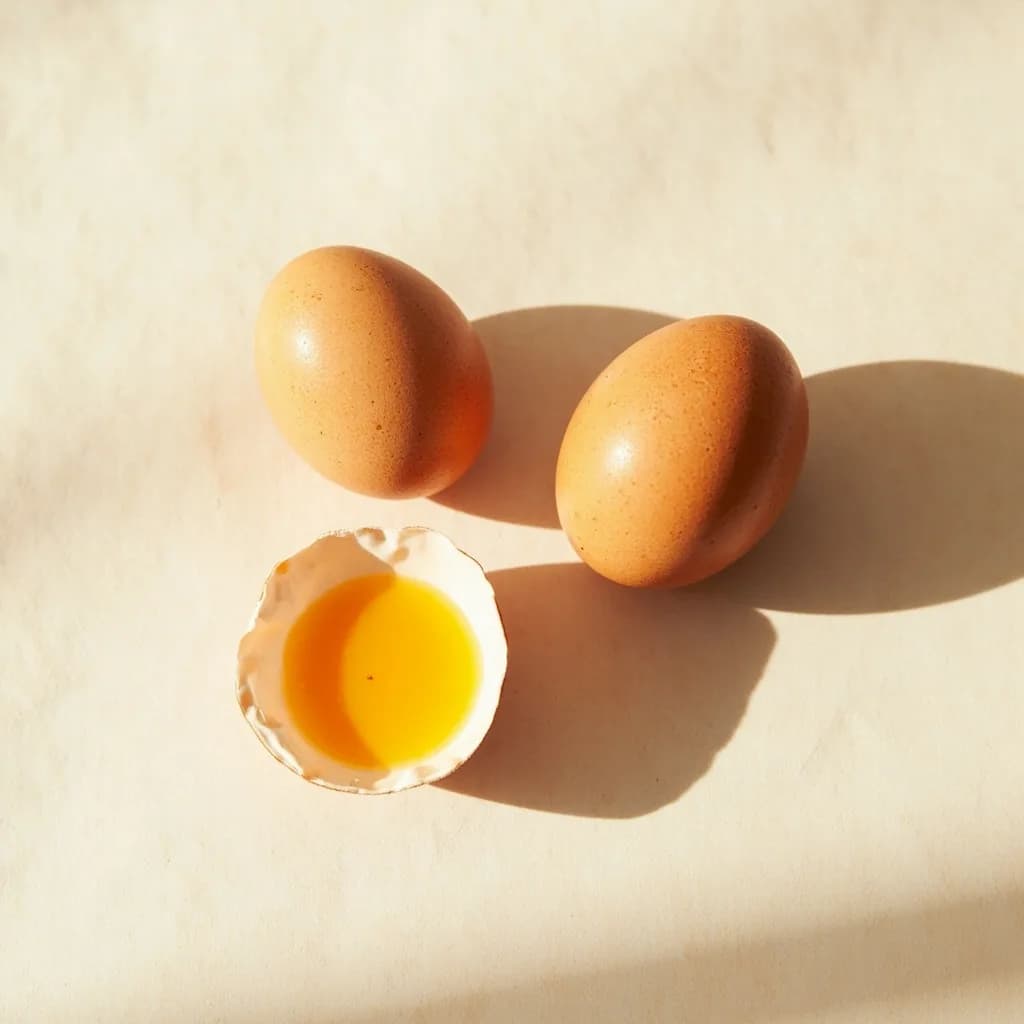
Egg
The kitchen's everything ingredient — bind, leaven, enrich, or fry
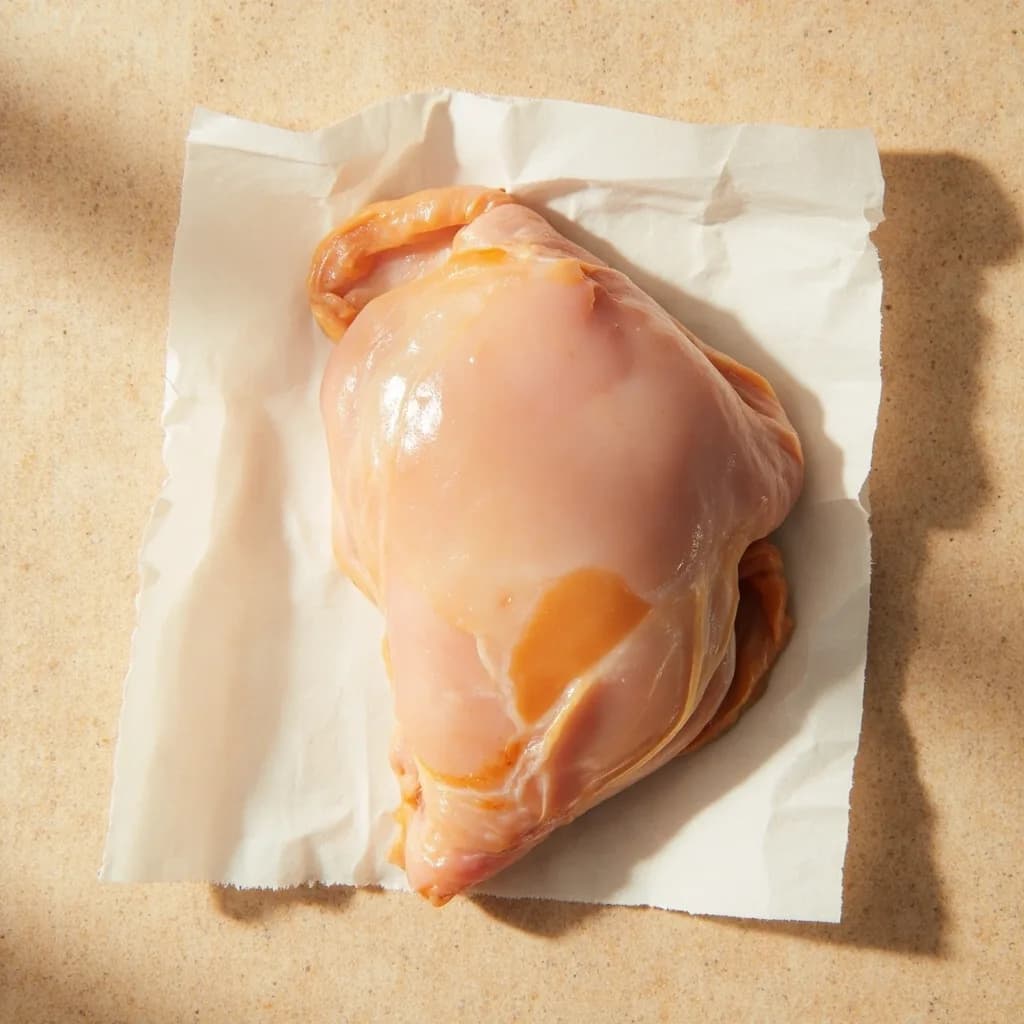
Chicken Breast
Lean, quick-cooking white meat for everyday dinners

Ground Beef
Versatile minced beef for burgers, ragù, tacos, and meatballs
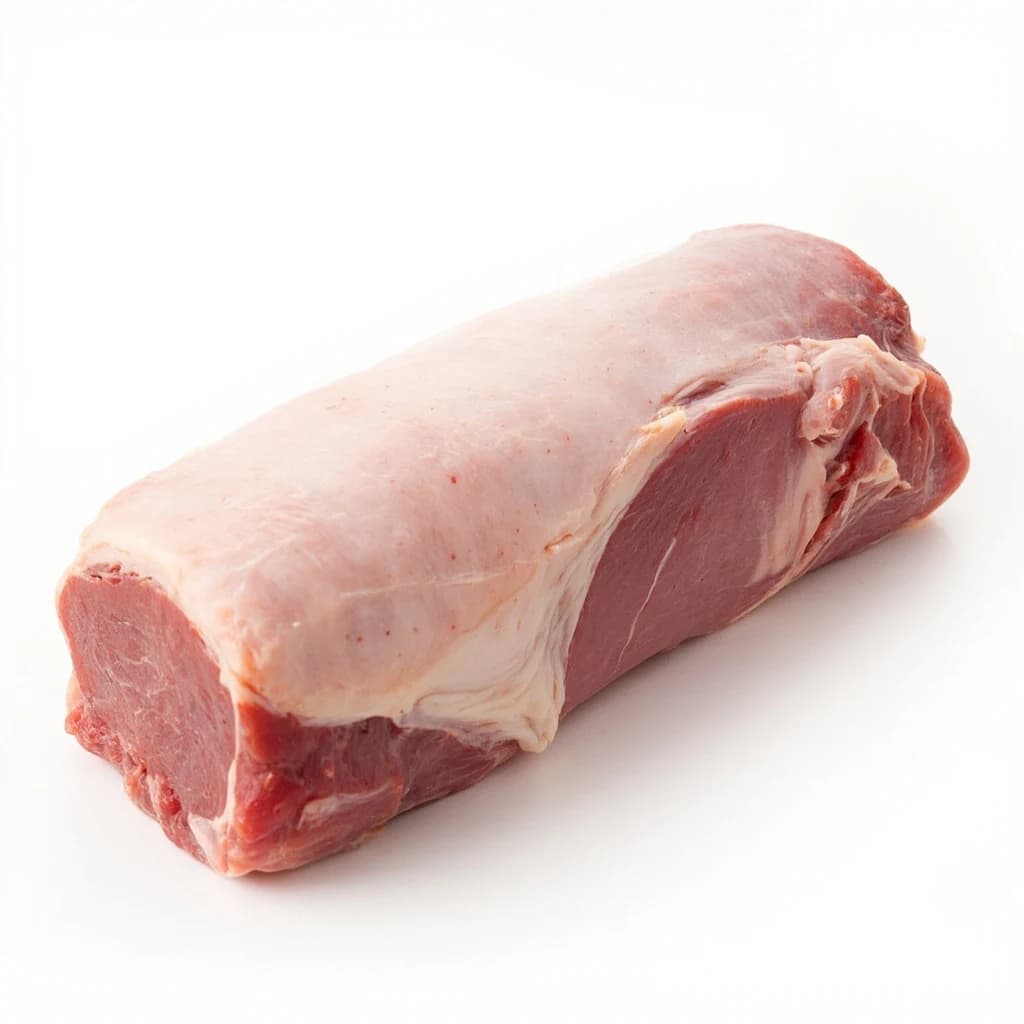
Pork Loin
Lean, tender roasting cut that stays juicy with care
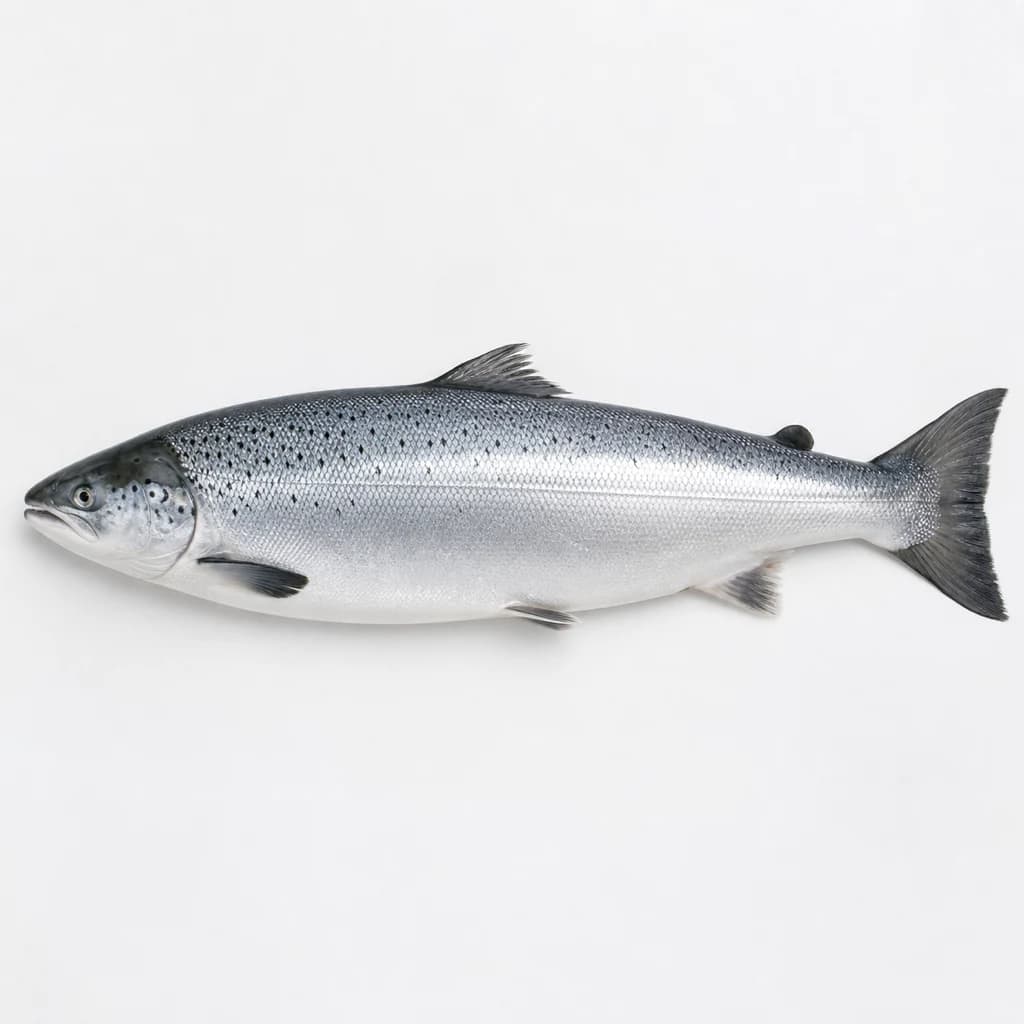
Salmon
Rich, rosy fish that roasts, grills, or cures beautifully

Egg White
Pure protein that whips to airy peaks for meringue and more
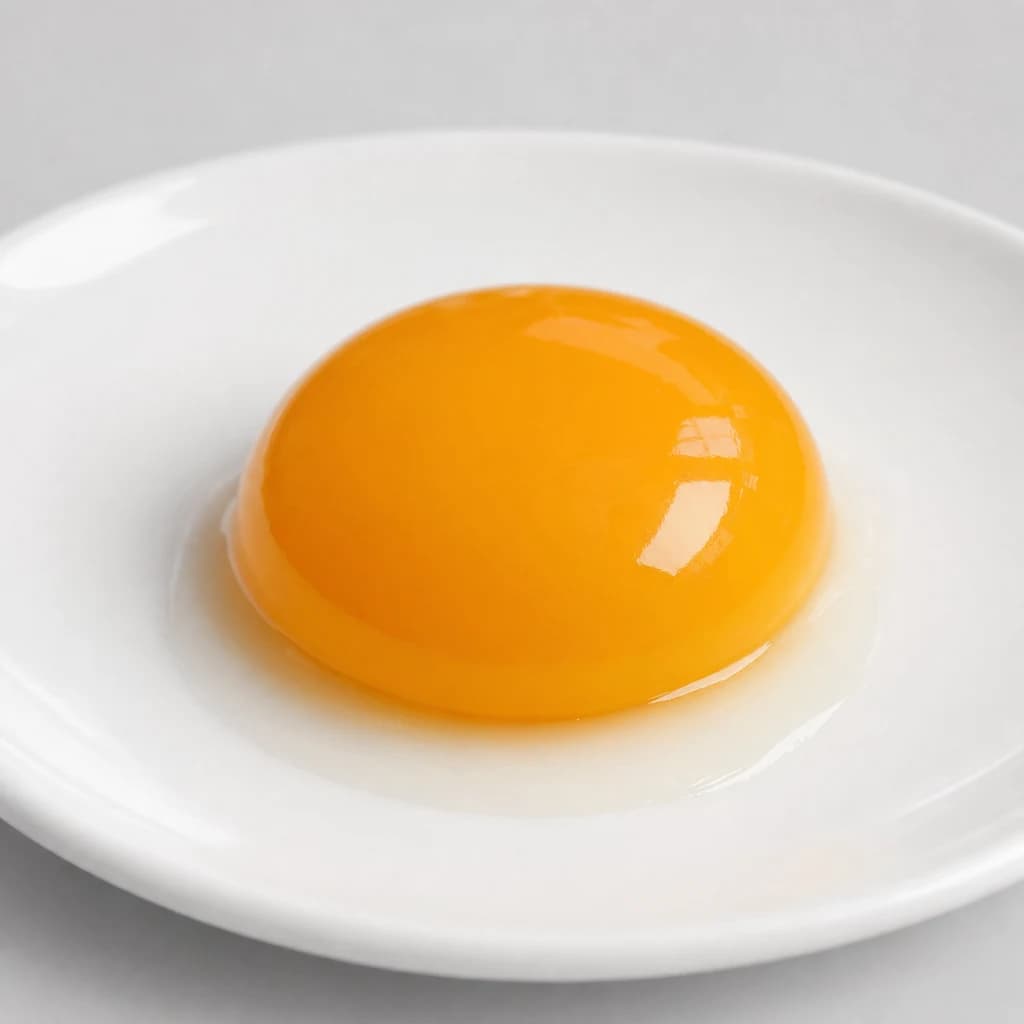
Egg Yolk
Rich, golden yolk for custards, mayonnaise, and pasta

Quail Egg
Tiny, speckled eggs for garnishing and elegant bites