Proteins
Edible Termite
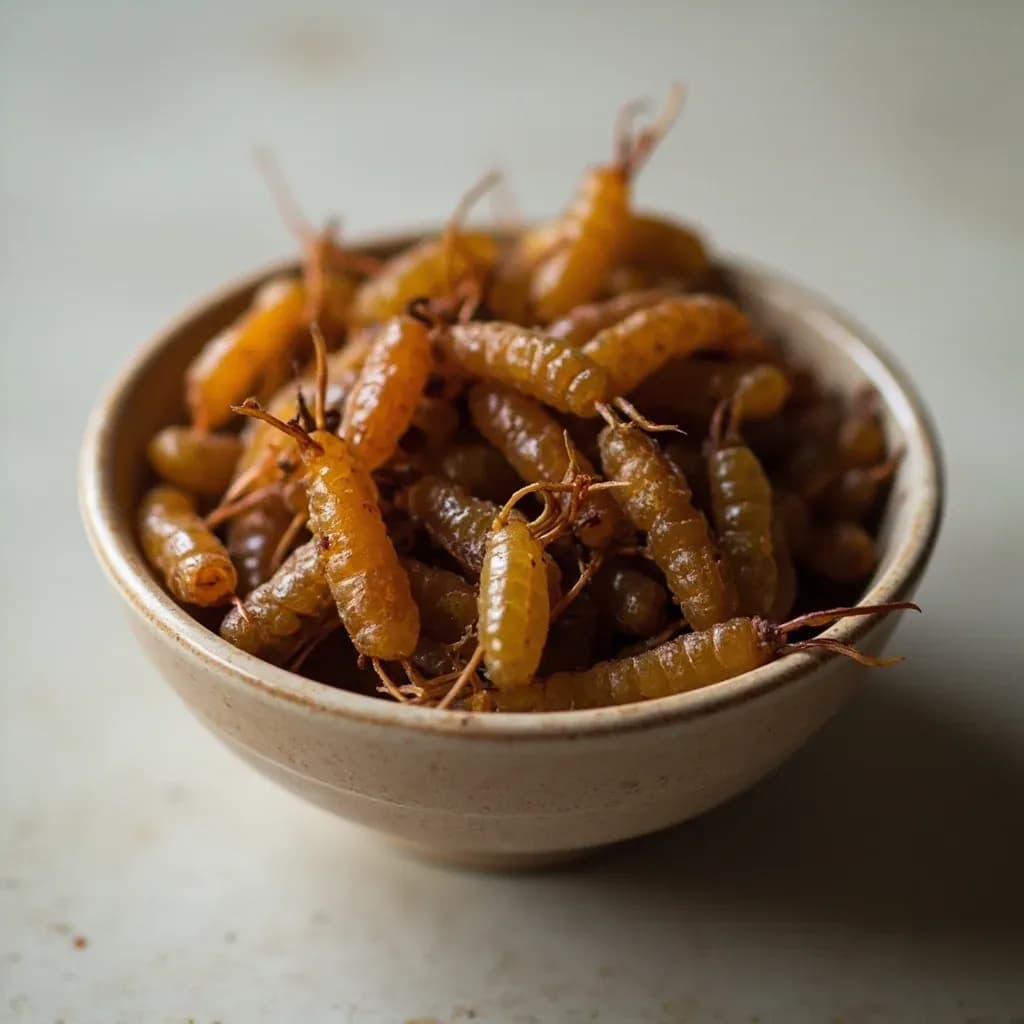
Protein-rich flying termites eaten fried or roasted across sub-Saharan Africa.
Edible termites are the winged reproductive forms (alates) of termites, harvested in large numbers during the rainy season across sub-Saharan Africa. They are fried, roasted, or sun-dried into a crunchy, nutty, protein- and fat-rich snack or relish. Known as nswa or inswa, they are a seasonal delicacy gathered as they swarm at dusk.
Edible termites are a significant protein source across sub-Saharan Africa, with Macrotermes bellicosus and its close relative M. subhyalinus being the primary commercial species harvested for food. These insects have been part of human diets for millennia, and their culinary use is deeply embedded in the food cultures of the Democratic Republic of Congo, Nigeria, Ghana, Uganda, Zambia, and neighboring countries. Termites are not merely a famine food or survival protein; they are actively sought for their distinctive flavor and are featured in everyday cooking as well as celebratory dishes. The two castes consumed—soldier termites harvested directly from mounds and alates (winged reproductives) caught during seasonal nuptial flights—offer different textural and flavor experiences, with alates prized for their fatty, richly flavored bodies. Cooking with termites requires understanding their delicate moisture balance: they crisp beautifully when fried but become soggy if wet or overheated. Their nutty, faintly earthy flavor deepens into something approaching mushroom umami when roasted, making them surprisingly versatile across preparations from bar snacks to complex sauces.
- Measured in
- g
- Storage
- Fridge
Types & varieties
Large-headed, pincer-jawed castes harvested directly from mounds; meatier and more substantial than alates; most common in everyday cooking
Seasonal swarmers caught during nuptial flights; prized for their fatty bodies and richer, more complex flavor; also called flying termites
Largest African termite species; primary commercial species across sub-Saharan savannas
Close relative of M. bellicosus; collected alongside it; comparable nutritional and culinary profile
Common uses
Tips & pitfalls
- Never wash fresh termites with water; they absorb moisture rapidly and become soggy; clean by briefly tossing in a dry hot pan or wiping gently with a clean cloth
- For frying, maintain oil temperature at 160–170°C; above this they burst open and turn hard and bitter
- Season with salt immediately after frying; it draws out residual moisture and intensifies the nutty flavor
- When collecting alates, work quickly after sunset when swarms emerge; they lose their wings and desiccate within a few hours if not gathered
- Store dried termites in airtight containers with desiccant packets; humidity causes mold and rancidity in the high-fat content
- Reject any termites with a sour, ammonia-like, or overly strong odor; fresh specimens have a mild, slightly sweet, earthy smell
- Fry in small, single layers without crowding the pan; overcrowding drops oil temperature and produces uneven, soggy results
- If harvesting from mounds, access only peripheral tunnels; the colony regenerates and proper harvesting causes no permanent damage
Nutrition
Nutrition
No USDA FoodData Central match for Edible Termite yet. We surface a per-100 g profile once a generic whole-food entry is matched and verified.
In the shops
Matched grocery products
No matched grocery products for Edible Termite yet.
Good to know
- Scientific species
- Macrotermes bellicosus and Macrotermes subhyalinus (primary); also Odontotermes and Pseudacanthotermes species
- Part eaten
- Soldier and alate (winged reproductive) castes; workers are too small to harvest economically
- Protein content
- 38–50% dry weight with complete amino acid profile
- Fat content
- 32–45% dry weight; high in linoleic acid
- Flavor profile
- Nutty and faintly earthy; roasted alates develop mushroom-like umami notes
- Texture
- Crisp, hollow exoskeleton when fried; interior remains slightly soft
- Primary regions
- DRC, Nigeria, Ghana, Uganda, Zambia, Zimbabwe, Congo-Brazzaville, Cameroon
- Common forms
- Fresh (most common), sun-dried, or roasted
- Fresh shelf life
- 1–2 days refrigerated; cook or freeze immediately after harvest
- Dried shelf life
- Up to 6 months in sealed container with desiccant, protected from humidity
Substitutes
- Crickets or grasshoppers — Similar crunch and protein density; adjust seasoning to compensate for lack of earthy note
- Dried shrimp — Comparable umami intensity and chewy texture; use sparingly as they are significantly saltier
- Smoked fish — Provides smoky depth in stews; not a textural substitute for fried applications
- Roasted cashews — Closest flavor match for nutty, roasted alate profile; not a nutritional equivalent
Pairs with
Also called
Nswa · White Ant · Flying Ant · Flying Termite · Inswa
Related
Egg
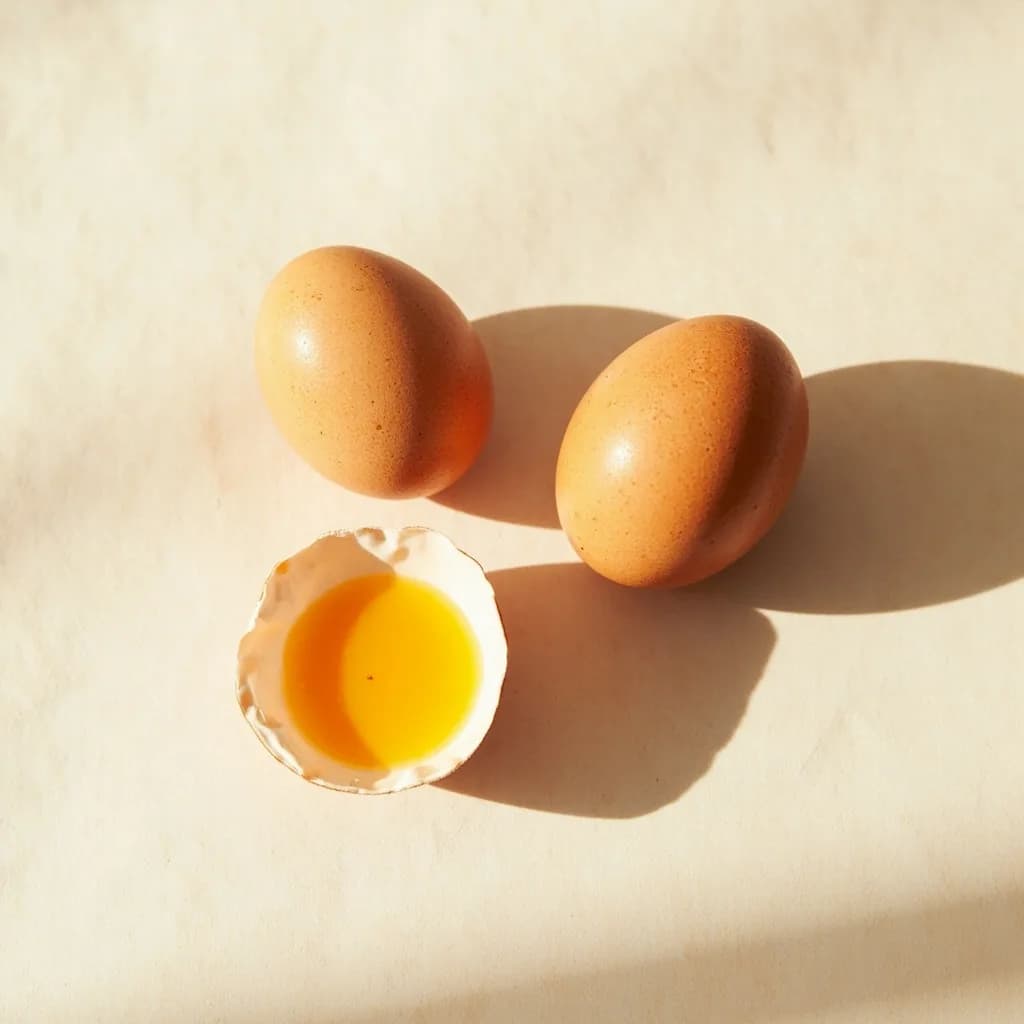
The kitchen's everything ingredient — bind, leaven, enrich, or fry
Chicken Breast
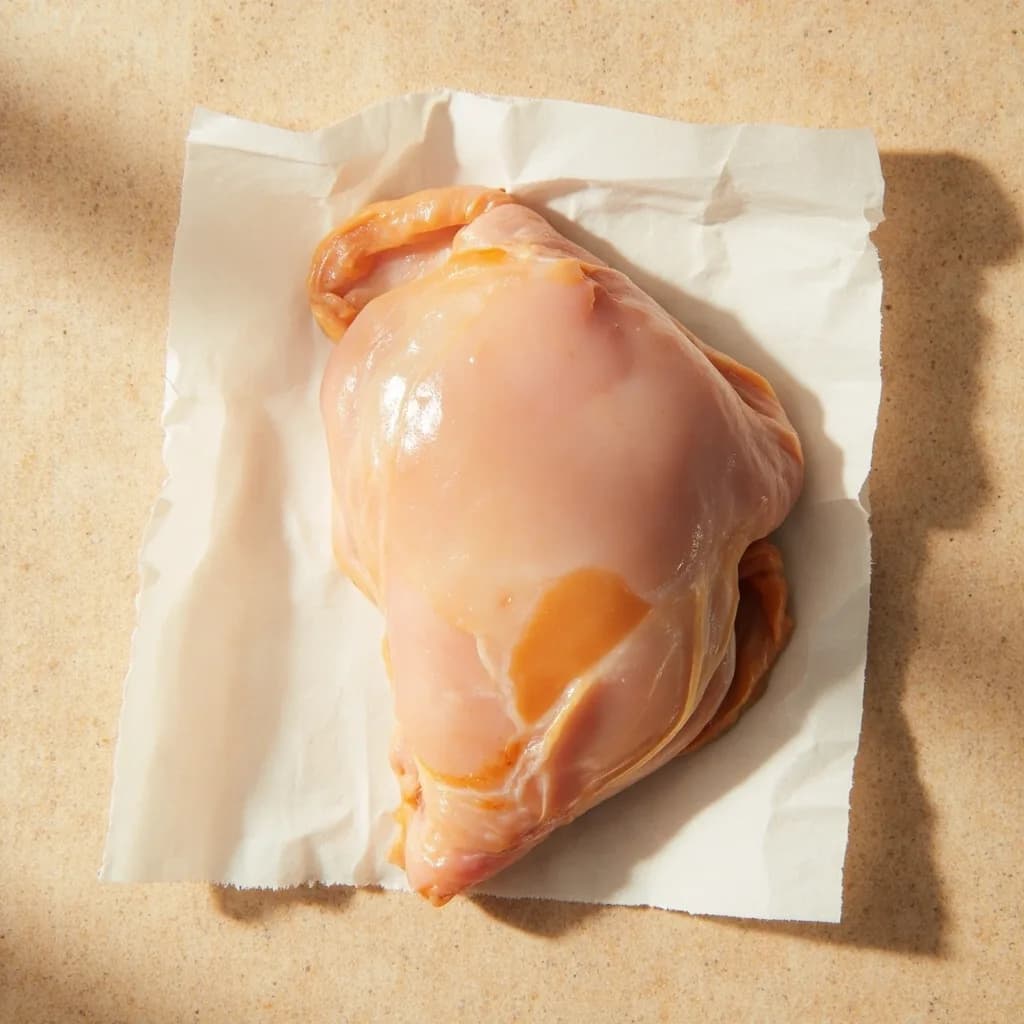
Lean, quick-cooking white meat for everyday dinners

Ground Beef
Versatile minced beef for burgers, ragù, tacos, and meatballs
Pork Loin
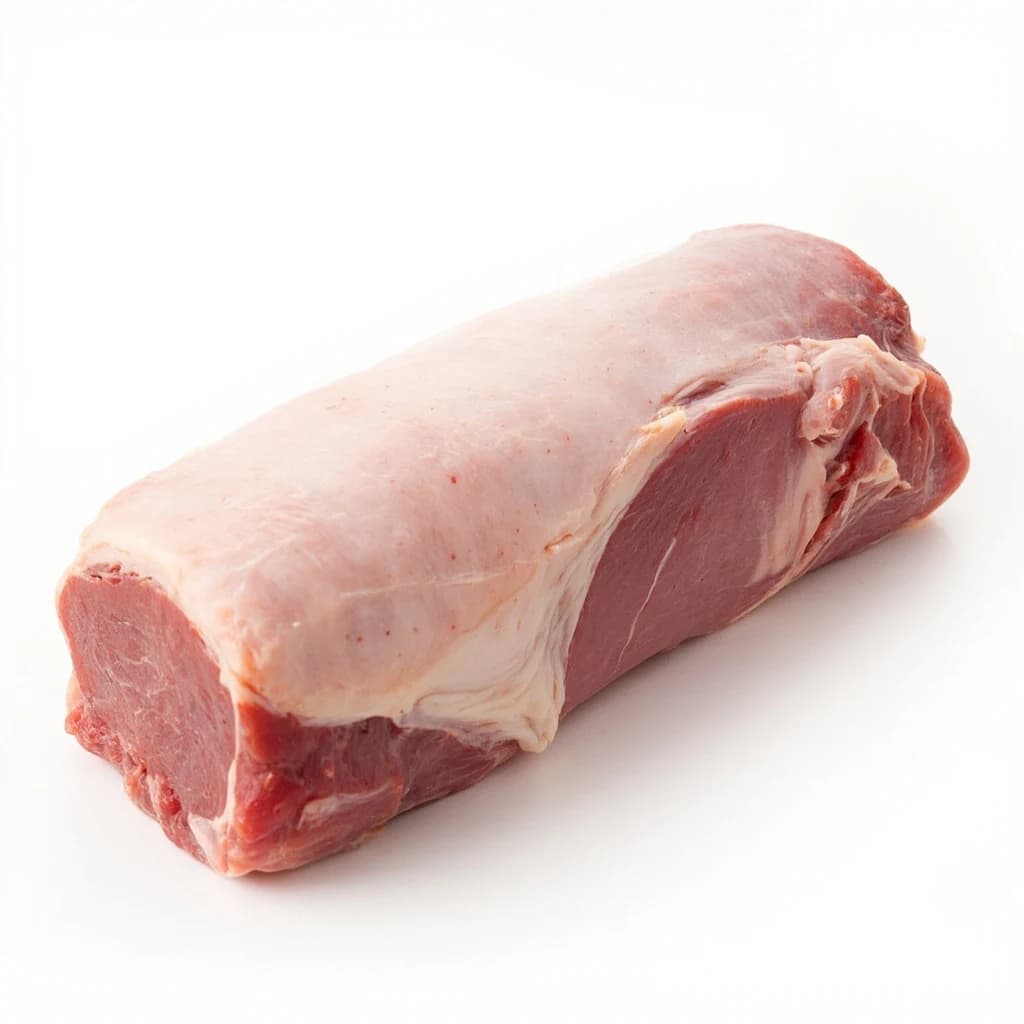
Lean, tender roasting cut that stays juicy with care
Salmon
Rich, rosy fish that roasts, grills, or cures beautifully

Egg White
Pure protein that whips to airy peaks for meringue and more

Egg Yolk
Rich, golden yolk for custards, mayonnaise, and pasta

Quail Egg
Tiny, speckled eggs for garnishing and elegant bites