Grains & Rice
Egyptian Short-Grain Rice
Plump short-grain rice that cooks fluffy yet slightly sticky for Egyptian dishes.
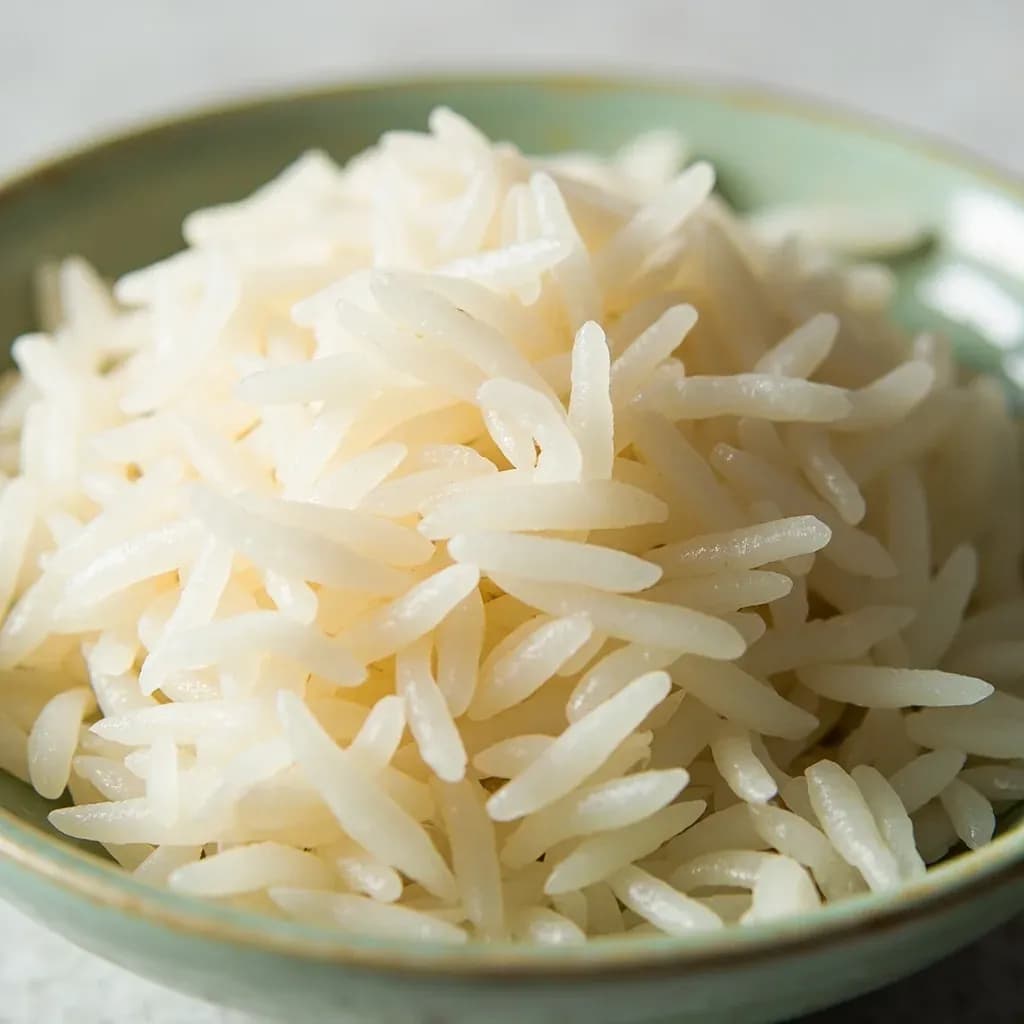
Egyptian short-grain rice is a round, starchy white rice that cooks up tender and lightly clingy. It is the everyday rice of Egyptian cuisine, fried then steamed for the classic buttery pilaf and used in stuffed vegetables (mahshi) and rice puddings. Its plump grains hold together without turning gluey.
Egyptian short-grain rice is a distinct category within the Oryza sativa species, developed for cultivation in the Nile Delta region where rice has been a staple since the medieval period. Unlike the long-grain basmati and jasmine varieties that dominate other cuisines, Egyptian rice produces grains that are visibly shorter—measuring 5.0–5.5 mm on average—and contain low to moderate amylose content (15–22%). This starch composition gives the rice its signature texture: the grains swell plump during cooking yet bind together lightly, holding their shape without becoming mushy or falling apart. The result is a spoonable, slightly sticky consistency that works perfectly for dishes where rice must integrate with bold sauces and other components without dissolving.
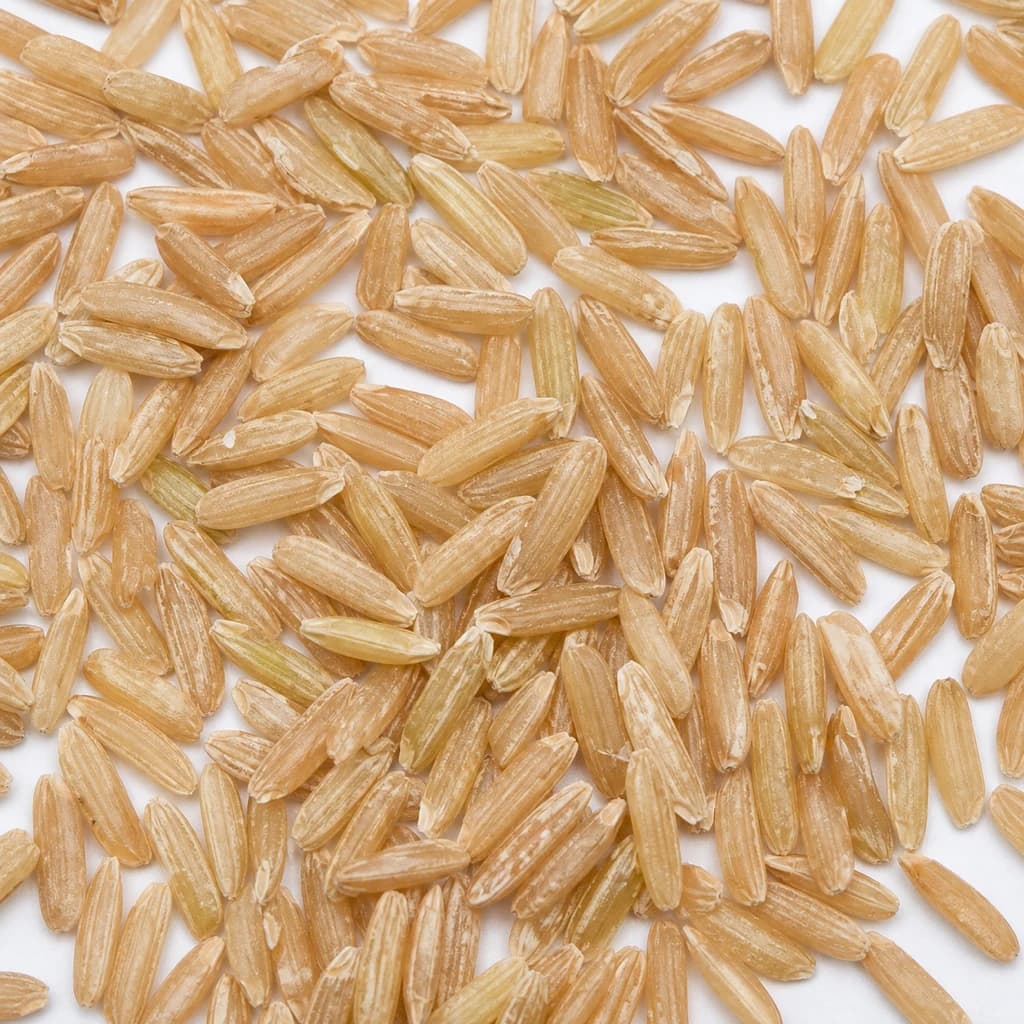
The two primary commercial cultivars, Giza 179 and Giza 181, were developed specifically for Egypt's climate and growing conditions in the Nile Delta governorates of Kafr el-Sheikh, Beheira, and Dakahlia. These varieties represent the benchmark for authentic Egyptian cooking. The white variety dominates traditional Egyptian cuisine, though whole-grain brown versions exist and offer a nuttier flavor with a longer cooking time.
Egyptian rice behaves differently from both long-grain and true short-grain japonica varieties. It requires less water than long-grain rice (1:1.5 to 1:1.75 ratio), cooks in 15–20 minutes after the water reaches a boil, and yields approximately 2.5–3 cups cooked rice per cup raw. The grain's moderate amylose content ensures it holds together in saucy dishes like koshari while remaining tender. This balance—holding individual grain identity yet binding lightly—makes Egyptian short-grain rice irreplaceable in its native cuisine and challenging to replicate with varieties from other traditions.
- Measured in
- g
- Storage
- Pantry
Types & varieties
High-yielding commercial cultivar widely used in Egyptian households and restaurants; produces plump, slightly sticky grains with consistent results
Popular commercial variety with cooking characteristics similar to Giza 179; developed for Egyptian growing conditions
Whole-grain version with bran layer intact; requires longer cooking time (35–45 minutes); nuttier flavor; less common in traditional Egyptian cooking
Common uses
Tips & pitfalls
- Rinse 2–3 times until water runs clear to remove excess surface starch—this prevents the rice from becoming gummy
- Soak 15–30 minutes before cooking for more even hydration and slightly shorter cooking time
- Use the 1:1.5 ratio as your starting point; Egyptian rice absorbs less water than long-grain varieties
- Bring to boil with the lid on, then reduce to lowest heat and cook undisturbed for 12–15 minutes
- Remove from heat and rest covered for 5–10 minutes—this firms up the grains and redistributes surface moisture
- Fluff gently with a fork only after resting; never stir during or immediately after cooking
- For koshari, cook rice separately until just tender (al dente) since it will cook further when combined with lentils
- Store cooked rice in the refrigerator within 2 hours; use within 3–4 days
Nutrition
Energy
1498 kJ · per 100 g
Where the calories come from
Protein
6.5g
13% DV
Carbs
79.2g
29% DV
Fat
0.5g
1% DV
Sodium
1mg
0% DV
Source · USDA FoodData Central · Rice, white, short-grain, raw, unenriched
View on FDC →In the shops
Matched grocery products
No matched grocery products for Egyptian Short-Grain Rice yet.
Good to know
- Origin
- Egypt, primarily the Nile Delta region
- Grain Type
- Short-grain (Oryza sativa)
- Typical Amylose Content
- Low to moderate (15–22%), producing slight stickiness
- Common Cultivars
- Giza 179 and Giza 181 (commercial varieties)
- Average Grain Length
- 5.0–5.5 mm
- Water Ratio
- 1:1.5 to 1:1.75 (rice to water)
- Cooking Time
- 15–20 minutes after water boils
- Yield
- 2.5–3 cups cooked per 1 cup raw
- Shelf Life
- 1–2 years sealed; up to 6 months opened
Substitutes
- Calrose (medium-grain) — Closest substitute; similar stickiness and texture; use 1:1.25 water ratio; slightly longer grain but acceptable for koshari and stuffed vegetables
- Japanese short-grain (sushi rice) — Lower amylose than Egyptian rice, resulting in softer, stickier texture; acceptable for stuffed vegetables but not traditional for koshari
- Arborio — Too starchy and creamy when cooked; use only for rice puddings, not savory dishes requiring distinct grains
- Italian Vialone Nano — Medium-grain; works for rice-based preparations but not traditional Egyptian dishes
Pairs with
Also called
Egyptian Rice
Appears in these dishes
Related

White Rice
Fluffy long-grain rice — the neutral base for almost any meal

White Bread
Soft sandwich loaf for toast, sandwiches, and crumbs
Brown Rice
Nutty, whole-grain rice with chew and extra fiber

Basmati Rice
Fragrant, long-grain rice that cooks up light and separate
Jasmine Rice
Soft, floral-scented rice that's the pillar of Thai meals
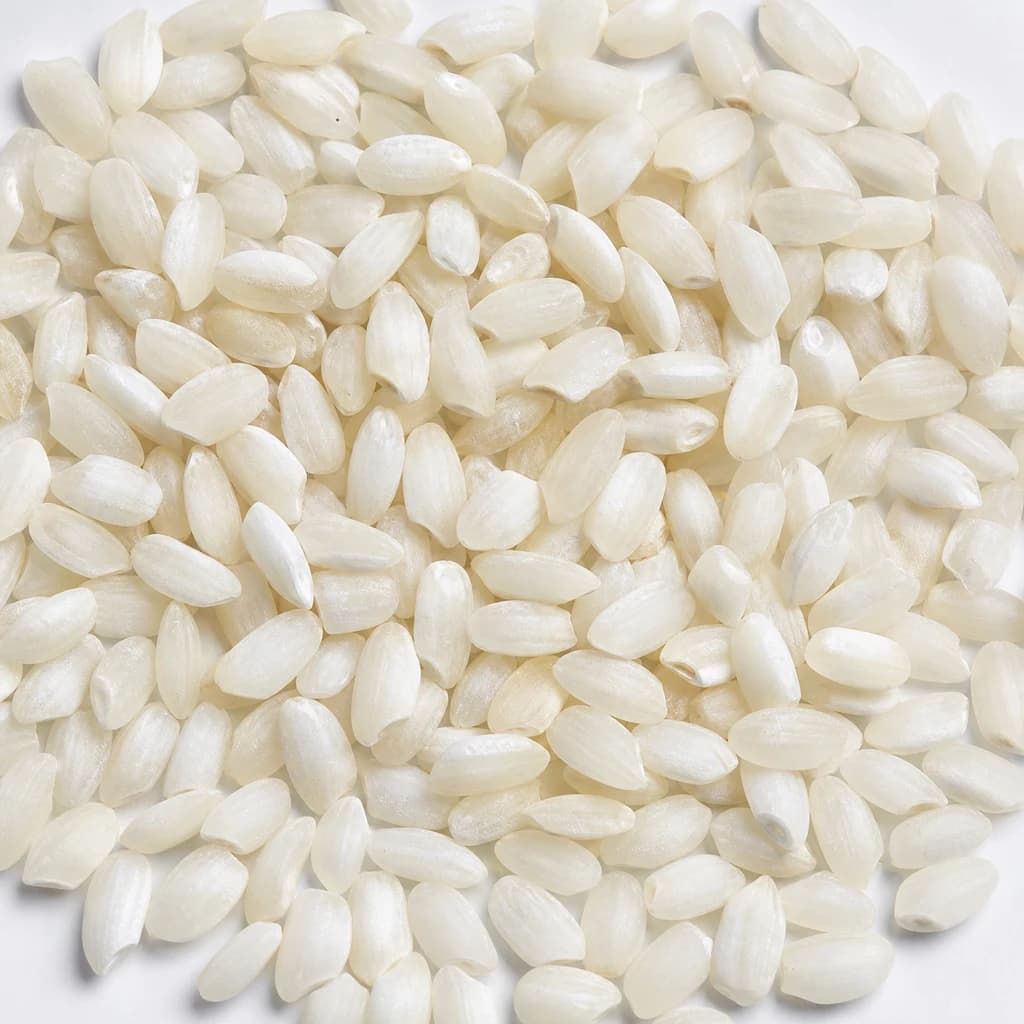
Arborio Rice
Plump, starchy rice that makes risotto creamy
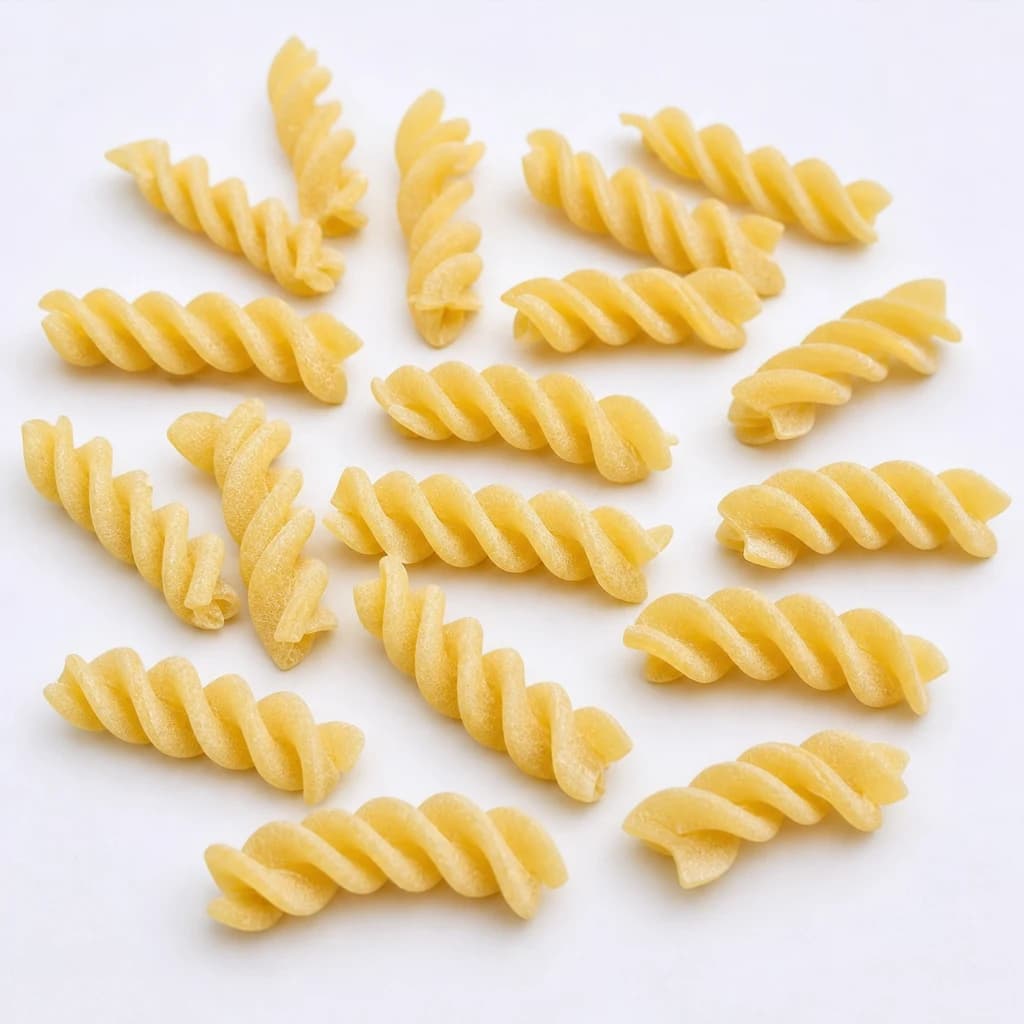
Fusilli
Spiraled pasta that twirls up sauce and dresses cold salads
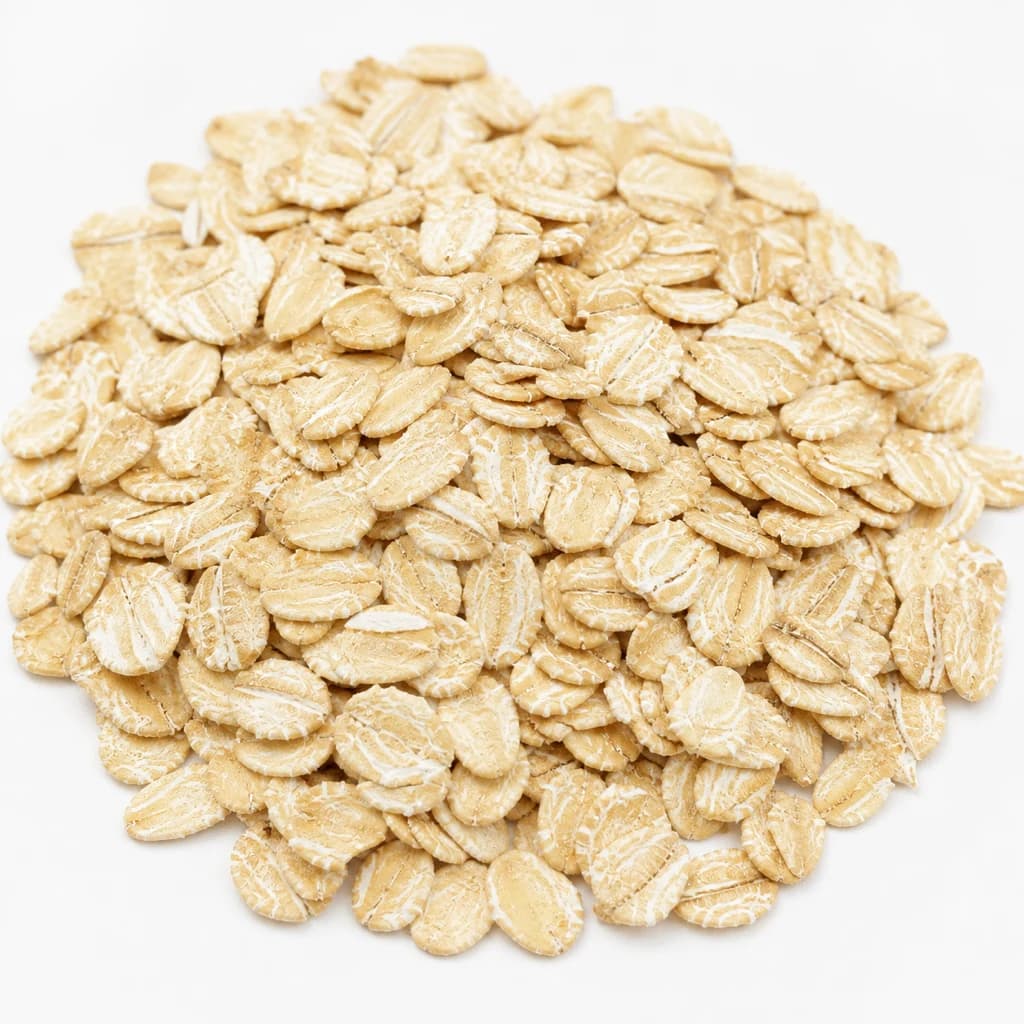
Rolled Oats
Hearty flakes for porridge, granola, and chewy cookies