Proteins
Falukorv Sausage
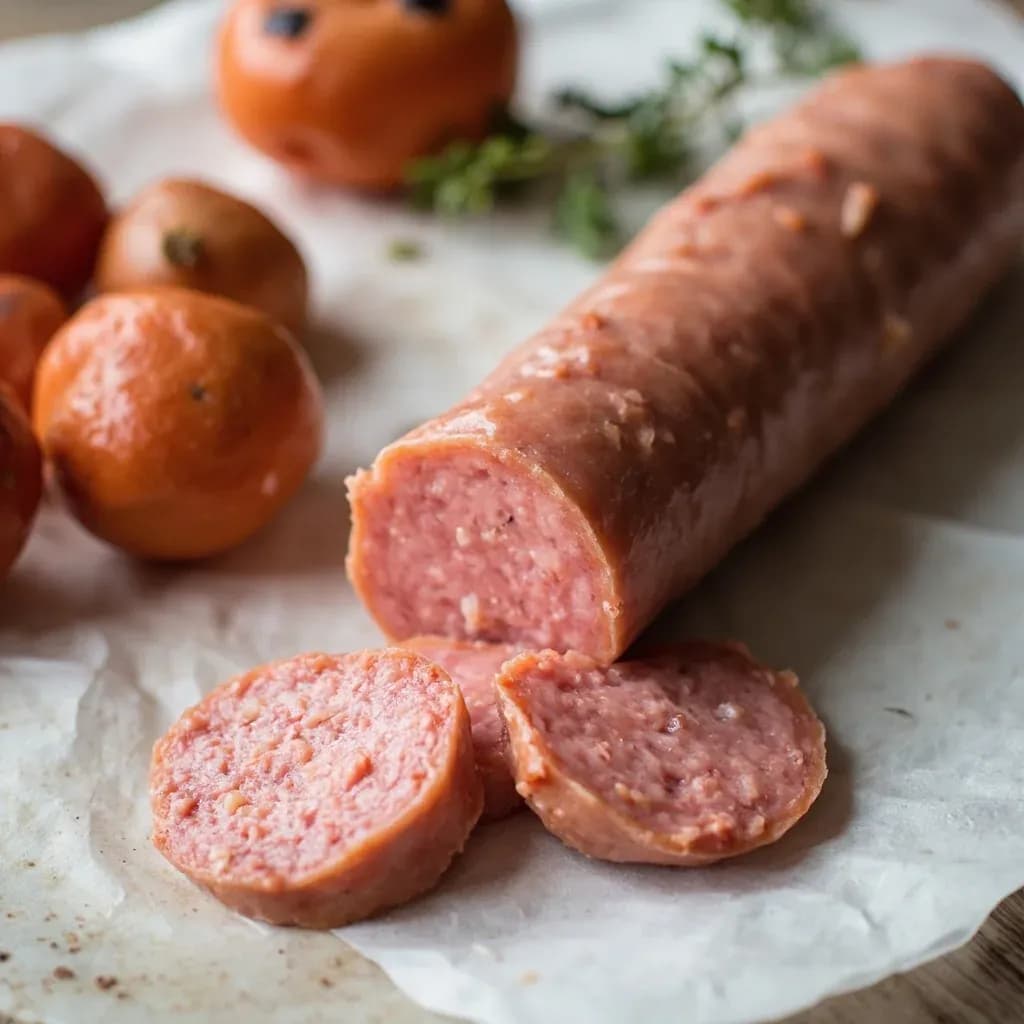
Mild Swedish smoked pork-and-beef sausage sold as a thick precooked log.
Falukorv is a Swedish smoked sausage made from pork and beef with potato starch, sold as a large precooked ring or log. It is sliced and pan-fried, baked with cheese, or cut into strips for everyday family meals. Its mild, lightly smoky flavor makes it a children's favorite.
Falukorv is a thick, fully cooked Swedish sausage made from roughly 60% pork and 40% beef, cold-smoked for several days to develop its characteristic reddish-pink hue and mild smoky backbone. It originated in Falun, Dalarna, in the 17th–18th century and has since become a cornerstone of Swedish home cooking and institutional food—most famously appearing in school lunches across the country, where generations of Swedes have encountered it baked with onions and stock. The sausage is legally classified as a charkuteri (charcuterie) product in Sweden, which means its minimum 40% meat content and traditional preparation method are protected by food law.
Because falukorv is already cooked, it requires only gentle reheating—a fact that makes it remarkably forgiving for home cooks. When cold, it slices cleanly into firm medallions; when heated, the interior becomes tender and yielding while the casing develops a pleasing snap. The flavor is mild and savory, with subtle smokiness that lets it absorb the character of whatever it is cooked alongside. This adaptability is part of its enduring appeal: it can carry a rustic dinner or sit quietly on a smörgås without demanding attention.
The sausage's large diameter—typically 5 to 8 centimeters—and substantial weight make it a satisfying centerpiece for simple meals. It performs equally well in quick weeknight preparations and elaborate julbord spreads, bridging the gap between everyday comfort food and festive occasion.
- Measured in
- g
- Storage
- Fridge
Types & varieties
Traditional pork-and-beef recipe bound with potato starch filler; the standard against which all others are measured
Major commercial brand, widely available in Swedish supermarkets and the variety most likely encountered internationally
Traditional producer from the Falun region; maintains heritage preparation methods close to the original recipe
Lower-fat versions made with poultry or modified recipes; suitable for everyday cooking but slightly less succulent
Pre-wrapped for grilling; a convenience product that adds crisp bacon texture and extra fat for the grill
The Role of Falukorv in Swedish Food Culture
Falukorv occupies a unique position in Swedish culinary identity. It is neither a premium artisanal product nor an afterthought—it is deeply democratic food, equally at home on a student's budget meal and as part of the lavish Christmas julbord. Its presence in Swedish school cafeterias has made it a food that nearly every Swede has a personal memory of, which gives it an emotional resonance that transcends its humble ingredients. In Scandinavian specialty shops outside Sweden, it serves as a touchstone: the sausage that signals authenticity and invites cooks to assemble a proper Swedish plate.
- Legally protected as a charkuteri product under Swedish food law
- A defining element of Swedish institutional cooking since at least the mid-20th century
- Available year-round but most associated with winter and holiday cooking
Avoiding the One Critical Mistake
The only real risk when cooking falukorv is overcooking. Because it arrives fully cooked, the goal is simply to bring it to serving temperature and, if desired, develop color on the exterior. In a hot pan, this takes roughly 2 to 3 minutes per side. In a 200°C oven, 15 to 20 minutes is sufficient for sliced medallions. Extended cooking causes the meat proteins to tighten, expelling moisture and leaving the sausage tough, dry, and mealy. When falukorv is described as disappointing, overcooking is almost always the cause.
- Watch for a gentle sizzle rather than aggressive bubbling when pan-frying
- Thick cross-sections will steam themselves if covered, which is fine—do not add water
- Under a broiler, 1 to 2 minutes per side is plenty; stay nearby
Common uses
Tips & pitfalls
- Diagonal cuts create attractive oval slices and maximize the surface area available for browning and crust formation
- Score the casing lightly with a knife before baking to prevent the sausage from bursting as the interior heats and expands
- A high broiler finish after baking gives the exterior satisfying color and texture without reheating the interior to excess
- Sharp stone-ground mustard (preferably Swedish) is the correct condiment—its coarse texture and acidity cut through the mild sausage far more effectively than ketchup or sweet mustard
- When slicing cold for sandwiches, let the sausage sit at room temperature for 10 minutes; cold fat makes the slices crumble rather than slice cleanly
- Wrap tightly after opening—falukorv dries out quickly and absorbs odors from other foods in the refrigerator
- When grilling bacon-wrapped falukorv, start with the seam-side down to render the bacon fat and create a crispy seal before rotating
- Leftover baked falukorv cubes freeze well for up to 2 months; add directly to soups or stews without thawing
Nutrition
Energy
649 kJ · per 100 g
Where the calories come from
Protein
18.8g
38% DV
Carbs
0.5g
0% DV
Fat
8.1g
10% DV
Fiber
0g
0% DV
Sugars
0g
of which
Sodium
593mg
26% DV
Source · USDA FoodData Central · approx. Sausage, turkey, fresh, raw
View on FDC →In the shops
Matched grocery products
No matched grocery products for Falukorv Sausage yet.
Good to know
- Origin
- Falun, Dalarna, Sweden (17th–18th century)
- Meat Content
- Typically 60% pork, 40% beef; minimum 40% meat required by Swedish law
- Form
- Thick precooked log, usually 5–8 cm diameter, sold in lengths of 30–50 cm
- Smoking
- Cold-smoked for several days, giving characteristic reddish-pink color and mild smoky flavor
- Texture
- Firm and sliceable cold; becomes tender and yielding when heated
- Preparation
- Fully cooked; requires only gentle reheating through
- Season
- Available year-round; traditional and especially associated with winter and holiday cooking
- Storage (unopened)
- Refrigerate; use by date typically 3–4 weeks
- Storage (opened)
- Wrap tightly; use within 5–7 days
Substitutes
- Kielbasa — Polish smoked sausage; similar firm texture and smokiness but slightly more garlicky; fully cooked, works in all applications
- Cabanossi — Mildly smoked, fully cooked pork sausage; very similar in flavor profile, diameter, and texture; direct substitute in most preparations
- Bockwurst — German veal-and-pork sausage; milder and not smoked; best for baked or pan-fried preparations where the lack of smokiness is not critical
- Danish medisterpølse — Thick, lightly smoked pork sausage; similar diameter and tender texture when cooked; may require adjustment of added seasonings as it tends toward more herbal notes
- Mettwurst — German/Nordic semi-firm smoked sausage; works in sandwiches or crumbled into egg dishes and casseroles; slightly softer texture when cold
Pairs with
Also called
Falu Sausage
Related

Egg
The kitchen's everything ingredient — bind, leaven, enrich, or fry
Chicken Breast
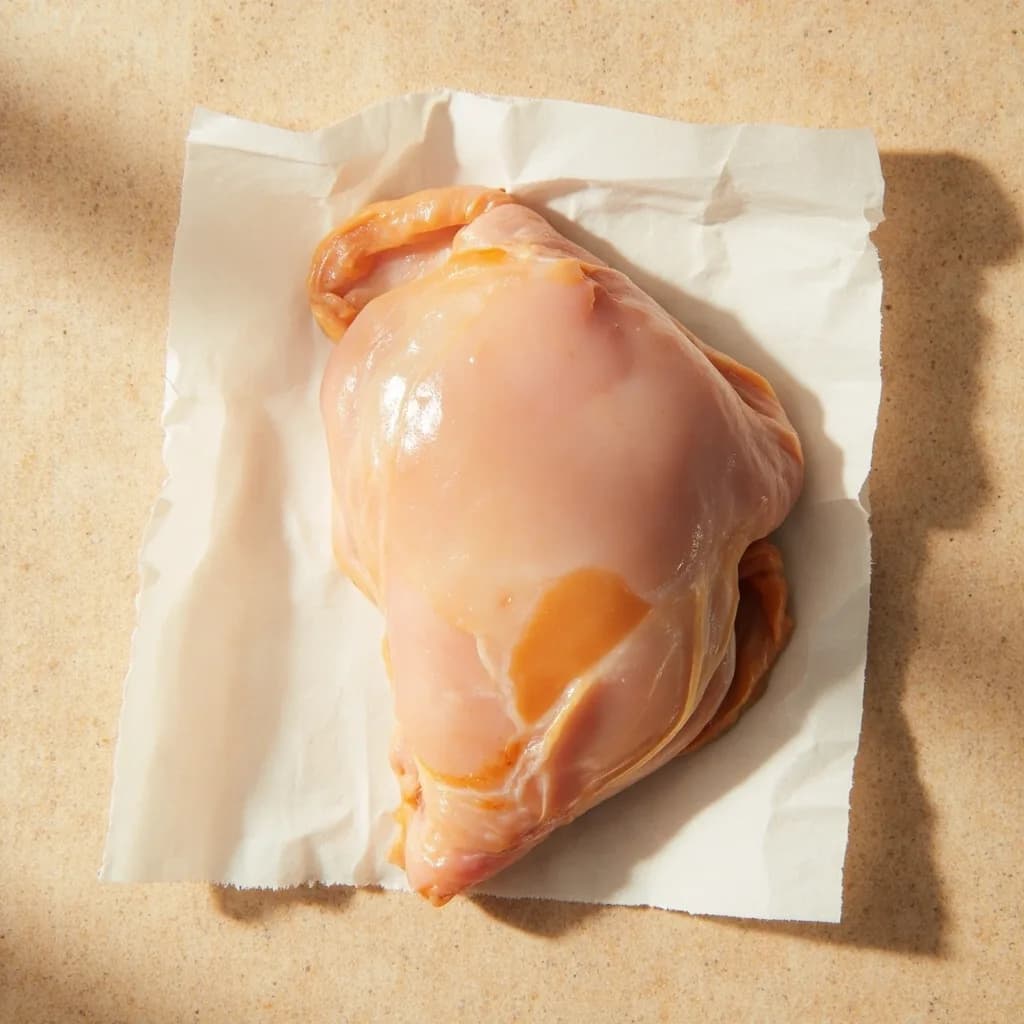
Lean, quick-cooking white meat for everyday dinners

Ground Beef
Versatile minced beef for burgers, ragù, tacos, and meatballs
Pork Loin
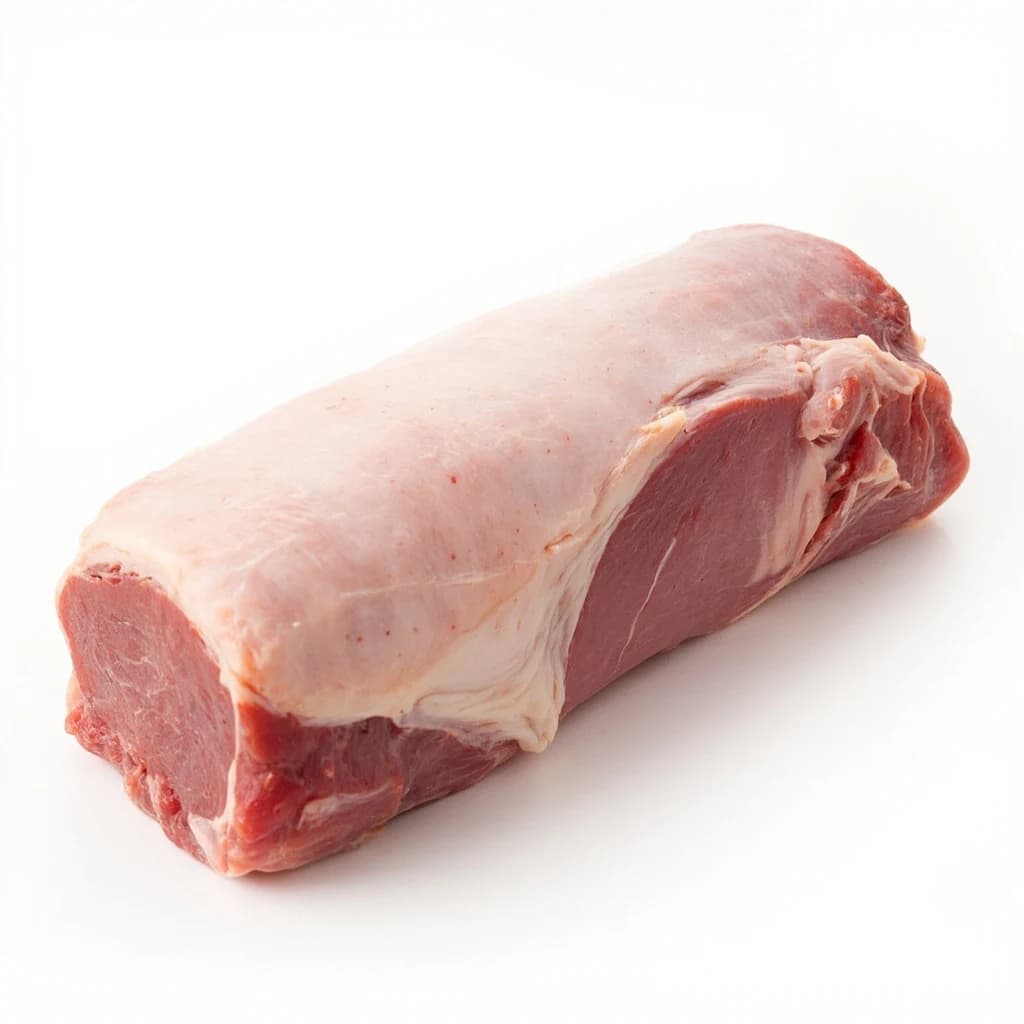
Lean, tender roasting cut that stays juicy with care
Salmon
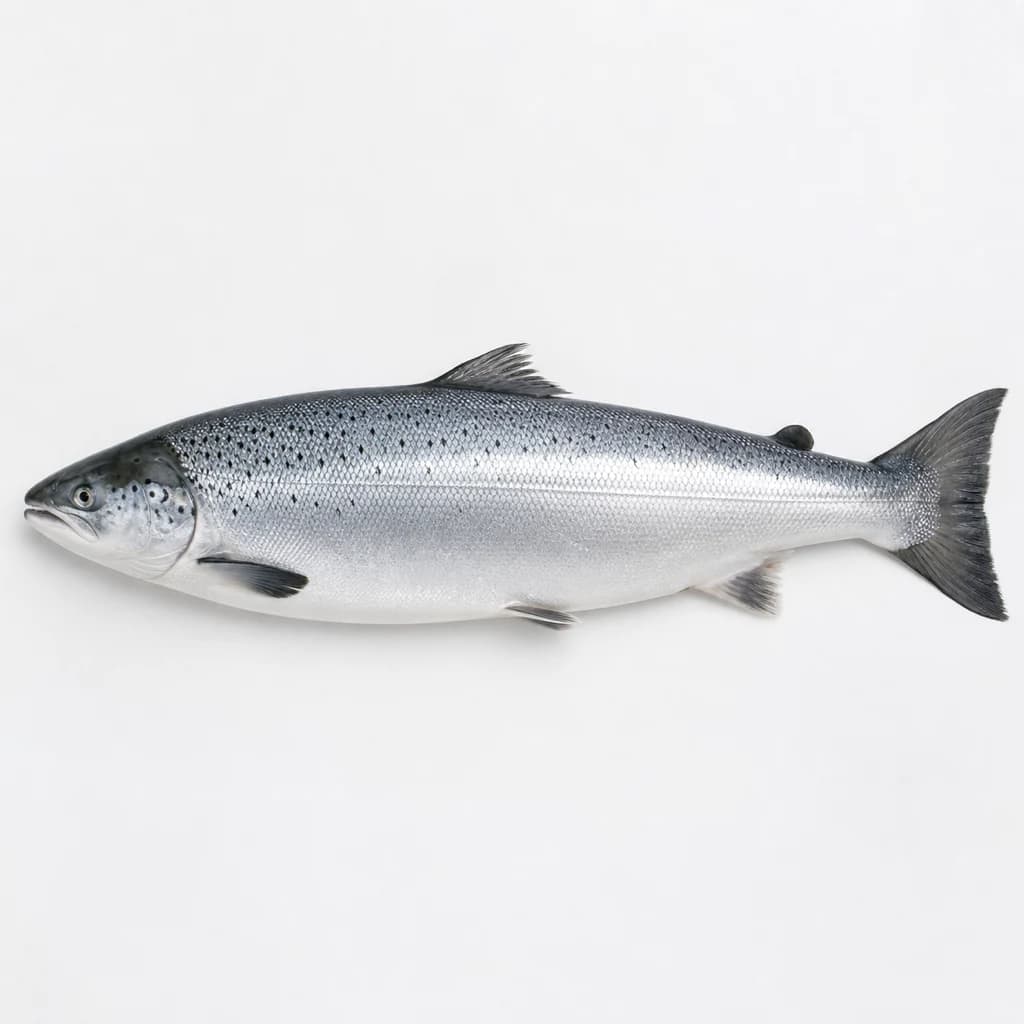
Rich, rosy fish that roasts, grills, or cures beautifully

Egg White
Pure protein that whips to airy peaks for meringue and more

Egg Yolk
Rich, golden yolk for custards, mayonnaise, and pasta

Quail Egg
Tiny, speckled eggs for garnishing and elegant bites