
Proteins
Kielbasa
Garlicky smoked Polish pork sausage, sliced into stews, soups, and grilled platters.
Kielbasa is a Polish sausage, most familiar in its smoked pork form seasoned heavily with garlic and marjoram. It is sliced into hearty dishes like bigos and pea soup, grilled, or pan-fried and served with mustard and bread. Firm and intensely savory, it is generally pre-cooked and only needs heating, making it a versatile pantry-and-fridge staple in Central and Eastern European kitchens.
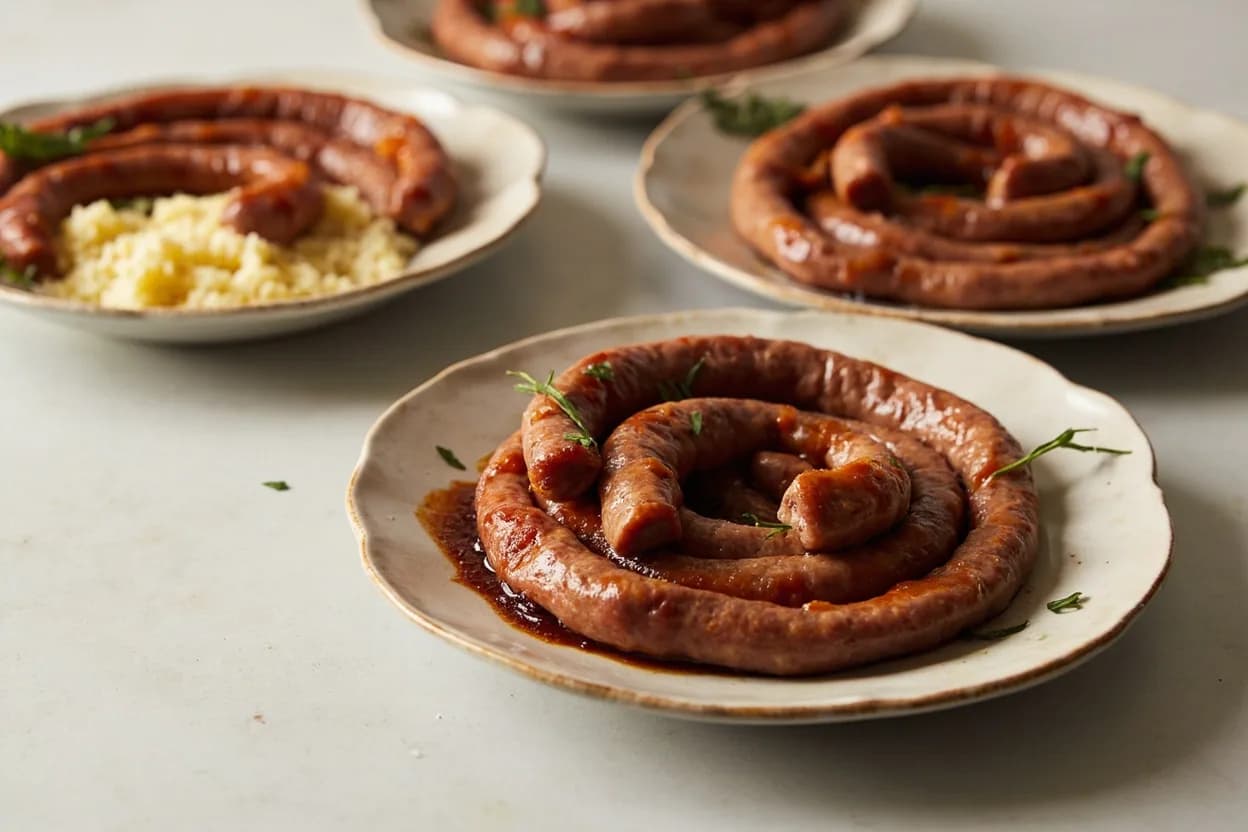
Kielbasa is Poland's national sausage — the word itself simply means 'sausage' in Polish, reflecting how central it is to the cuisine. The most common variety found outside Poland is Wiejska, a coarse-ground smoked pork sausage seasoned with garlic, marjoram, and black pepper, curved into its characteristic horseshoe shape. Unlike fresh sausages, kielbasa is fully cooked and smoked during production, which means it requires only reheating — but that distinction is precisely where most cooks go wrong. The pre-cooked label tempts people to simply warm it through, producing a flabby, muted result. What distinguishes excellent kielbasa is the firm snap of the natural pork casing and the caramelized, almost lacquered surface achieved through proper browning. The rendered fat is intensely flavored with garlic and smoke, functioning as a seasoning agent in traditional Polish cooking rather than merely a protein. Regional varieties reflect Poland's diverse microclimates: northeastern kielbasa tends to be more garlicky and smoked over alder wood, while Silesian varieties emphasize black pepper. In American markets, quality varies enormously — mass-market versions are often formulated with water and starch that dilute both texture and taste.
- Measured in
- g
- Storage
- Fridge
Types & varieties
Ultra-thin, long, dried or semi-dried pork sausages; intensely garlicky; sold in braided links; typically eaten cold as an appetizer but can be grilled briefly
Fresh, unsmoked pork sausage; pale in color; must be fully cooked; the essential base for żurek and white barszcz soups
The most common supermarket variety; coarse-ground pork with marjoram and garlic; mildly smoked; good all-purpose kielbasa
Straight rather than curved; heavily smoked; drier, denser texture; excellent for slicing thin
Drier, cured, sometimes gamey; can be aged; eaten sliced and cold or heated
Regional northeastern variety; pork with higher fat content; smoked over alder wood; particularly garlicky
Silesian variety; coarser grind; distinct garlic and pepper flavor; holds shape well when sliced
Fully cooked, thinly sliced for sandwiches; American-style adaptation; very smoky, often seasoned with paprika
The Sausage as Aromat
In traditional Polish cooking, kielbasa functions not only as a protein but as a flavor base. Rendered fat from fried kielbasa serves as an aromat — building savory depth in the pot before other ingredients are added. This technique appears throughout Polish cuisine: fry kielbasa in a heavy Dutch oven, remove and reserve, then cook onions and cabbage in the garlicky, smoky fat for bigos or kapusniak. The fat carries the aromatic compounds that water-based cooking cannot extract efficiently, creating a foundation of flavor that permeates the entire dish. Never discard this fat; it is the most flavorful cooking medium in the dish.
- Fry kielbasa first in a dry or lightly oiled pan to render fat and develop Maillard crust
- Remove sausage, then cook aromatics in the rendered fat
- Use this fat for caramelizing onions, potatoes, or cabbage before adding liquids
- The fat can be refrigerated and reused for 1–2 weeks
Common uses
Tips & pitfalls
- Always brown the casing before serving — unheated kielbasa has a flabby texture and muted flavor; a hard sear develops the characteristic snap and caramelizes the surface spices
- Simmer before grilling if you want interior heat without burning the outside; place in a pot of water, bring to a gentle boil, then move to the grill for the final char
- Do not pierce the casing before cooking — piercing releases juices and fat, causing the sausage to dry out and lose its snap
- For soup applications, add sliced kielbasa in the last 15–20 minutes of cooking — extended boiling makes the casing tough and the meat mealy
- Use the rendered fat from pan-fried kielbasa to caramelize onions or potatoes; it is packed with garlic and spice flavor
- Store-bought kielbasa varies widely in quality — look for high pork content (first ingredient), minimal fillers, and visible smoke color; avoid those with excessive water or starch listed early
- In bigos, sear kiełbasa chunks separately before adding to the stew — this develops Maillard flavor that infuses the entire dish
- If using in a salad, refrigerate cooked and sliced kielbasa on a tray before combining with other ingredients — this prevents the casing from going soft and sticking
Nutrition
Energy
649 kJ · per 100 g
Where the calories come from
Protein
18.8g
38% DV
Carbs
0.5g
0% DV
Fat
8.1g
10% DV
Fiber
0g
0% DV
Sugars
0g
of which
Sodium
593mg
26% DV
Source · USDA FoodData Central · Sausage, turkey, fresh, raw
View on FDC →In the shops
Matched grocery products
No matched grocery products for Kielbasa yet.
Good to know
- Origin
- Poland; kiełbasa simply means 'sausage' in Polish
- Primary Meat
- Pork (sometimes with beef or veal)
- Casing
- Natural pork intestine; occasional collagen
- Flavor Profile
- Garlic-forward, lightly smoked, mildly spiced with pepper and marjoram
- Texture
- Firm, fine to medium grind; characteristic snap from natural casing
- Preparation State
- Pre-cooked and smoked; requires only reheating, but needs browning for best results
- Grill/Pan-Fry Time
- 8–12 minutes, turning every 2–3 minutes for even browning
- Refrigerated Shelf Life
- 2 weeks in original packaging; up to 3 weeks tightly wrapped
- Frozen Shelf Life
- Up to 6 months in airtight packaging
Substitutes
- Andouille — French-Cajun smoked pork sausage; similar smokiness but less garlic and more spice heat; works well in soups and braises
- Italian Sausage (Mild or Hot) — Fresh pork sausage with fennel; not smoked but provides comparable body and fat content; brown well before using
- Chorizo (Spanish) — Heavily paprika-spiced cured pork sausage; not a direct substitute due to flavor dominance, but acceptable in cooked applications like beans or stews
- Brats (Bratwurst) — German fresh pork sausage; milder, less garlicky; can be poached then browned as a close texture match
Pairs with
Also called
Sausage (Kielbasa) · Klobása Sausage · Russian Sausage · Polish Sausage
Appears in these dishes
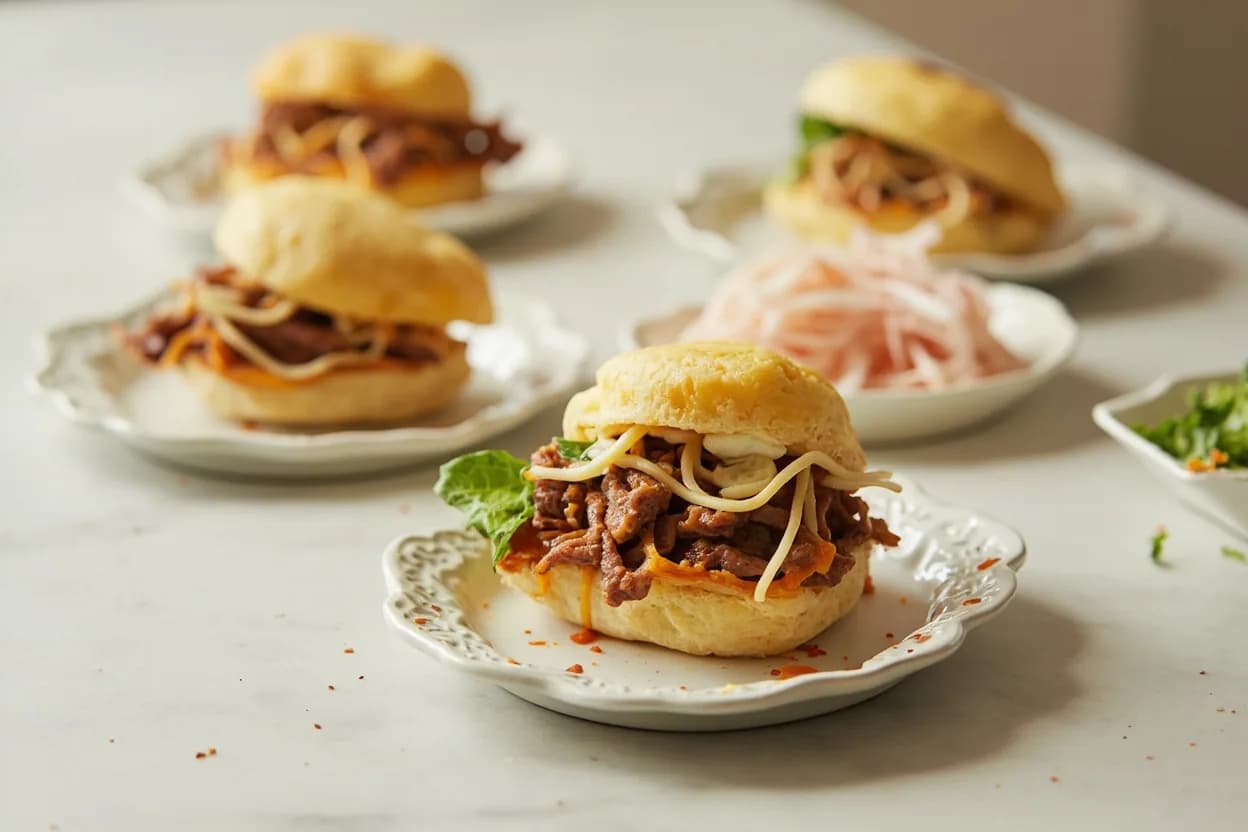
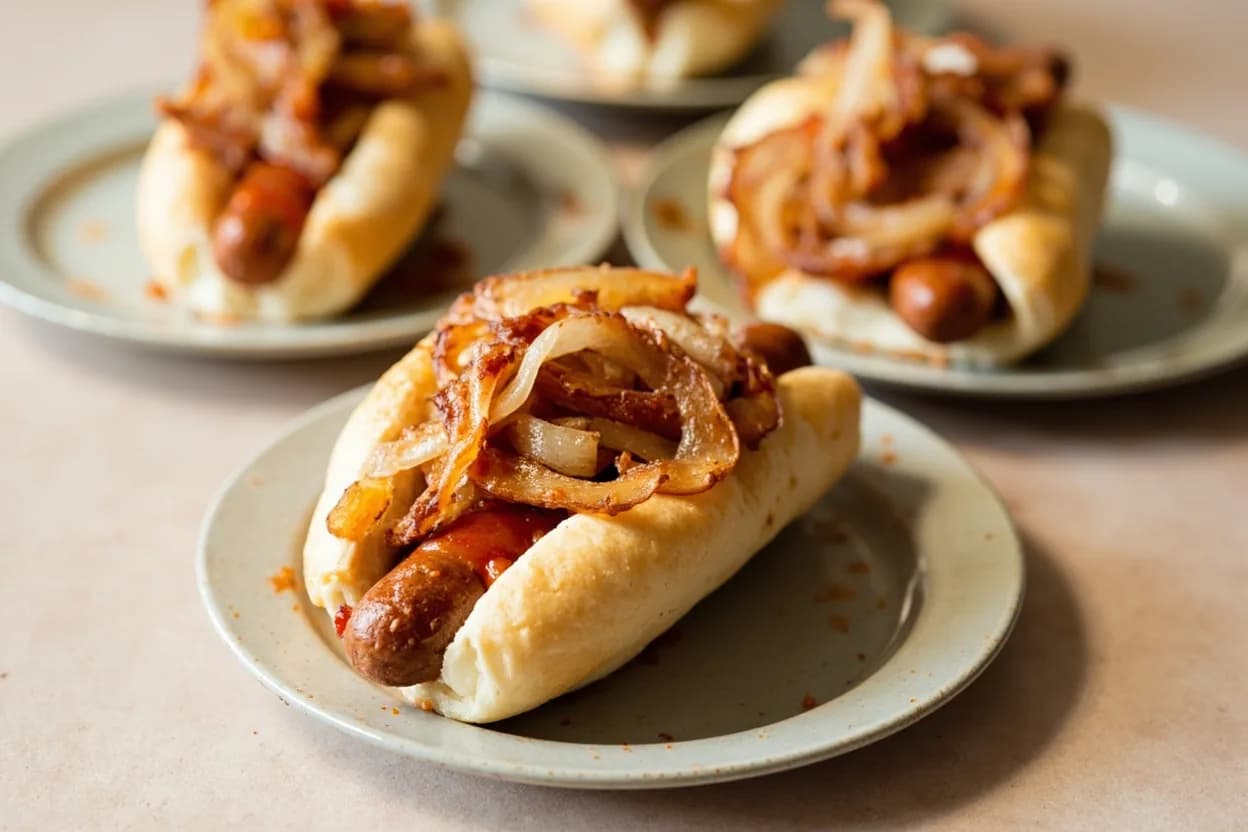
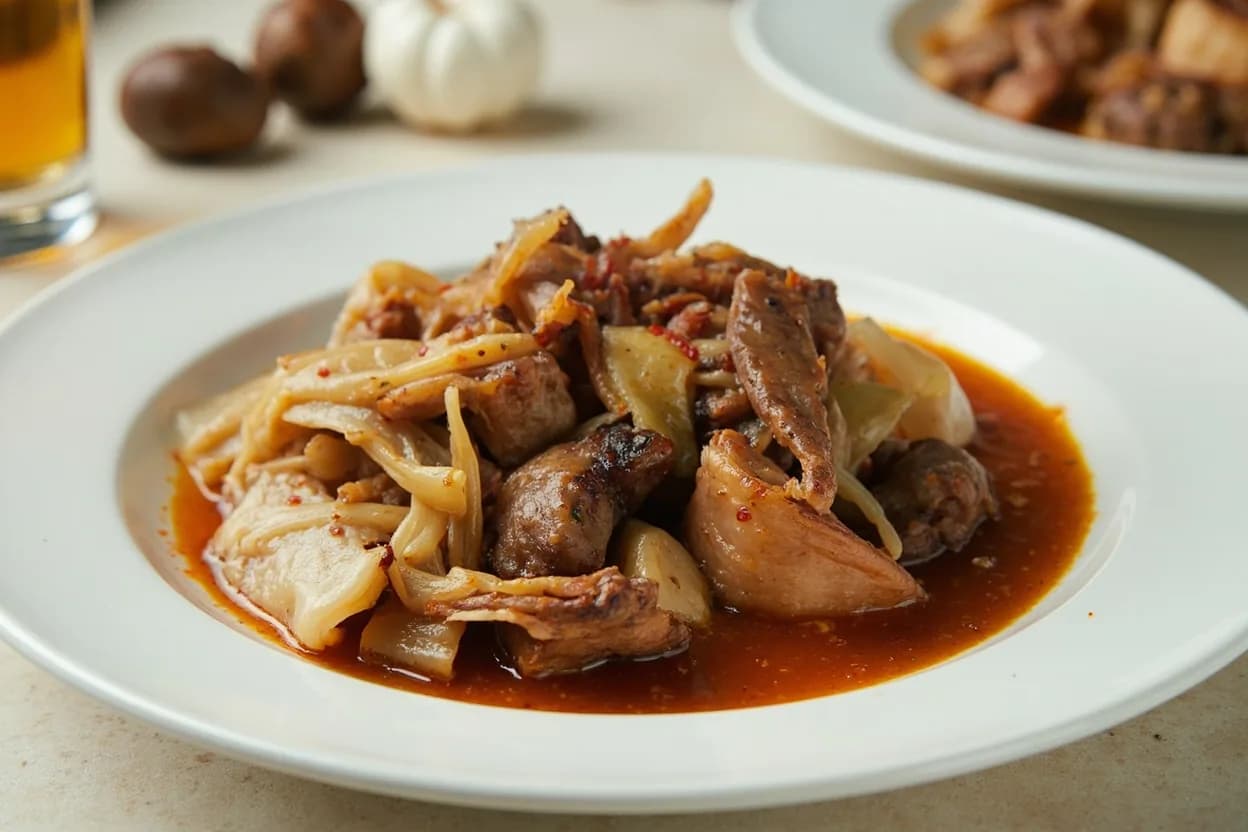
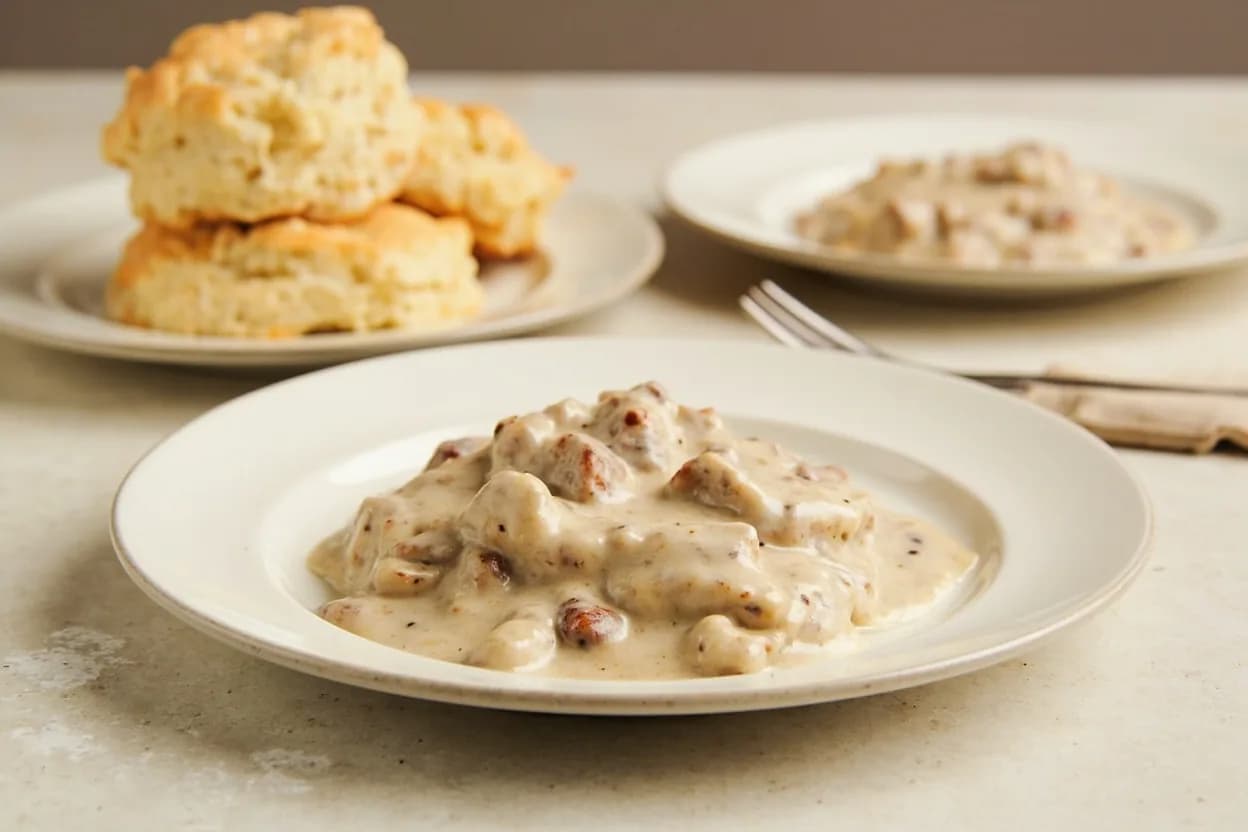
Related

Egg
The kitchen's everything ingredient — bind, leaven, enrich, or fry
Chicken Breast
Lean, quick-cooking white meat for everyday dinners

Ground Beef
Versatile minced beef for burgers, ragù, tacos, and meatballs
Pork Loin
Lean, tender roasting cut that stays juicy with care

Salmon
Rich, rosy fish that roasts, grills, or cures beautifully

Egg White
Pure protein that whips to airy peaks for meringue and more

Egg Yolk
Rich, golden yolk for custards, mayonnaise, and pasta

Quail Egg
Tiny, speckled eggs for garnishing and elegant bites