Grains & Rice
Fideos
Short thin wheat noodles toasted and simmered in Spanish and Mexican dishes.
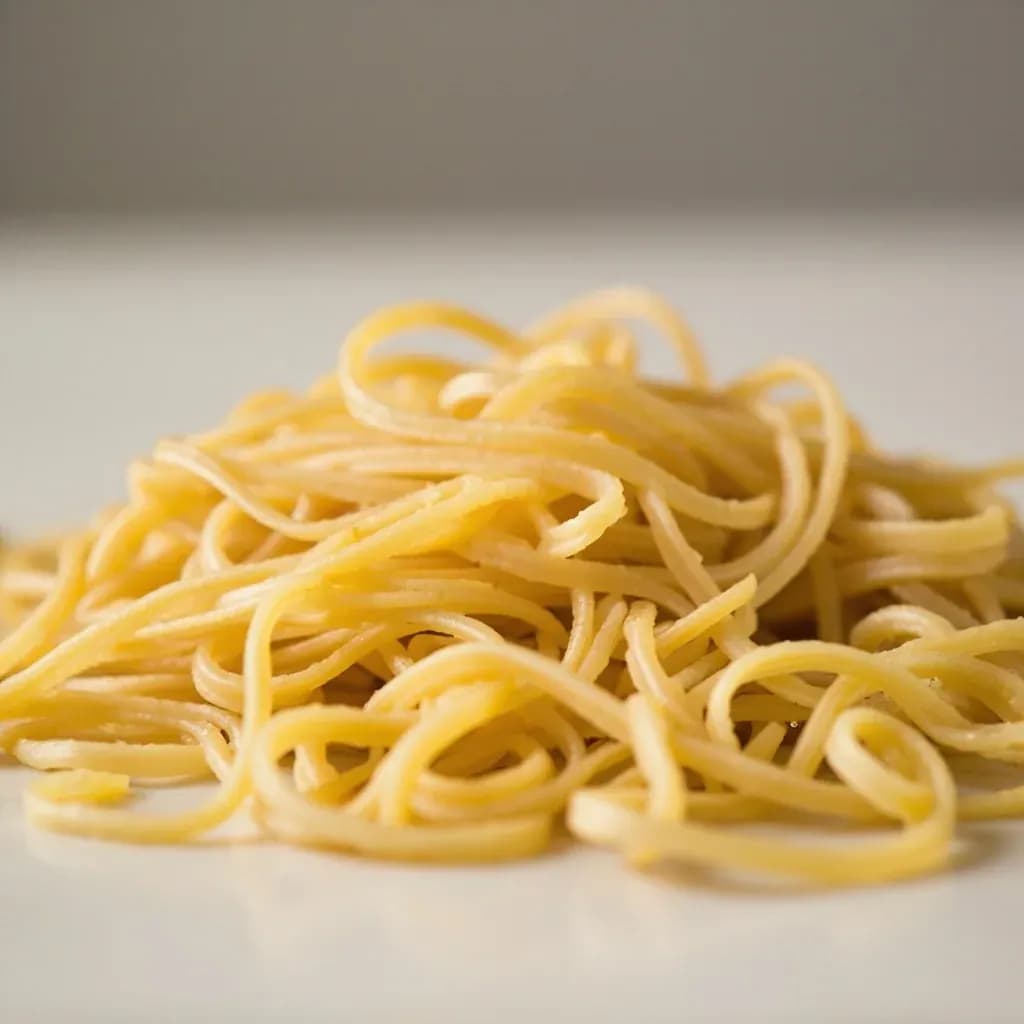
Fideos are short, thin wheat noodles, usually cut into small pieces or coiled. Common in Spanish, Mexican, and Sephardic cooking, they are often toasted in oil until golden before being simmered in broth, as in sopa de fideo and fideuà. Toasting gives them a nutty depth.
Fideos are short-cut dried wheat noodles that occupy a specific niche in the pasta world — they are not simply broken spaghetti. The short length, thin diameter, and typically low egg content (or egg-free composition) give them distinct behavior from standard pasta shapes. Originating in Spain, where they form the foundation of fideuà — the celebrated Valencian "noodle paella" — fideos were adopted wholesale into Mexican cuisine, where they appear in soups, rice dishes, and as crispy garnishes. The defining characteristic of fideos cookery is the initial toast in olive oil, which develops Maillard reaction flavors and creates a nutty, slightly crispy exterior. This toasting step is non-negotiable in authentic preparations; it prevents the noodles from becoming mushy during simmering and distinguishes fideos dishes from ordinary noodle soups. In Spain they are traditionally sold in simple paper bundles; in Mexican markets they often come coiled or slightly curved. Quality varies significantly by brand — Spanish fideos tend to have a firmer texture that toasts evenly, while some Mexican brands can become overly soft when cooked.
- Measured in
- g
- Storage
- Pantry
Allergens
Types & varieties
Very thin noodles, 1–1.5 mm wide; standard choice for soups and fideuà
Thicker noodles, 2–3 mm wide; used in heartier stews and broths where they must hold shape longer
Extremely thin, similar to angel hair; primarily for delicate soups
Thicker, sturdier noodles engineered to hold shape when fried; common in Mexican cuisine
Toasting: The Non-Negotiable Step
The toast is what separates fideos from all other pasta shapes. Without it, you have ordinary noodles in broth. With it, you develop a nutty, complex flavor and a slightly crisp edge that holds up during simmering. Heat 2–3 tablespoons of olive oil per 100g of fideos in a wide, shallow pan over medium heat. Add the noodles and stir constantly for 3–5 minutes until golden and fragrant. The oil should shimmer and the noodles should sound slightly dry as they toast — this is correct. If the oil is smoking, reduce heat immediately. Do not walk away during this step; they go from golden to burnt quickly. Once toasted, proceed immediately to adding warm liquid.
- Use enough oil to coat each noodle — insufficient oil leads to uneven toasting and sticking
- The toasted noodles should smell nutty, like toasted breadcrumbs
- Resist the urge to add garlic or aromatics to the oil before toasting; add garlic after the noodles are golden, just 30 seconds before the liquid, or it will burn
Choosing the Right Pan
A wide, shallow pan is essential for proper fideos cookery. The wide surface allows noodles to toast evenly in a single layer, and the shallow depth ensures proper steam circulation during simmering. A paella pan is ideal for Spanish preparations, but a large skillet (12–14 inches) works well for most home cooking. Deep pots are unsuitable — they trap steam, prevent proper toasting, and create uneven cooking. For soups where fideos are added to existing broth, a medium saucepan suffices, but still toast them first in a separate pan.
- Enameled cast iron and stainless steel both work well for toasting and simmering
- Avoid nonstick pans for toasting — you want the slight fond development for flavor
Spanish vs. Mexican Approaches
In Spain, fideos appear primarily in fideuà (a seafood noodle dish cooked like paella) and light seafood broths. The Spanish approach emphasizes seafood stock, saffron, and often shellfish. In Mexico, fideos are more versatile — they form the base of tomato-based soups, appear in arroz con fideos (toasted with rice in tomato sauce), and are fried into crispy nests for garnishing pozole and other stews. Mexican preparations typically use more garlic and tomato, with epazote added at the end. Both traditions share the toasting technique but differ in seasoning and liquid choices.
- For Mexican-style soups, start with a soffrito of onion, garlic, and sometimes chile; add tomato before the liquid
- For Spanish fideuà, toast with garlic, then add seafood stock bloomed with saffron
Common uses
Tips & pitfalls
- Toast fideos in 2–3 tablespoons of olive oil over medium heat for 3–5 minutes, stirring constantly, until golden and fragrant before adding any liquid — this is essential for the characteristic nutty flavor and texture
- Use a wide, shallow pan (paella pan or large skillet) for even toasting and proper liquid absorption
- Add warm broth or stock in a single pour, not gradually, then simmer covered until noodles are al dente and liquid is absorbed, typically 8–12 minutes
- Do not stir after adding liquid — this breaks the noodles and makes them mushy; let them cook undisturbed
- Salt the cooking liquid generously; fideos absorb seasoning as they cook
- For soups, add toasted fideos to simmering broth only in the last 5–7 minutes of cooking to prevent overcooking
- If using for fideuà, add ground shellfish or fish stock cubes to intensify the seafood flavor
- Use fine fideos for light soups; use gordos for thick, hearty stews where they need to hold their shape longer
- Substitute vermicelli broken into 2-inch lengths if unavailable, though texture differs slightly — standard pasta broken to similar length is a poor substitute as it doesn't toast the same way
- Fideos gordos require 2–3 minutes longer cooking time than finos after toasting; adjust liquid amounts accordingly
Nutrition
Energy
1971 kJ · per 100 g
Where the calories come from
Protein
10.9g
22% DV
Carbs
63.6g
23% DV
Fat
21.2g
27% DV
Fiber
6.7g
24% DV
Sugars
0g
of which
Sodium
866mg
38% DV
Source · USDA FoodData Central · approx. Noodles, chinese, chow mein
View on FDC →In the shops
Matched grocery products
No matched grocery products for Fideos yet.
Good to know
- Type
- Dried wheat pasta (short-cut noodles)
- Origin
- Spain, widely adopted in Mexican cuisine
- Primary Shape
- Short lengths of very thin, straight noodles, 1–2 mm wide and 2–5 cm long
- Typical Preparation
- Toasted in olive oil until golden, then simmered in broth until al dente and liquid is absorbed
- Shelf Life
- 12–18 months stored airtight in a cool, dry location
- Main Cuisines
- Spanish (fideuà, soups) and Mexican (soups, rice dishes)
- Key Ingredient
- Durum wheat flour and water; some brands add eggs
Substitutes
- Vermicelli — Break into 2-inch pieces; most similar texture and behavior when toasted, making it the best substitute
- Capellini (angel hair) — Break into short lengths; slightly more delicate and cooks faster than fideos
- Ditalini — Short tubular pasta; acceptable in soups but does not toast the same way and lacks the characteristic texture
- Orzo — Rice-shaped pasta; acceptable for soups, but poor substitute for toasted preparations where texture matters
Pairs with
Also called
Short Noodles · Fideo
Appears in these dishes
Related

White Rice
Fluffy long-grain rice — the neutral base for almost any meal

White Bread
Soft sandwich loaf for toast, sandwiches, and crumbs
Brown Rice
Nutty, whole-grain rice with chew and extra fiber

Basmati Rice
Fragrant, long-grain rice that cooks up light and separate
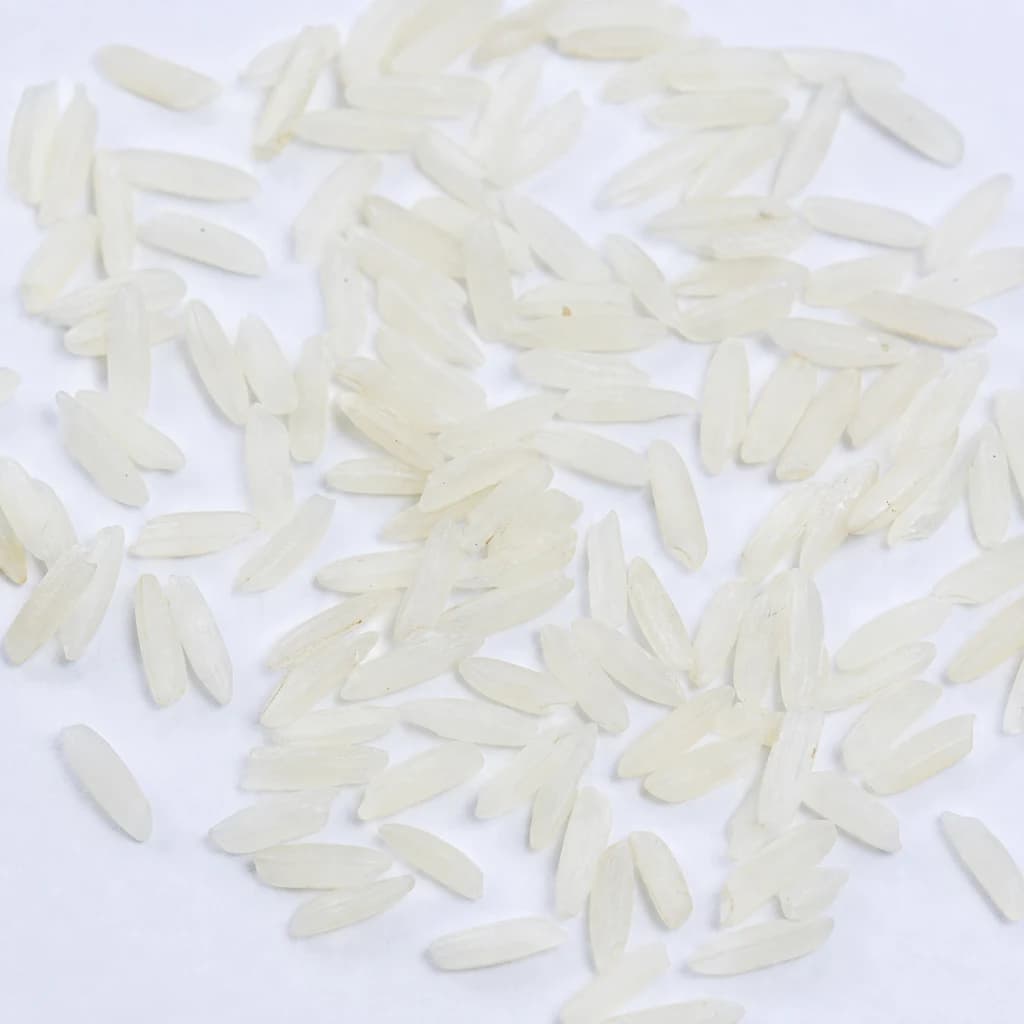
Jasmine Rice
Soft, floral-scented rice that's the pillar of Thai meals
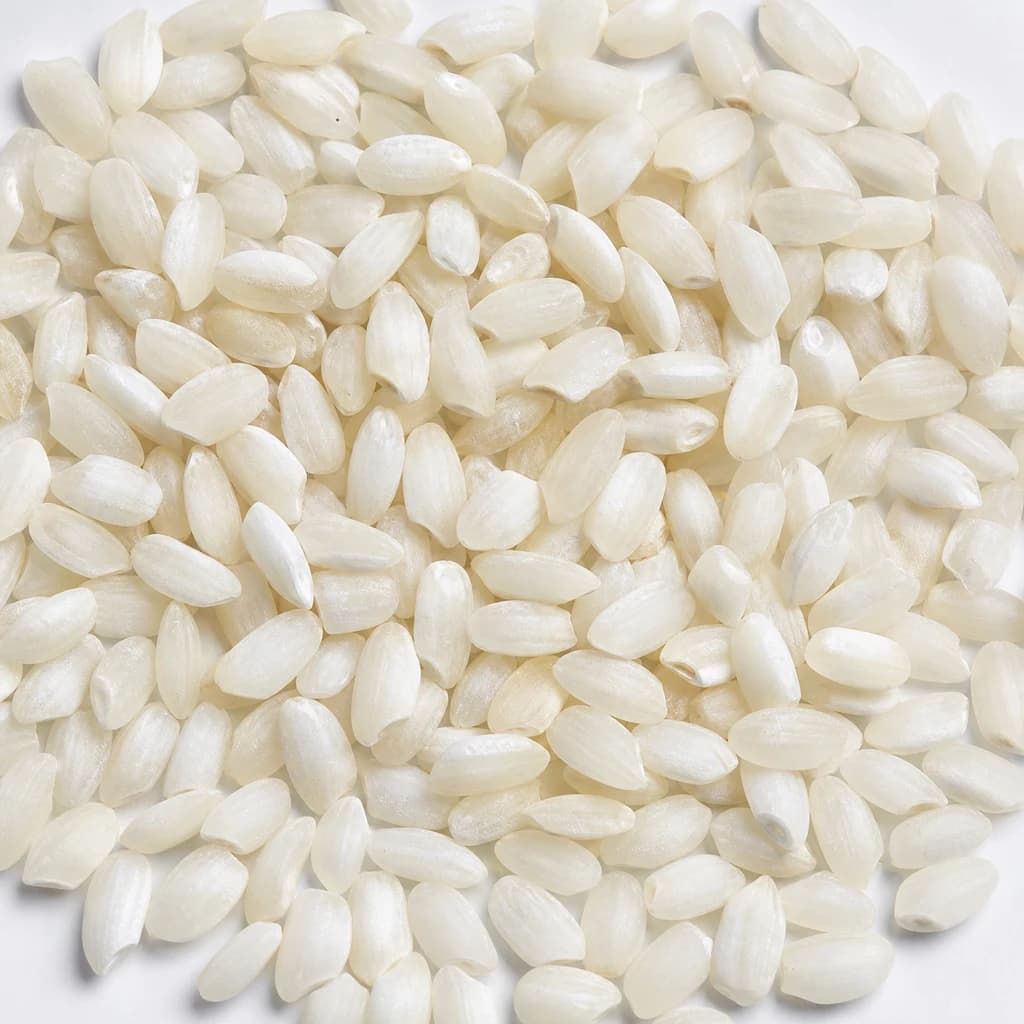
Arborio Rice
Plump, starchy rice that makes risotto creamy
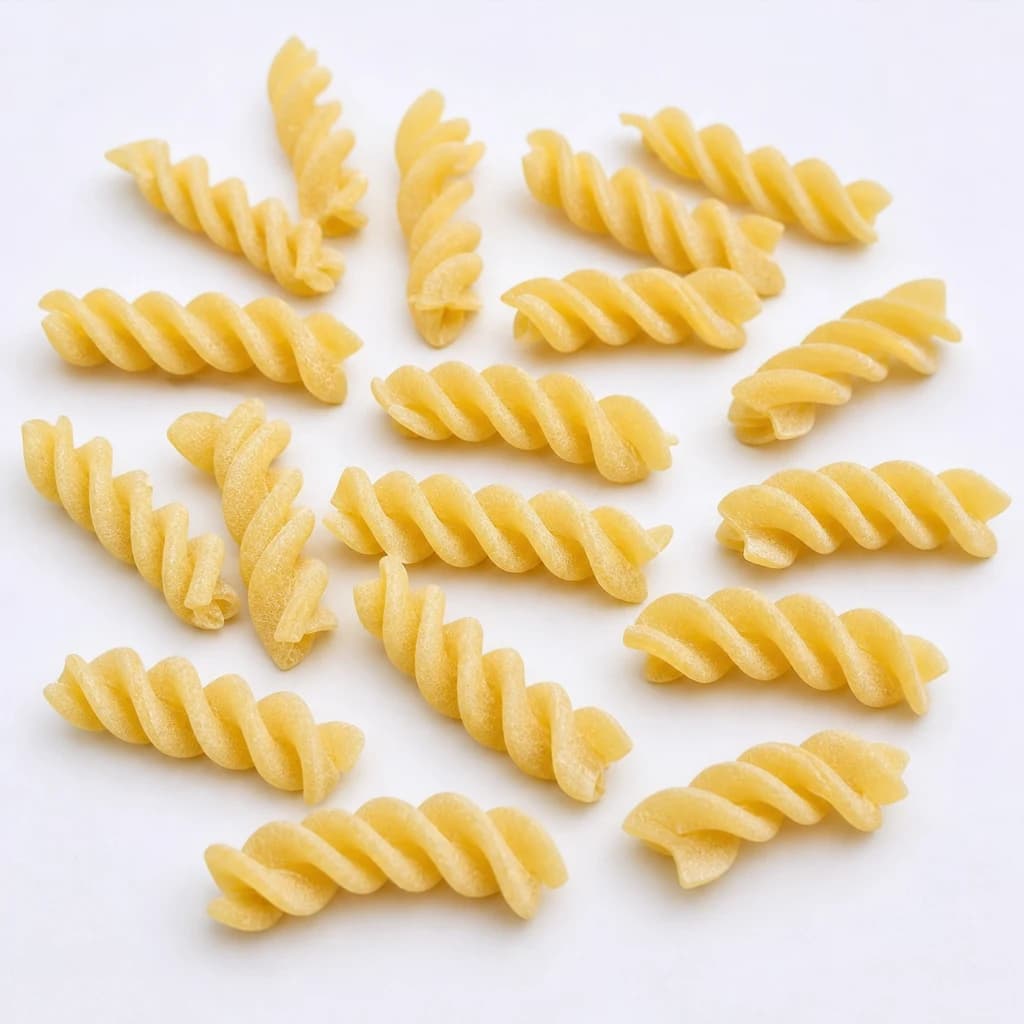
Fusilli
Spiraled pasta that twirls up sauce and dresses cold salads
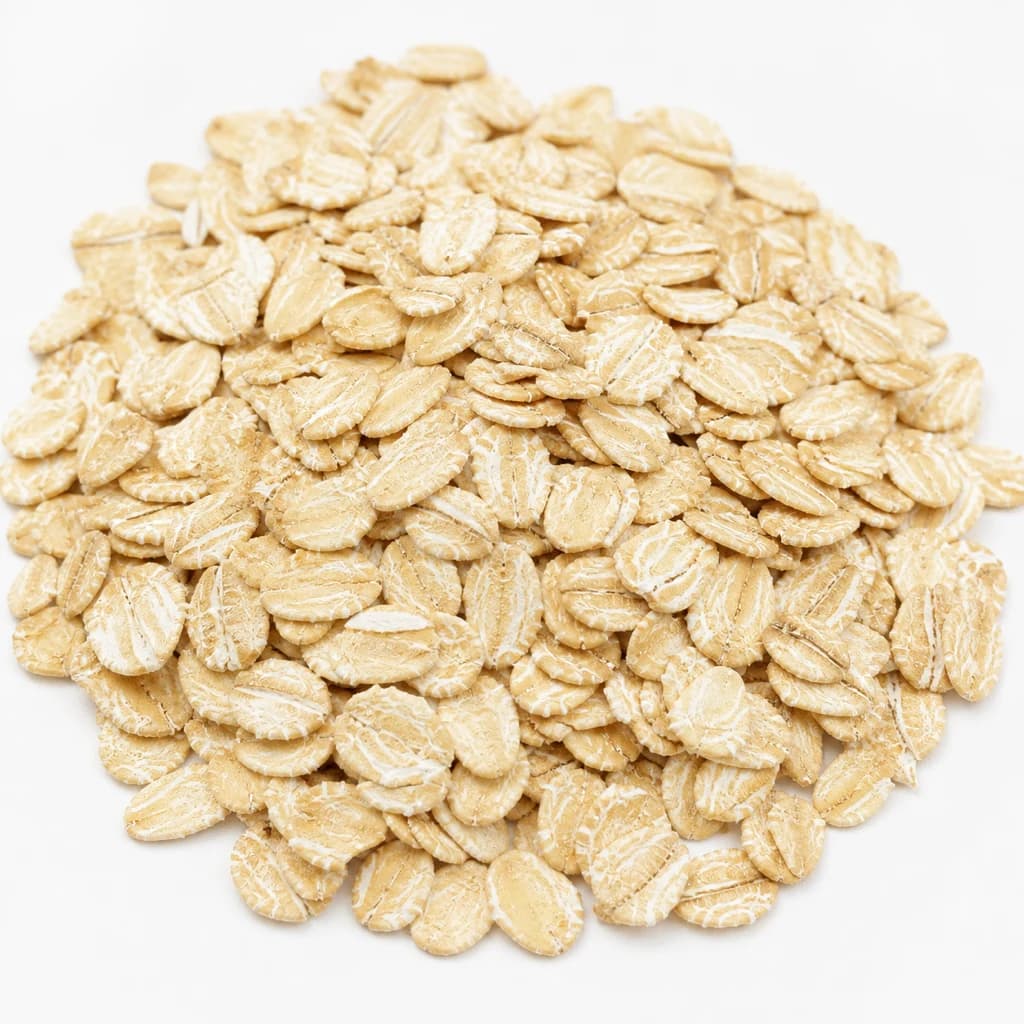
Rolled Oats
Hearty flakes for porridge, granola, and chewy cookies