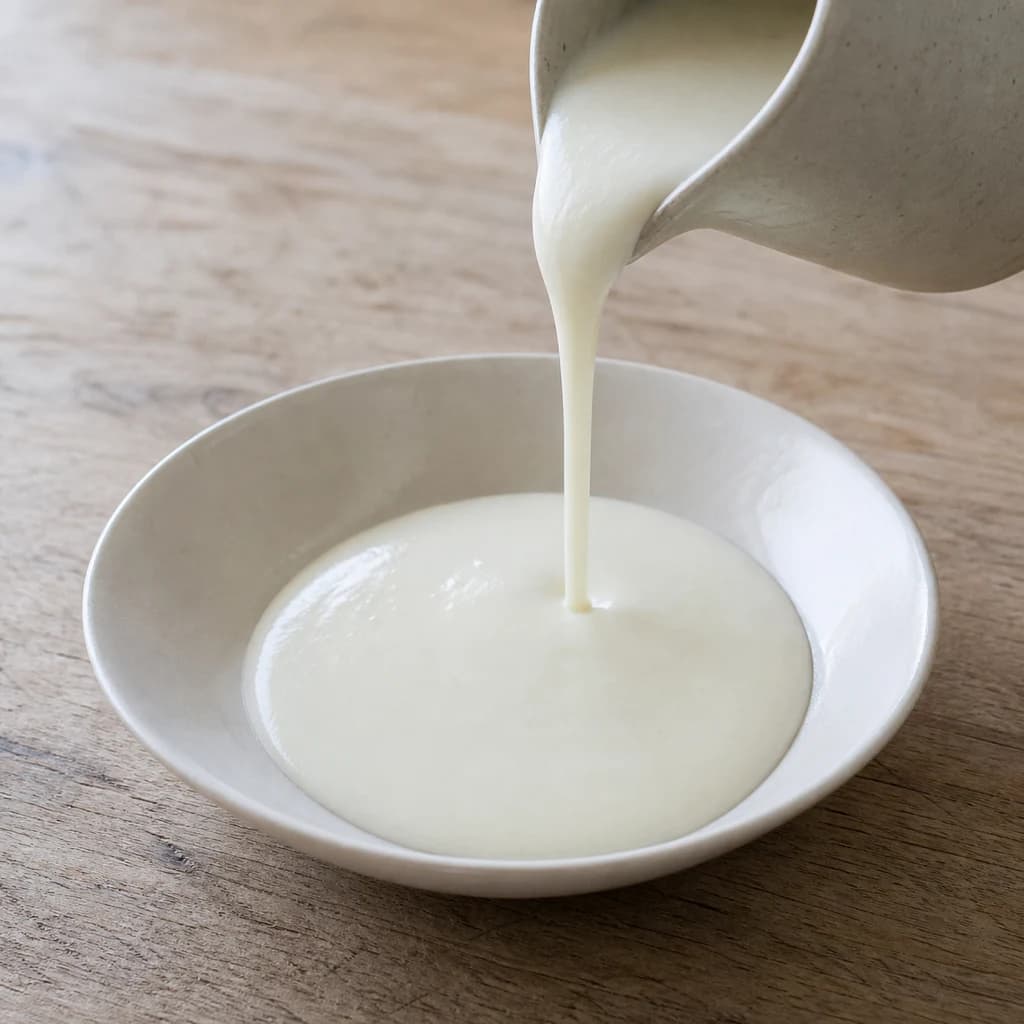
Natural form
Filmjölk pours in a smooth, lightly viscous stream — thinner than yogurt, thicker than milk.
Shows the defining pourable, slightly viscous texture that distinguishes filmjölk from both milk and thicker yogurts.
Dairy & Eggs
Filmjölk (Soured Milk)
Swedish cultured fermented milk, mildly tart, eaten for breakfast with muesli.
Filmjölk is a traditional Swedish fermented milk made with mesophilic cultures, producing a smooth, pourable, mildly sour drink similar to buttermilk or thin yogurt. It is a breakfast staple eaten with cereal, muesli, jam, or berries. The gentle tang and runny texture distinguish it from thicker yogurt.
Filmjölk is a Swedish cultured fermented milk product with roots dating to at least the 18th century. Unlike simple soured milk, it is made by inoculating milk with a specific blend of mesophilic lactic acid bacteria—primarily Lactococcus lactis, Leuconostoc mesenteroides, and various Lactobacillus species—which ferment the lactose into lactic acid over 18–24 hours. This controlled fermentation produces a thick, creamy texture with a distinctly viscous, almost 'ropy' quality that comes from bacterial exopolysaccharides rather than added thickeners; that silky, velvet-like mouthfeel is actually a hallmark of properly cultured filmjölk and a reliable quality indicator.
The result sits between drinkable yogurt and drinking buttermilk in consistency, with a mild tang that is clean and refreshing rather than sharp. The pH typically falls between 4.3 and 4.6, which makes filmjölk a functional ingredient in baking: the acidity activates baking soda, contributing to leavening, while the dairy proteins add moisture and tenderness to batters and doughs. Standard filmjölk is made from whole milk (approximately 3% fat), though light and organic varieties are widely available. It is always served chilled and should never be heated above 40°C (104°F), as the live cultures are destroyed at higher temperatures, eliminating both the probiotic benefit and the subtle complexity that distinguishes it from dead cultured milk.
- Measured in
- ml
- Storage
- Fridge
Allergens
Types & varieties
3% milk fat; the most common variety with full viscosity and the best choice for baking
Light version, approximately 0.5% fat; thinner consistency and reduced richness in finished baked goods
Organic variant; same culture and fat content as standard, produced without synthetic additives
Pre-flavored with fruit purées such as strawberry, blueberry, or raspberry; best used as a ready-to-eat breakfast rather than for cooking
Common uses
Tips & pitfalls
- Do not confuse filmjölk with fil or piimä—they share similar cultures but differ in fat content, thickness, and regional convention
- Bring filmjölk to room temperature before using in baking; cold milk proteins don't emulsify or react optimally with leavening agents
- Never heat filmjölk above 40°C (104°F); the live cultures are destroyed at higher temperatures, eliminating probiotic benefit and complex flavor
- When substituting for buttermilk in baking, the swap is 1:1 and results are nearly identical in texture and rise
- If the texture seems too thick, thin with whole milk or water (1–2 tablespoons per cup) to match the consistency you need
- A thin layer of liquid on top is normal whey separation—stir it back in before using; it does not indicate spoilage
- Do not use filmjölk as a direct substitute for regular milk in recipes requiring high heat such as custards or boiled sauces unless the recipe is specifically designed for cultured milk
- For the best baking results, choose standard (3%) fat content rather than light variants—fat content directly affects tenderness and moisture in finished goods
- Authentic filmjölk is defined by Swedish food standards (LIVSFS 2005:6) and must contain minimum 10⁷ CFU/ml viable lactic acid bacteria at expiration
Nutrition
Energy
452 kJ · per 100 g
Where the calories come from
Protein
6g
12% DV
Carbs
5.4g
2% DV
Fat
7g
9% DV
Fiber
0g
0% DV
Sodium
44mg
2% DV
Source · USDA FoodData Central · approx. Milk, sheep, fluid
View on FDC →In the shops
Matched grocery products
No matched grocery products for Filmjölk (Soured Milk) yet.
Good to know
- Origin
- Scandinavia (Sweden, Norway); documented since at least the 18th century
- Culture Type
- Mesophilic lactic acid bacteria (Lactococcus lactis, Leuconostoc mesenteroides, Lactobacillus species)
- Milk Base
- Typically whole milk (3% fat) or standardized cow's milk
- Texture
- Thick, creamy, and distinctly viscous with a 'ropy' quality from bacterial exopolysaccharides
- pH Range
- 4.3–4.6
- Fat Content
- 3% standard; 0.5% in lättfilmjölk (light) variants
- Flavor
- Mildly tangy, clean lactic acidity; less sharp than kefir or Greek yogurt
- Shelf Life
- 14–21 days refrigerated (2–4°C); use by date is critical
- Serving Temperature
- Chilled (4–8°C); never heated above 40°C or cultures die
- Comparable Products
- Norwegian tettemelk, Finnish piimä, Russian ryazhanka
Substitutes
- Cultured buttermilk — The closest substitute; slightly thinner but interchangeable in baking at a 1:1 ratio with nearly identical results
- Kefir — More acidic and effervescent; excellent for smoothies or drinking; can substitute in baking but may add a more pronounced tang
- Skyr — Icelandic cultured dairy; far thicker and more protein-dense; thin with regular milk before using as a direct substitute
- Ryazhanka (Russian) — Fermented baked milk; similar tang but typically higher fat; results in richer baked goods; works as a substitute in pancakes and baking
- Plain whole-milk yogurt thinned with milk or whey — An adequate DIY substitute when nothing else is available; the culture blend differs so flavor varies slightly
- Drinking-style kefir — Comparable tang and consistency; thinner than filmjölk but works well in smoothies, dressings, and cold soup bases
Pairs with
Also called
Soured Milk · Fil
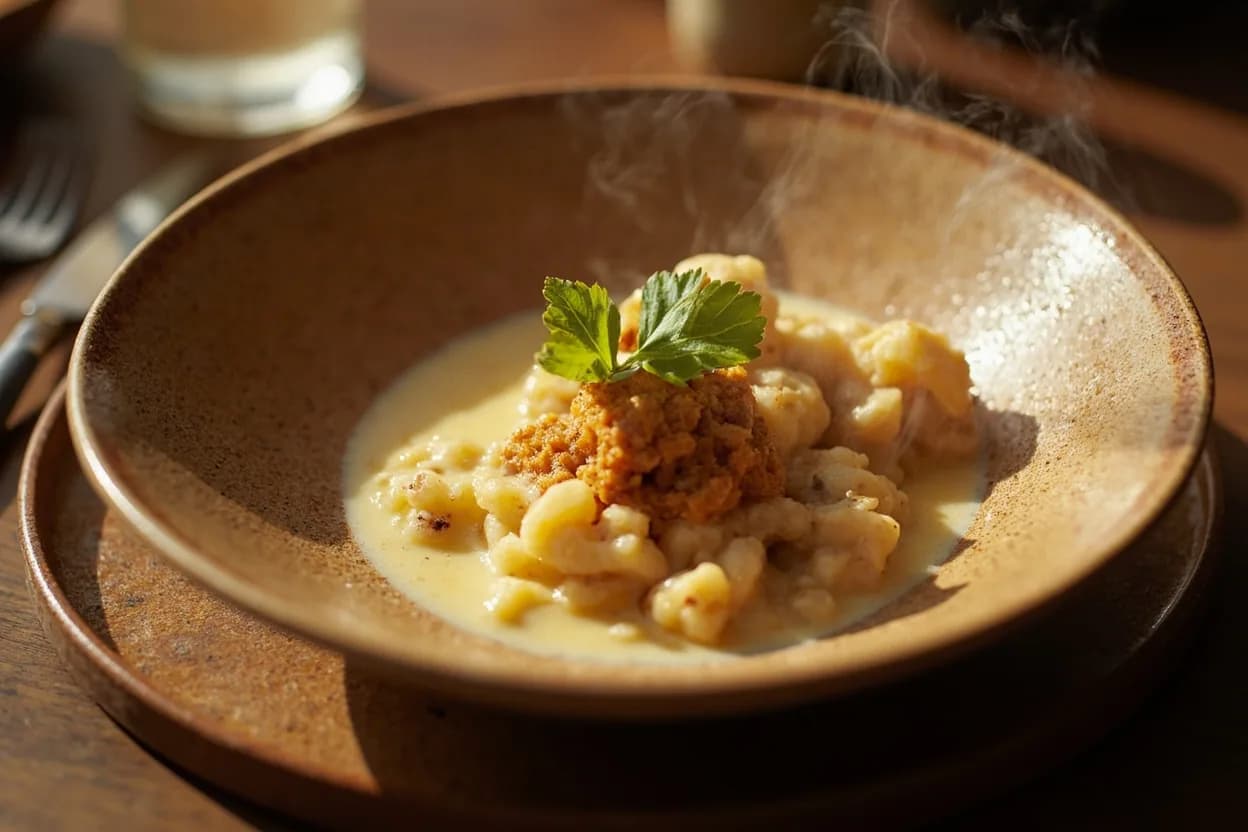
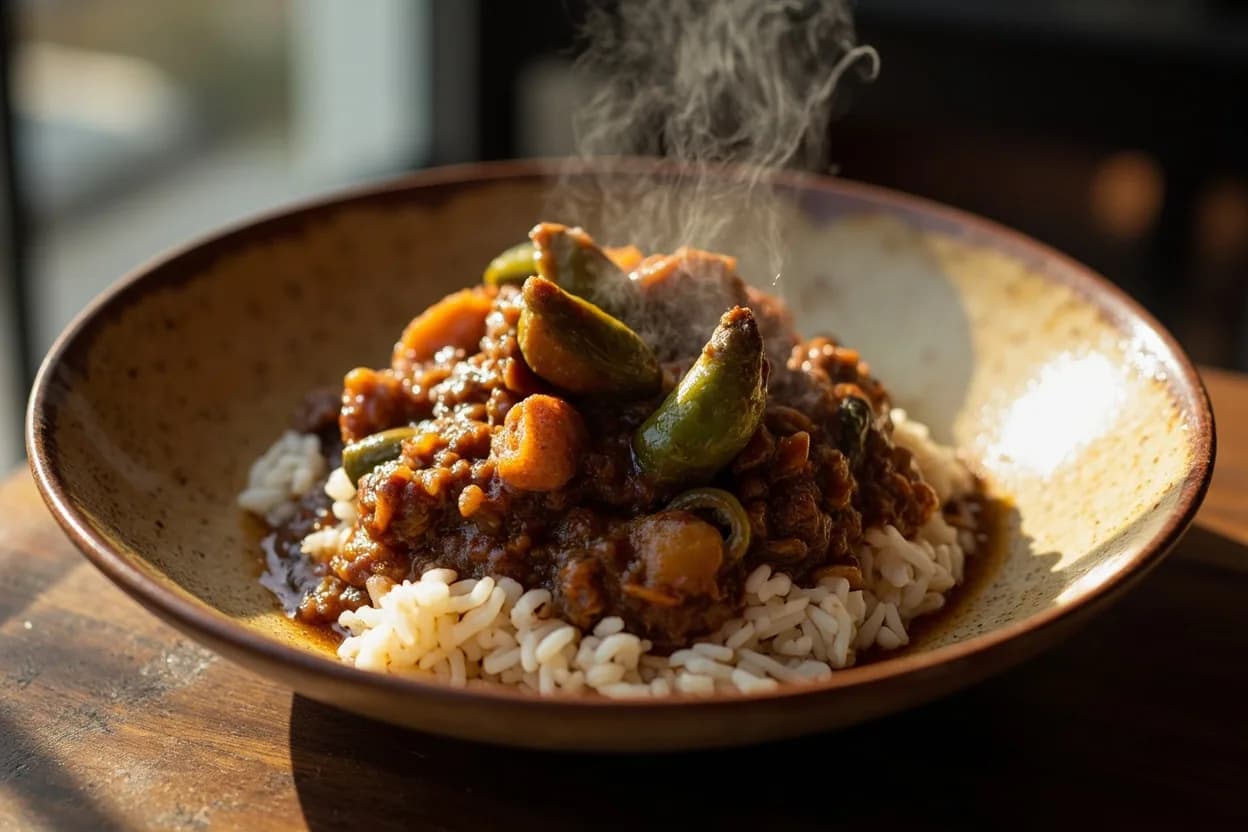
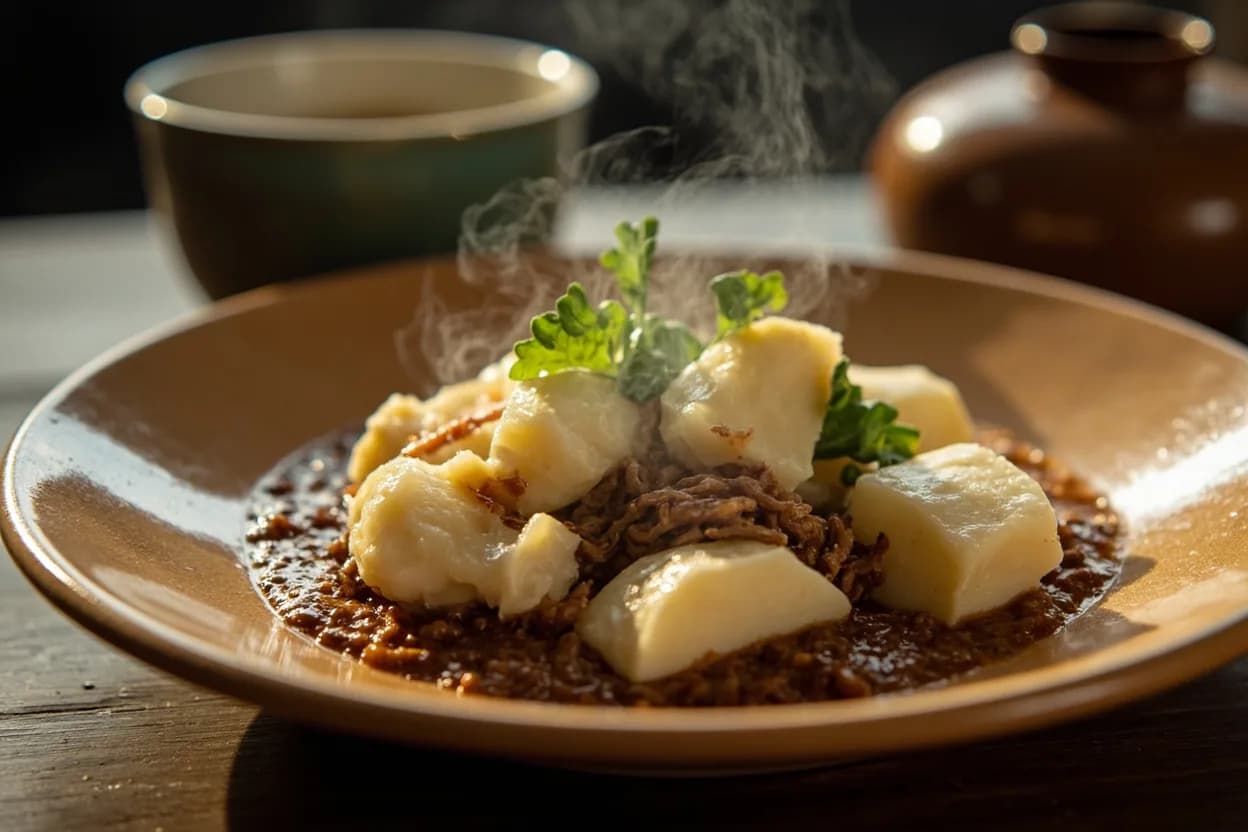
Appears in these dishes
Related

Whole Milk
Rich, full-fat milk for drinking, coffee, sauces, and baking
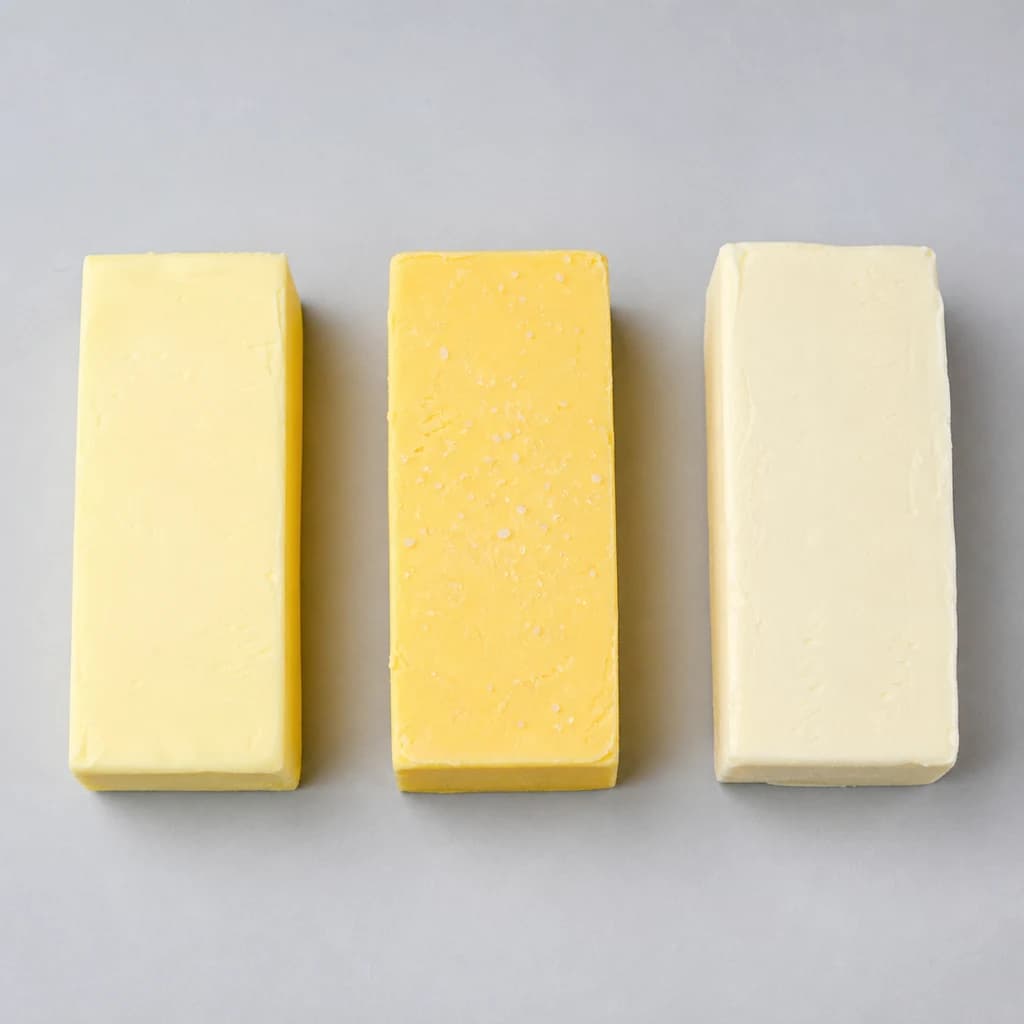
Butter
Golden fat for searing, baking, and finishing a sauce
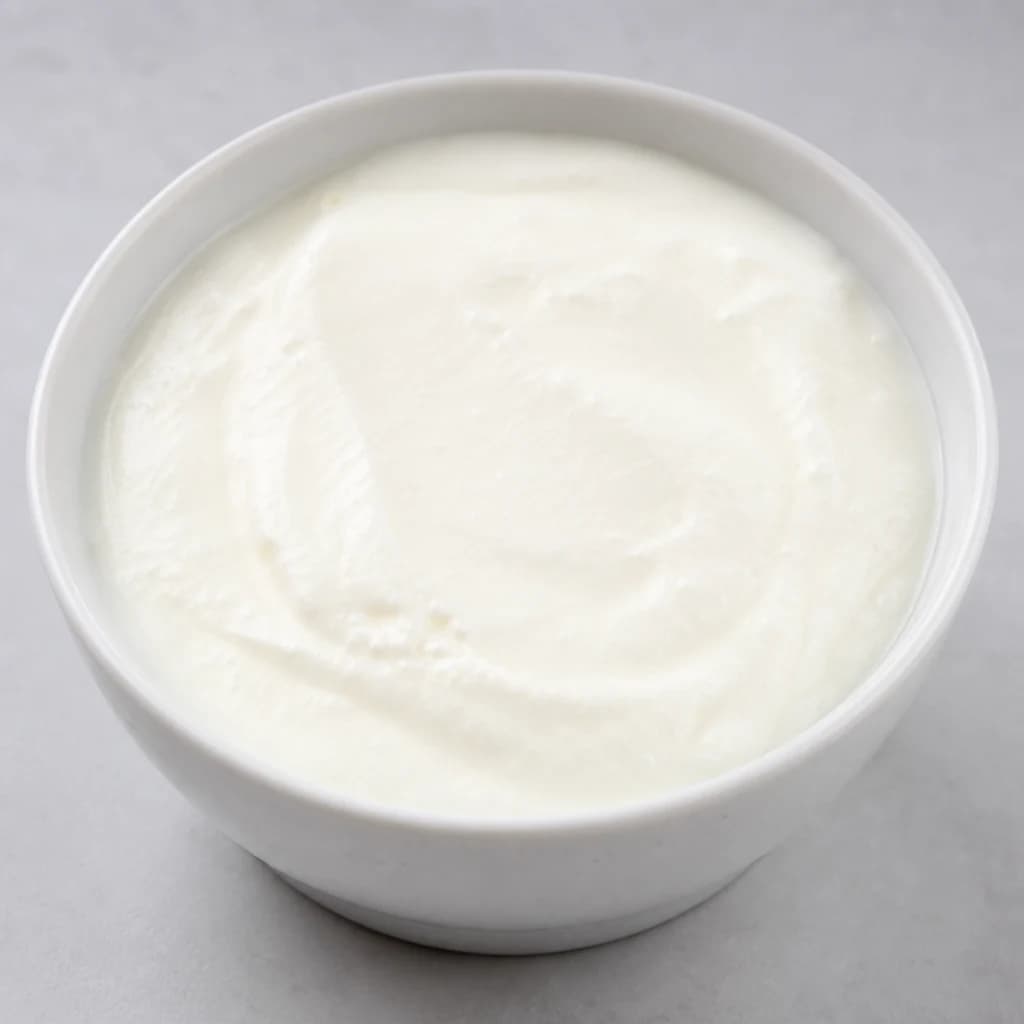
Yogurt
Tangy, creamy culture for breakfast, sauces, and marinades
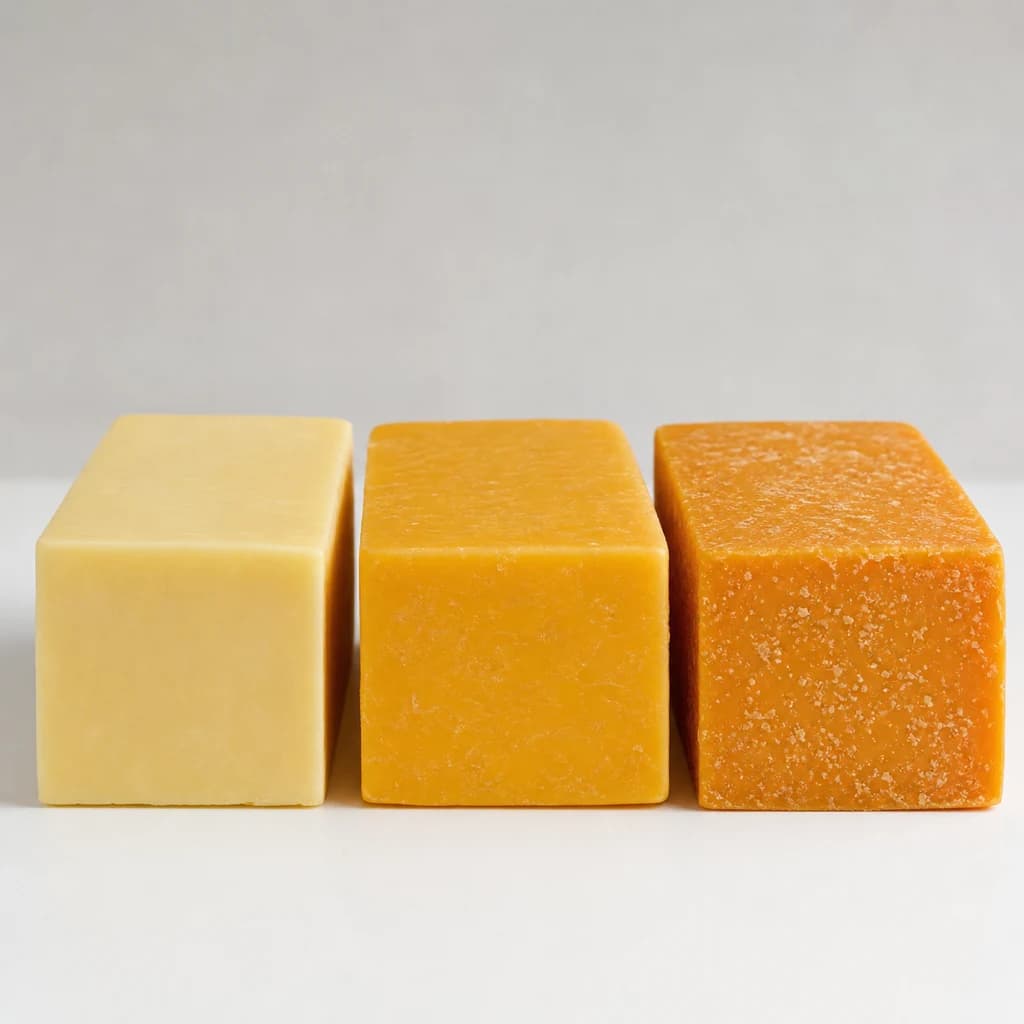
Cheddar Cheese
Sharp, melty cheese for sandwiches, gratins, and grating
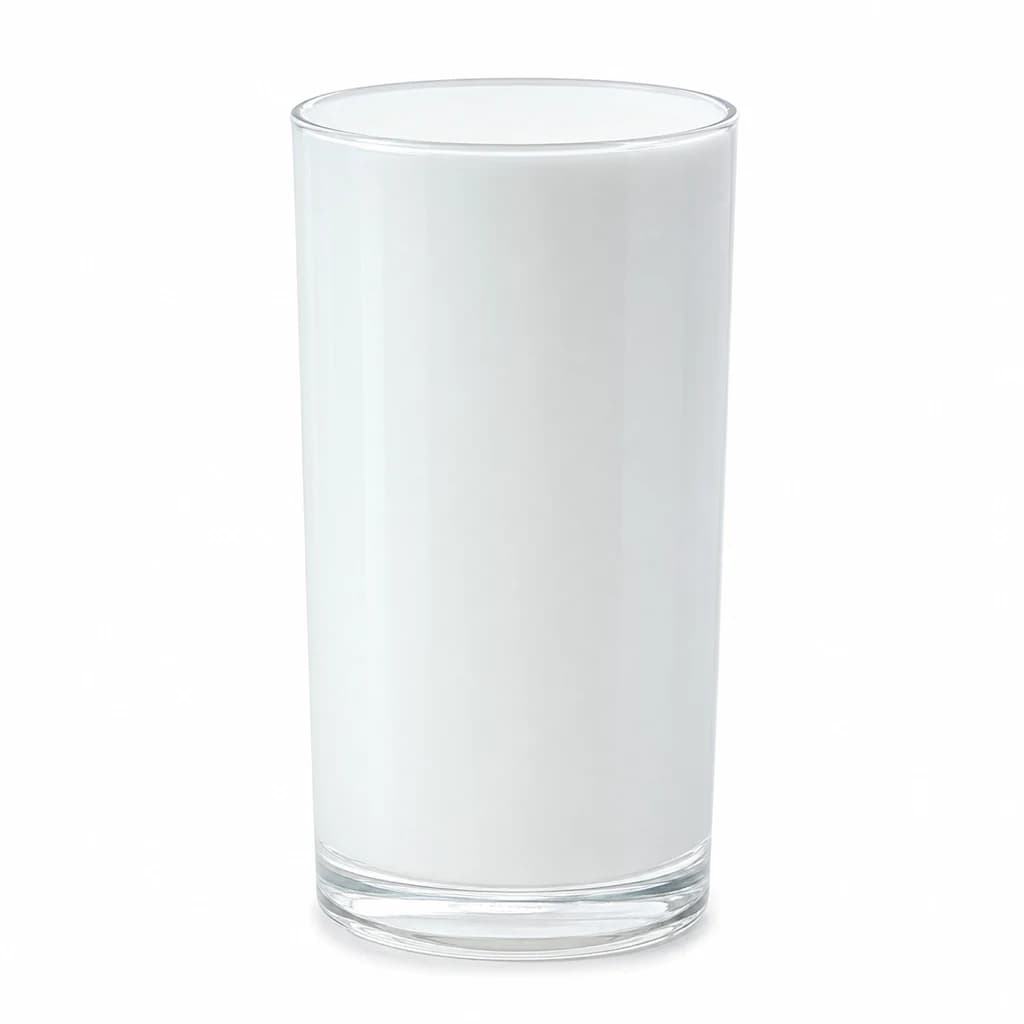
Skim Milk
Fat-free milk for lighter drinking, coffee, and cooking
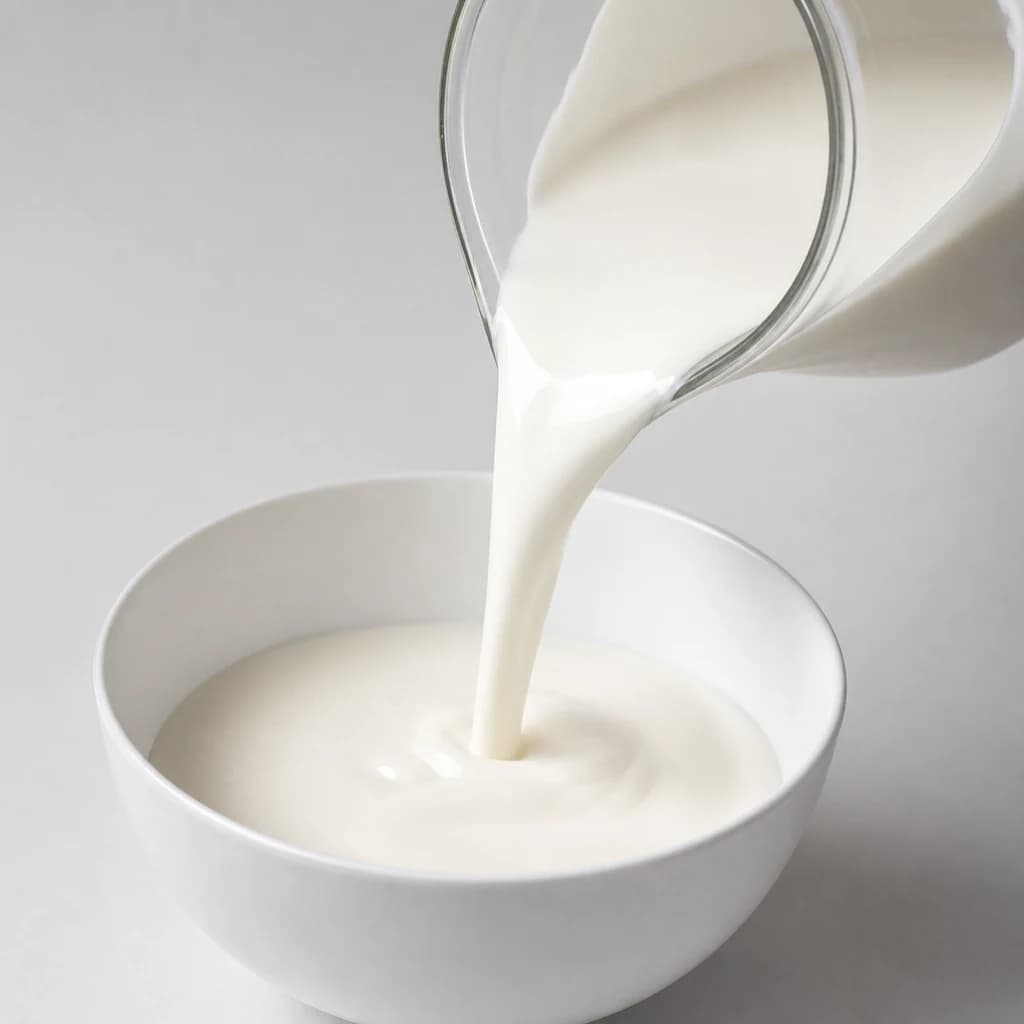
Heavy Cream
Rich cream that whips, enriches sauces, and sets ganache

Sour Cream
Tangy, thick cream for dolloping, baking, and dips
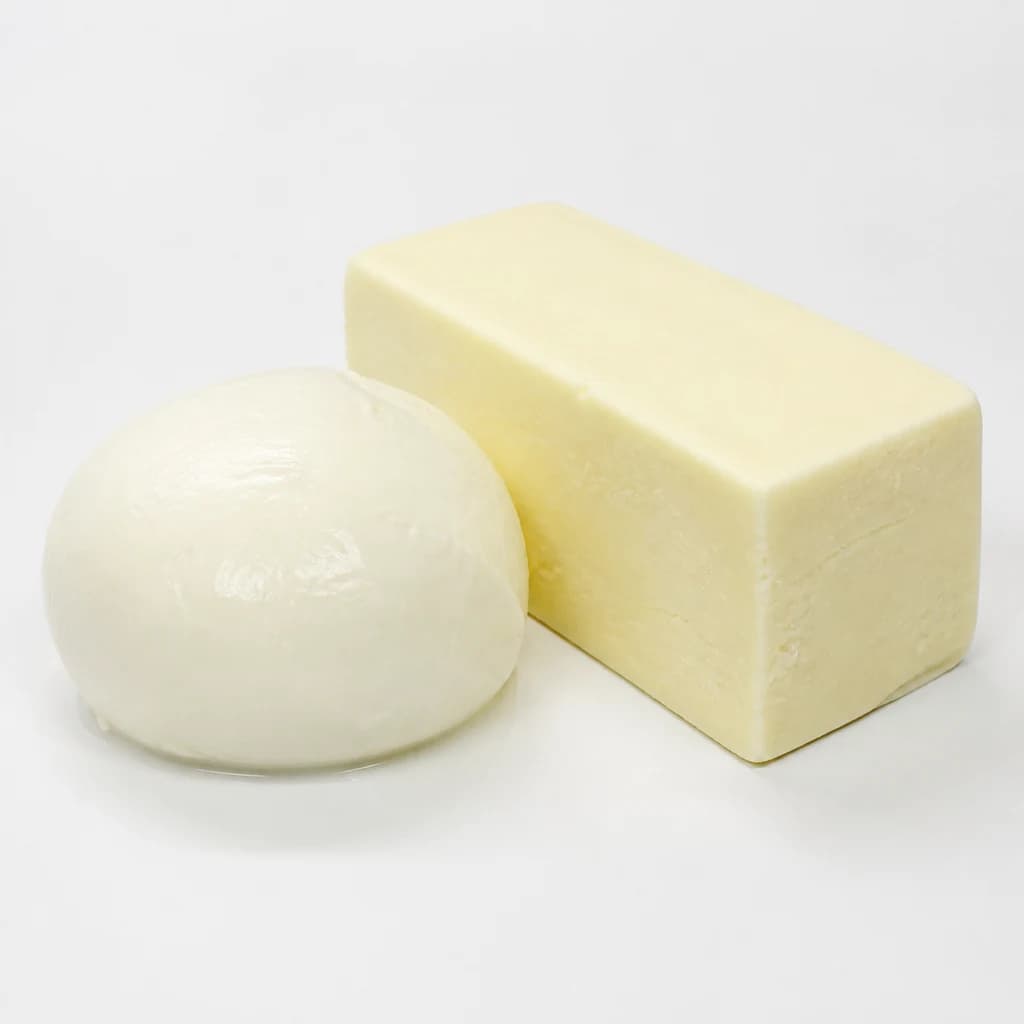
Mozzarella
Soft, milky cheese that melts into stretchy pizza pulls