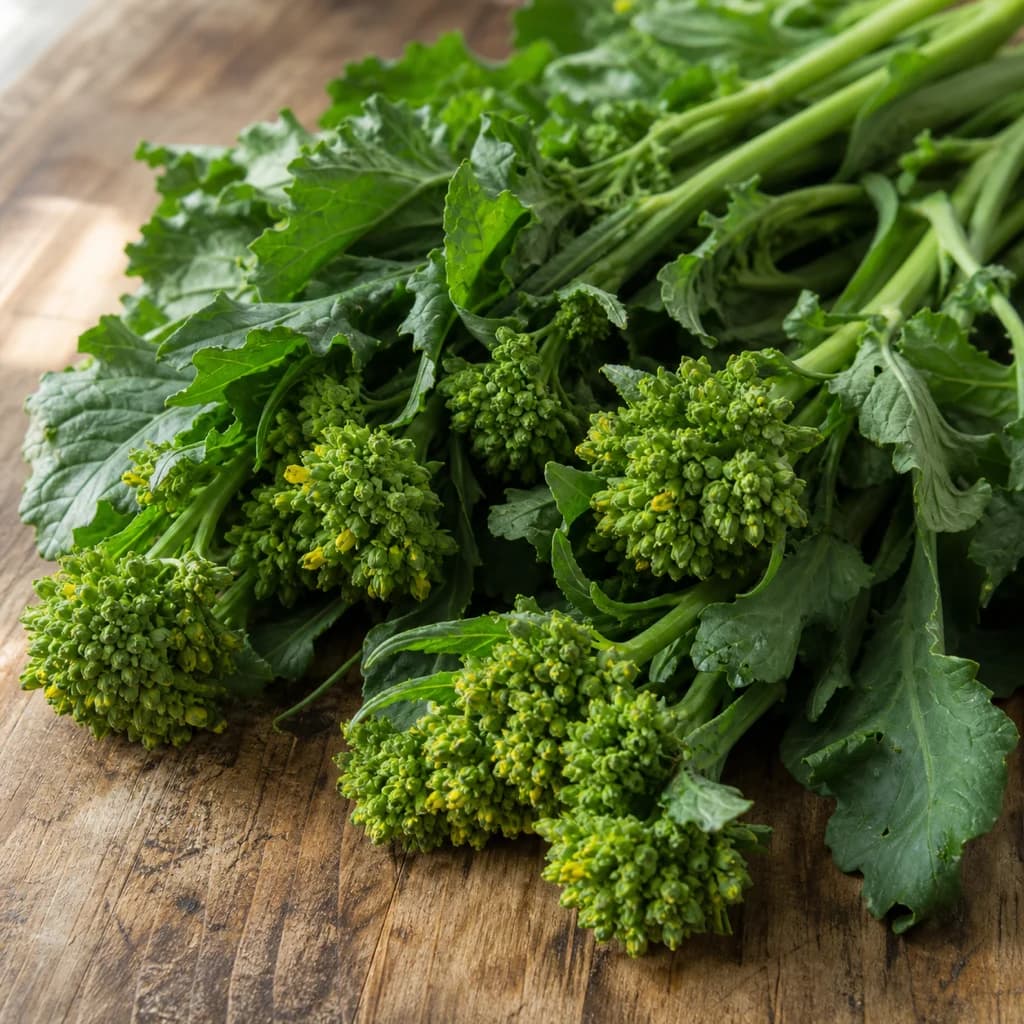
Natural form
Fresh friarielli bunches showing the leafy shoots, slender stems, and tiny yellow-green flower buds.
Shows the raw ingredient in its market-ready state so readers can recognize and select it.
Produce
Friarielli (Neapolitan Broccoli Rabe)
Pleasantly bitter leafy greens with tiny buds, sauteed with garlic and chili in Neapolitan cooking.
Friarielli are the leafy shoots and small flowering buds of a turnip-type green, the Neapolitan version of broccoli rabe. They have a pleasantly bitter, mustardy flavor and are classically sauteed with garlic, olive oil, and chili, served alongside sausage or piled onto Neapolitan pizza and panini. Quick blanching or cooking tames their assertive bite.
Friarielli—cime di rapa in standard Italian, broccoli rabe in American markets—are the young, tender shoots of Brassica rapa subsp. ruvo, harvested before the buds fully open at roughly 30 cm tall. Native to the Mediterranean and integral to Campanian agriculture, they belong to the Brassicaceae family alongside cabbage, kale, and turnips. The entire plant is edible: thin hollow stems, small compact buds, and deeply lobed blue-green leaves all contribute to the dish. The characteristic bitterness, with its toasted, earthy undertones, is the defining flavor note—it should be tamed through proper technique but never eliminated, as it is the soul of Neapolitan friarielli preparations. In Naples, friarielli are sold with roots intact in markets, a marker of absolute freshness, and the best specimens come from cool-season cultivation, particularly after a light frost sweetens the leaves. The vegetable appears in virtually every Neapolitan trattoria as a contorno and stars in the region's most iconic pasta dishes.
Unlike broccoli, which produces a large dense head, friarielli send up scattered small buds along the stem, and the leaves—rather than the florets—carry much of the vegetable's weight and character. The cooking behavior is similar to other bitter greens: high heat, fat, and a brief cooking time preserve color and texture; overcooking produces a dull gray color and mushy consistency within minutes. Yield is approximately 50–60% cooked weight from raw, meaning a generous bunch purchased will reduce considerably. Quality degrades quickly after harvest, which is why Neapolitan markets keep roots attached and why home cooks should use them within a day or two of purchase. The term friarielli is specifically Neapolitan dialect; elsewhere in Italy the vegetable is called cime di rapa, and in English-speaking markets it is labeled rapini or broccoli rabe. These names describe the same plant, though U.S.-grown versions tend toward slightly larger, coarser stems than their Neapolitan counterparts. The plant bolts quickly in warm weather, which is why it is a cool-season crop and why spring-grown specimens become bitter and tough. Authentic Neapolitan friarielli are harvested young, before the buds open, which gives them a tenderness that commercial rapini sometimes lacks.
- Measured in
- g
- Storage
- Fridge
Types & varieties
The traditional Neapolitan strain; smaller, more tender, and less fibrous than commercial rapini sold in U.S. markets
Bari-type, common in Puglia; larger leaves and more prominent bitter flavor
Largely equivalent to friarielli; U.S.-grown versions tend to be slightly larger and coarser stemmed
Common uses
Tips & pitfalls
- Trim only the very bottom of the stems if they are thick; young friarielli need minimal trimming — the entire plant is edible
- Blanch in generously salted boiling water for 2–3 minutes before sautéing to tame bitterness and achieve even cooking; shock in ice water to preserve color
- Do not overcrowd the pan when sautéing — cook in batches if needed to avoid steaming rather than frying
- Add a splash of pasta water or a pinch of sugar when sautéing to balance bitterness without losing character
- Save stems for stock or chop them finely for added texture in pasta dishes
- The buds should be compact and bright green; avoid plants with yellowing buds or wilted leaves
- In Neapolitan markets, friarielli are sold in bunches with roots intact; this indicates freshness
- For pasta dishes, reserve starchy pasta water to create a cohesive sauce with olive oil and garlic
Nutrition
Nutrition
No USDA FoodData Central match for Friarielli (Neapolitan Broccoli Rabe) yet. We surface a per-100 g profile once a generic whole-food entry is matched and verified.
In the shops
Matched grocery products
No matched grocery products for Friarielli (Neapolitan Broccoli Rabe) yet.
Good to know
- Scientific name
- Brassica rapa subsp. ruvo (Brassica rapa var. ruvo)
- Family
- Brassicaceae (mustard/cabbage family)
- Origin
- Mediterranean, strongly associated with Campania region and Neapolitan cuisine
- Season
- Late fall through early spring; best after light frost reduces bitterness
- Flavor
- Characteristically bitter with toasted, earthy undertones; sweetness emerges when cooked properly
- Parts used
- Entire plant — thin hollow stems, small compact buds, and deeply lobed leaves
- Color
- Deep blue-green leaves; bright green stems and buds
- Plant height at harvest
- 30–45 cm; Neapolitan markets favor specimens around 30 cm
- Storage
- Refrigerate unwashed in plastic bag up to 2 days; quality degrades rapidly
- Key region
- Campania, especially the province of Naples; friarielli is specifically Neapolitan dialect
- Italian synonyms
- Cime di rapa (central-southern Italy), rapini (Anglo-American markets)
- Yield
- Approximately 50–60% cooked weight from raw
- Cooking time
- 3–5 minutes blanching; 2–4 minutes sautéing; overcooking produces mushy texture and gray color
Substitutes
- Broccoli rabe / Rapini — Essentially the same vegetable; the closest and most reliable substitute; may be slightly larger-stemmed, so trim and cook accordingly
- Broccolini — Milder and less bitter; not a close substitute for flavor but works as a textural alternative; cook more briefly
- Turnip greens — Different plant but similar cooking technique; less bitter, milder flavor; add a touch more seasoning
Pairs with
Also called
Neapolitan Broccoli Rabe · Friariello · Cime di Rapa
Related
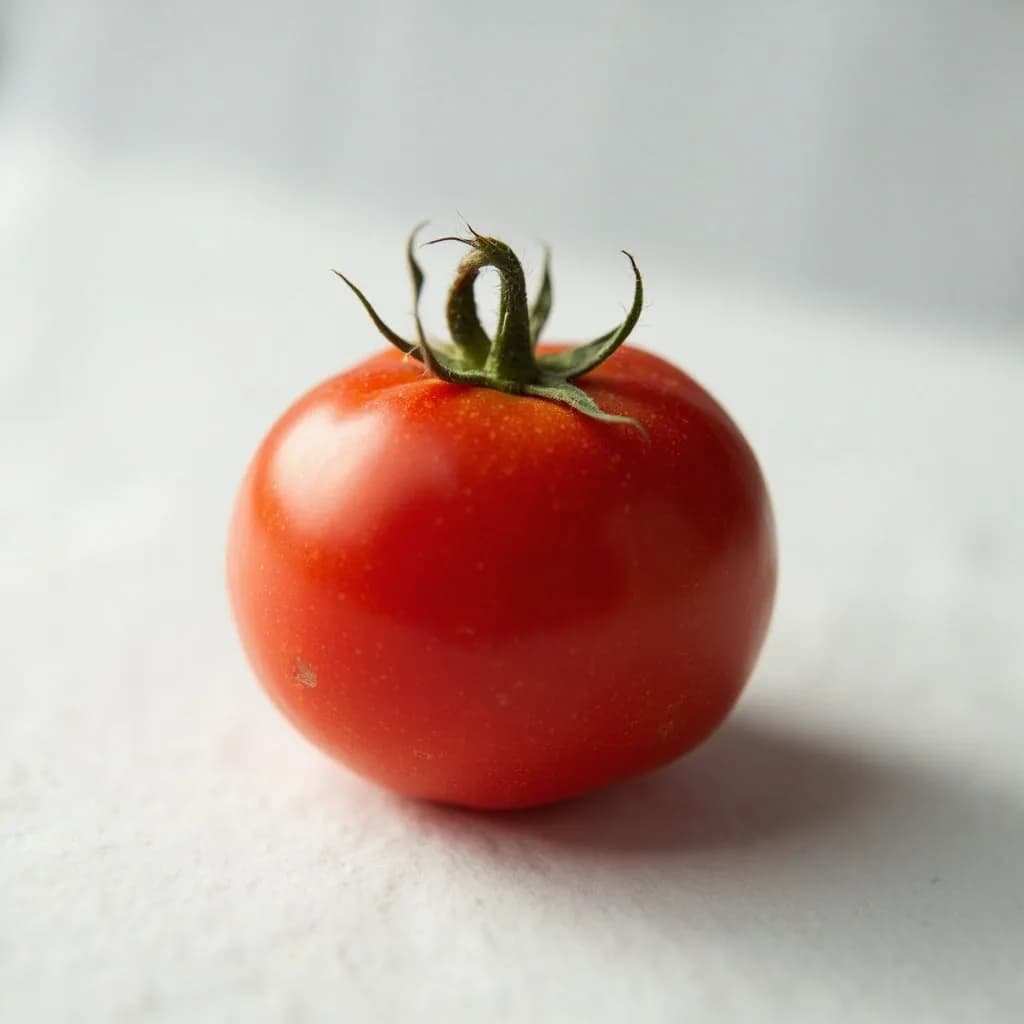
Tomato
Juicy, sun-sweet fruit for sauces, salads, and slow-cooked depth
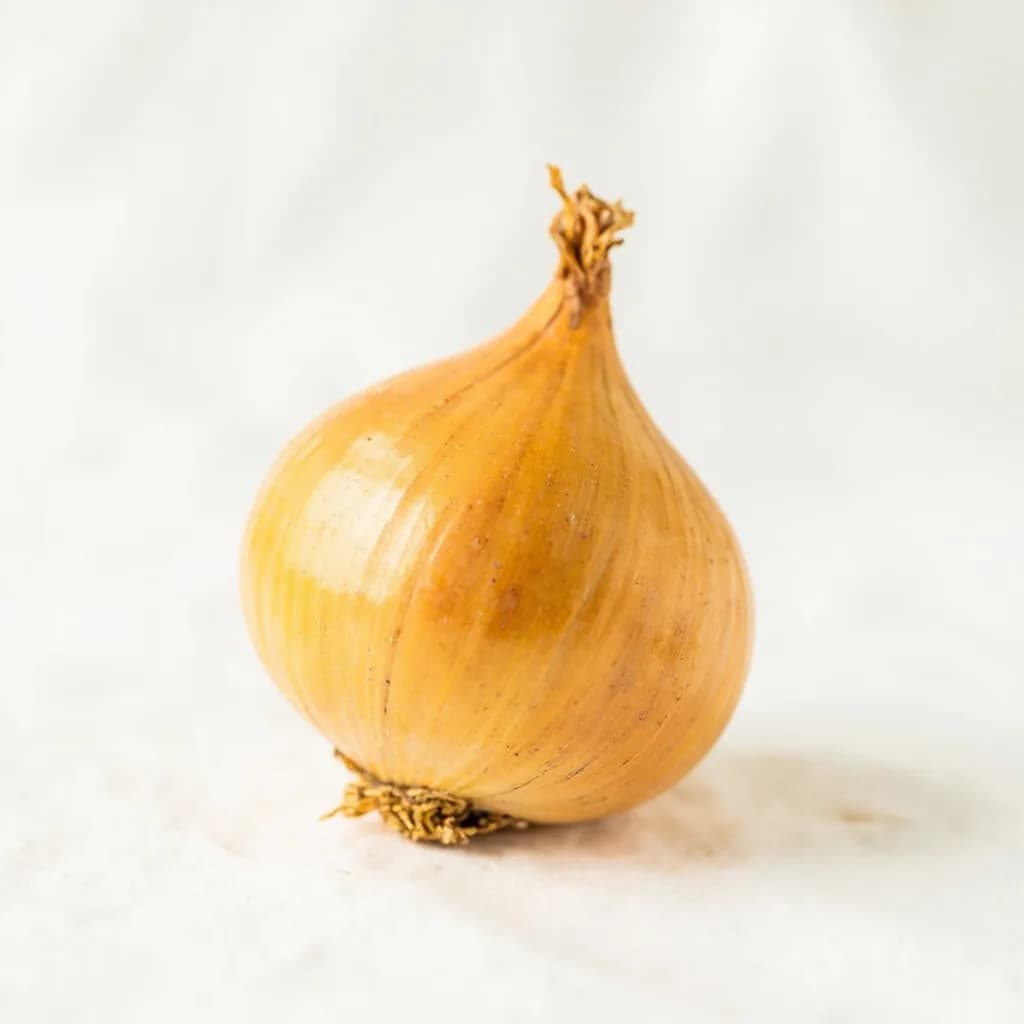
Yellow Onion
The aromatic backbone of soups, sofritos, and braises
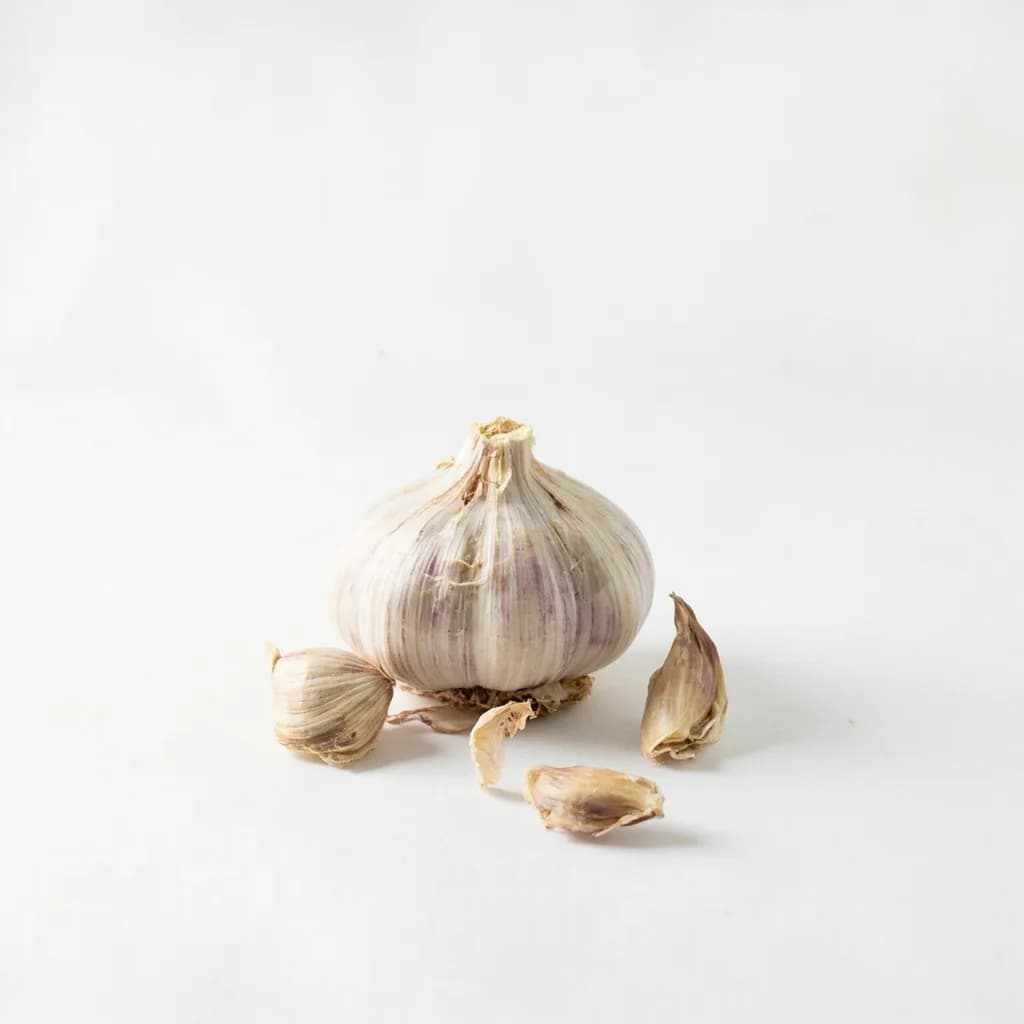
Garlic
Pungent cloves that perfume nearly every savory dish
Lemon
Bright, acidic citrus that wakes up almost any dish
Potato
Humble, hearty staple — roast, mash, fry, or boil
Carrot
Sweet, crunchy root — raw, roasted, or the base of a sofrito
Cucumber
Cool, crisp, and watery — for salads, pickles, and tzatziki

Lettuce
Crisp leaves for salads, wraps, and a fresh crunch