Proteins
Frikandel
Dutch deep-fried skinless minced-meat sausage, a snack-bar classic.
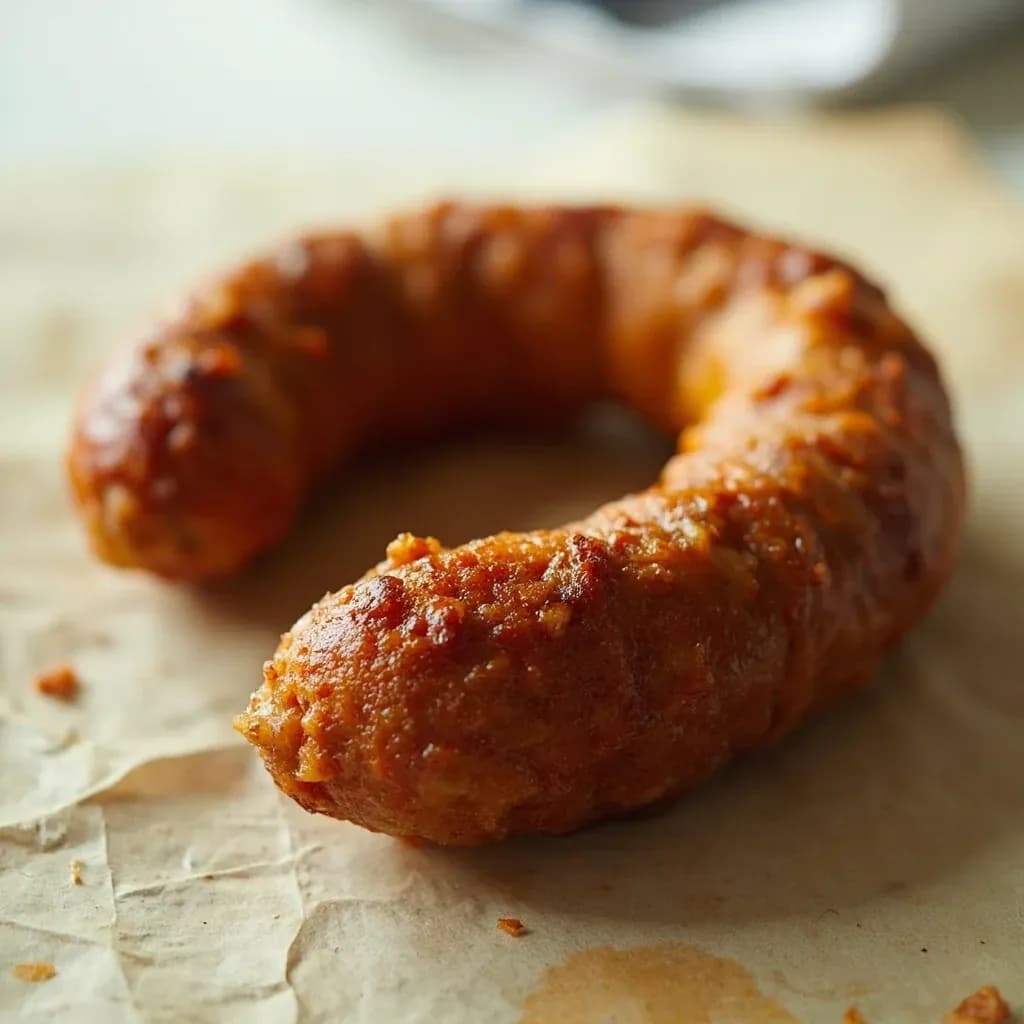
A frikandel is a Dutch and Belgian deep-fried snack made from finely ground meat shaped into a skinless, dark sausage. It is sold at snack bars and served plain or as 'frikandel speciaal' with curry ketchup, mayonnaise, and chopped onion. Its smooth, dense texture sets it apart from ordinary sausages.
Frikandel is a quintessentially Dutch snack: a skinless, deep-fried sausage made from finely minced pork and beef, with a smooth, almost paste-like interior. Its origins trace to the Netherlands in the 1950s, possibly invented by butcher Ed. Nijpels in Breda — part of a wave of post-war snack innovations that gave the Dutch their beloved frietkraam (fry stall) culture. Unlike traditional sausages with casings, frikandel relies on breadcrumbs or rusk for binding, giving it a distinctive homogenous texture that turns silky and yielding when fried. The sausage is cylindrical, slightly curved, typically 12–15 cm long, and its fat content hovers around 20–25%, which is what creates that juicy, yielding bite when properly cooked.
The frikandel occupies a unique position in Dutch fast food: it is savory, neutral enough to pair with bold sauces, yet flavorful enough to stand alone. Its behavior in the fryer is predictable — the interior cooks through as the exterior crisps and deepens to a golden brown. One key characteristic: the sausage expands slightly during frying, which is why experienced vendors prick it with a fork if it shows signs of bulging. Frikandel is best eaten immediately after frying; even 10 minutes of cooling transforms the exterior from crisp to chewy. In Belgium it is equally popular, with identical preparation and comparable reverence.
The speciaal preparation — slitting the fried sausage lengthwise and filling it with curry ketchup, mayonnaise, and diced raw onions — is the benchmark preparation against which Dutch snack bars are measured. This combination of sweet, tangy, and sharp sauces against the mild meat is what makes frikandel speciaal the definitive version, though the plain frikandel on its own has its devotees.
- Measured in
- piece
- Storage
- Freezer
Types & varieties
Slit lengthwise and stuffed with curry ketchup, mayonnaise, and diced raw onions — the most popular and benchmark snack-bar preparation
Longer, thicker version; same minced-meat composition, serves those wanting more sausage per serving
Shorter, slimmer portion scaled for children; same taste and preparation
Frikandel vs. Kroket
These two Dutch snacks are the most commonly confused items on a frietkraam menu. The fundamental difference is structure and filling: frikandel is a smooth, homogenous minced-meat sausage with no coating — it is skinless by design and relies on internal binding agents. Kroket has an exterior breadcrumb coating and is filled with ragout, a thick stew-like mixture that may contain beef, vegetables, and gravy. When fried, kroket develops a uniform crispy crust throughout, while frikandel crisps only on the outside. Both are cylindrical and similar in size, which contributes to the confusion, but their preparations and textures are entirely different. If a menu lists both, expect frikandel to be smoother and denser, kroket to have a yielding, creamy interior surrounded by crunch.
- Frikandel: no casing, smooth minced-meat interior, exterior fries only
- Kroket: breaded exterior, ragout filling, crispy throughout
- Both are cylindrical and similar in size — this is the source of confusion
- In Dutch snack bars, both are typically fried in the same oil
Common uses
Tips & pitfalls
- Deep-fry only — pan-frying or oven heating produces a rubbery skin and uneven cooking throughout
- Never crowd the fryer; cook in small batches to maintain oil temperature at 175–180°C (350–355°F)
- The sausage expands during frying; prick with a fork if it appears to bulge or risk splitting
- For the best texture: fry until deep golden-brown, about 5 minutes — pale coloring means undercooked exterior and underdone interior
- Reheating leftover frikandel: fresh frying gives the best result; microwave yields a chewy, unacceptable exterior
- When making at home, grind the meat very fine — a coarse grind ruins the authentic smooth, paste-like texture
- Rest fried frikandel on paper towels for 30 seconds to drain excess fat before serving
- If frying from frozen, add 1–2 minutes to cooking time and ensure the interior reaches 70°C (160°F)
Nutrition
Nutrition
No USDA FoodData Central match for Frikandel yet. We surface a per-100 g profile once a generic whole-food entry is matched and verified.
In the shops
Matched grocery products
No matched grocery products for Frikandel yet.
Good to know
- Origin
- Netherlands, circa 1950s; possibly invented by butcher Ed. Nijpels in Breda
- Primary meats
- Finely minced pork and beef, typically 20–25% fat; sometimes chicken or turkey added
- Casings
- None — fully skinless; breadcrumbs or rusk provide binding instead
- Shape
- Cylindrical, 12–15 cm long, slightly curved
- Cooking method
- Deep-fried at 175–180°C (350–355°F) for 4–6 minutes until deep golden-brown
- Typical serving temp
- Hot, immediately after frying — texture deteriorates rapidly as it cools
- Shelf life (uncooked)
- Refrigerated: 5–7 days; frozen: up to 3 months
- Etymology
- "Frik" from frituur (fryer) + "andel" from andouille (French sausage term)
Substitutes
- Rookworst — Dutch smoked sausage; different texture (has casing, which must be removed before frying) but similar flavor profile; good for slicing and frying
- Fleischwurst — German cooked sausage; similar smooth texture, often available without casing, though flavor is milder and less fatty
- Boudin blanc — French white pudding sausage; poultry-based, lighter flavor, similar smooth, fine-grained texture
- Vienna sausage — Small, pre-cooked, skinless; convenient substitute though thinner, more processed-tasting, and cooks faster
Pairs with
Also called
Frikandel Speciaal
Related
Egg
The kitchen's everything ingredient — bind, leaven, enrich, or fry
Chicken Breast
Lean, quick-cooking white meat for everyday dinners

Ground Beef
Versatile minced beef for burgers, ragù, tacos, and meatballs
Pork Loin
Lean, tender roasting cut that stays juicy with care
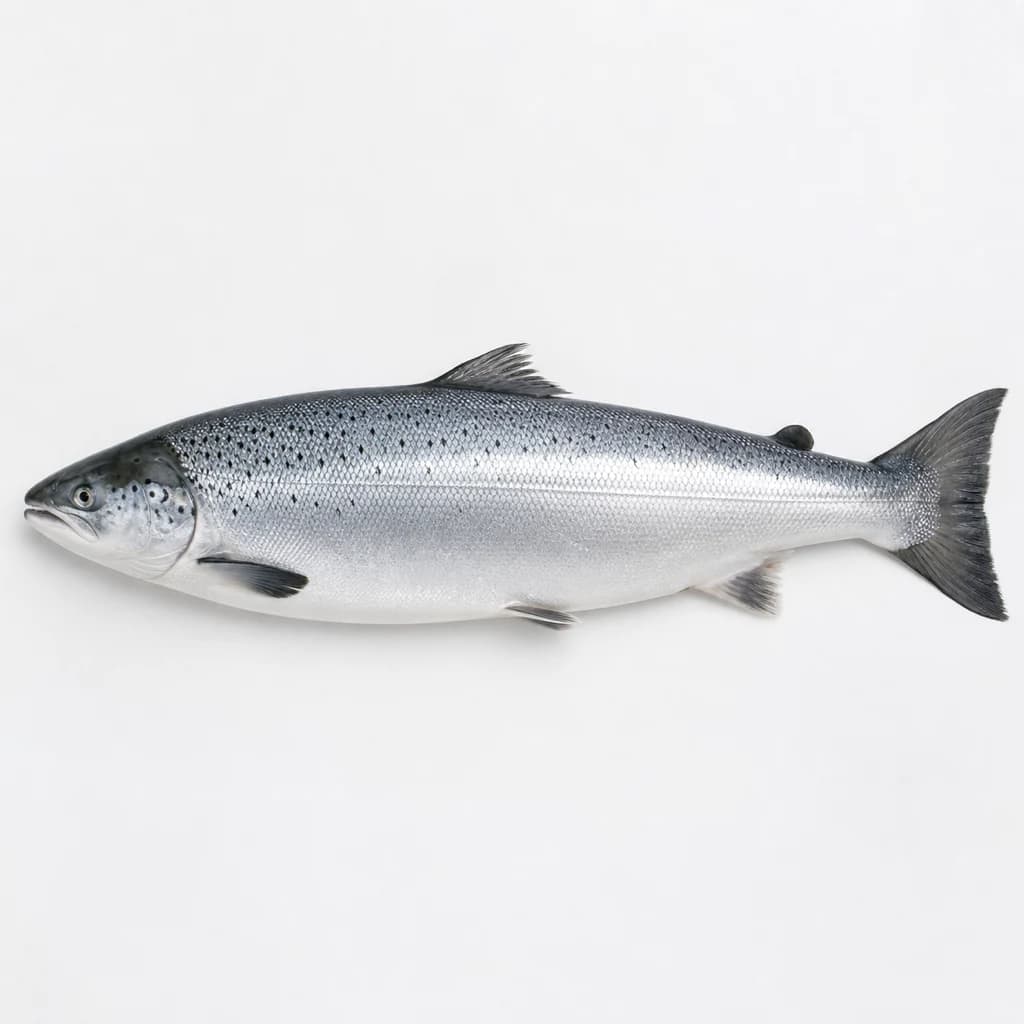
Salmon
Rich, rosy fish that roasts, grills, or cures beautifully

Egg White
Pure protein that whips to airy peaks for meringue and more
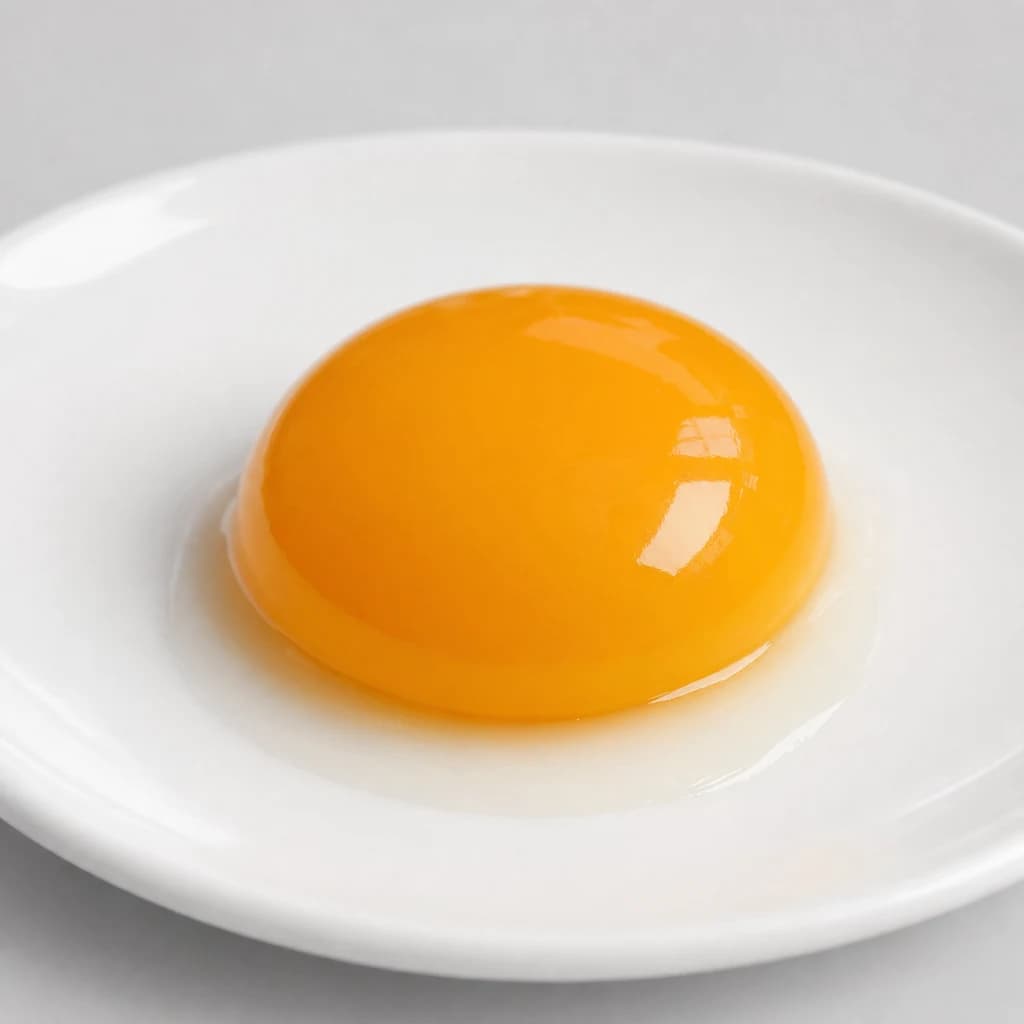
Egg Yolk
Rich, golden yolk for custards, mayonnaise, and pasta

Quail Egg
Tiny, speckled eggs for garnishing and elegant bites