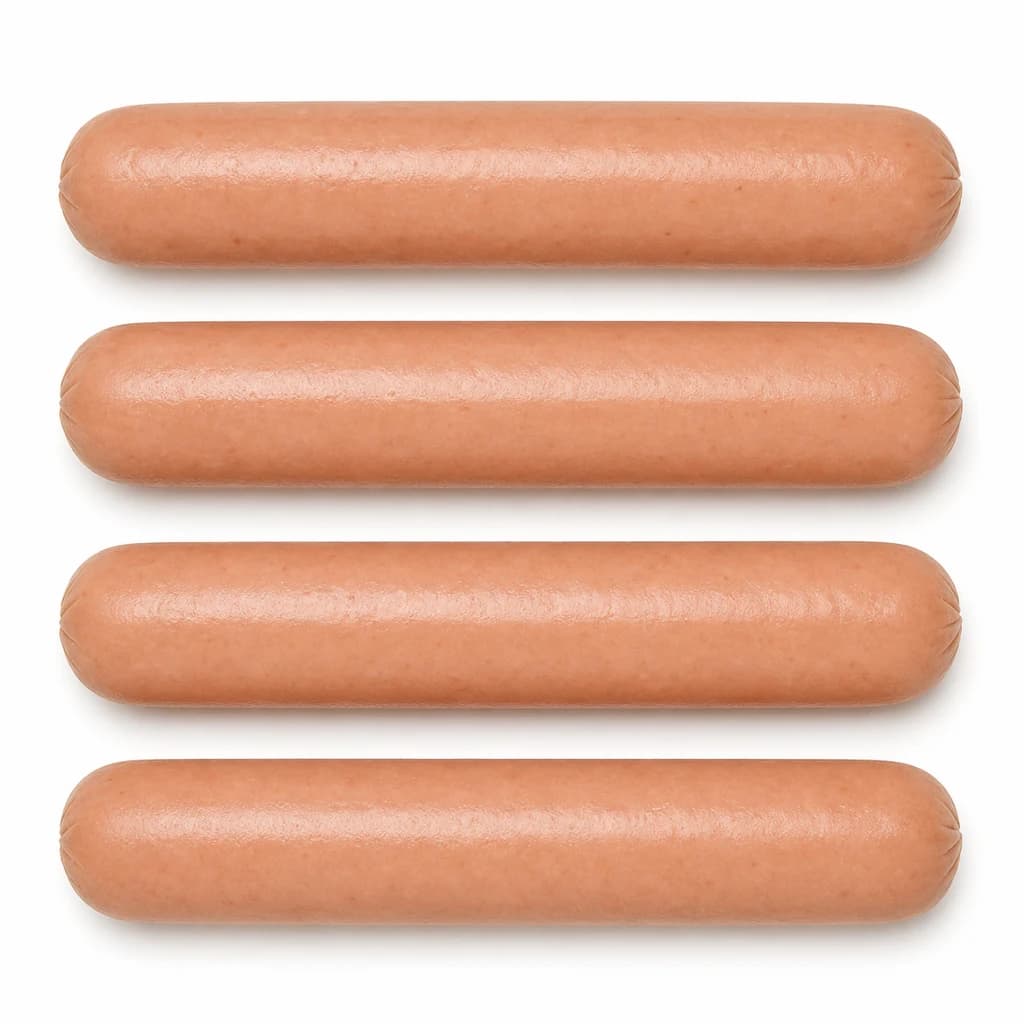
Natural form
Vienna sausages in their compact, pale pink cylindrical form before heating.
Shows the defining physical characteristics — size, shape, color, and smooth emulsified surface — so a reader can identify the ingredient on sight.
Proteins
Vienna Sausage
Small, mild, smoked pork-and-beef sausage sold fresh or canned, eaten warmed or in stews.
Vienna sausages are short, slender, finely emulsified sausages of pork and beef, lightly smoked and named for their Viennese origin. Fresh versions (Wiener Würstchen) are gently heated and served with mustard and bread; canned versions are a popular cheap snack and pantry protein. The texture is soft and the flavor mild and salty.
Vienna sausage traces its name to Vienna, Austria, where the original Wiener Würstchen (or Wienerli in Switzerland) is a higher-quality pork sausage with minimal fillers. American versions derived from this tradition are typically more processed, combining pork and beef with often-added mechanically separated poultry, additional fillers, and seasonings that extend shelf life and reduce cost. The result is a small, fully cooked, smoked sausage that has become a pantry staple precisely because it offers quick protein at low cost—ready to eat straight from the can or warmed in minutes. Canned varieties dominate grocery shelves, packed in broth with a softer, more processed texture, while fresh refrigerated versions from butcher counters or specialty shops offer noticeably better snap and flavor. Despite a modest reputation, properly heated fresh Vienna sausage with a pan-browned exterior has genuine appeal as a weeknight protein; the key is choosing quality and handling it correctly. Because "Vienna sausage" is a category descriptor rather than a protected designation, quality varies dramatically between brands and formats—read ingredient lists and seek fresh or minimal-ingredient options when flavor matters.
- Measured in
- g
- Storage
- Fridge
Types & varieties
Packed in broth; most common grocery store format; fully cooked and ready to heat and eat; softer texture than fresh
Refrigerated section with shorter shelf life; typically has better snap and less processed flavor; must be cooked before eating
Larger diameter version; still shorter than standard frankfurters; good for slider applications
Common uses
Tips & pitfalls
- Do not overheat canned Vienna sausages in boiling water—2 to 3 minutes is sufficient, or they turn rubbery and split
- Prick canned sausages with a fork before microwaving to prevent the casing from bursting and making a mess
- For noticeably better texture, slice the sausages and pan-fry in a thin layer of oil until lightly browned on the cut sides
- Canned varieties are already seasoned and salted—taste before adding more sodium to any dish you incorporate them into
- When adding to soups or stews, wait until the last 10–15 minutes of cooking so they hold their shape
- Fresh Vienna sausages must reach an internal temperature of 160°F (71°C) before serving; grill, pan-fry, or simmer until done
- Seek fresh refrigerated varieties from the butcher counter or specialty shops rather than relying on canned for the best snap and flavor
- Read ingredient labels—higher-quality versions contain fewer fillers, mechanically separated meats, and additives like carrageenan
Nutrition
Energy
649 kJ · per 100 g
Where the calories come from
Protein
18.8g
38% DV
Carbs
0.5g
0% DV
Fat
8.1g
10% DV
Fiber
0g
0% DV
Sugars
0g
of which
Sodium
593mg
26% DV
Source · USDA FoodData Central · approx. Sausage, turkey, fresh, raw
View on FDC →In the shops
Matched grocery products
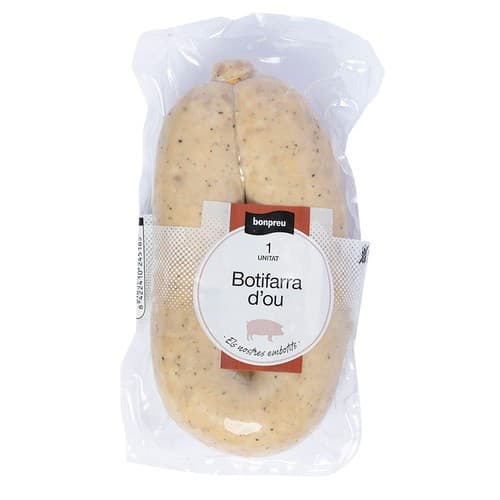 €3.79
€3.79Egg Sausage
BONPREU · kg · Bonpreu
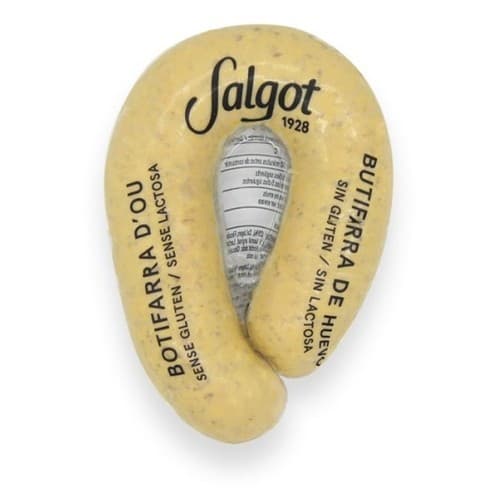 €4.99
€4.99Egg Sausage
SALGOT · kg · Bonpreu
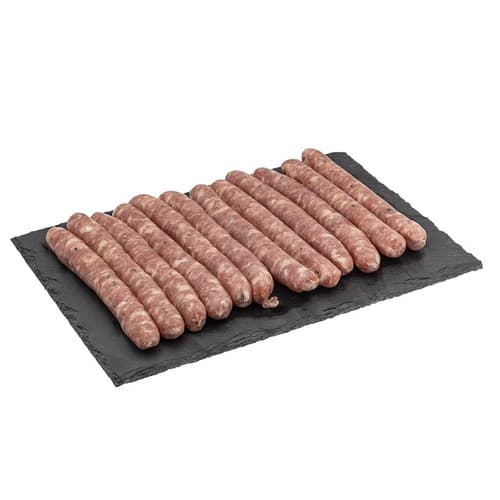 €5.99
€5.99Pork Sausage
BONPREU DE L'ERA · kg · Bonpreu
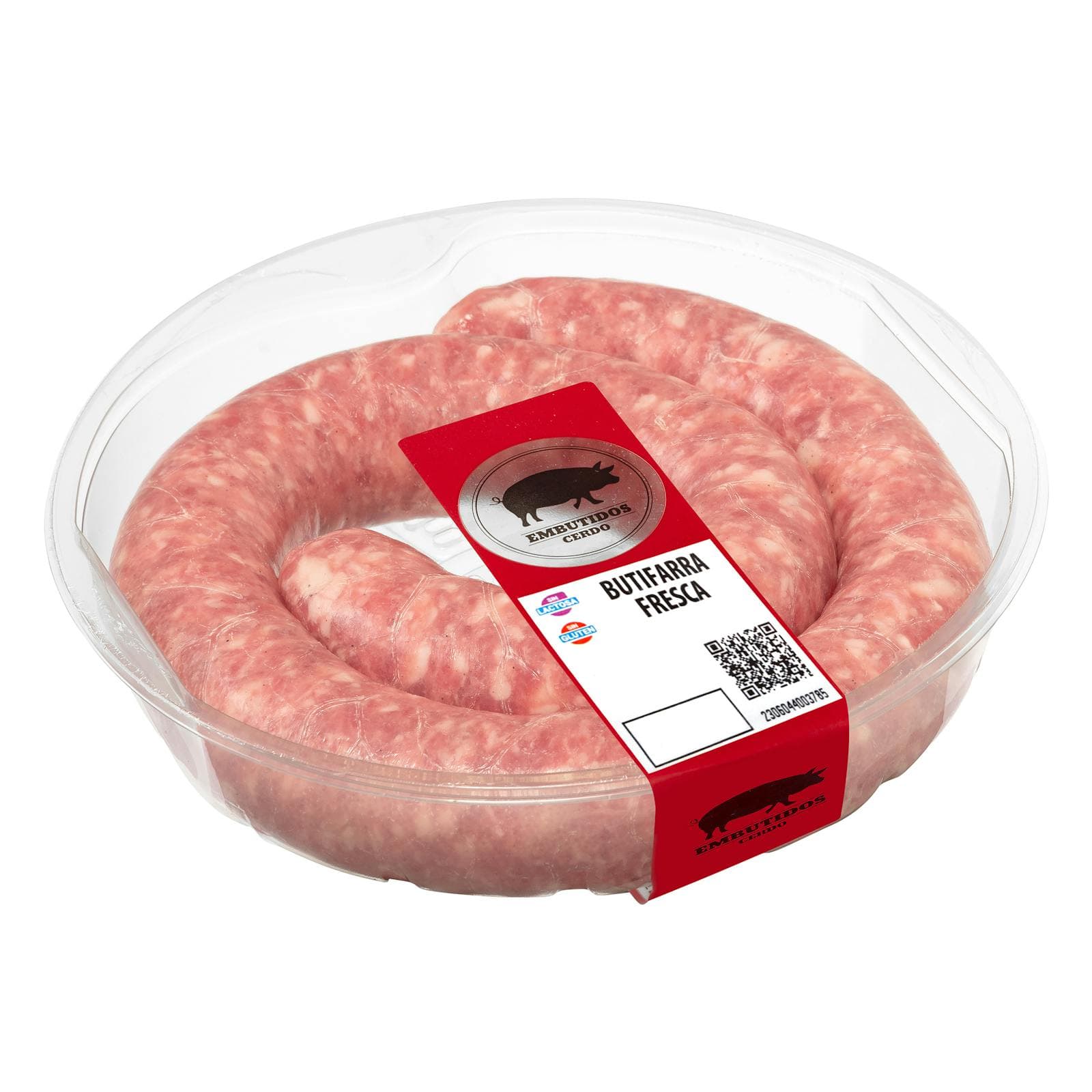 €3.62
€3.62Fresh Sausage
640 g · Mercadona
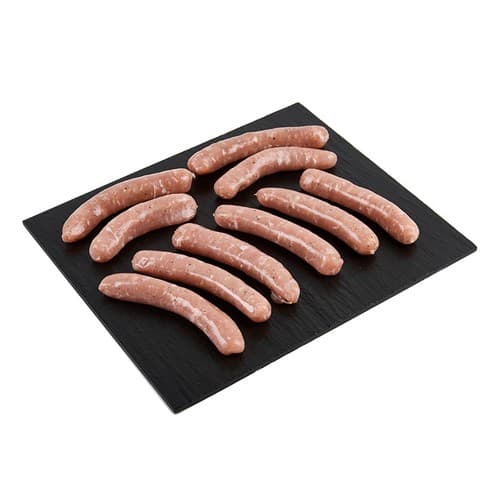 €6.75
€6.75Rabbit Sausage
BONPREU · kg · Bonpreu
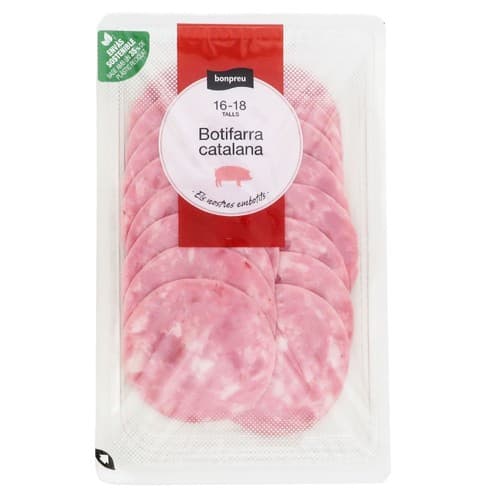 €1.89
€1.89Catalan Sausage
BONPREU · kg · Bonpreu
Good to know
- Origin
- Named for Vienna, Austria; American version derived from Austrian Wiener Würstchen, typically more processed with additional fillers
- Primary Proteins
- Pork and/or beef, often with added poultry; quality varies by brand
- Processing
- Fully cooked and smoked; most varieties are ready-to-eat straight from the can
- Typical Size
- 2–3 inches (5–8 cm) long; thinner than standard frankfurters
- Casing
- Collagen or cellulose casing (often removed on smaller links); some fresh varieties use natural pork casing
- Shelf Life (Canned)
- 2–5 years unopened; refrigerate after opening and use within 1 week
- Shelf Life (Fresh)
- Refrigerate; use by sell-by date, typically within 1–2 weeks
- Sodium Content
- High; canned varieties commonly contain 400–600 mg per serving
Substitutes
- Frankfurters/Weenies — Similar smoky flavor and texture; cut into 2-inch pieces if needed to match the smaller Vienna sausage size
- Cocktail Smokies — Comparable size and smokiness; work as a 1:1 substitute in most applications
- Little Smokies — Slightly sweeter, fully cooked; work well in appetizer and stew applications
- Pepperoni — Suitable for sliced applications like salads; not appropriate for whole-sausage uses
- Breakfast Sausage Links — Fresh rather than smoked; must be cooked; different flavor profile and not fully comparable
Pairs with
Also called
Wiener Würstchen · Cocktail Sausage
Related
Egg
The kitchen's everything ingredient — bind, leaven, enrich, or fry
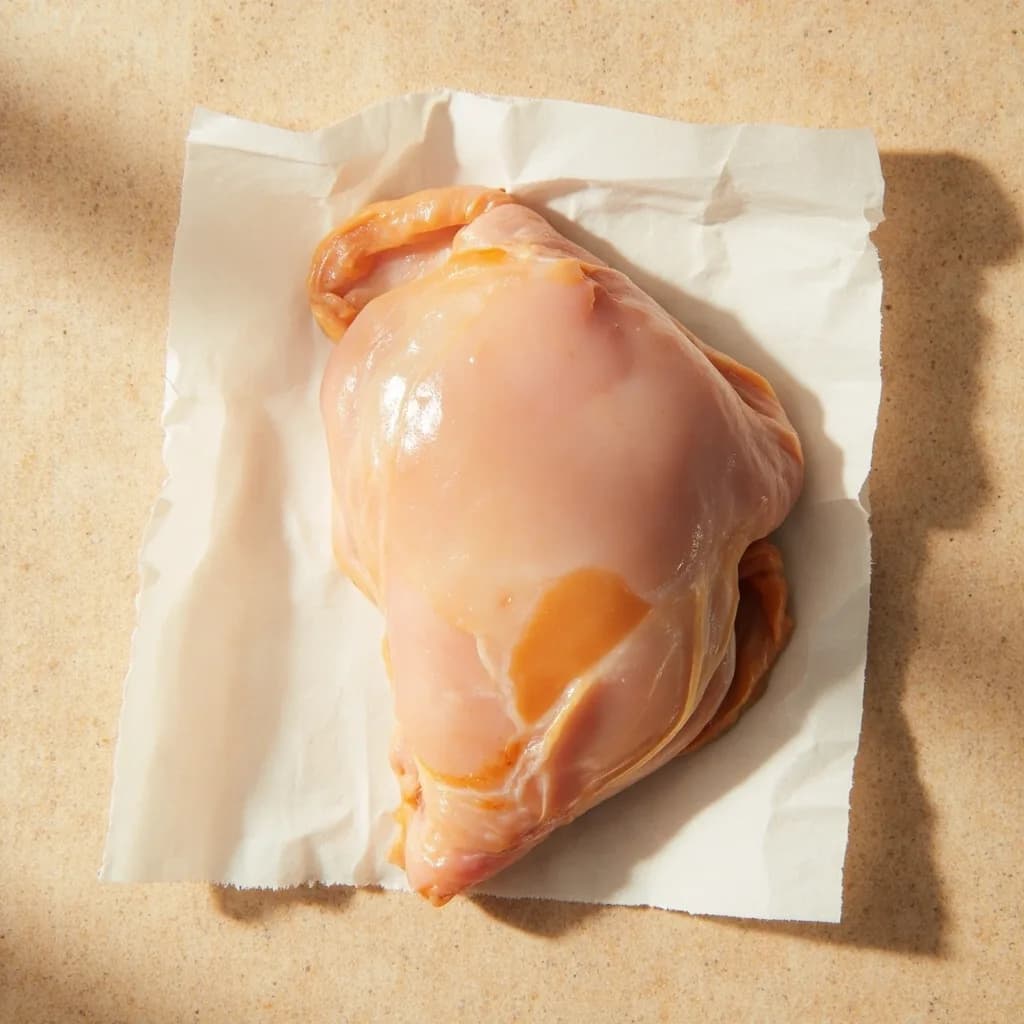
Chicken Breast
Lean, quick-cooking white meat for everyday dinners

Ground Beef
Versatile minced beef for burgers, ragù, tacos, and meatballs
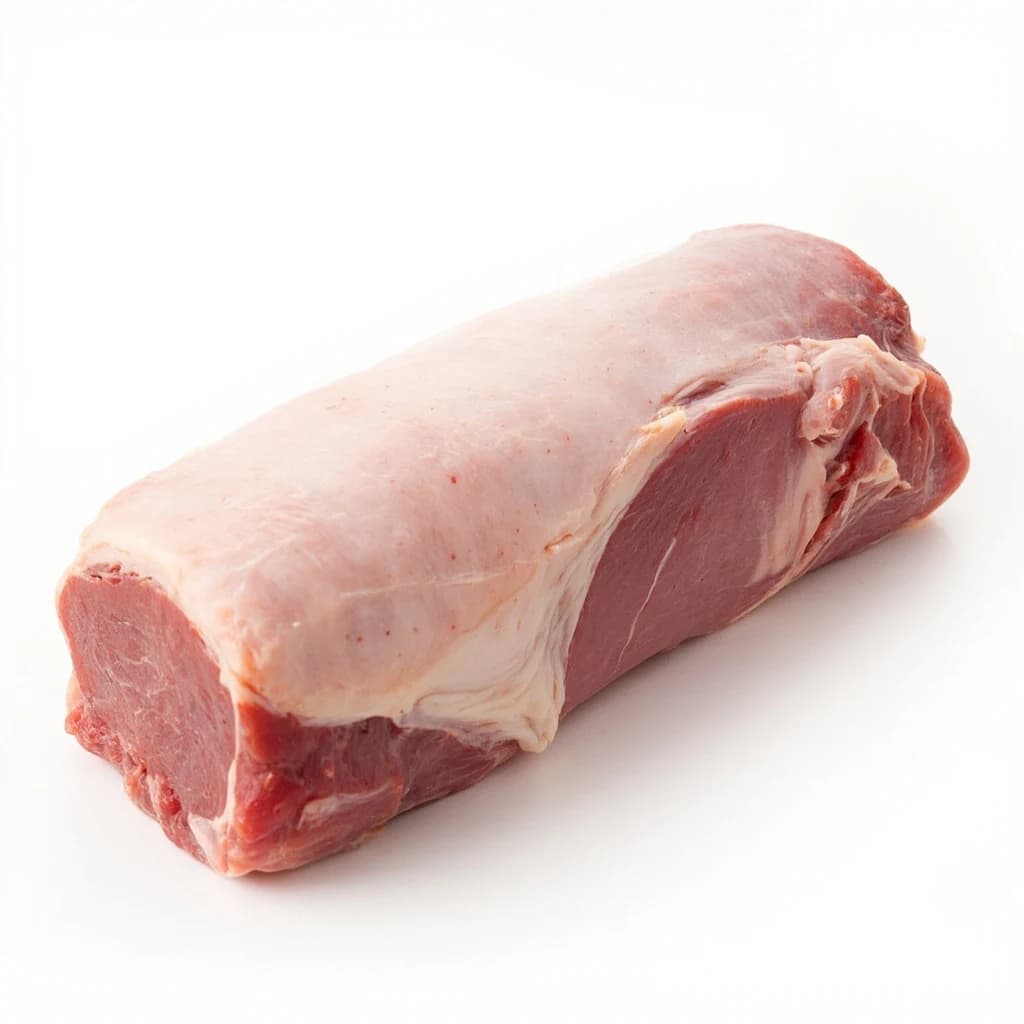
Pork Loin
Lean, tender roasting cut that stays juicy with care
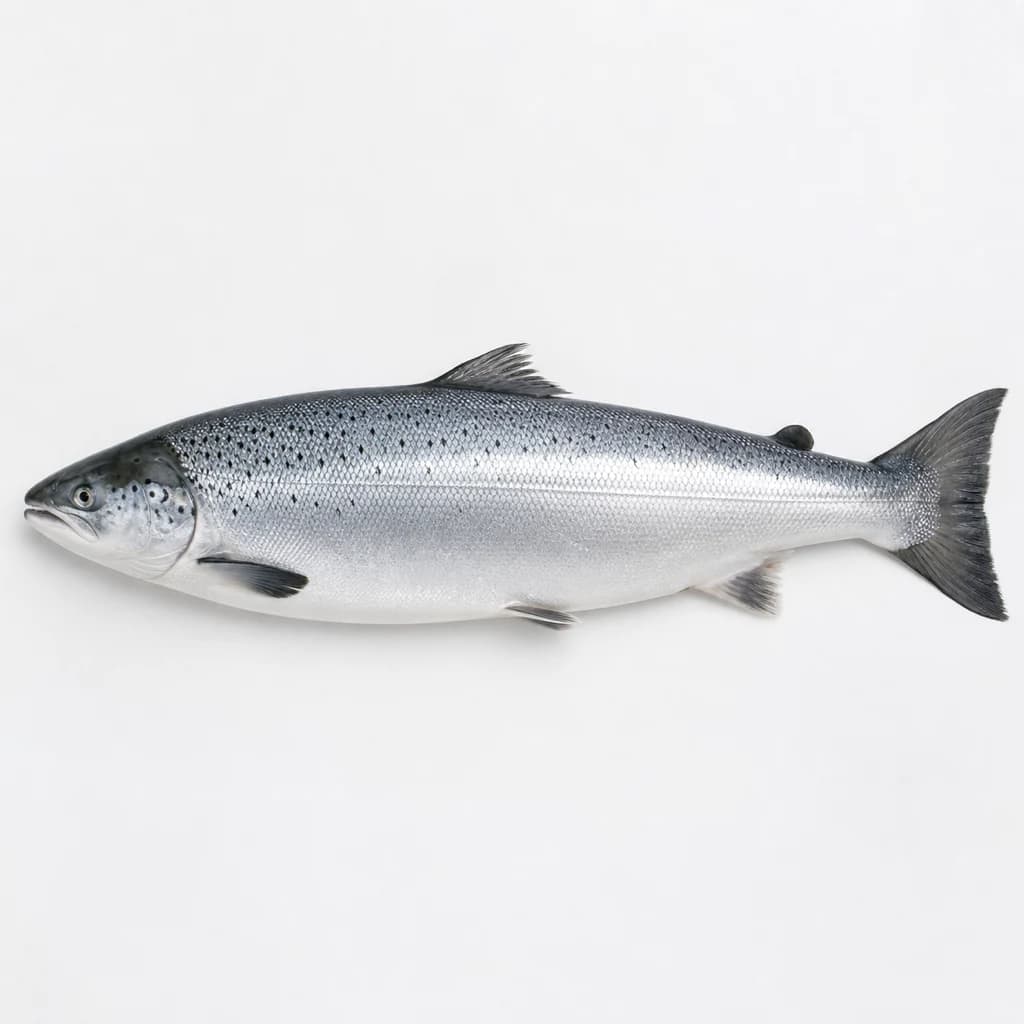
Salmon
Rich, rosy fish that roasts, grills, or cures beautifully

Egg White
Pure protein that whips to airy peaks for meringue and more
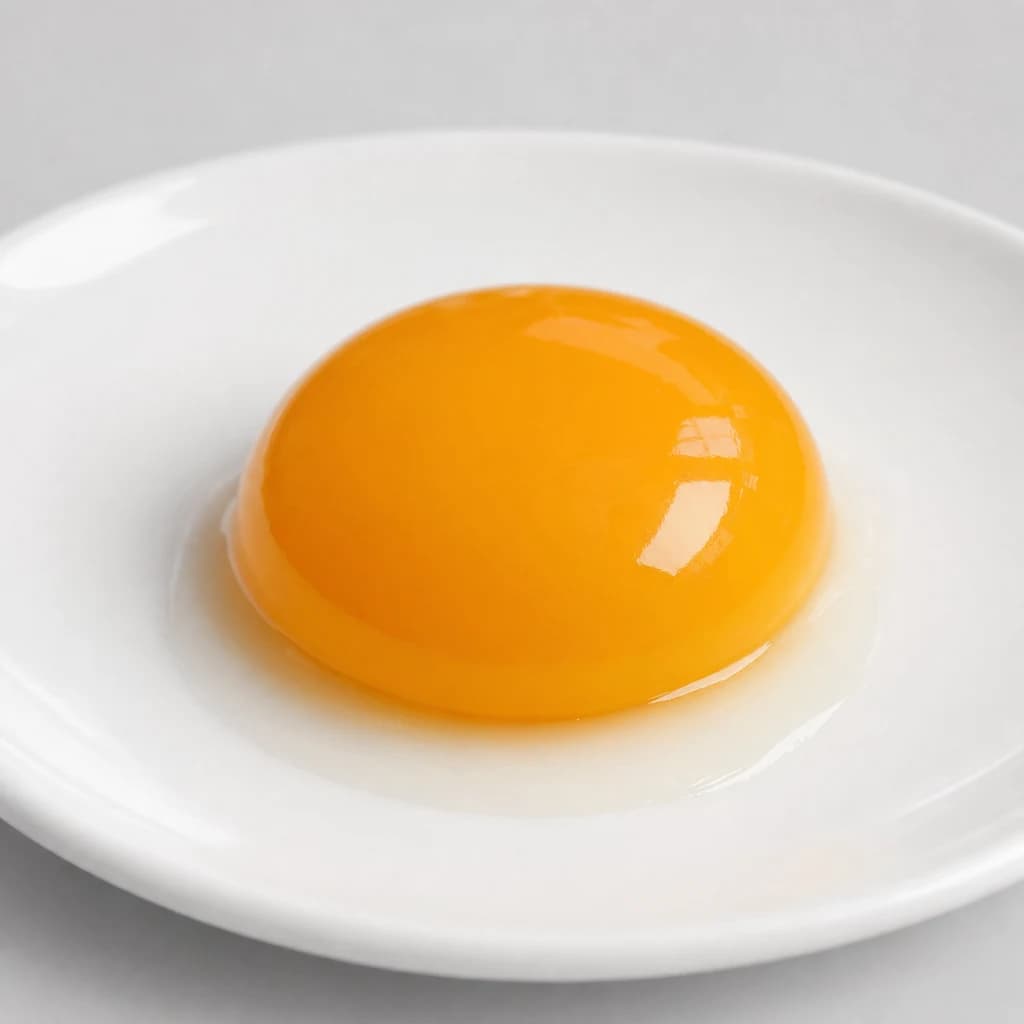
Egg Yolk
Rich, golden yolk for custards, mayonnaise, and pasta

Quail Egg
Tiny, speckled eggs for garnishing and elegant bites