Natural form
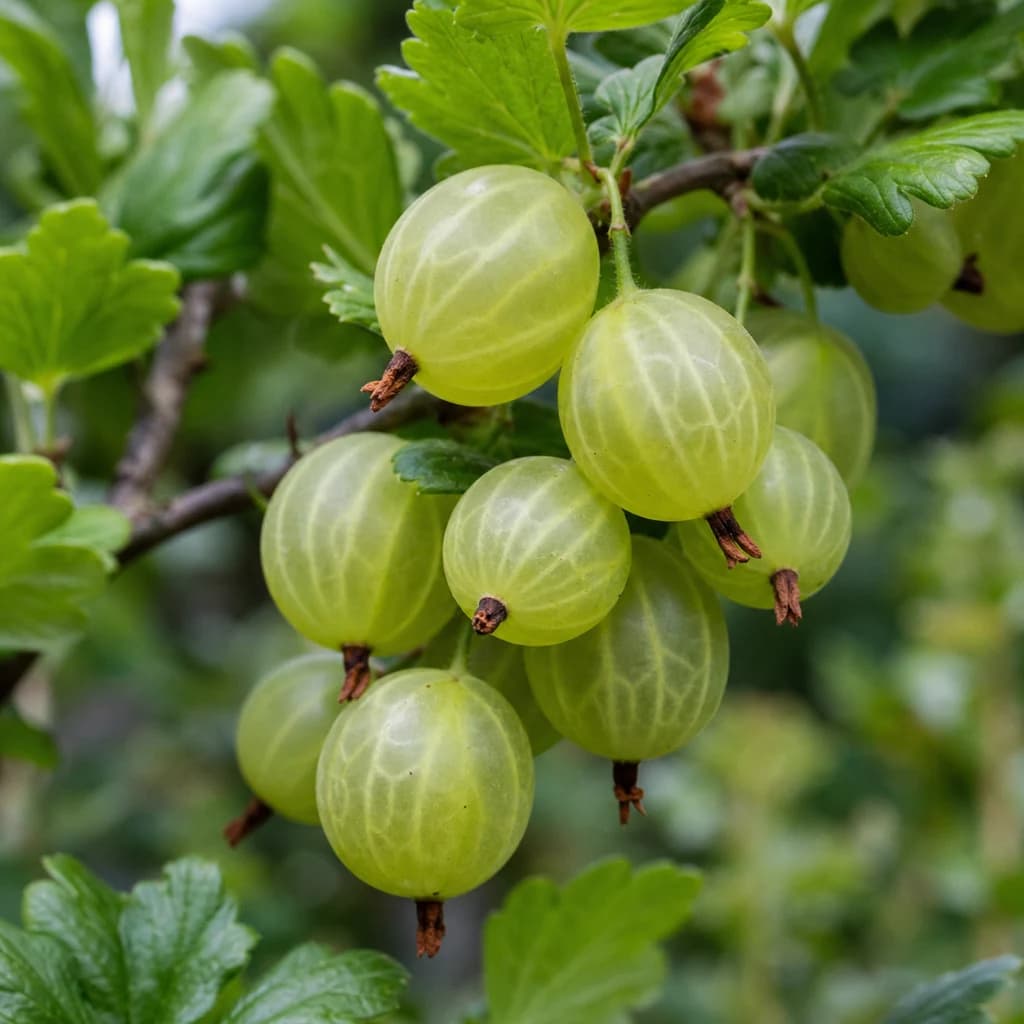
Fresh gooseberries on the bush, showing the translucent green skin and faint veining.
Shows the berry in its natural state so readers can recognize it at source, including the distinctive translucent skin and fine surface veins.
Produce
Gooseberry
Tart, translucent green berry cooked into fools, pies, and jams or paired with savory fish.
Gooseberries are small, round, translucent berries, usually green and sometimes red, with a bright, mouth-puckering tartness and faint veining on the skin. Popular in British cooking, they are stewed with sugar for fools, crumbles, pies, and jams, and the tart green ones also make a classic sauce for oily fish like mackerel. Riper berries sweeten and can be eaten fresh.
Gooseberries are small, translucent berries from the Ribes family, prized for their intense, bright acidity and a range of colors from pale green to deep red. Native to northern Europe and western Asia, they have been cultivated in Britain since at least the 16th century, where they became a cornerstone of the British kitchen garden—once so popular that specialized working-class clubs bred hundreds of named varieties in the 19th century. The fruit fell from fashion mid-century due to mildew susceptibility, but modern disease-resistant cultivars have sparked renewed interest among serious cooks.
The berry's defining characteristic is its high acidity, which demands significant sugar to balance when cooked yet makes it exceptional for preserves and sauces. Underripe berries are particularly rich in natural pectin, making them ideal for jams and jellies without added thickeners. The hairy skin—which can irritate the mouth when raw—softens beautifully with cooking. Flavor varies by variety and ripeness: fully ripe gooseberries can develop genuine honeyed sweetness, while early-harvest berries deliver pure, lip-puckering tartness. This versatility means the same bush can yield fruit for multiple purposes across a short six-to-eight-week season.
In the kitchen, gooseberries occupy a unique position between sweet and savory. They anchor classic British desserts like fools, crumbles, and pies, yet pair extraordinarily well with oily fish such as mackerel and salmon, where their acidity cuts through the richness. The Scots have long preserved immature berries in spiced vinegar as "capers" for smoked fish, while Scandinavian kitchens use them in chilled soups. Whatever the application, always top and tail the berries with scissors or a small knife before cooking—the small, fibrous ends are unpleasant to bite and won't break down.
- Measured in
- g
- Storage
- Fridge
Types & varieties
Large, pale green berries; popular commercial and garden variety; heavy cropper
Mid-green berries; considered one of the best-flavored culinary varieties; reliable cropper
Early-season green variety; pale, medium-sized berries; compact growth
Pink to reddish berries; works for both cooking and eating fresh; tolerates partial shade
Reddish, nearly thornless variety; developed for disease resistance; good flavor
Finnish cultivar; yellow-gold berries; notably sweet for a gooseberry
Finnish cultivar; red berries; good disease resistance; tangy flavor
Nearly thornless American type; red berries; compact, spreading habit
White-green translucent berries; older English variety; dessert quality
One of the earliest-ripening varieties; pale green berries
Harvesting for Different Uses
Timing determines whether your gooseberries suit savory or sweet applications. Pick berries when they are just under-ripe—still firm and predominantly green—for pies, sauces, and chutneys; these hold their shape better and deliver the intense tartness that balances rich dishes. Wait for full ripeness to use the fruit raw, in fools, or for eating out of hand; at this stage, some varieties become genuinely sweet and the skin softens. In practice, a single bush can be harvested in stages: thin the outer, earlier-ripening berries first for cooking, leaving the later berries to size up and sweeten.
- Under-ripe: firm, green, intensely tart—ideal for cooking
- Full ripeness: slightly softer, may develop sweetness—good for raw use and fools
- Red and yellow varieties tend to be softer and sweeter even when technically "unripe"
Making Gooseberry Fool
The fool is the quintessential British gooseberry preparation, and it demands restraint in cooking. The berries should be barely cooked—just heated through with sugar until they begin to split—then pressed through a sieve to remove the seeds and most of the hairy skin. Fold the resulting purée into softly whipped cream, leaving visible streaks rather than a uniform pale green mixture. A splash of elderflower cordial, added to the warm fruit before straining, is the classic enhancement, though the fool is equally excellent plain. Chill thoroughly before serving; the texture tightens and the flavor develops as it rests.
- Cook berries with sugar until just beginning to burst—3-5 minutes only
- Sieve while warm for a smooth purée; seeds and skin remain in the sieve
- Fold into softly whipped cream, not stiff peaks; visible streaks are correct
- Add elderflower cordial to the warm fruit for the classic British flavor
Common uses
Tips & pitfalls
- Pick berries when just under-ripe for pies and sauces; wait for full ripeness to eat raw or make fools
- Always top and tail gooseberries before cooking—use scissors or a small knife, working through a cupful at a time
- Cook in a heavy pan without water initially; the berries release enough liquid and develop better, more concentrated flavor
- Do not overcook; berries should remain somewhat intact for pies and fools, but cook longer for smooth jam
- Gooseberries are naturally high in pectin when underripe—test before adding commercial pectin for jam
- The hairy skin can irritate the mouth when raw; this softens with cooking, and sieving removes it entirely for fools
- Add sugar in stages when making jam to avoid a grainy texture
- Green gooseberries hold their shape better in cooking than red or yellow varieties
- For a savory sauce, balance with a splash of wine vinegar or white wine, a touch of sugar, and fresh herbs like mint
Nutrition
Energy
184 kJ · per 100 g
Where the calories come from
Protein
0.9g
2% DV
Carbs
10.2g
4% DV
Fat
0.6g
1% DV
Fiber
4.3g
15% DV
Sodium
1mg
0% DV
Source · USDA FoodData Central · Gooseberries, raw
View on FDC →In the shops
Matched grocery products
No matched grocery products for Gooseberry yet.
Good to know
- Scientific name
- Ribes uva-crispa (sometimes listed as Ribes grossularia)
- Family
- Grossulariaceae (currant family)
- Origin
- Northern Europe and western Asia; cultivated in Britain since at least the 16th century
- Peak season
- June through August in the Northern Hemisphere
- Flavor profile
- Brightly tart when unripe; some varieties develop genuine honeyed sweetness at full ripeness
- Typical size
- 1–2 cm in diameter
- Colors
- Green (most common), yellow, red, pink, white
- Pectin content
- High when unripe; reduces or eliminates need for commercial pectin in jams
- Acidity
- High; requires significant sugar to balance when cooked
- Refrigerator storage
- Up to 2 weeks in a single layer on paper towels
- Freezer storage
- Excellent; freeze in single layers on trays, then transfer to bags
Substitutes
- Red currants — Closest in flavor and texture; slightly less tart; excellent for similar applications
- Green grapes — Milder and sweeter; acceptable in cooked applications where tartness can be adjusted
- Rhubarb — Different texture but similar tartness; requires longer cooking; works in pies and crumbles
- Cranberries — Comparable tartness; require similar cooking times; texturally different when cooked
Pairs with
Related
Tomato
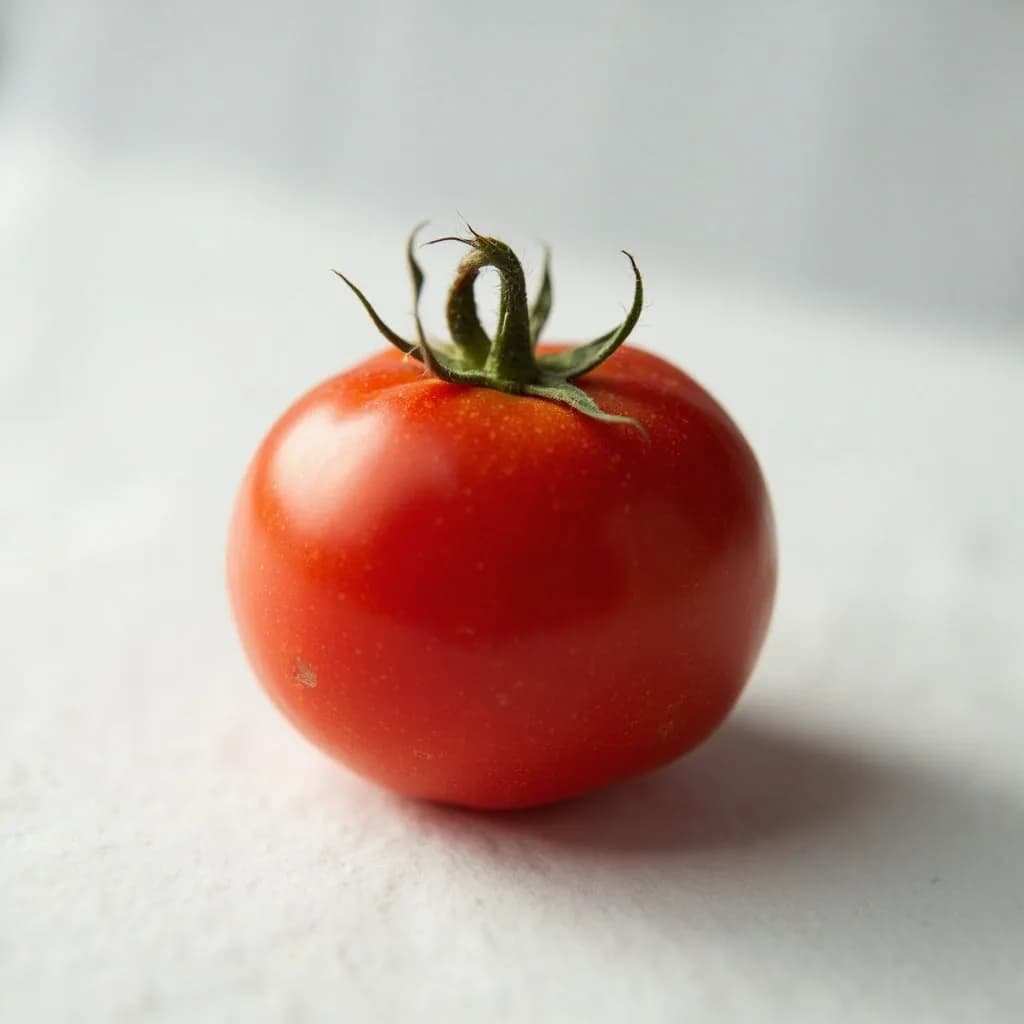
Juicy, sun-sweet fruit for sauces, salads, and slow-cooked depth
Yellow Onion
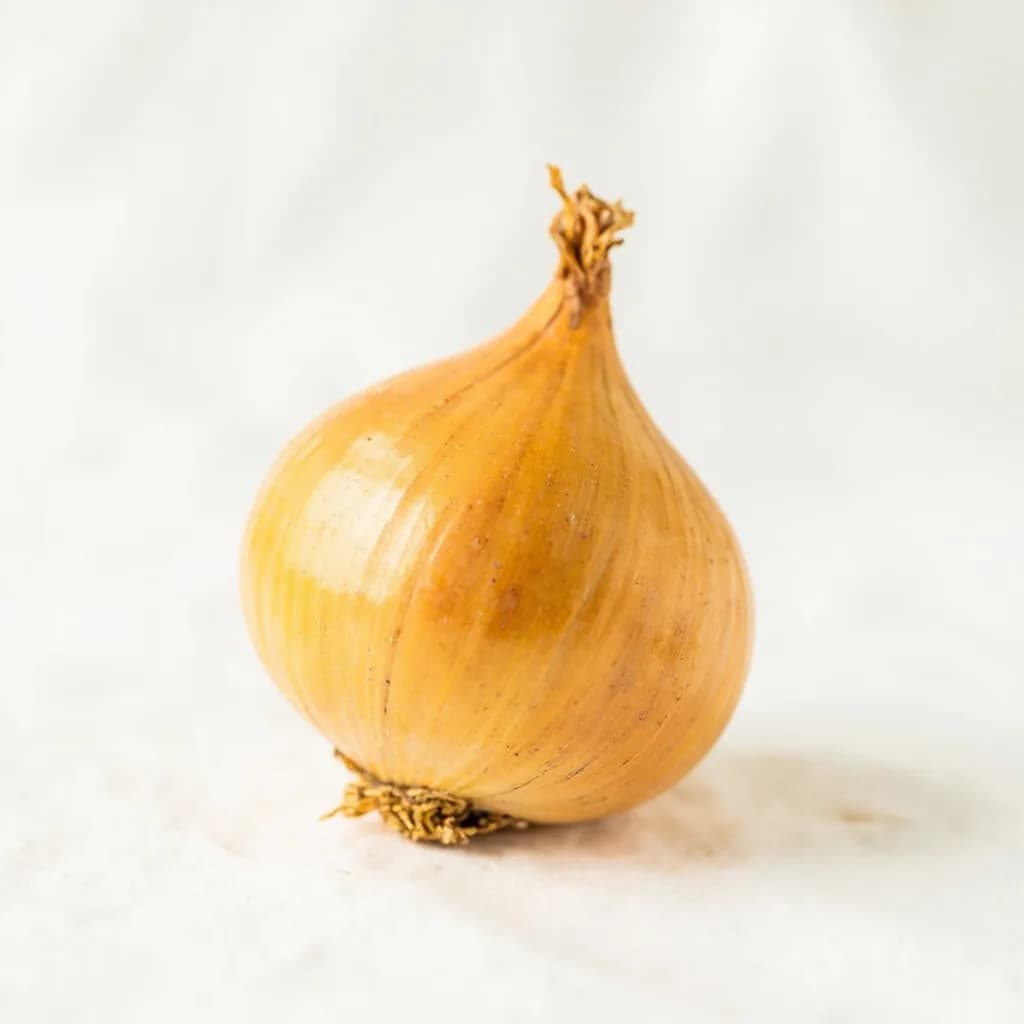
The aromatic backbone of soups, sofritos, and braises
Garlic
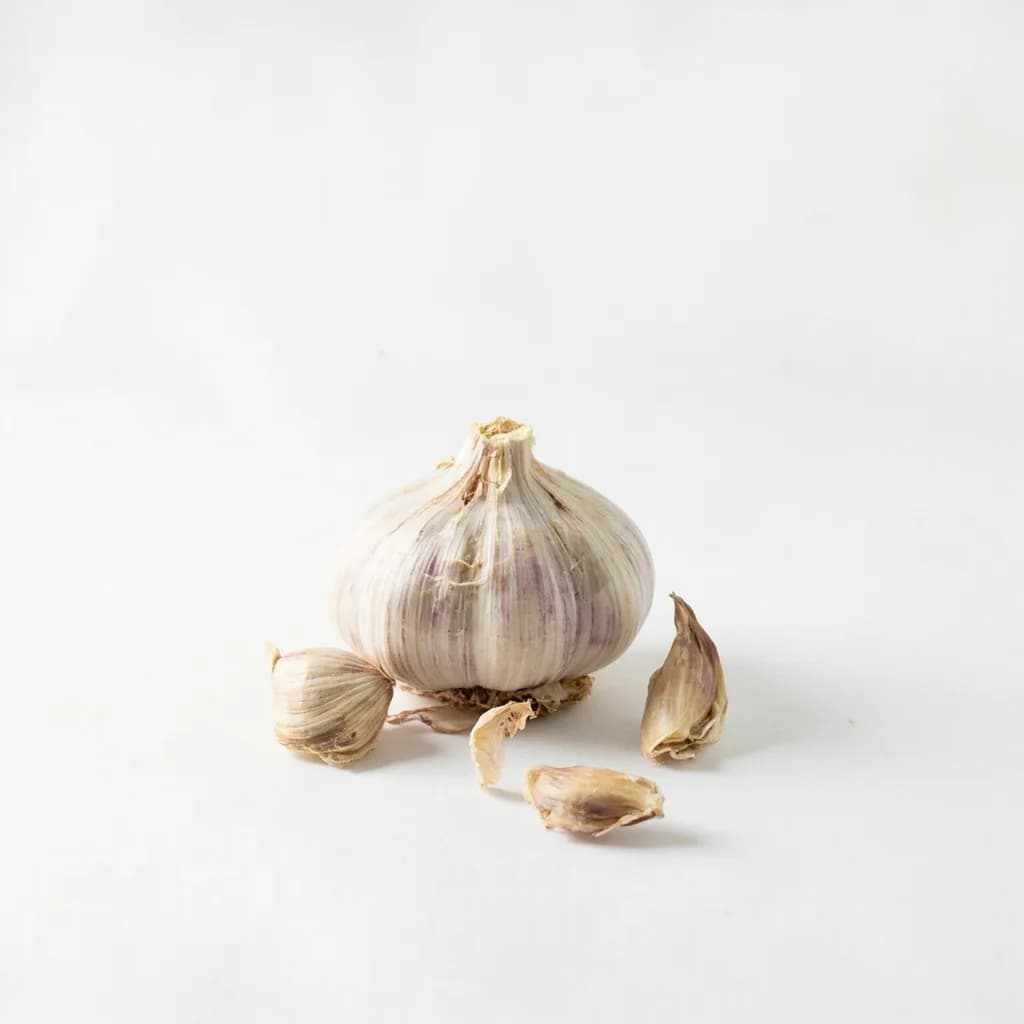
Pungent cloves that perfume nearly every savory dish
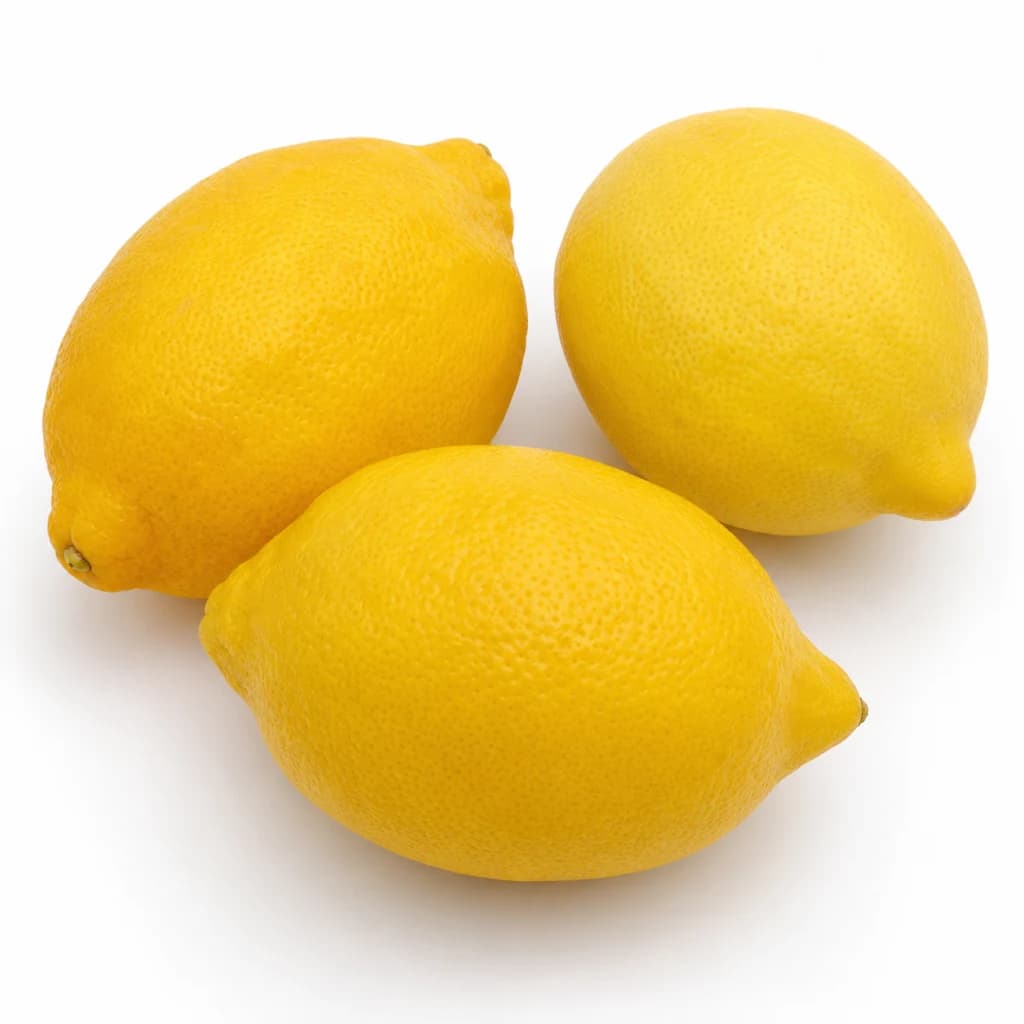
Lemon
Bright, acidic citrus that wakes up almost any dish
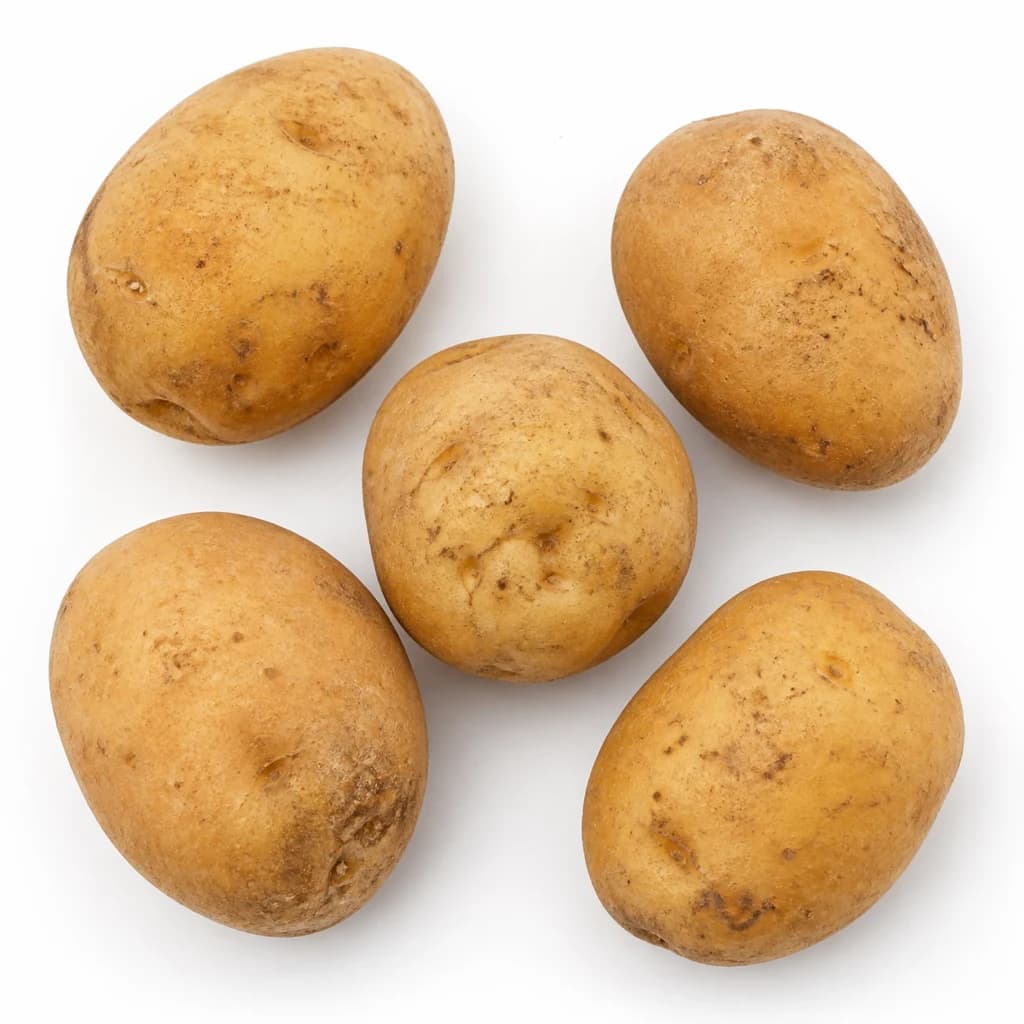
Potato
Humble, hearty staple — roast, mash, fry, or boil
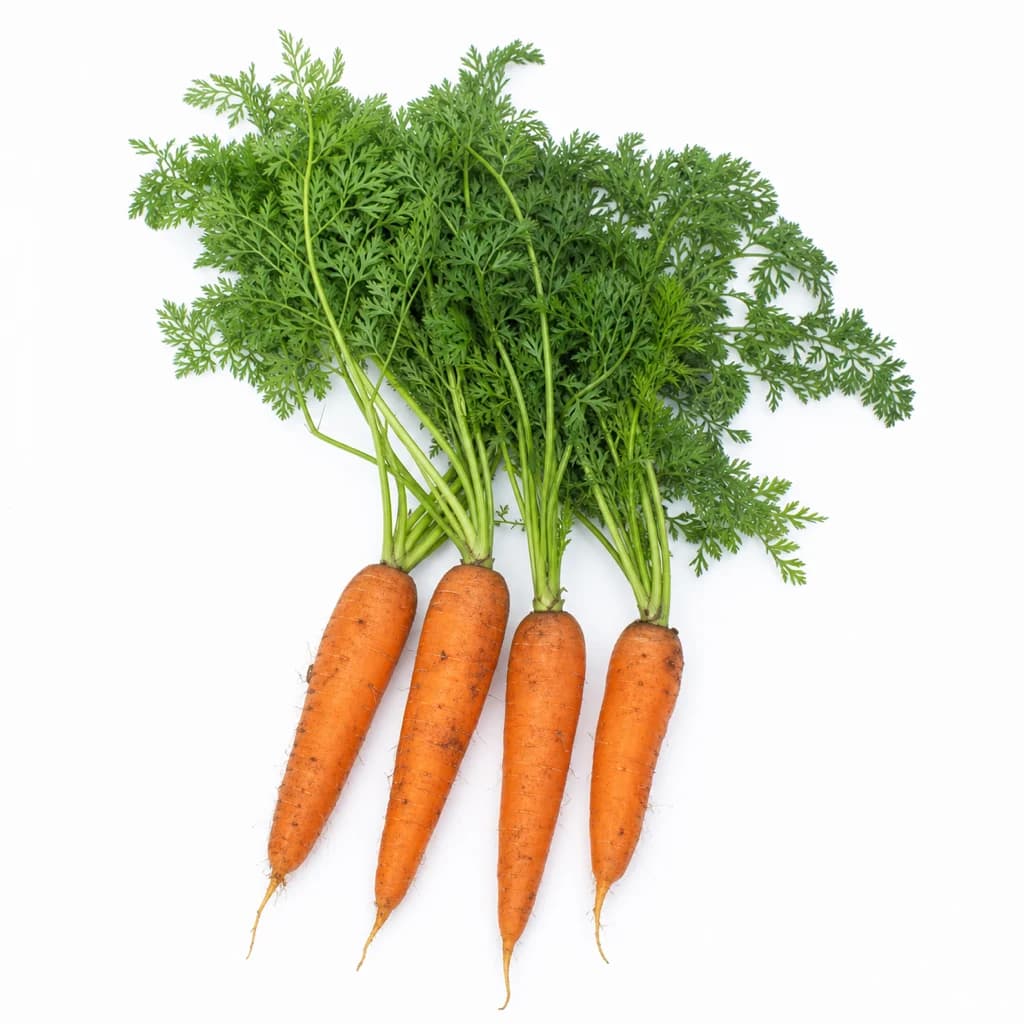
Carrot
Sweet, crunchy root — raw, roasted, or the base of a sofrito
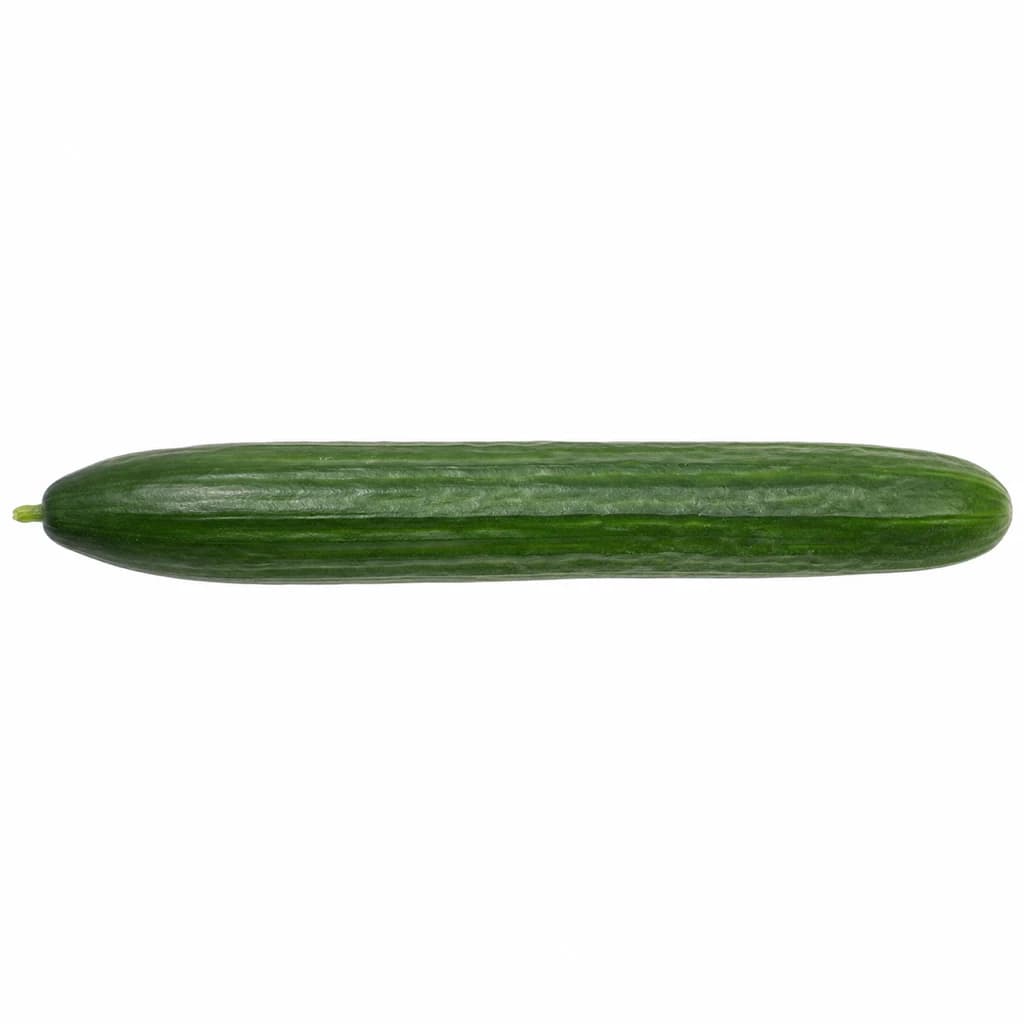
Cucumber
Cool, crisp, and watery — for salads, pickles, and tzatziki

Lettuce
Crisp leaves for salads, wraps, and a fresh crunch