
Natural form
Whole green tomatoes on the vine, showing their unripe firmness and vivid color.
Establishes what green tomatoes look like in their natural state — unripe, firm, bright green — so readers can identify them before purchase or harvest.
Produce
Green Tomato
Unripe firm tomato with tangy flavor; fried, fricasseed, or made into relish.
Green tomatoes are unripe tomatoes, firm and bright green with a sharp, tangy flavor and very little of the sweetness of ripe fruit. In the American South they are famously sliced, breaded, and fried, while elsewhere they are turned into chutneys, relishes, and pickles. Their firmness lets them hold up to high-heat cooking without falling apart.
Green tomatoes are unripe fruits of Solanum lycopersicum, harvested before they reach maturity on the vine. They develop in late summer as the season cools and daylight diminishes, or are purposefully picked when frost threatens. Their defining characteristic is firm, dense flesh with a pale sage to deep forest-green exterior and a flavor profile markedly different from their ripe counterparts: assertive tartness with grassy, almost citrusy acidity and noticeably fewer seeds. This high acid content—approximately 0.4–0.6% citric acid and a pH between 4.0 and 4.5—makes them unusually versatile for a fruit, enabling water-bath canning that would be unsafe with ripe tomatoes.
The distinction between truly unripe tomatoes and "green when ripe" varieties (such as Green Zebra) matters in the kitchen. Truly unripe tomatoes are a seasonal necessity, often the last fruits harvested before frost destroys the plant. Green when ripe varieties, by contrast, are bred to mature fully on the vine while retaining their green color and developing more complex, sometimes subtly sweet flavor beneath the tartness. Both work in cooking, but their behavior differs—true unripe tomatoes are firmer and more acidic, making them ideal for frying and pickling, while green when ripe varieties excel when you want some sweetness alongside the characteristic tang.
In the American South and Appalachia, green tomatoes evolved from practical necessity into a celebrated culinary tradition. When cooking was a matter of preservation rather than preference, letting tomatoes ripen on the vine was a luxury the weather rarely permitted. The result was fried green tomatoes—a dish that transformed an agricultural limitation into a regional icon. Their firm flesh and notable pectin content make them exceptional for relishes, chutneys, and pickles, where they contribute body and texture alongside their assertive sourness. They hold their shape well when cooked, making them equally useful in gumbos, gratins, and as burger or sandwich components.
- Measured in
- piece
- Storage
- Fridge
Types & varieties
Medium-large, solid green when ripe; excellent for frying and relishes due to dense flesh
Green-when-ripe variety; retains green color at peak ripeness with subtle yellow stripes; firm texture ideal for cooking
Heirloom with complex flavor; hint of sweetness beneath tartness; medium to large fruit
Large heirloom with sweet and spicy flavor; excellent slicer that holds up when cooked
Small, cherry-type; stays green when ripe; good for pickling whole or in relishes
Bred specifically for uniformity and firmness; commonly sold at roadside stands in late season
Common uses
Tips & pitfalls
- Select firm, heavy tomatoes without give when pressed; avoid any with soft spots, blemishes, or wrinkled skin
- Salt slices lightly and let drain on paper towels 20–30 minutes before frying to remove excess moisture—this prevents steaming and ensures a crisp, golden crust
- Heat frying oil to 190°C (375°F); too cool produces soggy results, too hot burns the exterior before the interior cooks through
- Cornmeal-based breading is traditional: use roughly 1/4 cup fine cornmeal per pound of slices, often with a touch of flour for adhesion
- Dredge in buttermilk before the cornmeal coating for better adhesion and complementary tang that balances the tomato's acidity
- Do not substitute green-when-ripe varieties interchangeably with truly unripe tomatoes in pickle recipes—acidity levels differ and affect safety
- Harvest all remaining tomatoes when frost threatens, regardless of size; even small ones fry successfully and can ripen partially on a windowsill over 1–2 weeks
- When making relish or chutney, combine underripe and just-beginning-to-color tomatoes for balanced flavor and texture
- The calyx (stem cap) removes more easily after a brief dip in boiling water (15 seconds) before coring
- For water-bath canning with added low-acid vegetables like peppers or onions, pressure canning is required to ensure safety despite the tomato's natural acidity
Nutrition
Energy
96 kJ · per 100 g
Where the calories come from
Protein
1.2g
2% DV
Carbs
5.1g
2% DV
Fat
0.2g
0% DV
Fiber
1.1g
4% DV
Sugars
4g
of which
Sodium
13mg
1% DV
Source · USDA FoodData Central · Tomatoes, green, raw
View on FDC →In the shops
Matched grocery products
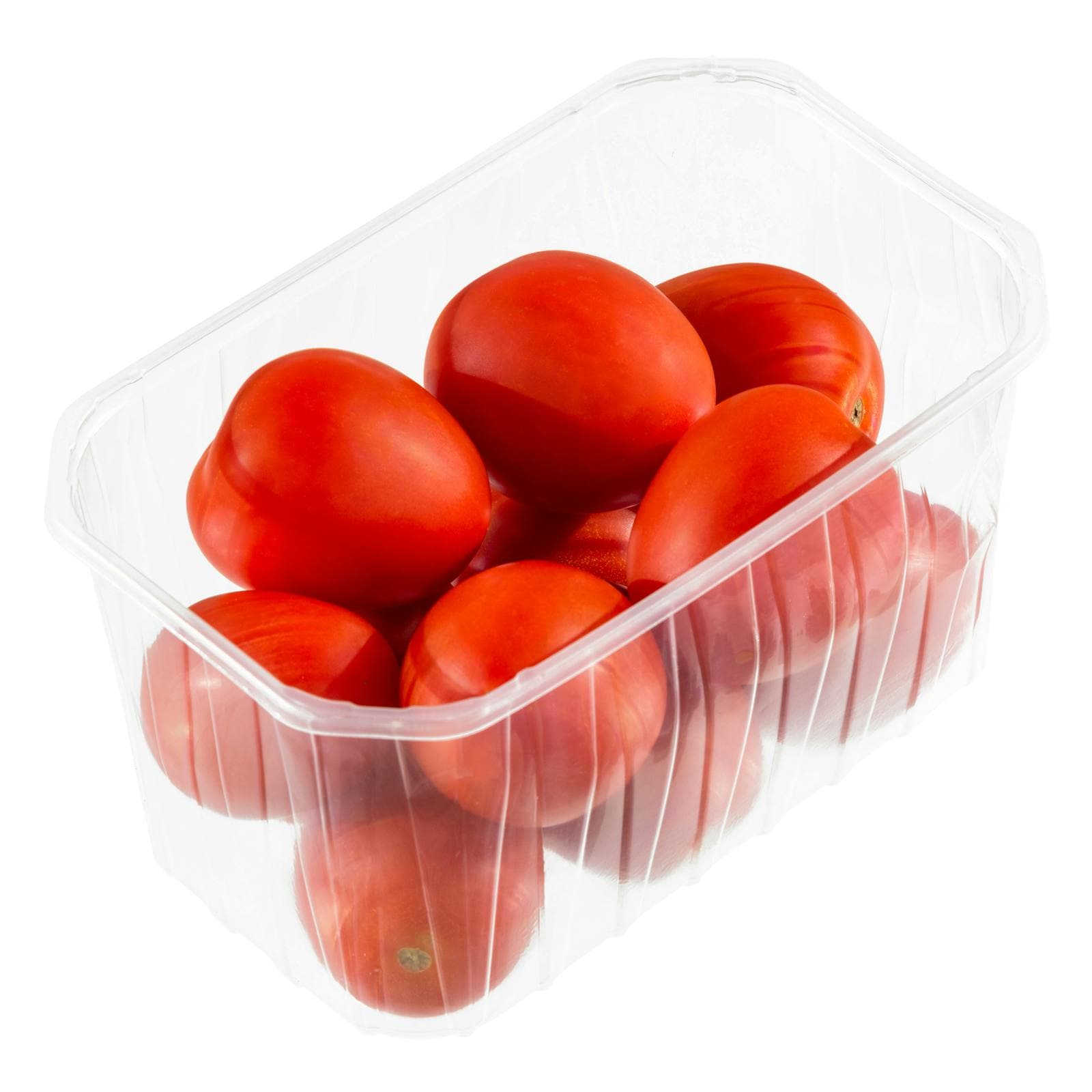 €2.62
€2.62Pear Tomatoes
1.14 kg · Mercadona
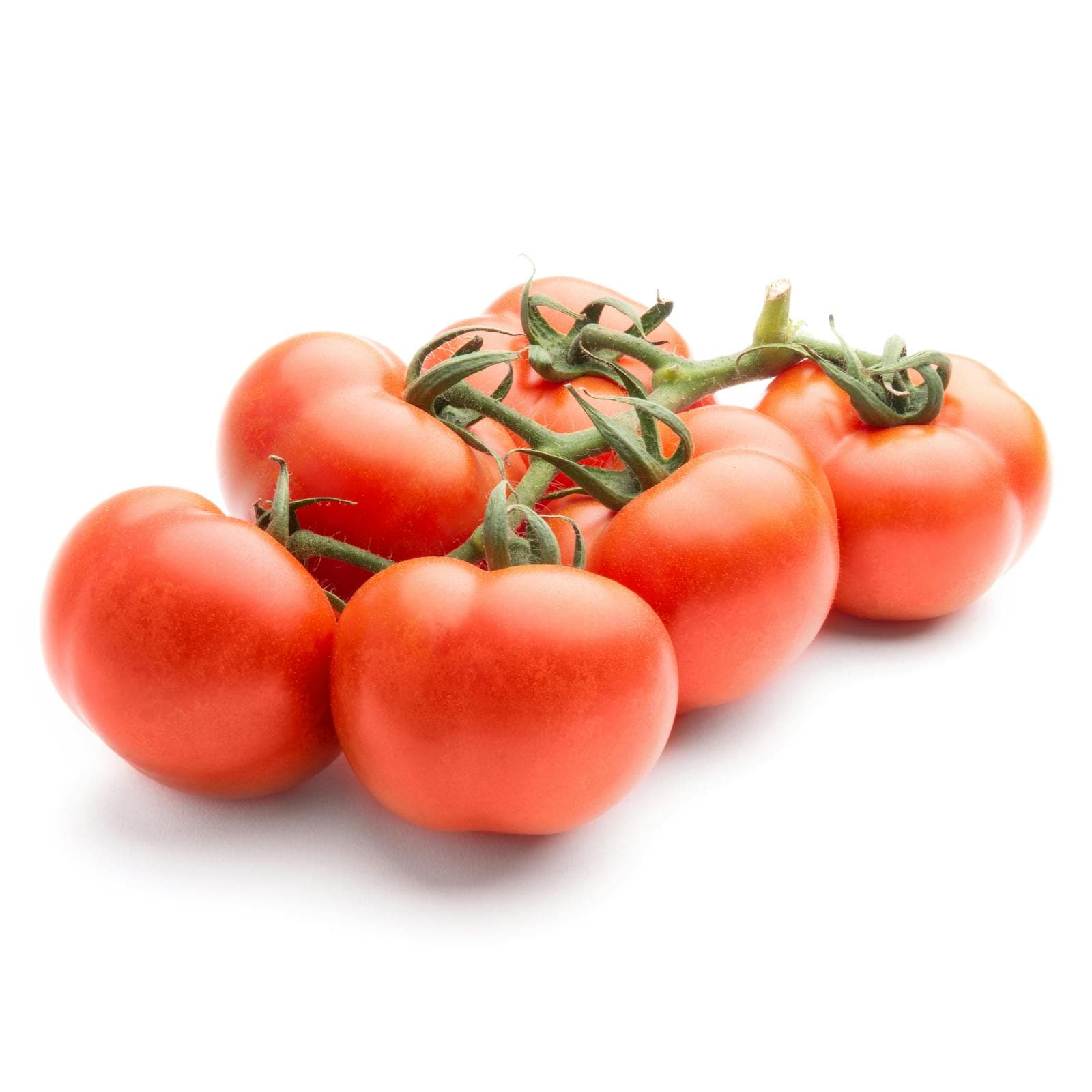 €1.49
€1.49Truss Tomatoes
550 g · Mercadona
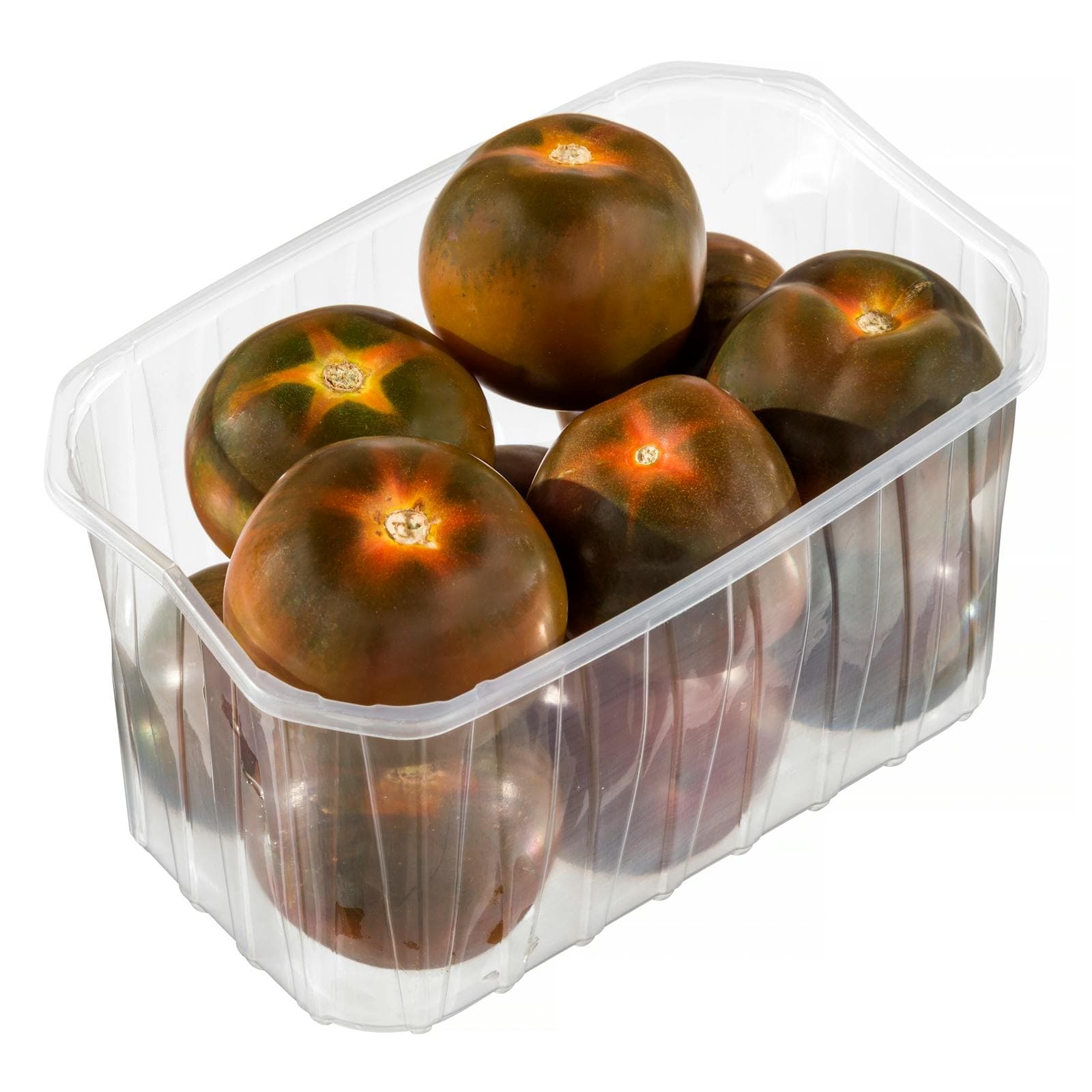 €2.60
€2.60Black Tomatoes
1 kg · Mercadona
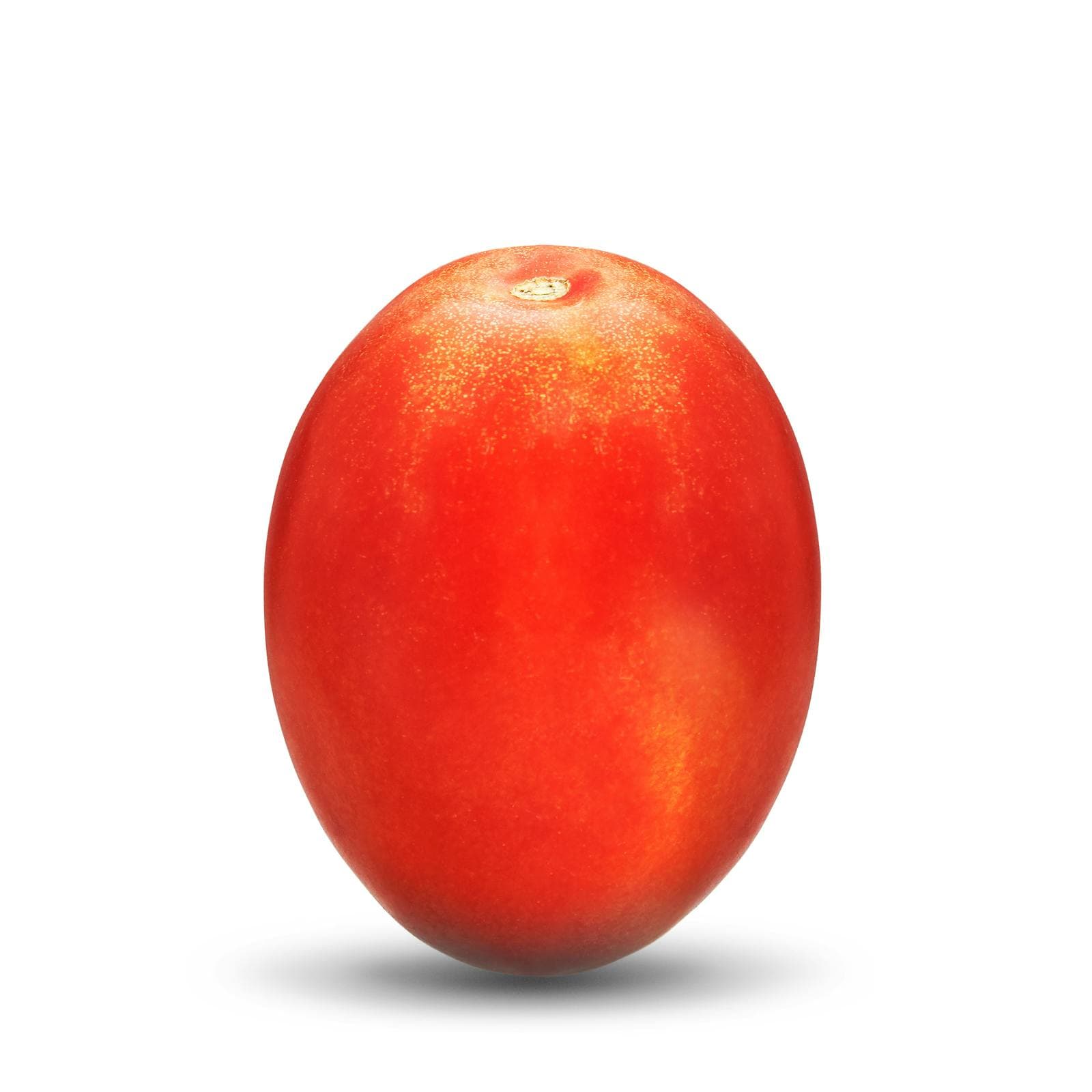 €0.29
€0.29Plum Tomato
130 g · Mercadona
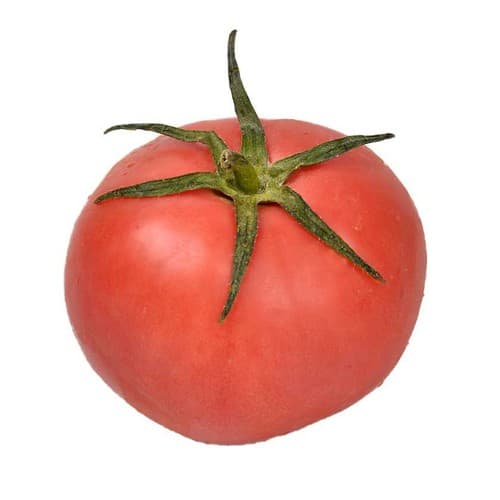 €1.07
€1.07Pink Tomato
ud · Bonpreu
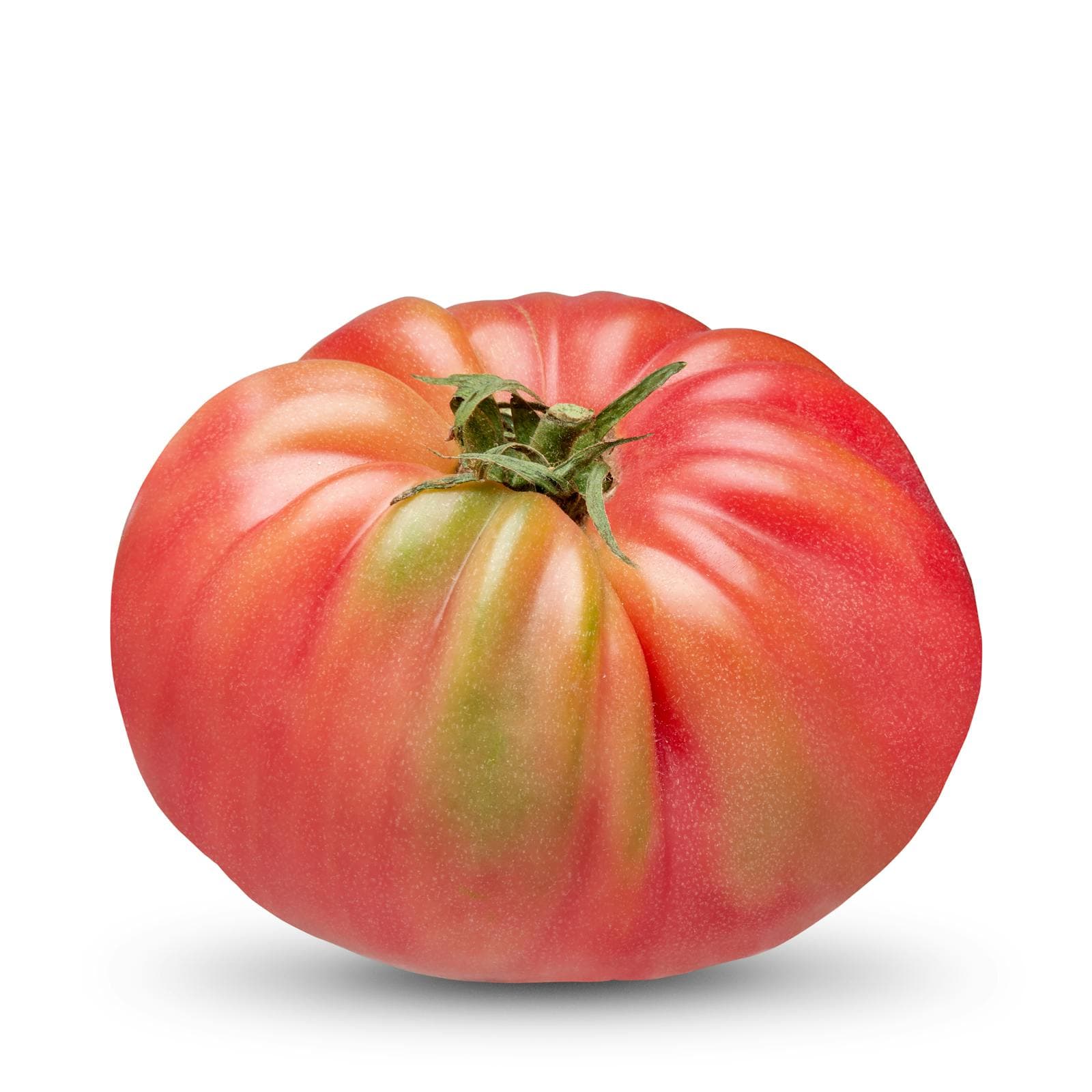 €1.16
€1.16Pink Tomato
340 g · Mercadona
Good to know
- Botanical name
- Solanum lycopersicum (unripe stage)
- Flavor profile
- Tangy, bright acidity; grassy and sour with firm, meaty flesh and fewer seeds than ripe tomatoes
- Season
- Late summer through first frost; harvested when tomatoes fail to ripen on the vine
- Acid content
- Approximately 0.4–0.6% citric acid; higher acidity than ripe tomatoes
- pH level
- 4.0–4.5 — acidic enough for safe water-bath canning when processed correctly
- Texture
- Firm, dense, almost crunchy when raw; holds shape well during cooking and frying
- Storage
- Refrigerate unwashed up to 2–3 weeks; keep at room temperature to slowly ripen if desired
- Yield
- 8–12 slices per medium tomato (2–3 inches diameter) when sliced thin for frying
Substitutes
- Unripe green bell pepper — Similar firm texture and mild flavor; lacks the tomato acidity but works in fried applications; add a squeeze of lemon juice to compensate
- Firm zucchini — Comparable density; too mild without the acidic tang; acceptable in sautéed dishes but not for traditional preparations; add lemon juice for more authentic results
- Green papaya (unripe) — Similar crunch; neutral flavor; works in pickles and slaws but not for Southern fried preparations
- Firm unripe mango — Similar texture and slight acidity; works in chutneys and pickles; not suitable for traditional fried applications
Pairs with
Related
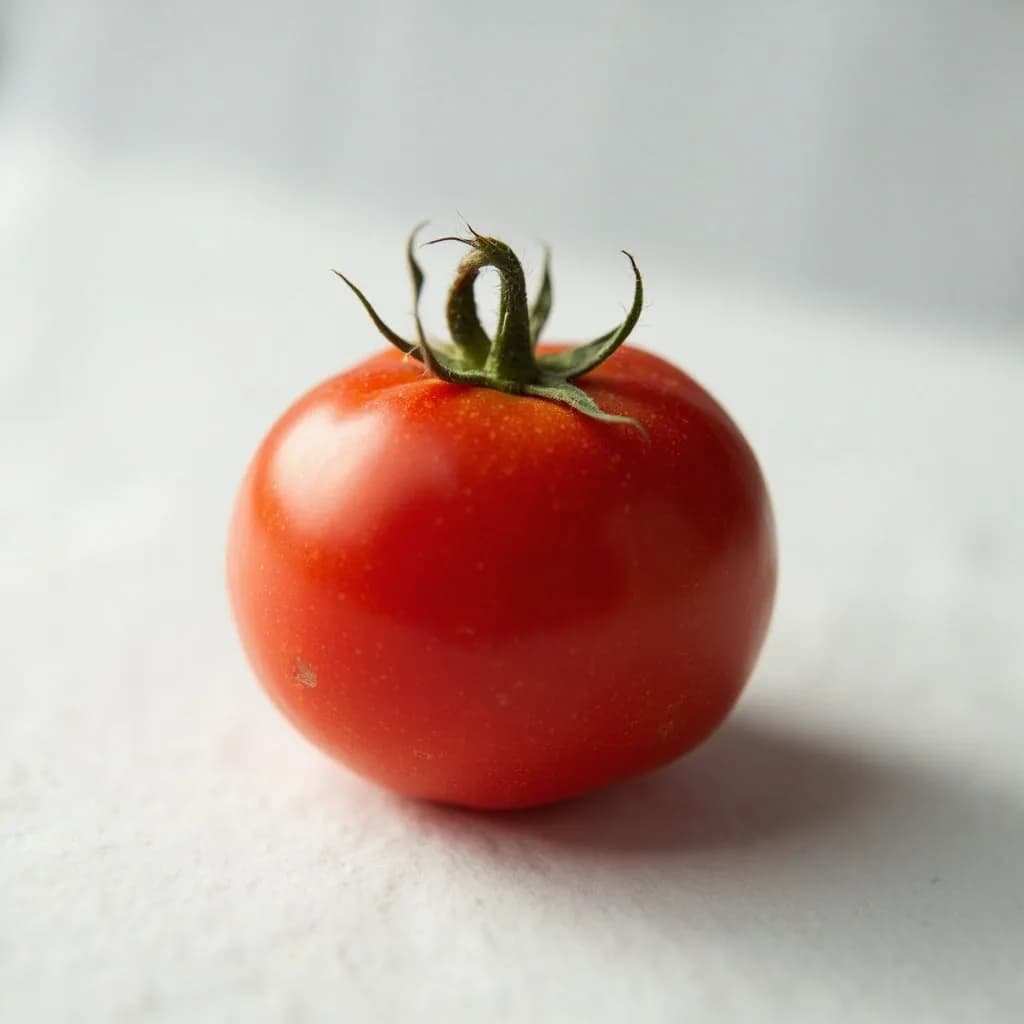
Tomato
Juicy, sun-sweet fruit for sauces, salads, and slow-cooked depth
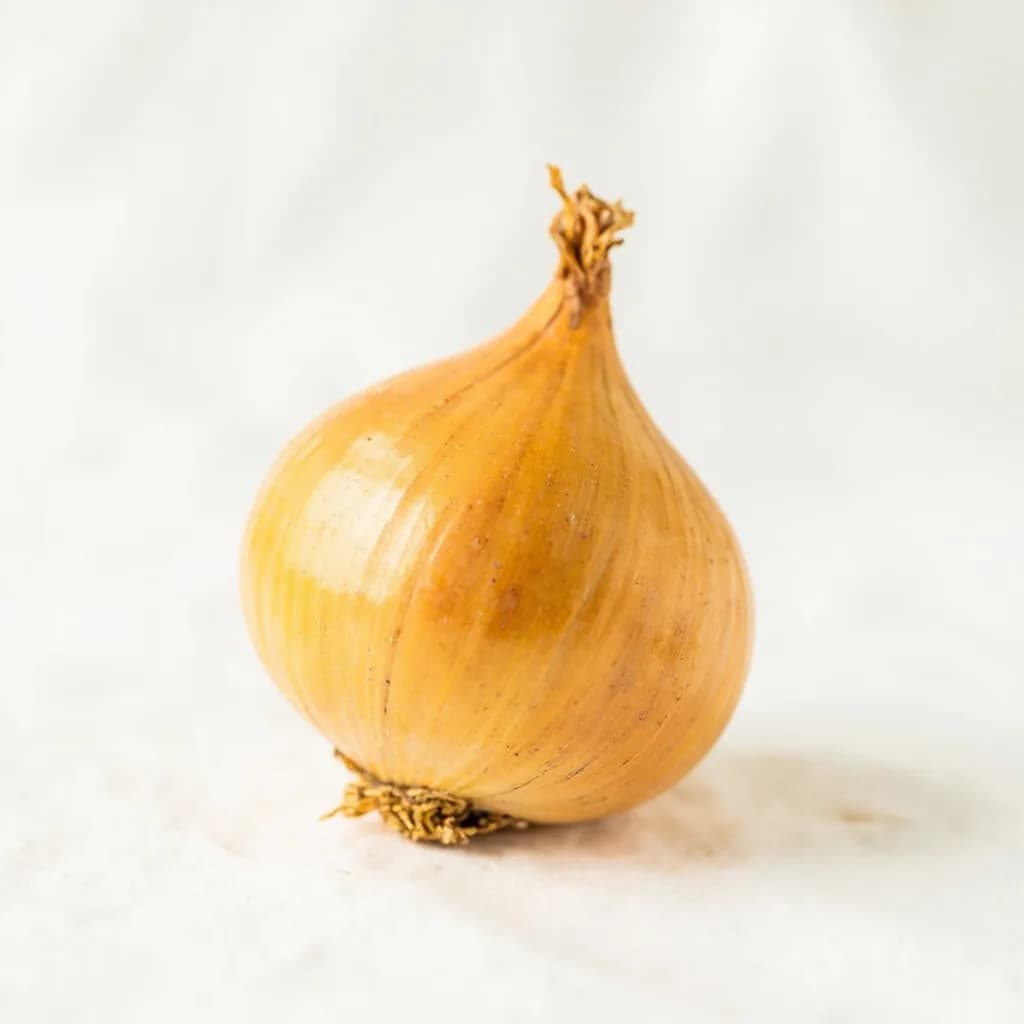
Yellow Onion
The aromatic backbone of soups, sofritos, and braises
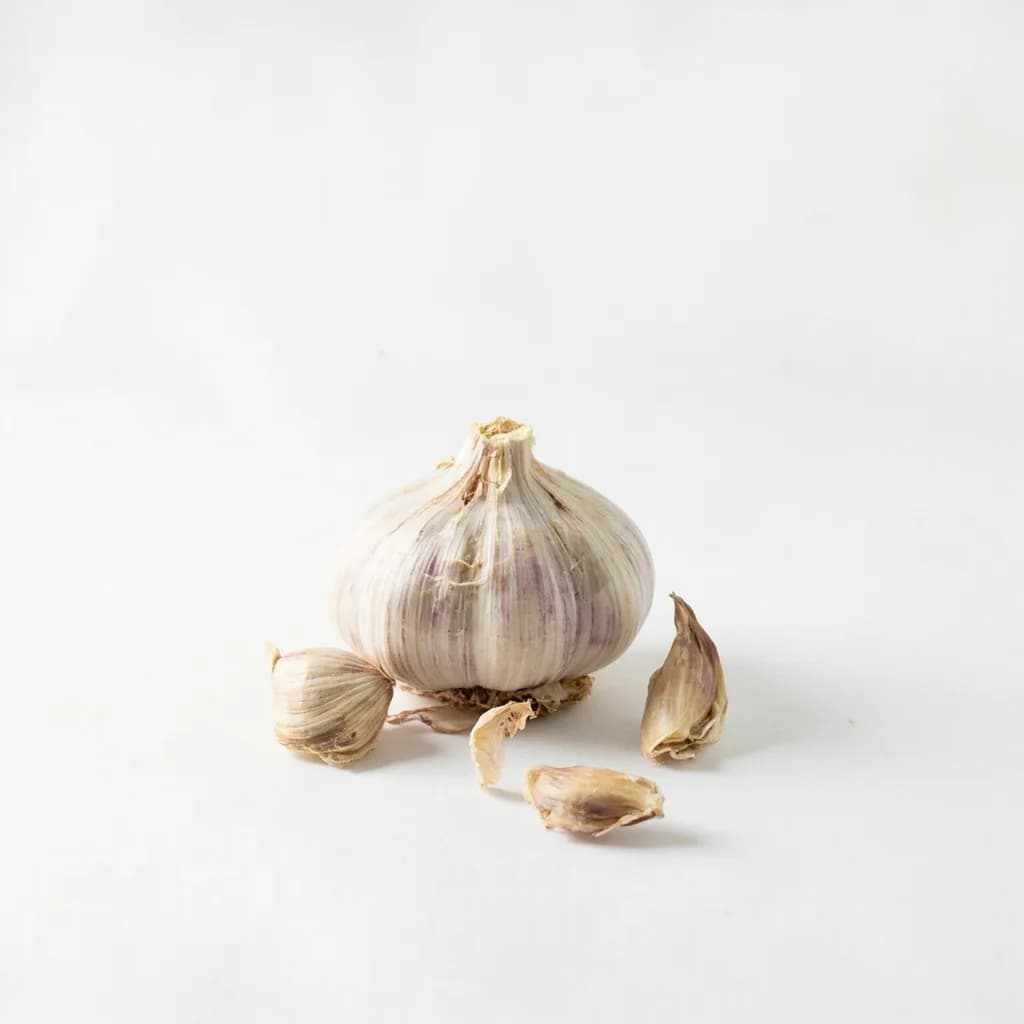
Garlic
Pungent cloves that perfume nearly every savory dish
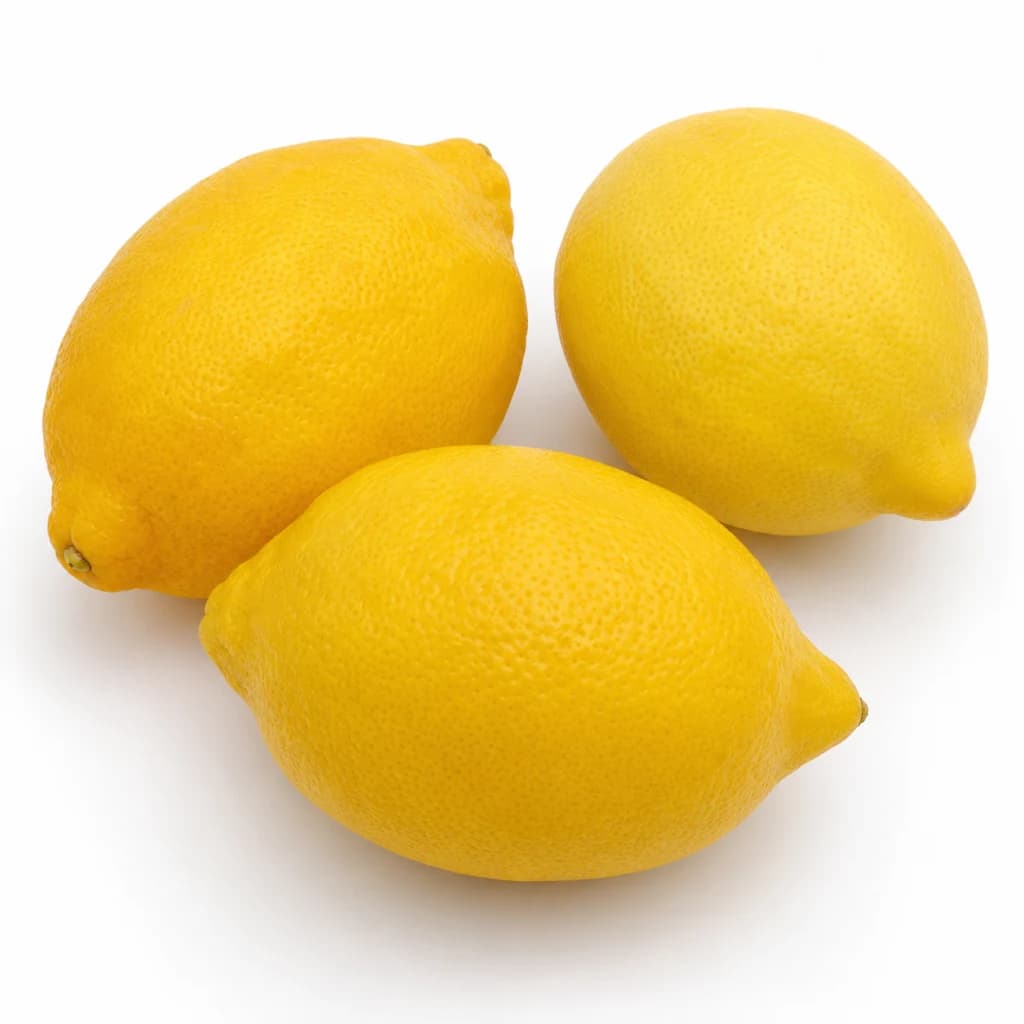
Lemon
Bright, acidic citrus that wakes up almost any dish
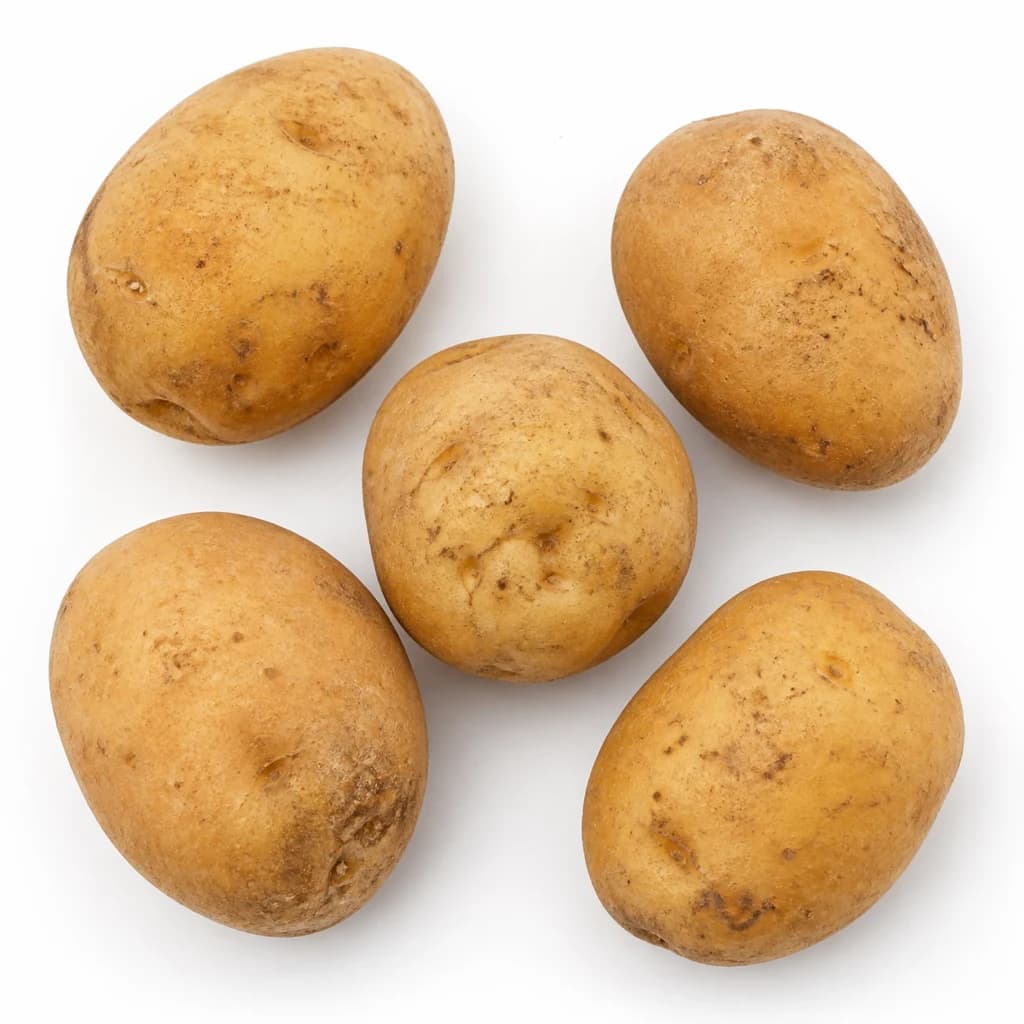
Potato
Humble, hearty staple — roast, mash, fry, or boil
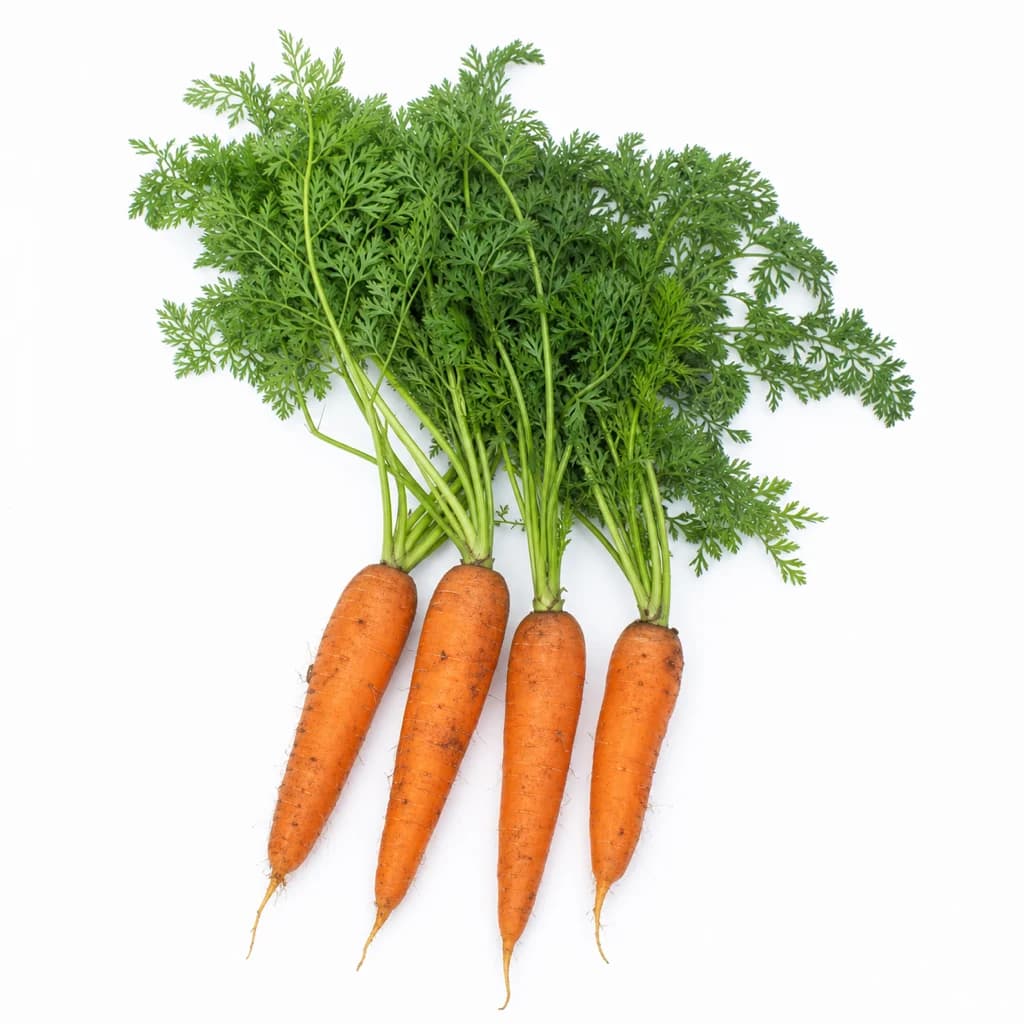
Carrot
Sweet, crunchy root — raw, roasted, or the base of a sofrito
Cucumber
Cool, crisp, and watery — for salads, pickles, and tzatziki

Lettuce
Crisp leaves for salads, wraps, and a fresh crunch