
Natural form
A whole guinea fowl showing its characteristic speckled plumage and compact game-bird body.
Teaches readers to identify the bird by its distinctive spotted feathers and smaller, leaner build compared to chicken.
Proteins
Guinea Fowl (Pintade)
Lean game bird with darker, richer meat than chicken, roasted or braised.
Guinea fowl is a domesticated game bird with leaner, darker, and more flavorful meat than chicken, leaning slightly toward pheasant. It is roasted, braised, or pot-cooked in French and West African kitchens, where it is known as pintade. Because it is lean, it is often barded or braised to keep it moist.
Guinea fowl—known as pintade in French, numida in culinary Latin—traces its lineage to West Africa, where it was domesticated in antiquity and carried to the Mediterranean world by ancient traders. Commercial farming developed seriously in France during the twentieth century, and the bird remains a staple of rural French cuisine, particularly as a Christmas and holiday bird. It is also raised in Italy, the UK, and increasingly in the United States, though it has never broken through to mainstream supermarket presence the way chicken has. The result is that most home cooks have little experience with it, which is a loss: guinea fowl occupies a genuinely useful culinary position between the familiar and the exotic.
The meat presents a striking contrast that is the bird's defining characteristic. The breast is white and lean—leaner than chicken, with a density approaching pheasant—while the thighs and legs carry dark, richly flavored meat with a texture closer to wild game. The flavor is more assertive than chicken but milder and less aggressively gamey than pheasant, with a subtle earthiness that makes it far more interesting than its domestic cousin. This lean, dense musculature is both the bird's asset and its hazard: it holds together well and tolerates brief overcooking better than chicken, but it surrenders moisture quickly if neglected, and the lack of fat means there is nothing to baste the meat from within. A guinea fowl cooked with the confidence and restraint appropriate to its character rewards the cook with a complexity that chicken simply cannot match.
French Label Rouge certification, applied to birds raised outdoors with a controlled diet, marks the quality tier worth seeking. These birds have superior flavor development and better-textured meat than standard commercial stock, and they are more consistently available from specialty butchers and farmers' markets than the bird's modest commercial profile might suggest. Whole birds typically weigh 2–3 lbs, with young poussins at 1–1.5 lbs suited to rapid high-heat cooking.
- Measured in
- g
- Storage
- Fridge
Types & varieties
Most common commercial variety; grayish-plumaged with characteristic white spots (pearls)
Lighter, bluish-gray plumage; same flavor profile as pearl variety
Albino variant; less common, identical culinary characteristics
Harvested at 4–6 weeks; tender enough for rapid, high-heat cooking such as grilling or pan-roasting
Best for roasting and braising; meat has better structure and flavor development than young birds
Taken from feral populations; more muscular and gamier; requires longer, slower cooking than farmed birds
Certified outdoor-raised with controlled diet; superior flavor and texture compared to standard commercial stock
Choosing and Buying a Guinea Fowl
Seek out Label Rouge birds from a specialty butcher or direct from a farmer if possible. The difference in flavor development between a properly raised guinea fowl and a standard commercial bird is significant enough to justify the search. Whole birds should have firm, taut skin with no slimy patches and a fresh, clean scent—never fishy or sour. Avoid birds that appear sunken or have loose, slack skin around the breast. If buying parts, select bone-in, skin-on cuts whenever possible; the bone carries heat more evenly and the skin provides the only fat available for basting and protection during cooking.
- Prefer bone-in, skin-on cuts for best results
- Label Rouge certification indicates superior flavor and texture
- Ask your butcher to truss the bird if buying whole, or do it yourself before roasting
Boning a Guinea Fowl
Guinea fowl responds well to spatchcocking or full boning for applications where carved portions are preferred. Spatchcocking—removing the backbone and flattening the bird—allows for faster, more even roasting and is an excellent weeknight technique. To fully bone a whole bird, work the blade along the breastbone to release the breast meat, then follow the natural seams around the thighs and legs, cutting away from the bone as you go. Reserve the frame and carcass for stock; the lean meat contributes excellent body without excessive fat. A sharp boning knife and patience are the only requirements—this is not a difficult skill, merely unfamiliar to most cooks.
- Remove the wishbone before carving a roasted bird if desired—traditional in French preparation and makes service easier
- Bone the bird completely for stuffing and rolling, or spatchcock for faster, more even roasting
- Reserve bones and scraps for a lean, richly flavored stock
Common uses
Tips & pitfalls
- Do not overcook: guinea fowl is significantly leaner than chicken; use a meat thermometer and target 150°F (65°C) for breast, 165°F (74°C) for thighs. Carryover heat will bring dark meat to safe temperature. Going past these numbers guarantees dry, stringy results.
- Season generously and in advance: the lean meat benefits from dry-brining 24 hours ahead with salt, thyme, bay leaf, and cracked pepper. This improves moisture retention significantly and allows the aromatics to penetrate the dense muscle structure.
- Young birds (poussins) tolerate high-heat roasting at 425–450°F (220–230°C); mature birds should start at 400°F (200°C) with a brief high-heat finish at 450°F (230°C) at the end for skin crispness.
- Braise dark-meat cuts separately from breast when cooking a whole bird; the legs and thighs require 30–45 minutes of moist heat while breast needs only 20–30 minutes. Cooking them together means sacrificing one for the other.
- Rest the bird 10–12 minutes after roasting, tented loosely with foil, before carving. This allows juices to redistribute; cutting too soon is the most common mistake with game birds and guarantees dry meat.
- Do not discard the liver and gizzards—these are traditional in French cuisine and add genuine depth to sauces, stuffings, and terrines. Sauté the gizzards until tender, then dice finely for the jus or farce.
- If skin is not crisping, flip the bird to breast-side down for the final 10–15 minutes and increase heat to 450°F (230°C). Pat the skin dry before every application of butter or seasoning—moisture is the enemy of browning.
- Avoid heavy, rich sauces that mask the bird's character; guinea fowl rewards restraint. Let the meat's own flavor—earthy, slightly gamey, more complex than chicken—be the star.
Nutrition
Nutrition
No USDA FoodData Central match for Guinea Fowl (Pintade) yet. We surface a per-100 g profile once a generic whole-food entry is matched and verified.
In the shops
Matched grocery products
No matched grocery products for Guinea Fowl (Pintade) yet.
Good to know
- Origin
- West Africa; domesticated in antiquity; major commercial production in France since the 20th century
- Typical Weight
- 2–3 lbs (0.9–1.4 kg) whole; young birds (poussins) 1–1.5 lbs (450–680 g)
- Meat Color
- Breast is white; thighs and legs are dark, similar to pheasant
- Flavor Profile
- Darker, richer, more intensely flavored than chicken; milder and less gamey than pheasant; lean with low fat content
- Commercial Production
- France leads global production; also raised in Italy, the UK, and increasingly the US
- Label Quality
- French Label Rouge denotes outdoor-raised birds with superior flavor and texture
- Season
- Available year-round from farms; wild guinea fowl is a seasonal game bird (autumn–winter)
- Shelf Life
- Refrigerate whole birds up to 2 days; freeze up to 3 months
- Yield
- Approximately 50–55% dressed weight after cooking and deboning
- Equipment
- Heavy roasting pan or Dutch oven; meat thermometer highly recommended
- Active Time
- 15–20 minutes prep; 45–75 minutes cooking depending on size and method
- Difficulty
- Intermediate; forgiving of brief overcooking due to dense muscle structure, but prone to drying if neglected
Substitutes
- Pheasant — Closest flavor and texture; use slightly shorter cooking time as pheasant is even leaner
- Partridge — Good substitute, particularly for breast preparations; similar lean game-bird character
- Poussin (Cornish Hen) — Most accessible substitute in many markets; milder flavor, higher fat; adjust seasoning upward to compensate
- Chicken Thighs (bone-in, skin-on) — Acceptable everyday substitute for braised applications; does not replicate the flavor complexity but holds up similarly to extended cooking
- Mature Guinea Hen (if age is known) — When in doubt about the bird's maturity, treat it as you would pheasant rather than chicken
Pairs with
Also called
Pintade
Appears in these dishes
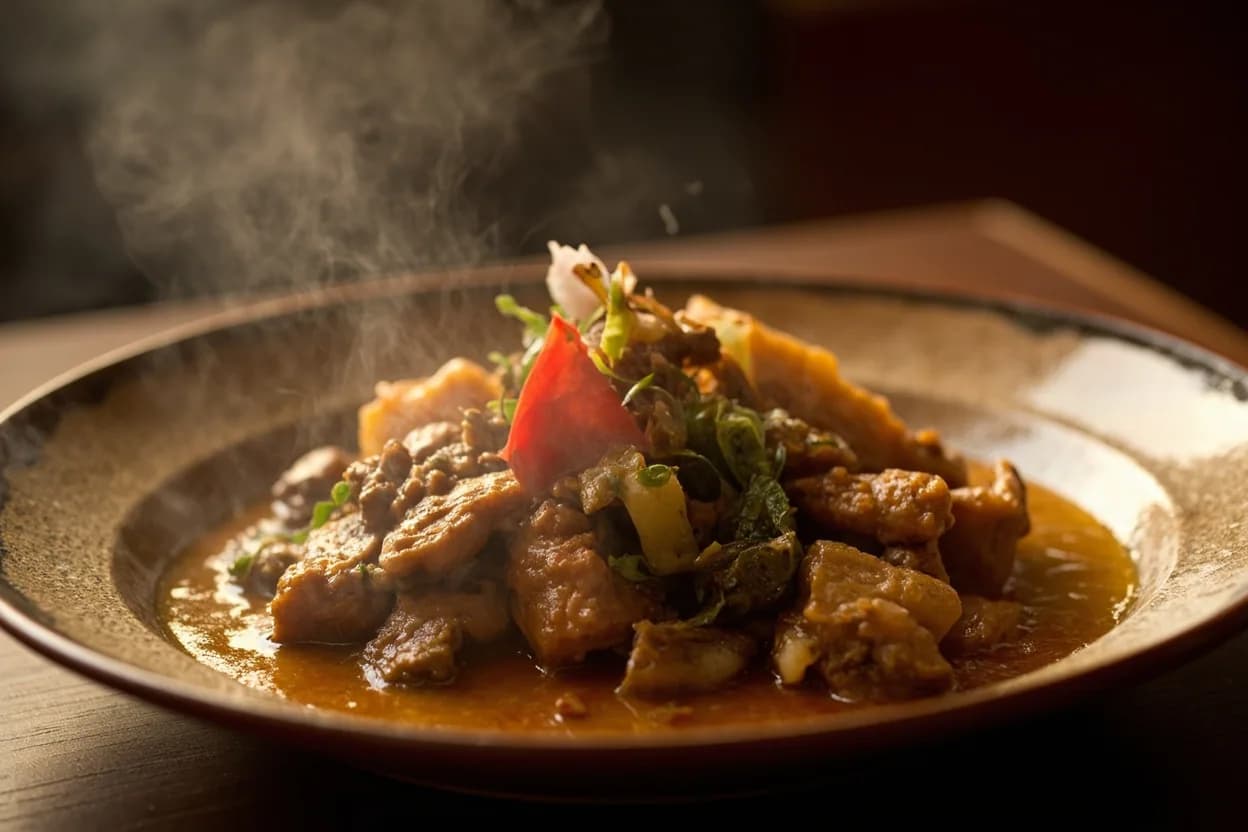
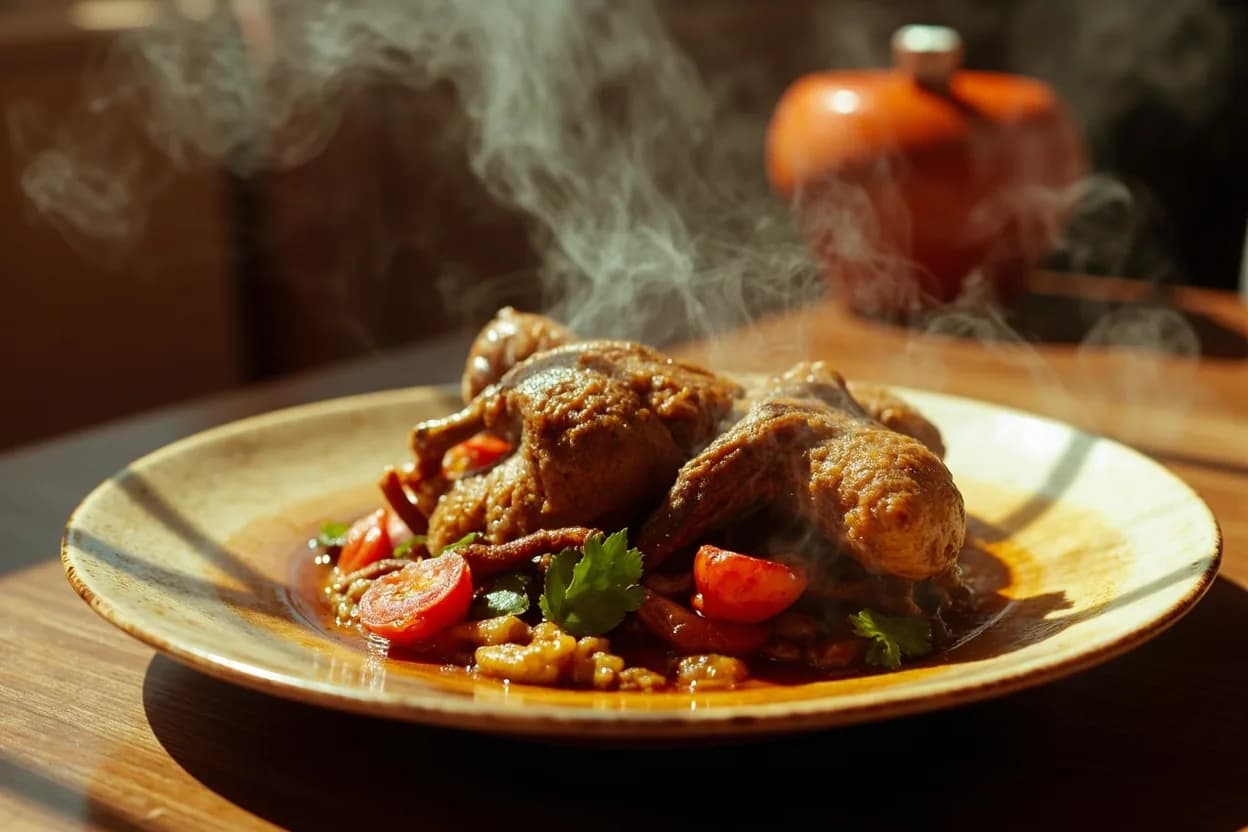
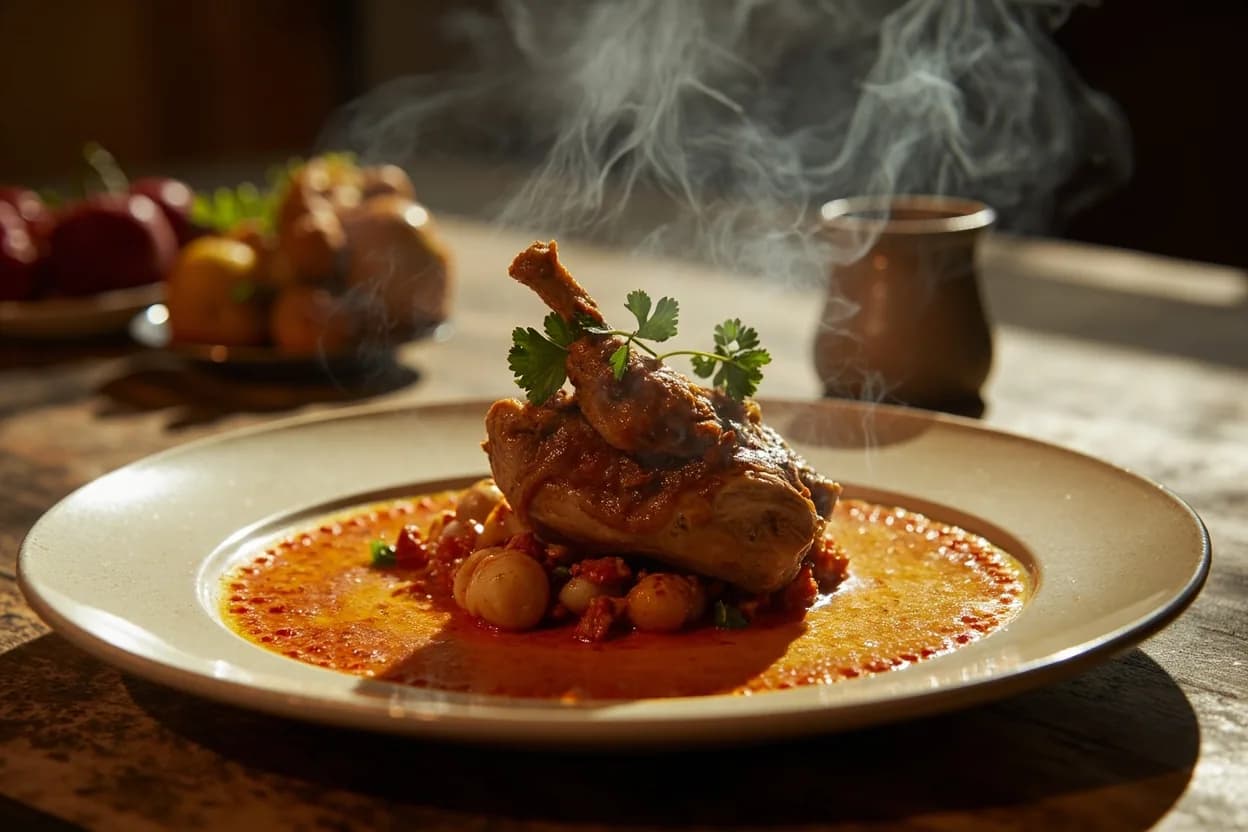
Related
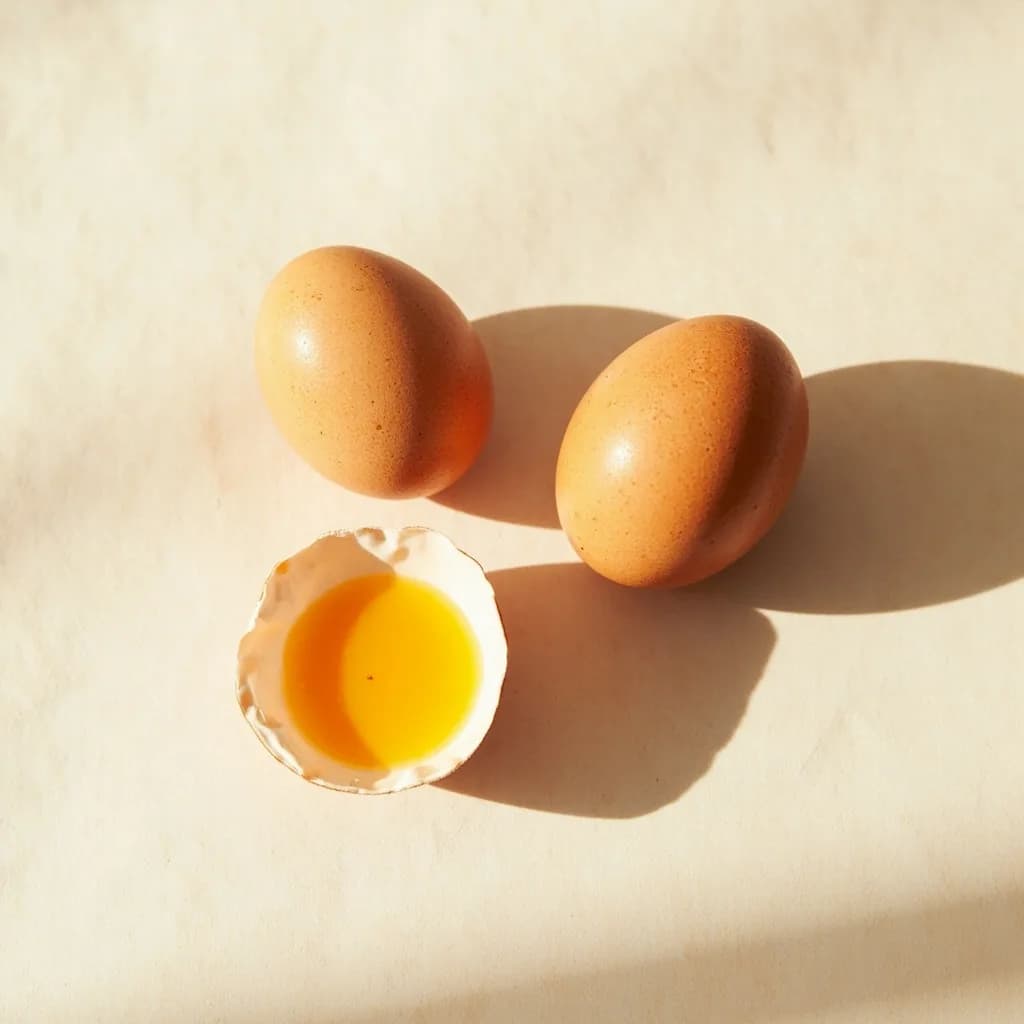
Egg
The kitchen's everything ingredient — bind, leaven, enrich, or fry
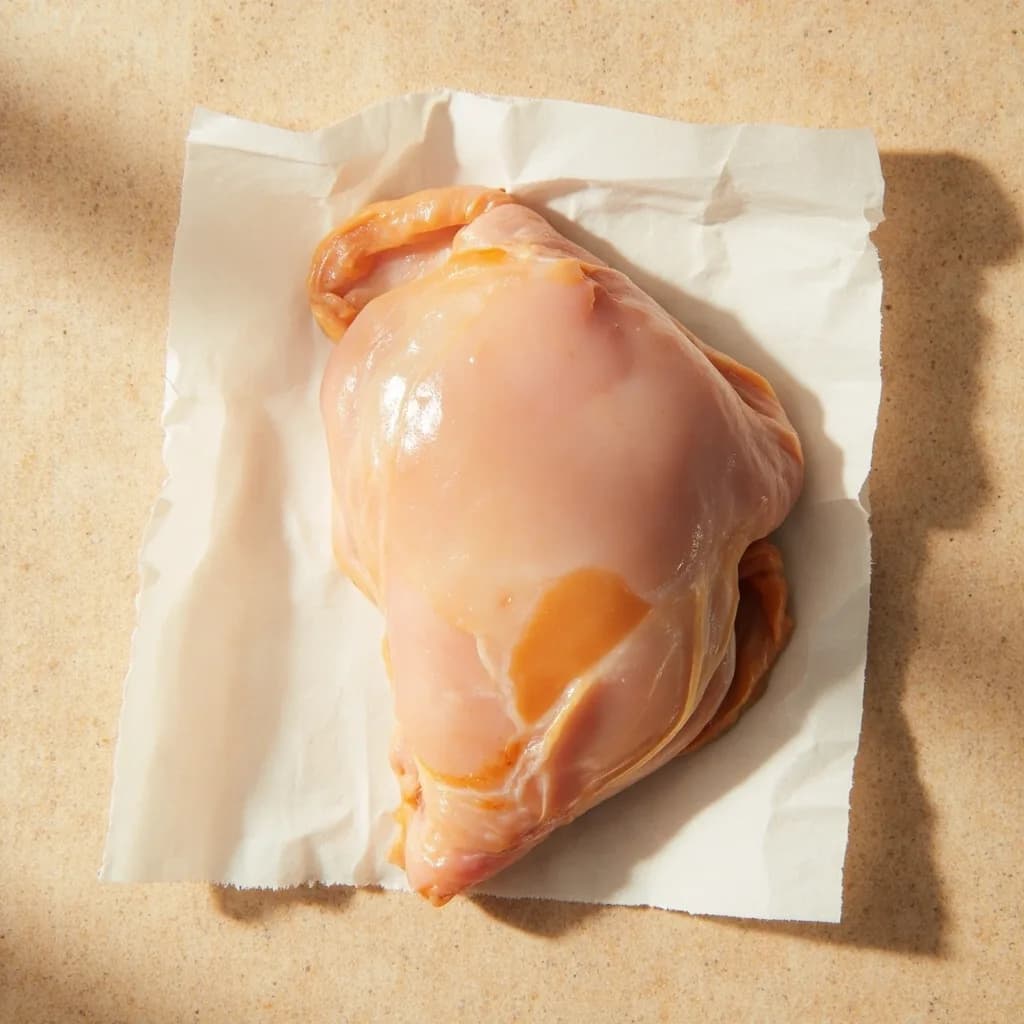
Chicken Breast
Lean, quick-cooking white meat for everyday dinners

Ground Beef
Versatile minced beef for burgers, ragù, tacos, and meatballs
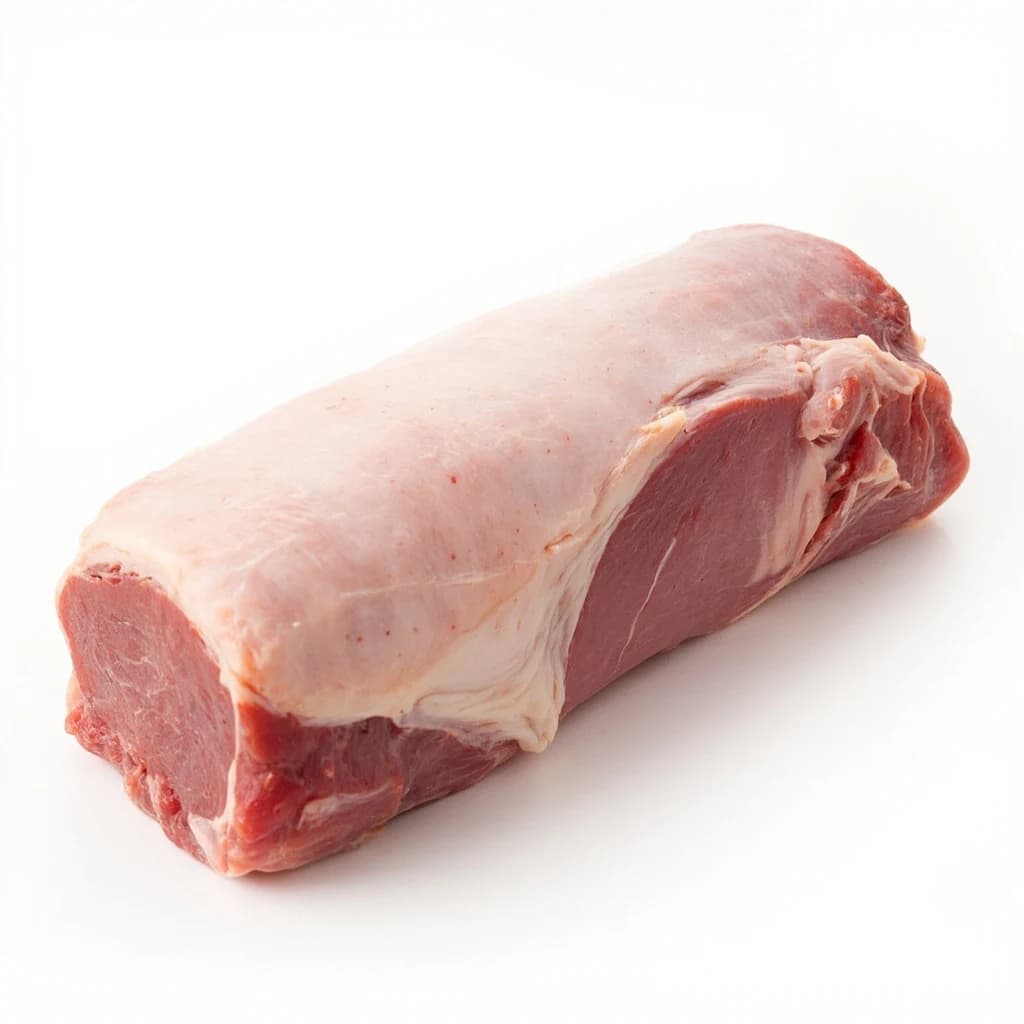
Pork Loin
Lean, tender roasting cut that stays juicy with care
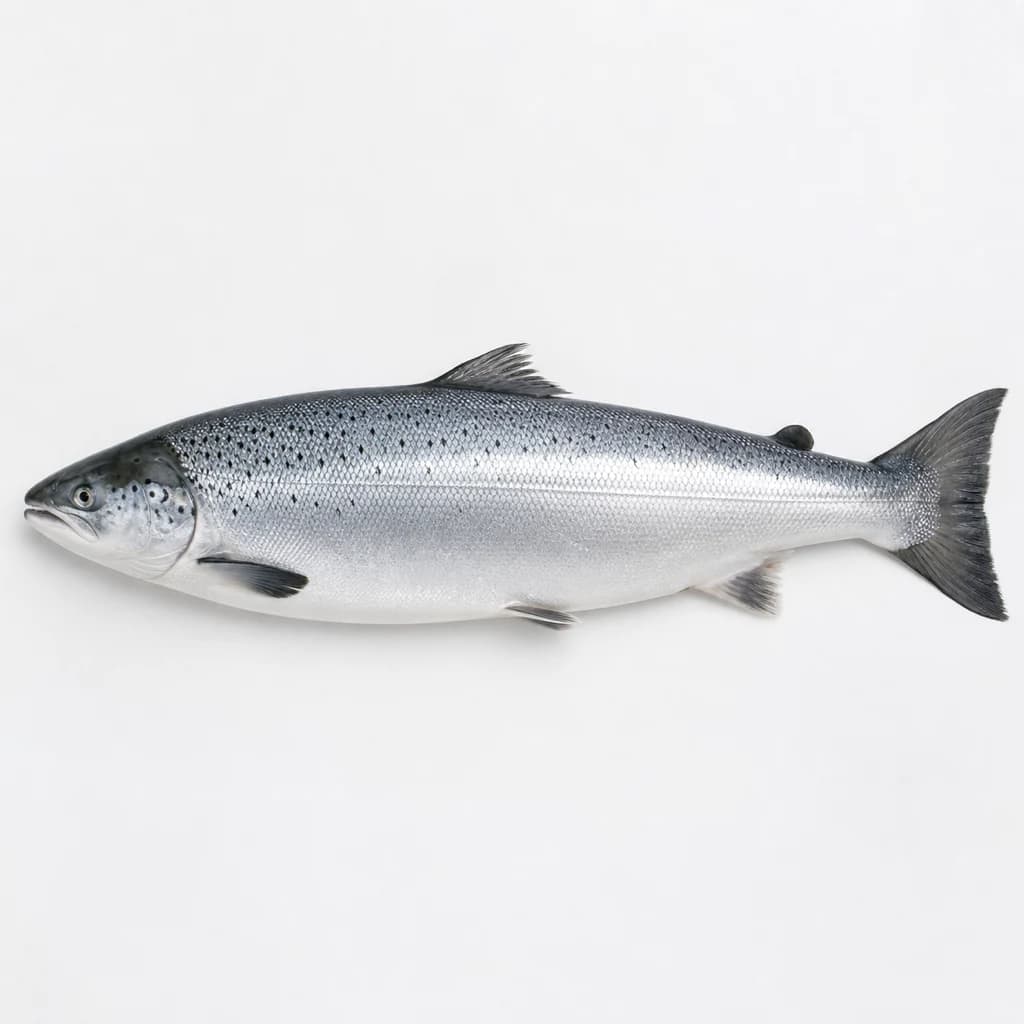
Salmon
Rich, rosy fish that roasts, grills, or cures beautifully

Egg White
Pure protein that whips to airy peaks for meringue and more
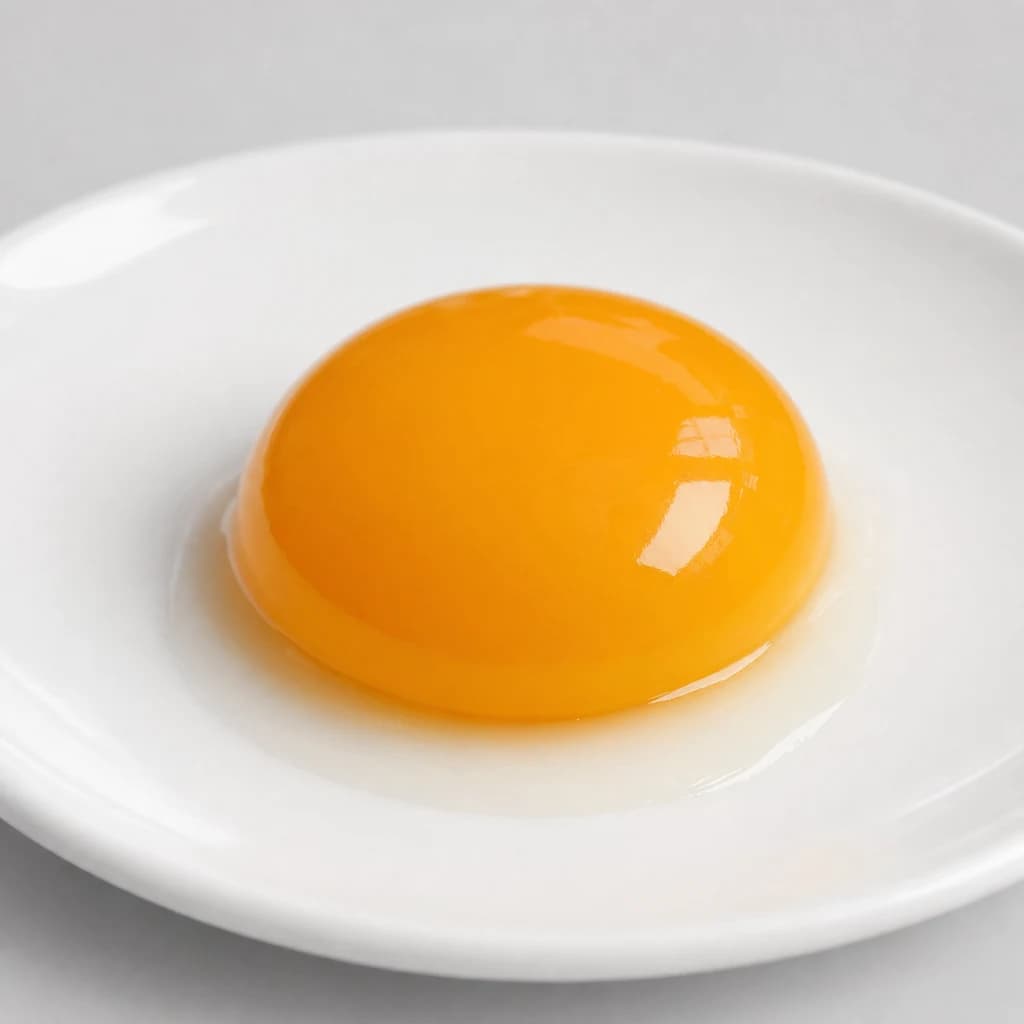
Egg Yolk
Rich, golden yolk for custards, mayonnaise, and pasta

Quail Egg
Tiny, speckled eggs for garnishing and elegant bites