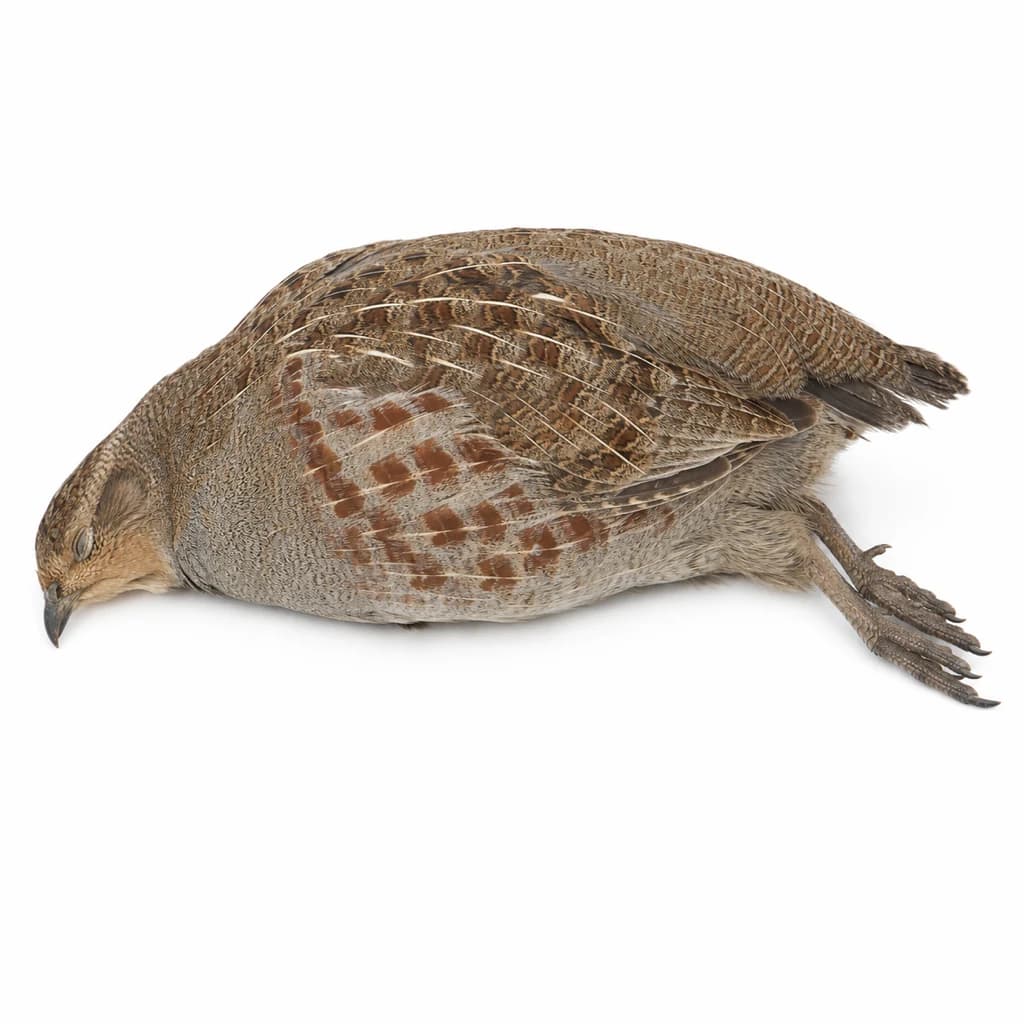
Natural form
A whole unplucked partridge showing the bird's compact body, speckled brown-grey plumage, and short rounded wings.
Shows readers the bird's size, plumage pattern, and physical form so they can recognize a partridge in its raw natural state.
Proteins
Partridge
Small, lean game bird roasted or braised, with delicate dark meat.
Partridge is a small game bird with tender, mildly gamey dark meat. Because it is lean it is best roasted quickly and rested, or braised with cabbage and bacon to keep it moist. It is a classic in European autumn and game cookery, often served whole per person.
Partridge holds a quiet, distinguished position in the game bird hierarchy—smaller than pheasant, more substantial than quail, with a flavor that is subtly gamey without being assertive. The meat is dark, lean, and fine-grained, offering a sweetness that distinguishes it from its bolder cousins. Its modest size (typically 300–500 g whole) means a single bird serves one person generously as a main course or yields enough delicate breast meat for two when sliced. The bird rewards restraint: heavy seasoning or aggressive cooking drowns what little intensity it possesses. Both wild and farmed varieties are available, but wild-caught birds—properly hung—develop a complexity that farmed stock cannot match. The partridge is fundamentally a vehicle for its accompaniments, whether the British tradition of bread sauce and game chips or the French preference for wine-braised preparations. Understanding this role—bird as canvas, accompaniments as color—shapes every approach to cooking it.
- Measured in
- piece
- Storage
- Fridge
Types & varieties
Native to Britain; smallest and most delicately flavored; traditional for game cookery
Slightly larger, introduced from continental Europe; meat is firmer, more robust flavor; dominant in French cuisine
Most common farmed variety in North America; imported from Central Asian stock; reliable quality, consistent size
Mediterranean species; similar to chukar; favored in Italian and Greek cooking
Wild vs. Farmed: Choosing Your Bird
The distinction matters more for partridge than for almost any other poultry. Wild birds, shot in season, vary in age, fat cover, and hanging time—all of which affect cooking method and flavor. A well-hung wild partridge (2–3 days in a refrigerator, loosely wrapped) develops a depth and tenderness that no farmed bird achieves. Farmed chukar offers consistency: uniform size, clean flavor, and availability year-round. The trade-off is complexity; farmed birds taste mild to the point of being forgettable without careful seasoning or barding. When sourcing farmed birds, ask whether they were finished on grain; this produces cleaner flavor than formulated game feeds.
- Seek wild birds from a trusted supplier who hangs them properly before sale
- Farmed chukar is reliable but benefits from barding or bacon wrapping
- Avoid frozen wild birds if fresh are available; freezing dulls game character
Assessing the Bird Before Cooking
A simple physical test tells you most of what you need. Bend the leg joint gently: if it yields with slight resistance, the bird is young and suited to roasting. If the joint is stiff and the tendons prominent, the bird is older and will reward braising, which breaks down connective tissue over low, slow heat. Older birds also tend to be leaner, making them even more prone to drying. For wild birds, also check fat cover under the skin; birds in poor condition have minimal fat and should be braised regardless of age.
- Young bird + good fat = roast or pan-sear breast only
- Old bird or lean bird = braise; legs become fork-tender in 45–60 minutes
Common uses
Tips & pitfalls
- Age wild-caught birds 2–3 days refrigerated, loosely wrapped, to tenderize—this standard game practice makes a significant difference in both texture and flavor.
- Test for youth by bending the leg joint; it should bend with slight resistance. Stiff joints indicate an older bird suited for braising rather than roasting.
- Never overcook: partridge's leanness means the breast dries out rapidly. Use a probe thermometer and target 62°C for a blush-pink center; 75°C for well-done legs.
- Barding (wrapping the breast in thin bacon strips) protects the delicate meat during high-heat roasting and continuously bastes it with fat.
- Rest the bird fully—10 minutes minimum under loose foil—before carving; carryover heat continues cooking and the juices need time to redistribute.
- Sear in an oven-safe pan over high heat, then finish in a 180–190°C oven. This gives superior browning compared to pure pan-frying or starting in a cold oven.
- Common mistake: maintaining high heat throughout cooking. Start hot to brown, then reduce temperature for the majority of cooking time.
- When braising, remove the breasts after 20–25 minutes and continue with legs only; this prevents the white meat from overcooking while legs reach tenderness.
- For farmed chukar, seek birds finished on grain-based feed for cleaner flavor than those on formulated game feeds.
- If serving breast only, consider removing the tenderloin attached to the breast—it's the most delicate portion and cooks faster than the main breast.
Nutrition
Nutrition
No USDA FoodData Central match for Partridge yet. We surface a per-100 g profile once a generic whole-food entry is matched and verified.
In the shops
Matched grocery products
No matched grocery products for Partridge yet.
Good to know
- Type
- Small game bird, family Phasianidae
- Typical weight
- 300–500 g (10–18 oz) per whole bird
- Meat type
- Dark meat; lean, fine-grained
- Flavor
- Delicate, subtly gamey; sweeter and milder than pheasant
- Peak season
- October–December (wild); year-round (farmed)
- Yield
- ~65–70% edible; most of the bird is usable
- Refrigerator shelf life
- 1–2 days fresh; up to 3 months frozen at -18°C
- Cooking difficulty
- Intermediate; easy to overcook
Substitutes
- Quail — Much smaller (100–150 g); needs proportionally less cooking time; similar lean dark meat profile
- Pheasant — Larger, more assertively gamey; increase cooking time proportionally; breast meat is similarly delicate
- Guinea Fowl — Mildly gamey, leaner than chicken; good flavor match; size is closer to a small pheasant
- Squab (Pigeon) — Darker, richer meat; higher fat content; more robust flavor; cook with similar caution against overcooking
- Cornish Hen — Not gamey; milder flavor; acceptable substitute only when game character is not essential
Pairs with
Also called
Perdiz
Related
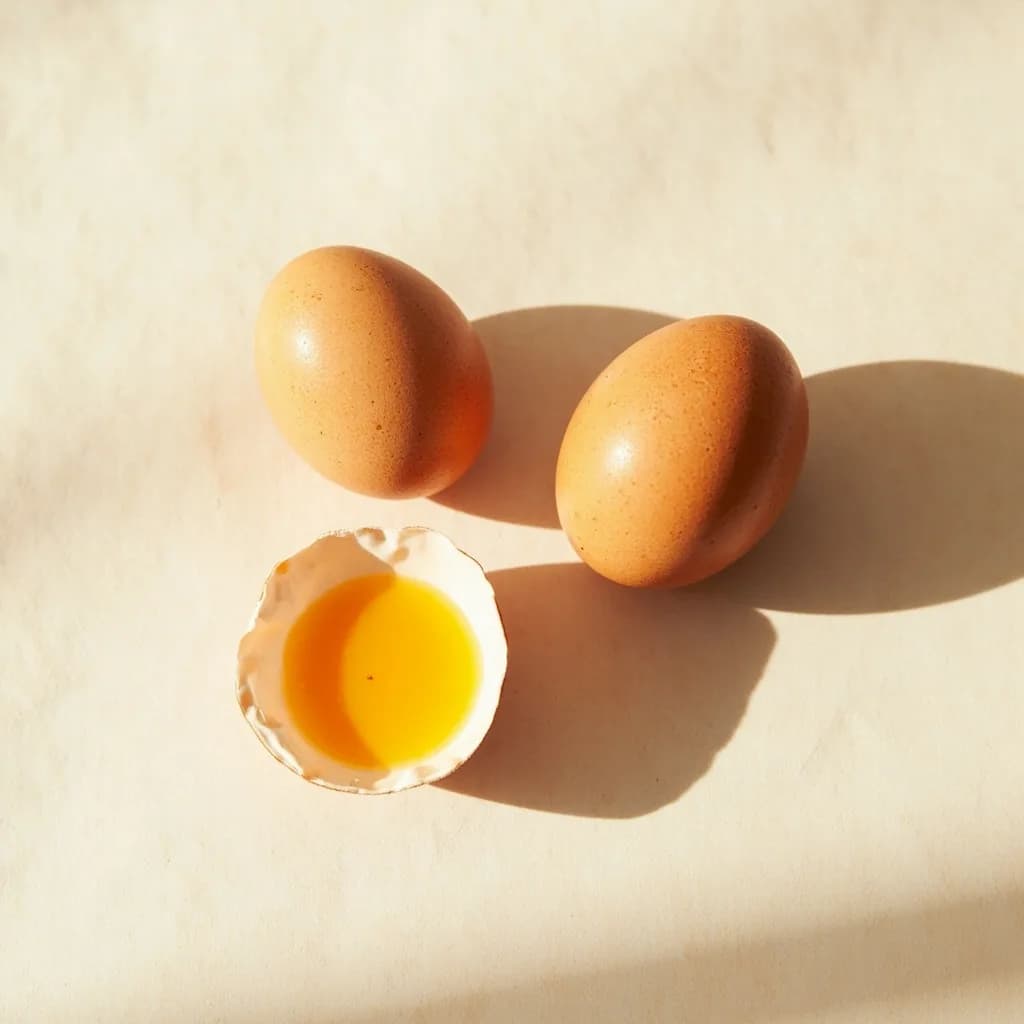
Egg
The kitchen's everything ingredient — bind, leaven, enrich, or fry
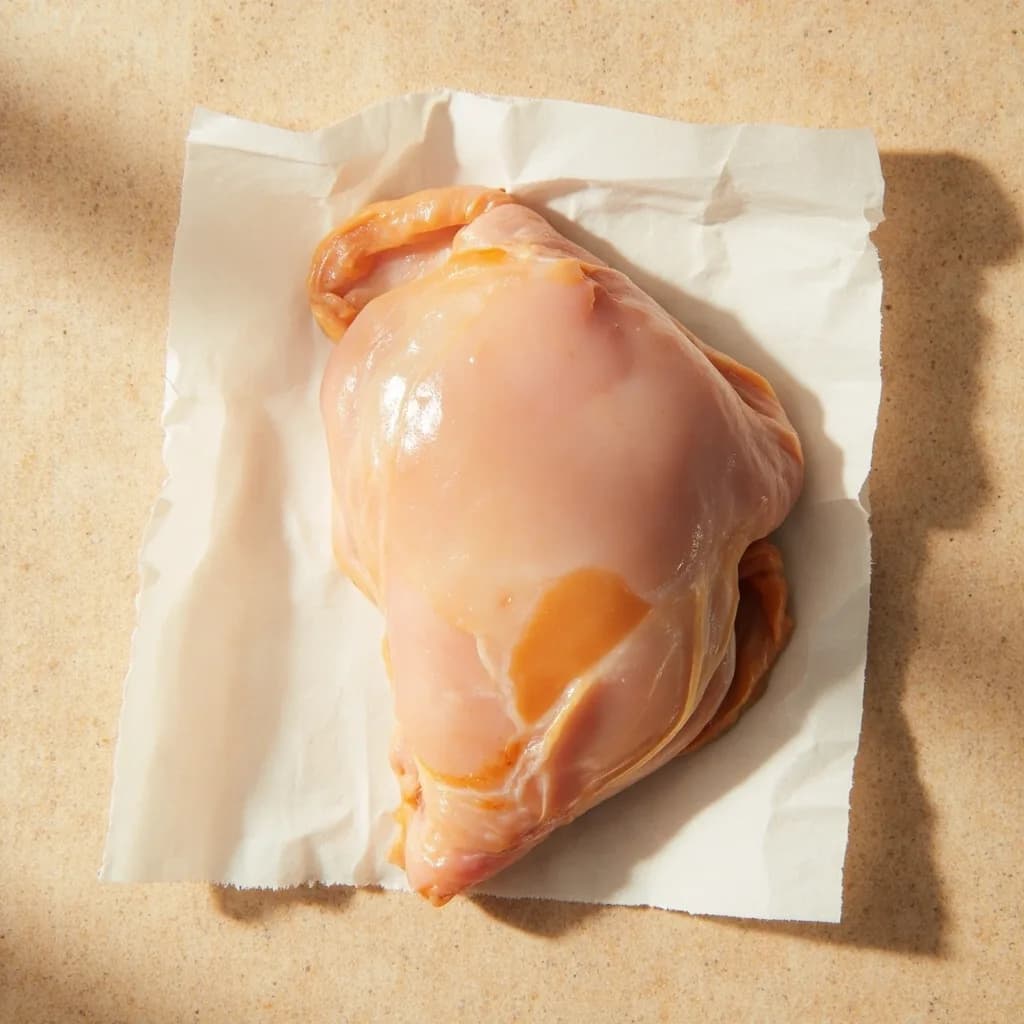
Chicken Breast
Lean, quick-cooking white meat for everyday dinners

Ground Beef
Versatile minced beef for burgers, ragù, tacos, and meatballs
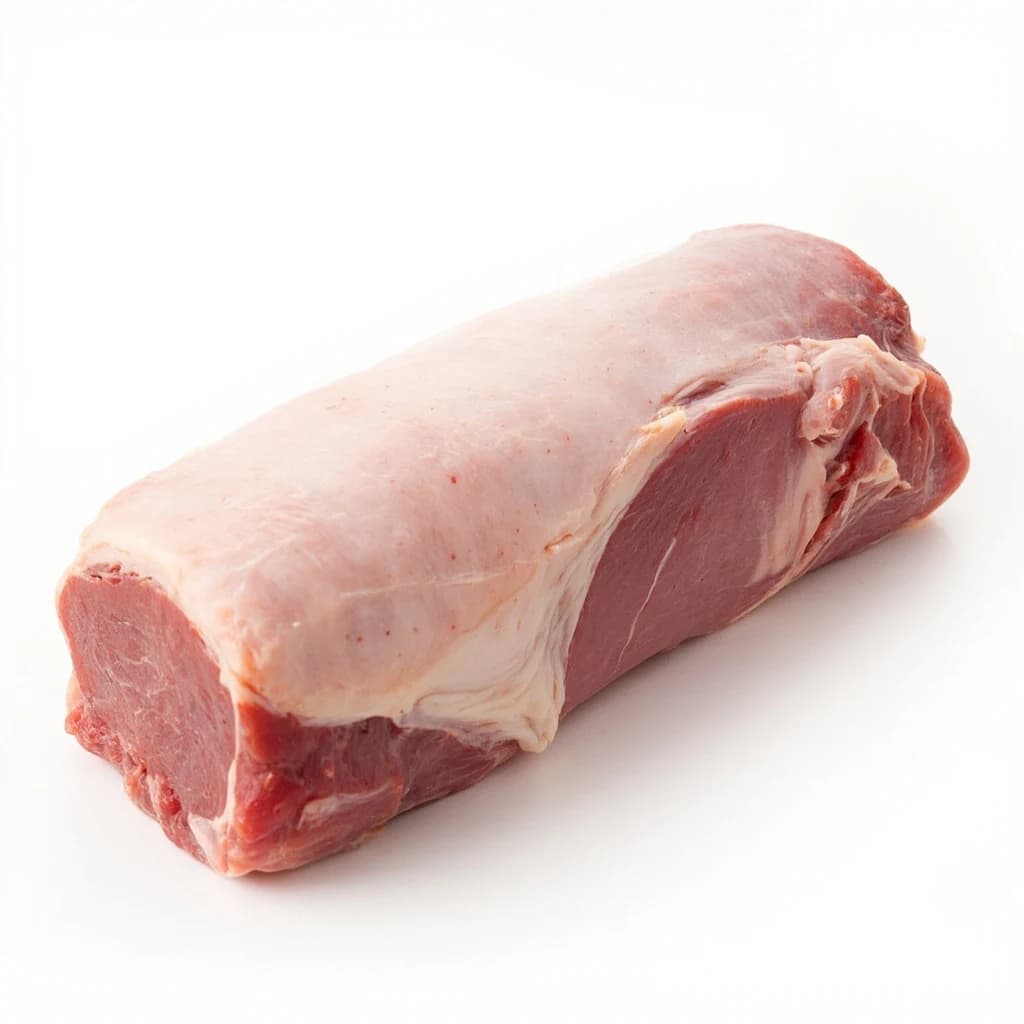
Pork Loin
Lean, tender roasting cut that stays juicy with care
Salmon
Rich, rosy fish that roasts, grills, or cures beautifully

Egg White
Pure protein that whips to airy peaks for meringue and more
Egg Yolk
Rich, golden yolk for custards, mayonnaise, and pasta

Quail Egg
Tiny, speckled eggs for garnishing and elegant bites