Proteins
Gulf Shrimp
Sweet wild shrimp from the Gulf of Mexico, central to Cajun, Creole and Southern cooking.
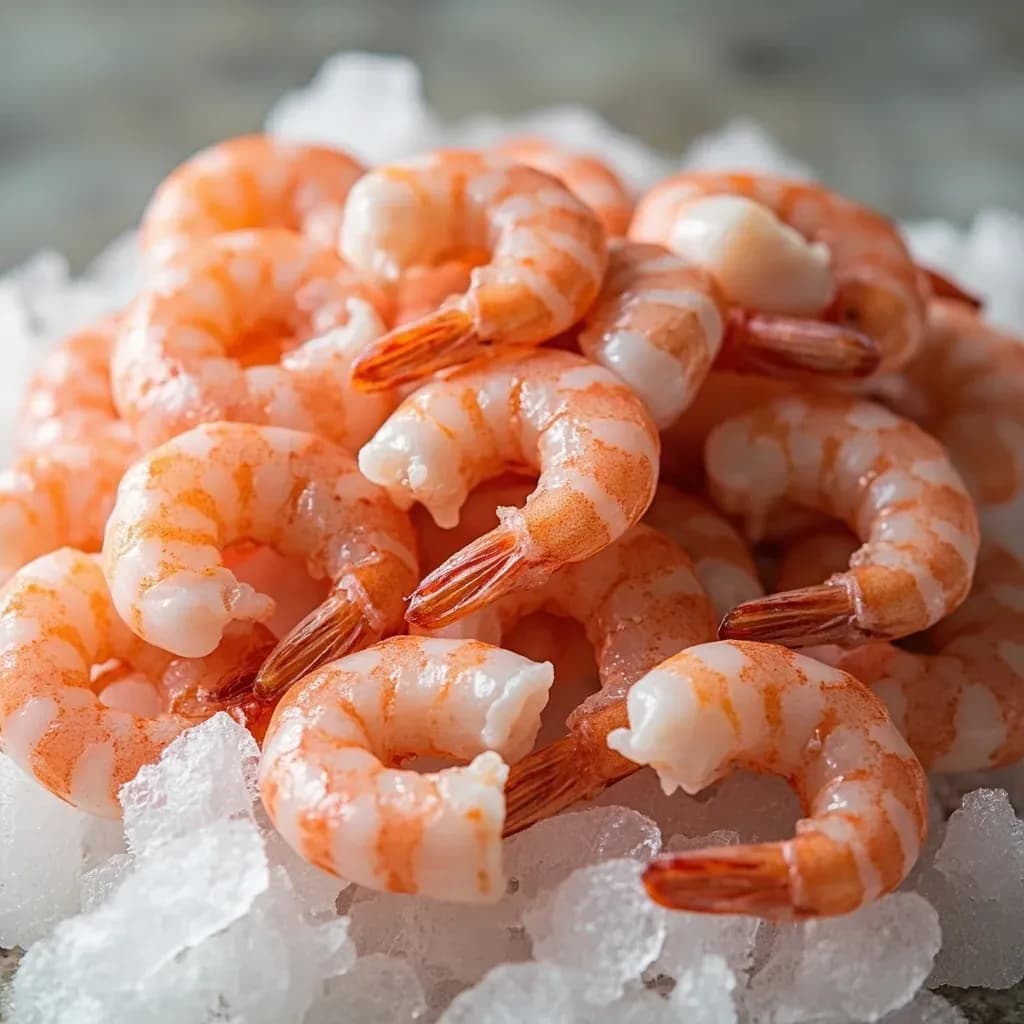
Gulf shrimp are wild-caught shrimp from the Gulf of Mexico, prized for their sweet, briny flavor and firm texture. They are the heart of Southern, Cajun and Creole dishes like shrimp boil, gumbo, and shrimp and grits. They can be boiled, grilled, sauteed or fried.
Gulf Shrimp refers to wild-caught shrimp from the warm waters of the Gulf of Mexico, one of the most productive and ecologically significant shrimp fisheries in the world. The Gulf supports several commercially important species — brown, white, pink, and royal red — each with distinct flavor profiles and seasonal windows. Unlike the vast majority of shrimp sold in the United States, which come from farmed operations in Southeast Asia and Latin America, Gulf shrimp are wild-caught by trawlers operating out of Louisiana, Texas, Florida, Mississippi, and Alabama. This distinction matters: wild Gulf shrimp have a cleaner, more complex sweetness and a briny mineral finish that farmed shrimp rarely match.
The shrimp fishery is tightly regulated by the Gulf of Mexico Fishery Management Council, which sets seasonal closures and quotas to protect spawning populations — particularly for brown shrimp, the dominant species by volume. Seasons vary by species: brown shrimp run roughly May through September, white shrimp from mid-summer into late fall, and pink shrimp through the winter months. Royal red shrimp, from deeper offshore waters, are available year-round but are a specialty product, larger and denser than their shallow-water cousins, with a flavor often compared to lobster. When you see 'Gulf shrimp' on a menu or market label, demand confirmation — the term should mean wild-caught from the Gulf, not imported and relabeled. For cooks in the South and along the Gulf Coast, these shrimp are not merely an ingredient; they are the defining seafood of an entire culinary tradition, the foundation of gumbo, jambalaya, po'boys, and the legendary New Orleans BBQ shrimp.
- Measured in
- g
- Storage
- Fridge
Allergens
Types & varieties
Most abundant Gulf species. Briny, bold, slightly mineral. Reddish-brown shell. Ideal for gumbo, boils, and aggressively seasoned Cajun dishes.
Considered the sweetest, most delicate Gulf shrimp. Clean, mild, subtle sweetness. Preferred for elegant preparations, cocktails, and lighter sauces.
Intermediate flavor between brown and white with a gentle sweetness. Slightly smaller. Good for fried shrimp, salads, and medium-weight preparations.
From deep Gulf waters. Larger, denser, with a lobster-crustacean depth. Prized by chefs, often sold tail-on frozen only. Exceptional simply sautéed with garlic butter or grilled.
Wild vs. Farmed — Why the Distinction Matters
The overwhelming majority of shrimp consumed in the United States is farmed, primarily from India, Ecuador, Indonesia, and Thailand. Farmed shrimp are raised in controlled ponds on formulated feeds, harvested year-round at uniform sizes, and often processed and frozen abroad before reaching American markets. They are not inherently unsafe, but they are fundamentally different from wild Gulf shrimp in flavor, texture, and environmental profile. Wild Gulf shrimp feed naturally in a complex marine ecosystem, which produces firmer meat, a more pronounced sweet-briny flavor, and the mineral finish that defines Gulf Coast cooking. Farmed shrimp tend toward a blander, softer profile. For dishes where shrimp is the centerpiece — a shrimp cocktail, BBQ shrimp, gumbo — the difference is substantial. Always check labels or ask your fishmonger: 'wild-caught from the Gulf of Mexico' should be the default answer. If the label simply says 'shrimp' or 'imported,' it is almost certainly farmed.
- Wild Gulf shrimp have firmer texture and more complex flavor than most farmed imports
- Imported farmed shrimp may carry different regulatory and chemical standards depending on origin
- Look for country-of-origin labeling on frozen product
- Gulf shrimp supports domestic fishing communities and sustainable regional fisheries
Seasonality and What to Buy When
Understanding Gulf shrimp seasonality is not an academic exercise — it directly affects quality, price, and flavor. During peak season, supply is abundant, prices are lower, and the shrimp are fresher because they move quickly from boat to market. Out of season, you are more likely buying frozen product, which is fine if handled correctly, but the fresh peak is genuinely superior.
Brown shrimp dominate the summer catch and are your workhorse for hearty, highly seasoned dishes. White shrimp take over in late summer and fall and are the preferred choice for refined preparations. Pink shrimp fill the winter gap and perform well in fried applications. Royal reds are the exception — their deeper habitat means more consistent availability year-round, though peak harvest comes in winter when Gulf waters are coolest. The practical rule: match the species to the dish, and buy in season whenever possible. Ask your fishmonger for the catch date. Gulf shrimp deteriorate quickly — harvest within 24 hours is ideal, 48 hours is acceptable. Beyond that, quality drops noticeably.
- Summer brown shrimp: best for gumbo, boils, and bold Cajun dishes
- Late-year white shrimp: best for cocktails, sautéing, and light preparations
- Winter pink shrimp: good all-around substitute, especially for frying
- Royal reds year-round: seek them out for special preparations — they are worth the effort
Common uses
Tips & pitfalls
- Buy shell-on whenever possible — the shell insulates the meat and preserves sweetness during cooking and storage.
- Fresh Gulf shrimp smell clean and briny, like the ocean. Reject any with a sour or ammonia-like odor, which indicates spoilage.
- If buying frozen, ensure the package is rock-hard with no ice crystals or freezer burn. Avoid shrimp that has been thawed and refrozen.
- Cook shrimp just to opaque and pink throughout. They carryover cook significantly off heat. Overcooked shrimp become rubbery and lose their sweet finish.
- For gumbo and courtbouillon, leave shells on — they contribute savory depth and help the shell maintain texture through long simmers.
- When deveining, remove the dark digestive tract but consider leaving shells on for 16/20 to 31/35 sizes — flavor is noticeably better with shells on, even if presentation is slightly less polished.
- Royal reds are denser and larger than typical shrimp and require shorter cooking time — adjust accordingly or they will overcook before the center is done.
- Ask your fishmonger for the catch date. Gulf shrimp deteriorate quickly; harvest within 24–48 hours is the target window for peak quality.
Nutrition
Energy
356 kJ · per 100 g
Where the calories come from
Protein
20.1g
40% DV
Carbs
0g
0% DV
Fat
0.5g
1% DV
Sodium
119mg
5% DV
Source · USDA FoodData Central · approx. Crustaceans, shrimp, raw
View on FDC →In the shops
Matched grocery products
 €3.95
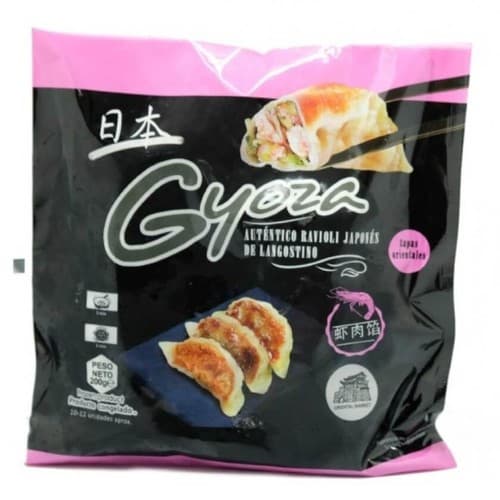
€3.95Shrimp Gyoza
ORIENTAL MARKET · kg · Bonpreu
 €6.95
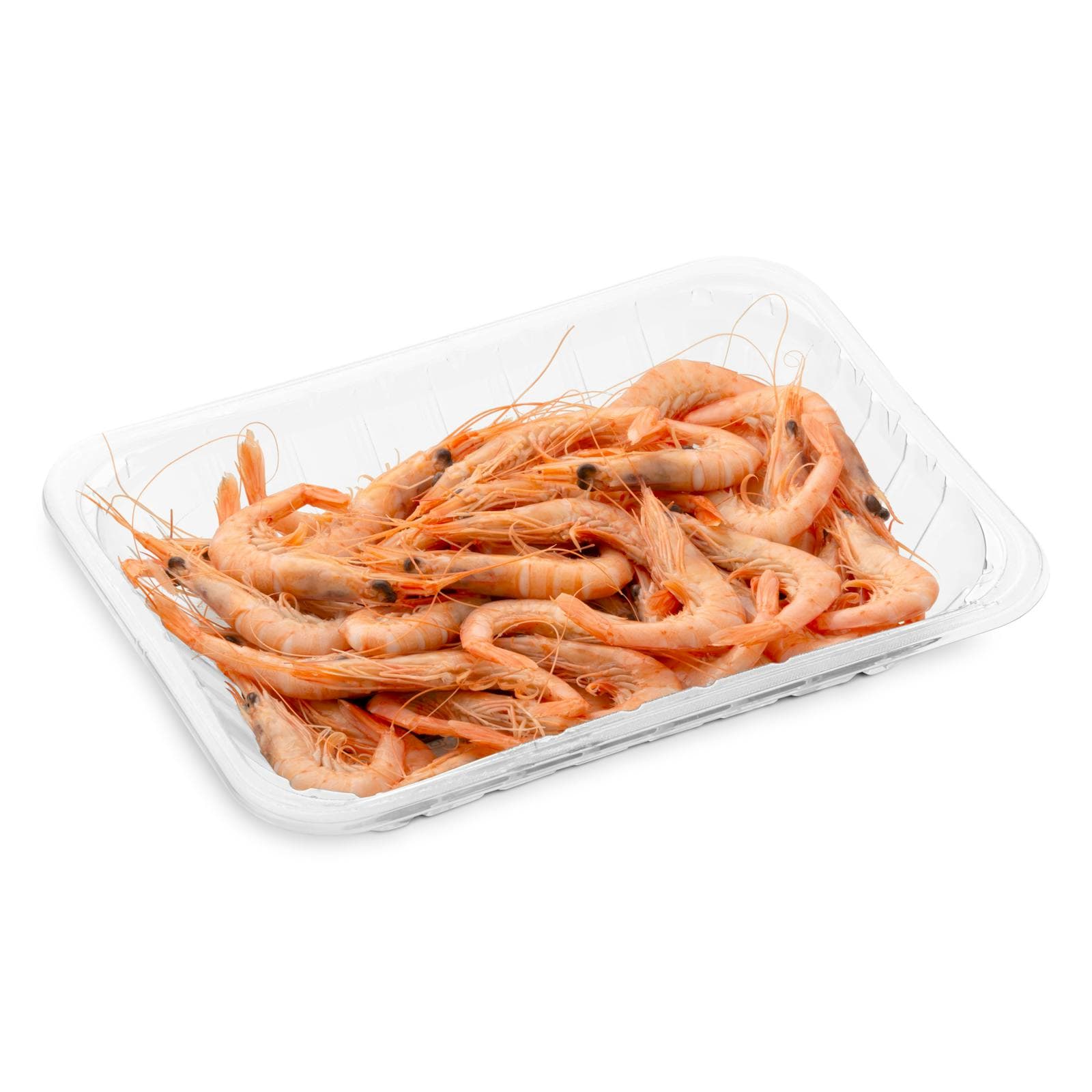
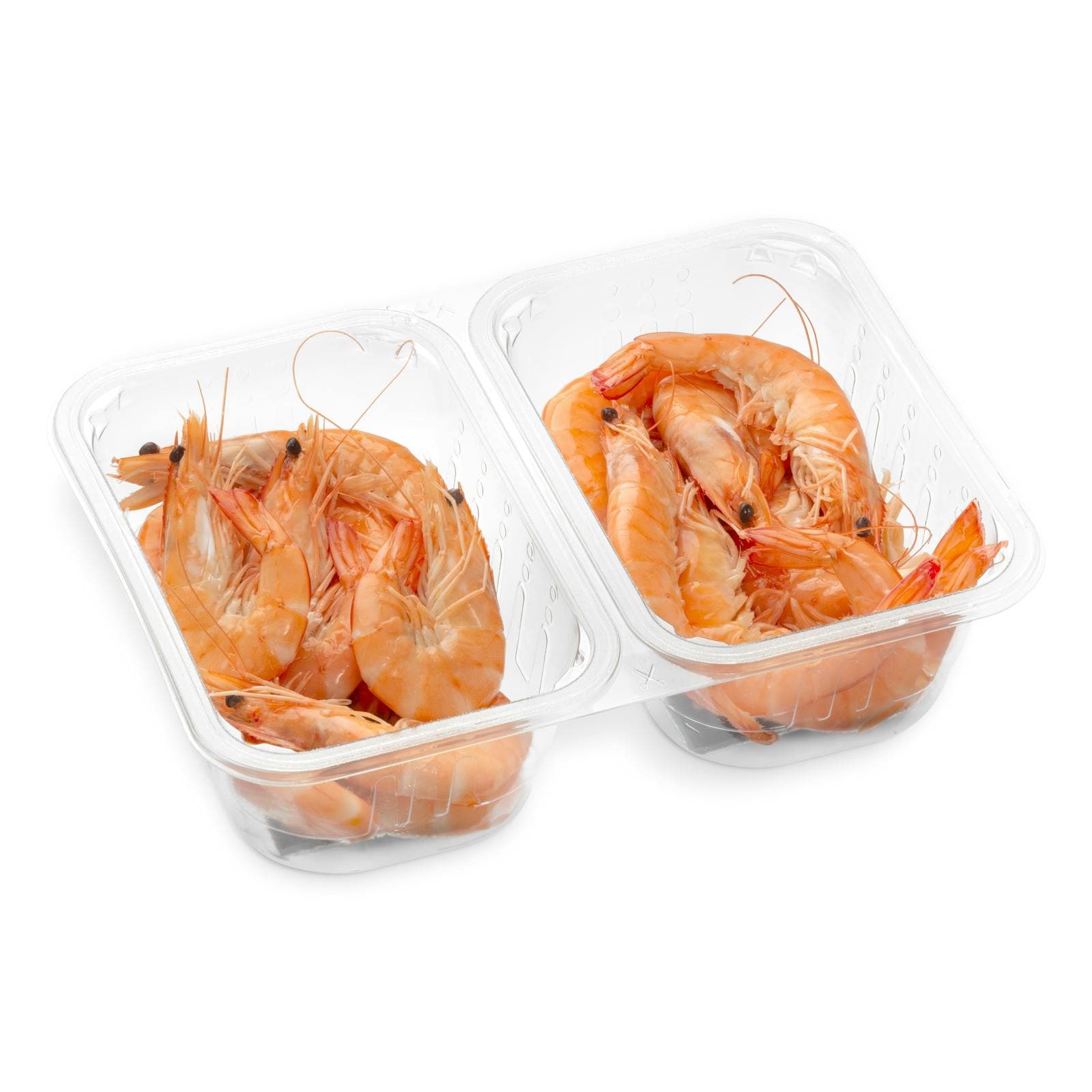
€6.95Cooked Shrimp
300 g · Mercadona
 €1084.05
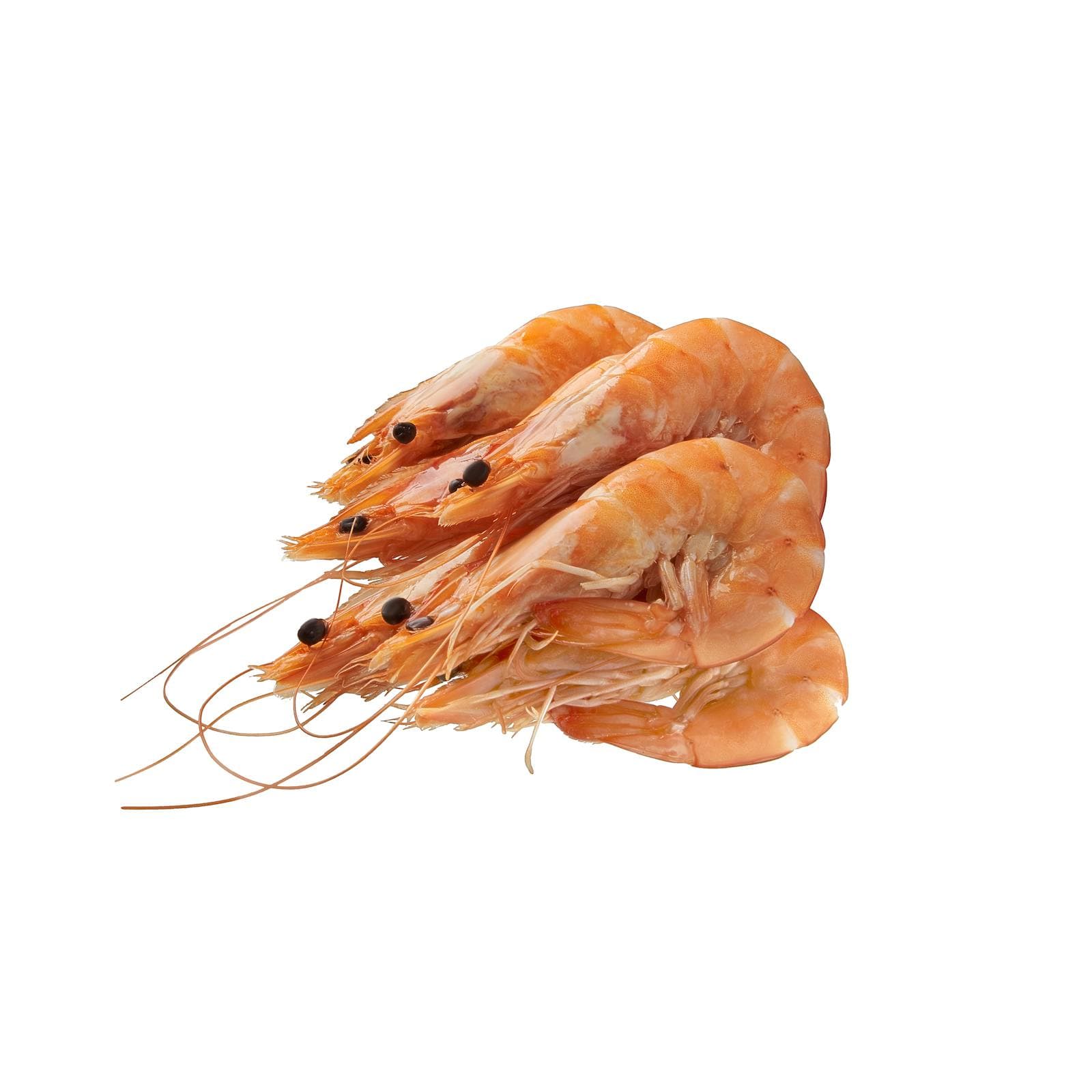
Cooked Shrimp
kg · Mercadona
 €6.30
€6.30Cooked Prawn
600 g · Mercadona
 €4.89
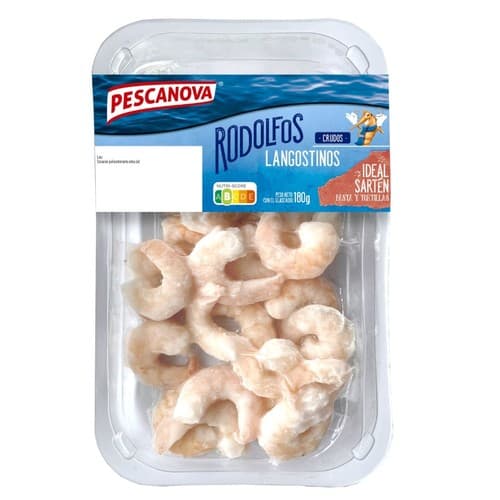
€4.89Peeled Raw Shrimp
PESCANOVA · kg · Bonpreu
 €10.95
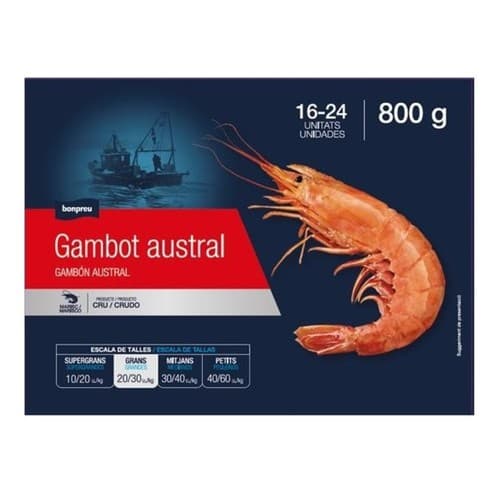
Australian Prawn
BONPREU · kg · Bonpreu
Good to know
- Species
- Brown (Farfantepenaeus aztecus), white (Litopenaeus setiferus), pink (Farfantepenaeus duorarum), royal red (Pleoticus robustus)
- Origin
- Gulf of Mexico — primarily harvested by vessels from Texas, Louisiana, Mississippi, Alabama, and Florida
- Harvest Method
- Primarily trawl-caught in shallow to mid-depth waters; royal reds from deep Gulf (200–400+ ft)
- Peak Season
- Brown: May–Sept. White: July–Dec. Pink: Oct–March. Royal reds: year-round, peaks winter
- Flavor
- Sweet, briny, clean. Brown shrimp are boldly oceanic with mineral notes. White shrimp are milder, sweeter. Royal reds taste almost lobster-like.
- Typical Count Sizes
- 16/20, 21/25, 26/30, 31/35, 36/40 per pound. Royal reds typically U/10–U/15.
- Forms Available
- Head-on, head-off, shell-on, peeled and deveined, frozen tail-on, IQF. Fresh on ice is most reliable at Gulf fish markets.
- Yield
- ~85% edible for peeled tail meat. ~60–65% cooked yield for shell-on.
- Storage
- Refrigerate on ice at 32–34°F immediately. Use fresh shrimp within 1–2 days. Frozen at 0°F: 6–9 months. Never refreeze.
Substitutes
- Wild Pacific White Shrimp — Best substitute for brown or white Gulf shrimp. Similar wild-caught flavor and texture. Check labels to confirm wild origin.
- Pink Shrimp (Atlantic) — Acceptable substitute, particularly for white shrimp in lighter preparations. Slightly smaller in size.
- Florida Stone Crab Meat — In a pinch for royal reds in rich butter preparations. Very different texture but shares a lobster-like sweetness.
Pairs with
Also called
Gulf Prawns
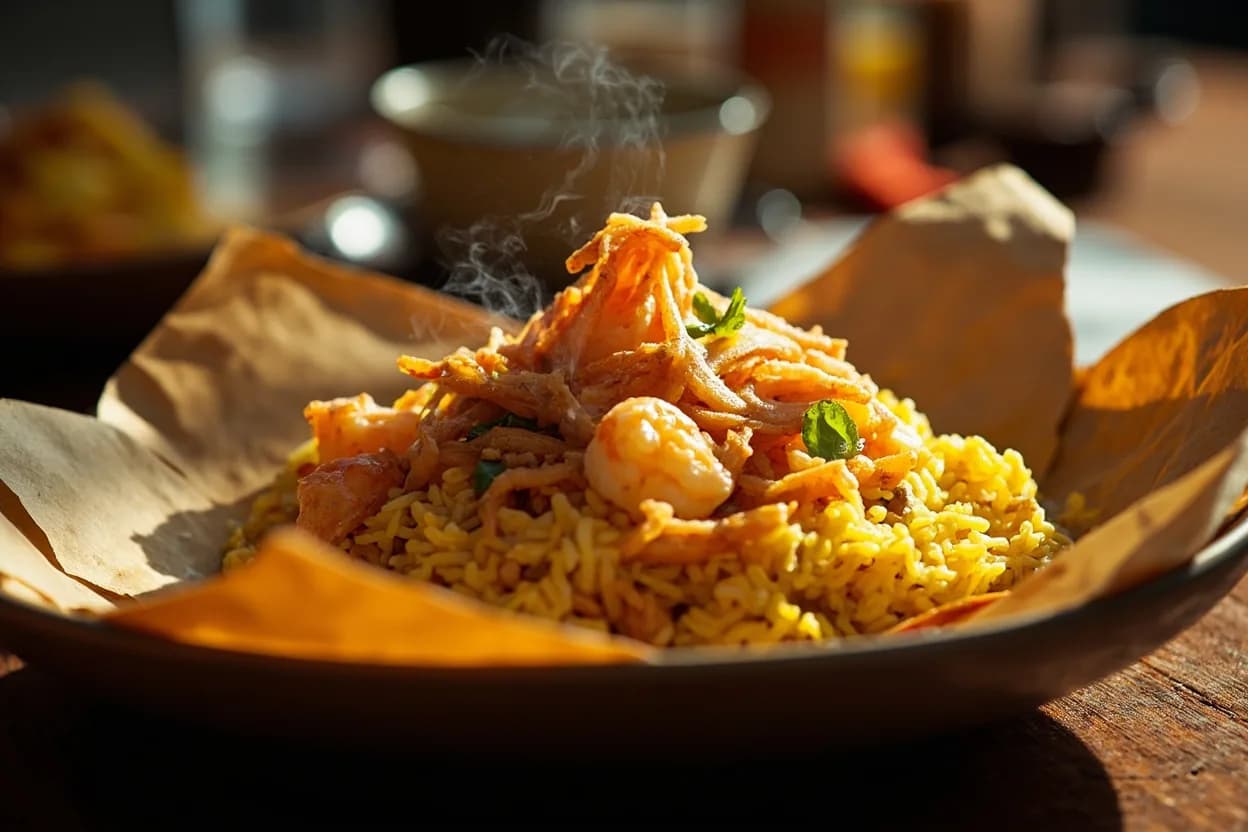
Appears in these dishes
Related
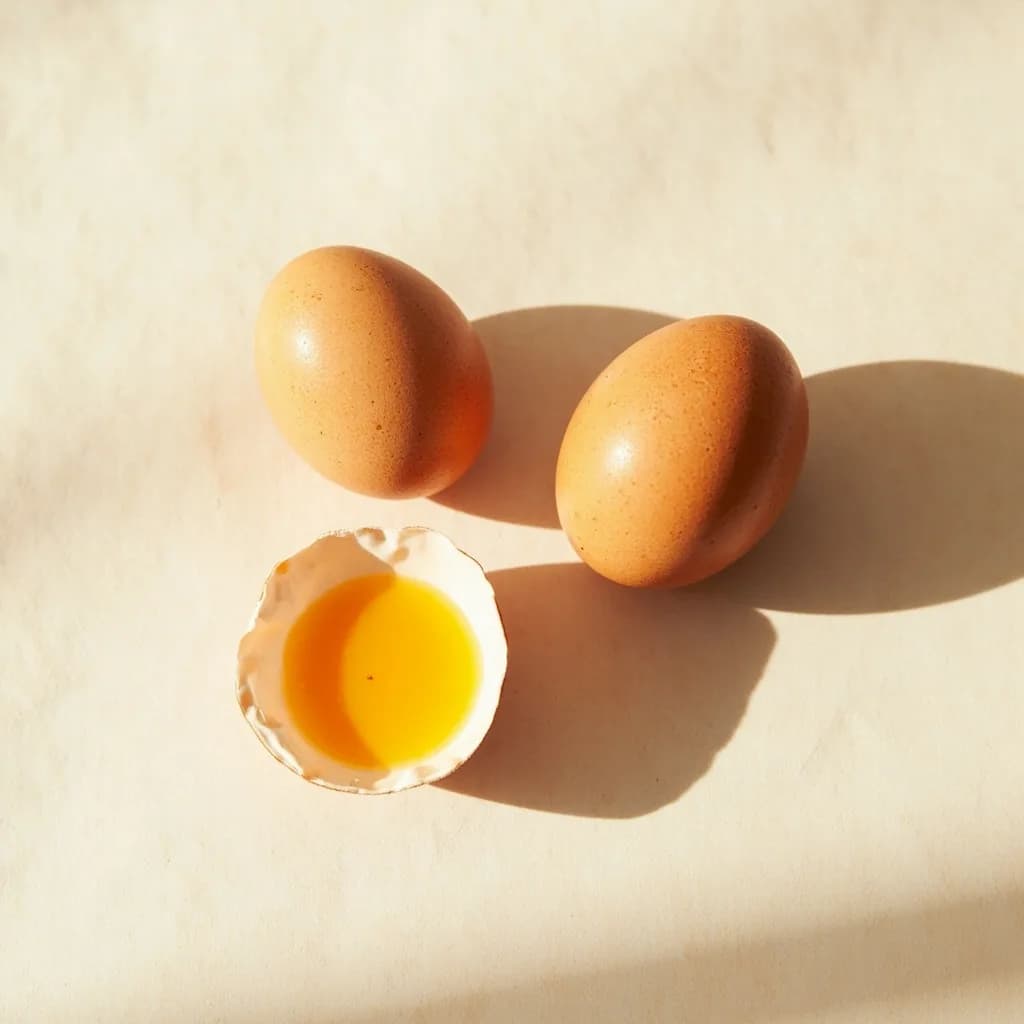
Egg
The kitchen's everything ingredient — bind, leaven, enrich, or fry
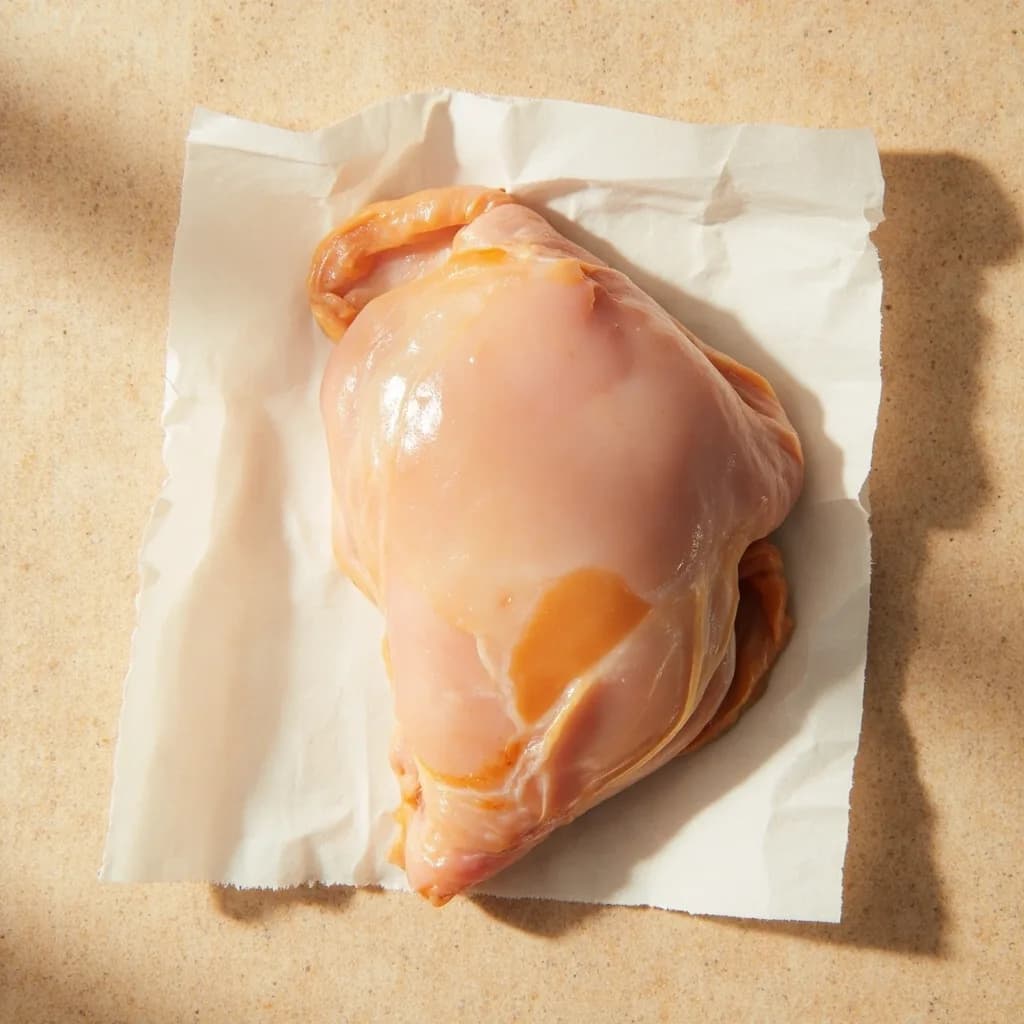
Chicken Breast
Lean, quick-cooking white meat for everyday dinners

Ground Beef
Versatile minced beef for burgers, ragù, tacos, and meatballs
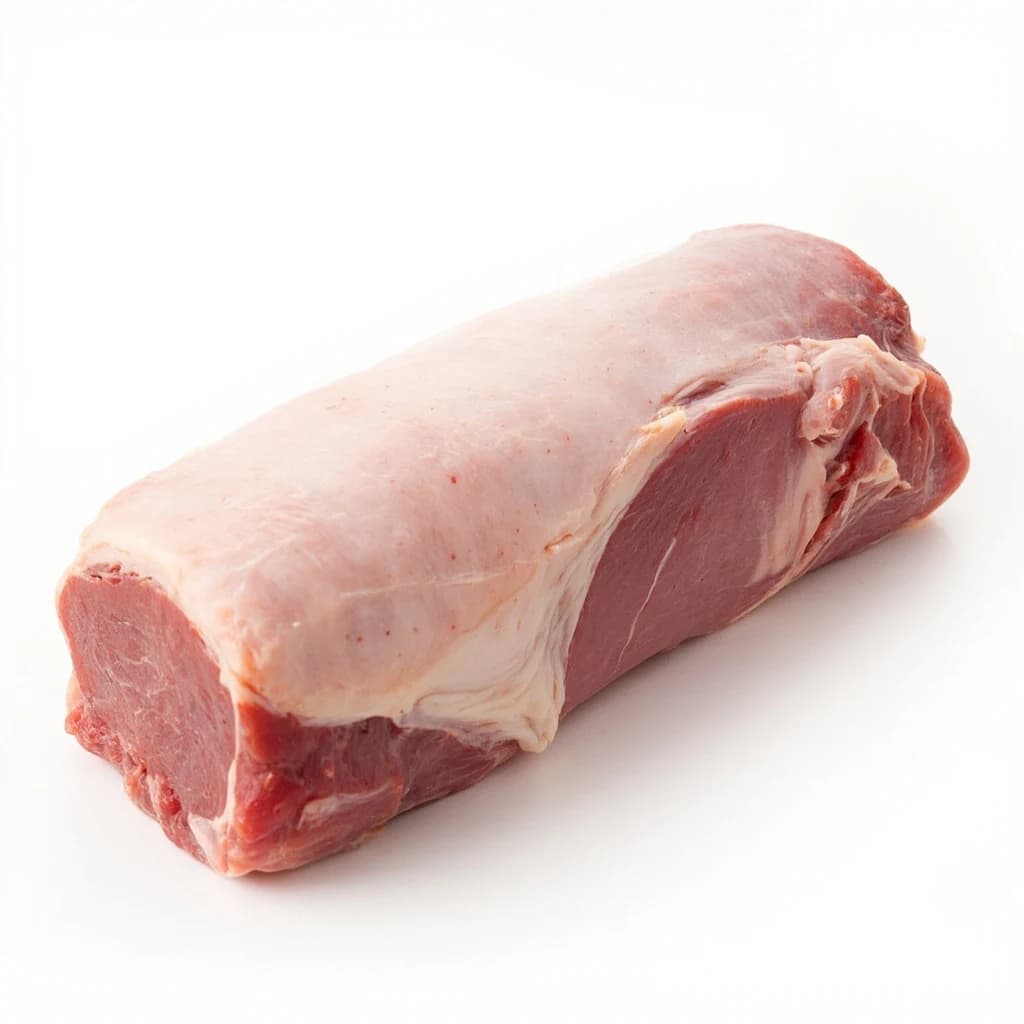
Pork Loin
Lean, tender roasting cut that stays juicy with care
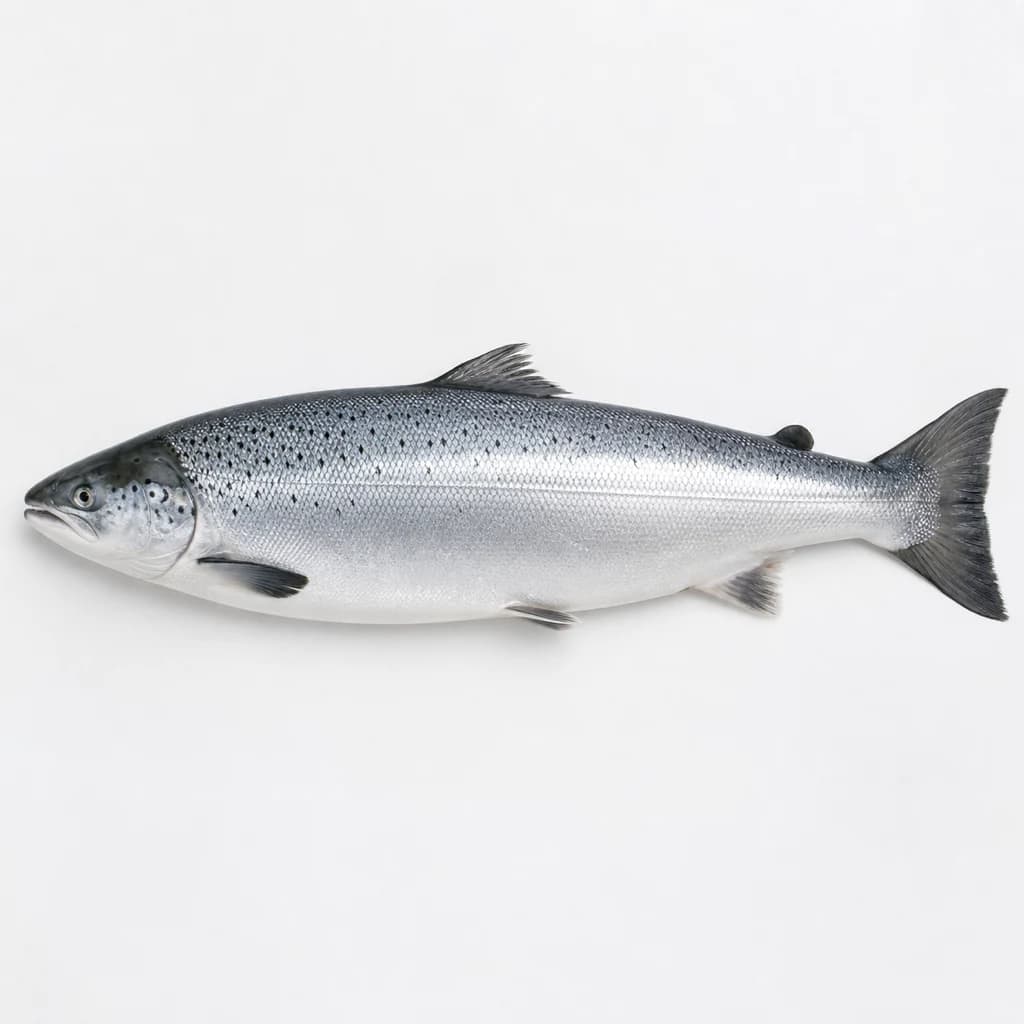
Salmon
Rich, rosy fish that roasts, grills, or cures beautifully

Egg White
Pure protein that whips to airy peaks for meringue and more
Egg Yolk
Rich, golden yolk for custards, mayonnaise, and pasta

Quail Egg
Tiny, speckled eggs for garnishing and elegant bites