
Natural form
Whole raw North Sea grey shrimp, their naturally brown-grey shells intact before cooking.
Shows the defining small size, translucent brown-grey coloring, and characteristic curved body of the uncooked specimen so readers can identify them at market.
Proteins
North Sea Grey Shrimp
Tiny brown North Sea shrimp, hand-peeled and eaten in croquettes and on bread.
North Sea grey shrimp are small brown shrimp caught in the shallow North Sea, a Belgian and Dutch delicacy. They are boiled on board, traditionally hand-peeled, and used in shrimp croquettes, tomatoes stuffed with shrimp, and on buttered bread. Despite their tiny size they have a sweet, intensely briny flavor.
North Sea grey shrimp, scientifically known as Crangon crangon, are among the few truly sustainable wild-caught shrimp available in Northern Europe. Fished from Norway to Portugal along the Eastern Atlantic, they are harvested primarily by beam trawl fisheries in the Dutch Wadden Sea and along the UK coasts of East Anglia and Morecambe Bay. What distinguishes these tiny crustaceans—typically 30–55 mm—from their warm-water cousins is not just geography but behavior: their shells are grey-brown and mottled when raw, turning pink-red only when cooked, and their flavor is sweet, briny, and delicately nuanced rather than aggressively oceanic.
The hand-peeling tradition sets North Sea grey shrimp apart from virtually every other shrimp on the market. Traditionally performed by coastal communities, including a significant historic contribution from Belgian nuns in Ostend, hand-peeling preserves the fragile tail meat intact. Machine-processed shrimp, by contrast, tear the delicate flesh, leaving it mealy and dry. This is not a trivial distinction: the concentrated, intense flavor of grey shrimp rewards restraint in preparation, and their small size makes them ideal for textural contrast in composed dishes. They are never ground, rarely sauced heavily, and never overcooked.
In the kitchen, grey shrimp behave unlike larger penaeid shrimp. They carry a higher proportion of their weight in shell and have a more tender, almost translucent texture when cooked. Their flavor concentrates with cooking rather than developing, so aggressive heat or long exposure works against the ingredient. Buying pre-peeled yields virtually 100% edible product; cooking whole in the shell yields only 15–20% edible weight, making the hand-peeled premium worthwhile.
- Measured in
- g
- Storage
- Fridge
Allergens
Types & varieties
The primary species from the North Sea; fished from Norway to Portugal along the Eastern Atlantic
Atlantic bay shrimp; the North American cousin, similar size and flavor profile
Sustainability and the Hand-Peeling Tradition
North Sea grey shrimp represent one of the few truly sustainable wild-caught shrimp options available. The Dutch Wadden Sea and UK coastal fisheries are well-managed under strict quotas and seasonal controls. What makes these shrimp exceptional is not just their ecological credentials but the human tradition behind them. Hand-peeling is labor-intensive work that has sustained coastal communities for generations. The process preserves the fragile tail meat intact—machine peeling tears this delicate flesh, making it mealy and dry. When you pay the premium for hand-peeled grey shrimp, you are paying for craft as much as for the ingredient itself.
- Look for "hand-peeled" or "hand-picked" on labels
- The Dutch Wadden Sea and UK East Anglia fisheries carry sustainability certifications
- Frozen hand-peeled shrimp are often fresher than 'fresh' counter stock, which may have sat for days
How Grey Shrimp Differ from Common Supermarket Shrimp
The shrimp most consumers encounter—tiger prawns, white shrimp, pink shrimp—are typically warm-water penaeid species. They are larger, sweeter in a straightforward way, and their flavor holds up to heavy seasoning, sauces, and charring. North Sea grey shrimp are the opposite: smaller, more delicate, and intensely briny. They are not improved by bold spices or high heat. Their value lies in their subtlety, and they reward cooks who understand that restraint is the technique here. Where a prawn might be the star of a dish, grey shrimp are a supporting element that brings oceanic depth and textural interest without demanding center stage.
- Grey shrimp are almost always sold cooked; warm-water shrimp are often sold raw
- They require no deveining—their small size and clean habitat mean virtually no grit
- They do not shell easily; buy them pre-peeled
Common uses
Tips & pitfalls
- Always buy hand-peeled if available—machine-peeling tears the fragile tail meat, making it mealy
- If buying whole cooked shrimp, look for firm, intact shells with a clean ocean smell; avoid any ammonia taint
- Taste the shrimp plain first—a good one needs nothing more than a flick of butter and squeeze of lemon
- Do not overcook: add to hot dishes in the last 30–60 seconds of cooking time
- Never cook grey shrimp in the shell if you want to preserve their delicate texture and flavor
- If frozen, thaw gently in the refrigerator overnight; never thaw at room temperature
- The small size makes them ideal for texture contrast in composed dishes—don't grind or over-process them
- Store-bought frozen hand-peeled grey shrimp are often a better buy than fresh, as quality can be inconsistent at fish counters
Nutrition
Energy
356 kJ · per 100 g
Where the calories come from
Protein
20.1g
40% DV
Carbs
0g
0% DV
Fat
0.5g
1% DV
Sodium
119mg
5% DV
Source · USDA FoodData Central · approx. Crustaceans, shrimp, raw
View on FDC →In the shops
Matched grocery products
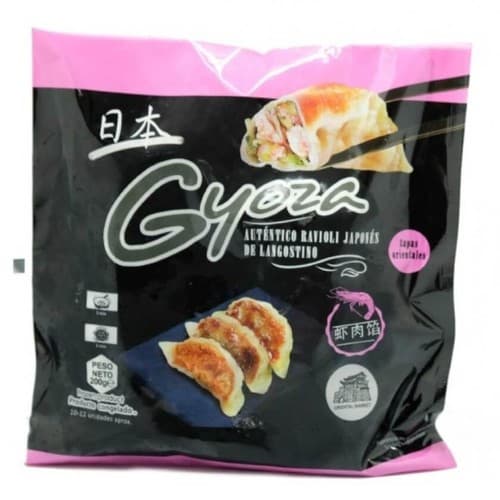 €3.95
€3.95Shrimp Gyoza
ORIENTAL MARKET · kg · Bonpreu
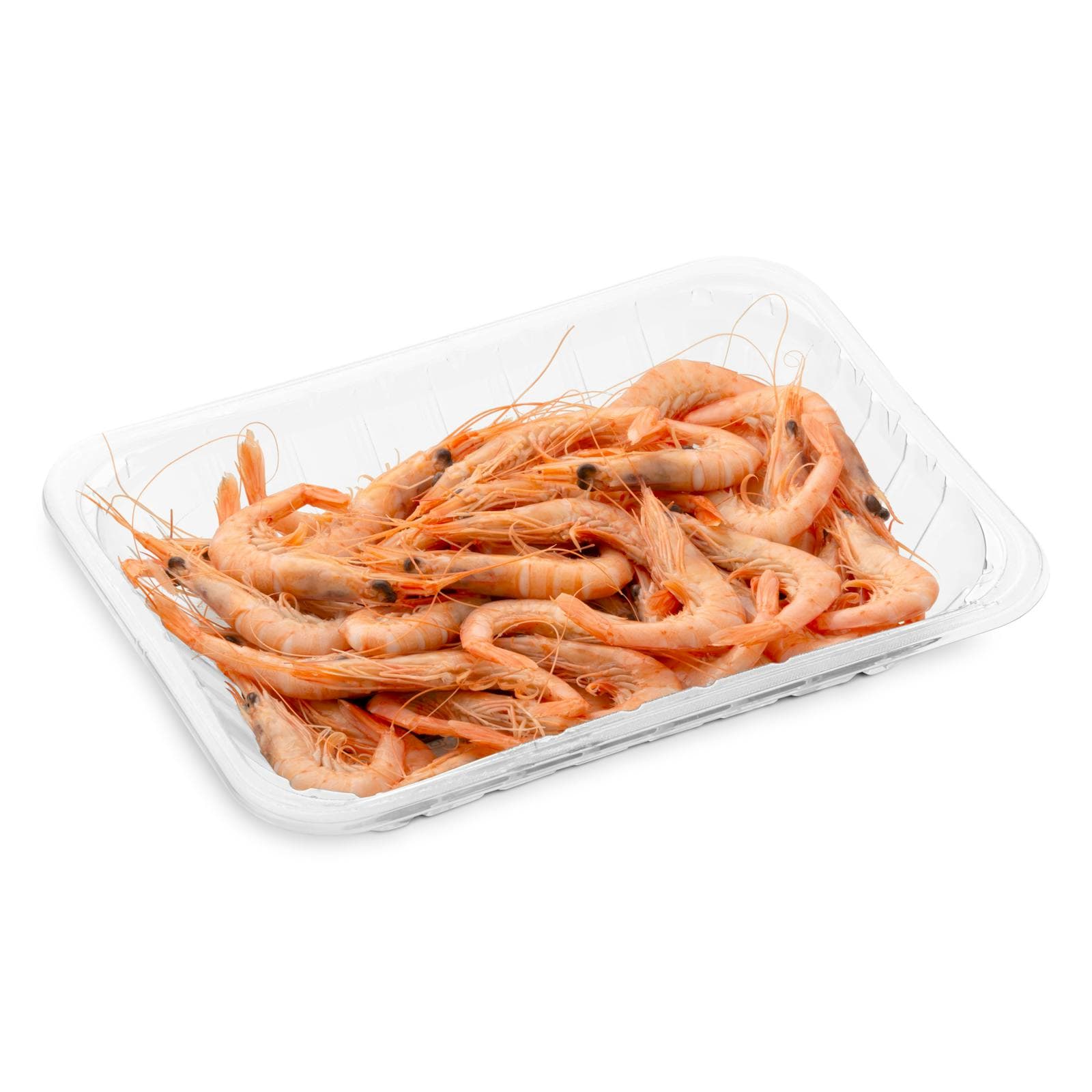 €6.95
€6.95Cooked Shrimp
300 g · Mercadona
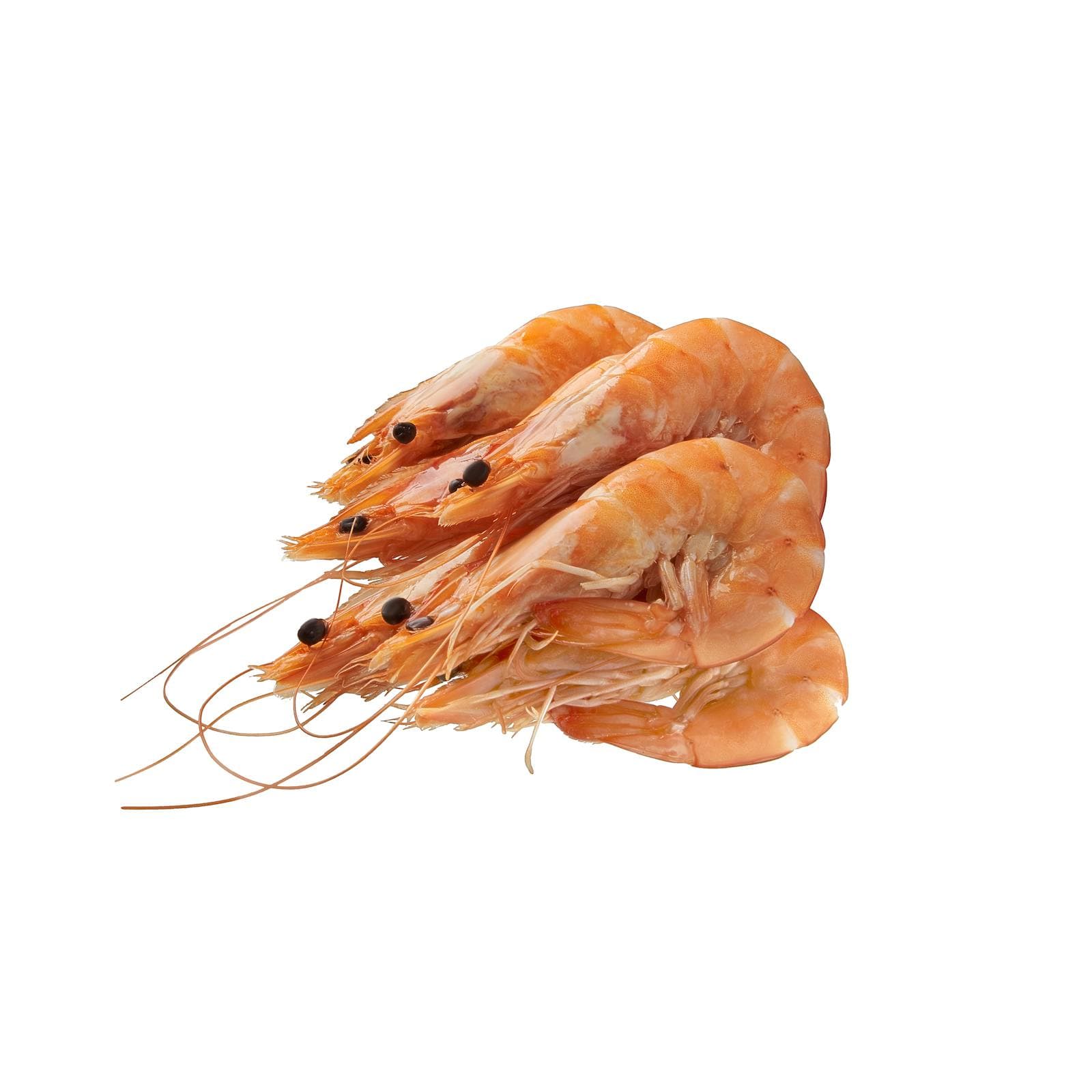 €1084.05
Cooked Shrimp
kg · Mercadona
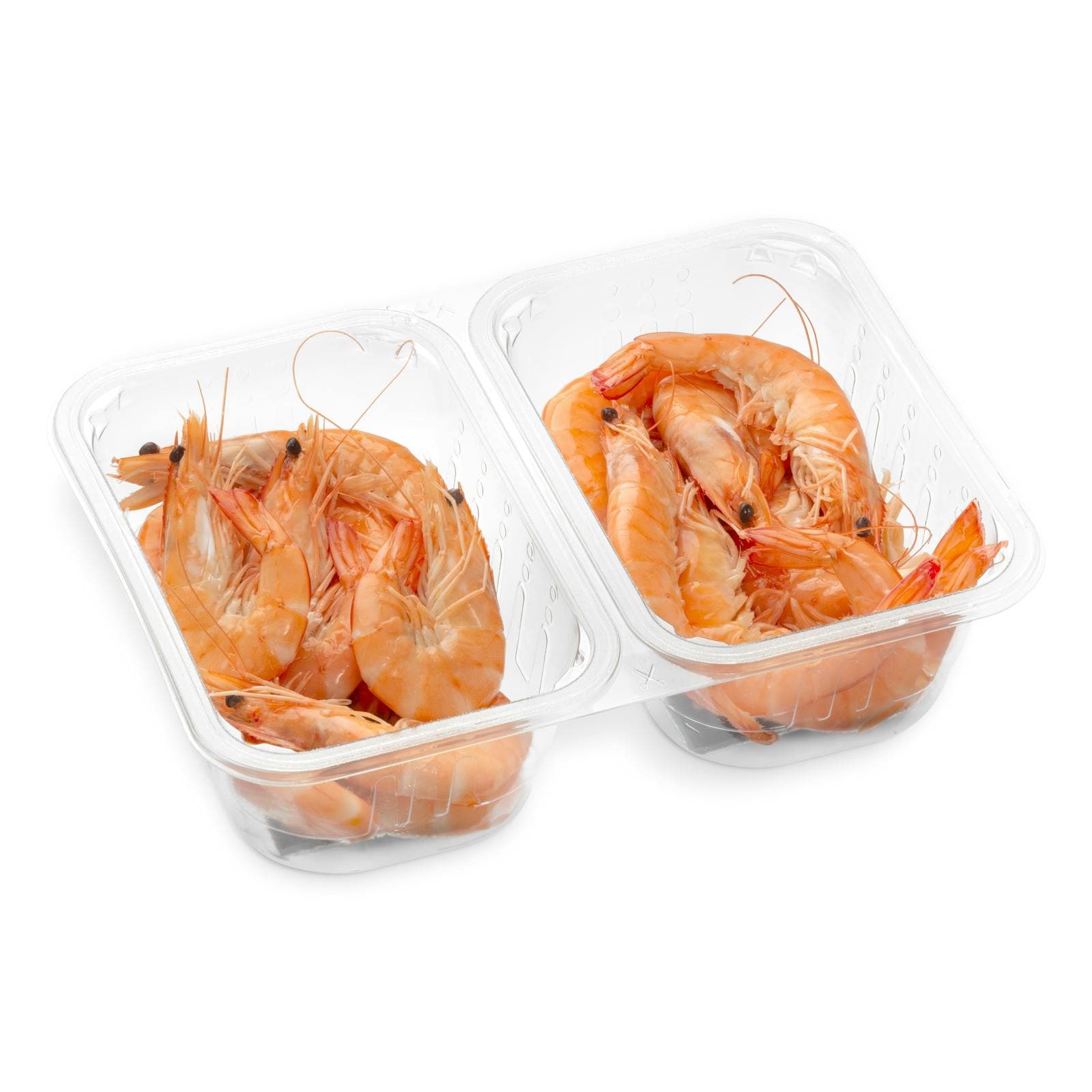 €6.30
€6.30Cooked Prawn
600 g · Mercadona
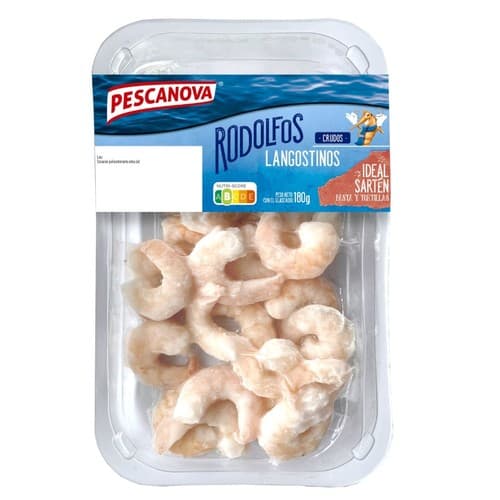 €4.89
€4.89Peeled Raw Shrimp
PESCANOVA · kg · Bonpreu
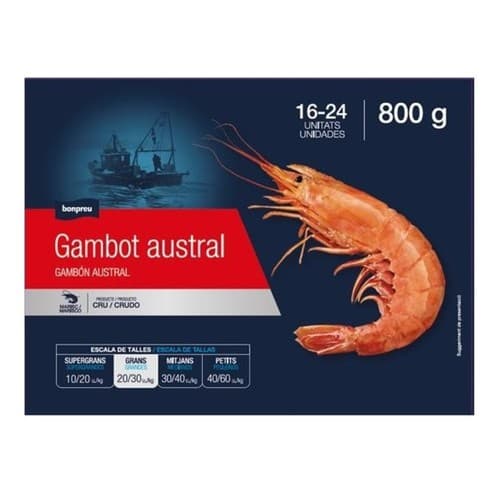 €10.95
Australian Prawn
BONPREU · kg · Bonpreu
Good to know
- Scientific Name
- Crangon crangon
- Common Names
- Common shrimp, sand shrimp, grey shrimp, brown shrimp
- Flavor
- Sweet, briny, delicate; milder and more nuanced than warm-water shrimp
- Size
- Typically 30–55 mm (1.2–2.2 inches)
- Origin
- North Sea and Eastern Atlantic; major fisheries in the Netherlands, Belgium, Germany, Denmark, and the UK (East Anglia, Morecambe Bay)
- Sold Form
- Primarily cooked and hand-peeled (tail-on or tail-off)
- Shell Color (raw)
- Grey-brown with mottled markings; shells turn pink-red when cooked
- Peak Season
- Year-round; most abundant late summer through early autumn
- Shelf Life
- Refrigerated: 1–2 days cooked; freeze for up to 3 months
- Yield
- Virtually 100% when purchased pre-peeled; ~15–20% if cooking whole in the shell
- Typical Cost
- Mid-range; hand-peeled commands premium over machine-processed
Substitutes
- Bay shrimp (Pandalus borealis) — Smaller and acceptable for appearance in salads, but milder and almost bland by comparison
- Pink shrimp (Pandalus montagui) — A decent all-purpose substitute; slightly sweeter and less briny; increase quantity by 10–15%
- Soldier crab (Lithodes aequispinus) — Not a shrimp; unrelated flavor and texture; avoid as substitute
- Freshwater shrimp (Macrobrachium) — Larger and sweeter; the closest texture match but significantly different flavor profile
Pairs with
Also called
Grijze Garnaal · Brown Shrimp · Crangon crangon
Appears in these dishes
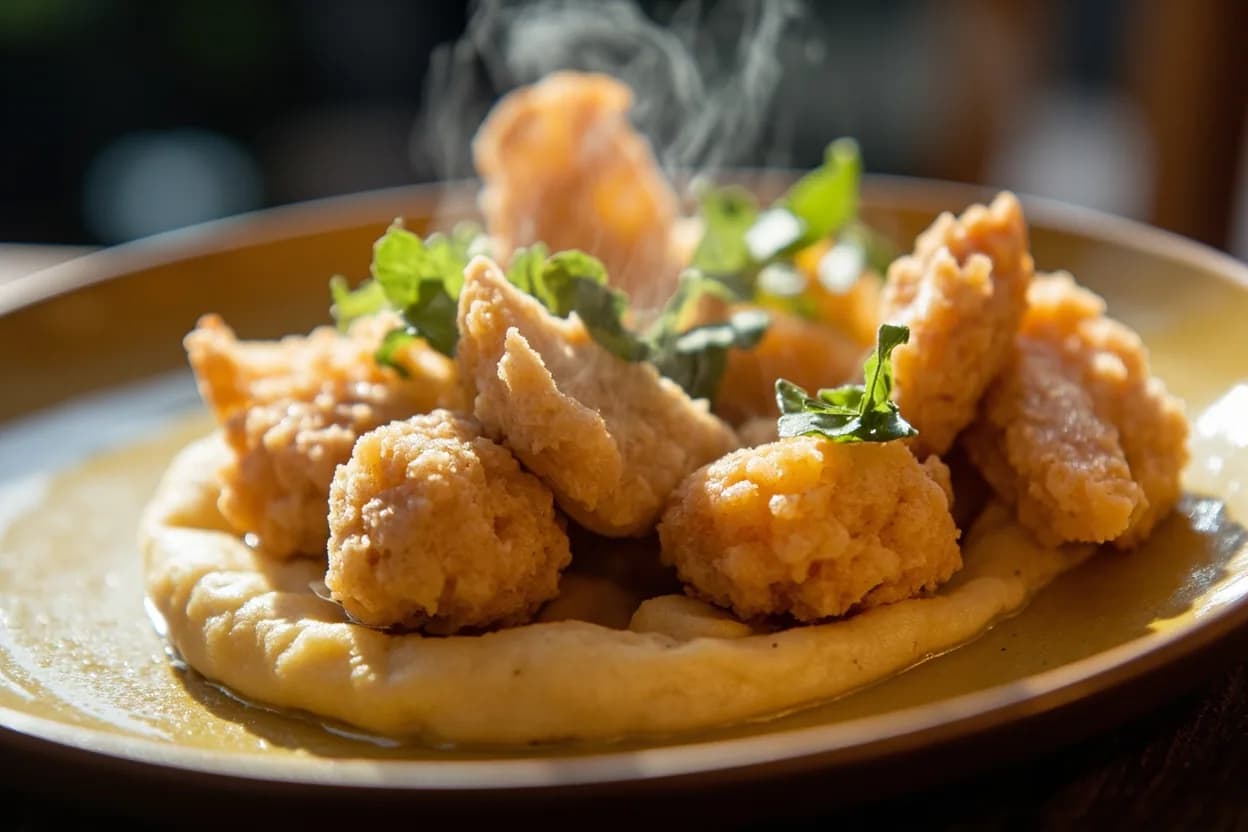
Related

Egg
The kitchen's everything ingredient — bind, leaven, enrich, or fry

Chicken Breast
Lean, quick-cooking white meat for everyday dinners

Ground Beef
Versatile minced beef for burgers, ragù, tacos, and meatballs

Pork Loin
Lean, tender roasting cut that stays juicy with care

Salmon
Rich, rosy fish that roasts, grills, or cures beautifully

Egg White
Pure protein that whips to airy peaks for meringue and more

Egg Yolk
Rich, golden yolk for custards, mayonnaise, and pasta

Quail Egg
Tiny, speckled eggs for garnishing and elegant bites