
Natural form
A whole round of queso de mano showing its soft, layered white surface as traditionally hand-shaped.
Shows the cheese's unmistakable hand-formed shape, pale white color, and supple layered exterior that distinguish it from other fresh cheeses.
Dairy & Eggs
Hand Cheese (Queso de Mano)
Venezuelan soft, layered, hand-shaped white cheese folded into arepas.
Queso de mano is a soft, mild Venezuelan cheese traditionally shaped by hand into thin, foldable layers from stretched curd. It is supple and slightly salty, melting gently into arepas, empanadas, and breakfast dishes. The name reflects the hand-kneading and folding used to form it.
Hand Cheese (Queso de Mano) is a fresh, soft white cheese that anchors Venezuelan home cooking. Artisans in the Llanos plains and Andean regions make it by hand-folding warm curds into characteristic rounds and thin sheets, a process that traps air between layers and creates the cheese's signature layered structure visible when sliced. Unlike aged cheeses, queso de mano is meant to be consumed fresh—its appeal lies in supple moisture and a gentle tang that balances the mild, milky flavor. When heated gently, it melts cleanly through arepas and empanadas without turning rubbery, making it the workhorse of Venezuelan kitchens from breakfast arepas to holiday hallacas.
- Measured in
- g
- Storage
- Fridge
Allergens
Types & varieties
Classic hand-molded version from the Venezuelan plains; made with minimal aging for a supple, fresh texture
Regional variant from Mérida, Táchira, and Trujillo; slightly firmer with a touch more salt
Ultra-fresh version sold within days of production; very soft and highly perishable
The Hand-Folding Technique
The name comes from the traditional method: warm curds are gathered, pressed, and folded repeatedly by hand to form thin sheets or small rounds. Each fold traps tiny pockets of air, creating the layered interior you see when the cheese is sliced. This technique is what distinguishes it from simply pressed fresh cheeses—the folding gives it a tenderness that holds together when cut yet melts smoothly when heated.
- Warm curds retain moisture; handle quickly to prevent drying
- Fold firmly but gently to eliminate gaps while preserving layers
- Work in small batches for consistent results
How It Differs From Similar Cheeses
Queso de mano shares a family resemblance with other Latin American white cheeses—queso fresco, queso blanco, and paneer—but its hand-folding process gives it a more pronounced layered structure. It is not related to German Handkäse, despite the shared word 'hand.' The German variety is fermented, pungent, and served pickled; the Venezuelan version is fresh, mild, and meant to be eaten within a week.
- Compare to paneer: paneer is pressed, not folded, and has a denser, less elastic texture
- Queso fresco and queso blanco are typically coagulated with rennet alone; queso de mano often uses a combination of rennet and acid
- The layered structure is unique to hand-folded cheeses and is visible when sliced
Common uses
Tips & pitfalls
- Bring to room temperature before using—cold cheese tastes flat and won't melt evenly
- For frying, use medium-low heat; high heat browns the exterior before the interior softens
- When placing in arepas, slice 1/4-inch thick for even melting through the corn shell
- Avoid overcooking—excessive heat squeezes out moisture and makes the cheese tough and rubbery
- Pat the surface dry with paper towels if it feels sticky before frying
- Store in its original brine or wrap tightly in plastic to prevent drying out
- Use within the first week for the best supple texture; freshness is essential
- Common mistake: freezing—this destroys the soft, layered structure permanently
Nutrition
Energy
1628 kJ · per 100 g
Where the calories come from
Protein
25.6g
51% DV
Carbs
1.6g
1% DV
Fat
31.1g
40% DV
Fiber
0g
0% DV
Sugars
1.6g
of which
Sodium
800mg
35% DV
Source · USDA FoodData Central · approx. Cheese, fontina
View on FDC →In the shops
Matched grocery products
No matched grocery products for Hand Cheese (Queso de Mano) yet.
Good to know
- Origin
- Venezuela (Llanos plains and Andean regions)
- Milk
- Cow's milk, typically pasteurized
- Texture
- Soft, slightly elastic, layered from hand-folding
- Flavor
- Mild, slightly tangy, milky
- Shelf Life
- Refrigerated: 1–2 weeks; do not freeze
- Salt Content
- Lower than aged cheeses, varies by producer
- Melting Behavior
- Melts evenly without turning rubbery when heated gently
Substitutes
- Queso Fresco — Mexican fresh cheese; closest flavor match and similar melting behavior
- Queso Blanco — Latin American white cheese; comparable texture and mild flavor
- Paneer — Indian fresh cheese with similar texture and non-melting properties; use raw or lightly fried
- Farmer's Cheese — Fresh cow's milk cheese with similar mild flavor and soft, crumbly texture
- Feta (drained) — Works in salads and some cooked dishes but is noticeably saltier; rinse before using
Pairs with
Also called
Queso de Mano
Appears in these dishes

Related

Whole Milk
Rich, full-fat milk for drinking, coffee, sauces, and baking
Butter
Golden fat for searing, baking, and finishing a sauce
Yogurt
Tangy, creamy culture for breakfast, sauces, and marinades
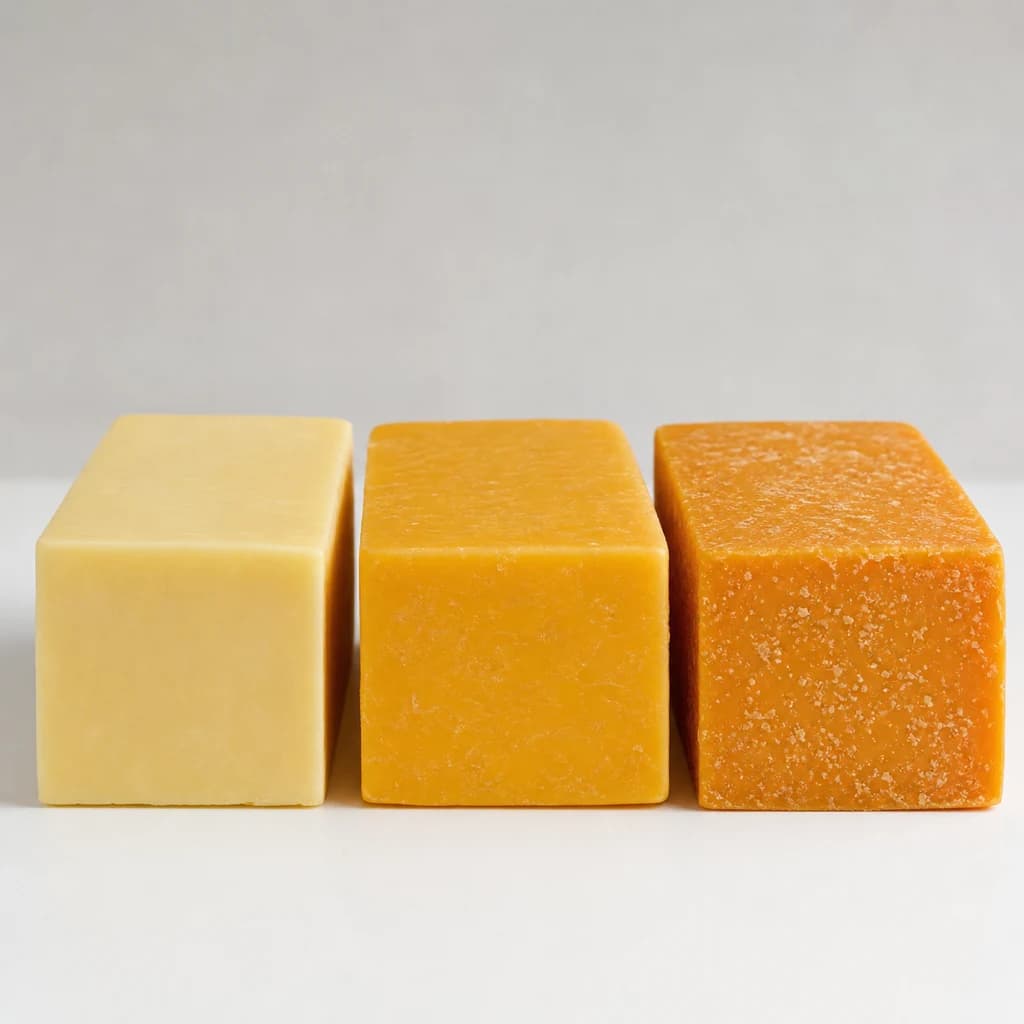
Cheddar Cheese
Sharp, melty cheese for sandwiches, gratins, and grating

Skim Milk
Fat-free milk for lighter drinking, coffee, and cooking
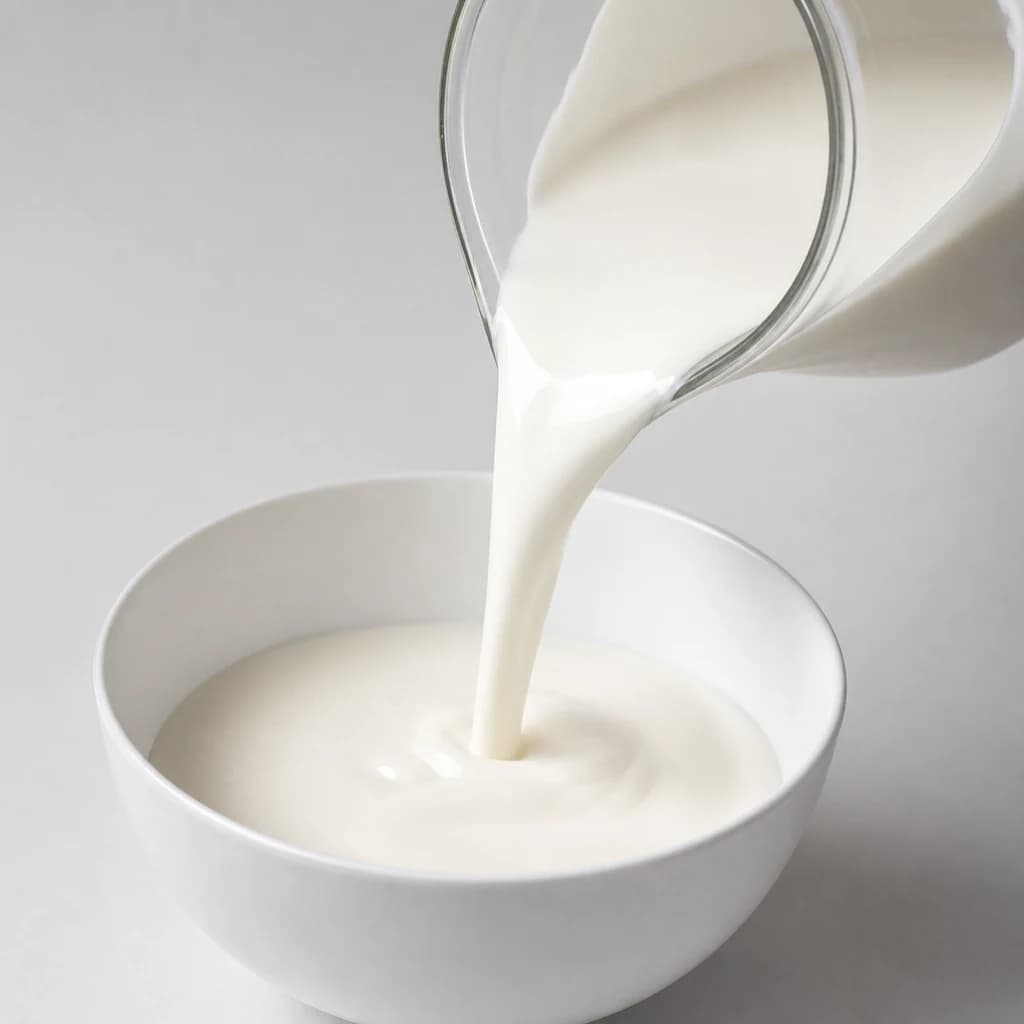
Heavy Cream
Rich cream that whips, enriches sauces, and sets ganache

Sour Cream
Tangy, thick cream for dolloping, baking, and dips
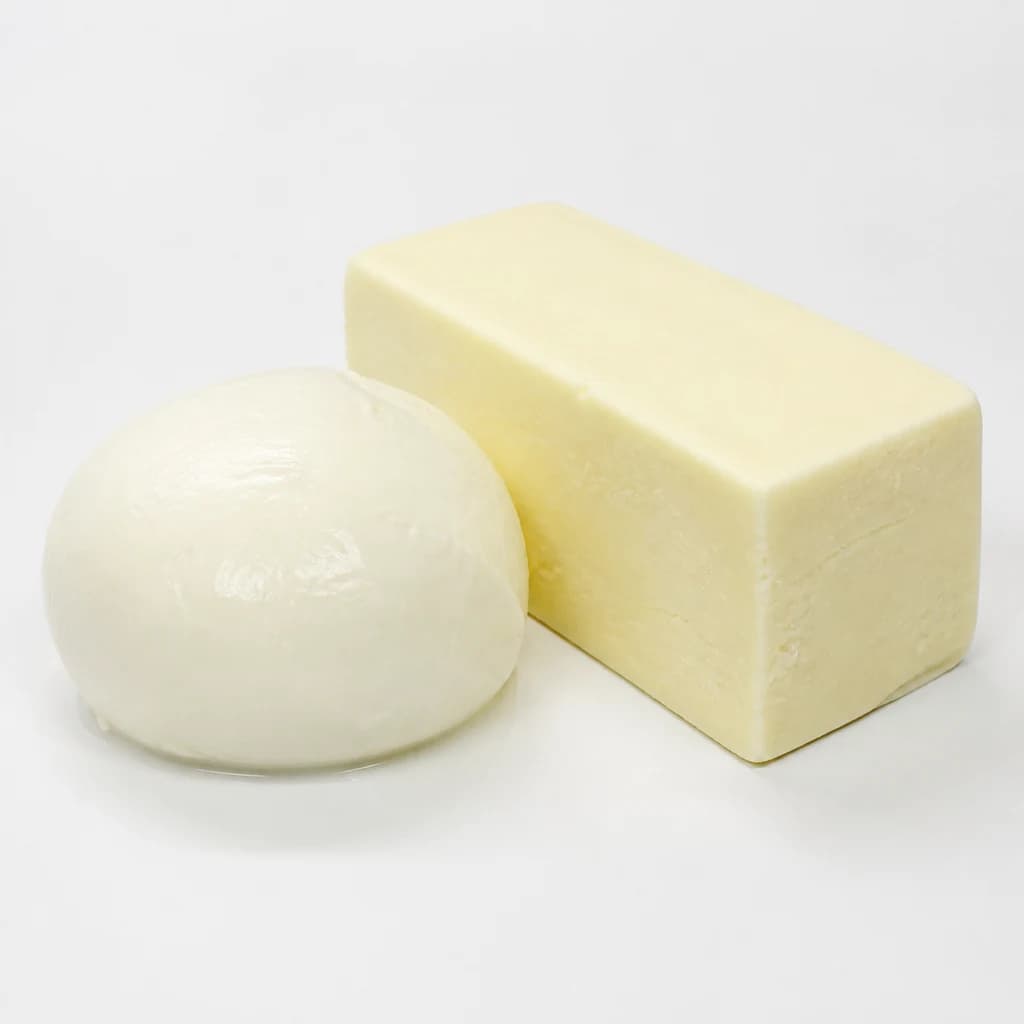
Mozzarella
Soft, milky cheese that melts into stretchy pizza pulls