Natural form
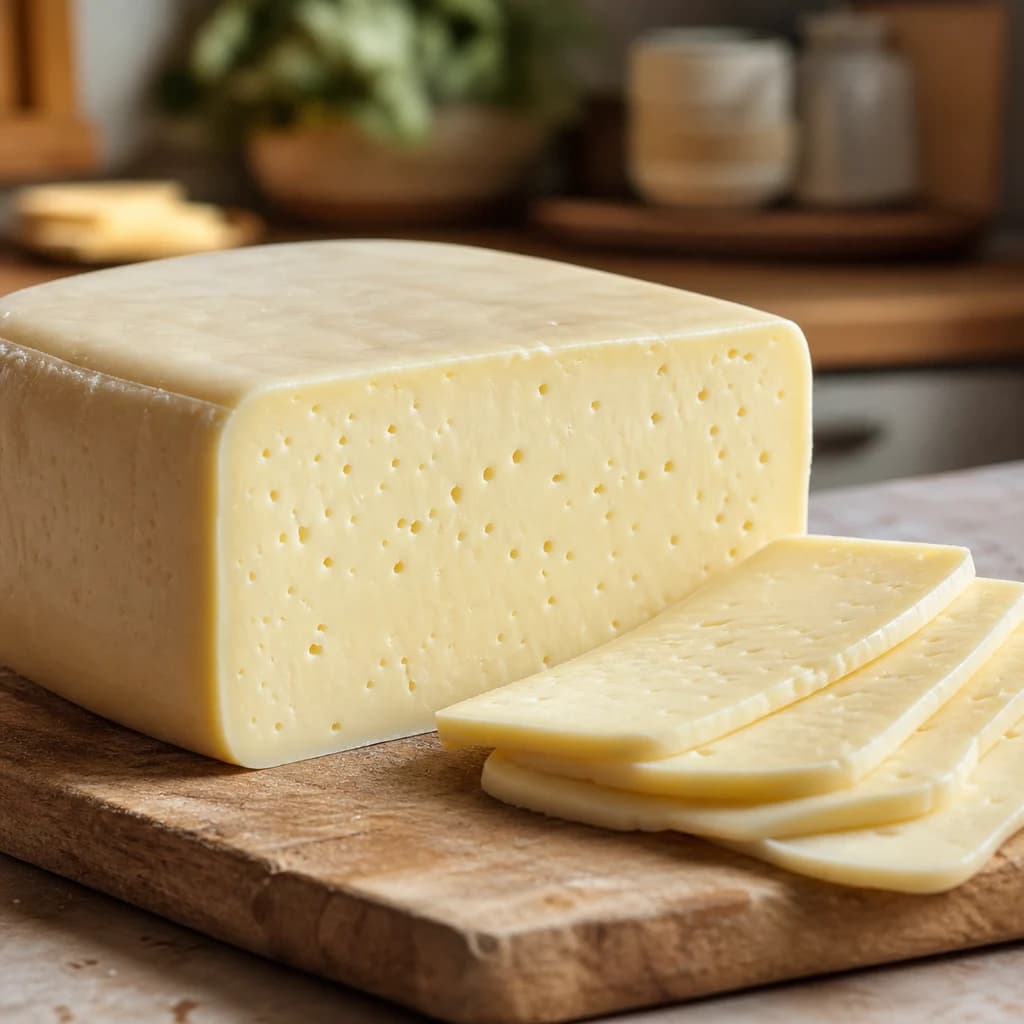
A whole wheel and sliced block of Havarti reveal its pale ivory interior with small irregular holes.
Shows the cheese in its recognizable block form, characteristic color, and signature interior holes so readers immediately identify the ingredient.
Dairy & Eggs
Havarti Cheese
Creamy, semi-soft Danish cow's-milk cheese that melts smoothly for sandwiches.
Havarti is a semi-soft Danish cow's-milk cheese with a smooth, supple, buttery texture and small irregular holes. Mild and slightly tangy, it melts beautifully, making it popular for grilled cheese, sandwiches, and cheese boards. It comes plain or flavored with dill, caraway, or jalapeño.
Havarti is a Danish semi-soft cheese named after the Havarthi farm where it was first developed in the mid-1920s. Made from pasteurized cow's milk with a fat content of 26–30%, it has a smooth, slightly waxy texture punctuated by small irregular eyes throughout the paste. The cheese is produced in large blocks, loaves, or small wheels and is typically sold waxed or cryovac without a natural rind. Its characteristic buttery, mildly tangy flavor and exceptionally reliable melting properties make it one of the most versatile workhorse cheeses in both professional and home kitchens. The cheese is protected by Traditional Specialty Guaranteed (TSG) designation in Denmark, ensuring authentic production methods, though domestic versions are now produced in several countries including the United States. American producers must meet FDA standards specifying 40–50% moisture and minimum 26% fat in solids, though artisan producers using traditional rennet and cultures often achieve greater flavor complexity than mass-market versions. Young Havarti (3 months) is the standard kitchen variety, prized for its smooth melt and approachable flavor, while aged Reserve varieties (6–12+ months) develop nutty, caramelized notes and crystalline textures that shift the cheese firmly into specialty territory.
- Measured in
- g
- Storage
- Fridge
Allergens
Types & varieties
Original version; buttery, creamy, mildly tangy with small holes; the standard kitchen cheese
Cream added to milk for richer texture and higher fat content
Smaller wheels aged longer; concentrated flavor and slight crystallization
6–12+ months; nutty and sharp with crystalline texture; firmer; not ideal for melting
Dill infused; common in Scandinavian deli applications
With diced jalapeño; delivers mild heat without overwhelming
With roasted garlic; strong aromatic profile for bold dishes
Rosemary, chives, or mixed herb blends; good for cheese boards
With caraway seeds; traditional Scandinavian pairing
Black or multicolor peppercorns; mild spice
Cold-smoked over wood; subtle savory-smoky flavor
Lower fat; textural and melting differences; less flavor depth
Common uses
Tips & pitfalls
- Bring to room temperature: Allow 30–45 minutes out of refrigeration before serving or cooking. Cold Havarti does not melt evenly and tastes flat and one-dimensional.
- Slice thin for sandwiches; leave thicker (6–10 mm) for grilled applications and cheese boards where structural integrity matters.
- Use low and slow heat for melting. Medium-low allows butterfat to emulsify into the protein matrix. High heat causes fat separation (greasing out) and a tough, rubbery texture.
- Shred at room temperature for cleaner cuts with less clumping. Toss shreds with a pinch of cornstarch when using in baked applications to prevent sticking.
- Do not overbake. Remove from heat once melted and bubbling; extended high heat degrades texture and causes cheese to seize.
- Reserve aged Havarti for slicing and snacking only. Its developed flavor shines on boards where melting would destroy the crystalline texture and concentrated notes.
- Store with wax paper against the cut face, then wrap in plastic. The paper prevents excessive moisture buildup that promotes surface mold.
- If mold appears, trim 1–2 cm beyond the visible mold. For Havarti's higher moisture content, consume promptly after trimming rather than waiting weeks.
- Freeze only for cooking use. Grate or slice frozen, add directly to hot dishes from the freezer. Thawed Havarti becomes mealy and watery for raw consumption.
Nutrition
Energy
1628 kJ · per 100 g
Where the calories come from
Protein
25.6g
51% DV
Carbs
1.6g
1% DV
Fat
31.1g
40% DV
Fiber
0g
0% DV
Sugars
1.6g
of which
Sodium
800mg
35% DV
Source · USDA FoodData Central · approx. Cheese, fontina
View on FDC →In the shops
Matched grocery products
No matched grocery products for Havarti Cheese yet.
Good to know
- Origin
- Denmark (Havarthi Farm, mid-1920s)
- Milk
- Cow's milk (typically pasteurized)
- Fat Content
- 26–30% (regular); 16–19% (light)
- Texture
- Semi-soft, smooth, slightly waxy; small irregular eyes
- Aging
- 3 months (standard); 6–12+ months (Reserve)
- Melting Behavior
- Low temperature; melts evenly without fat separation when handled correctly
- Shelf Life
- 4–6 weeks refrigerated (opened); check use-by date (unopened)
- Certification
- TSG protected in Denmark; FDA-compliant production in the U.S.
Substitutes
- Gruyère — Best all-purpose substitute; similar melt quality, nutty flavor, slightly firmer texture; excellent for sandwiches and sauces
- Muenster — Comparable melt behavior and mild flavor; slightly more pungent; widely available in U.S. supermarkets
- Mild Gouda (young) — Good melt with buttery, slightly sweet notes; similar semi-soft texture; widely available
- Fontina (Danish or Swedish) — Similar melt and creamy texture; more pronounced earthy flavor; excellent for fondue and baked dishes
- American Cheese (white, deli-sliced) — Reliable melt without separation; milder flavor; practical for burgers and grilled cheese when authenticity is secondary
- Mild Cheddar (6–9 months) — Acceptable for sauces and baking; does not melt as smoothly; milder than aged Cheddar
- Provolone (young, mild) — Similar melt profile; slightly sharper and more acidic; better for hot sandwiches than raw service
Pairs with
Related

Whole Milk
Rich, full-fat milk for drinking, coffee, sauces, and baking
Butter
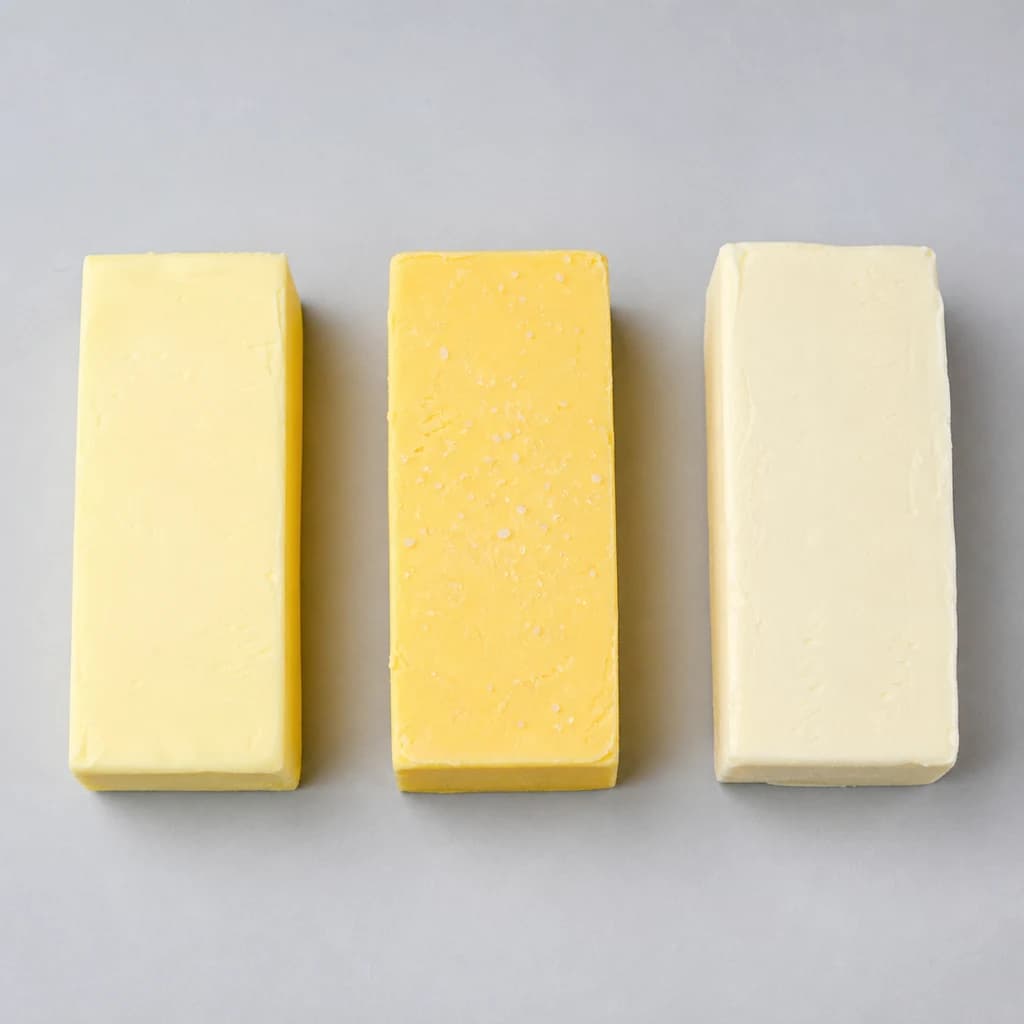
Golden fat for searing, baking, and finishing a sauce
Yogurt
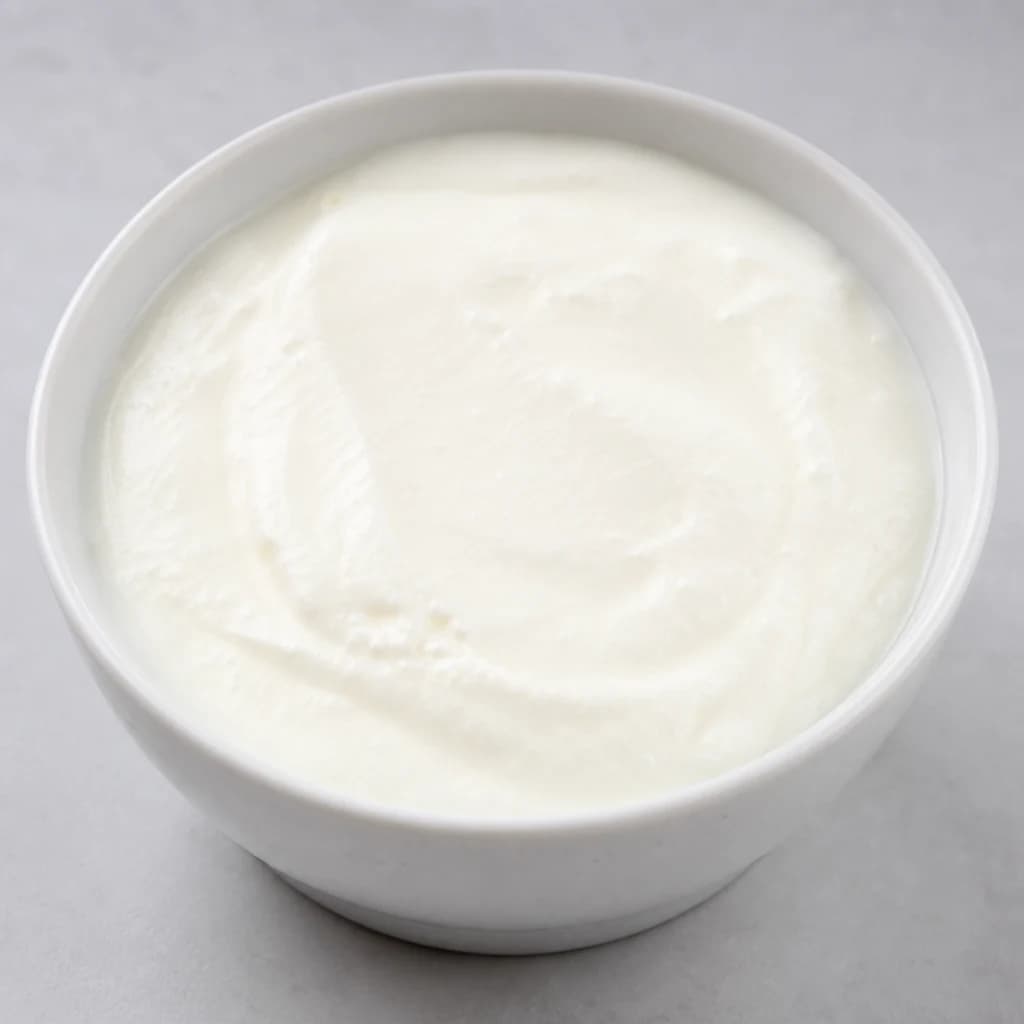
Tangy, creamy culture for breakfast, sauces, and marinades
Cheddar Cheese
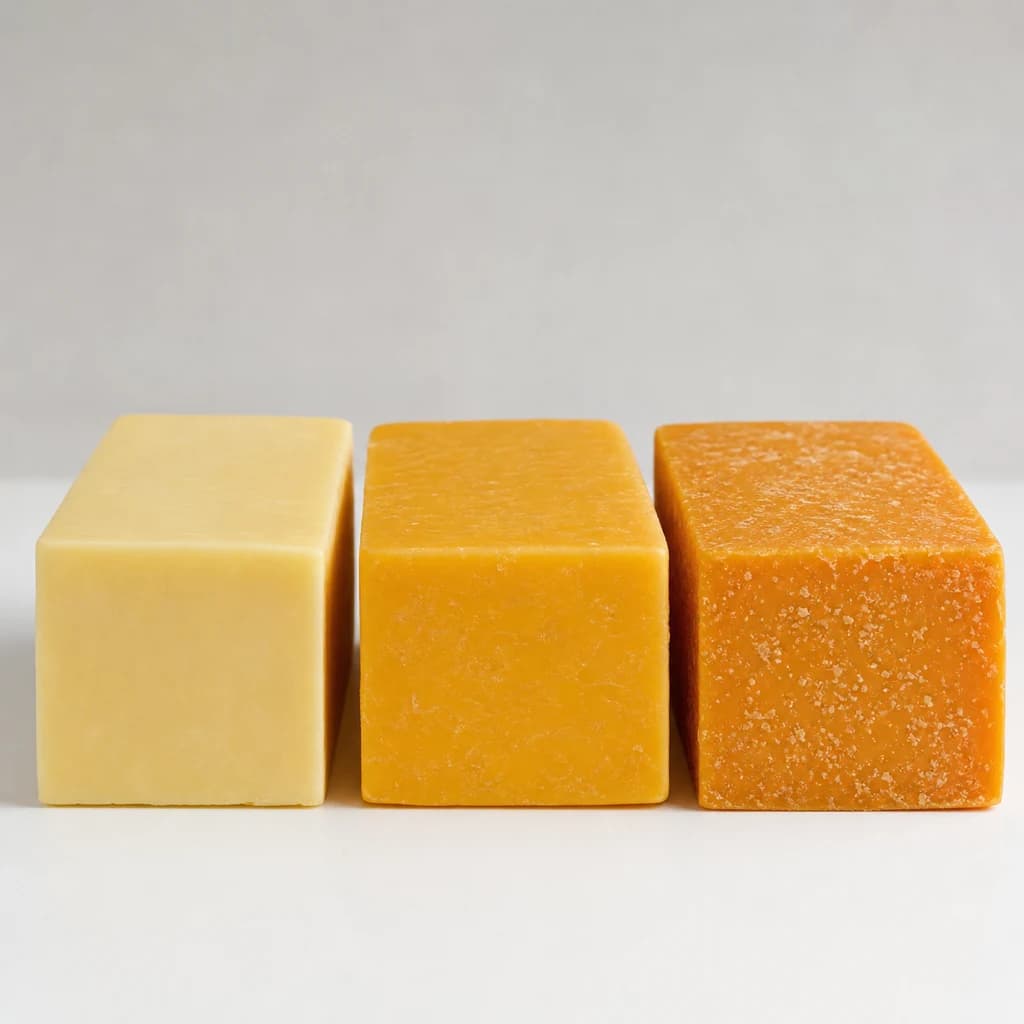
Sharp, melty cheese for sandwiches, gratins, and grating
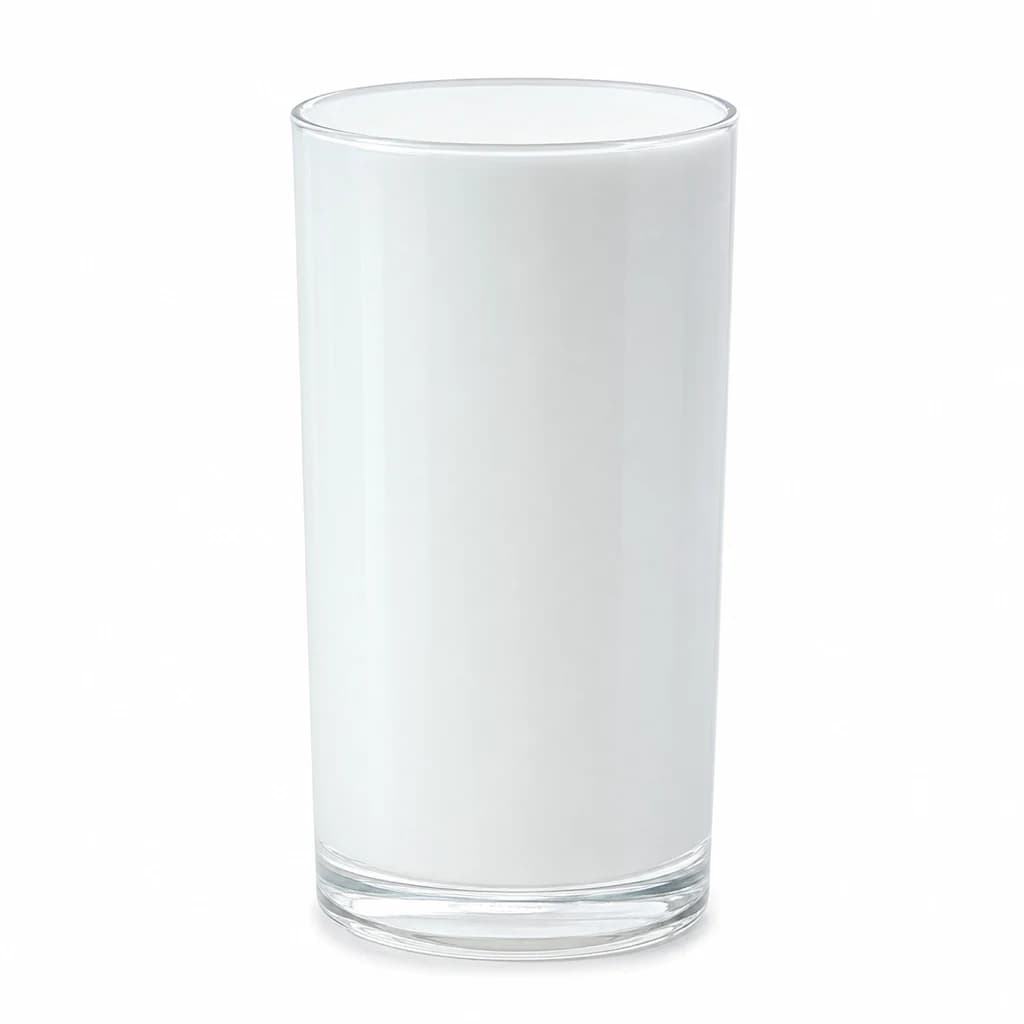
Skim Milk
Fat-free milk for lighter drinking, coffee, and cooking
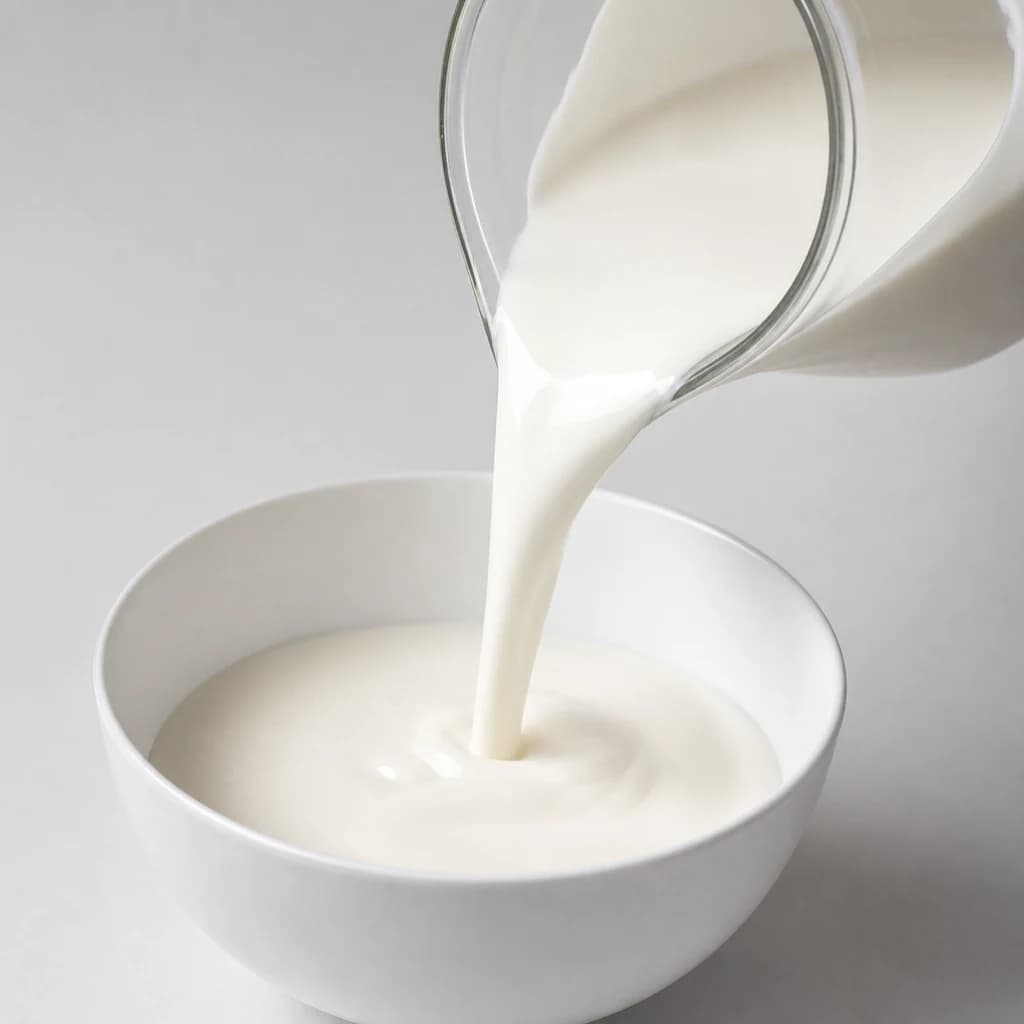
Heavy Cream
Rich cream that whips, enriches sauces, and sets ganache

Sour Cream
Tangy, thick cream for dolloping, baking, and dips
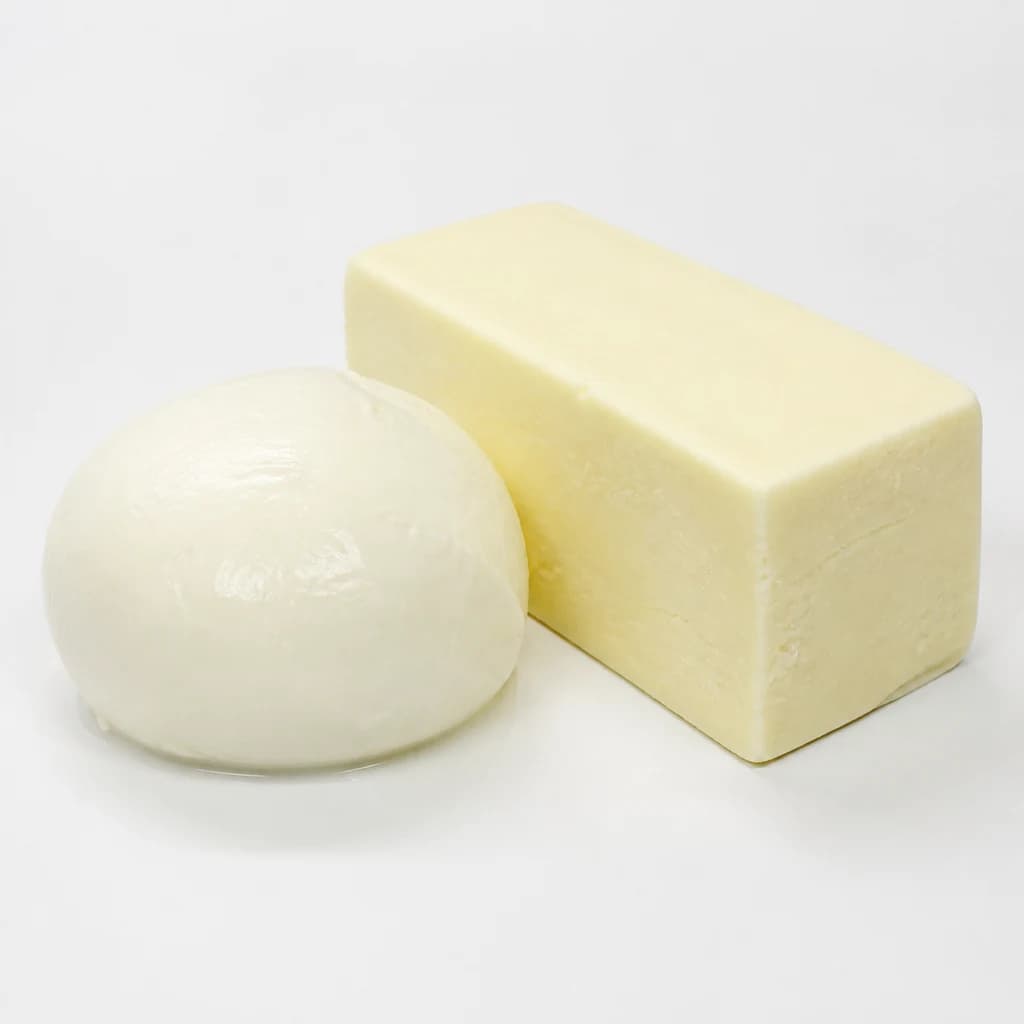
Mozzarella
Soft, milky cheese that melts into stretchy pizza pulls