Grains & Rice
Hokkien Noodle
Thick, springy yellow egg-and-wheat noodles for stir-fries and Asian soups.
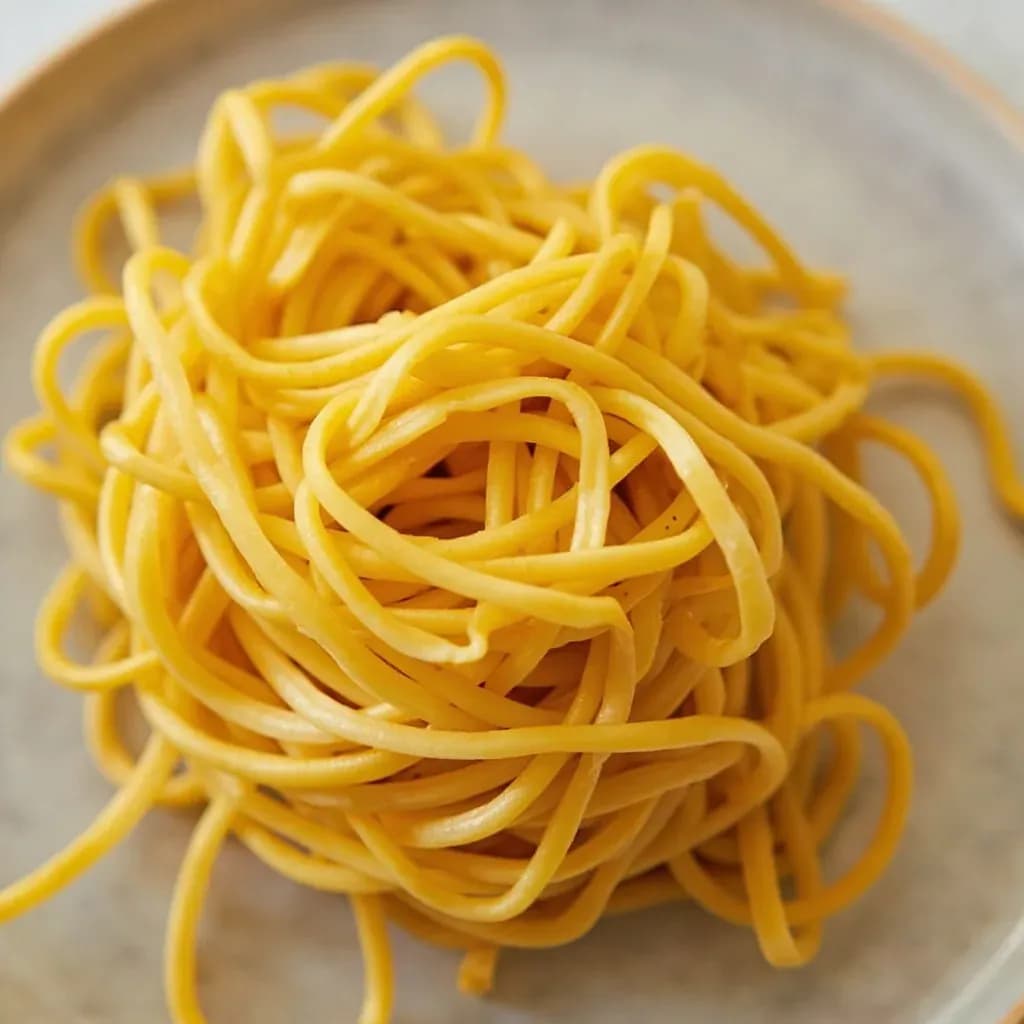
Hokkien noodles are thick, round, yellow wheat noodles made with egg or alkaline water, sold fresh and pre-cooked. Springy and chewy, they are a staple of Southeast Asian and southern Chinese cooking, especially in stir-fries like Hokkien mee and noodle soups. They need only a quick reheat or toss in the wok.
Hokkien noodles are thick, springy yellow noodles made from wheat flour and egg, treated with lye water (kansui) that gives them their signature elastic rebound and plump, silky-yet-chewy texture. Originating in Fujian Province, China, they are a staple across Taiwan, Singapore, Malaysia, and Indonesia where they anchor dishes from wok-fried noodle plates to rich soups. Their higher hydration and specific egg-to-flour ratio—combined with that non-negotiable alkaline treatment—set them apart from standard egg noodles, producing a denser, more resilient strand that holds up to aggressive stir-frying and long simmers without falling apart.
The alkaline environment loosens and restructures the gluten network at a molecular level, allowing the dough to hydrate more fully while also accelerating browning during cooking. The characteristic yellow color comes from egg yolk and the alkaline treatment itself, which promotes deeper browning when heat is applied. Whether fresh or dried, they cook faster than you expect because of this altered protein matrix, and they continue cooking in residual heat—undercooking slightly during the initial boil is intentional.
Hokkien noodles bridge the gap between the sturdiness of udon and the delicacy of lo mein. They are substantial enough for a main-dish stir-fry yet absorb broth more readily than udon, making them equally at home in Taiwanese beef noodle soup or a quick weeknight wok-fry with oyster sauce and chives.
- Measured in
- g
- Storage
- Fridge
Allergens
Types & varieties
Most common; sold in Asian supermarkets refrigerated. Plump, slightly yellowish, very pliable. Requires minimal cooking.
More compact; requires longer boiling. Less chewy than fresh but acceptable in soups. Soaking 30 minutes before boiling can reduce cook time and improve texture.
Regional Southeast Asian variants; often machine-cut, slightly flatter, same alkaline dough base.
Typically made with higher egg content; slightly richer color and flavor; sold in 250–500g portions in Taiwanese markets.
Why Lye Water Is Non-Negotiable
The alkaline treatment in Hokkien noodles is the defining characteristic, and substituting non-alkaline egg noodles will produce a noticeably different result. The lye water (potassium carbonate or sodium carbonate) raises the dough's pH, loosening the gluten network and allowing it to hydrate more fully while also accelerating browning during cooking. Do not attempt to make a stand-in with regular egg noodles; the texture gap is substantial and will affect the dish's success.
- Use only fresh or dried Hokkien noodles specified in a recipe; other alkaline noodles like ramen are closer but not equivalent
- The lye water is already in the noodle—do not add more to cooking water
Common uses
Tips & pitfalls
- Parboil fresh noodles 1–2 minutes only; they finish cooking in the wok or broth
- Shock parboiled noodles in cold water to stop cooking and prevent sticking
- Toss with a small amount of oil after blanching to prevent clumping
- Use highest heat possible when stir-frying; Hokkien noodles are dense and need wok hei
- Do not overcook initially—residual heat and sauce finishing will cook them further
- For soups, add raw fresh noodles directly to simmering broth for the last 3–4 minutes
- If noodles are too soft after cooking, rinse briefly in cold water to firm them
- Dried Hokkien noodles benefit from a 30-minute soak in room-temperature water before boiling
Nutrition
Energy
1971 kJ · per 100 g
Where the calories come from
Protein
10.9g
22% DV
Carbs
63.6g
23% DV
Fat
21.2g
27% DV
Fiber
6.7g
24% DV
Sugars
0g
of which
Sodium
866mg
38% DV
Source · USDA FoodData Central · approx. Noodles, chinese, chow mein
View on FDC →In the shops
Matched grocery products
No matched grocery products for Hokkien Noodle yet.
Good to know
- Origin
- Fujian Province, China; widely used in Taiwan and Southeast Asia
- Primary Ingredients
- Wheat flour, egg, lye water (kansui), salt
- Color
- Yellow (from egg yolk and/or alkaline treatment)
- Texture
- Thick, springy, chewy; firm bite even when cooked
- Typical Width
- 3–5 mm (thicker than lo mein, thinner than udon)
- Available Forms
- Fresh (refrigerated, 3–5 days), dried (sealed, 6–12 months)
- Storage (Fresh)
- Refrigerate in airtight bag; do not freeze (causes texture loss)
- Storage (Dried)
- Cool, dry pantry; reseal after opening
- Cooking Time (Fresh)
- 2–4 minutes in boiling water
- Cooking Time (Dried)
- 8–10 minutes; soak 30 minutes before boiling if desired
Substitutes
- Yaki Udon — Similar thickness and chew; available fresh or frozen; neutral flavor absorbs sauces similarly.
- Lo Mein — Slightly thinner; acceptable in stir-fry applications; reduce parboiling time by 1 minute.
- Udon (Fresh) — Thicker; will work in soup but yields a softer, less chewy result; good emergency substitute.
- Ramen (Fresh or Sun-Dried) — Comparable chewiness; acceptable in both soup and stir-fry contexts.
Pairs with
Also called
Hokkien Mee Noodles
Related

White Rice
Fluffy long-grain rice — the neutral base for almost any meal

White Bread
Soft sandwich loaf for toast, sandwiches, and crumbs
Brown Rice
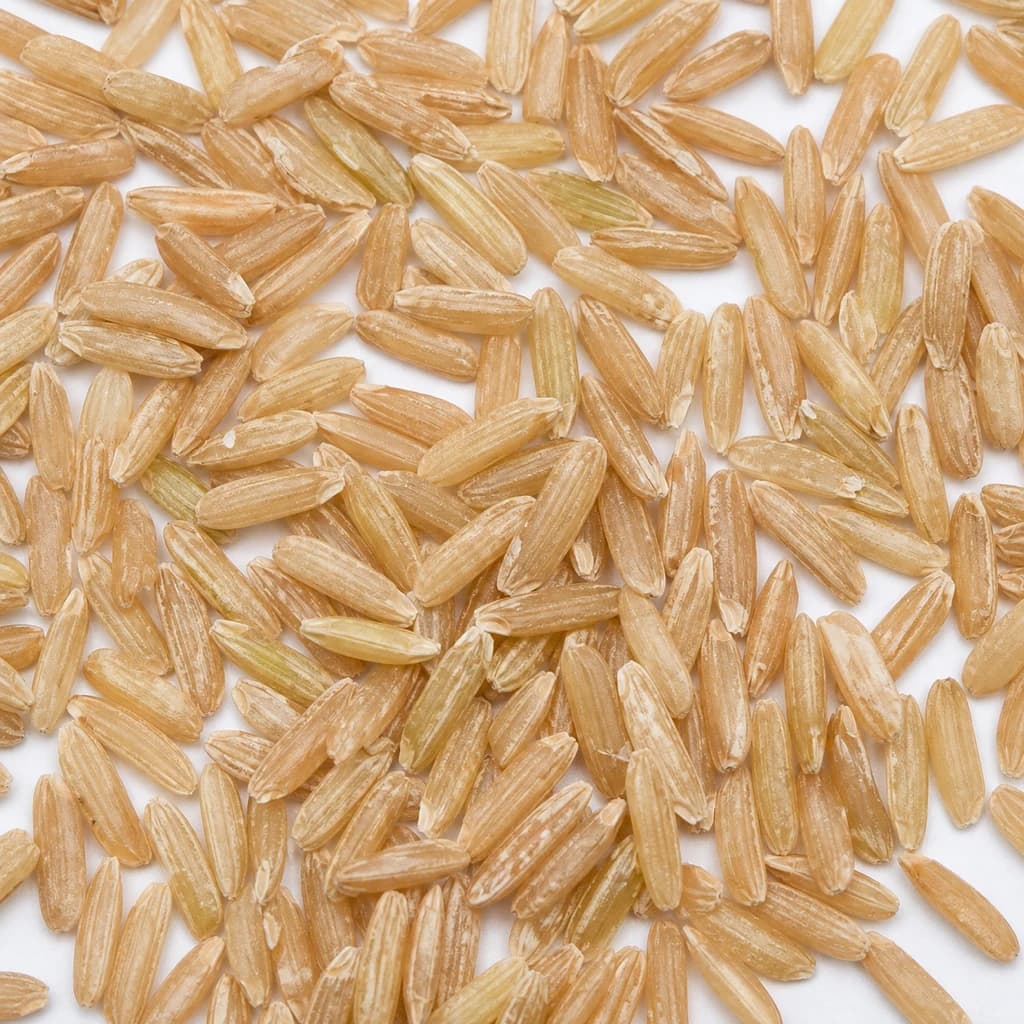
Nutty, whole-grain rice with chew and extra fiber

Basmati Rice
Fragrant, long-grain rice that cooks up light and separate
Jasmine Rice
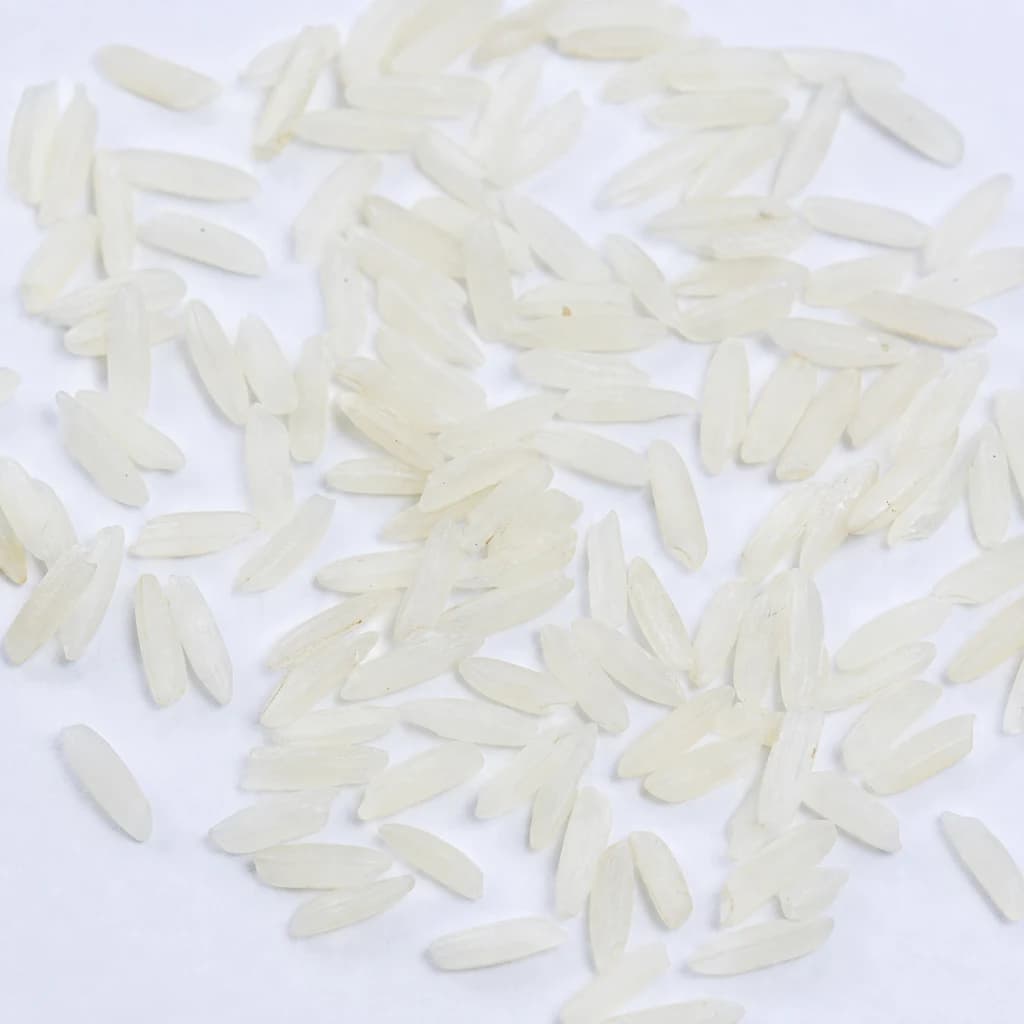
Soft, floral-scented rice that's the pillar of Thai meals
Arborio Rice
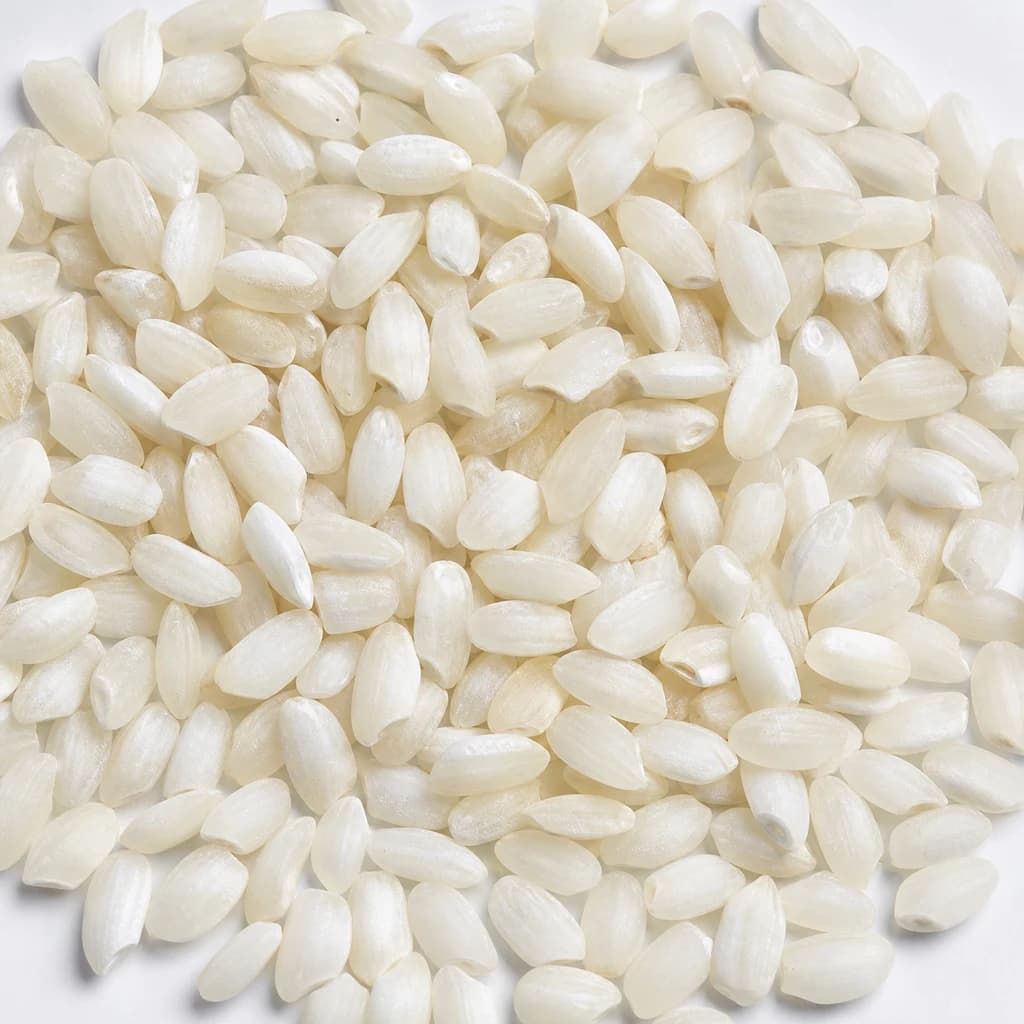
Plump, starchy rice that makes risotto creamy
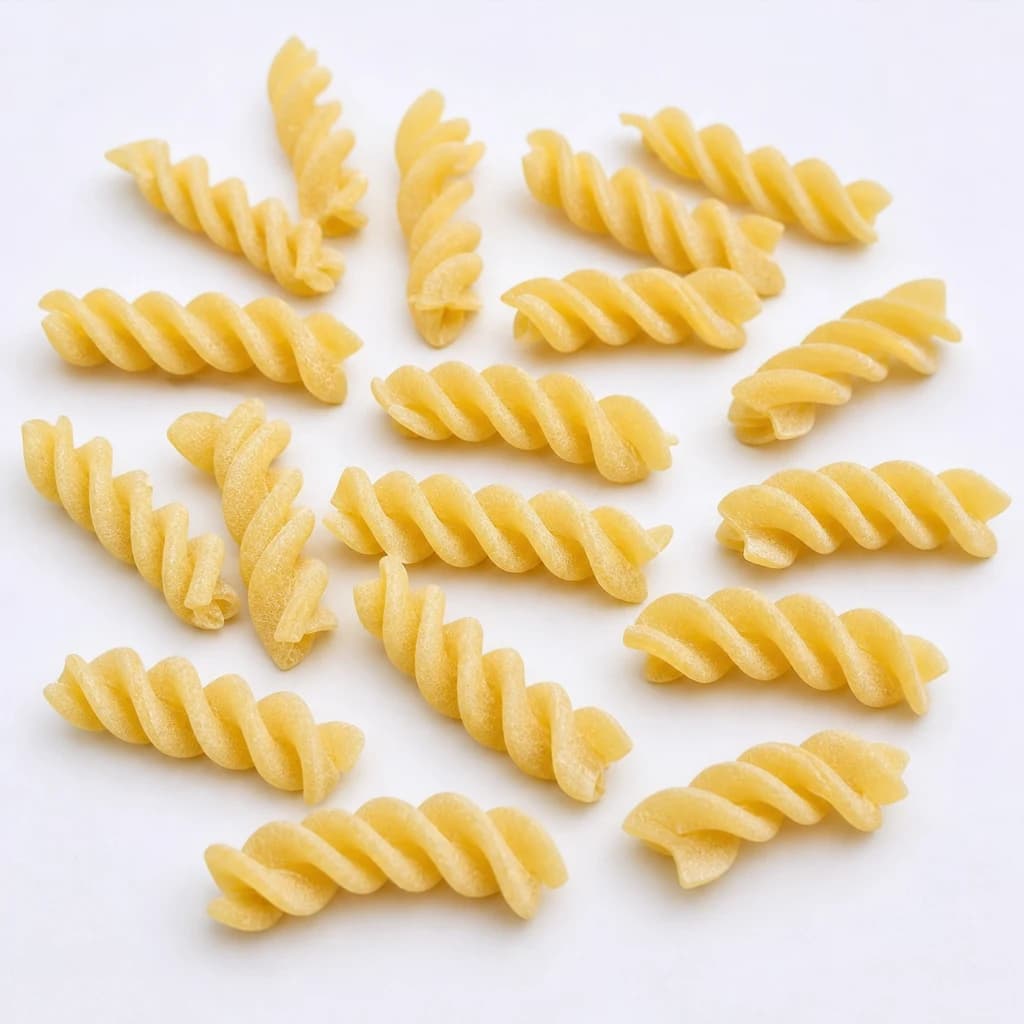
Fusilli
Spiraled pasta that twirls up sauce and dresses cold salads
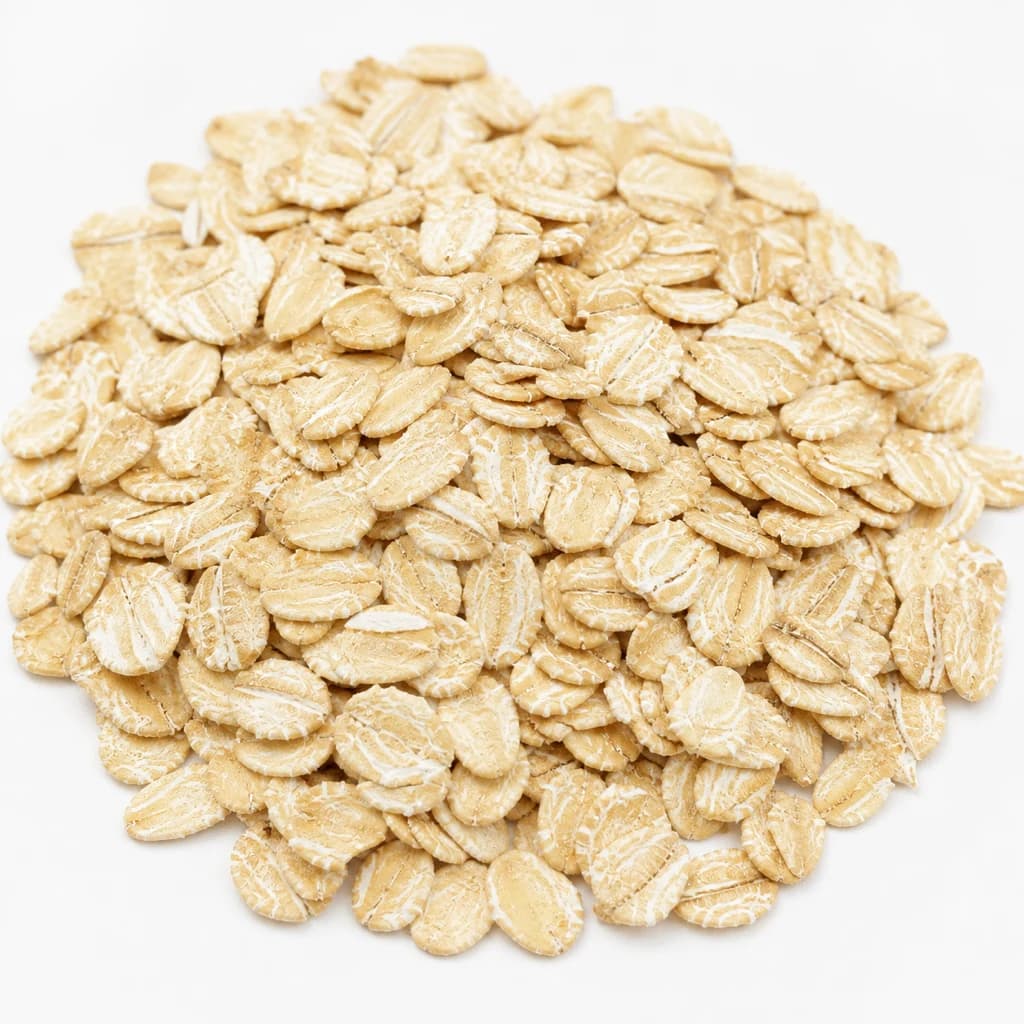
Rolled Oats
Hearty flakes for porridge, granola, and chewy cookies