Legumes & Beans
Honey Bean (Ewa Oloyin)
Naturally sweet brown Nigerian cowpea simmered into porridge and beans-and-rice.
Honey beans, called ewa oloyin in Nigeria, are small brown cowpeas with a naturally sweet, mellow flavor. They cook into a soft, porridge-like dish often eaten with fried plantain, bread, or rice. The sweetness sets them apart from other beans and makes them a beloved West African comfort food.
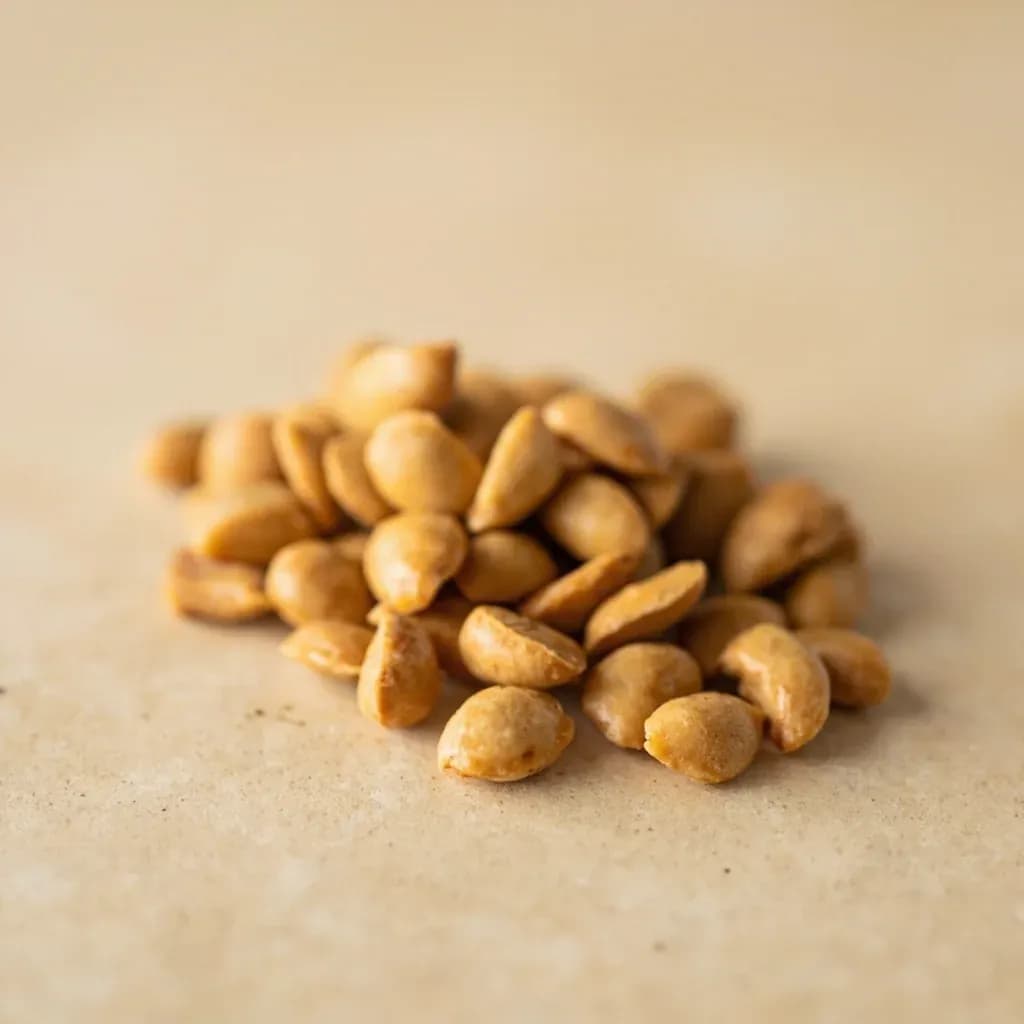
Ewa Oloyin, or Honey Bean, is a treasured cowpea variety central to Yoruba cuisine in southwestern Nigeria. Its name — from the Yoruba ewa (bean) and oloyin (honey) — describes its defining characteristic: a naturally sweet, nutty flavor that sets it apart from other dried legumes. The beans are creamy-beige with irregular dark brown patches, smaller and rounder than black-eyed peas, and they hold their shape well when cooked properly. An affordable, protein-rich staple, Ewa Oloyin is especially valued because the bean itself contributes sweetness rather than relying on added sweeteners.
The most beloved preparation is Ewa Oloyin Porridge — dried beans simmered low and slow in a fragrant tomato-pepper stew with palm oil. Beans-and-Rice, where cooked beans mingle with steamed long-grain rice, is a close second. The beans also appear in salads, spiced fritters, and as a hearty side dish. Outside West Africa, Ewa Oloyin is found primarily in African specialty markets; quality varies considerably, and fresh stock from reputable suppliers makes a measurable difference in cooking time and final texture.
From a nutritional standpoint, Ewa Oloyin provides approximately 24 grams of protein per 100 grams of dried beans, high dietary fiber, and a low glycemic response. Like all dried legumes, it contains antinutrients — primarily phytates and tannins — that are substantially reduced through proper soaking and thorough cooking, both standard practice in traditional Nigerian preparation. The beans are naturally gluten-free and vegan.
- Measured in
- g
- Storage
- Pantry
Types & varieties
The standard variety; prized for its pronounced sweetness and creamy, tender texture when cooked
A longer, larger pod variety of the same bean; slightly firmer texture and maintains shape even more reliably
A darker, smaller regional variety from northern Nigeria; less sweet and cooks slightly faster
Understanding Sweetness in Ewa Oloyin
The natural sweetness of Ewa Oloyin is not an accident of variety — it is the product of the cowpea's relatively low starch content combined with specific sugars that develop during the drying process. When cooked gently in liquid, these sugars emerge and create the signature honeyed character. Aggressive cooking — high heat, prolonged boiling, or insufficient liquid — causes the beans to absorb water rapidly and lose that delicate sweetness to the cooking liquid rather than retaining it.
- Low starch content is the key to the sweet flavor; aggressive cooking drives sugars into the liquid and away from the bean
- Fresh dried beans have more pronounced sweetness than old stock
- Palm oil and tomato-pepper stew amplify rather than mask the natural sweetness — they create contrast, not sweetness
Why Short Soaking Matters
Unlike kidney beans or chickpeas that benefit from overnight soaking, Ewa Oloyin requires only 30 to 60 minutes in room-temperature water. The bean has a thinner skin relative to its size, and prolonged hydration causes the skin to weaken and slip. The result is split beans that fall apart into the cooking liquid, producing a starchy, muddy porridge instead of tender whole beans in a cohesive stew.
- 30 minutes is sufficient for most Ewa Oloyin; 60 minutes is the maximum for this variety
- Overnight soaking produces split, mushy beans — avoid it entirely
- Soaking in warm water slightly accelerates hydration but also increases the risk of skin slippage; use room-temperature water
Common uses
Tips & pitfalls
- Do not over-soak — 30 to 60 minutes is sufficient; excessive soaking causes the beans to split and lose their sweet flavor entirely
- Add salt only after beans are fully tender — salting too early toughens the skins and can extend cooking time by 30 minutes or more
- Cook with fresh tomatoes and peppers rather than relying solely on stored stew — fresh aromatics make a noticeable difference in porridge flavor
- A splash of unrefined palm oil added during cooking enhances authenticity, gives the characteristic orange-red color, and adds rich flavor depth
- The beans should be tender but hold their distinct shape — if they are disintegrating, the heat was too high or the cooking time too long
- Old dried beans take significantly longer to cook and often cook unevenly; buy from reputable suppliers with good turnover for fresher stock
- Skim the foam that rises during the first 10 minutes of boiling to remove impurities and keep the cooking liquid clean and clear
- If the cooking liquid reduces too much before beans are tender, add hot water rather than cold — cold water shocks the beans and can harden the skins
Nutrition
Energy
130 kJ · per 100 g
Where the calories come from
Protein
1.8g
4% DV
Carbs
7.1g
3% DV
Fat
0.1g
0% DV
Fiber
3.4g
12% DV
Sugars
3.3g
of which
Sodium
6mg
0% DV
Source · USDA FoodData Central · approx. Beans, snap, yellow, raw
View on FDC →In the shops
Matched grocery products
 €3.10
€3.10Flower Honey
Hacendado · 500 g · Mercadona
 €4.80
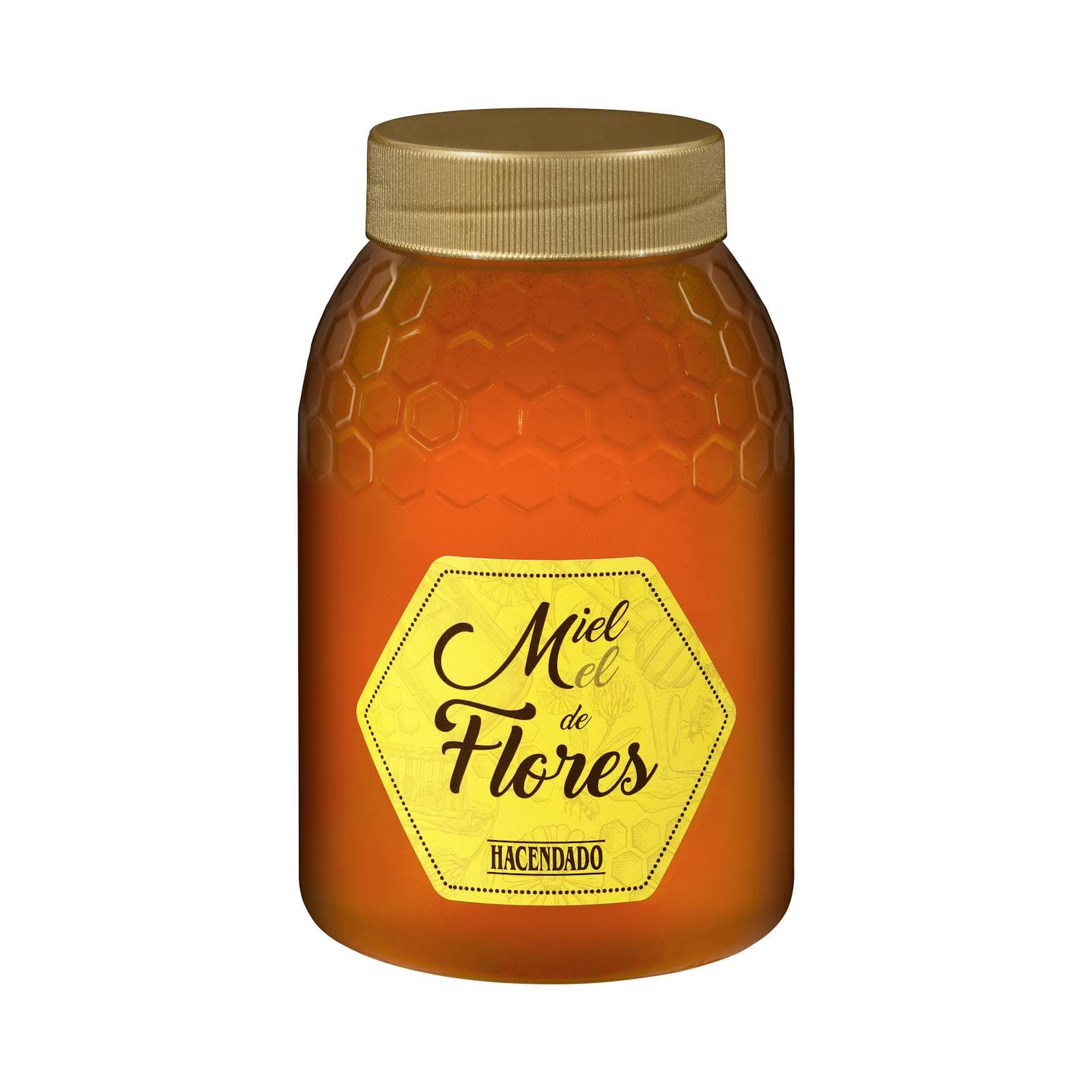
€4.80Flower Honey
Hacendado · 1 kg · Mercadona
 €6.75
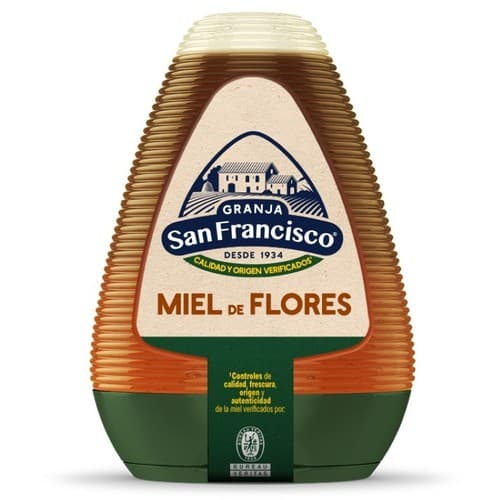
€6.75Flower Honey
G.SAN FRANCISCO · kg · Bonpreu
 €6.59
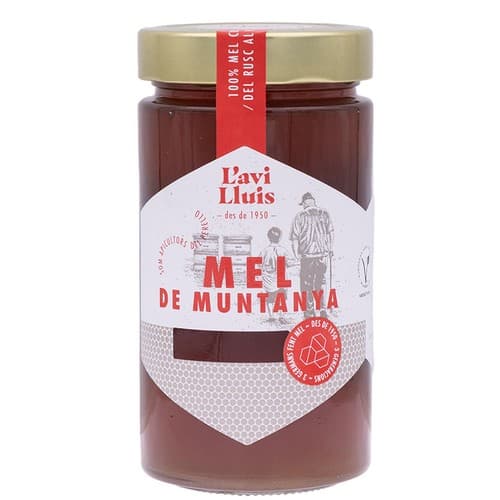
€6.59Mountain Honey
L'AVI LLUIS · kg · Bonpreu
 €7.85
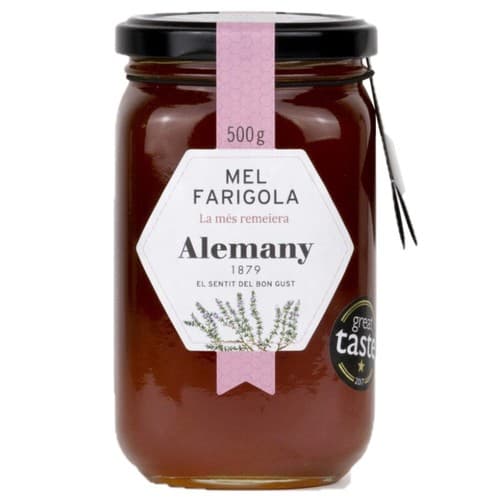
€7.85Thyme Honey Km0
ALEMANY · kg · Bonpreu
 €6.99
€6.99Wildflower Honey
ALEMANY · kg · Bonpreu
Good to know
- Origin
- West Africa; especially prominent in Yoruba-speaking southwestern Nigeria
- Appearance
- Creamy-beige with dark brown patches; smaller and rounder than black-eyed peas
- Flavor Profile
- Distinctly sweet and nutty compared to other dried beans; mild and less starchy when properly cooked
- Soaking Time
- 30–60 minutes only; excessive soaking causes splitting and loss of sweetness
- Cooking Time
- 45 minutes to 1.5 hours depending on freshness of dried beans
- Protein Content
- ~24g per 100g dried; ~8g per 100g cooked
- Dietary Notes
- High fiber, gluten-free, vegan; antinutrients reduced by soaking and thorough cooking
- Where to Buy
- African specialty markets, West African grocery stores, or online suppliers specializing in Nigerian ingredients
Substitutes
- Black-Eyed Peas — Closest substitute; similar size, texture, and behavior but slightly less sweet; may need 10–15 additional minutes cooking time
- Brown Beans (Hinna Beans) — Acceptable substitute for porridge preparations; slightly firmer texture and less pronounced sweetness
- Cannellini Beans — Works in non-Nigerian bean dishes; milder flavor, holds shape well, but lacks the characteristic sweetness
- Lima Beans (Baby) — Distant substitute; larger, more starchy, and changes texture significantly when cooked; not ideal for traditional recipes
Pairs with
Also called
Ewa Oloyin · Sweet Brown Bean · Drum Bean
Related
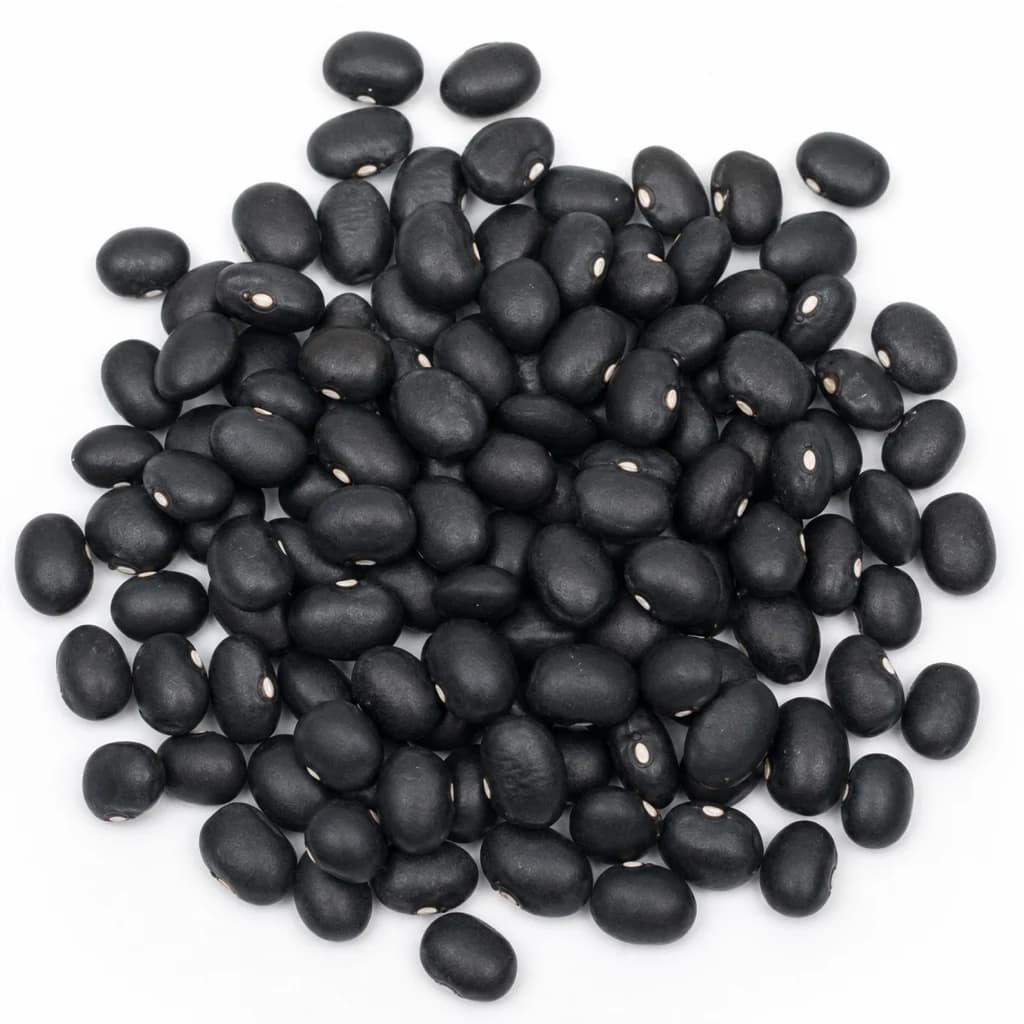
Black Beans
Earthy, creamy beans for bowls, soups, and tacos
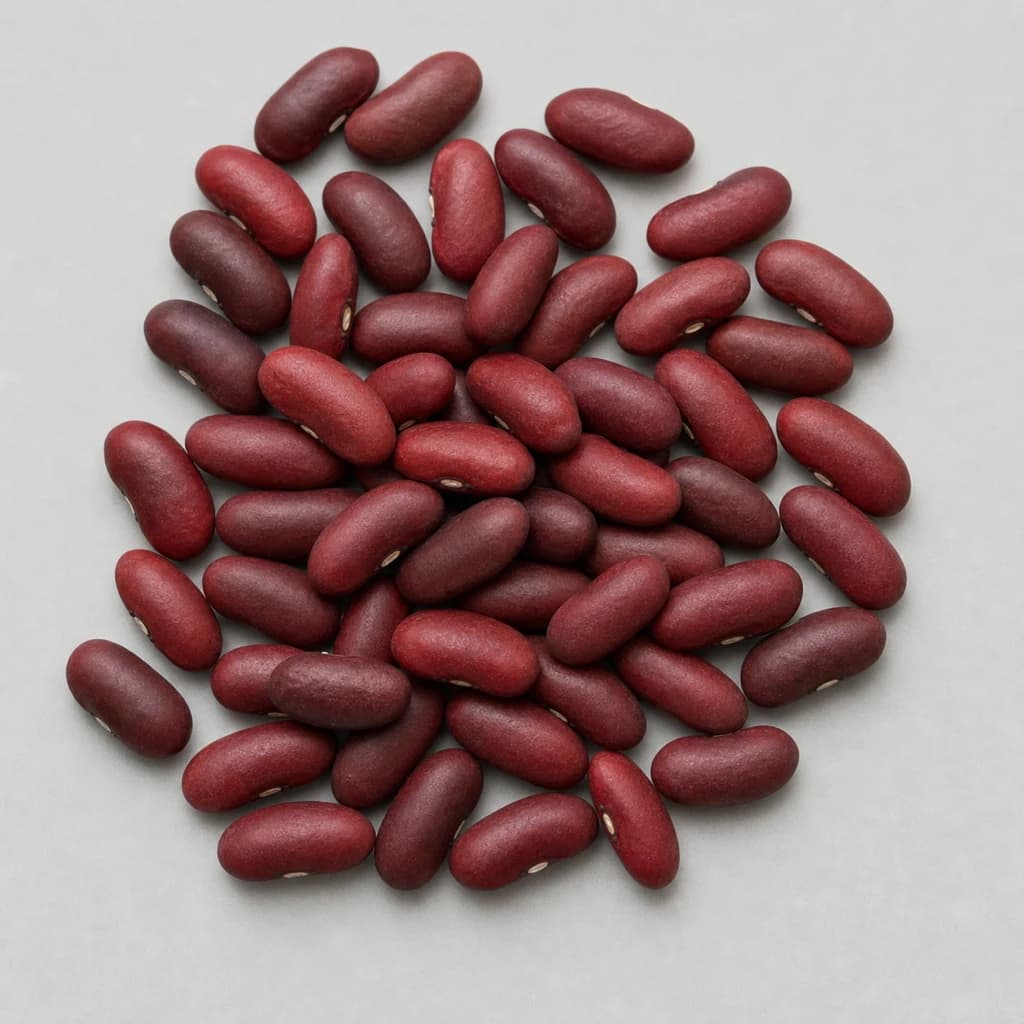
Kidney Beans
Hearty red beans that hold their shape in chili and stews
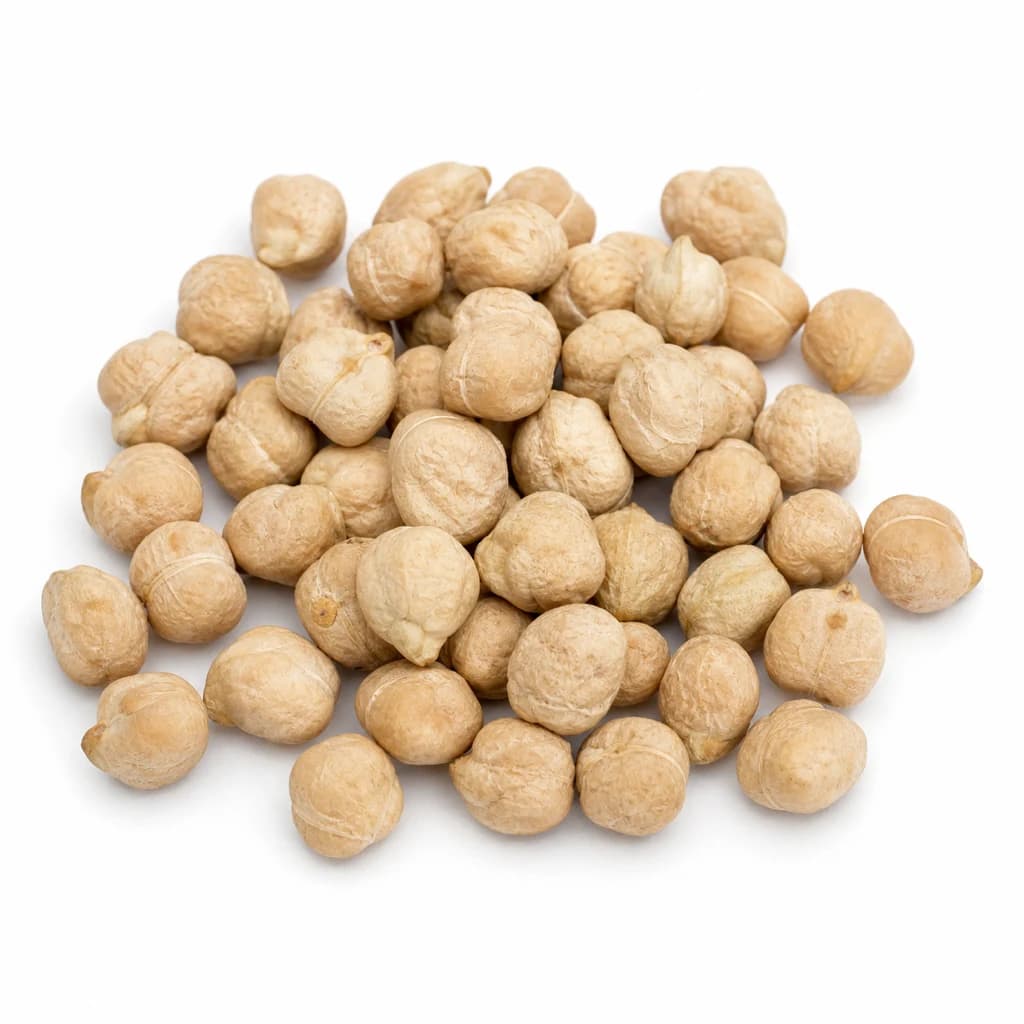
Chickpeas
Nutty, versatile beans for hummus, curries, and roasting
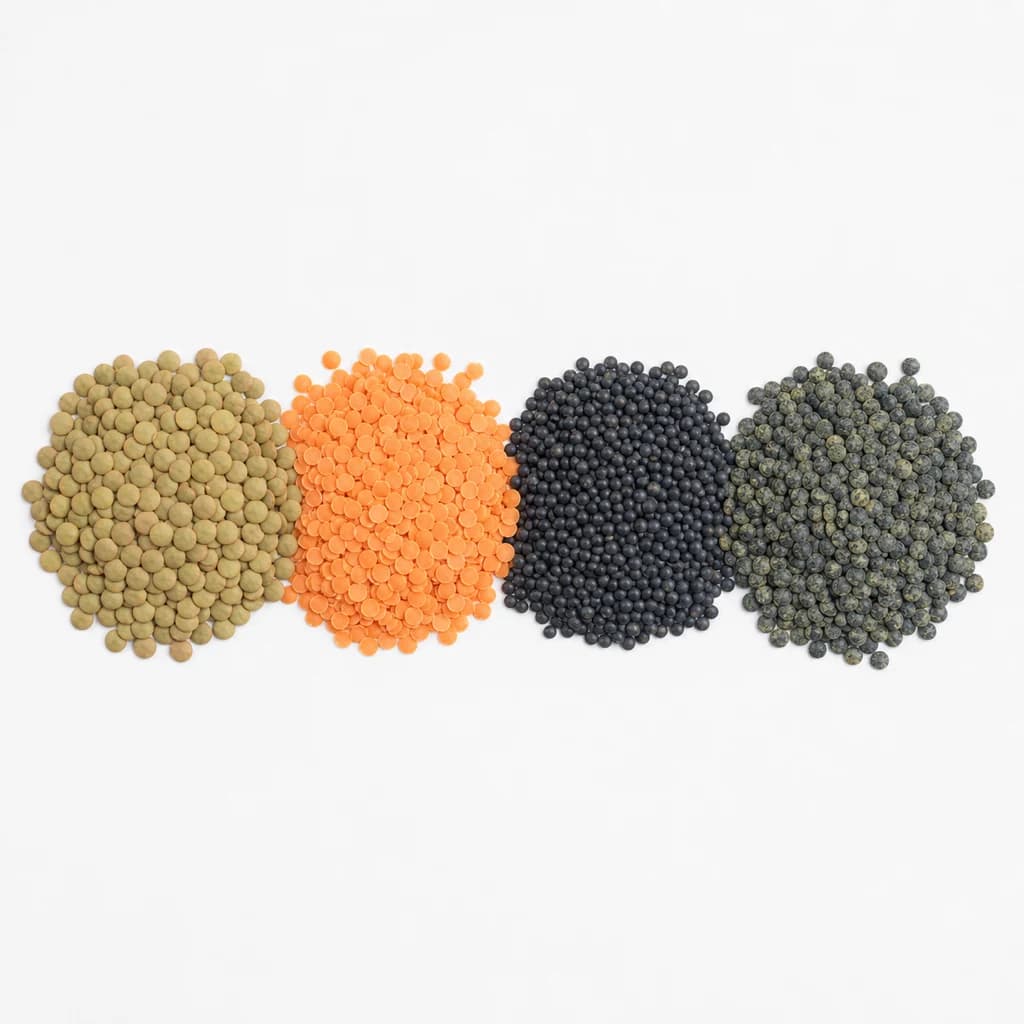
Lentils
Quick-cooking pulses for soups, dals, and hearty salads

White Beans
Creamy, mild beans for soups, stews, and silky purées
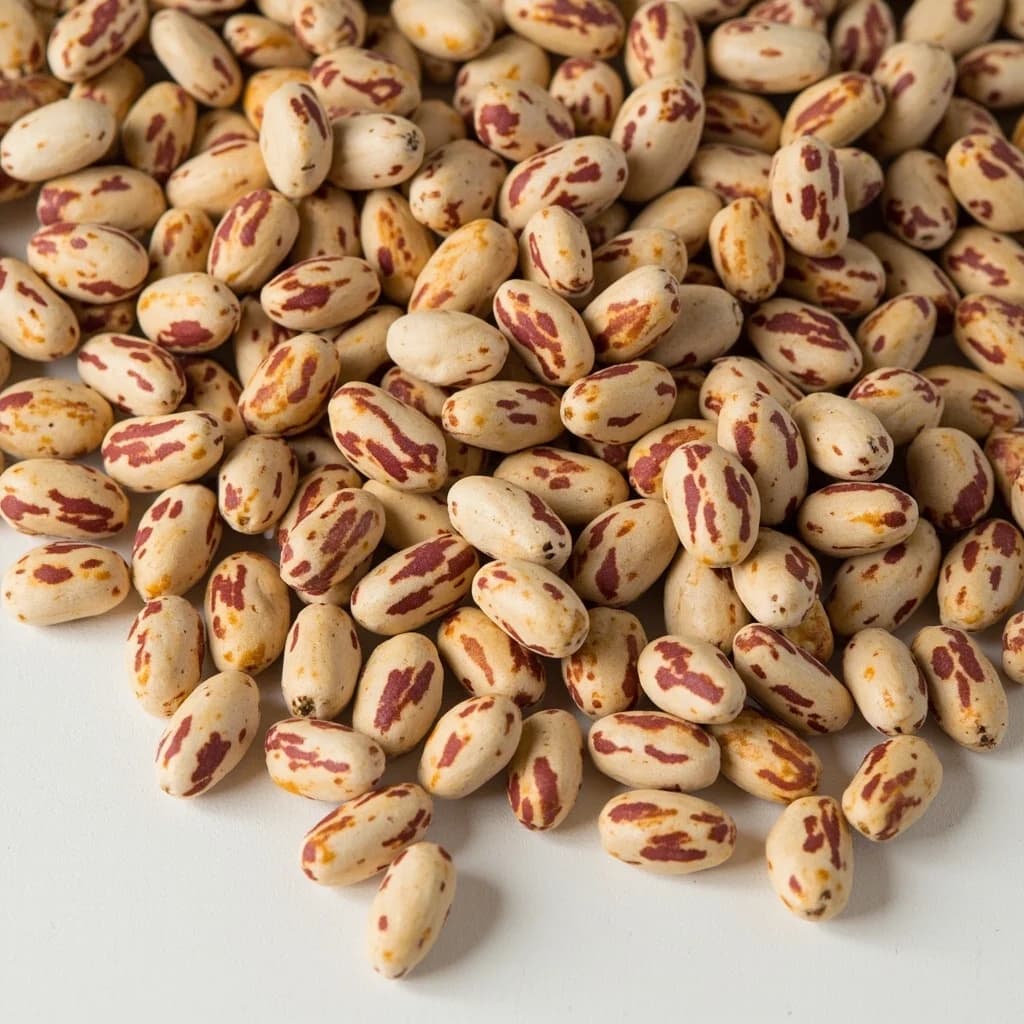
Pinto Beans
Creamy, speckled beans for refried beans and stews

Split Peas
Quick-cooking peas that melt into thick, comforting soups
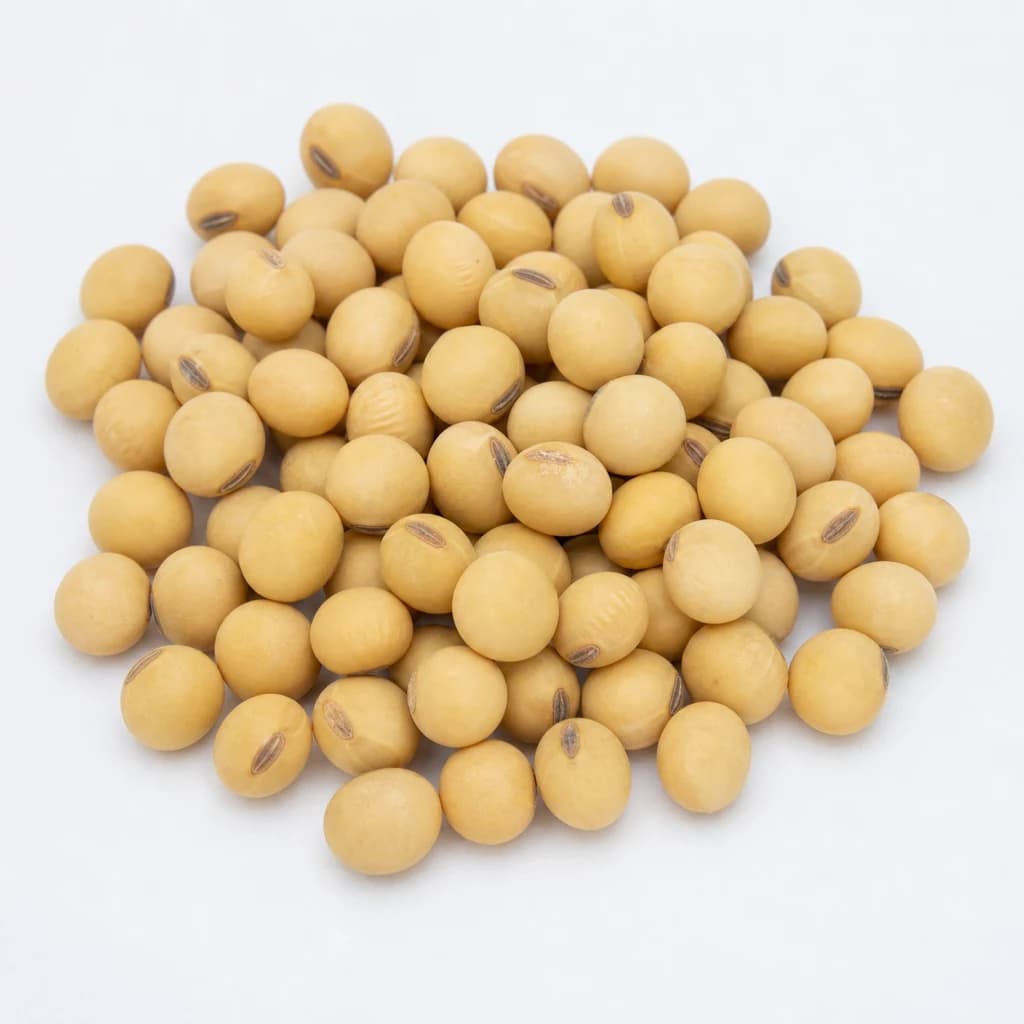
Soybeans
Protein-packed beans, the base for tofu and miso