Legumes & Beans
Brown Bean
Small brown beans simmered into sweet-sour Swedish bruna bönor and northern European stews.
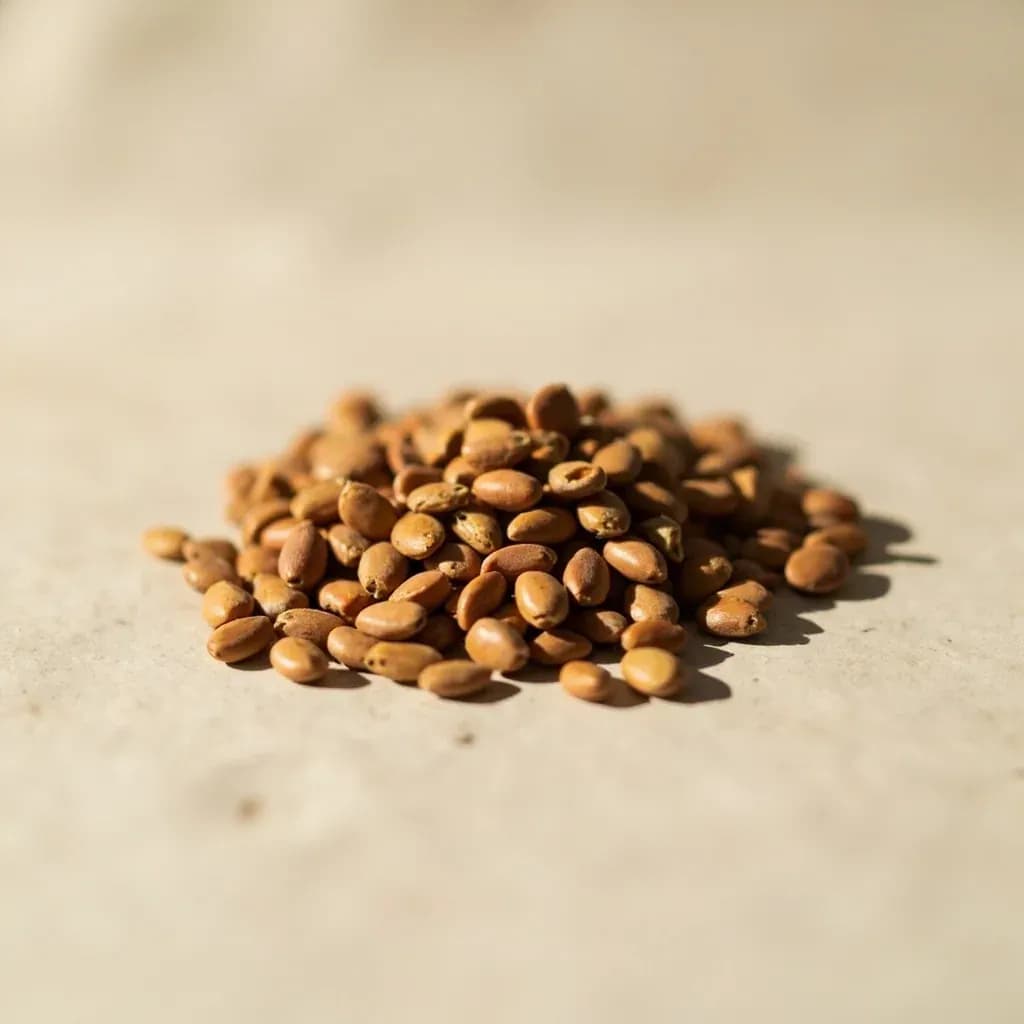
Brown beans are small, kidney-shaped beans with a brown seed coat and an earthy, slightly sweet flavor. They are best known in Scandinavian cooking, especially Swedish bruna bönor simmered with vinegar and sugar into a sweet-sour side served with meatballs or pork. They hold their shape well after long cooking.
Brown beans are small, oval-shaped dried legumes (approximately 1–1.5 cm) with brown skins and cream to tan interiors, native to Northern Europe with deep roots in Scandinavian cuisine. They are the defining ingredient of bruna bönor—the sweet-sour Swedish brown bean stew that is a staple of holiday tables and hearty winter meals across Sweden and Finland. In Nordic cooking, the term "brown bean" refers less to a single variety and more to a cooking tradition: small beans that hold their shape through long simmering while absorbing the signature flavors of brown sugar, vinegar, pork, and allspice.
Behaviorally, brown beans are moderately dense and starchy, with a mild, slightly nutty flavor that makes them excellent at absorbing and carrying surrounding flavors. They require a generous overnight soak (8–12 hours) in cold water and benefit from prolonged, gentle cooking (1–2 hours after soaking) until the interior turns creamy and yielding while the exterior remains intact. Their skin is moderately tough, making them sensitive to early salt addition and vigorous boiling—both common mistakes that prevent proper softening. Fresh dried beans (within 1–2 years) are essential; aged beans may refuse to soften regardless of cooking time, a frustrating issue that has humbled many home cooks.
The bruna bönor tradition is what distinguishes these beans from generic brown beans. The dish balances brown sugar's caramel sweetness against cider or wine vinegar's brightness, with pork belly or bacon providing savory richness. In Sweden, pre-cooked canned bruna bönor are widely available for convenience, but freshly cooked beans produce noticeably superior texture and flavor—denser, creamier, and more coherent in the stew. For cooks outside Scandinavia, understanding the sweet-sour-savory framework is more important than seeking a specific variety; pinto, borlotti, or cranberry beans all work within this tradition.
- Measured in
- g
- Storage
- Pantry
Types & varieties
Most common substitute in Sweden for bruna bönor; brown speckled when raw, solid tan when cooked
Italian cranberry bean; creamy brown with darker streaks; excellent texture for long-cooked stews
Similar to borlotti; holds shape well in stews; creamier interior than pinto
Traditional Nordic variety; smaller and darker than pinto, authentic for bruna bönor when available
Common uses
Tips & pitfalls
- Always soak dried brown beans overnight in cold water—skipping this drastically increases cooking time and often leaves beans hard and unevenly cooked
- Never add salt until beans are completely tender; salt added early toughens the skins and prevents softening, one of the most common mistakes with dried beans
- Add acidic ingredients (vinegar, tomatoes) only in the final 30 minutes of cooking to avoid toughening the skins
- Skim foam from the surface during the first 15–20 minutes of active boiling to remove impurities and achieve a cleaner flavor
- Test doneness by biting: the interior should be creamy and yielding while the bean still holds its shape—no chalky resistance
- Old beans (stored more than 2 years) may refuse to soften regardless of cooking time—always use fresh stock and check the harvest year if possible
- Cook at a gentle, steady bubble, never a vigorous boil, to prevent skins from splitting and falling apart
- For authentic bruna bönor, add a small splash of cider vinegar right before serving to brighten and balance the sweetness
Nutrition
Energy
130 kJ · per 100 g
Where the calories come from
Protein
1.8g
4% DV
Carbs
7.1g
3% DV
Fat
0.1g
0% DV
Fiber
3.4g
12% DV
Sugars
3.3g
of which
Sodium
6mg
0% DV
Source · USDA FoodData Central · approx. Beans, snap, yellow, raw
View on FDC →In the shops
Matched grocery products
No matched grocery products for Brown Bean yet.
Good to know
- Origin
- Northern Europe, especially Scandinavia (Sweden, Finland)
- Primary Use
- Traditional bruna bönor (sweet-sour Swedish brown bean stew)
- Form
- Dried bean; requires 8–12 hours soaking and 1–2 hours cooking
- Flavor
- Mild, slightly nutty; absorbs surrounding flavors well
- Size
- Small to medium, oval-shaped, approximately 1–1.5 cm
- Color
- Brown skin, cream to tan interior when cooked
- Protein Content
- Approximately 21–24g per 100g dried beans
- Yield
- Dried beans roughly triple in volume when cooked
- Storage (Dried)
- Cool, dry place; best used within 1–2 years for optimal texture
Substitutes
- Pinto Beans — Closest texture and mild flavor; most reliable substitute for Scandinavian brown bean dishes
- Borlotti Beans — Excellent choice with slightly creamier texture; readily available dried in most grocery stores
- Cranberry Beans — Good substitute for stews; hold shape well in long cooking; creamier interior than pinto
- Red Kidney Beans — Acceptable in a pinch; firmer texture and stronger flavor; avoid in traditional bruna bönor
Pairs with
Also called
Bruna Bönor · Brown Beans
Related
Black Beans
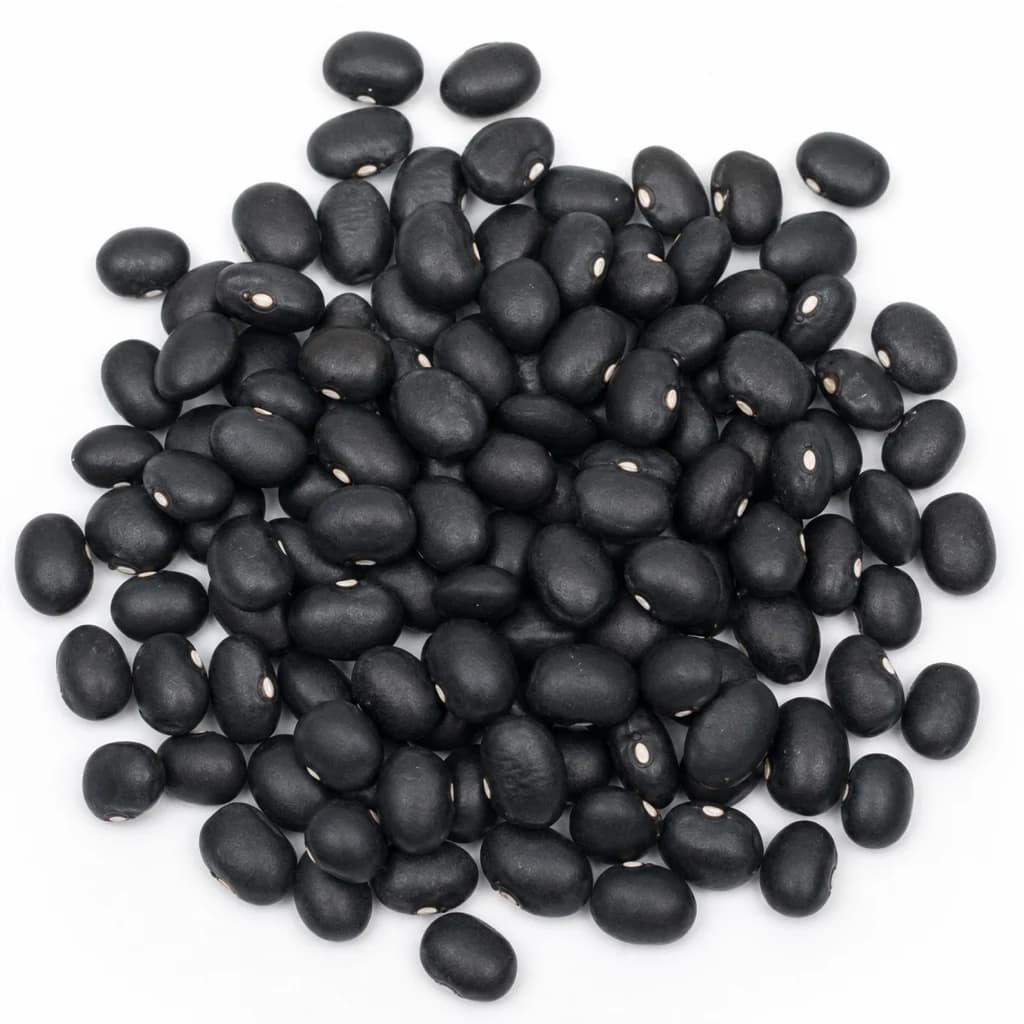
Earthy, creamy beans for bowls, soups, and tacos
Kidney Beans
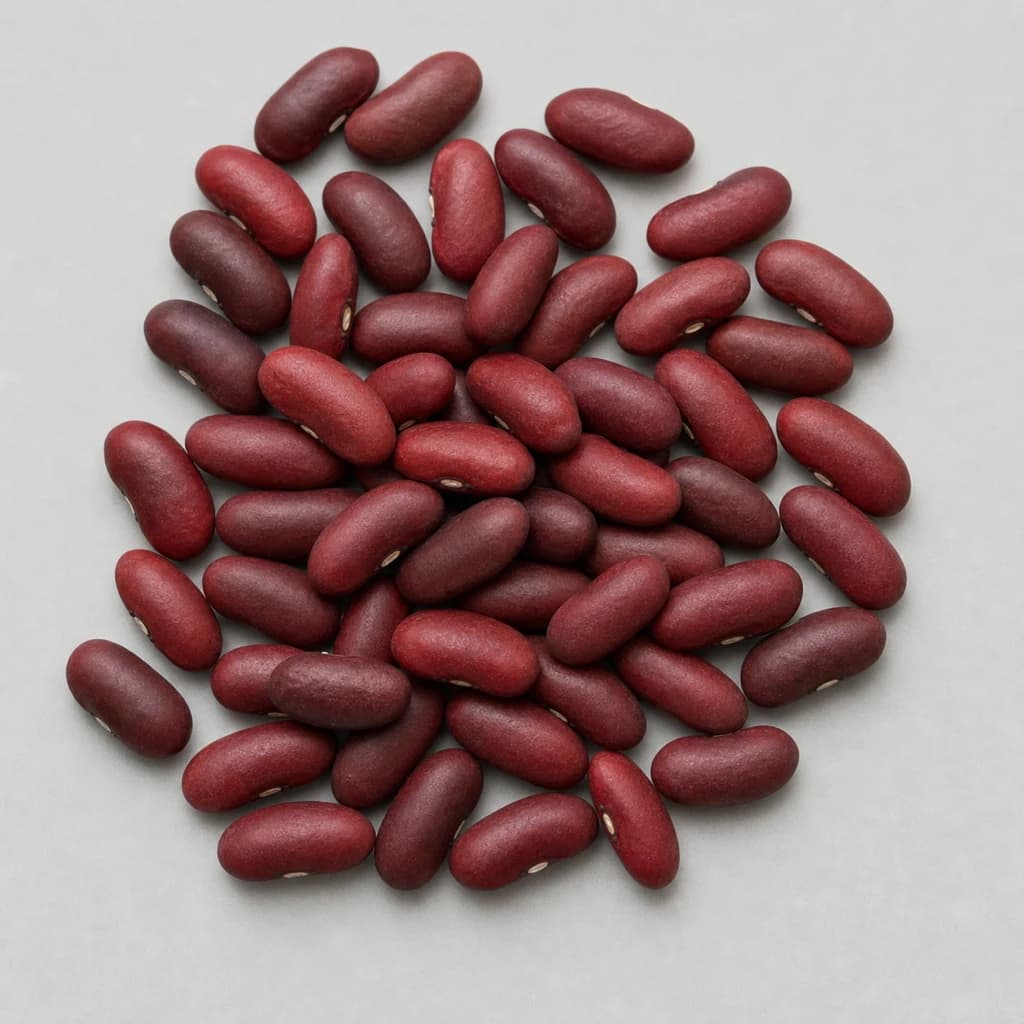
Hearty red beans that hold their shape in chili and stews
Chickpeas
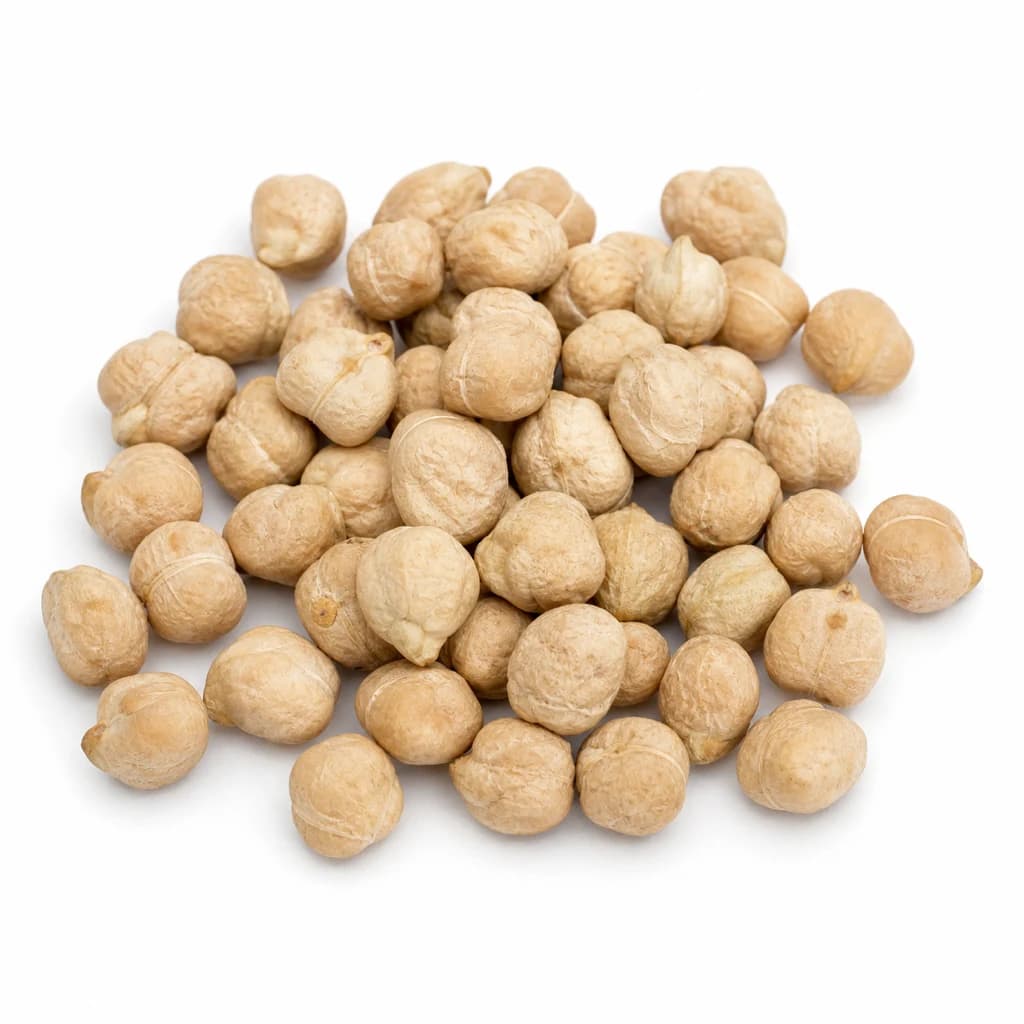
Nutty, versatile beans for hummus, curries, and roasting
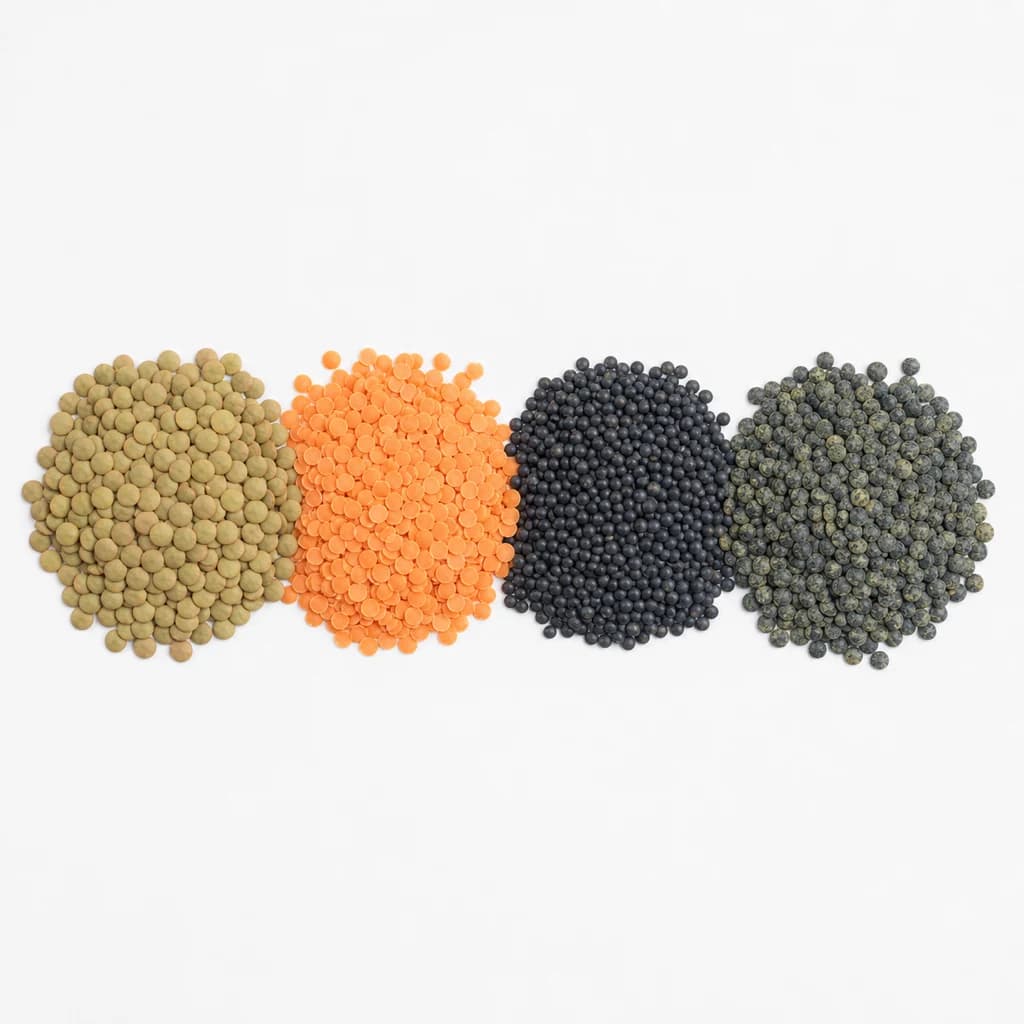
Lentils
Quick-cooking pulses for soups, dals, and hearty salads

White Beans
Creamy, mild beans for soups, stews, and silky purées
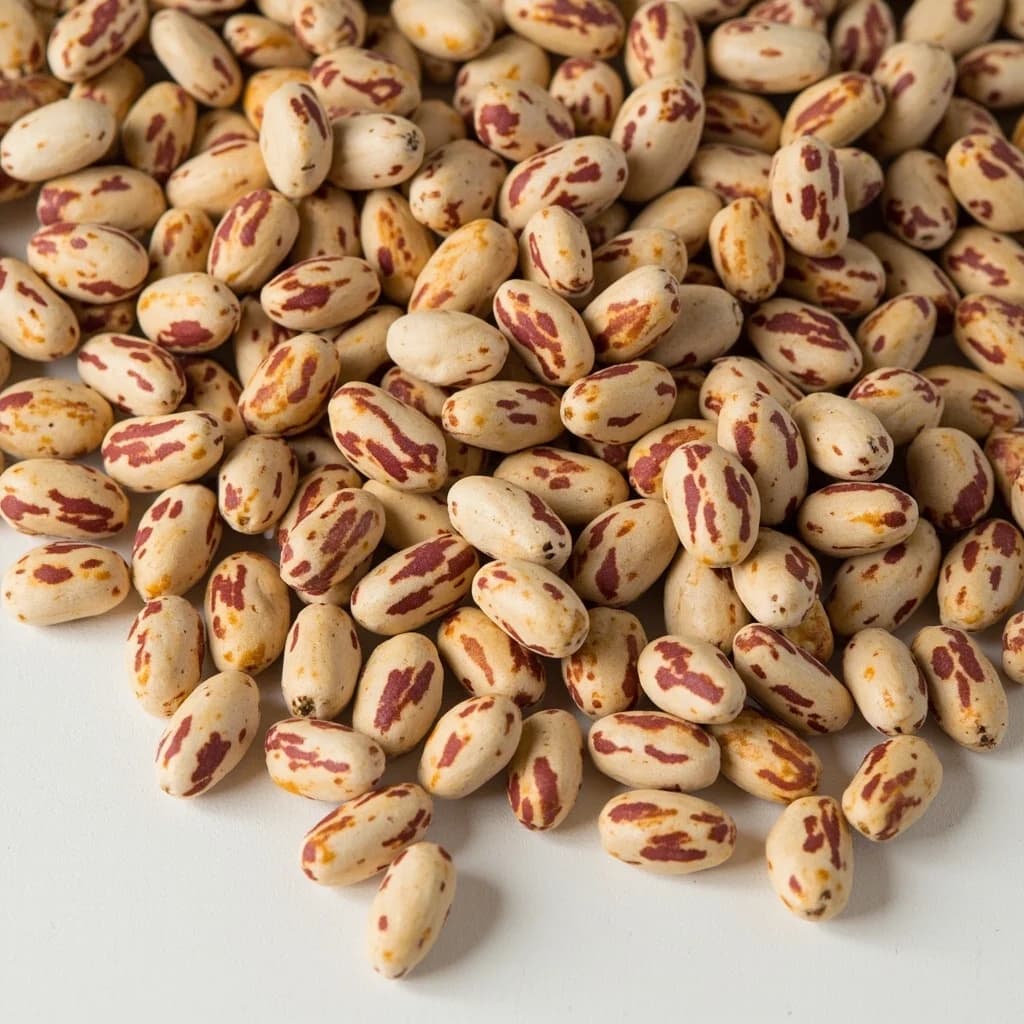
Pinto Beans
Creamy, speckled beans for refried beans and stews

Split Peas
Quick-cooking peas that melt into thick, comforting soups
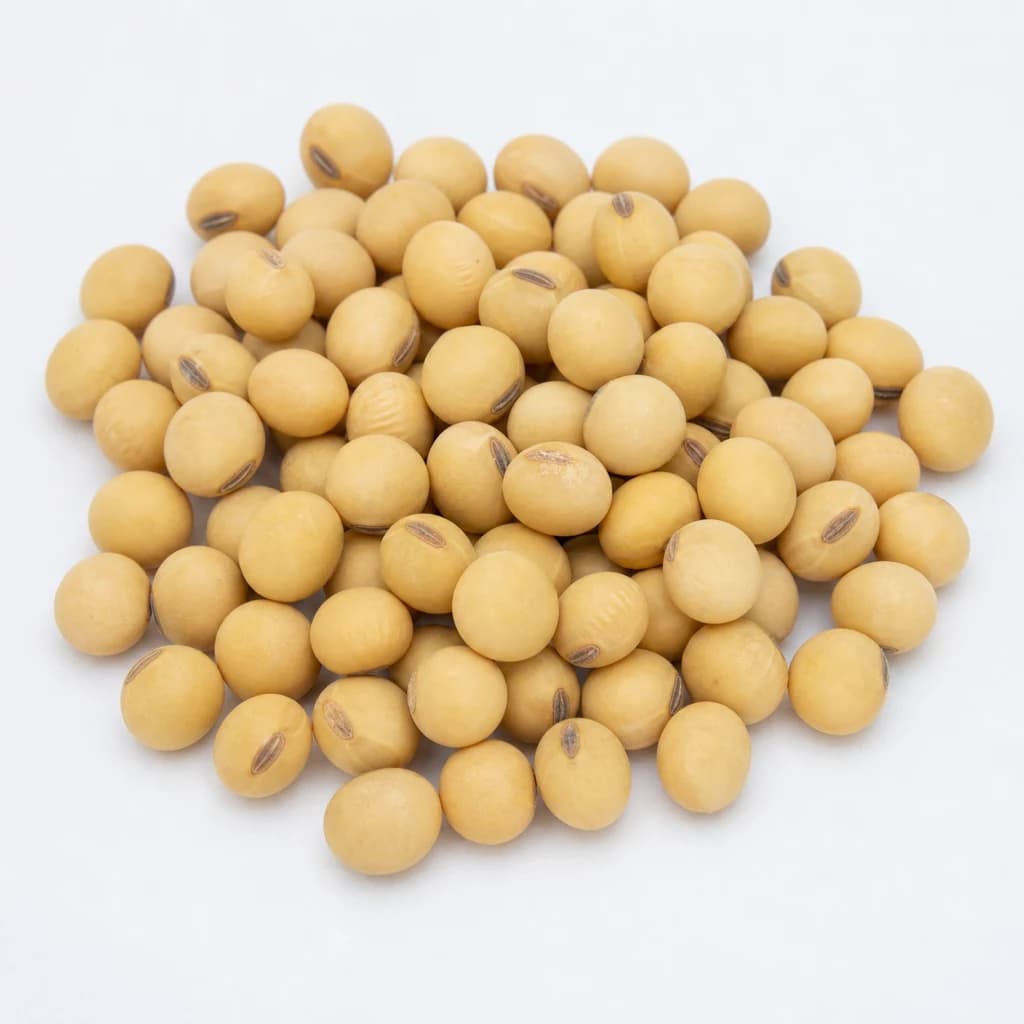
Soybeans
Protein-packed beans, the base for tofu and miso