Proteins
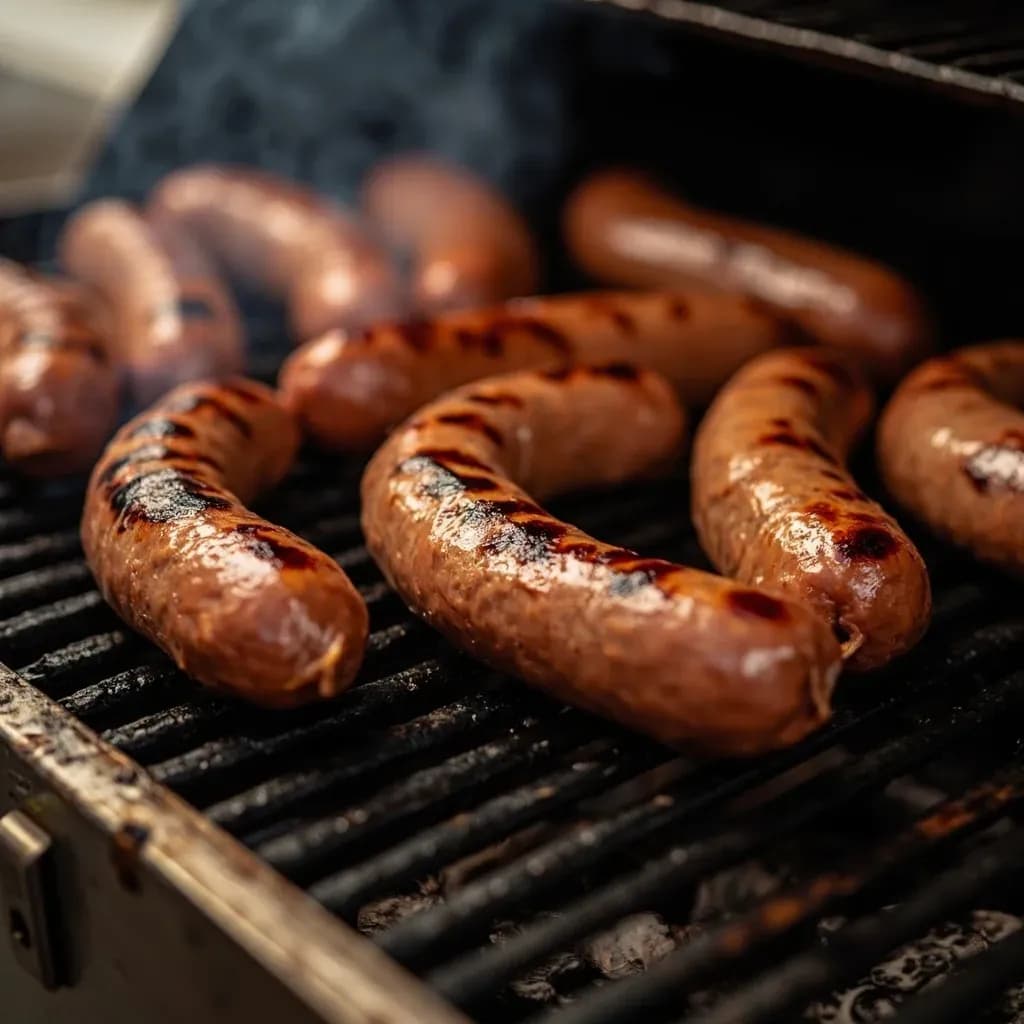
Hot Link Sausage
Spicy smoked pork or beef sausage, a staple of Southern and Texas barbecue.
Hot links are coarsely ground, heavily spiced smoked sausages made from pork, beef or a blend, common in American Southern and barbecue traditions. Seasoned with cayenne and red pepper, they are grilled or smoked and served on white bread or in plates with sides. They have a snappy casing and a fatty, spicy bite.
Hot link sausage is a spicy, smoked sausage that evolved from German sausage traditions brought to Texas by 19th-century immigrants, then transformed by African American pitmasters who added cayenne-based heat and hickory-smoking techniques. Unlike milder smoked sausages, hot links are defined by their aggressive heat—typically 5,000 to 30,000+ Scoville units from cayenne pepper—and their characteristic linked (looped) shape, which distinguishes them from straight sausages. Most hot links are fully cooked during the smoking process, which means your work in the kitchen is essentially reheating them to serving temperature without drying them out. The high fat content (20–35%) is what keeps them juicy during cooking, but it also means they require careful handling: too much heat causes the casing to split explosively while the interior stays cold, producing a dry, tough result. The deep reddish-brown color comes from the cure (sodium nitrite), which also extends shelf life. In Southern and Texas barbecue culture, hot links occupy a specific niche—more intensely spiced than andouille, more coarsely textured than pepperoni, and more aggressively smoked than fresh sausages. They are a legitimate building block of regional cooking, not merely a gimmick.
- Measured in
- piece
- Storage
- Fridge
Types & varieties
Traditional version; most common; balanced fat-to-meat ratio
Leaner; denser texture; stronger beef flavor
Contains diced fresh jalapeño pieces; adds vegetable texture and bright, fresh heat
Contains cheddar or pepper jack cubes; cheese melts when cooked
Leaner alternative; lower fat and calories; can be drier, watch cooking time
Understanding Hot Links vs. Andouille
Hot links and andouille are often confused, but they are distinct sausages. Andouille is a French-Cajun sausage with a coarser grind, more garlic, and less cayenne heat; it is a primary building block of Louisiana Creole cooking (gumbo, jambalaya). Hot links carry significantly more spice, finer texture, and stronger smoke character. In practice, andouille makes an acceptable substitute for hot links in gumbo (where the spice difference is an asset), but hot links do not belong in traditional andouille-driven dishes—they will overwhelm the delicate crawfish and seafood flavors. The term 'hot link' specifically refers to the linked or looped shape characteristic of the coiled sausage, which also influences how the casing behaves during cooking.
- Hot links: higher heat, finer grind, stronger smoke, Texas/Southern barbecue tradition
- Andouille: coarser grind, more garlic, lower heat, Louisiana Creole tradition
- Do not substitute hot links into traditional andouille dishes like boudin or certain gumbos
The Casing Question
Most hot links use natural pork intestine casings, though collagen casings are common in mass-produced brands. Both are edible and behave differently under heat. Natural casings have more snap and hold their shape better, but they will split if cooked over high heat without relief holes. Collagen casings are tender and can be eaten or removed. Regardless of casing type, always puncture fully cooked hot links before grilling or pan-frying over medium-high heat—this allows internal fat to render and prevents the steam buildup that causes splitting. Make 3–4 small slits per link with a paring knife or pierce 10–15 times with a fork.
- Natural pork casings: more snap, more prone to splitting, typically left on for grilling
- Collagen casings: tender, can be eaten or removed, good for pan-frying
- Cellulose casings: removed before cooking
- Always puncture casings before high-heat cooking methods
Common uses
Tips & pitfalls
- Always grill or pan-fry hot links over medium heat; high heat causes the casing to split and the interior to remain cold
- Pierce the casing with a fork or make small slits before grilling to prevent bursting and allow internal fat to render
- If using for crumbling into dishes (breakfast burritos, pizza), par-cook the links first, then slice and crispen in a hot pan
- For best char and smoke flavor, grill over charcoal with wood chips or use a gas grill with a smoker box
- When slicing for sandwiches, cut on a bias (diagonal) for more surface area and better texture
- Do not overcook once casing has split—the interior is already cooked and will become dry and tough
- Store laying flat, not coiled, to prevent deformation and ensure even cooling
- To reduce sodium, rinse briefly under cold water before cooking (removes surface cure)
Nutrition
Energy
728 kJ · per 100 g
Where the calories come from
Protein
15.9g
32% DV
Carbs
3.2g
1% DV
Fat
10.4g
13% DV
Fiber
0g
0% DV
Sugars
0g
of which
Sodium
714mg
31% DV
Source · USDA FoodData Central · approx. Sausage, turkey, breakfast links, mild, raw
View on FDC →In the shops
Matched grocery products
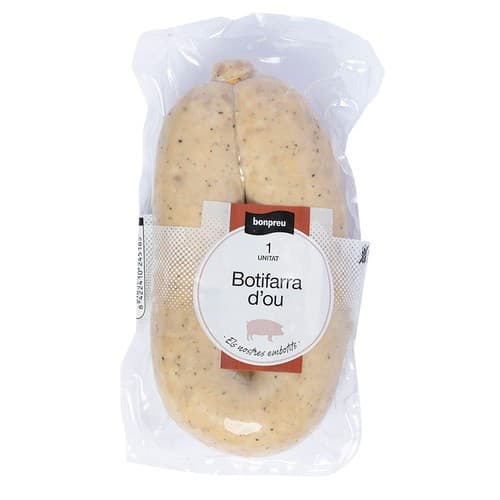 €3.79
€3.79Egg Sausage
BONPREU · kg · Bonpreu
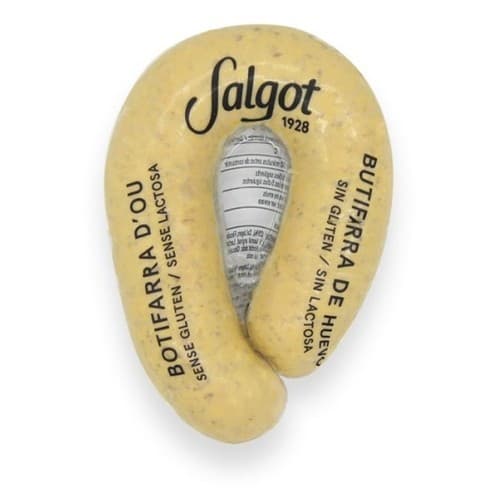 €4.99
€4.99Egg Sausage
SALGOT · kg · Bonpreu
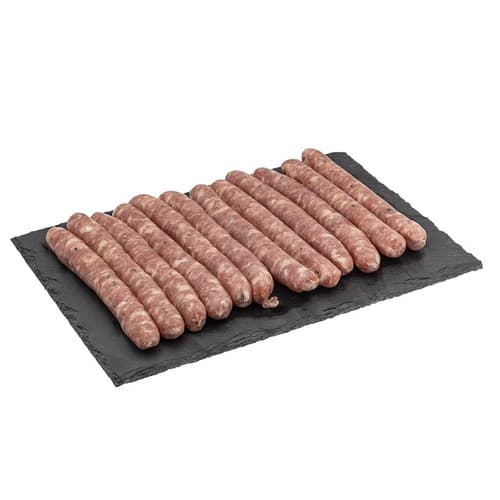 €5.99
€5.99Pork Sausage
BONPREU DE L'ERA · kg · Bonpreu
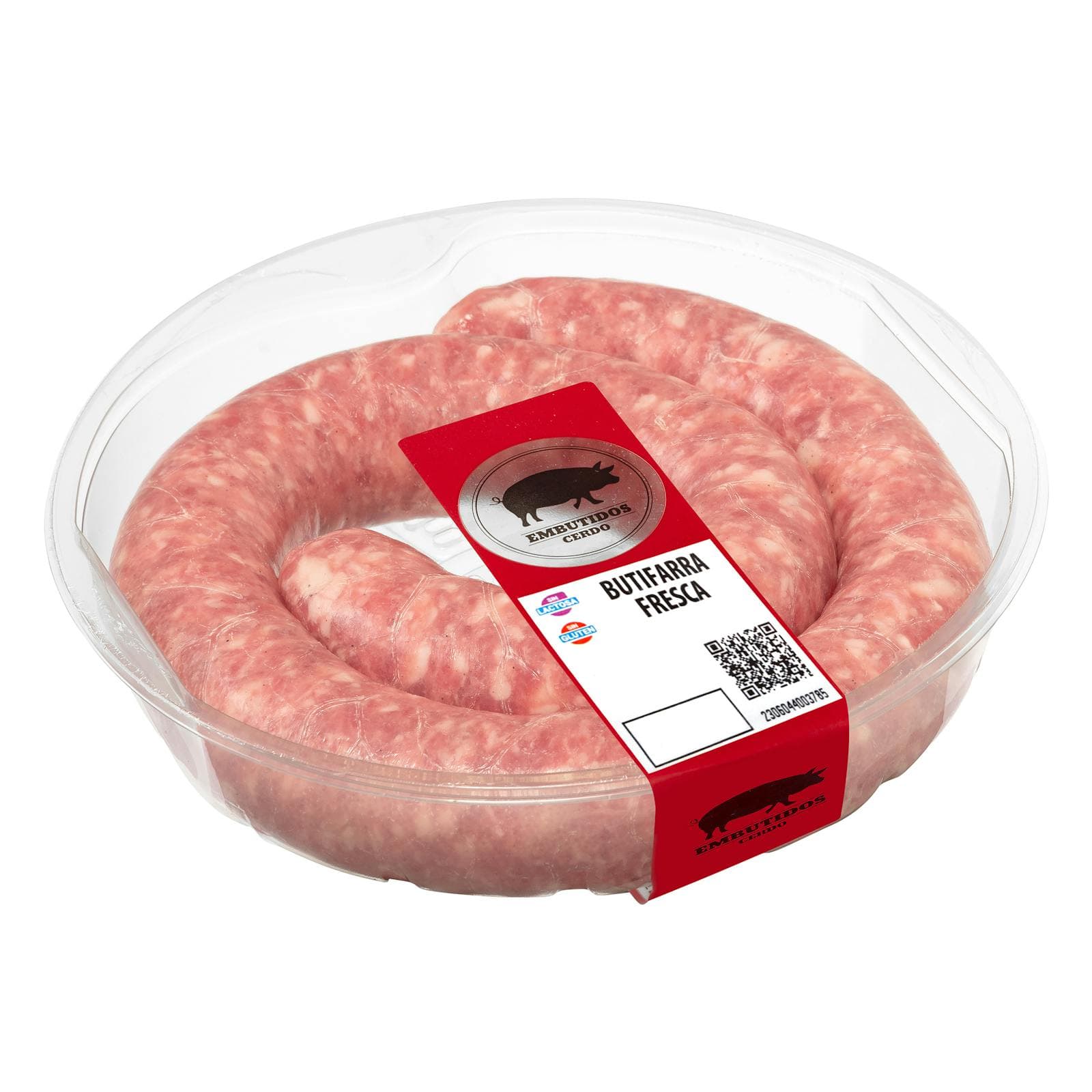 €3.62
€3.62Fresh Sausage
640 g · Mercadona
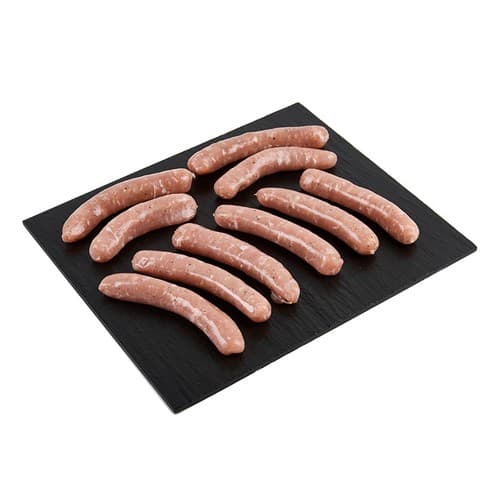 €6.75
€6.75Rabbit Sausage
BONPREU · kg · Bonpreu
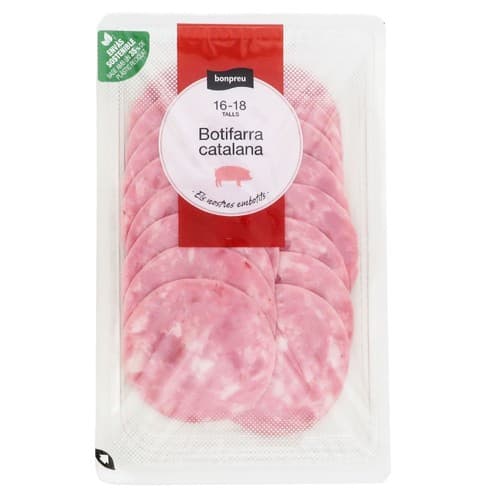 €1.89
€1.89Catalan Sausage
BONPREU · kg · Bonpreu
Good to know
- Primary Proteins
- Pork, beef, or combination (typically 70–80% lean)
- Heat Level
- Hot to very hot (cayenne-based, typically 5,000–30,000+ Scoville units)
- Processing Method
- Smoked, often over hickory or oak wood; typically fully cooked
- Typical Diameter
- 1–1.5 inches (25–38 mm)
- Shape
- Coiled or straight links, 6–10 inches long
- Casing
- Natural pork intestine, collagen, or cellulose (all edible)
- Color
- Deep reddish-brown to dark brown when smoked
- Sodium Content
- High; typically 500–900 mg per 3-oz serving
- Fat Content
- 20–35% depending on meat selection and recipe
Substitutes
- Andouille — French-Cajun sausage; less spicy, more garlicky and smoky; best direct substitute for gumbo and jambalaya
- Mexican Chorizo (Fresh or Dried) — Different seasoning profile (paprika, oregano) but similar heat level and fat content; must be cooked longer
- Polish Kielbasa (Smoked) — Mild, garlicky; lacks heat but similar texture and smoking method; add cayenne or hot sauce to approximate
- Italian Hot Sausage — Coarser grind, fennel-forward seasoning; excellent for sandwiches but distinct flavor profile
- Smoked Bratwurst — Milder, beer-steeped flavor; lacks the cayenne punch; good for those who want less heat
- Merguez — North African lamb/mutton sausage; similar heat and spice level but pronounced gaminess
Pairs with
Also called
Hot Links · Red Links
Related
Egg
The kitchen's everything ingredient — bind, leaven, enrich, or fry
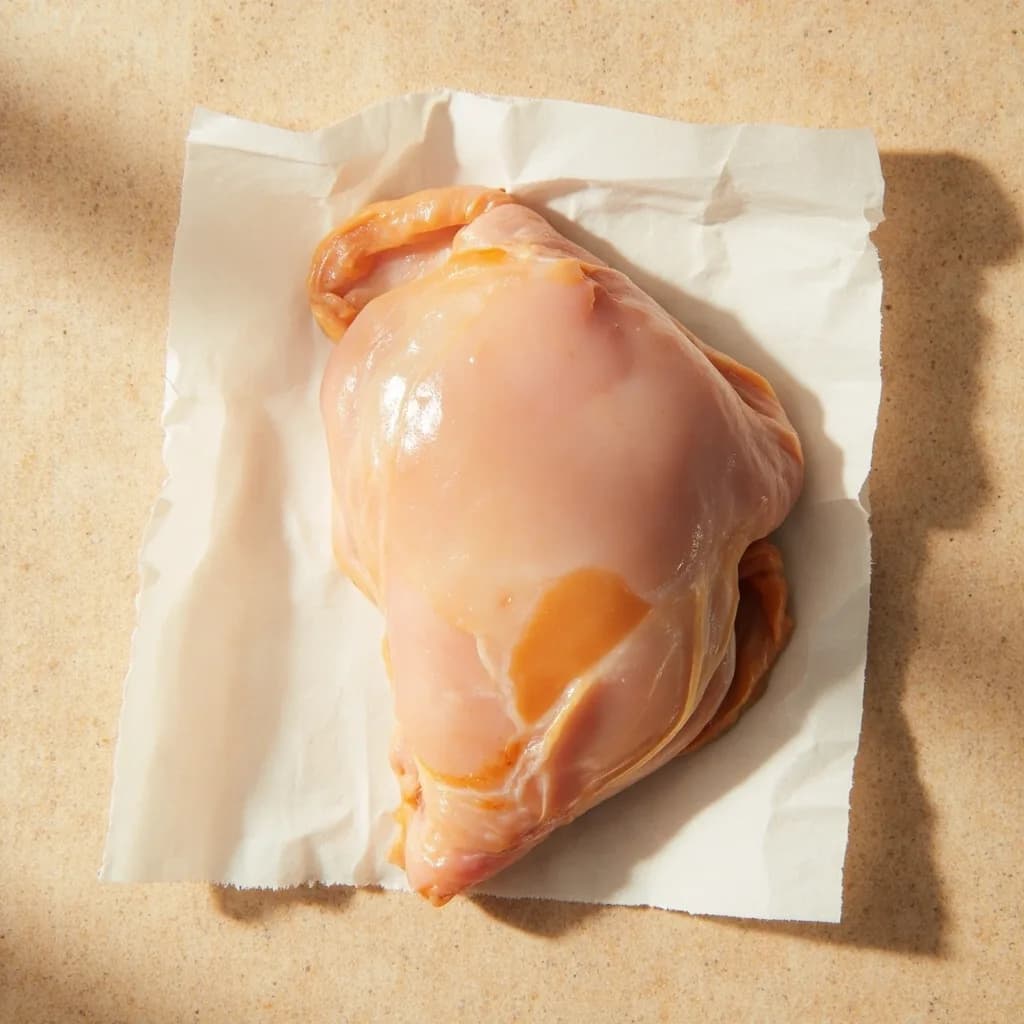
Chicken Breast
Lean, quick-cooking white meat for everyday dinners

Ground Beef
Versatile minced beef for burgers, ragù, tacos, and meatballs
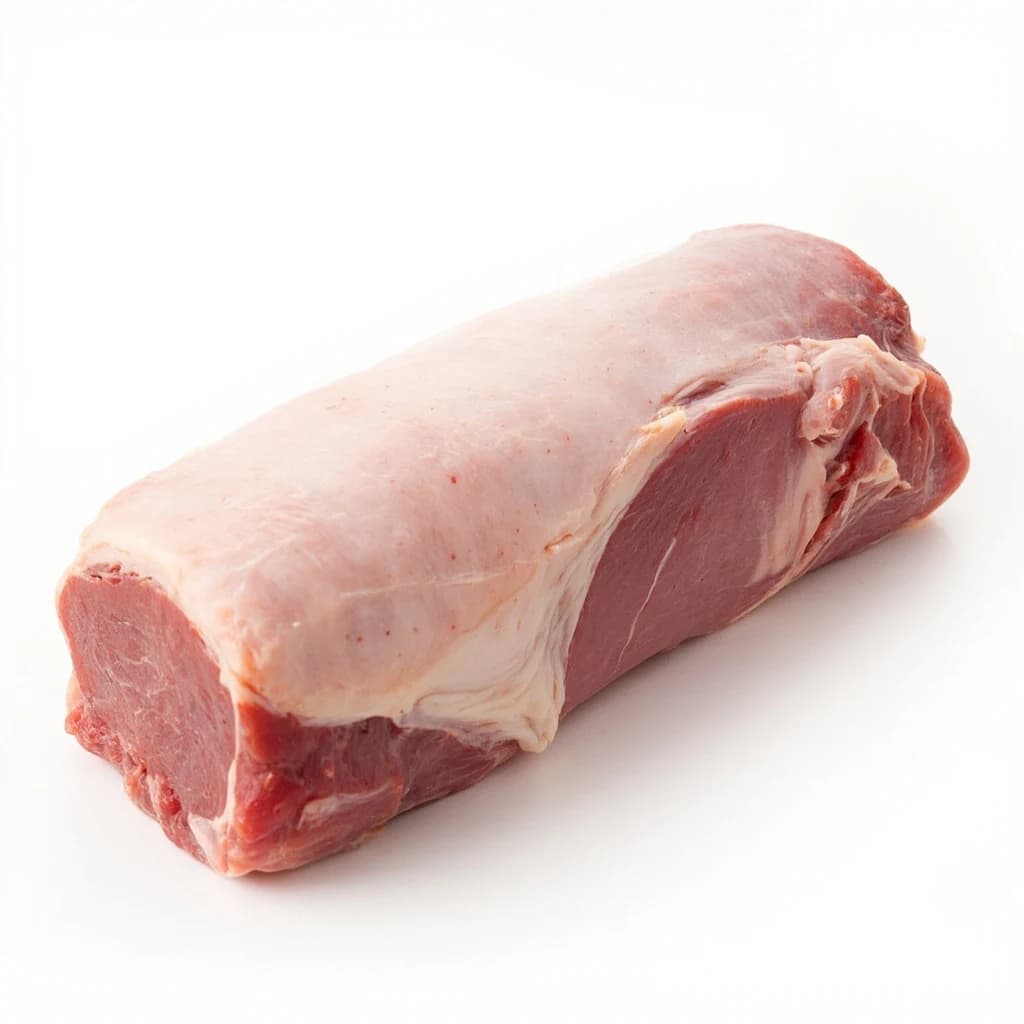
Pork Loin
Lean, tender roasting cut that stays juicy with care
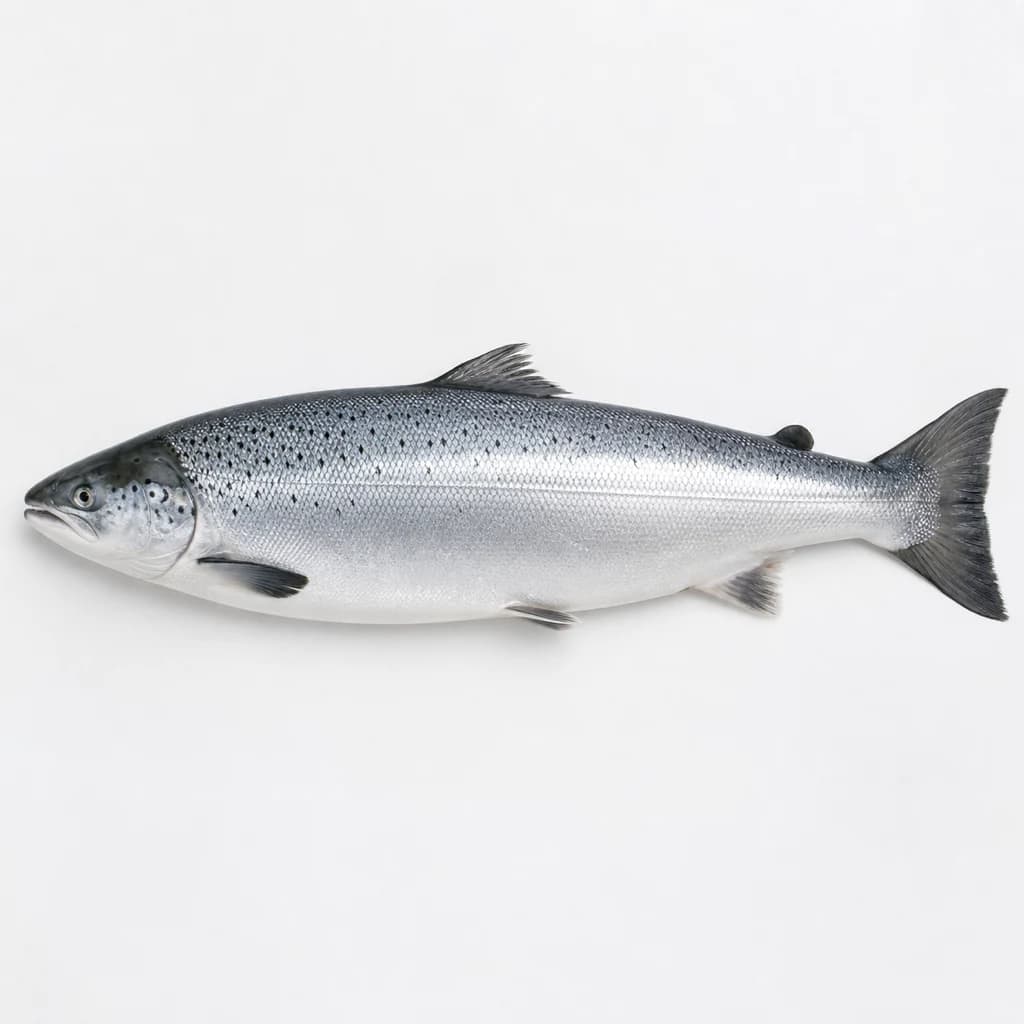
Salmon
Rich, rosy fish that roasts, grills, or cures beautifully

Egg White
Pure protein that whips to airy peaks for meringue and more
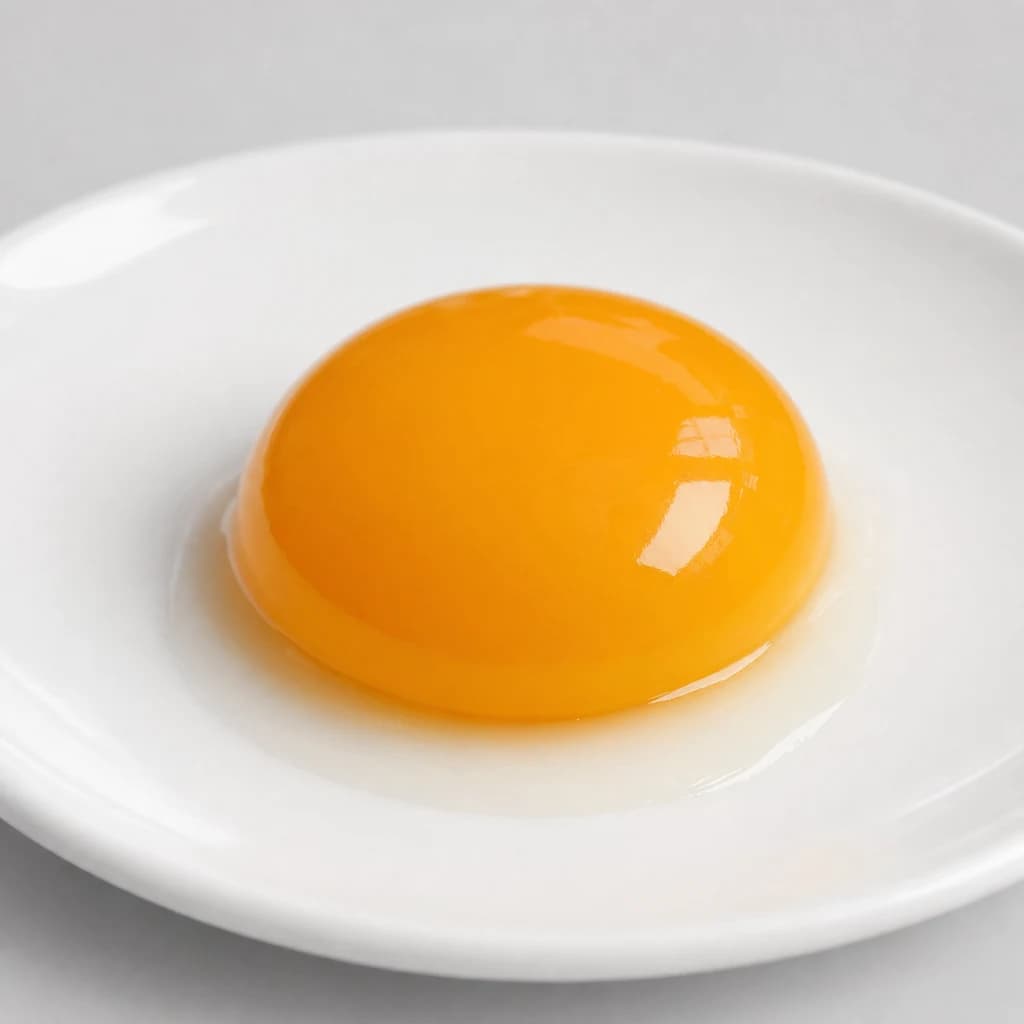
Egg Yolk
Rich, golden yolk for custards, mayonnaise, and pasta

Quail Egg
Tiny, speckled eggs for garnishing and elegant bites