Produce
Island Carrot (Shima-ninjin)
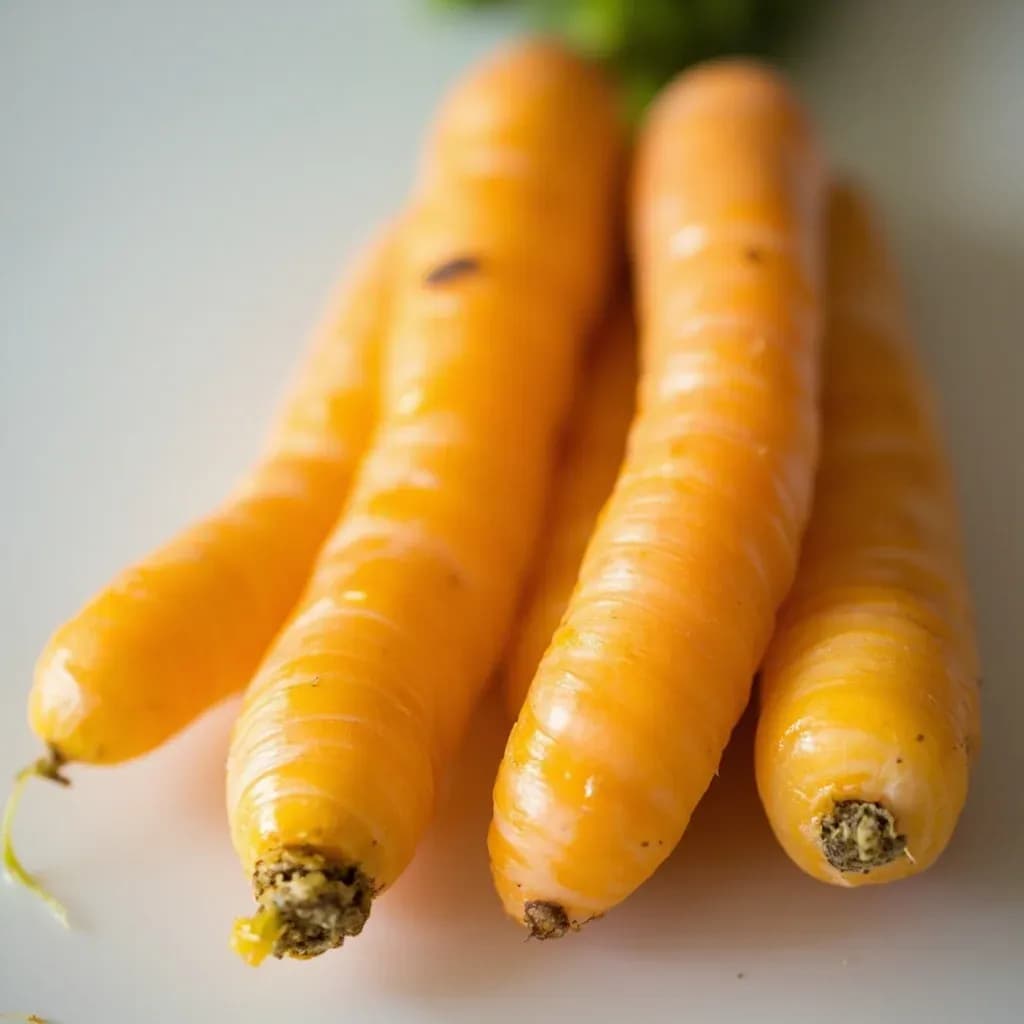
Slender bright-yellow Okinawan carrot used in stir-fries like champuru.
The island carrot, or shima-ninjin, is a long, slim, bright-yellow carrot grown in Okinawa, Japan. It is sweeter and more aromatic than the common orange carrot and is julienned for stir-fries such as ninjin shirishiri and other champuru dishes. Its golden color comes from a high concentration of carotenes.
Shima-ninjin, or Island Carrot, is a yellow carrot cultivar (Daucus carota subsp. sativus) grown almost exclusively in Okinawa Prefecture, Japan, where it has been cultivated for generations in the island's distinctive red clay and limestone soils. Unlike the orange carrots found in most markets, Shima-ninjin gets its bright yellow color from a lutein-dominant carotenoid profile rather than the beta-carotene that makes orange carrots orange—this means it lacks the earthy, sometimes bitter edge of standard carrots and instead delivers a delicate, mild sweetness that works raw or barely cooked. The vegetable is classified locally as a winter vegetable (fuyu-yasai), reaching its peak sweetness and texture after Okinawa's cool winter months, with the primary harvest running from December through March.
The slender, cylindrical roots—typically 15–25 cm long and 2–3 cm in diameter—cook quickly and evenly, but this is also their downfall: high heat transforms the bright yellow flesh to an unappealing gray within two to three minutes. In Okinawan home cooking, Shima-ninjin is valued not just for its flavor but for its role as a natural sweetener that balances bitter and savory elements, particularly in the iconic champuru stir-fry dishes that define the island's cuisine. Do not confuse this vegetable with Western yellow carrot varieties or specialty 'Dragon' carrots—those are bred for different markets and growing conditions and lack the specific terroir-driven sweetness that defines properly grown Shima-ninjin.
- Measured in
- piece
- Storage
- Fridge
Types & varieties
Grown specifically in Nakijin village, northern Okinawa; considered particularly sweet among named varieties
A named cultivar developed for commercial production in central Okinawa
Open-pollinated varieties grown throughout Okinawa for local markets and home gardens
Why Yellow Carrots Behave Differently
The yellow coloration in Shima-ninjin comes from lutein and other xanthophyll carotenoids rather than the beta-carotene dominant in orange carrots. This distinction affects both nutrition and cooking behavior. Lutein is heat-sensitive and water-soluble, which explains why overcooking causes the color to leach out and fade. The different carotenoid profile also correlates with the sweeter, less earthy flavor—beta-carotene itself has a slightly bitter edge that lutein lacks. When shopping for substitutes, look specifically for yellow carrot cultivars rather than assuming any carrot that happens to be pale will behave similarly.
- True yellow carrot varieties (Yellowstone, Yellow Bantam) are the closest substitutes; orange carrots are not
- Lutein is traditionally valued in the Okinawan diet alongside other lutein-rich foods for eye health
Storage and Freshness
Shima-ninjin deteriorates faster than many root vegetables because of its high sugar and water content. The traditional market practice in Okinawa is to sell and use the carrots within days of harvest. At home, store unwashed in a loose plastic bag in the refrigerator crisper drawer—washing introduces moisture that accelerates decay. For best results, plan to use within one week of purchase, and always wash just before preparation rather than before storing.
- Signs of aging include softening of the slender root and a dulling of the yellow color
- Frozen Shima-ninjin loses its textural appeal; use fresh only
Common uses
Tips & pitfalls
- Do not overcook—Shima-ninjin loses its bright yellow color and turns gray within 2–3 minutes of high heat; blanch or sauté briefly and remove from heat immediately
- Peel only if soil is heavy; the thin skin is edible and nutritious when scrubbed clean with a vegetable brush
- Store unwashed in the refrigerator; wash just before use to prevent moisture-related decay
- The slender shape cooks evenly and quickly—no need to cut into small pieces unless making a fine julienne
- When substituting regular carrots, use only the tender outer portion and reduce cooking time by half
- Common mistake: adding Shima-ninjin too early in a stir-fry alongside denser vegetables; add it last or blanch first if combining with long-cooking ingredients
- The carrots can be eaten raw but benefit from a 45-second blanch first if serving in salads—this brightens color and softens the texture slightly without dulling the yellow
- If buying from specialty markets, ask about harvest date; Shima-ninjin sweetens significantly after the cool winter months and is most desirable in January and February
Nutrition
Energy
172 kJ · per 100 g
Where the calories come from
Protein
0.9g
2% DV
Carbs
9.6g
3% DV
Fat
0.2g
0% DV
Fiber
2.8g
10% DV
Sugars
4.7g
of which
Sodium
69mg
3% DV
Source · USDA FoodData Central · Carrots, raw
View on FDC →In the shops
Matched grocery products
 €0.85
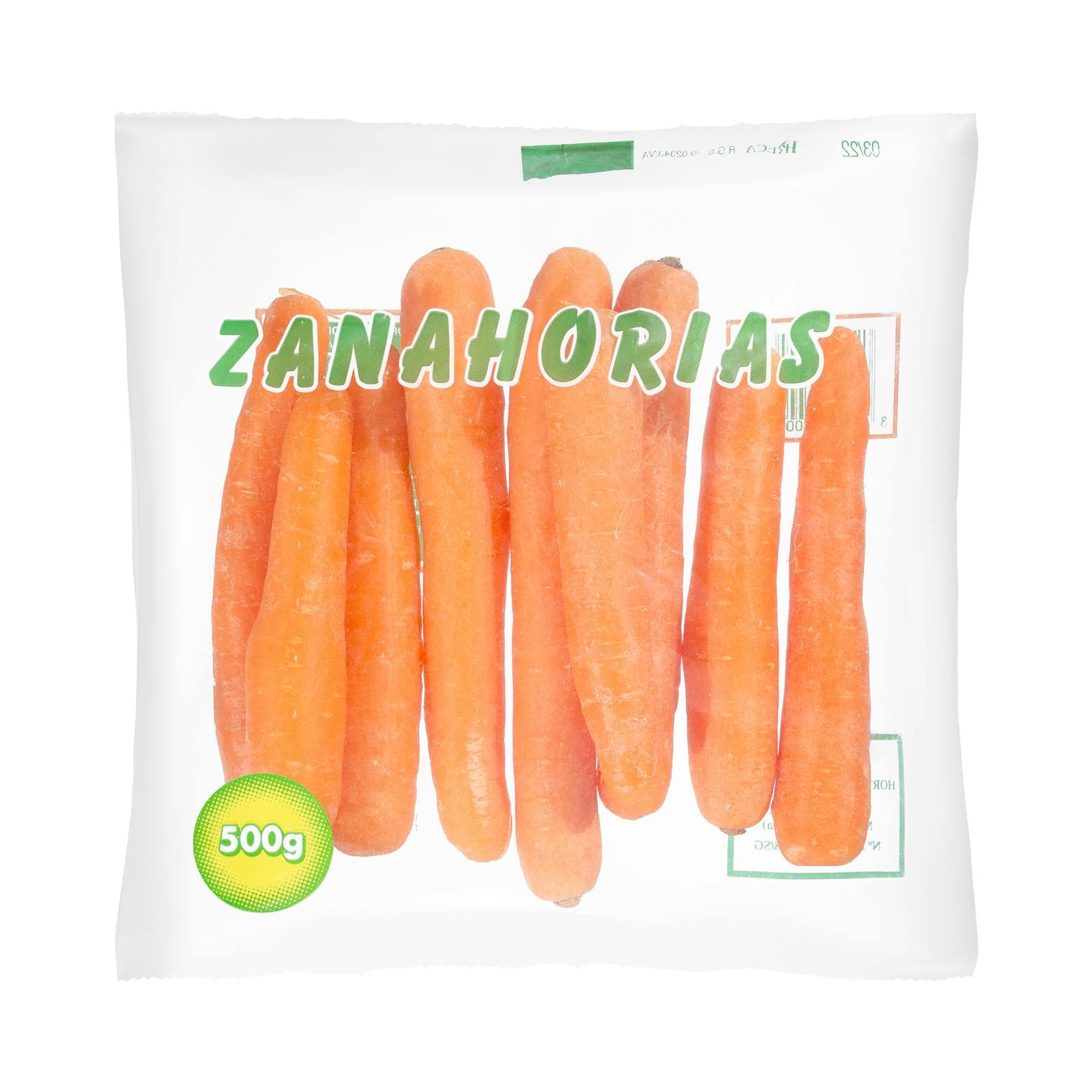
€0.85Carrots
500 g · Mercadona
 €1.35
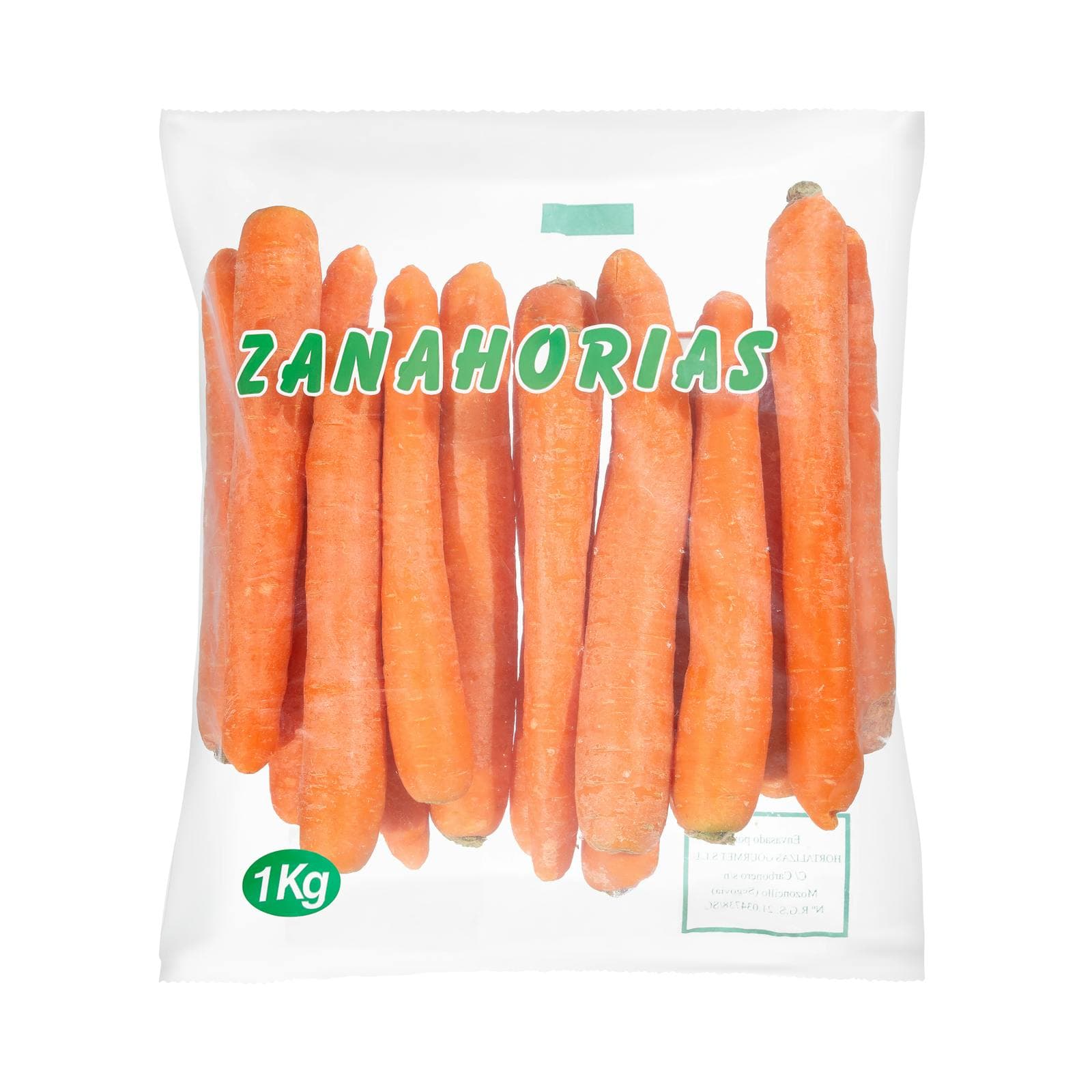
€1.35Carrots
1 kg · Mercadona
 €2.35
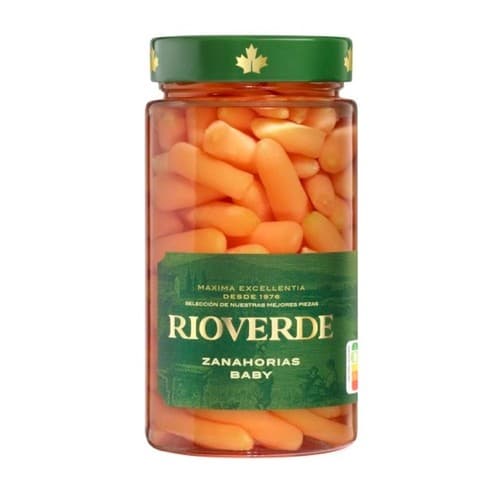
€2.35Baby Carrots
RIOVERDE · kg · Bonpreu
 €1.25
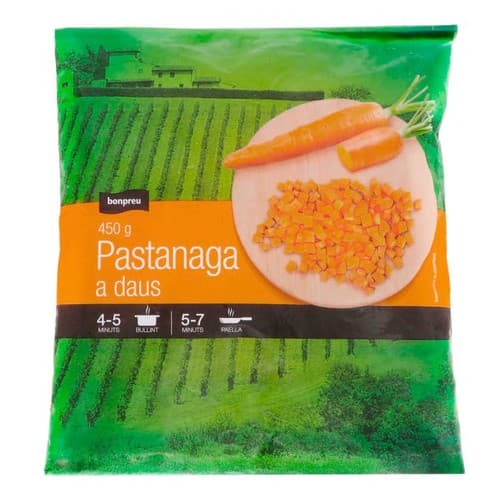
€1.25Diced Carrot
BONPREU · kg · Bonpreu
 €0.17
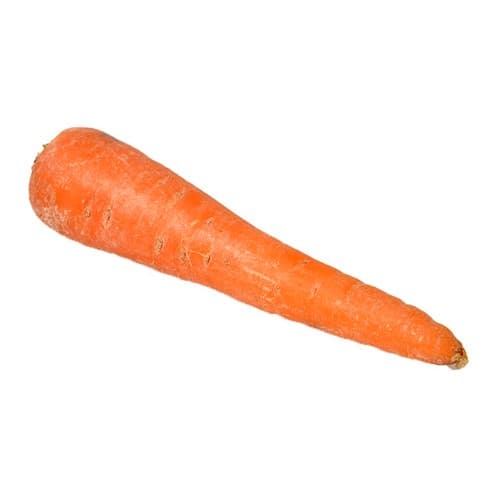
€0.17Carrot 1 unit
ud · Bonpreu
 €1.99
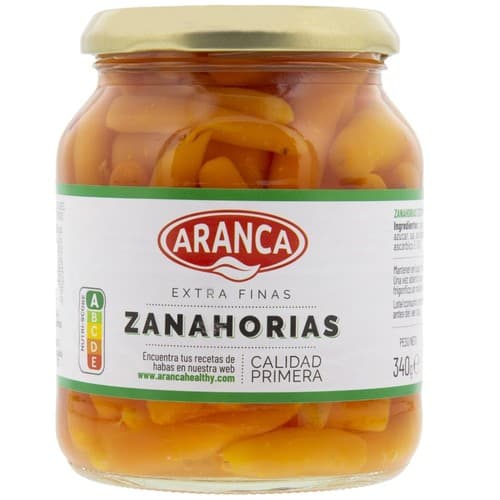
€1.99ARANCA Carrot
ARANCA · kg · Bonpreu
Good to know
- Origin
- Okinawa Prefecture, Japan (particularly Nakijin and other northern Okinawa villages)
- Color
- Bright yellow skin and flesh, no orange core
- Shape
- Slender and cylindrical, typically 15–25 cm long, 2–3 cm diameter
- Flavor
- Sweeter and more delicate than standard orange carrots; low bitterness
- Season
- Primarily winter harvest (December through March) in Okinawa's subtropical climate
- Classification
- Daucus carota subsp. sativus; a yellow carrot cultivar adapted to Okinawan growing conditions
- Shelf Life
- 1–2 weeks refrigerated in a plastic bag; best used fresh
- Growing Method
- Open-field cultivation in Okinawa's red clay and limestone soils
Substitutes
- Yellow Bantam or Yellowstone carrot — Standard orange grocery-store carrot varieties are poor substitutes; true yellow carrots from specialty growers are closest in sweetness and behavior
- Parsnip — Similar sweetness and texture when peeled, but larger and denser; cut into thin sticks to approximate the slender shape and reduce initial cooking time
- Young or 'baby' carrots — Standard orange carrot varieties at small size can stand in for raw uses but lack the yellow color and delicate sweetness
Pairs with
Also called
Shima-ninjin · Okinawan Carrot
Related
Tomato
Juicy, sun-sweet fruit for sauces, salads, and slow-cooked depth
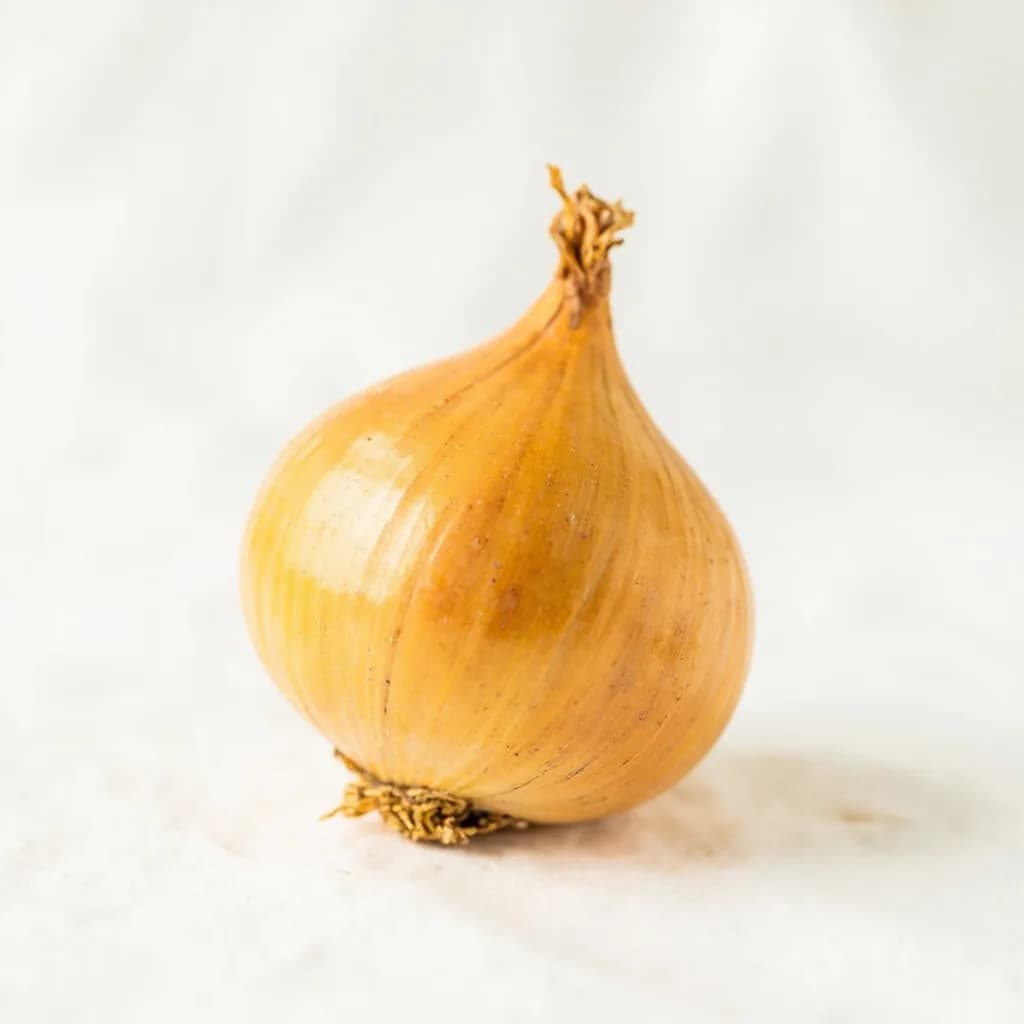
Yellow Onion
The aromatic backbone of soups, sofritos, and braises
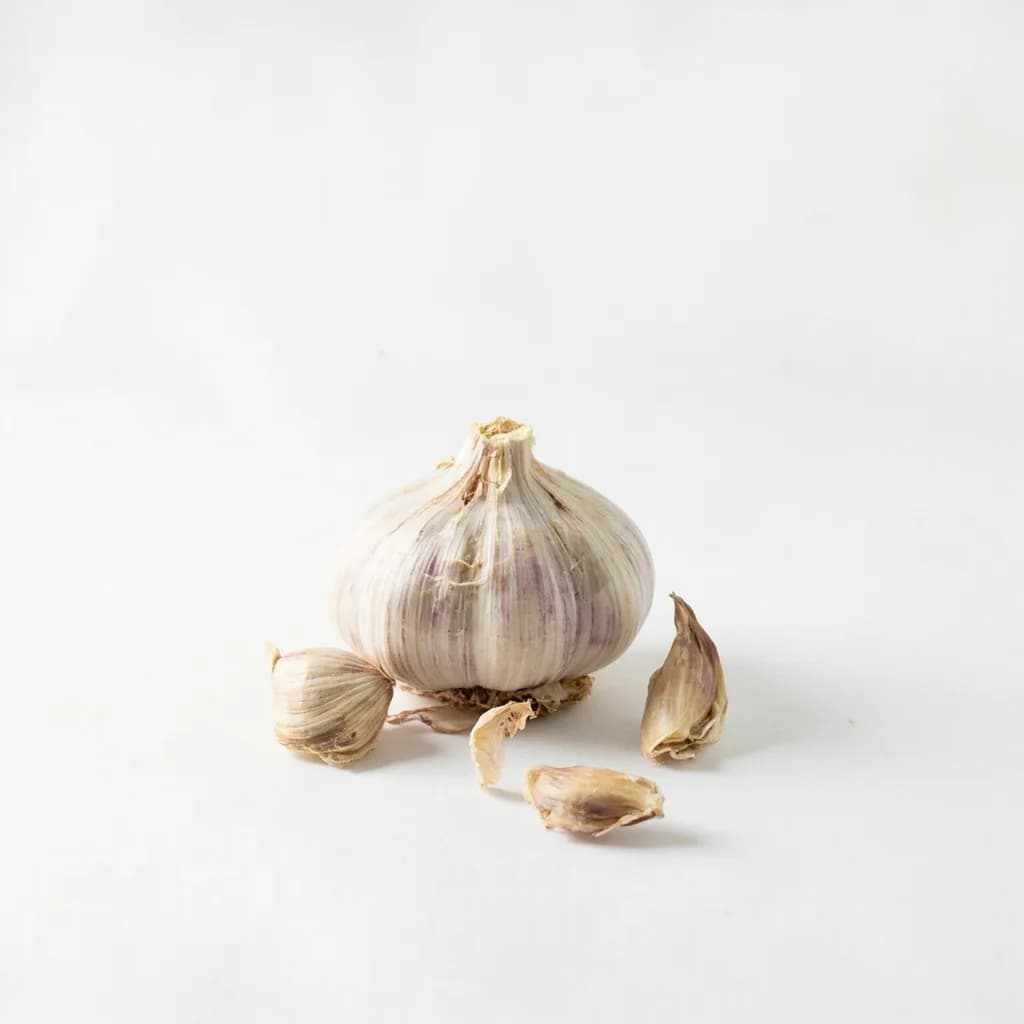
Garlic
Pungent cloves that perfume nearly every savory dish
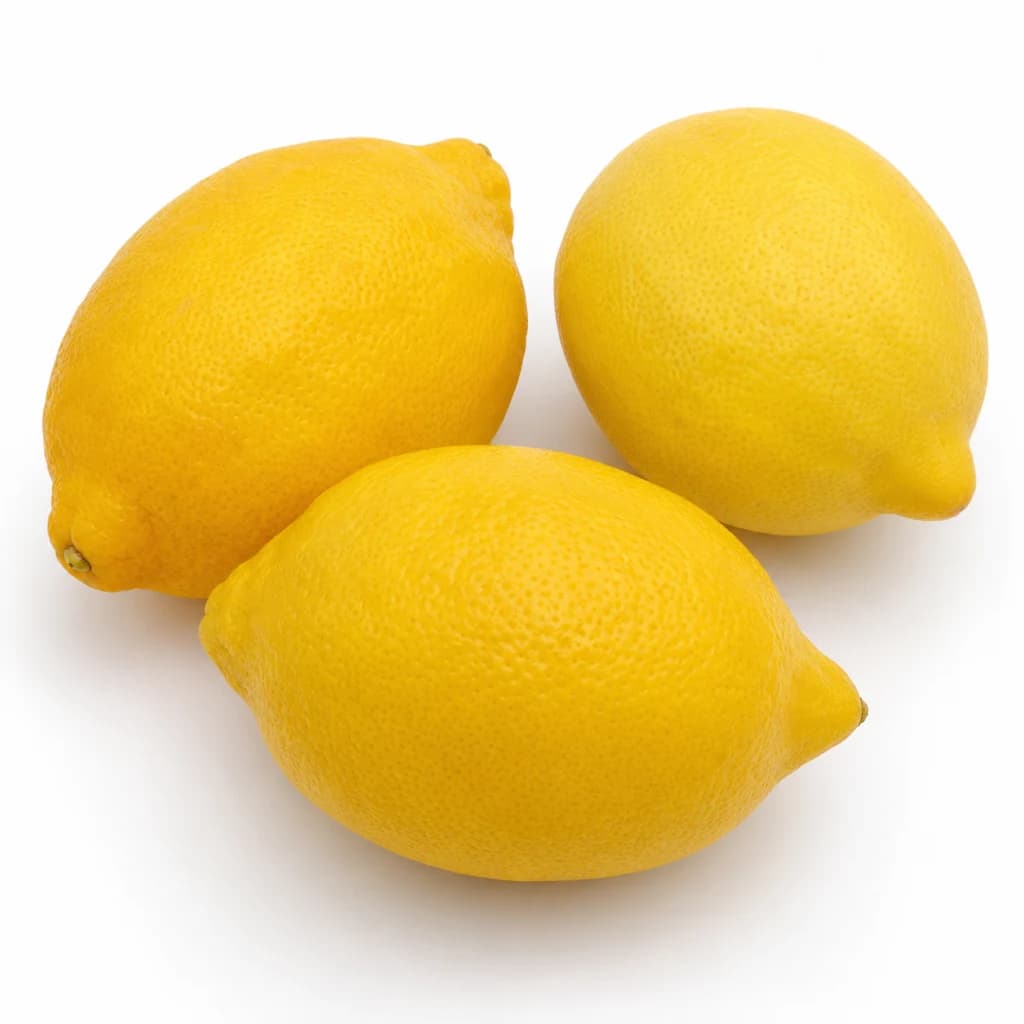
Lemon
Bright, acidic citrus that wakes up almost any dish
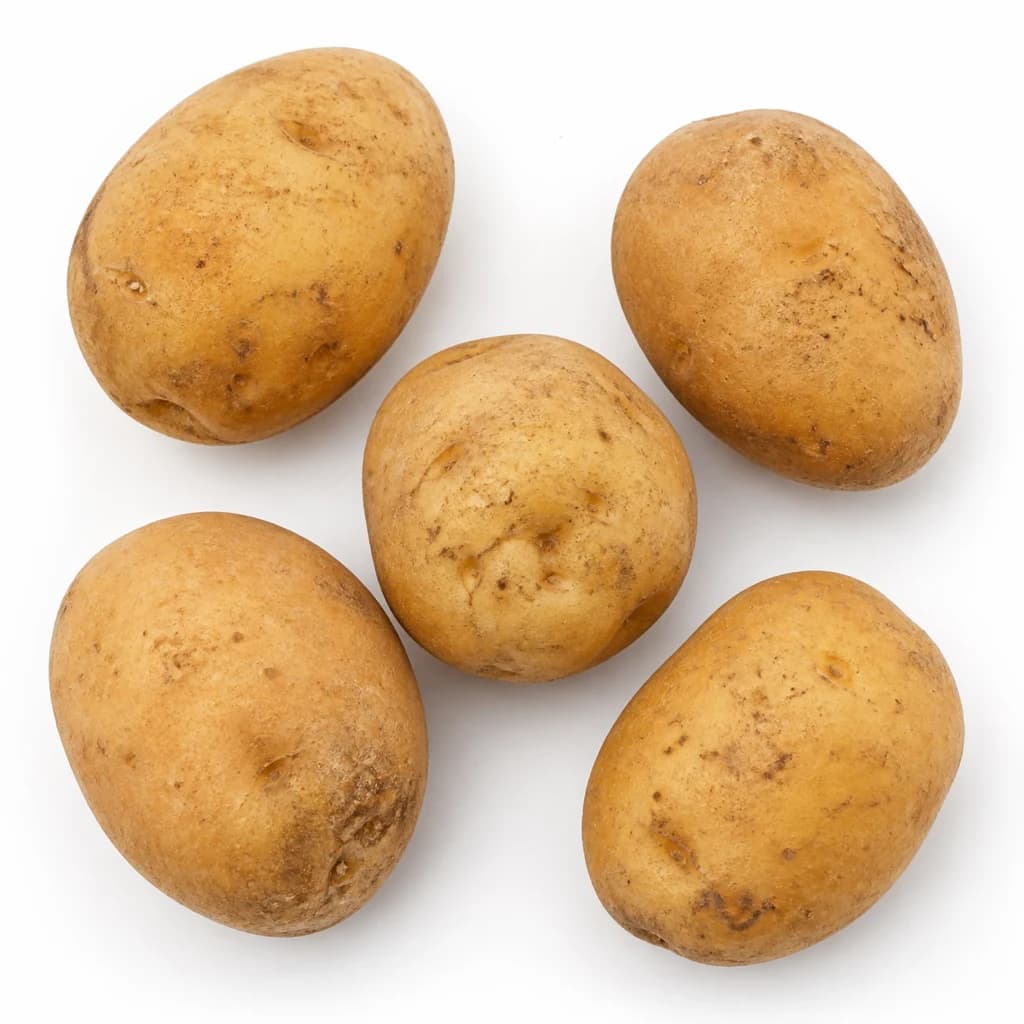
Potato
Humble, hearty staple — roast, mash, fry, or boil
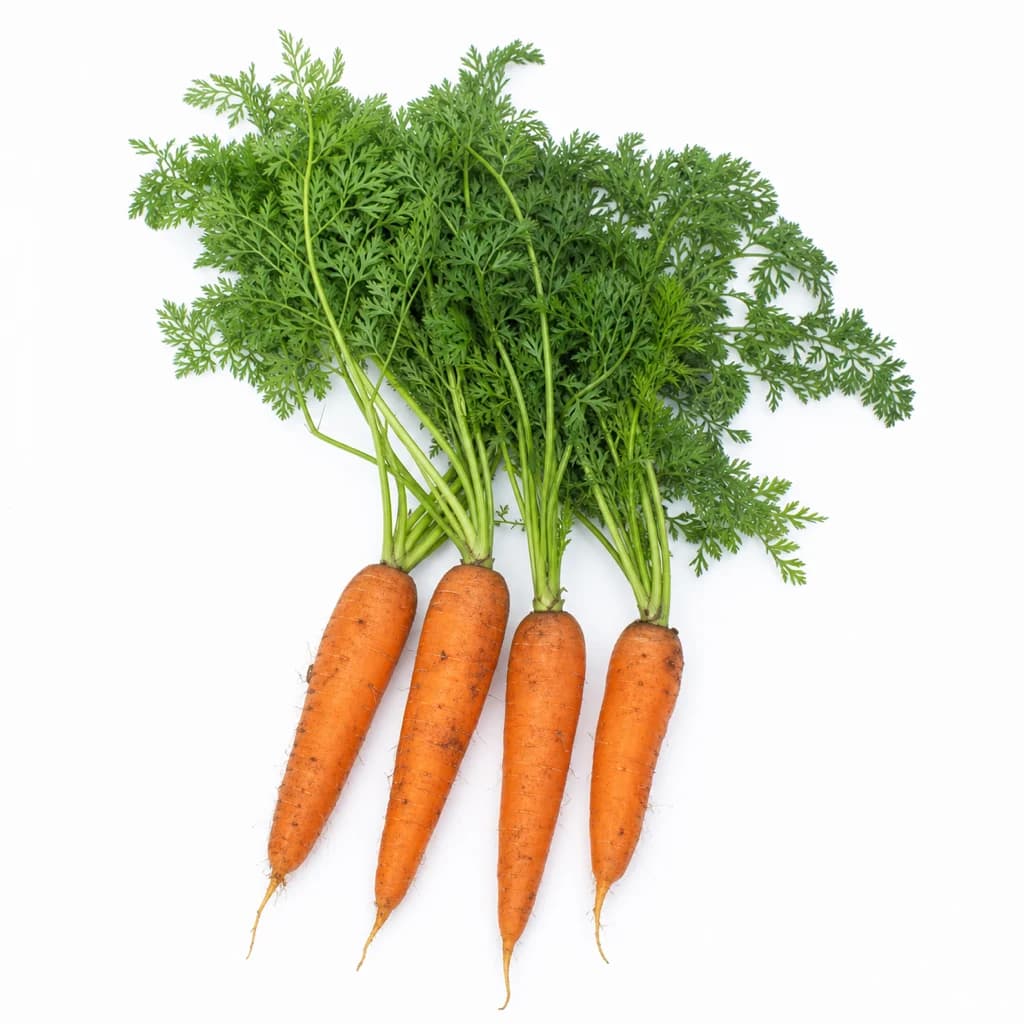
Carrot
Sweet, crunchy root — raw, roasted, or the base of a sofrito
Cucumber
Cool, crisp, and watery — for salads, pickles, and tzatziki

Lettuce
Crisp leaves for salads, wraps, and a fresh crunch