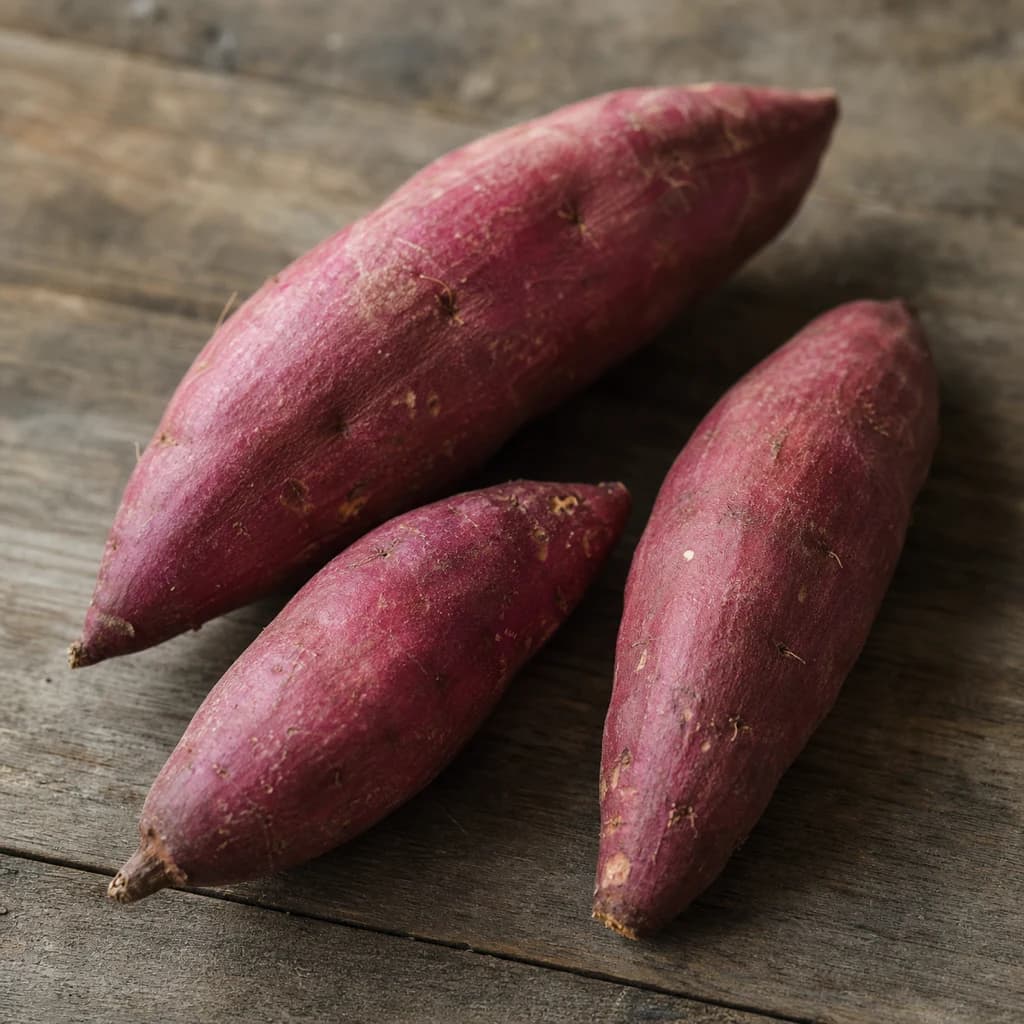
Natural form
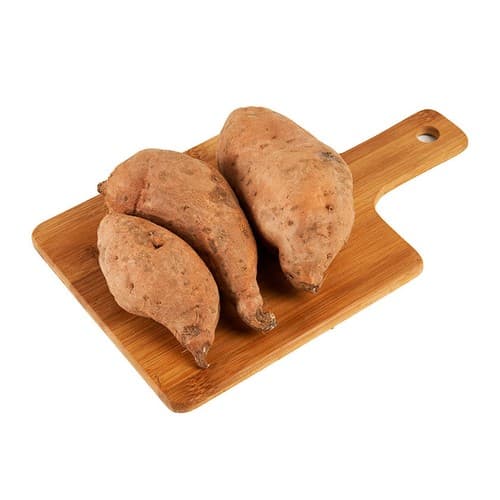
Whole satsuma-imo showing the deep reddish-purple skin and tapered oval shape.
Teaches the reader to recognize the ingredient in its unmodified state by its distinctive skin color and form.
Produce
Sweet Potato (Satsuma-imo)
Purple-skinned Japanese sweet potato with pale, chestnut-sweet flesh, roasted, steamed, or simmered.
Satsuma-imo is the Japanese sweet potato, with reddish-purple skin and pale yellow flesh that turns dense, dry, and chestnut-sweet when cooked. It is roasted whole as yaki-imo, steamed, simmered in syrup for daigaku-imo, or used in tempura and wagashi. Its lower moisture and intense natural sweetness set it apart from the orange-fleshed Western sweet potato.
Satsuma-imo (薩摩芋) is a true sweet potato, Ipomoea batatas, descended from varieties brought to Japan from Southeast Asia in the early 17th century. Unlike the moist, orange-fleshed sweet potatoes common in North America, Satsuma-imo is characterized by its dry, dense, and extraordinarily starchy flesh that produces a distinctive chestnut sweetness. The variety takes its name from Satsuma Province, now Kagoshima Prefecture, which remains Japan's primary growing region. The thin purple to burgundy skin is entirely edible and, when roasted at high heat, becomes pleasantly crisp—a feature often lost when Americans peel sweet potatoes before cooking.
What sets Satsuma-imo apart is how its sweetness behaves under heat. Where American sweet potatoes caramelize and mellow, Satsuma-imo's high starch content concentrates rather than transforms, intensifying the natural sugars and developing that signature nutty, chestnut-like depth. The flesh cooks up crumbly and dense, not wet or smooth. This makes it poor material for the butter-slathered American mashed sweet potato—a preparation that relies on moisture and sugar melt. Instead, Satsuma-imo excels where its structural integrity and concentrated flavor work in concert: roasted halves with crisp skin, steamed slices that hold their shape, or simmered strips that absorb seasoning without turning gluey.
The harvest runs from September through November, with properly cured roots keeping for one to two months in cool, dark, well-ventilated storage. Never refrigerate—cold temperatures convert the starches to sugars and damage the flesh's texture. When purchasing, look for firm, unblemished roots with even purple coloring. Small to medium specimens (15–25 cm) tend to be more uniform in cooking than oversized roots, which may have a raw, underdeveloped core.
- Measured in
- piece
- Storage
- Pantry
Types & varieties
The original Satsuma variety; purple skin, pale yellow flesh, the benchmark for chestnut-sweet flavor
Purple skin with orange-tinged flesh; slightly sweeter and more moist than pale-fleshed varieties
Burgundy skin, vivid orange flesh; very sweet, popular for roasting and desserts
Premium variety from Tokushima; exceptionally sweet and creamy; often called 'Japanese红薯' in Chinese markets
Another Tokushima variety; pale flesh, traditional roasting variety
Distinct from standard Satsuma-imo; purple-fleshed due to high anthocyanins; different texture, used in sweets and liquor
Why Satsuma-imo Behaves Differently
The key to cooking Satsuma-imo successfully is understanding its moisture-to-starch ratio. Where American sweet potatoes contain roughly 70–80% water, Satsuma-imo runs significantly drier. This means it lacks the lubricating moisture that makes American varieties smooth when mashed. When you apply high heat—whether roasting or steaming—the starches gelatinize and the cell walls separate, but without excess water to create steam, the flesh firms and concentrates rather than softening into a wet mash. The sweetness also behaves differently: sucrose content increases as the starches break down during cooking, and the interior of a well-roasted root can approach the caramelization of a baked apple. This is why roasted Satsuma-imo tastes noticeably sweeter than steamed.
- High starch, low moisture = crumbly, dense texture when cooked
- Sweetness intensifies with high heat, does not mellow
- Poor candidate for traditional American mashed preparations
- Excels in roasting, steaming, and simmering where structure holds
The Skin Is an Asset
Resist the instinct to peel. Satsuma-imo skin is thin but structurally sound, and it performs a crucial function during cooking: it retains enough steam within the root to cook the dense interior evenly while preventing the flesh from drying out. More importantly, when roasted at temperatures above 200°C, this skin becomes papery and crisp, delivering textural contrast that peeled sweet potatoes forfeit entirely. The skin also concentrates the potato's natural sugars at the surface, creating a sweeter, slightly caramelized exterior. Simply scrub the root clean under running water, pierce the skin several times with a skewer to allow steam to escape (preventing burst skin), and roast unwrapped in a hot oven.
- Skin retains internal steam for even cooking
- Becomes crisp and slightly caramelized at high heat
- Never wrap in foil—moisture trapped against skin steams rather than crisps
- A squeeze of lemon juice prevents flesh discoloration if serving mashed
Common uses
Tips & pitfalls
- Do not peel before cooking—the thin skin protects the flesh from drying out during high-heat methods and becomes pleasantly crisp when roasted
- For roasting, pierce the skin several times with a skewer to allow steam to escape and prevent bursting
- Bring to room temperature before cooking to ensure even cooking throughout the dense flesh
- Do not wrap in foil when roasting; dry oven heat concentrates sweetness by evaporating moisture
- Store separately from other produce; sweet potatoes emit ethylene gas that accelerates ripening of nearby vegetables
- The flesh darkens slightly when exposed to air; a squeeze of lemon juice prevents discoloration if serving mashed
- Avoid overcooking in liquid; the high starch content breaks down rapidly, turning the flesh gluey and overly soft
- For tempura, cut into thin rounds and pat completely dry before battering to achieve maximum crispness
Nutrition
Energy
360 kJ · per 100 g
Where the calories come from
Protein
1.6g
3% DV
Carbs
20.1g
7% DV
Fat
0.1g
0% DV
Fiber
3g
11% DV
Sugars
4.2g
of which
Sodium
55mg
2% DV
Source · USDA FoodData Central · Sweet potato, raw, unprepared (Includes foods for USDA's Food Distribution Program)
View on FDC →In the shops
Matched grocery products
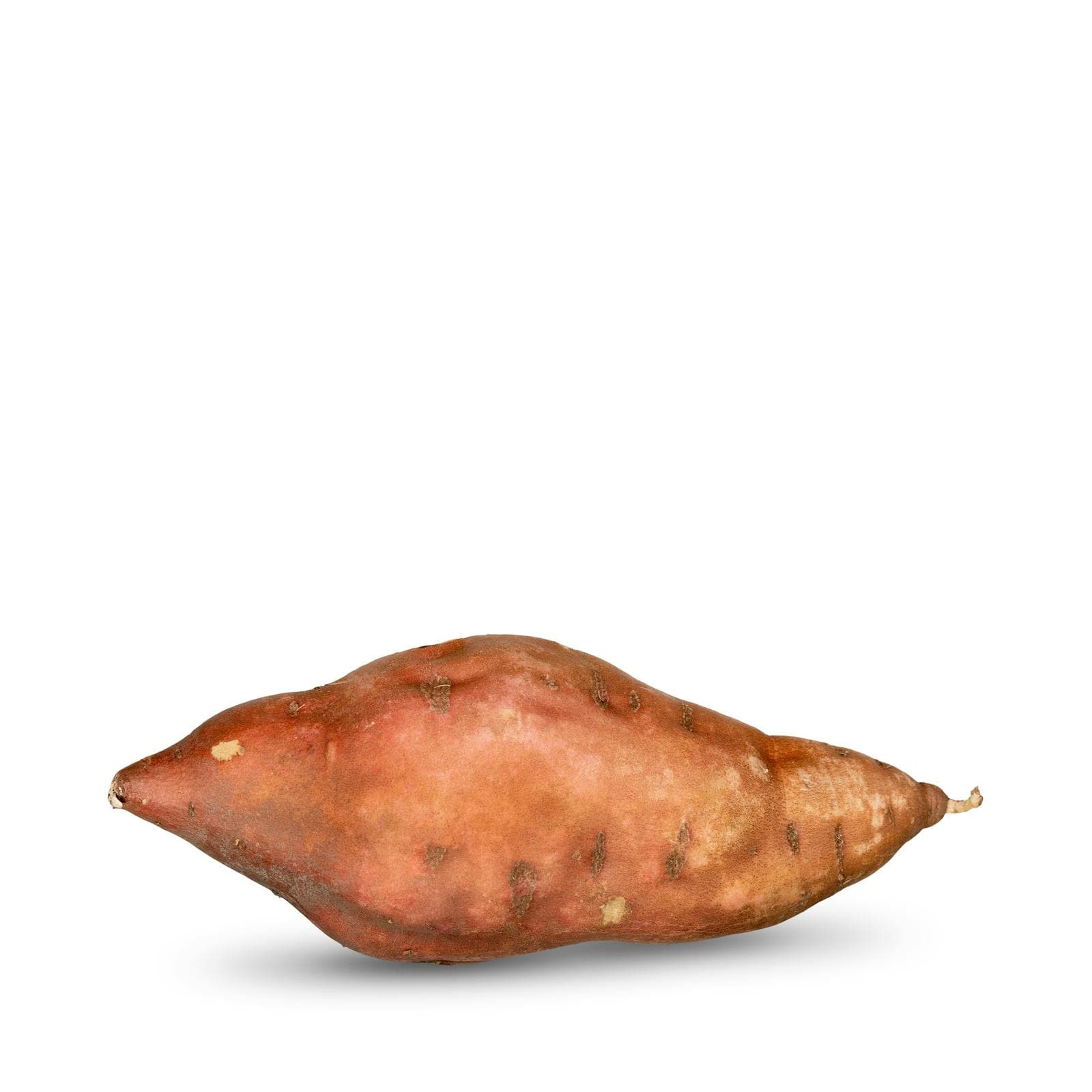 €1.24
€1.24Sweet Potato
370 g · Mercadona
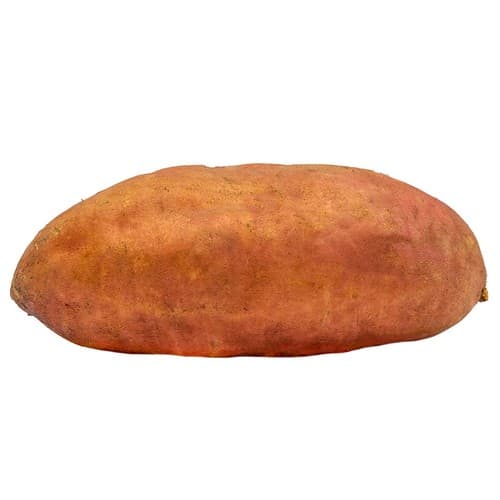 €1.01
€1.01Sweet Potato 1 unit
ud · Bonpreu
 €1.29
€1.29Sweet Potato 1 unit
Bonpreu
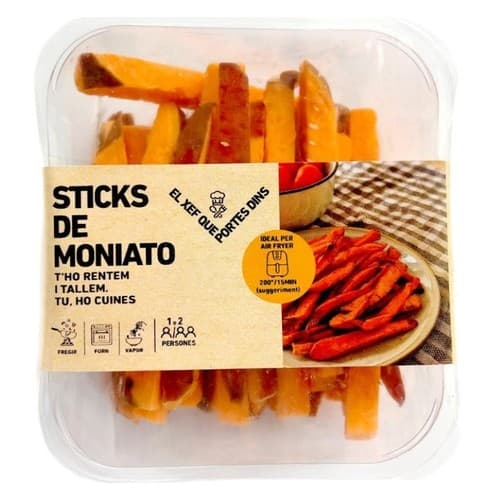 €2.49
€2.49Sweet Potato Sticks
kg · Bonpreu
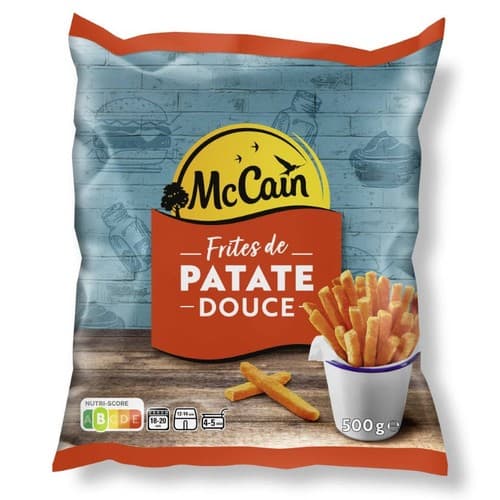 €4.79
€4.79MCCAIN Sweet Potato Fries
MCCAIN · kg · Bonpreu
 €3.39
€3.39Organic Sweet Potato in Tray 700g
kg · Bonpreu
Good to know
- Type
- True sweet potato (Ipomoea batatas); not a yam
- Origin
- Southeast Asia, cultivated in Japan since the 17th century; Satsuma variety named for Satsuma Province (modern Kagoshima)
- Peak Season
- Harvested September–November; properly stored roots keep 1–2 months
- Skin
- Purple to deep burgundy, often with pale patches; entirely edible
- Flesh
- Pale cream to pale yellow; dense, dry, and crumbly when cooked
- Flavor
- Intensely sweet with a distinct chestnut note; higher starch, lower moisture than American varieties
- Common Size
- 15–25 cm long, 6–8 cm diameter
- Storage
- Keep in cool (10–13°C), dark, well-ventilated place; never refrigerate
- Yield
- Approximately 85% edible after washing and trimming
Substitutes
- American Beauregard sweet potato — Moister and softer; adjust cooking time downward as it cooks faster and will turn mushy if overcooked
- Japanese orange-fleshed sweet potato (Beniimo) — Acceptable for roasting and steaming; slightly sweeter and more moist, producing a different texture
- Taro (satoimo) — Not a true substitute—different flavor and texture—but works in savory preparations where sweet potato is used as a starch base
- Parsnip — Similar density and caramelization behavior; lacks the characteristic sweetness; pair with honey or maple syrup to approximate
Pairs with
Also called
Imo · Satsuma-imo · Japanese Sweet Potato
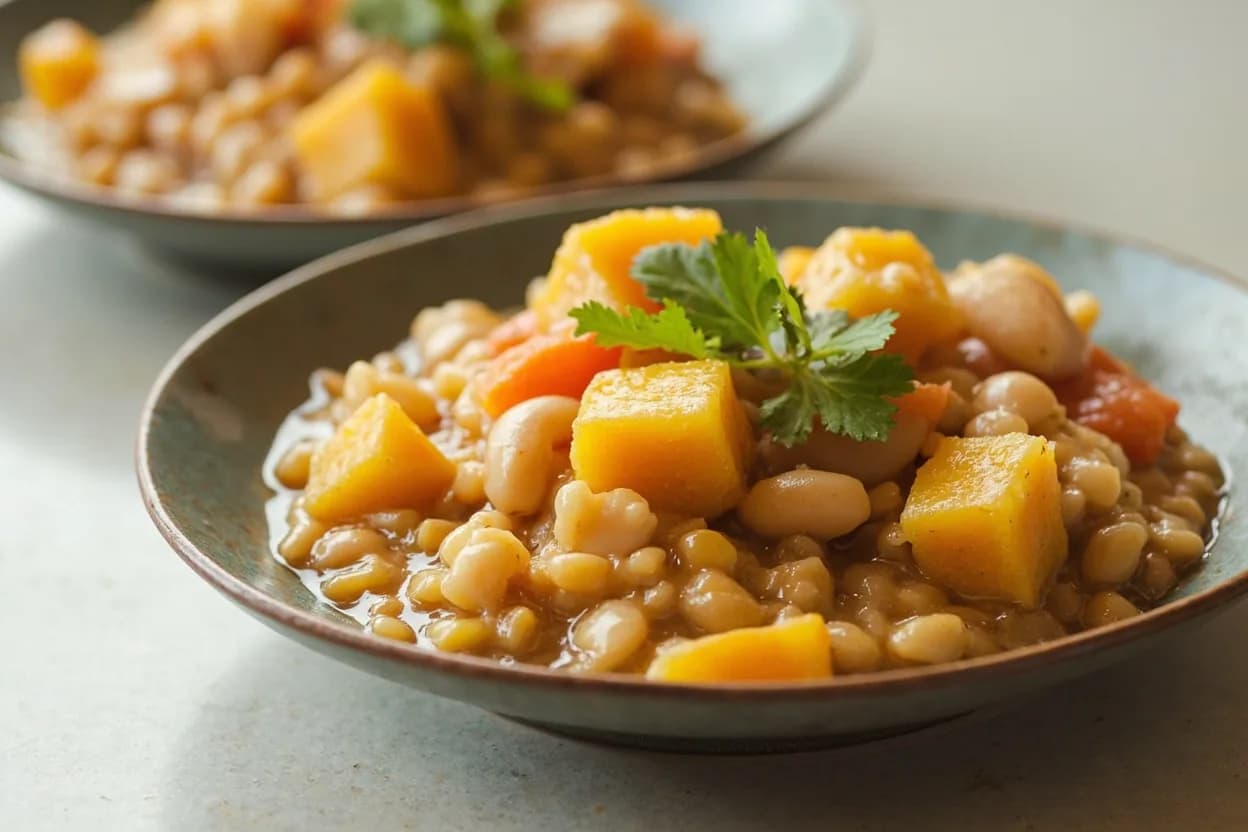
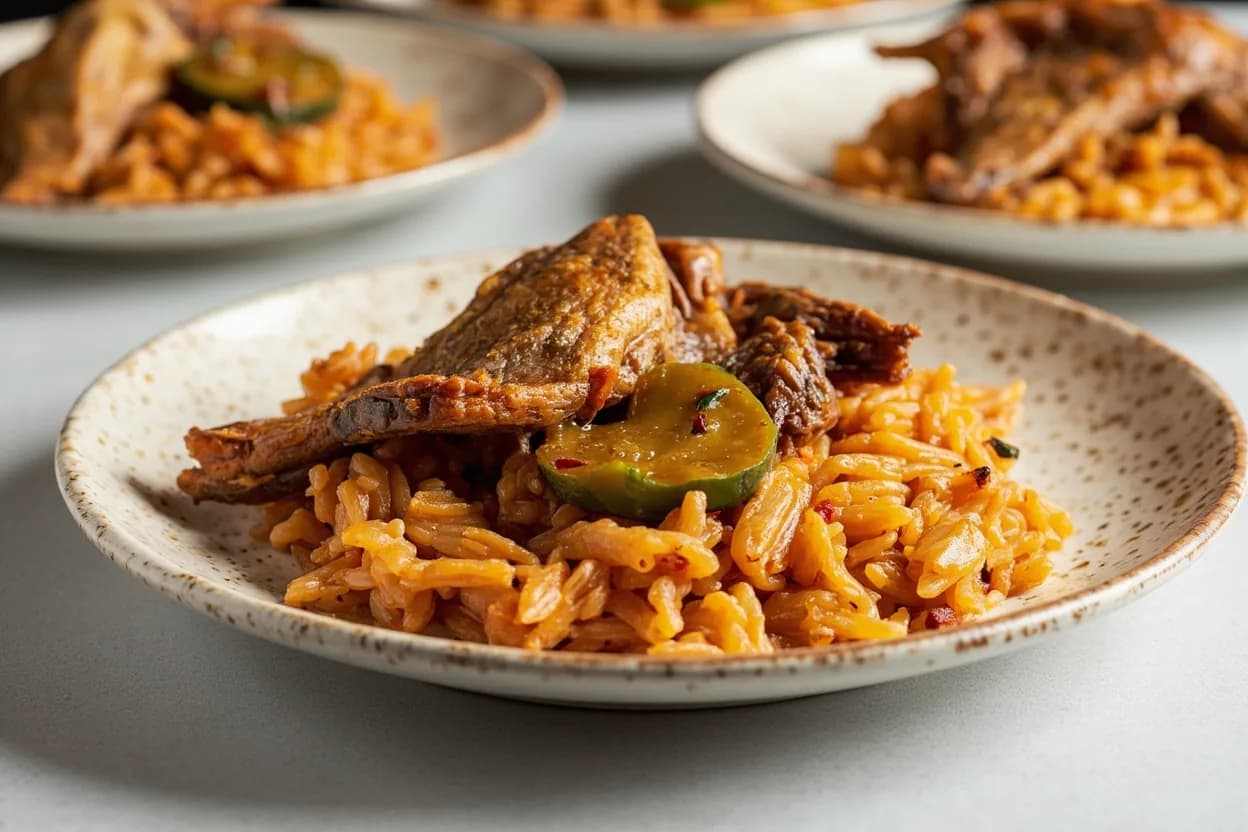
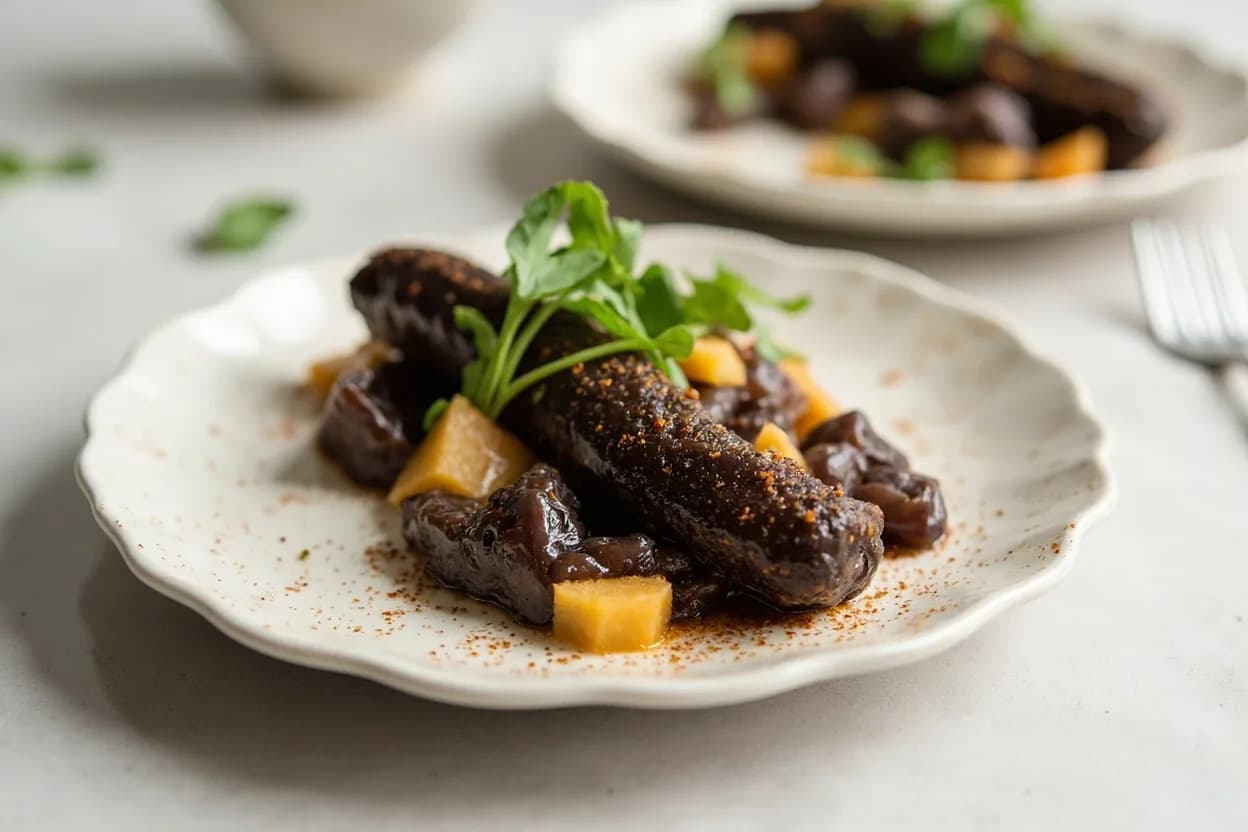
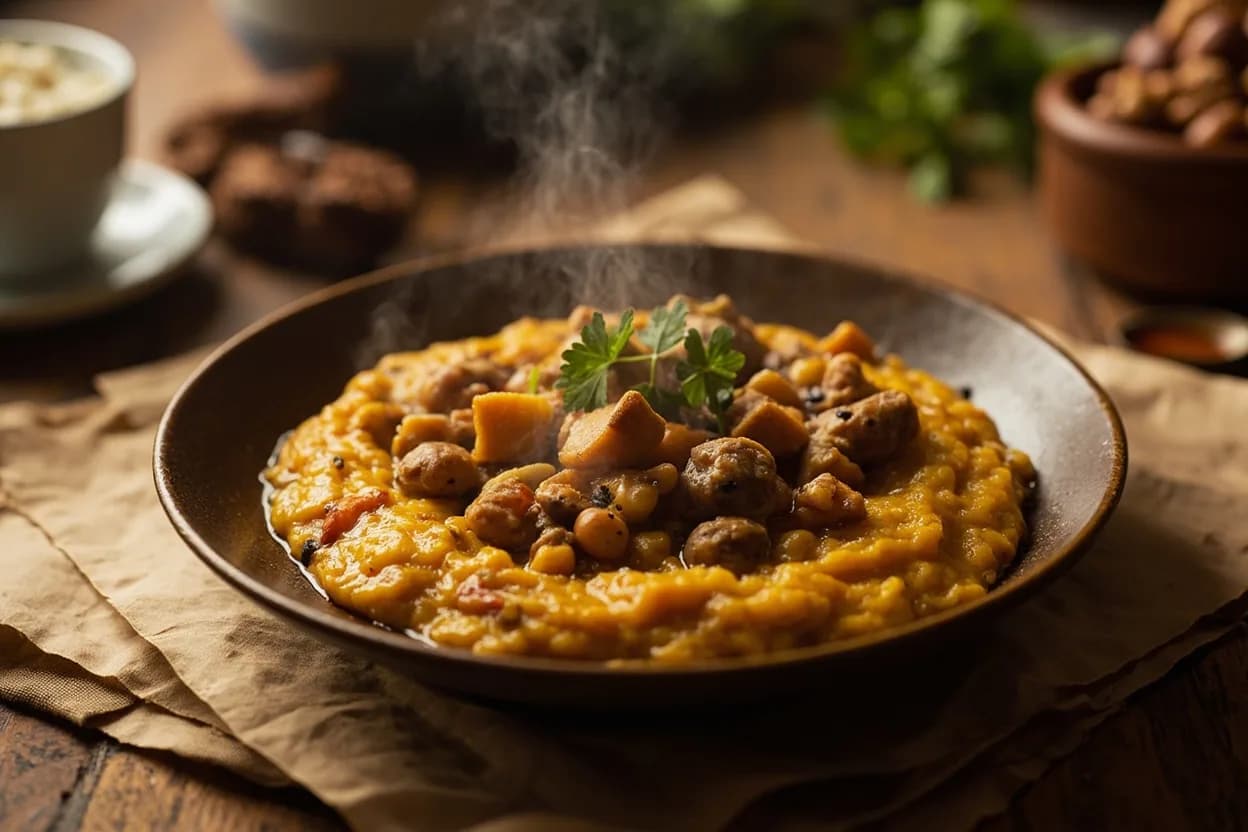
Appears in these dishes
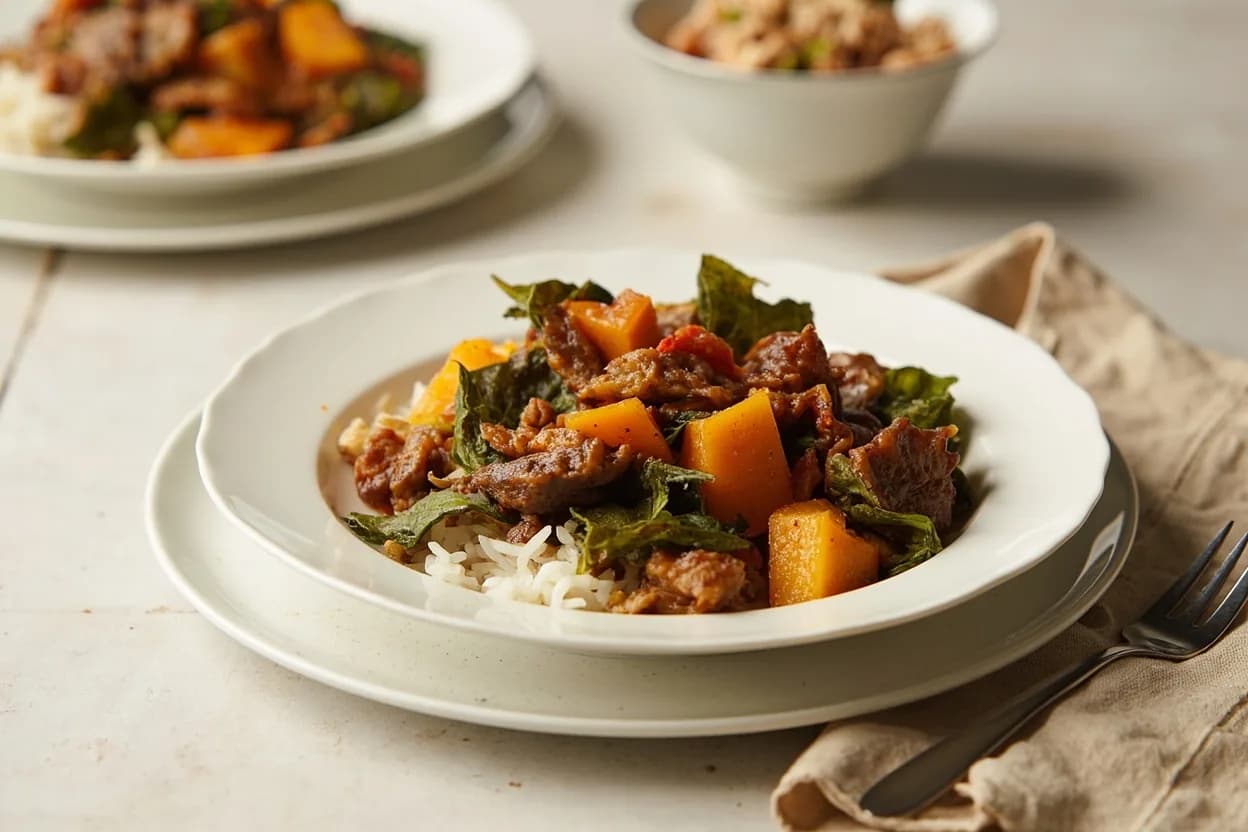
Related
Tomato
Juicy, sun-sweet fruit for sauces, salads, and slow-cooked depth
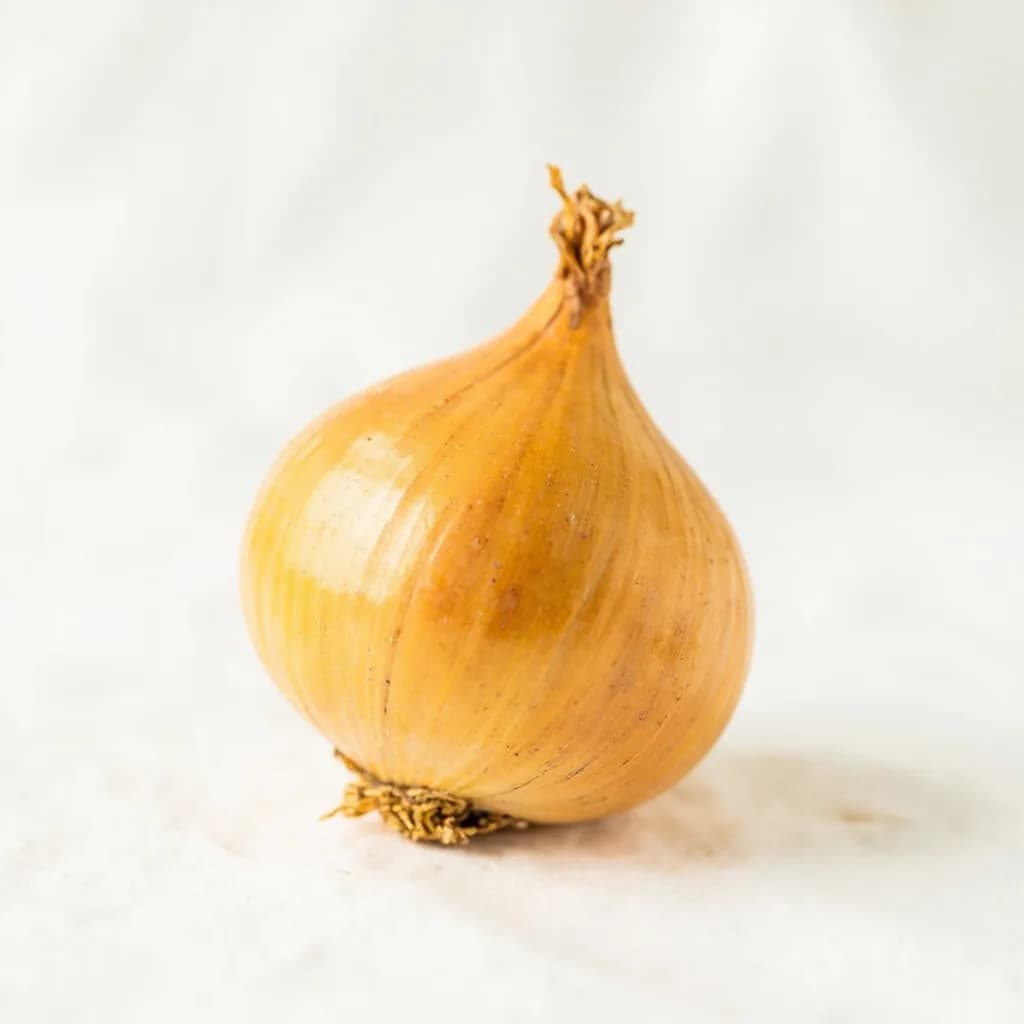
Yellow Onion
The aromatic backbone of soups, sofritos, and braises
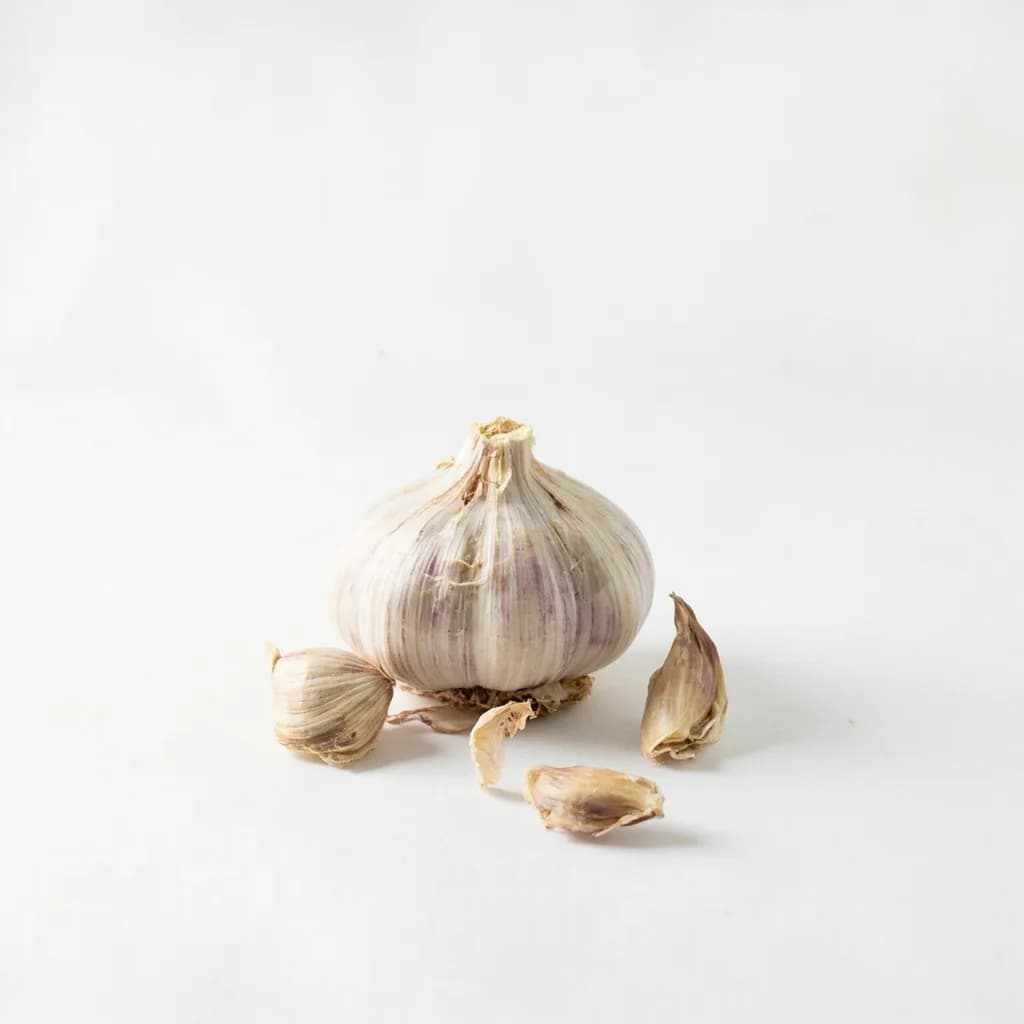
Garlic
Pungent cloves that perfume nearly every savory dish
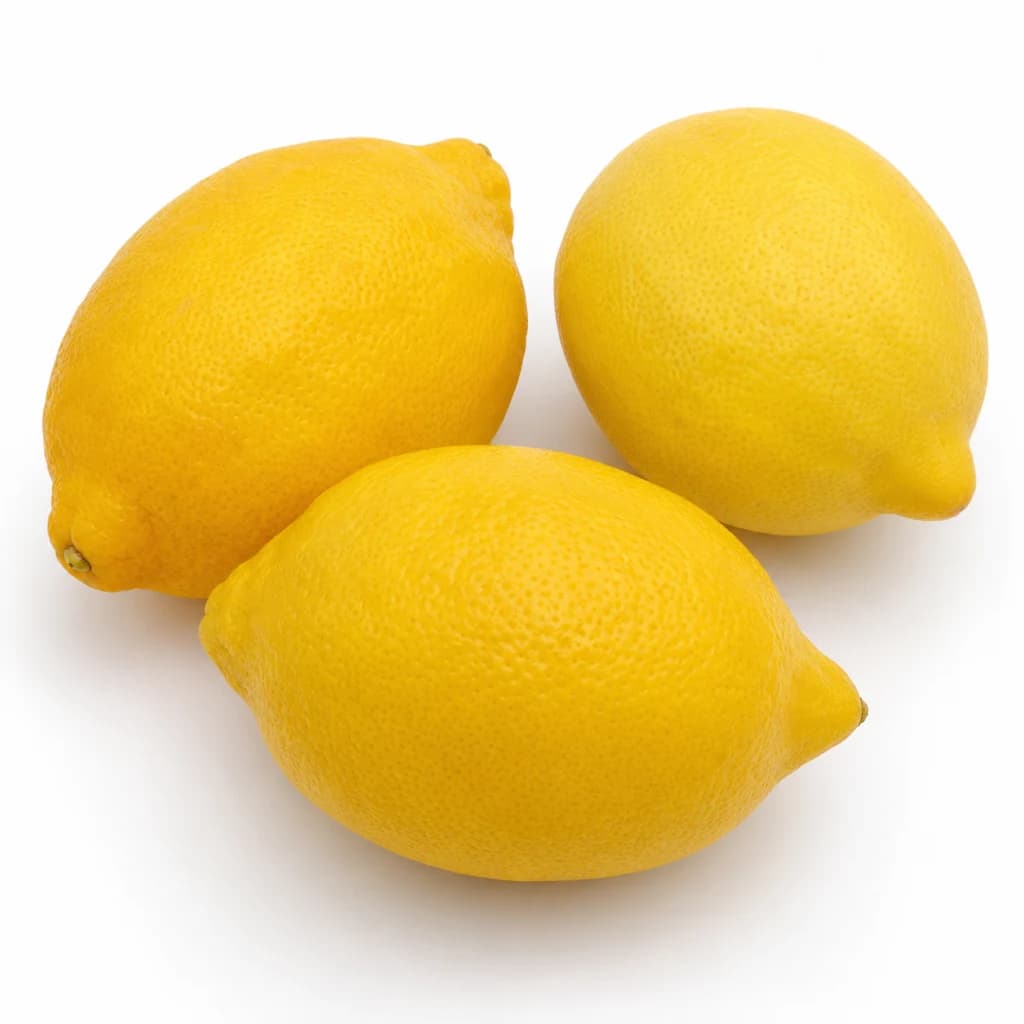
Lemon
Bright, acidic citrus that wakes up almost any dish
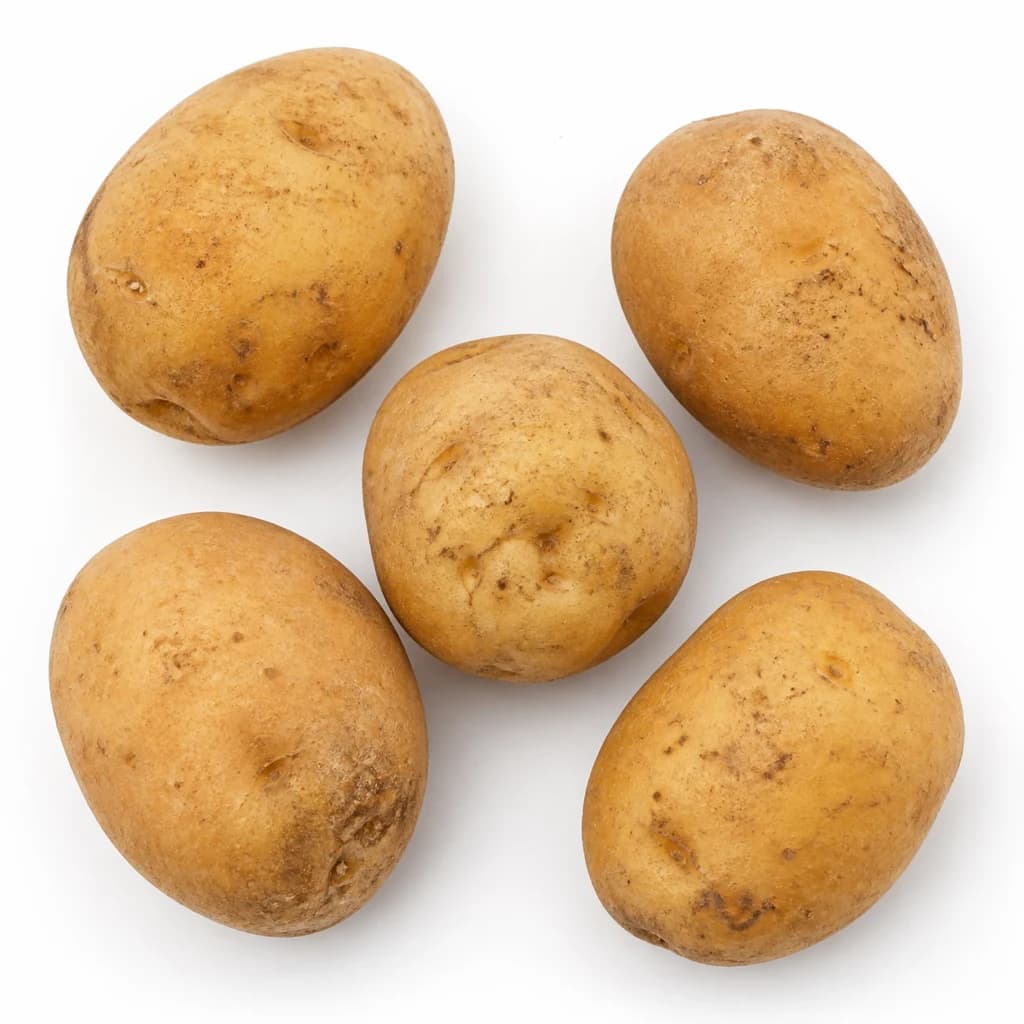
Potato
Humble, hearty staple — roast, mash, fry, or boil
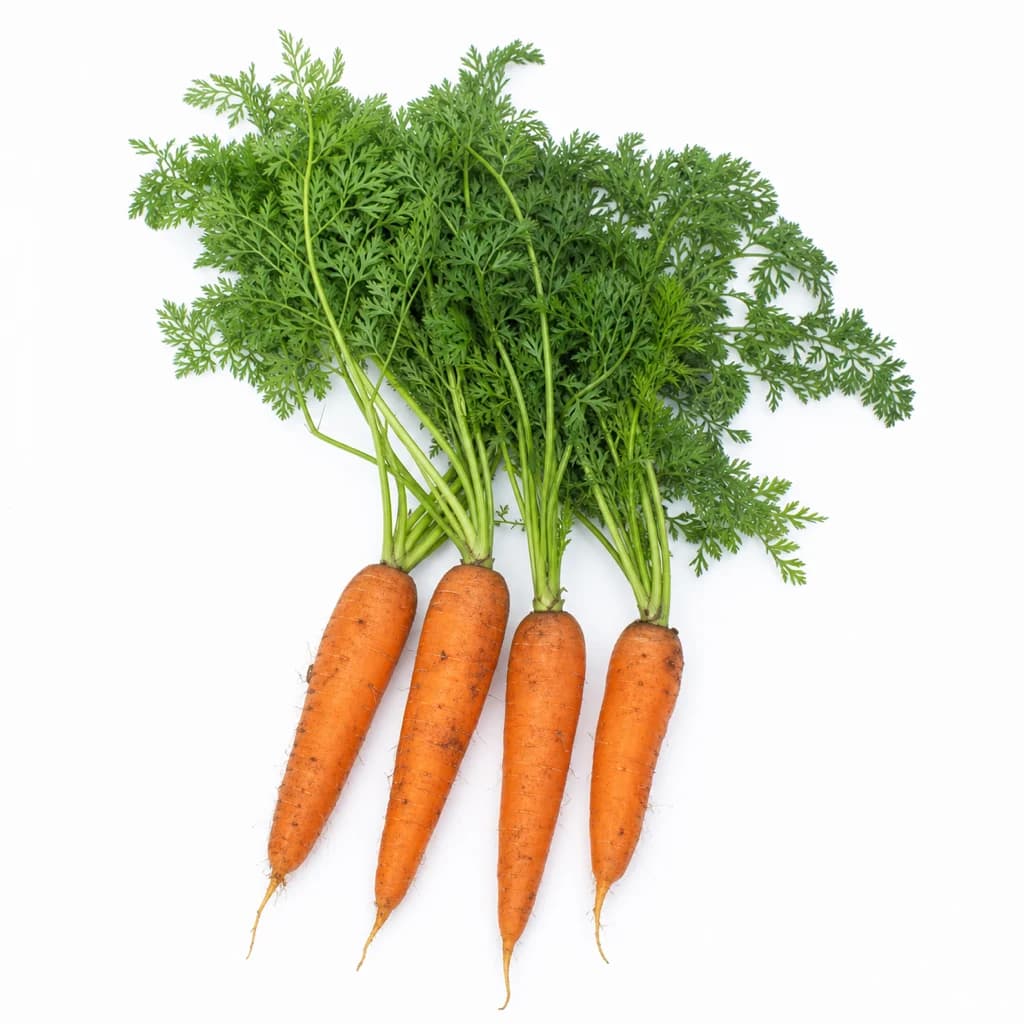
Carrot
Sweet, crunchy root — raw, roasted, or the base of a sofrito
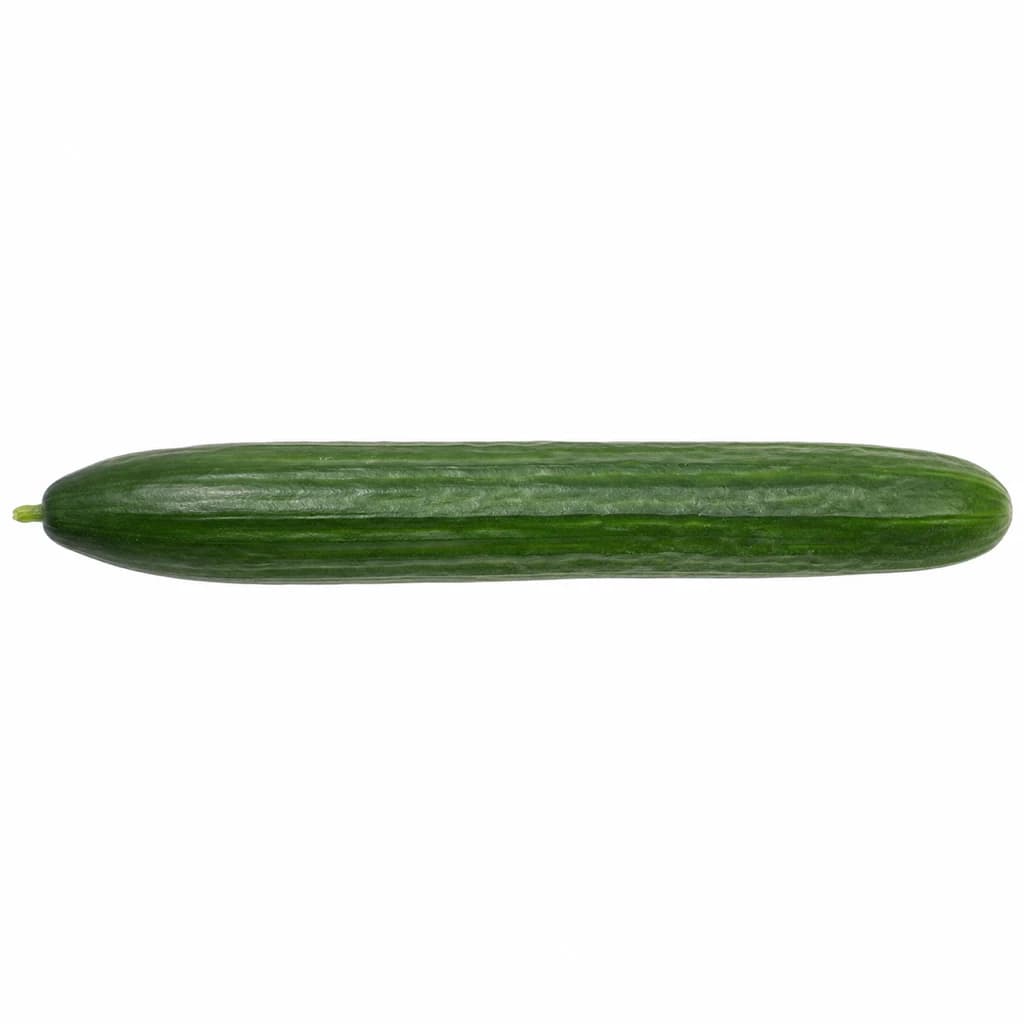
Cucumber
Cool, crisp, and watery — for salads, pickles, and tzatziki

Lettuce
Crisp leaves for salads, wraps, and a fresh crunch