Produce
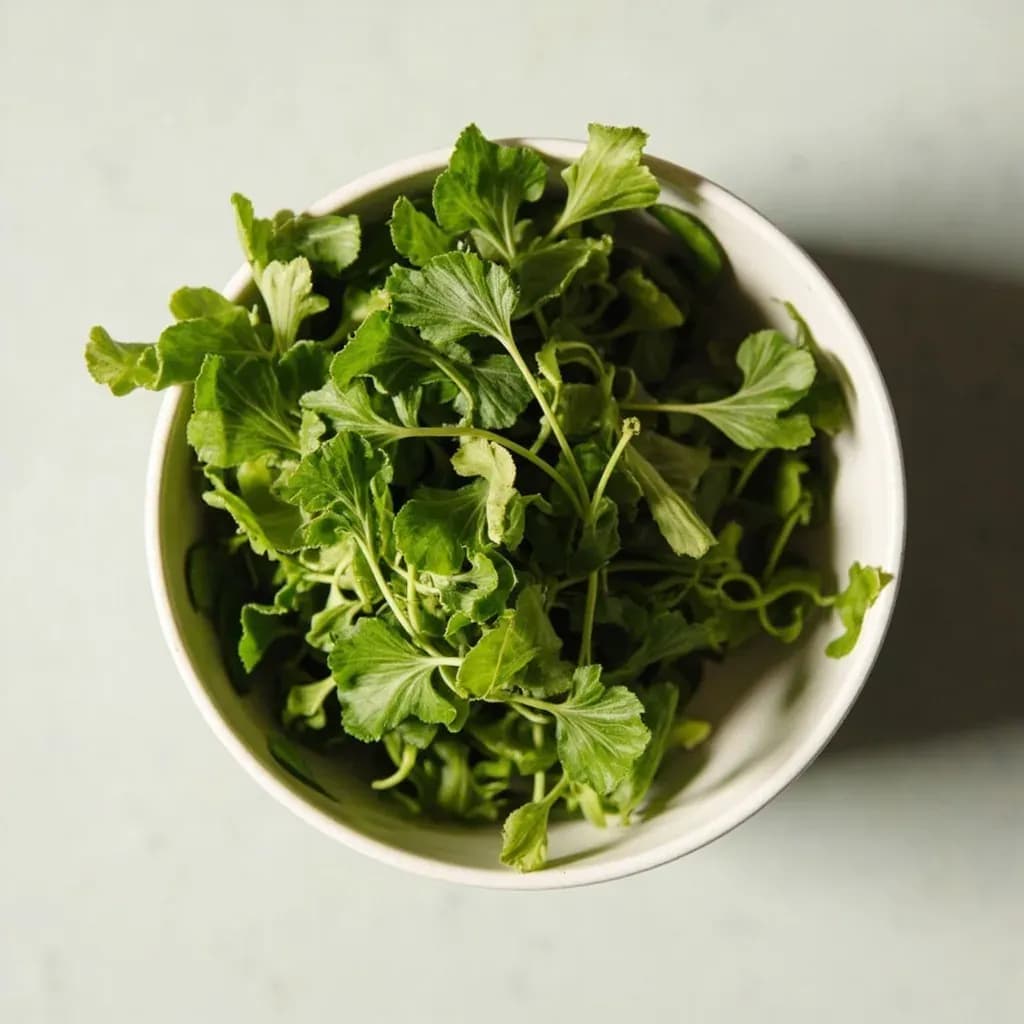
Japanese Knotweed Shoot
Tart spring shoot used like rhubarb in pies, compotes, and chutneys.
Japanese knotweed shoots are the young, tender stems of an invasive plant, harvested in early spring before they toughen. They have a tart, lemony flavor reminiscent of rhubarb and are stewed into compotes, baked into pies, or cooked into chutneys and soups. Only the young shoots are eaten, and they are always cooked to soften their fibrous texture.
Japanese knotweed is a perennial spring shoot prized by foragers for its bright, assertively tart flavor and crisp, juicy texture that closely mirrors rhubarb. The edible stalks emerge from the ground in early spring, growing rapidly from crown to table in just a few weeks—hence the urgency that foragers feel when hunting this seasonal ingredient. The plant produces hollow, bamboo-like shoots with prominent nodes; the lower portions display characteristic pinkish-red coloration at the base, transitioning to green as the stalk rises. Raw shoots are crisp and juicy with a pleasantly astringent bite and subtle herbal undertones; cooking transforms them into a tender, almost melting consistency with an intensified tartness that demands sweetening. This is not a delicate vegetable—it is assertive, bold, and unapologetically sour, which is precisely what makes it useful across a wide range of preparations from rustic pies to refined compotes. Beyond its culinary merit, cooking with knotweed carries an environmental upside: the plant is one of the world's most aggressive invasives, capable of growing 10 feet in a single season and damaging infrastructure with its relentless root system. Harvesting it is a genuine service to local ecosystems, which gives every pie or chutney a small ethical glow. Historically, knotweed earned its place as an emergency food during World War II in Britain, when rationing drove people to harvest it as a substitute for scarce fruits; it has since graduated from survival food to seasonal delicacy embraced by chefs and home cooks alike. The window is short—shoots become fibrous and bitter once they exceed two feet or begin branching—so timing and selection in the field matter critically.
- Measured in
- g
- Storage
- Fridge
Types & varieties
The primary culinary species; bright red nodes and largely hollow interior; the most reliable choice for foraging.
Larger stalks with distinctly heart-shaped leaves; similarly edible but less commonly harvested.
Hybrid of Japanese and Giant knotweed; increasingly prevalent across North America and Europe; fully usable in cooking.
Foraging and Positive Identification
Correct identification is non-negotiable before harvesting any wild plant, and knotweed is no exception. Mistaking it for a toxic look-alike can cause serious illness. The diagnostic features are specific and consistent: the stem grows in a distinctive zigzag pattern, breaking cleanly when bent; it is hollow inside (a cross-section confirms this); and the nodes resemble bamboo, with a membranous sheath at each joint. The leaves are broadly oval to triangular with a pointed tip, arranged alternately on the stem. Knotweed emerges very early in spring—often before many other plants leaf out—which can aid identification. Be absolutely certain before you cut. If you are new to foraging, go with an experienced guide for your first harvest, or focus on plants growing in your own garden if you've confirmed they are knotweed. Never harvest from areas adjacent to highways, industrial sites, or anywhere herbicides may have been applied.
- Look for the zigzag stem growth and hollow interior
- Confirm bamboo-like nodes with membranous sheaths at each joint
- Harvest early in spring when little else is growing—this helps identification
- Avoid roadsides, industrial sites, and areas with potential herbicide exposure
Working with Oxalic Acid
Knotweed contains oxalic acid, a naturally occurring compound also found in rhubarb leaves, spinach, and cocoa. In normal culinary quantities, the levels in knotweed stalks are not a concern for most people. However, the leaves contain significantly higher concentrations and are never eaten—always strip and discard them before cooking. Individuals with kidney stones, gout, or kidney disease should consume knotweed in moderation and consult their healthcare provider. The oxalic acid is what gives the vegetable its sharp, almost metallic tartness and contributes to the pleasant astringency that makes it so useful for cutting through sweet or fatty dishes. Cooking does not eliminate oxalic acid but does reduce it somewhat; blanching mature stalks for 2 minutes before using further tempers the intensity.
- Leaves are not eaten—strip and discard all foliage before processing
- Mature stalks contain more oxalic acid than young ones; harvest early
- Blanching reduces but does not eliminate oxalic acid
- Consume in normal culinary amounts; those with oxalate-sensitive conditions should moderate intake
Common uses
Tips & pitfalls
- Harvest early in the season when shoots are under 2 feet; older stalks become fibrous and unpleasantly bitter
- Cut at the base with a sharp knife and twist gently to snap cleanly—the stalk should break with an audible snap
- Strip off and discard all leaves before any further processing; they carry concentrated oxalic acid and are mildly toxic
- Peel the outer skin from lower portions only if the stalk feels fibrous when you try to snap it
- Test maturity by snapping near the base: a clean break with a crisp snap means it's ready; if it bends, it's too mature
- Wear gloves during harvest if you have sensitive skin—the sap can cause irritation in some individuals
- Snap-test for freshness: a good stalk breaks cleanly and shows a hollow cross-section; a woody or stringy interior indicates overmature material
- Parboil very mature stalks for 2 minutes to soften before using in recipes; younger shoots cook through without this step
- Balance tartness generously—knotweed needs more sugar or sweet fruit than rhubarb to reach equilibrium
- The pinker the base of the shoot, the more concentrated the flavor; red stalks lend vivid color and sharp flavor to compotes and sauces
Nutrition
Energy
46 kJ · per 100 g
Where the calories come from
Protein
0.9g
2% DV
Carbs
2.3g
1% DV
Fat
0.1g
0% DV
Sodium
1mg
0% DV
Source · USDA FoodData Central · approx. Taro shoots, raw
View on FDC →In the shops
Matched grocery products
No matched grocery products for Japanese Knotweed Shoot yet.
Good to know
- Botanical name
- Reynoutria japonica (formerly Fallopia japonica)
- Origin
- Native to East Asia (Japan, Korea, northern China)
- Season
- Early spring, April through June; harvest when 6–24 inches tall
- Flavor
- Brightly tart, slightly astringent, with subtle herbal notes; stronger acidity than rhubarb
- Texture
- Crisp and juicy raw; soft and tender when cooked
- Physical form
- Hollow, bamboo-like stalks with prominent nodes; pinkish-red base transitioning to green
- Storage
- Refrigerate unwashed in plastic wrap up to 5 days; freeze blanched shoots up to 6 months
- Key compound
- Contains oxalic acid; leaves carry concentrated levels and are not eaten
Substitutes
- Rhubarb — Closest flavor and culinary match; use at a 1:1 ratio; may require slightly less sugar since rhubarb is marginally less tart
- Tart green apples — Work well in compotes and sauces; add earlier in cooking to allow time to break down completely
- Grated fresh horseradish — For savory applications where acidity is needed; completely different flavor profile but provides comparable punch
- Green gooseberries — Similar tartness for jams and pies; cook down with comparable texture
Pairs with
Also called
Knotweed Shoot
Related
Tomato
Juicy, sun-sweet fruit for sauces, salads, and slow-cooked depth
Yellow Onion
The aromatic backbone of soups, sofritos, and braises
Garlic
Pungent cloves that perfume nearly every savory dish
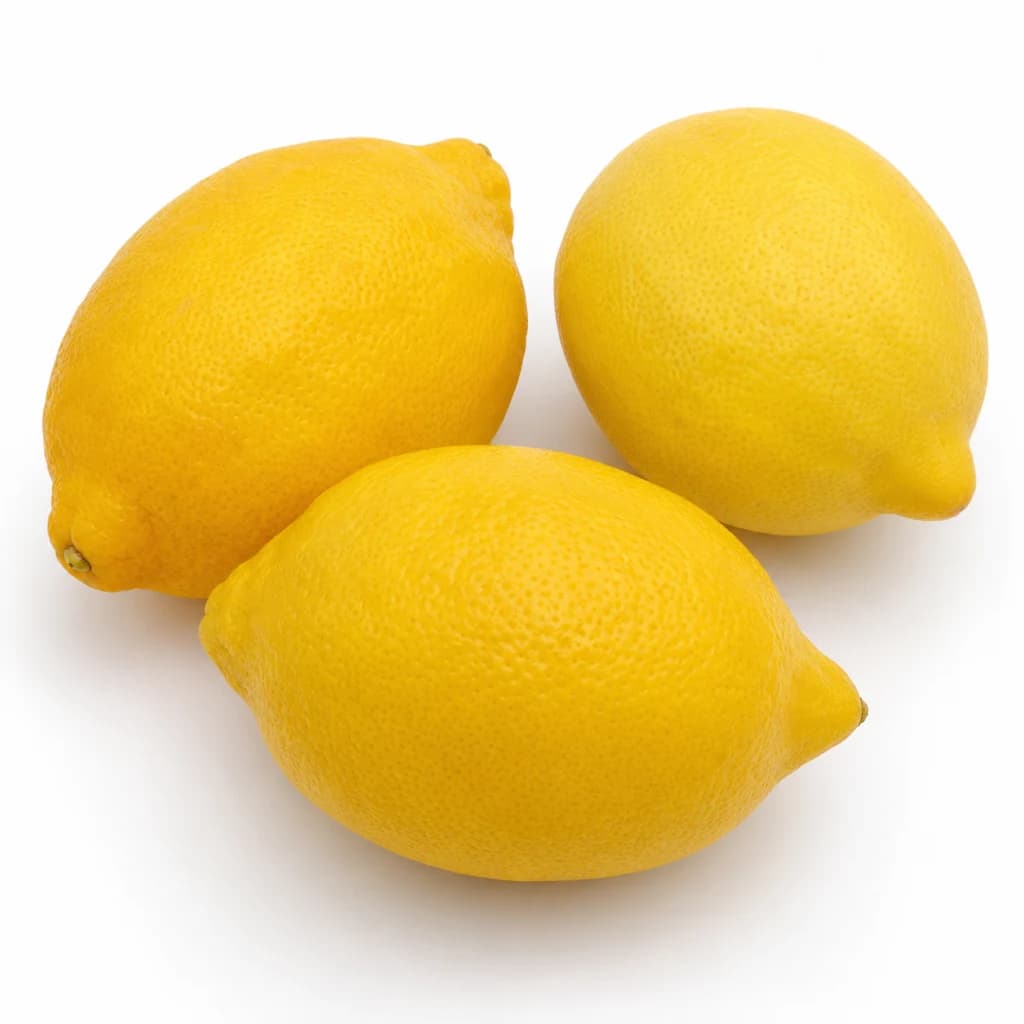
Lemon
Bright, acidic citrus that wakes up almost any dish
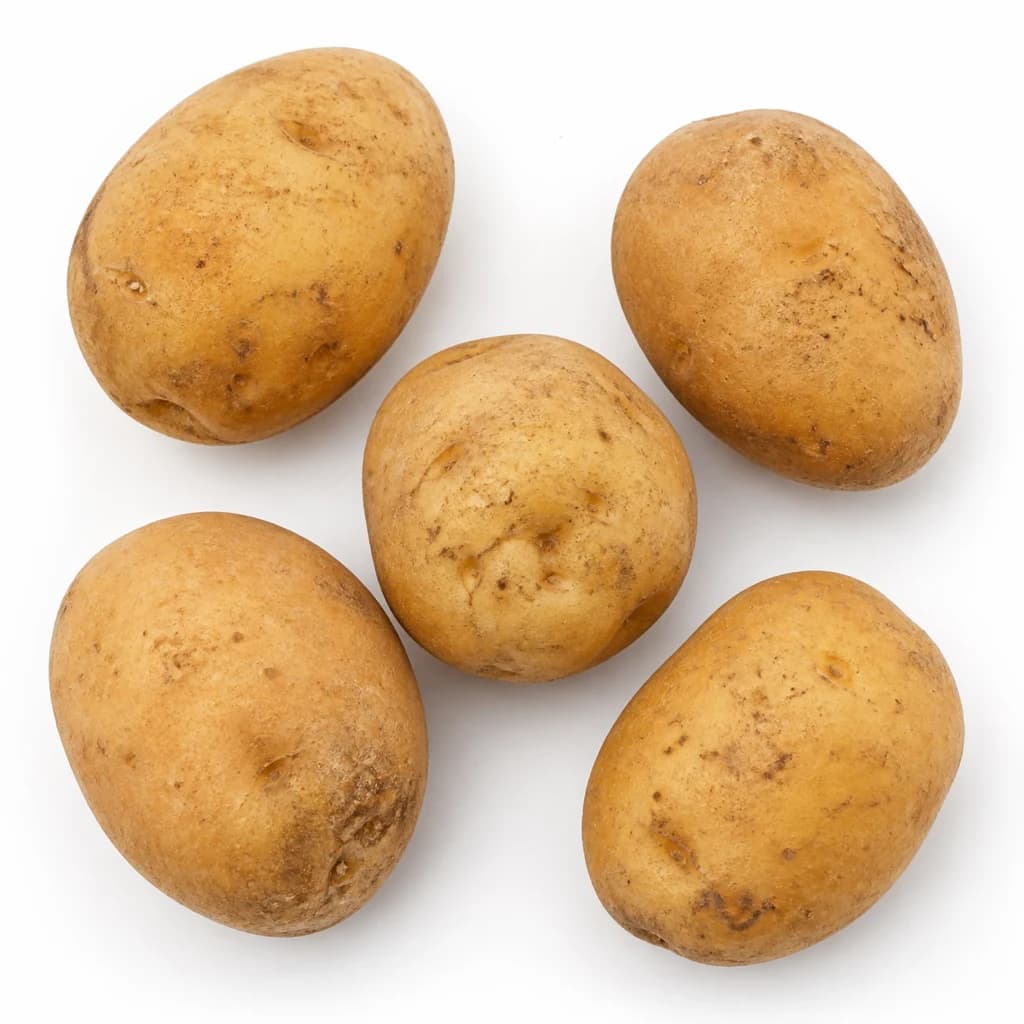
Potato
Humble, hearty staple — roast, mash, fry, or boil
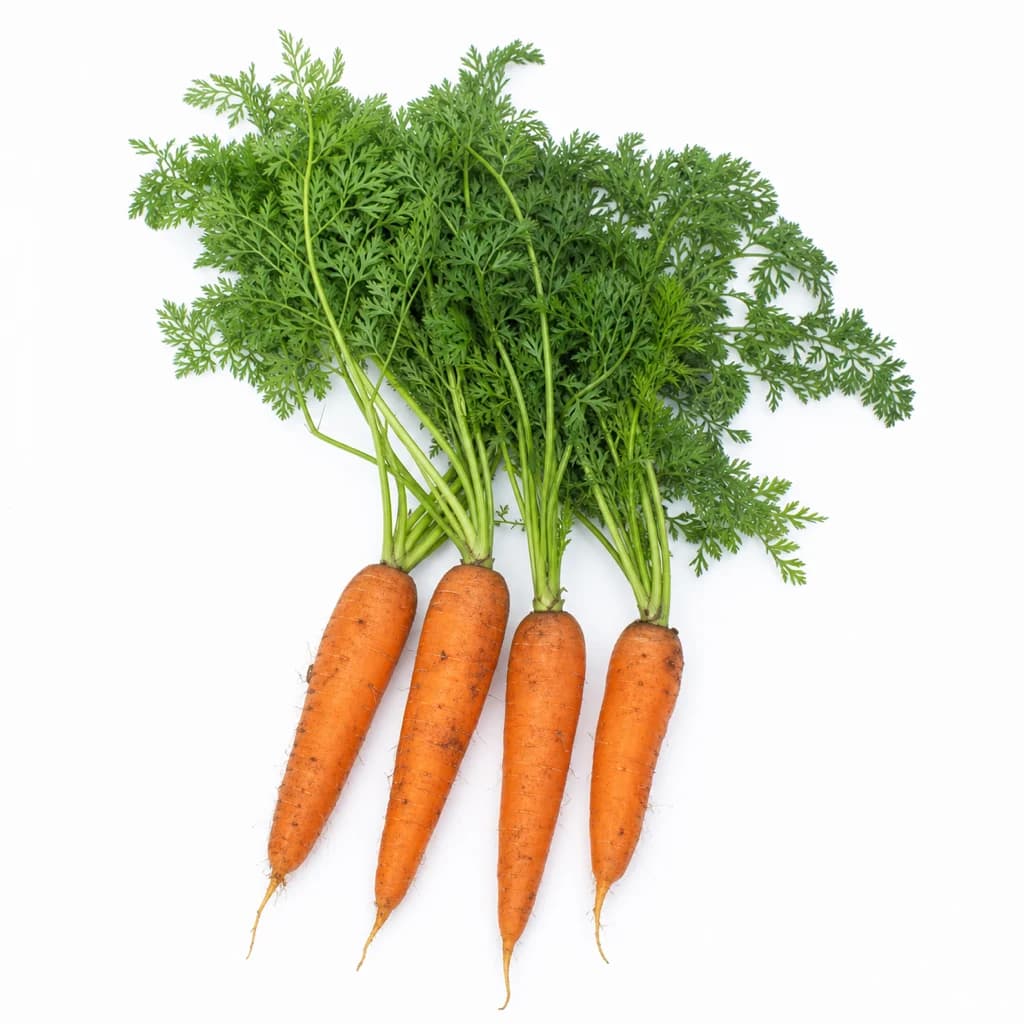
Carrot
Sweet, crunchy root — raw, roasted, or the base of a sofrito
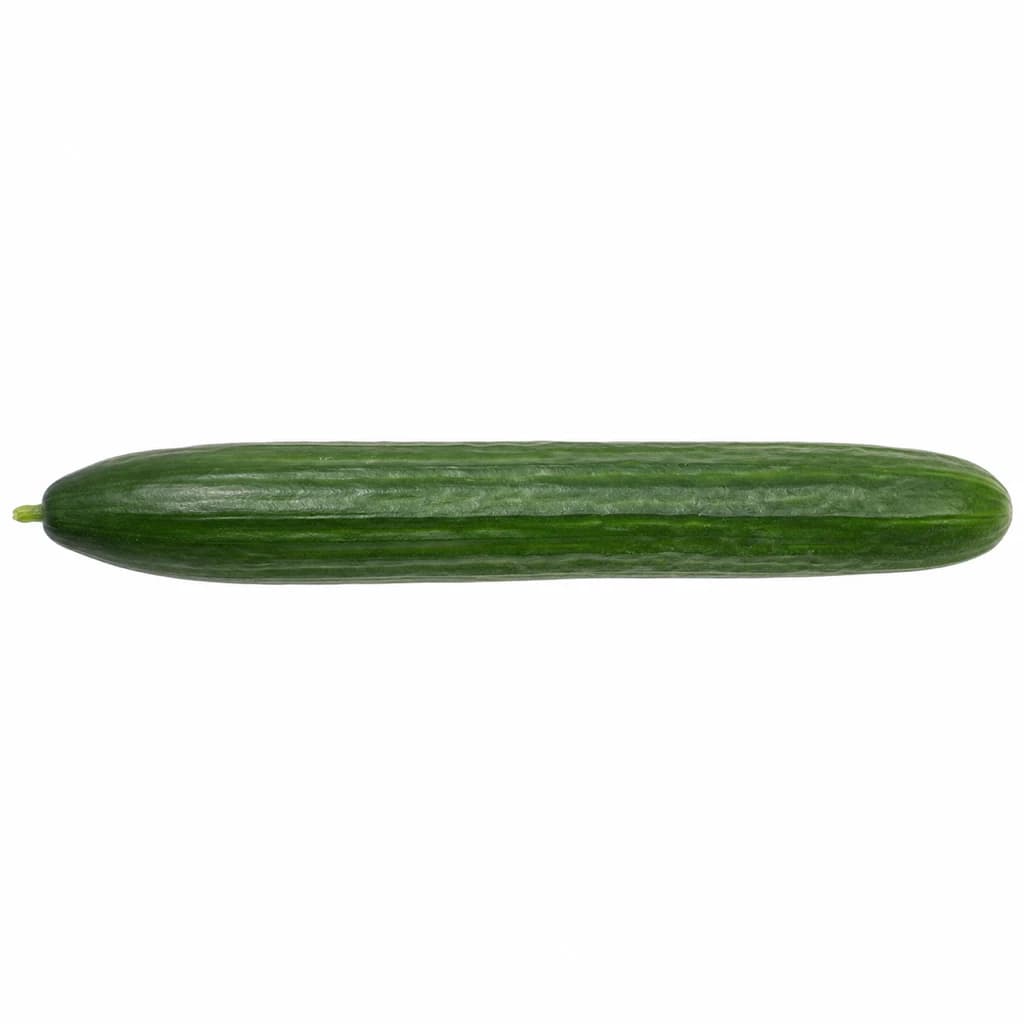
Cucumber
Cool, crisp, and watery — for salads, pickles, and tzatziki

Lettuce
Crisp leaves for salads, wraps, and a fresh crunch