Produce
June Plum
Tart-sweet tropical fruit eaten green with salt or juiced when ripe.
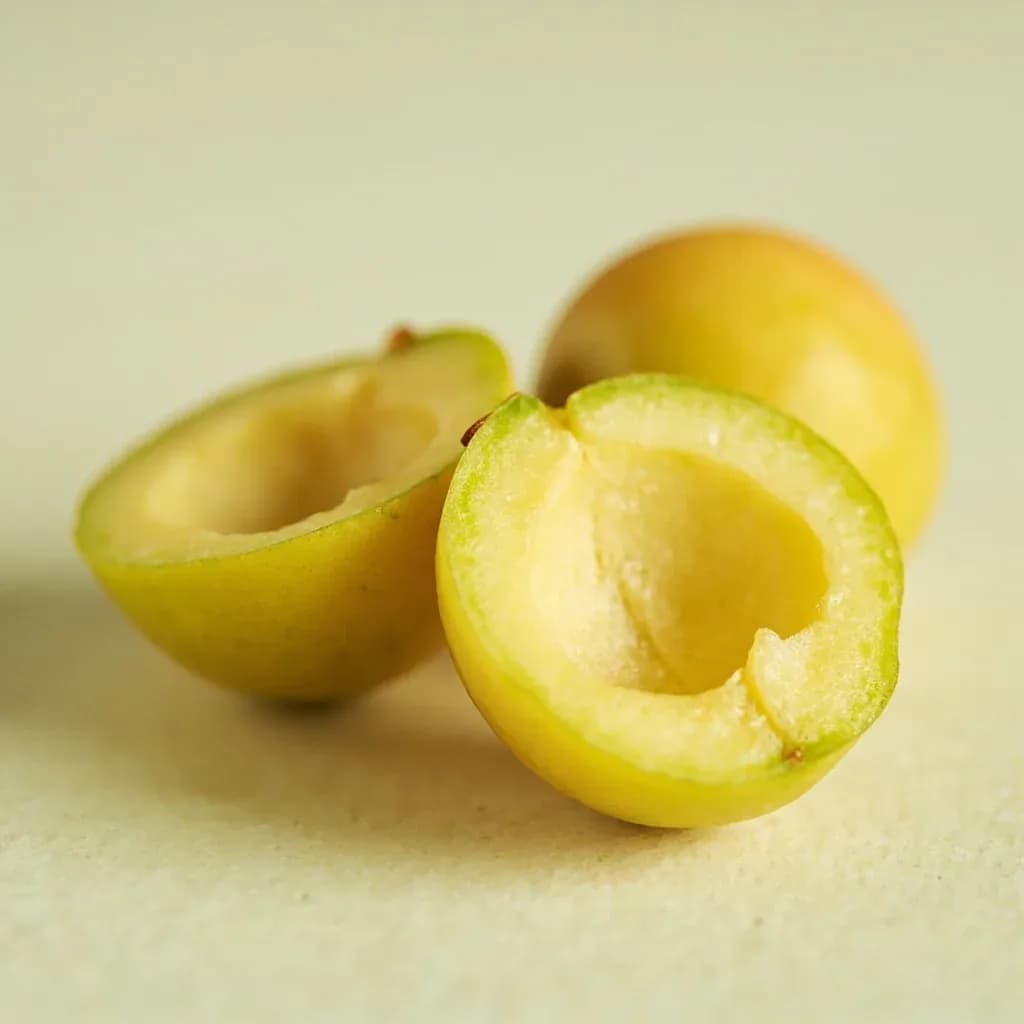
June plum, known as pommecythere or ambarella, is a tropical fruit with crisp, golden flesh and a spiky central pit. Green and firm it is eaten with salt and pepper or pickled, while ripe it turns soft and is blended into refreshing juices and stewed into preserves. It has a bright pineapple-mango tartness popular across the Caribbean and Southeast Asia.
June Plum (Spondias dulcis) is a tropical fruit of the Anacardiaceae family—kin to mango and cashew—that grows on hardy, prolific trees throughout the Caribbean, Central America, Southeast Asia, and the Pacific Islands. The fruit is celebrated for its dual personality: harvested green, it offers a firm, snappy crunch and bright tartness that stands up to bold seasoning, while fully ripe it transforms into a sweet-tart fruit with pineapple-mango notes and softer flesh. Polynesian in origin, the tree traveled with voyagers across the Pacific and became entrenched in Caribbean kitchens during the colonial era, where it earned dozens of regional names including Ambarella, Pomme Cythère, Golden Apple, Otaheite Apple, and Jew Plum.
The fruit measures 4–10 cm in diameter and is round to oval with subtle ribbing or ridging. Unripe, it is bright lime green with flesh that scores around pH 2.5–3.0—highly acidic, which makes it excellent for pickling and long simmers without turning mushy. The large central pit is woody and covered in spiny projections; it accounts for roughly 30–40% of the fruit's weight and is difficult to remove cleanly, which limits commercial processing but poses no obstacle to home cooks who work around it. Ripe fruit turns yellow to golden orange, may develop brown speckles, and keeps 2–3 days refrigerated. Unripe fruit can be stored at room temperature for up to a week, or refrigerated to extend its shelf life. The tree produces abundantly and the fruit remains widely available and inexpensive in tropical markets, making it a pantry staple rather than a luxury.
In the kitchen, June Plum's high acidity is an asset: it holds texture through cooking, balances rich proteins, and integrates well with sugar for preserves. The unripe fruit's crunch makes it ideal for quick-pickling and fresh applications; the ripe fruit's sweetness suits juices, jams, and infusions. Whether eaten on a Caribbean street corner with salt and pepper or transformed into a Trinidadian chutney, June Plum demonstrates how tropical ingredients achieve complexity through contrast—tart against sweet, crunch against softness, bold seasoning against the fruit's bright acidity.
- Measured in
- piece
- Storage
- Fridge
Types & varieties
Standard type found throughout Caribbean; green-eating cultivar with tart, firm flesh
Ripe-fruiting variant with more pronounced golden color; slightly sweeter when ripe
Shorter trees grown in home gardens; fruit similar to standard type
Regional Names
June Plum travels well across languages and cuisines, collecting names that reflect its journey through tropical markets worldwide. In the Anglophone Caribbean it is called Golden Apple (Barbados, St. Lucia) or June Plum (Trinidad and Tobago, Jamaica). The French Antilles know it as Pomme Cythère. In South Asia and Sri Lanka it is Ambarella; in the Pacific Islands, Otaheite Apple or Jew Plum. Despite the name variation, the fruit and its culinary uses remain consistent across regions—a testament to how thoroughly it has naturalized in tropical food cultures.
- Golden Apple — Barbados, St. Lucia, Jamaica
- Ambarella — Sri Lanka, India, Southeast Asia
- Pomme Cythère — Guadeloupe, Martinique, French West Indies
- Otaheite Apple / Jew Plum — Pacific Islands, historical English colonial name
Working with the Pit
The large, spiny pit is June Plum's most significant handling challenge. It is woody, irregularly shaped, and covered in projections that can irritate skin and mouth. Removing it cleanly requires patience and the right approach.
- Cut the fruit around the equator or halve lengthwise to expose the pit cavity
- Use a sharp paring knife to score flesh around the pit, then pry it out carefully
- Wear kitchen gloves when working by hand—the spines can cause skin irritation
- For juice, blend flesh thoroughly and strain through a fine-mesh sieve to remove all fibrous particles from the seed cavity
- Never attempt to eat the pit raw—the woody texture and spines pose injury risk
Common uses
Tips & pitfalls
- Select unripe fruit that is bright lime green and firm with no soft spots; slight yellowing signals ripening has begun
- To ripen, leave at room temperature for 2–4 days until skin turns yellow-gold and flesh gives slightly when pressed
- Never refrigerate unripe fruit—cold halts ripening and can cause off-flavors in the flesh
- Use only stainless steel, enamel, or glass cookware—June Plum's high acidity will react with aluminum, copper, and unlined cast iron
- When making pickles, use pickling salt or kosher salt; table salt contains additives that can cloud brine
- Common mistake: letting unripe fruit soften before eating—it should retain its crunch for the classic green-fruit experience
- Common mistake: attempting to eat the seed or not straining juice thoroughly—woody fragments and spines are unpleasant and potentially harmful
- For the cleanest chutney texture, blanch unripe fruit briefly in boiling water before chopping; this loosens the flesh from the pit more easily
- When candying the fruit, score the skin before simmering in syrup to allow glucose to penetrate the firm flesh evenly
Nutrition
Energy
238 kJ · per 100 g
Where the calories come from
Protein
0.3g
1% DV
Carbs
13.6g
5% DV
Fat
0.2g
0% DV
Fiber
2.4g
9% DV
Sugars
10g
of which
Sodium
2mg
0% DV
Source · USDA FoodData Central · Apples, raw, golden delicious, with skin
View on FDC →In the shops
Matched grocery products
No matched grocery products for June Plum yet.
Good to know
- Scientific Name
- Spondias dulcis
- Family
- Anacardiaceae (same family as mango and cashew)
- Origin
- Polynesia; naturalized throughout Caribbean, Central America, Southeast Asia, and Pacific Islands
- Peak Season
- Summer to early fall in Caribbean; year-round in tropical climates
- Typical Size
- 4–10 cm (1.5–4 inches) in diameter
- Shape
- Round to oval with subtle ribbing or ridging
- Unripe Color
- Bright lime green, firm; crunchy texture
- Ripe Color
- Yellow to golden orange; may develop brown speckles
- Flavor (Unripe)
- Tart, slightly sweet, astringent; crunchy like a firm apple
- Flavor (Ripe)
- Sweet-tart with pineapple-mango notes; softer texture
- Seed
- Large, woody, spiny pit; not edible; difficult to separate from flesh
- Storage (Unripe)
- Room temperature up to 1 week; refrigerate to extend shelf life
- Storage (Ripe)
- Refrigerate and use within 2–3 days
- Yield
- Approximately 60–70% edible flesh by weight
- pH (Unripe)
- 2.5–3.0 (highly acidic)
Substitutes
- Green Mango — Most direct substitute; similar tart crunch when unripe; use 1:1 ratio in recipes; reduce sugar slightly when making preserves since green mango is equally tart
- Unripe Papaya — Comparable texture and acidity for savory applications; milder flavor profile works in pickles and chutneys
- Tamarind Paste — Use as flavor substitute in sauces and chutneys; tamarind is more sour, so reduce added sugar accordingly
- Green Apples with Lemon Juice — Distant substitute for raw eating and salads; lacks tropical character but provides crunch and tartness
Pairs with
Also called
Pommecythere · Ambarella · Golden Apple
Related
Tomato
Juicy, sun-sweet fruit for sauces, salads, and slow-cooked depth
Yellow Onion
The aromatic backbone of soups, sofritos, and braises
Garlic
Pungent cloves that perfume nearly every savory dish
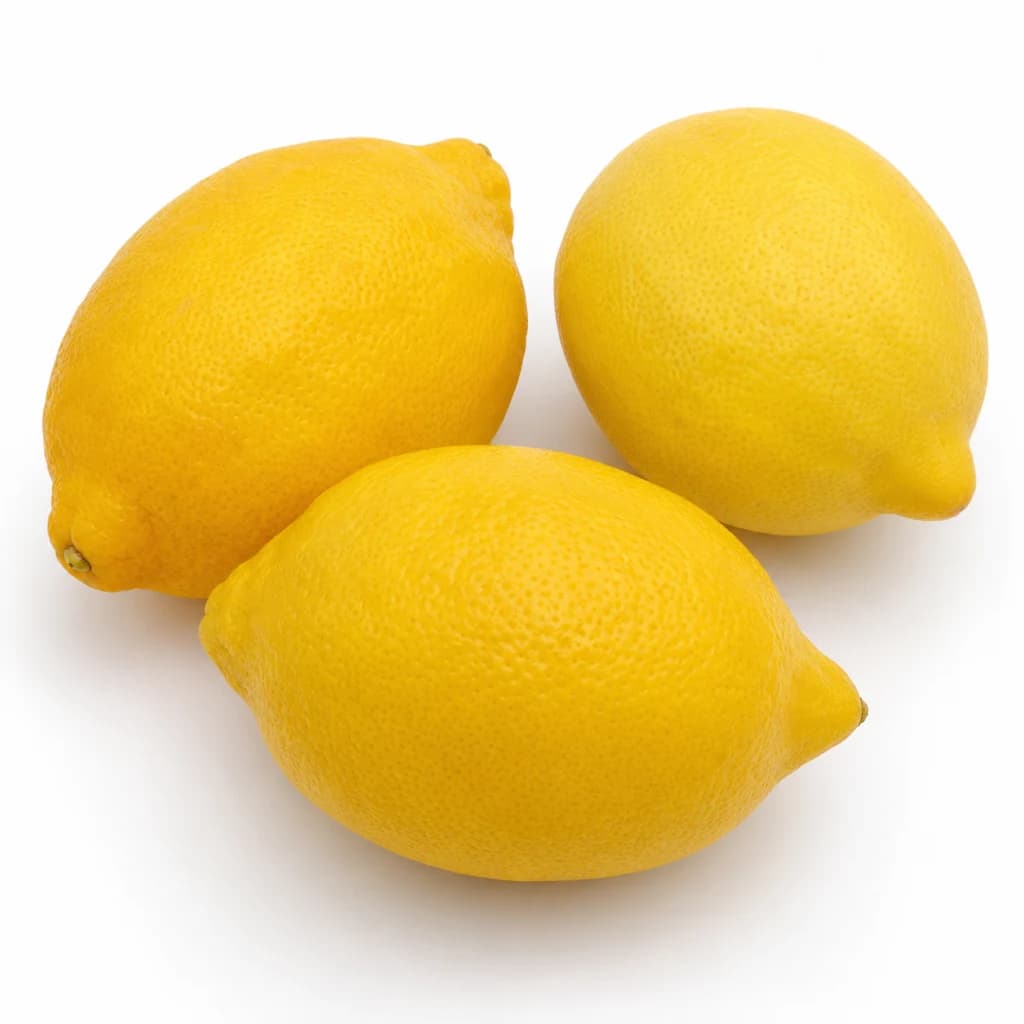
Lemon
Bright, acidic citrus that wakes up almost any dish
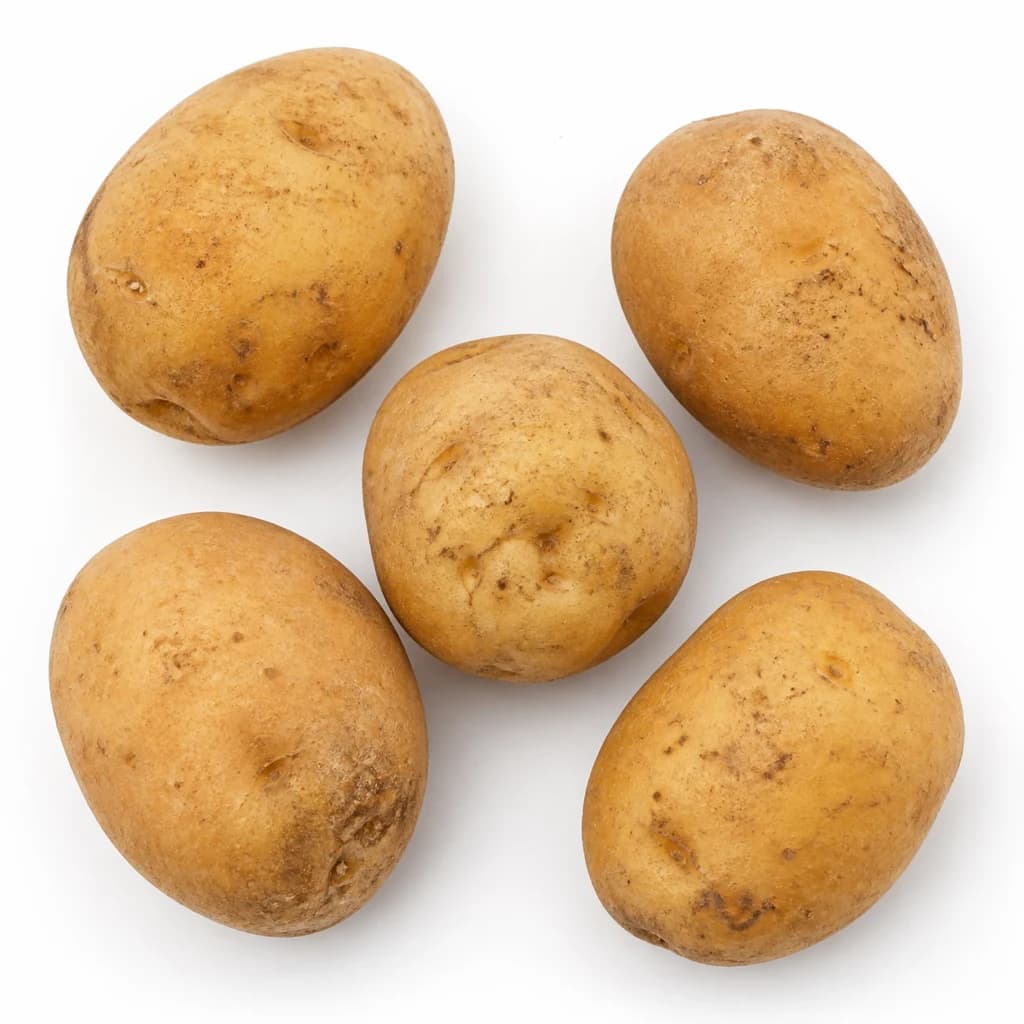
Potato
Humble, hearty staple — roast, mash, fry, or boil
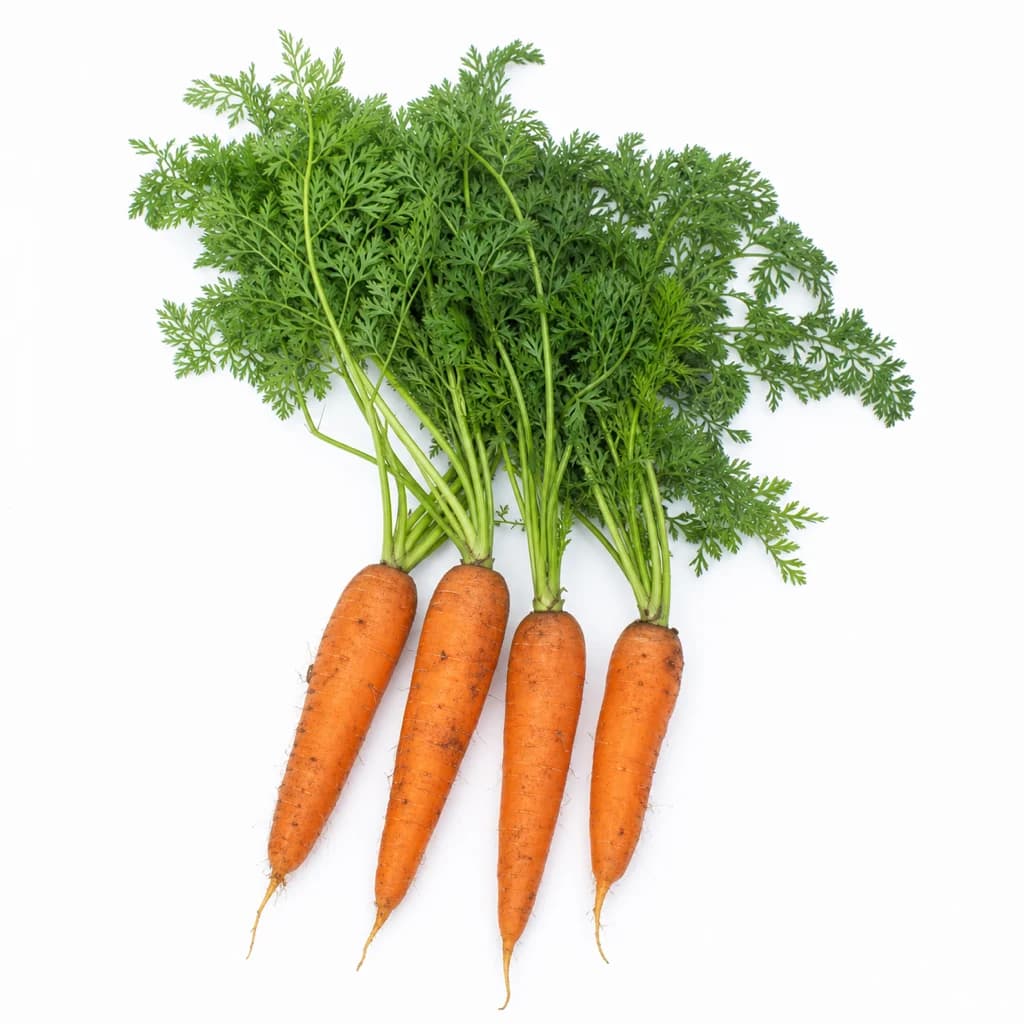
Carrot
Sweet, crunchy root — raw, roasted, or the base of a sofrito
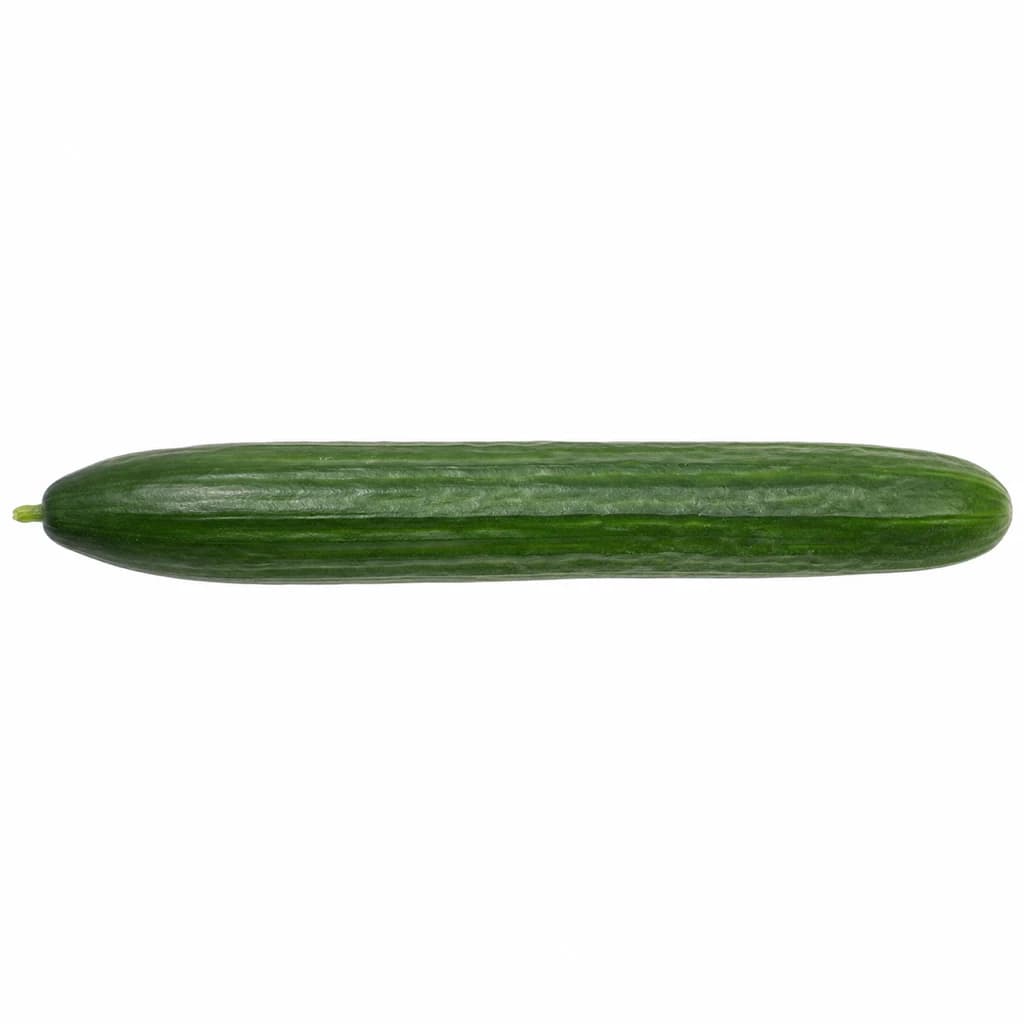
Cucumber
Cool, crisp, and watery — for salads, pickles, and tzatziki

Lettuce
Crisp leaves for salads, wraps, and a fresh crunch