Ready to use
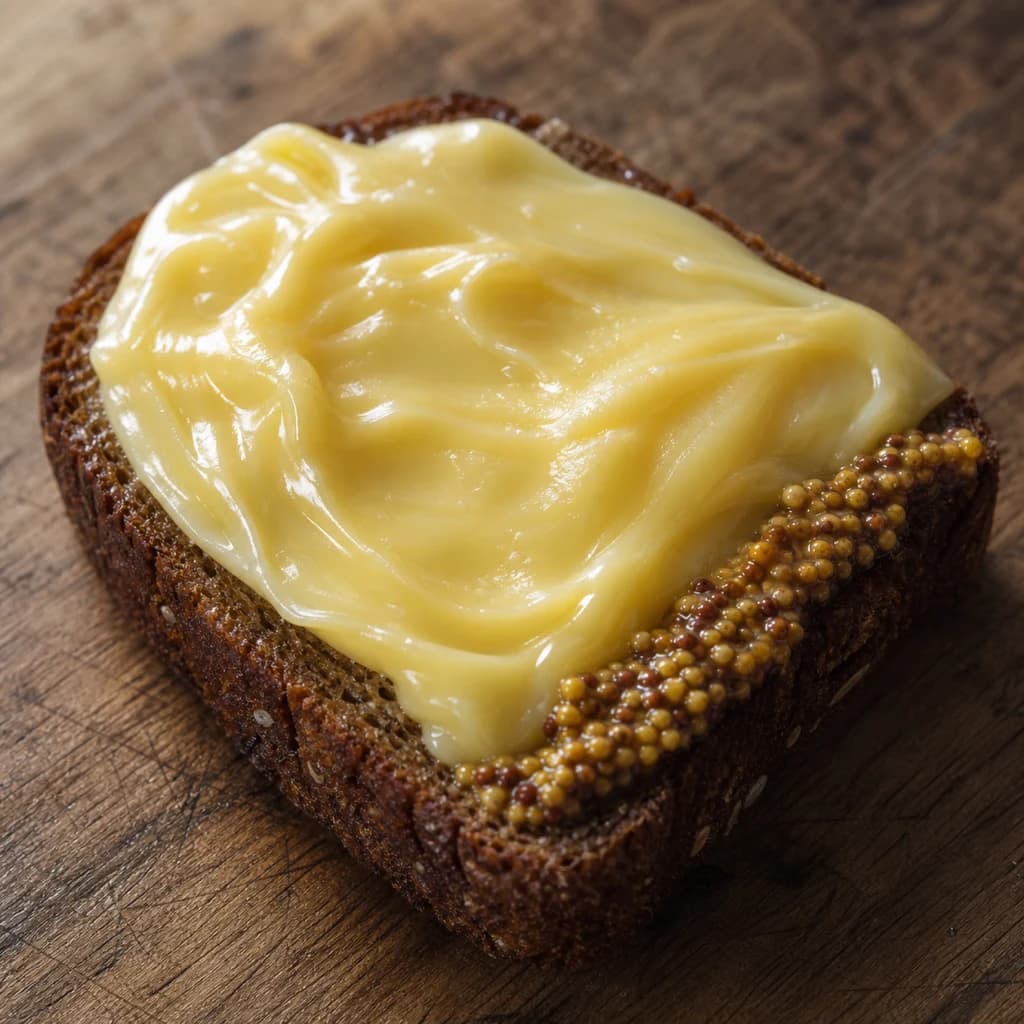
Kachkéis spread thickly on dark rye bread, topped with a streak of mustard.
Shows the canonical eating form — spread on bread with mustard — which is how most people encounter this cheese.
Dairy & Eggs
Kachkéis (Cooked Cheese)
Luxembourgish soft cooked cheese spread with a smooth, tangy, runny texture, usually eaten on bread with mustard.
Kachkéis is a Luxembourg specialty made by melting aged curd cheese into a smooth, spreadable paste, sometimes with a touch of butter, milk, or caraway. It is spread on rye or country bread and traditionally topped with mustard. The cooking process gives it a glossy, pourable consistency and a sharp, savory tang.
Kachkéis is a traditional Luxembourgish soft cheese spread with a smooth, spreadable texture that becomes notably runnier when warmed—a characteristic result of its defining production method: cooking the curd. Unlike fresh quark, which is simply drained, Kachkéis is heated during processing, reducing moisture content and concentrating its tangy, mildly acidic flavor. The cheese occupies a distinctive niche in the culinary landscape of the Greater Region, sharing ancestry with similar cooked cheeses found in Lorraine, Rhineland-Palatinate, and Wallonia, yet maintaining its own identity through specific traditions and flavor profiles.
The taste is fresh and tangy with subtle milky undertones, and the texture transitions from a firm, cold spread to something almost pourable at room temperature. This behavior makes it versatile for both spreading and dipping applications. Traditionally sold in small ceramic pots or glass containers, Kachkéis is a staple of Luxembourgish breakfast and snack culture—found on morning bread plates, in children's school lunches, and as a simple pub snack. Both artisanal and industrial versions are widely available, with small-dairy versions offering more pronounced tang and runnier consistency compared to their mass-produced counterparts.
The key distinction between Kachkéis and similar soft cheeses lies in the cooking step and the resulting texture profile. German Schichtkäse, for instance, is also cooked but typically served firm and often baked as a hot dish with cream and sugar. Kachkéis, by contrast, is an everyday spread, functional and beloved precisely because it requires no preparation—ready to slather on bread the moment you open the pot.
- Measured in
- g
- Storage
- Fridge
Allergens
Types & varieties
Unflavored version, the most authentic and widely available style sold throughout Luxembourg
Fresh herbs (chives, parsley) mixed in; available at specialty shops and from some producers
Made with skimmed milk; slightly tangier and thinner in consistency
Small-dairy versions have more pronounced tang and runnier texture than mass-produced brands
The Cooking Process: Why It Matters
The cooking step is what separates Kachkéis from fresh quark and gives it its characteristic personality. Heat is applied to the curd during production, causing the proteins to bind more tightly and excess whey to release. The result is a denser, more concentrated cheese with less moisture than an equivalent fresh product. This process also develops the slightly acidic notes that define Kachkéis's flavor. Industrial producers may use indirect heating in large vats, while artisanal dairies often employ direct, gentler methods that preserve more nuance in the final flavor.
- Cooking reduces moisture, creating the runny room-temperature texture
- Heat concentrates the milk's natural acidity, developing tangy flavor
- Artisanal methods preserve more complex flavor notes than industrial production
Cultural Significance in Luxembourg
Kachkéis is not merely an ingredient—it is woven into the fabric of Luxembourgish daily life. It appears at virtually every breakfast table, spread on dark rye bread alongside the obligatory smear of coarse-grain mustard. Children encounter it in school lunches, and adults find it at pub counters as a simple evening snack with beer. This ubiquity reflects the cheese's role as an accessible, everyday food that embodies Luxembourgish culinary identity without pretension. The cheese also travels well as a regional specialty; Luxembourgish expatriates often seek it out in specialty shops abroad, making it a taste of home.
- Breakfast staple on Luxembourgish tables
- Common in school lunches and pub snacks
- Represents accessible, everyday Luxembourgish culinary identity
Common uses
Tips & pitfalls
- Bring to room temperature 15–20 minutes before serving for optimal spreadability and fullest flavor development
- Do not microwave to warm it—the texture becomes watery and loose; let it sit out instead
- If the cheese has separated with liquid on top, stir before using—it is still perfectly good
- Traditional serving method: spread generously on bread, then top with a smear of Luxembourgish coarse-grain mustard
- For elegant appetizers, pipe or dollop onto cucumber rounds and garnish with a sprig of dill
- Avoid freezing—it changes the texture irreversibly, making it grainy and unspreadable
- Check the sell-by date when purchasing; fresher versions have a brighter, more complex tang
- If using a jar with a wax seal, store it inverted in the refrigerator to help maintain moisture
Nutrition
Energy
1628 kJ · per 100 g
Where the calories come from
Protein
25.6g
51% DV
Carbs
1.6g
1% DV
Fat
31.1g
40% DV
Fiber
0g
0% DV
Sugars
1.6g
of which
Sodium
800mg
35% DV
Source · USDA FoodData Central · approx. Cheese, fontina
View on FDC →In the shops
Matched grocery products
No matched grocery products for Kachkéis (Cooked Cheese) yet.
Good to know
- Origin
- Luxembourg (traditional Luxembourgish cheese)
- Milk Type
- Cow's milk, typically low-fat or skimmed varieties
- Texture
- Smooth and spreadable when cold; becomes runny and pourable at room temperature
- Flavor
- Tangy, mildly acidic, fresh with subtle milky notes
- Processing
- Made by cooking curd cheese, which distinguishes it from fresh quark and reduces moisture
- Traditional Packaging
- Small ceramic pots or glass containers
- Shelf Life
- 2–3 weeks refrigerated; check package date for freshness
- Fat Content
- Low-fat to semi-skimmed common; varies by producer
Substitutes
- German Hüttenkäse (Pot Cheese / Baker's Cheese) — Closest substitute; similar tangy, grainy, spreadable texture. Hüttenkäse often has more visible curds—blend briefly if a smoother consistency is desired
- German Quark (Körnerquark or Speisequark) — Very close in flavor; Körnerquark has grainy curds while smooth Speisequark matches texture. Choose full-fat version for richness closer to Kachkéis
- Fromage Blanc — French soft cheese; similar tang and smoothness but slightly thinner consistency. Excellent with a drizzle of olive oil and fresh herbs
- Ricotta — Italian equivalent; milder and slightly sweeter. Works for neutral applications but lacks Kachkéis's characteristic tang; add lemon juice to compensate
- Cream Cheese (Philadelphia-style) — Texture similar but flavor is bland and lacks acidity; blend in lemon juice or white wine vinegar to approximate the tang
Pairs with
Also called
kachkeis · kachkéis · cooked cheese · kochkäse
Related

Whole Milk
Rich, full-fat milk for drinking, coffee, sauces, and baking
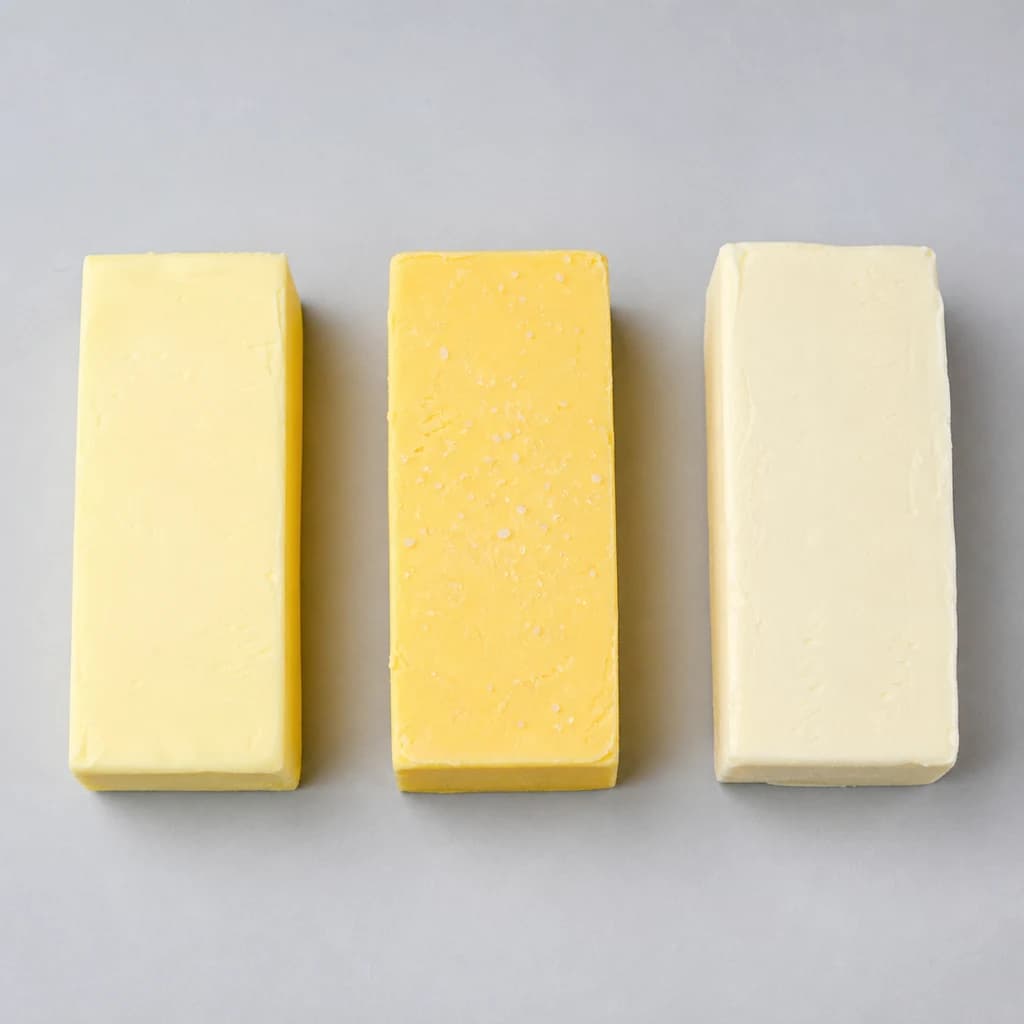
Butter
Golden fat for searing, baking, and finishing a sauce
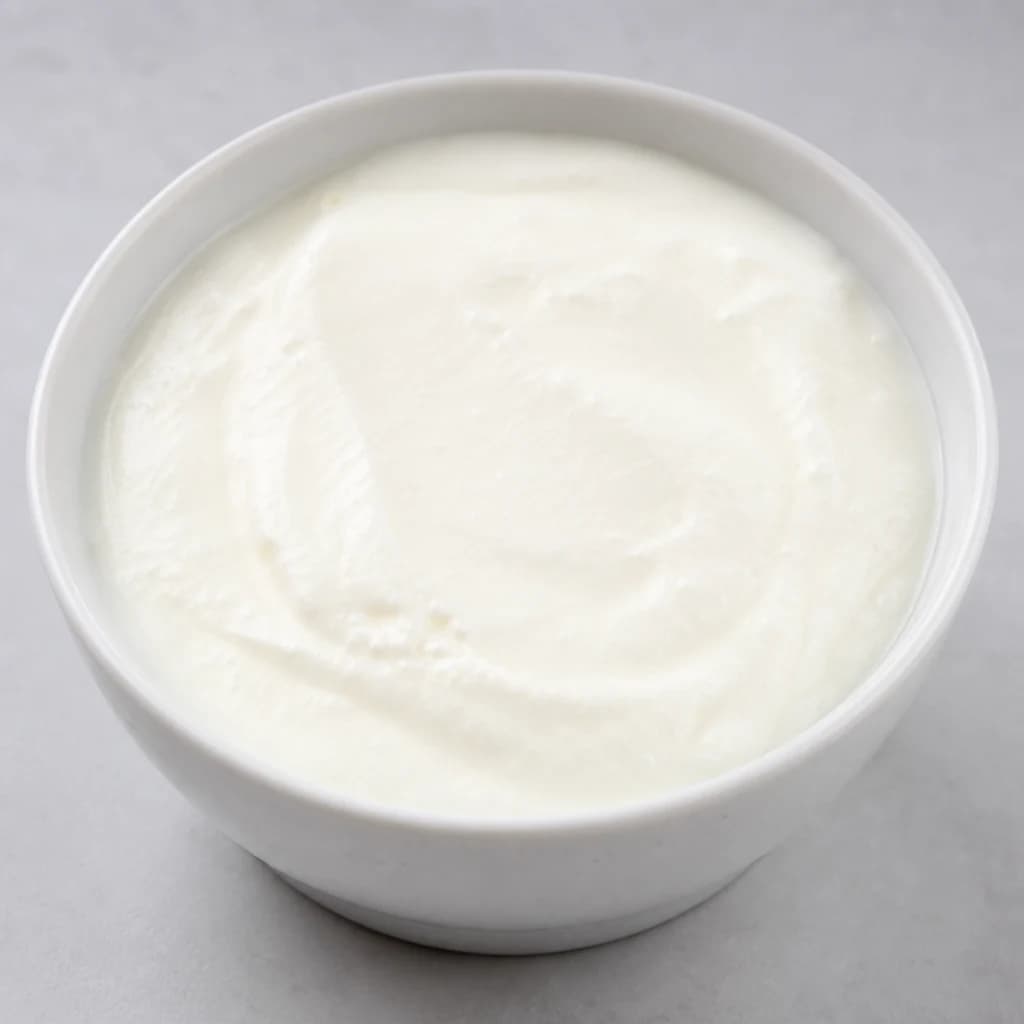
Yogurt
Tangy, creamy culture for breakfast, sauces, and marinades
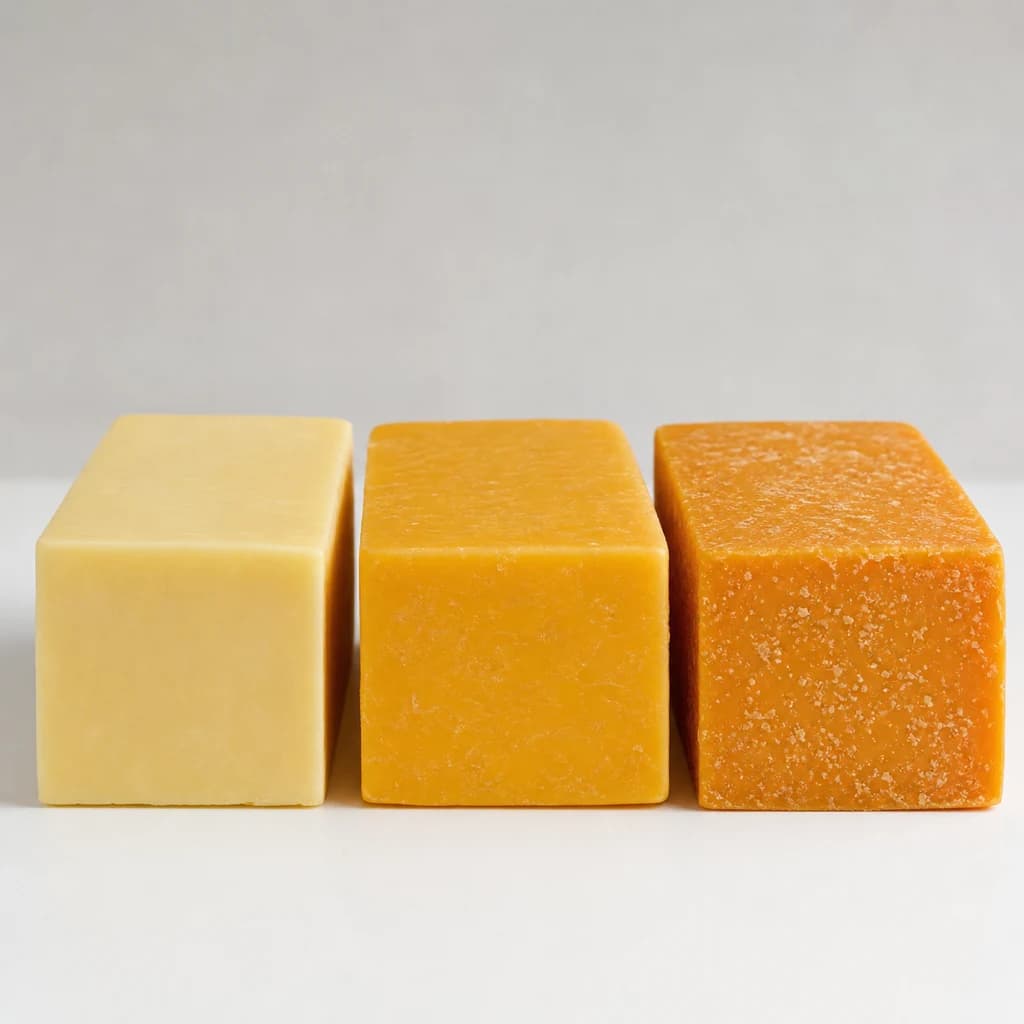
Cheddar Cheese
Sharp, melty cheese for sandwiches, gratins, and grating

Skim Milk
Fat-free milk for lighter drinking, coffee, and cooking
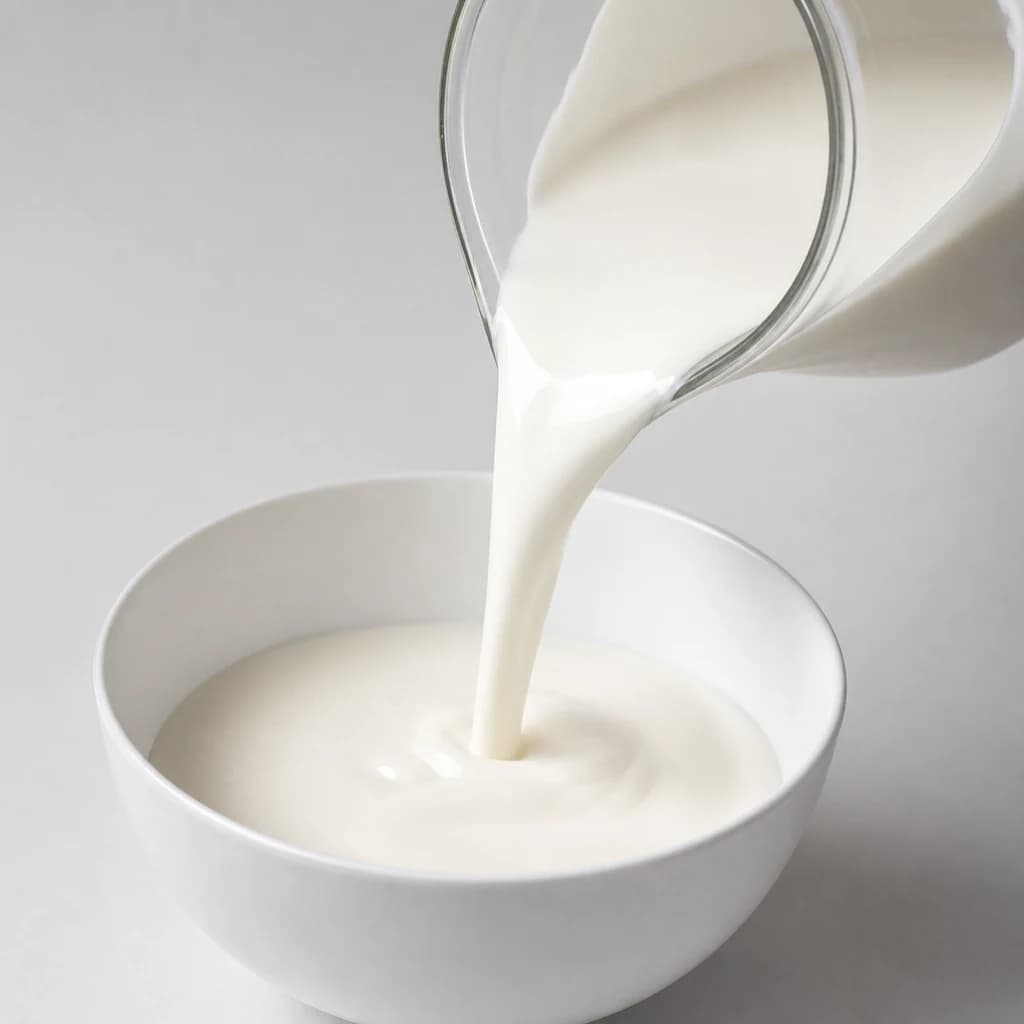
Heavy Cream
Rich cream that whips, enriches sauces, and sets ganache

Sour Cream
Tangy, thick cream for dolloping, baking, and dips
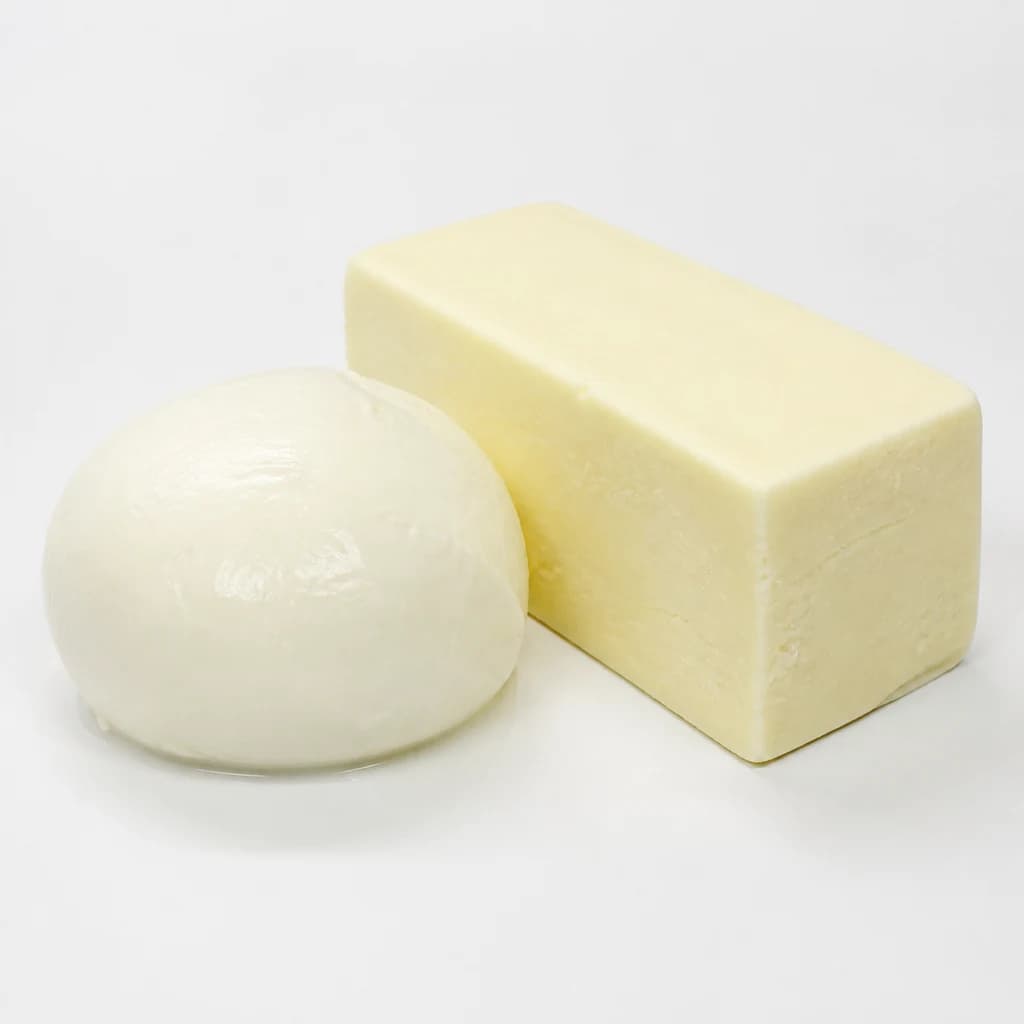
Mozzarella
Soft, milky cheese that melts into stretchy pizza pulls