Proteins
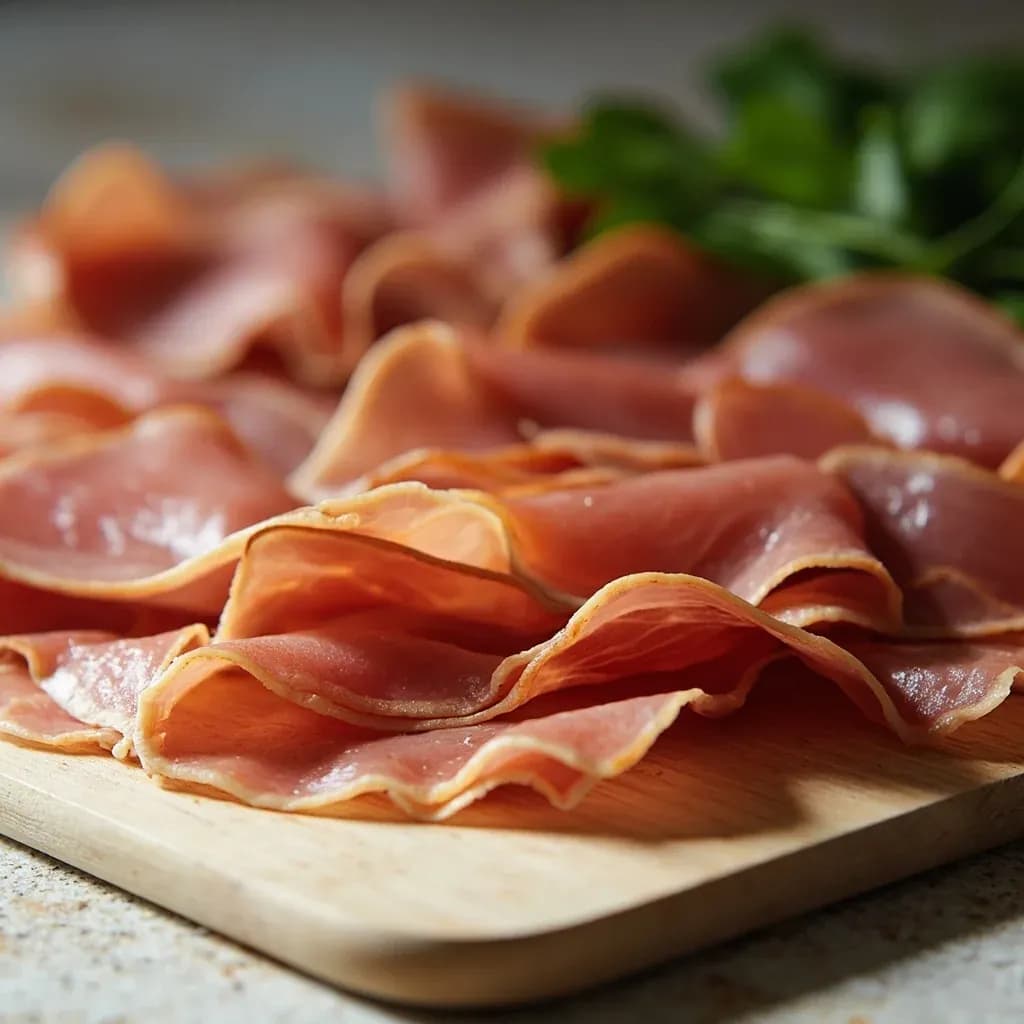
Cured Ham
Salt-cured, often smoked or air-dried pork leg sliced thin; an aromatic, savory charcuterie staple.
Cured ham is pork leg preserved through salting and aging, sometimes smoked (as with Black Forest Schwarzwälder Schinken) or air-dried (as with Norwegian spekeskinke). It is typically served thinly sliced as charcuterie, draped over melon or bread, or chopped into sauces and stews for depth. Curing concentrates the meat's flavor into something deeply savory, with smoked styles adding woody aroma.
Cured ham is one of the foundational products of charcuterie, encompassing everything from the featherlight slices of Italian prosciutto to the dense, intensely salted hams of the American South. At its core, a cured ham is pork leg or shoulder that has been preserved through salt—alone, with nitrates, or in combination with smoking and air-drying. This process transforms a perishable protein into a shelf-stable product with complex, concentrated flavors that develop over months or years of aging. The ham's character shifts dramatically with curing method: dry-curing produces a firm, intensely savory texture with scattered white amino acid crystals from long aging; wet-curing yields a moist, mild, sliceable deli product; smoking adds a layer of wood-fired depth. Understanding which category a ham falls into is not a technicality—it determines whether you serve it raw, warm it gently, or cook it thoroughly before eating.
Cured hams occupy a unique position in the kitchen because they function simultaneously as a finished ingredient and a flavor-building tool. Paper-thin slices on a charcuterie board are one use; a handful of diced country ham rendered in a hot pan is another. The fat of a properly cured ham is extraordinarily flavorful and makes an excellent cooking medium for eggs, potatoes, and greens. Regional traditions around the world have produced hundreds of distinct styles, but three broad families dominate: Italian dry-cured hams, Spanish dry-cured hams, and the wet-cured or cooked hams common in deli cases everywhere. The Southern American country ham stands apart—cured, often smoked, but always requiring soaking and cooking before consumption, a holdover from an era when preservation was the primary goal.
The quality range within cured ham is vast. At one end, Jamón Ibérico de Bellota from acorn-fed Iberian pigs, aged three years or more, commands extraordinary prices and rewards attentive eating. At the other, mass-market wet-cured cooked ham provides mild, convenient protein for sandwiches and salads. A competent cook learns to navigate this range, matching the right ham to the right application: a delicate prosciutto never improves from cooking, while a robust country ham needs heat and time to fully express itself.
- Measured in
- g
- Storage
- Fridge
Types & varieties
Italy's most celebrated dry-cured ham. Salt-cured only, no nitrates, aged minimum 12 months (commonly 24–36). Sweet, delicate, nutty. Served raw, sliced paper-thin.
Dry-cured Italian ham from Friuli-Venezia Giulia. Similar to Parma but retains the natural hog silhouette, producing slightly sweeter flavor. Minimum 13 months aging.
Spain's premier ham from acorn-fed black Iberian pigs. Dry-cured 36+ months. Deep marbling, intensely nutty and savory with a lingering finish. Served raw, carved at the table.
Iberian pig finished with partial acorn diet, less than Bellota. Dry-cured 24–36 months. Rich flavor, slightly less pronounced nuttiness than Bellota.
Iberian pig raised on grain and pasture. Dry-cured 24+ months. Good quality; less nutty and complex than acorn-fed varieties.
Spanish 'mountain ham,' traditionally from white pigs. Salt-cured, aged minimum 12 months. Savory, firm texture with good sliceability. Versatile for cooking and raw service.
American dry-cured ham, heavily salt-cured and smoked. Very high sodium. Requires soaking (1–12 hours) before cooking. Pronounced smoky-salt flavor.
Virginia-style country ham from Smithfield, Virginia. Dry-cured with salt and pepper, traditionally smoked. Similar handling to Virginia country ham; requires soaking and cooking.
Dry-cured, heavily salted, often smoked. Sold whole and shelf-stable. Requires soaking and cooking before eating. Pronounced salty-savory character.
French dry-cured ham from the Adour basin. Mild, slightly sweet, rosy-pink color. Minimum 7 months aging. A versatile, approachable dry-cured ham.
German ham, traditionally dry or wet-cured then smoked over pine and fir. Deep red color, pronounced smoky aroma. Typically sliced deli-style for sandwiches.
Italian cooked ham. Wet-cured (brined), then cooked to internal temperature. Pale pink, mild, moist. Sold sliced at deli counters. Not to be confused with dry-cured prosciutto.
Wet-cured, fully cooked ham with brown sugar and honey glaze. Common in American grocery stores. Mild, sweet, moist. Fully cooked; serve warm or cold.
The Three Families of Cured Ham
Cured hams divide into three fundamentally different categories that determine how you handle them in the kitchen. Understanding which family a ham belongs to prevents serious errors—a dry-cured ham will not improve from being boiled, and a country ham can make you sick if eaten raw.
- Dry-cured, uncooked: Prosciutto di Parma, San Daniele, Jamón Ibérico, Jamón Serrano, Jambon de Bayonne. These are safe to eat raw. Serve at cool room temperature, sliced thin. Adding heat is optional and often counterproductive.
- Wet-cured, cooked: Prosciutto cotto, honey-glazed ham, Black Forest ham. These have been brined (and often smoked) then fully cooked. Safe to eat cold; warm gently to avoid rubbery texture.
- Dry-cured, uncooked, requires cooking: Southern country ham, Virginia ham, Smithfield ham. Salt-rubbed and aged but not cooked. Must be soaked and cooked before eating. The high salt concentration preserves them but makes them unsafe raw.
Cooking with Dry-Cured Ham Fat
The rendered fat of a dry-cured ham is one of the most useful and underused cooking assets in a pantry. When you crisp sliced ham in a hot pan, the fat that renders out carries concentrated porky-salt flavor. This fat is ideal for:
- Sautéing aromatics (shallots, leeks, garlic) as a base for soups and braises
- Frying eggs for a savory breakfast with no added butter
- Roasting or pan-frying potatoes for deeply flavored, crispy results
- Sautéing dark leafy greens like collards, chard, or kale after rendering the ham crispy
- Building risotto or cooking grains where the ham fat integrates into the starch
Slicing Dry-Cured Whole Hams
Carving a whole dry-cured ham is a skill worth developing for entertaining. The goal is paper-thin slices that nearly dissolve on the tongue. A flexible slicing knife (often called a ham slicer) is essential—the blade flexes to follow the contour of the meat and produces consistent thin slices without tearing.
- Secure the ham in a ham stand or clamp it firmly to the counter
- Start at the narrow end (the hock) and work toward the wider butt end
- Slice toward yourself, using long smooth strokes
- Rotate the ham as you work to maintain thin, even slices
- For a special presentation, carve tableside and serve immediately—the aroma of fresh-cut ham is part of the experience
- Jamón Ibérico de Bellota is traditionally carved by hand at the table using a short curved knife and a holder; this is both practical and ceremonial
Common uses
Tips & pitfalls
- Dry-cured whole hams need no refrigeration until sliced; store whole in a cool (50–60°F), dry place wrapped in a breathable cloth or mesh bag. Once cut, wrap the exposed surface tightly in plastic, then foil, and refrigerate.
- Always slice dry-cured ham paper-thin against the grain for the best texture; a flexible slicing knife makes this manageable and is worth the investment.
- Wet-cured deli ham oxidizes quickly once opened; use within 3–5 days or freeze slices flat in freezer bags, separated by parchment, for up to 2 months.
- When cooking with cured ham (as opposed to serving it raw), add small diced pieces early in the process so the meat renders its fat and distributes its flavor throughout the dish.
- Balance saltiness carefully: cured hams are extremely high in sodium. When combining with other salty components (soy sauce, parmesan, anchovies), add salt cautiously and taste as you cook.
- Country and Virginia hams require soaking—1 to 12 hours depending on size—before cooking to draw out excess salt. Change the soaking water once halfway through.
- Never overcook already-cooked hams (prosciutto cotto, honey-glazed); add them near the end of cooking or serve cold, as heat turns them tough and rubbery.
- A common mistake: using thick deli-sliced ham when a recipe calls for paper-thin slices (like prosciutto stirred into pasta), producing chewy strips instead of silky, integrated flavor.
Nutrition
Energy
1180 kJ · per 100 g
Where the calories come from
Protein
16.6g
33% DV
Carbs
0g
0% DV
Fat
23.4g
30% DV
Fiber
0g
0% DV
Sugars
0g
of which
Sodium
59mg
3% DV
Source · USDA FoodData Central · approx. Lamb, ground, raw
View on FDC →In the shops
Matched grocery products
 €1.10
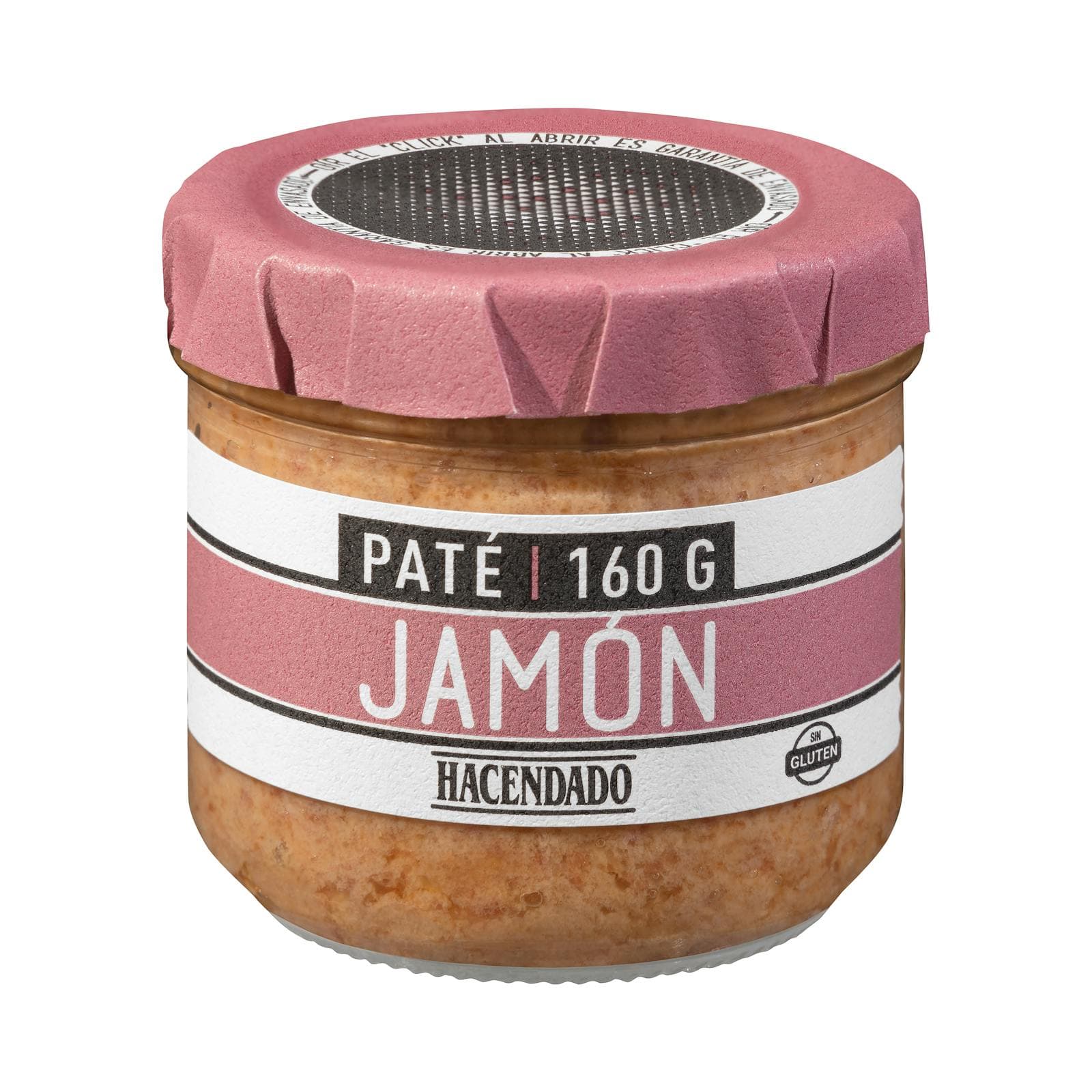
€1.10Ham Pâté
Hacendado · 160 g · Mercadona
 €3.85
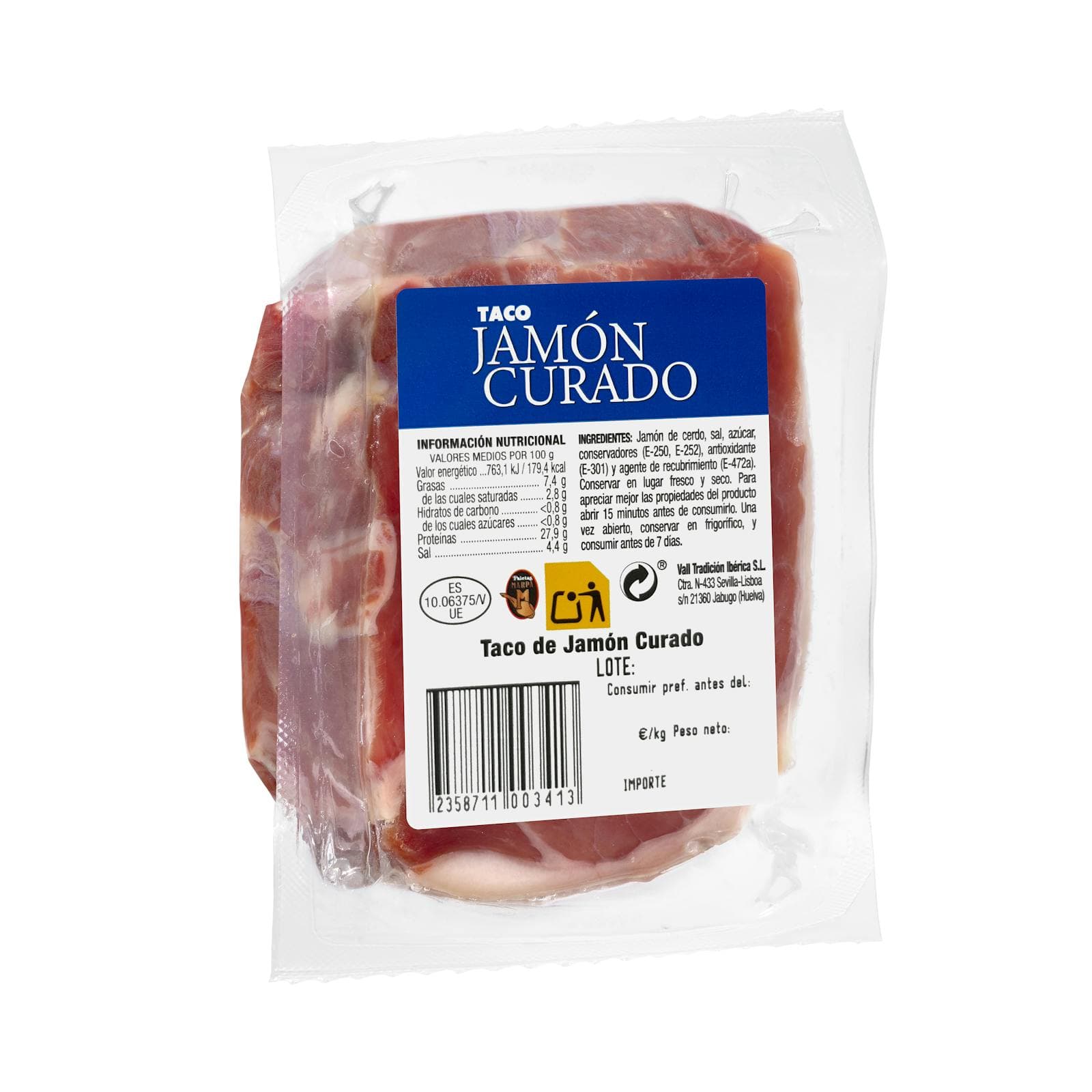
€3.85Cured Ham Portion
220 g · Mercadona
 €5.95
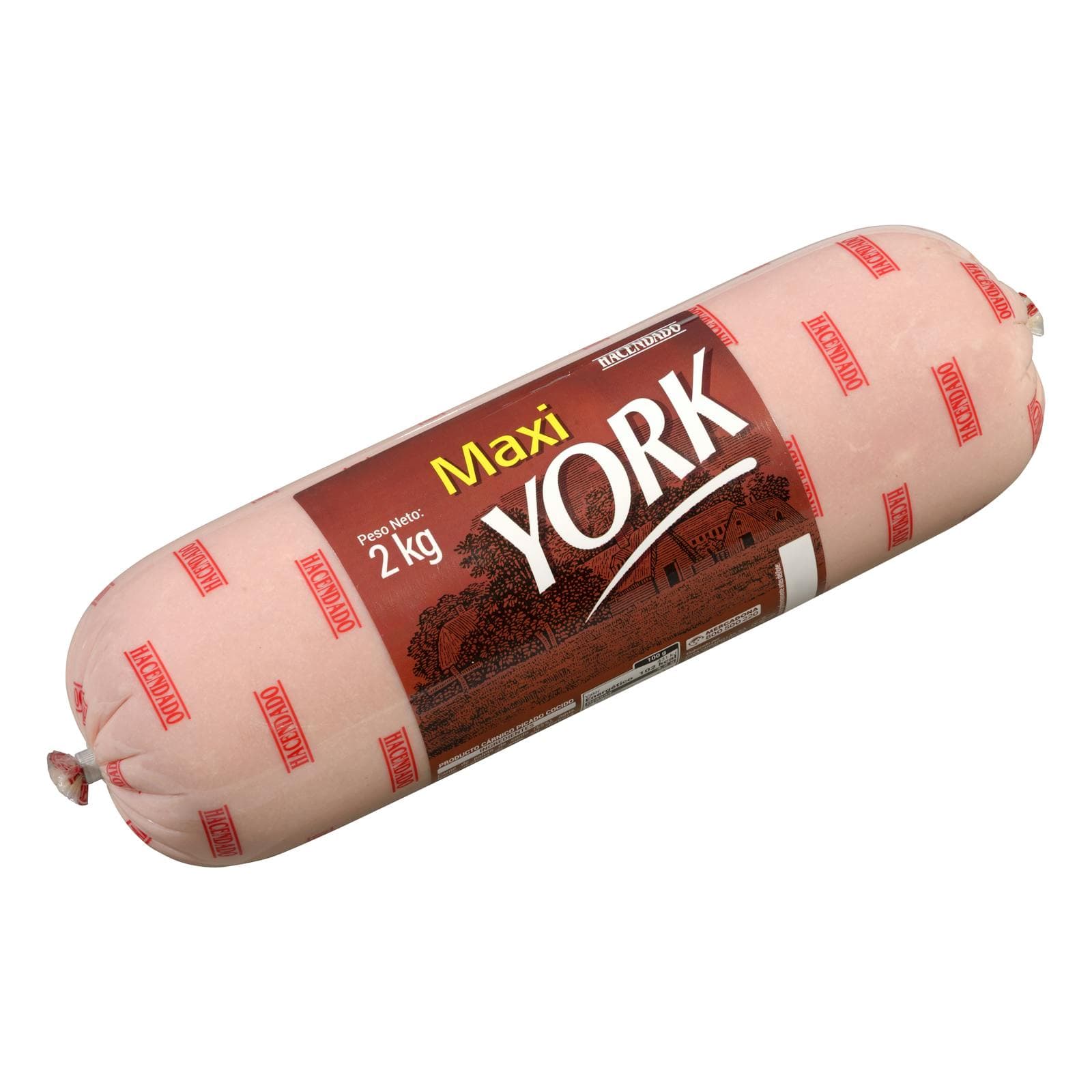
€5.95Maxi York Ham
Hacendado · 2 kg · Mercadona
 €6.75
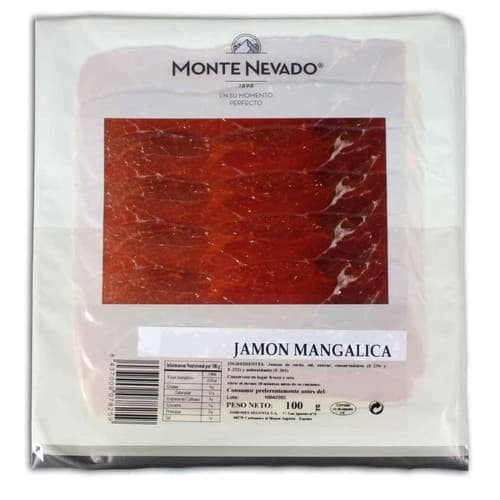
€6.75Mangalica Ham
MONTE NEVADO · kg · Bonpreu
 €65.00
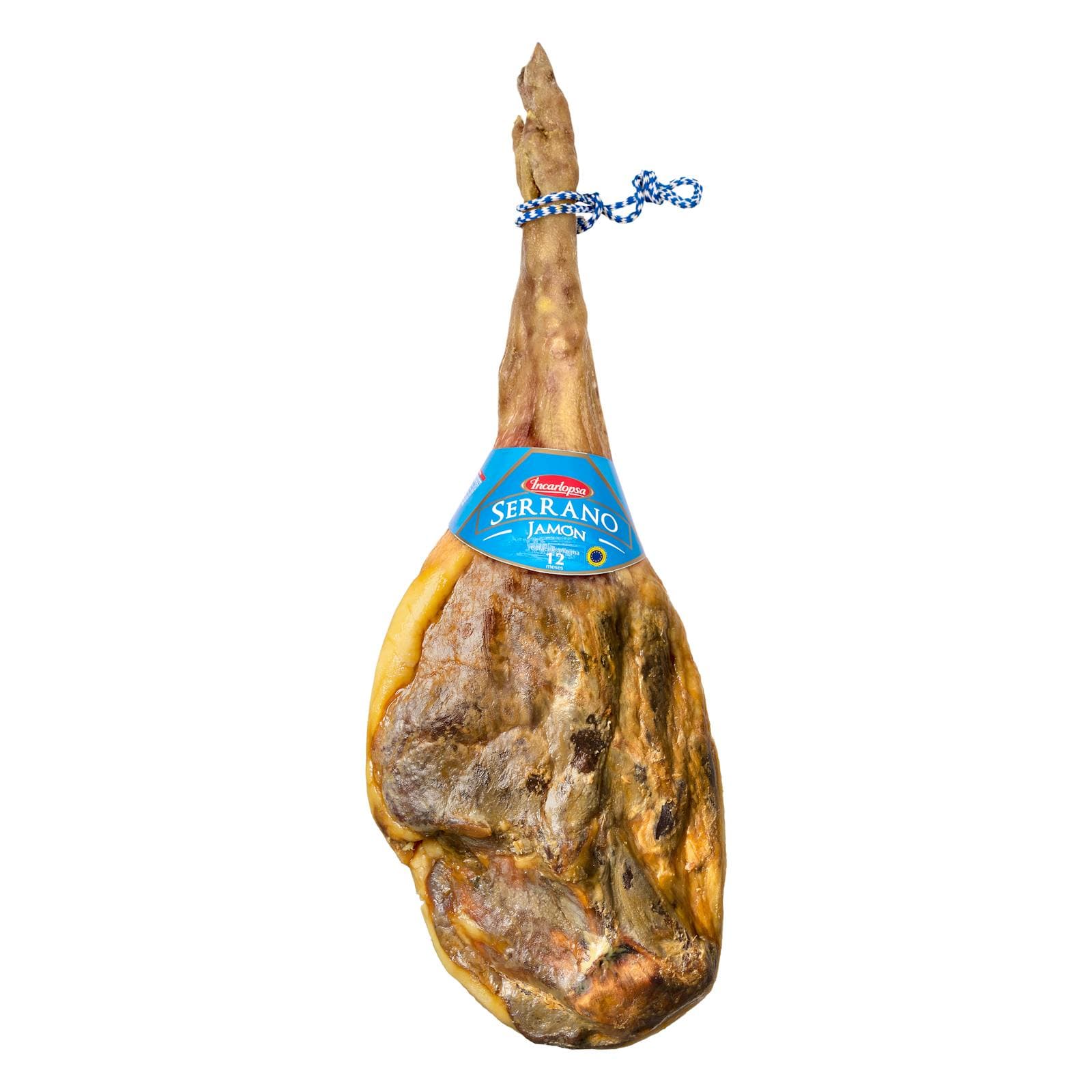
Serrano Ham Incarlopsa
Incarlopsa · 7.5 kg · Mercadona
 €3.85
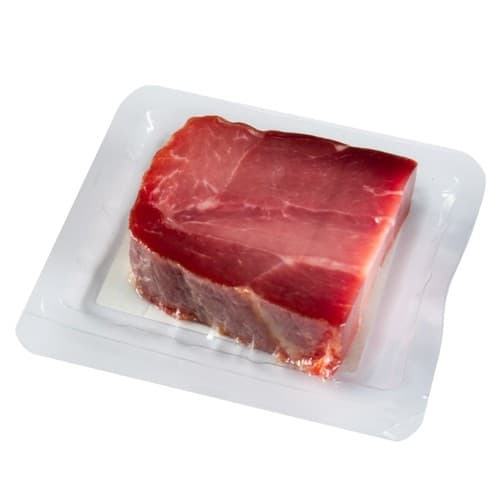
€3.85Cured Ham Block
ESPUÑA · kg · Bonpreu
Good to know
- Definition
- Pork leg or shoulder cured with salt, often with nitrates, sometimes smoked or air-dried; either dry-cured (aged) or wet-cured (cooked)
- Primary Cuts
- Hind leg yields the most prized varieties; shoulder produces more economical dry-cured hams such as coppa and some country-style products
- Curing Methods
- Dry-curing (salt rubbed on surface, slow air-drying); wet-curing (brine injection or immersion, then cooking); combination (brine + smoking)
- Key Regions
- Italy (Prosciutto di Parma, Prosciutto di San Daniele), Spain (Jamón Ibérico, Jamón Serrano), USA (Virginia country ham, Smithfield), France (Jambon de Bayonne), Germany (Schwarzwälder Schinken)
- Protein (per 100g, sliced)
- 21–26 g depending on variety and curing method
- Fat (per 100g, sliced)
- 3–12 g depending on variety; Iberian hams can be higher due to marbling
- Sodium
- 800–2,400 mg per 100 g; dry-cured varieties and country hams are particularly high
- Aging
- Wet-cured cooked ham: not aged. Dry-cured: minimum 12 months (Serrano) to 36+ months (Jamón Ibérico de Bellota)
- Shelf Life (whole dry-cured)
- 12–24 months whole, properly wrapped in cool (50–60°F), dark storage; once sliced, wrap tightly and refrigerate
- Shelf Life (sliced/wet-cured)
- Check use-by date; use within 3–5 days of opening; freeze flat in freezer bags for up to 2 months
- Typical Slice Thickness
- Paper-thin (1–2 mm) for dry-cured eaten raw; 3–5 mm for deli slicing; 6–8 mm for cooked ham portions
Substitutes
- Pancetta — Cured pork belly, not leg. Shares dry-cured, uncooked character and works well in cooked dishes. Less smoky than country ham. Dice or roll and cook until translucent.
- Prosciutto Cotto — Cooked Italian ham. Use as substitute for wet-cured deli ham; pale pink, mild, versatile. Do not substitute for dry-cured prosciutto in raw applications.
- Bacon (thick-sliced) — Cured and smoked pork belly. Works in cooked applications where smoky, salty ham is called for. May overwhelm delicate dishes. Remove from heat when crisp to use as garnish.
- Guanciale — Cured pork jowl. Excellent direct substitute in pasta dishes (carbonara, amatriciana). Richer fat content, uncooked, slightly more porky.
- Soppressata — Dry-cured Italian salami. Similar dry-curing tradition; slice thin as a ham substitute for charcuterie boards. More spiced and fermented in flavor.
- Turkey Ham — Lower-fat cured turkey product. Suitable for sandwiches and light preparations. Not equivalent for dry-cured varieties; flavor is milder and less complex.
- Capicola (Coppa) — Cured pork shoulder. Slice thin as a dry-cured meat substitute for antipasto. Mildly spiced, firm texture; different flavor but similar use case.
Pairs with
Also called
Schwarzwälder Schinken · Spekeskinke · Smoked Ham · Cured Lamb (Fenalår) · Cured Leg of Lamb
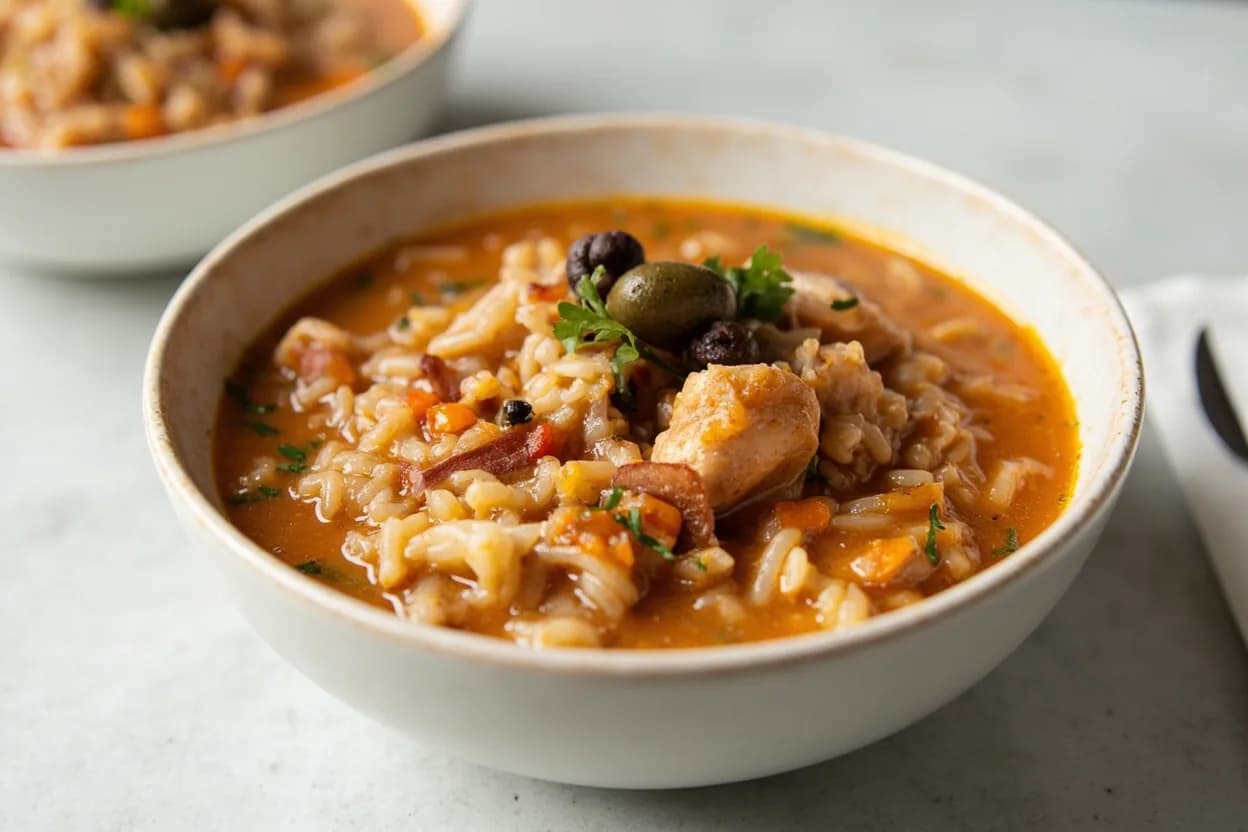
Appears in these dishes
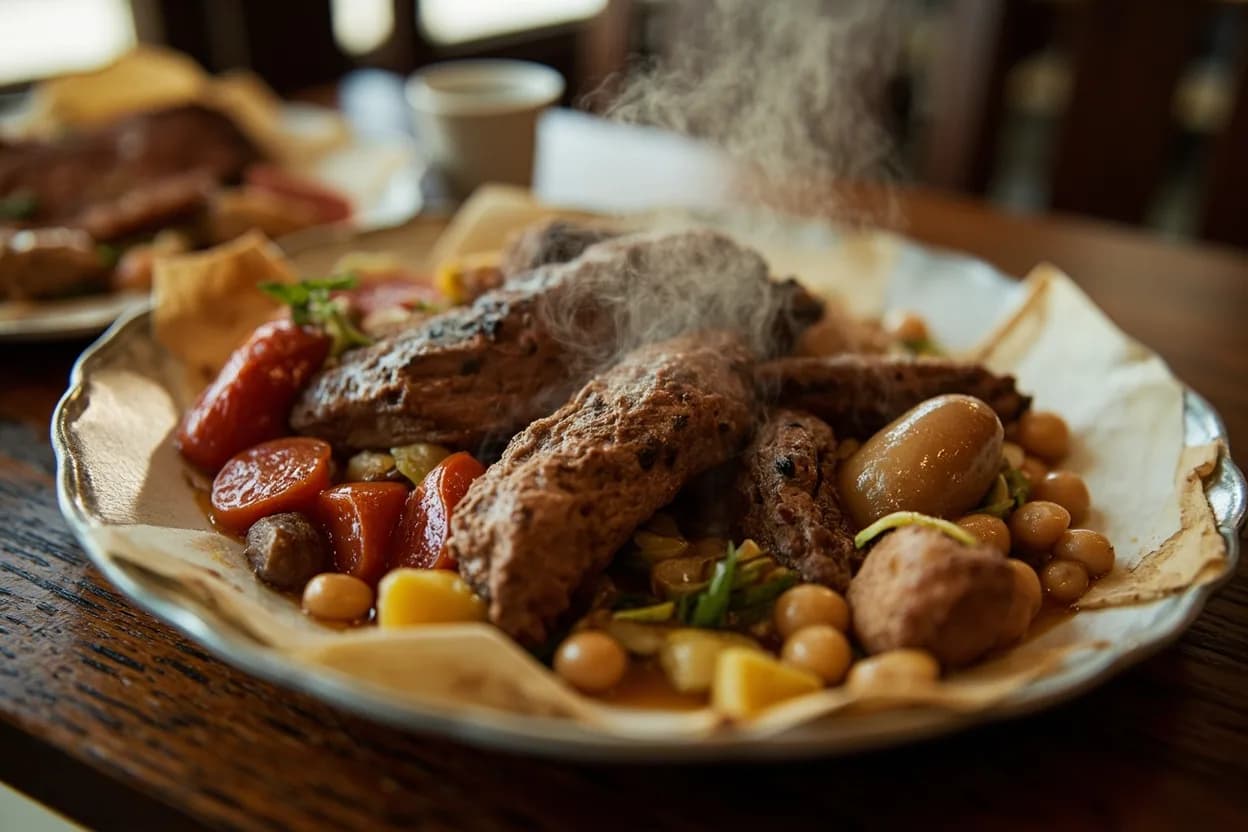

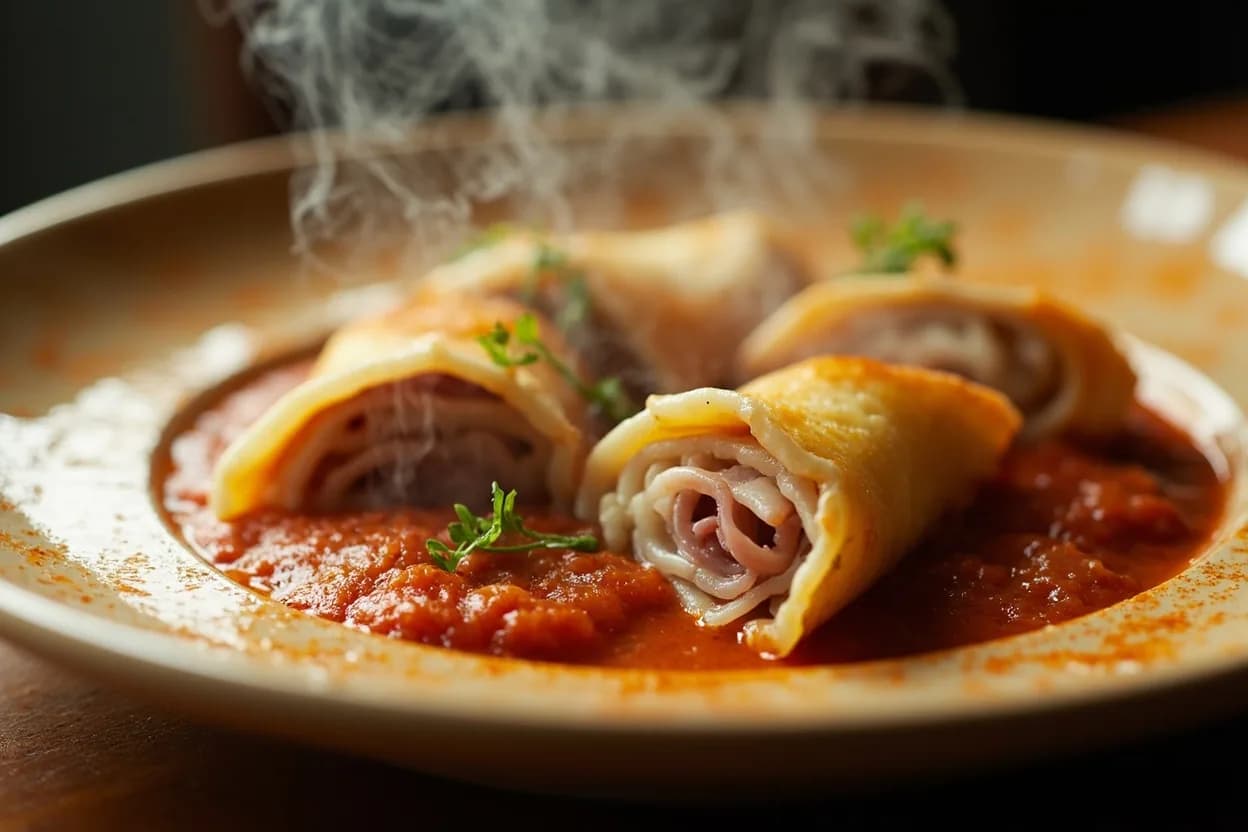
Related
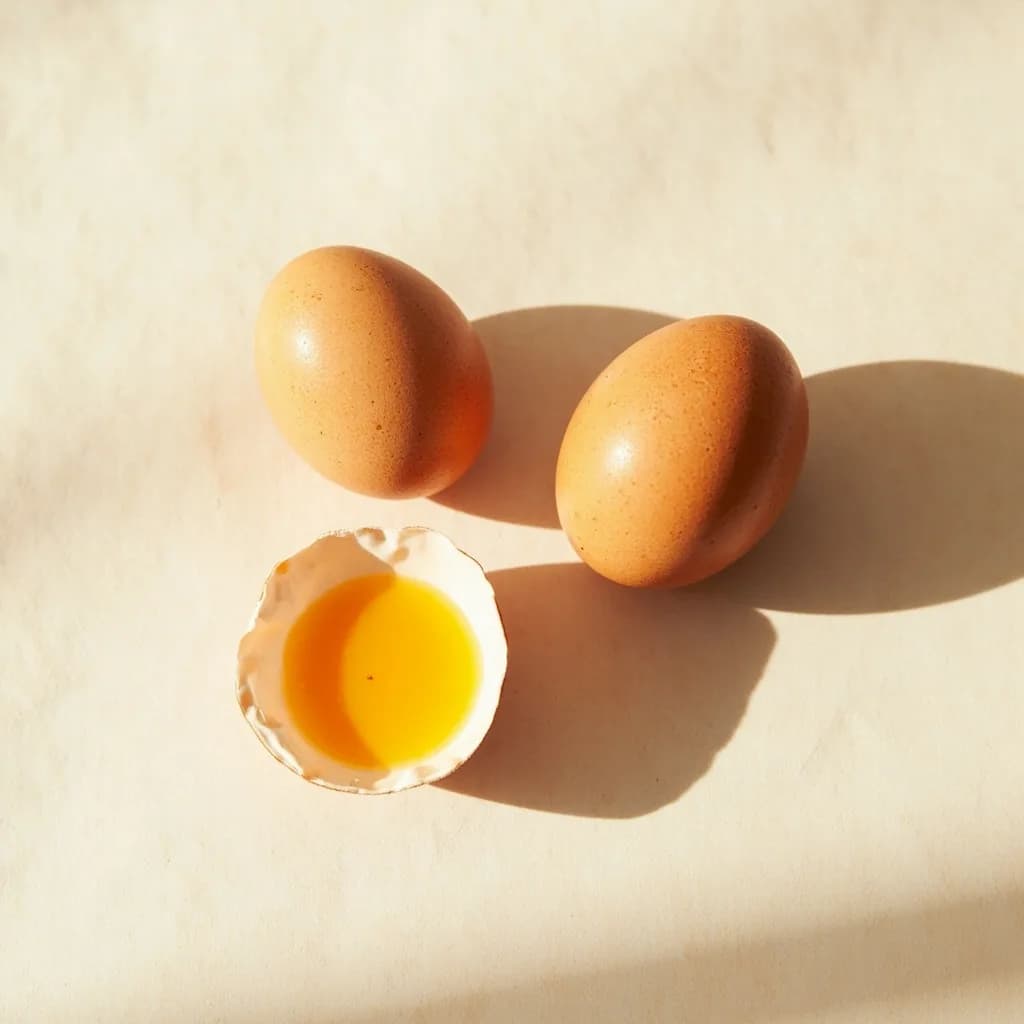
Egg
The kitchen's everything ingredient — bind, leaven, enrich, or fry
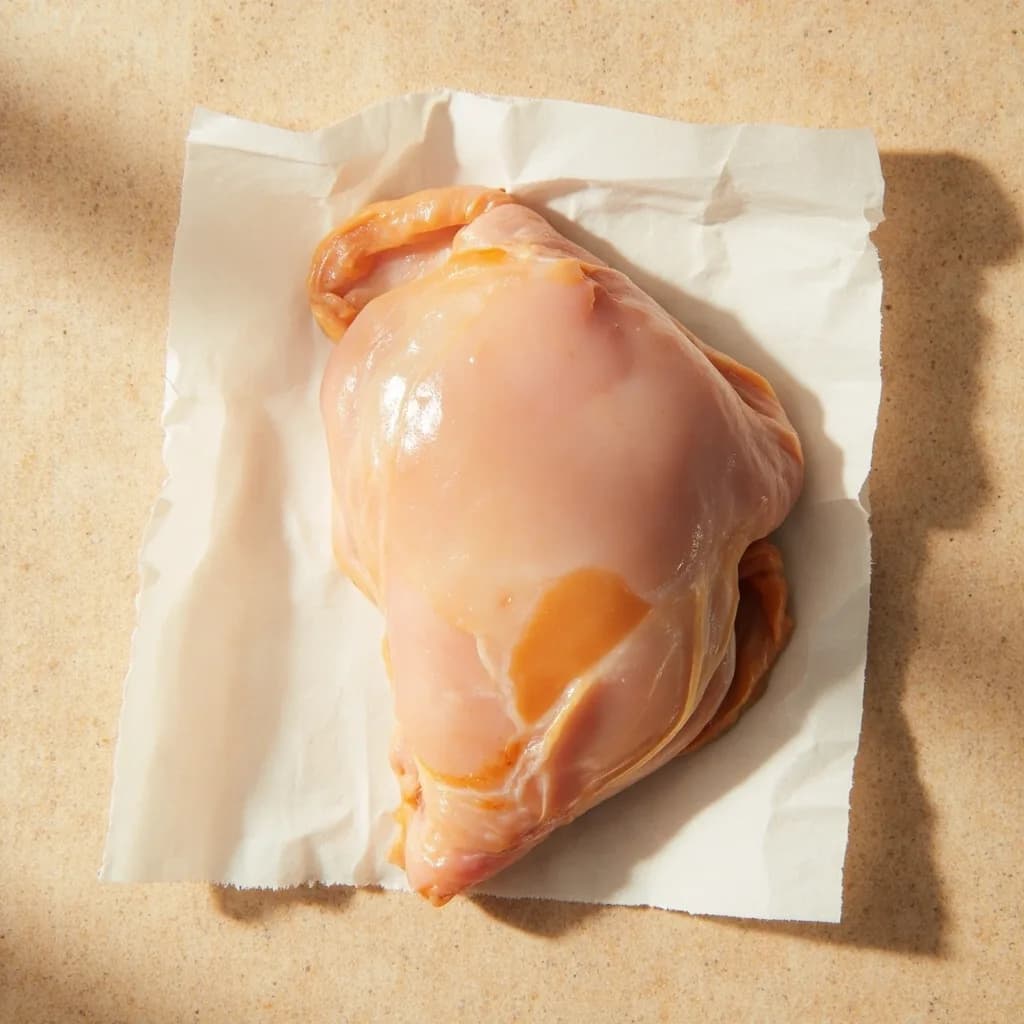
Chicken Breast
Lean, quick-cooking white meat for everyday dinners

Ground Beef
Versatile minced beef for burgers, ragù, tacos, and meatballs
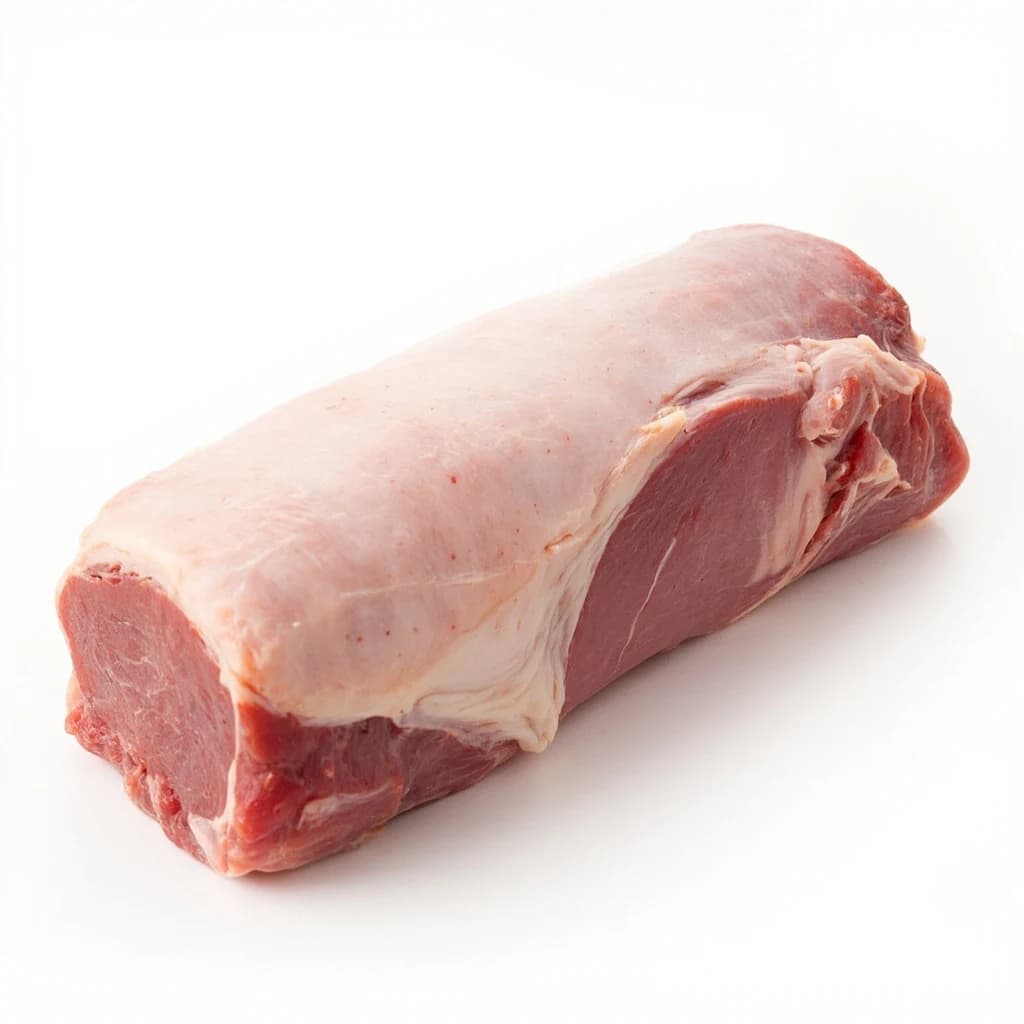
Pork Loin
Lean, tender roasting cut that stays juicy with care
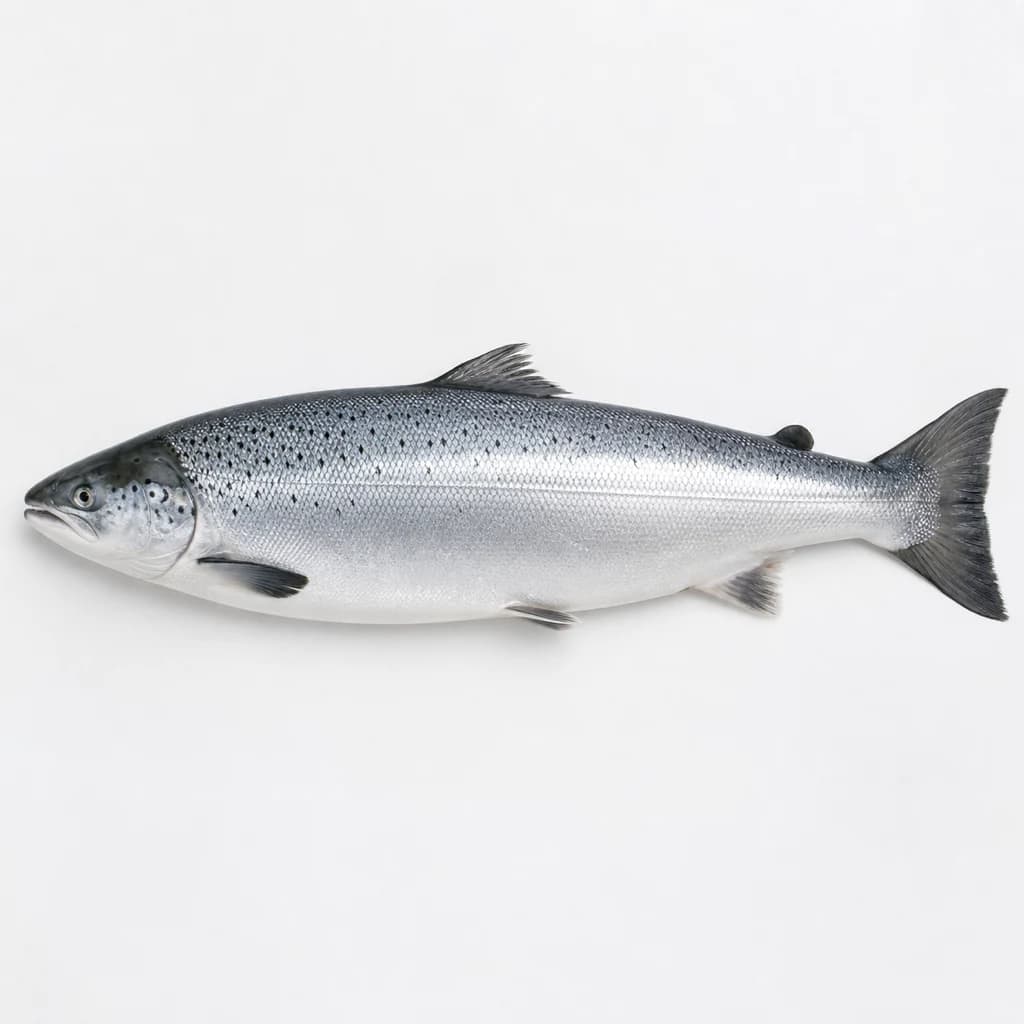
Salmon
Rich, rosy fish that roasts, grills, or cures beautifully

Egg White
Pure protein that whips to airy peaks for meringue and more

Egg Yolk
Rich, golden yolk for custards, mayonnaise, and pasta

Quail Egg
Tiny, speckled eggs for garnishing and elegant bites