Proteins
Kangaroo
Very lean, dark Australian game meat best seared rare for steaks and skewers.
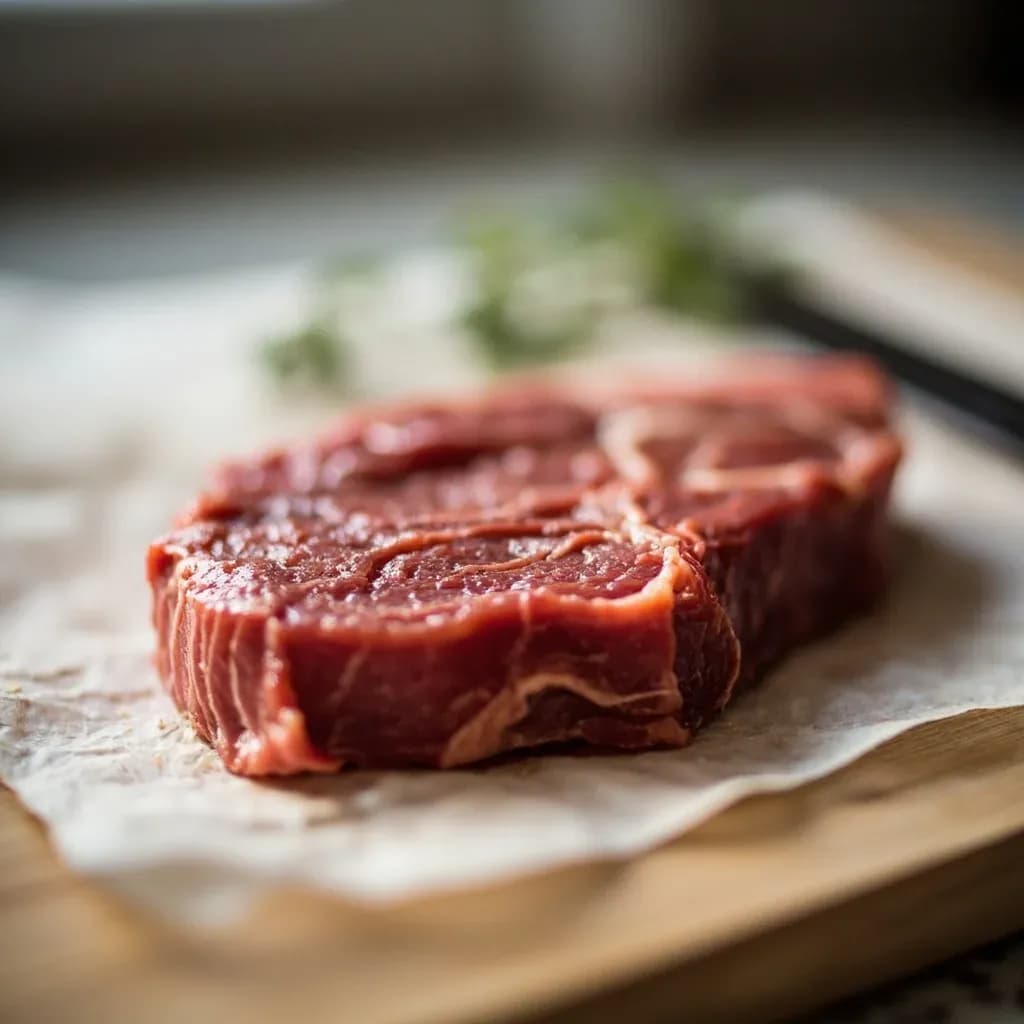
Kangaroo is an Australian game meat that is extremely lean, dark red and rich in iron with a clean, mildly gamey flavor. Because it has almost no fat, it is best cooked quickly to rare or medium-rare to avoid toughness. It is grilled as steaks, made into sausages, or sliced for stir-fries.
Kangaroo is Australia's iconic native protein, harvested commercially from three species: Red, Eastern Grey, and Western Grey. The meat is striking in appearance—deep purplish-red when raw, darker than beef, due to its exceptionally high myoglobin content. This is a genuinely lean red meat: at 2–3% fat, it is leaner than skinless chicken breast, yet it delivers a flavor profile that stands apart from any conventional Western protein. The taste is clean and mineral with a faint gamey edge, sweeter and less assertive than venison. Australian Indigenous peoples have hunted and eaten kangaroo for tens of thousands of years; Western professional kitchens are still learning to handle it properly. The key to working with kangaroo is understanding that its leanness is both its greatest asset and its most demanding constraint. With almost no intramuscular fat to buffer heat, the meat moves from perfectly rare to dried-out and tough in seconds once it passes medium-rare. Most kangaroo sold outside Australia is frozen, which actually works in your favor—the freezing partially tenderizes the meat by breaking down some connective tissue. Thaw it slowly in the refrigerator, use it within a few days, and treat it like the premium game meat it is.
- Measured in
- g
- Storage
- Fridge
Types & varieties
Largest species; most common commercial cut; boldest flavor, coarsest grain
Medium-sized; most tender of the three; milder, sweeter flavor profile
Slightly smaller; stronger gamey notes; often used for mince and processed products
Understanding the Cut Hierarchy
Kangaroo carcass yield breaks down roughly as follows: tenderloin is roughly 1% of total weight and is the rarest, most prized cut—small but intensely flavored. The loin and rump sections together account for about 15% of the carcass and are your workhorse for steaks and skewers. The remaining 30% is trim suitable for mincing. What this means in practical terms: premium loin cuts are small and expensive; for everyday cooking, quality minced kangaroo is abundant and versatile.
- Tenderloin: tiny yield, extraordinary tenderness, best for quick searing
- Loin/rump: the everyday steak cut, look for even thickness
- Trim: coarse-ground for burgers, rissoles, meatballs
Why Frozen Can Be Better
The kangaroo available in specialty markets outside Australia is almost always frozen. Rather than treating this as a disadvantage, understand that freezing partially tenderizes the meat by breaking down some collagen and cell structure. Look for vacuum-sealed packs with no freezer burn, and plan to use the meat within 2–3 days of thawing in the refrigerator.
- Choose vacuum-sealed packaging with no ice crystals
- Thaw in refrigerator, not on the counter
- Use within 2–3 days of thawing
Common uses
Tips & pitfalls
- Always cook rare to medium-rare only—125–135°F/52–57°C internal. The near-absence of fat means carryover cooking is aggressive; pull it early and let rest.
- Let rested meat come to near room temperature before cooking—30 minutes on the counter makes a measurable difference in final texture.
- Slice against the grain for every application. Kangaroo muscle fibers are coarser than beef, and cutting with the grain produces an unpleasant, chewy texture.
- Use maximum heat. A ripping-hot sear is non-negotiable; moderate heat will cause the meat to steam rather than brown.
- Marinades penetrate poorly due to extreme leanness. Apply a quick rub or direct seasoning—Worcestershire, soy, fresh herbs—just before cooking, not hours ahead.
- Don't confuse kangaroo loin (tender, quick-cook only) with kangaroo tail (used for stocks and soups, requires hours of braising). They are entirely different preparations.
- The red liquid appearing during cooking is not blood—it is myoglobin, a protein, and it is perfectly safe. The rare interior of properly cooked kangaroo is safe to eat.
- A cold butter finish—basting sliced meat with cold butter off the heat—adds richness that the meat itself lacks and helps retain moisture.
Nutrition
Nutrition
No USDA FoodData Central match for Kangaroo yet. We surface a per-100 g profile once a generic whole-food entry is matched and verified.
In the shops
Matched grocery products
No matched grocery products for Kangaroo yet.
Good to know
- Species harvested
- Red Kangaroo, Eastern Grey, Western Grey (all commercially harvested)
- Fat content
- 2–3% (leaner than skinless chicken breast); zero carbohydrates
- Protein
- ~21–25g per 100g serving; high in iron, zinc, and B12
- Raw color
- Deep purplish-red; higher myoglobin than beef
- Flavor
- Clean, mineral, slightly gamey; sweeter than venison
- Storage (fresh)
- Refrigerate 2–3 days; freeze up to 6 months at 0°F/-18°C
- Availability
- Fresh year-round in Australia; frozen imported to US, UK, Europe
- Sustainability
- Low environmental impact; regulated culling maintains population balance
- Legal status
- Banned for import in some US states (Florida, California); check local regulations
Substitutes
- Venison — Closest flavor match; slightly more fat, so reduce cooking time accordingly
- Bison — Comparable leanness and mineral flavor; slightly sweeter taste
- Beef sirloin — Milder flavor; cook far less than beef—target rare regardless of preference
- Emu — Similar leanness and gamey character; slightly tougher texture
Pairs with
Related
Egg
The kitchen's everything ingredient — bind, leaven, enrich, or fry
Chicken Breast
Lean, quick-cooking white meat for everyday dinners

Ground Beef
Versatile minced beef for burgers, ragù, tacos, and meatballs
Pork Loin
Lean, tender roasting cut that stays juicy with care
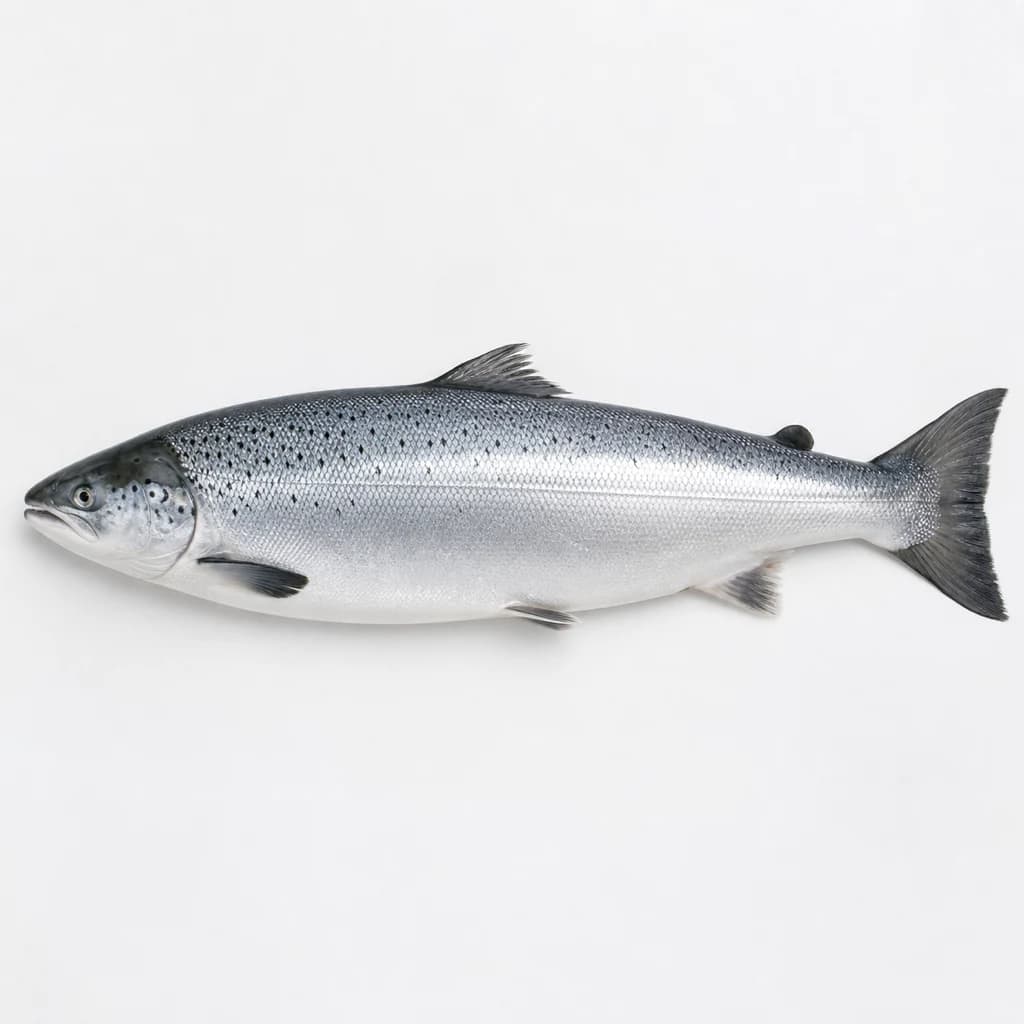
Salmon
Rich, rosy fish that roasts, grills, or cures beautifully

Egg White
Pure protein that whips to airy peaks for meringue and more
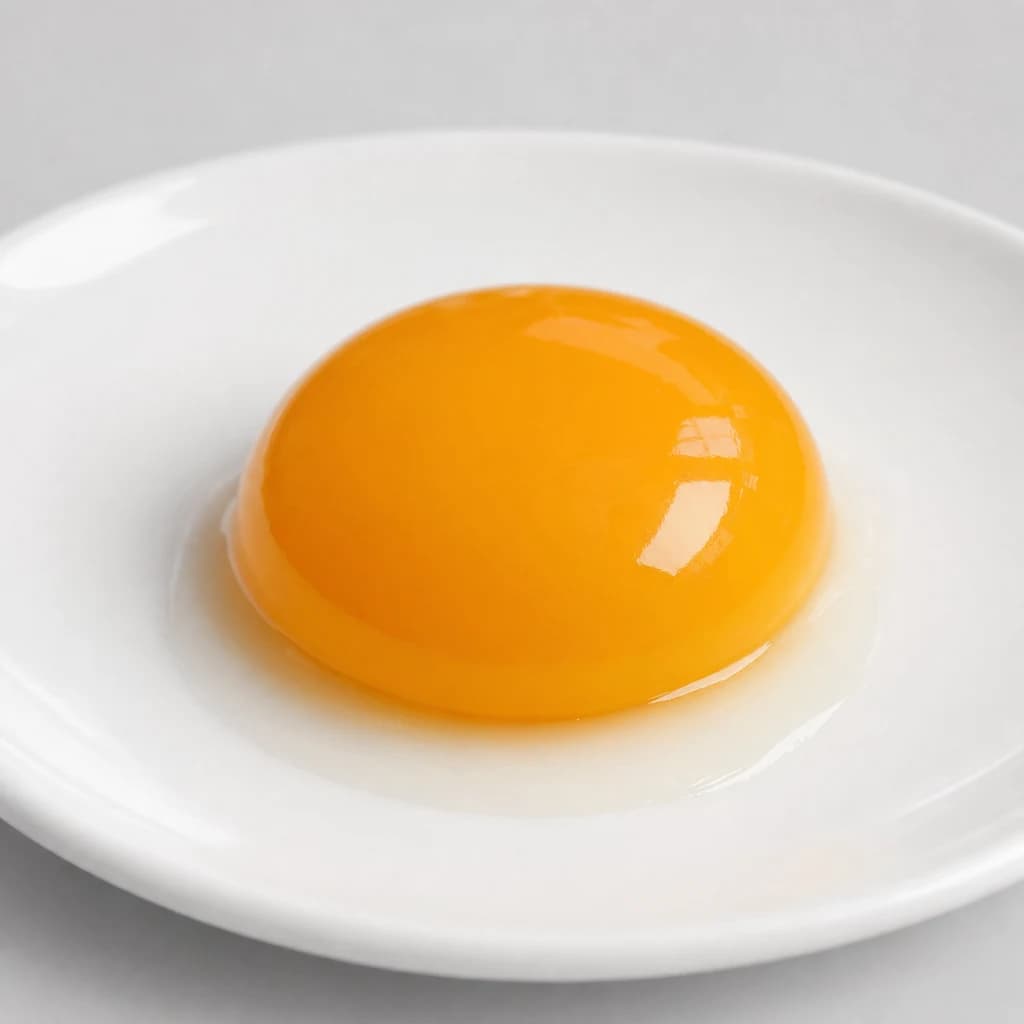
Egg Yolk
Rich, golden yolk for custards, mayonnaise, and pasta

Quail Egg
Tiny, speckled eggs for garnishing and elegant bites