Proteins
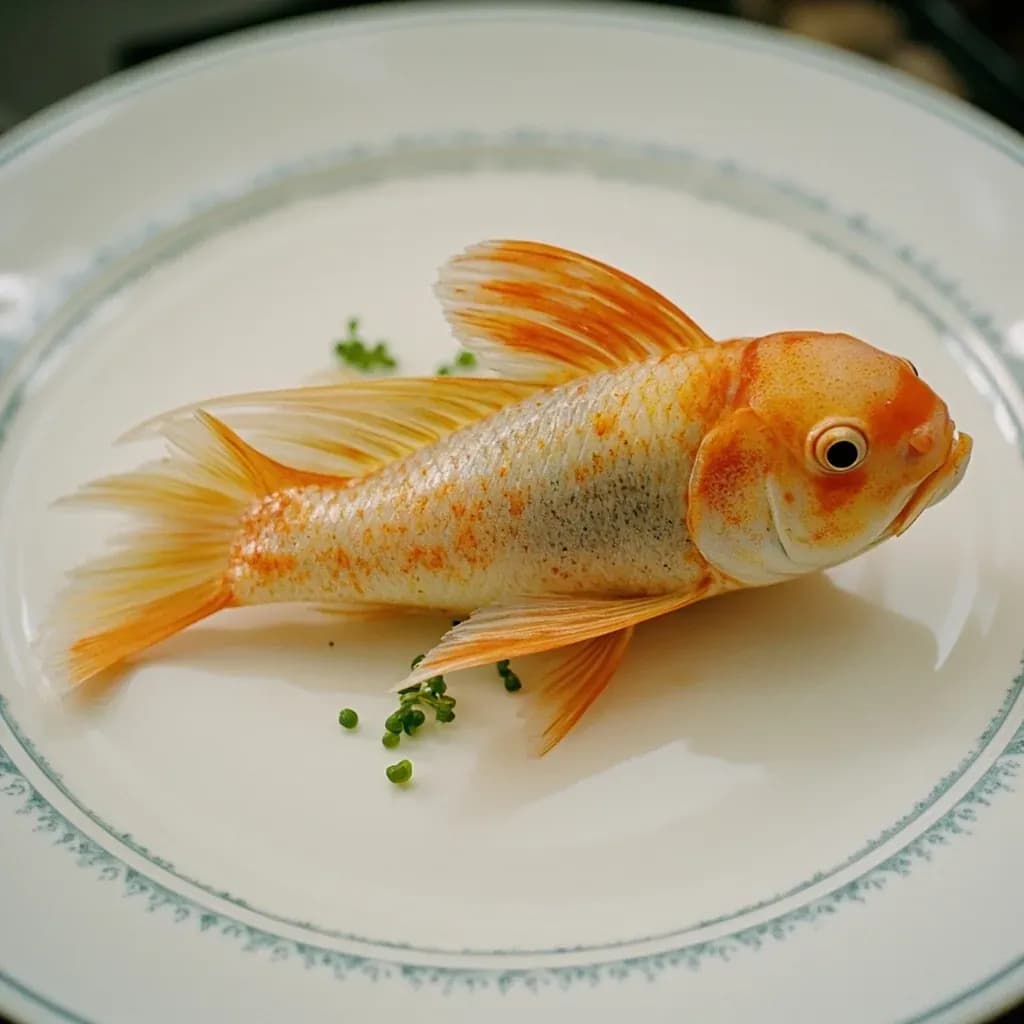
Climbing Perch (Koi)
The Bengali 'koi' fish — climbing perch braised in mustard-oil curries for festive meals.
Koi, the Bengali name for climbing perch, is a small, hardy freshwater fish with firm flesh and a distinctive flavor. It is treated as a delicacy in Bengali cuisine, braised in mustard-oil curries (koi macher jhol) and served at celebrations. Despite its bones, it is prized for its rich taste and is traditionally cooked whole.
Climbing perch, called koi in Bengali, is a small freshwater fish (Anabas testudineus) native to the wetlands and ponds of South and Southeast Asia. Its name comes from a remarkable ability — it can survive out of water for extended periods and even climb inclines by wriggling and using its gill covers as hooks, which made it historically accessible to rural populations far from waterways. In Bengali kitchens, koi holds a place that transcends its modest size and low price: it is one of the few fish considered auspicious for specific rituals and appears on mandatory menus at weddings and festivals. The flesh is sweet and delicate, with a pronounced fishiness that Bengali cooks embrace rather than mask, and the bones — though small and numerous — soften during long cooking, making every part of the fish edible. This reflects a deep culinary philosophy of minimal waste, where the head, fins, and frame are prized contributors of body and flavour in braised dishes.
Koi's small scale (typically 15–25 cm) and firm flesh make it extraordinarily versatile — it stands up to heavy mustard-oil braises, surrenders to gentle steaming, and crisps beautifully when fried whole. The fish spoils quickly after death, more so than most freshwater species, which is why traditional markets sell it alive or freshly killed and why cooks treat it within hours of purchase. The flavour peaks in winter months (November–February), when the flesh is firmest and the sweetness most pronounced. In rural Bengal, surplus catches are salted and sun-dried for preservation, reconstituted in dal and torkari dishes throughout the lean season — a practice that also concentrates the fish's umami character into something deeply savoury.
Understanding koi means understanding Bengali fish cookery's core tension: the fish is delicate enough to ruin with overcooking, yet robust enough in flavour to anchor rich, spiced gravies. Master that balance and you have access to a fish that is simultaneously an everyday staple and a festive centrepiece — the same small creature appearing in humble weeknight jhol and on the platters of wedding feasts.
- Measured in
- piece
- Storage
- Fridge
Allergens
Types & varieties
Most common market form; sold alive or freshly killed by fishmongers; used in most preparations
Slightly larger specimens preferred for thick, slow-cooked bhuna gravies where the fish holds its shape through long simmering
Sun-dried and salt-cured; reconstituted in dal or torkari; shelf-stable for months; soaking in warm water for 30 minutes reduces excess saltiness
Buying and Selecting Koi
In Bengali markets, koi is sold alive or freshly killed — this is the single most important indicator of quality. If buying from a fishmonger who has already cleaned the fish, check that the gills are bright red or pink, not brown or grey. The eyes should be clear and slightly bulging. Press the flesh with a finger: it should spring back immediately and feel firm, not leave an indentation. A mild sweet, ocean-like scent confirms freshness; any ammonia or sour smell is disqualifying. Because koi spoils rapidly after death, buy it last on your market visit and cook it within 24 hours. In winter months, slightly longer storage (up to 36 hours in the coldest part of the refrigerator) may be acceptable, but the flavour will have dulled. If the fish is for a special occasion, ask your fishmonger to save live koi and kill it just before you cook.
- Buy live or freshly killed — avoid pre-cleaned koi whose provenance you cannot verify
- Look for clear, bulging eyes and bright red gills
- Press-test the flesh: it should spring back firmly
- Smell for ammonia or sour notes — never cook fish that smells off
- Purchase last on market visits and cook the same day
The Bengali Philosophy of Whole-Fish Cookery
Koi teaches a fundamental principle of Bengali fish cookery: no part of the fish is wasted. The head, fins, and frame are not removed and discarded as in some culinary traditions — they are left on and cooked through, contributing body, gelatin, and flavour to the gravy. The small bones soften during braising to the point where they are edible, a texture Bengali cooks call khara — slightly firm but not threatening. This approach is both cultural and practical: in a cuisine built around the subtle flavour of freshwater fish, the head and bones carry significant umami that defines the finished dish. When a Bengali cook prepares koi dalna, the gravy is partly built from the dissolved collagen and minerals released from the fish frame during slow cooking. Treating koi as a fillet to be deboned is not wrong, but it loses the essence of how this fish belongs in Bengali cooking.
- Cook koi whole — head, fins, and frame included
- The bones soften during braising and become edible
- The head and frame enrich gravies with body and umami
- Deboning strips koi of its cultural and culinary identity
Common uses
Tips & pitfalls
- Never overcook — koi flesh turns chalky and loses its subtle sweetness if boiled aggressively; maintain a gentle simmer or use high heat only for frying
- Salt the fish lightly before frying to draw surface moisture and achieve even, crisp browning without splattering
- For curries, marinate in turmeric and salt for 15 minutes before cooking to firm the flesh and reduce perceived fishiness
- When using mustard-based gravies, bloom the mustard paste in hot oil before adding liquid — this eliminates raw bitterness and develops the characteristic kasundi aroma
- The head and bones are edible and prized in Bengali cooking — do not discard; they contribute body and richness to braised dishes
- For banana-leaf steaming (pathuri), secure the parcel tightly with twine and steam over medium heat for 15–20 minutes; opening too early causes the fish to tear
- If using dried koi, soak in warm water for 30 minutes before cooking; taste and adjust salt before adding to dal as curing salt levels vary
- Common mistake: buying stale koi — it spoils faster than most fish; always press the flesh and smell it; ammonia or sour notes mean it is past use
- Avoid heavy tomato-based gravies with small koi — the acidity overwhelms the delicate sweetness; save tomato for dalna with larger specimens
Nutrition
Energy
519 kJ · per 100 g
Where the calories come from
Protein
20g
40% DV
Carbs
0g
0% DV
Fat
4.2g
5% DV
Fiber
0g
0% DV
Sodium
60mg
3% DV
Source · USDA FoodData Central · approx. Fish, bluefish, raw
View on FDC →In the shops
Matched grocery products
No matched grocery products for Climbing Perch (Koi) yet.
Good to know
- Origin
- South and Southeast Asia; widely available in Bengal (Bangladesh and West Bengal, India)
- Scientific Name
- Anabas testudineus
- Common Names
- Koi (Bengali), Climbing Perch, Vietnamese: cá rô, Thai: pla kee tua
- Size
- Small fish, typically 15–25 cm; market weight rarely exceeds 200g
- Flavour
- Sweet, delicate white flesh with pronounced fishiness; bones are small but numerous and soften during cooking
- Season
- Available year-round; peak quality in winter (November–February)
- Freshness Test
- Clear, bulging eyes; bright red or pink gills; firm flesh that springs back when pressed; mild sweet scent, not ammonia
- Storage
- Use within 24 hours of purchase; can be salted and dried for months (common in rural Bengal)
- Price
- Inexpensive staple; not a luxury fish
- Preparation
- Scales are small and firmly attached — thorough scaling is essential. Gut quickly as the innards spoil fast.
Substitutes
- Puti (Indian barb) — Smaller and bonier, but shares a similar texture and fishiness; use 1:1 in curries and bhajas
- Mola (Hilsa minnow) — Comparable size and oil content; good for frying; slightly milder flavour; a close second in Bengali markets
- Small tilapia — Less fishy and bonier, but acceptable in bhuna and jhol preparations when koi is unavailable
- Snakehead (murrel/channa) — Firmer flesh, less bony; use smaller specimens; not traditional for koi dishes but works in kalia and bhuna
Pairs with
Also called
Climbing Perch · Koi Mach · Anabas
Related
Egg
The kitchen's everything ingredient — bind, leaven, enrich, or fry
Chicken Breast
Lean, quick-cooking white meat for everyday dinners

Ground Beef
Versatile minced beef for burgers, ragù, tacos, and meatballs
Pork Loin
Lean, tender roasting cut that stays juicy with care
Salmon
Rich, rosy fish that roasts, grills, or cures beautifully

Egg White
Pure protein that whips to airy peaks for meringue and more

Egg Yolk
Rich, golden yolk for custards, mayonnaise, and pasta

Quail Egg
Tiny, speckled eggs for garnishing and elegant bites