Produce
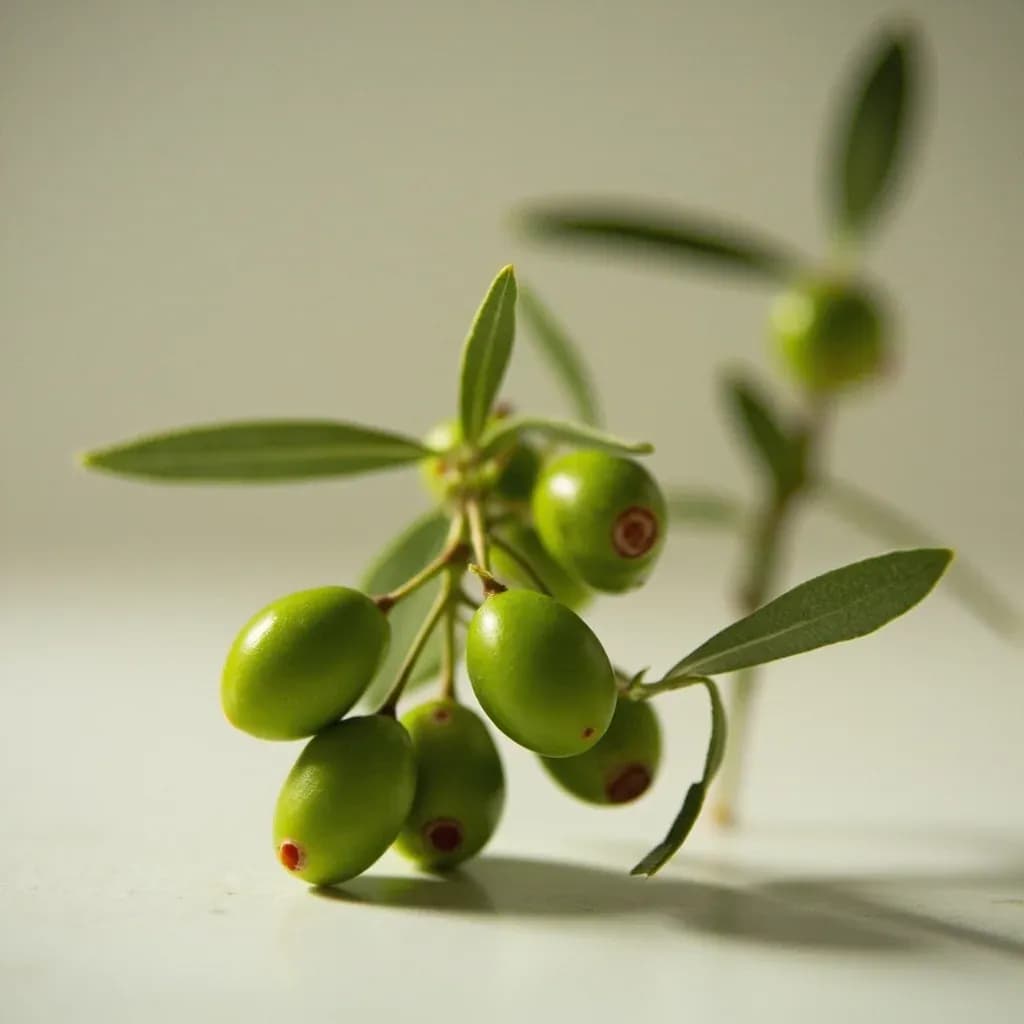
Koroneiki Olive
Tiny Greek olive pressed for robust, peppery, high-quality olive oil.
Koroneiki is a small Greek olive variety grown primarily for oil rather than the table. Despite its tiny size it yields a robust, fruity oil with grassy aromas and a peppery finish, high in antioxidants and prized for premium extra-virgin oils. It is the dominant olive of Greek olive-oil production.
Koroneiki is Greece's most important oil olive cultivar, accounting for roughly half of the country's oil olive acreage. The small, compact olives—typically 1.5–2.5 grams—yield an impressively high oil content of 15–20% by weight, making them extraordinarily productive despite their diminutive size. This balance of efficiency and quality made Koroneiki the traditional workhorse of Peloponnese smallholder production, and it now defines Greece's reputation in premium olive oil markets worldwide.
The oil pressed from Koroneiki is immediately recognizable: a golden-green liquid with pronounced green hues, delivering a fruity, grassy character that opens on the palate and finishes with a robust, peppery pungency and moderate bitterness. This peppery sensation—caused by the compound oleocanthal—is a hallmark of quality, not a flaw. The cultivar's high polyphenol content contributes to both its health profile and its stability, though premium Koroneiki oil is still best consumed within 12–18 months of pressing. Unlike dedicated table olive cultivars such as Kalamata or Chalkidiki, Koroneiki is almost exclusively pressed for oil; attempts to cure it as a table olive are rare and generally produce disappointing results compared to cultivars bred for that purpose.
Harvested from November through January in Greece, Koroneiki olives shift from green to purple to black depending on timing—green-harvested fruit yields more pungent, grassy oil, while fully ripe olives produce milder, fruitier results. The cultivar thrives in the dry Greek summers and calcareous soils of the southern Peloponnese, Crete, and the Ionian islands, and producers increasingly bottle single-variety Koroneiki to showcase its distinctive profile rather than blending it away.
- Measured in
- g
- Storage
- Pantry
Types & varieties
The main cultivar; small-fruited, high-oil, robust grassy-peppery flavor
Regional selections from Olympia, Sparts, and Thoubria with subtle agronomic differences; oil character remains consistent across clones
Sometimes marketed as Olympia Koroneiki when sourced specifically from the Olympia area of Ilia Prefecture
Green Harvest vs. Ripe Harvest
The harvest window dramatically shapes Koroneiki's oil character. Green-harvested olives (November) produce oil with intense grassy notes and aggressive peppery pungency—ideal for finishing dishes where the oil's character will dominate. As olives ripen toward purple and black (December–January), oil becomes milder and fruitier, with rounder, less assertive bitterness. Neither is superior; match harvest timing to your intended use.
- Green-harvested: more pungent, grassy, aggressive—good for finishing strongly flavored dishes
- Fully ripe: milder, fruitier, rounder—better for dressings where balance matters
Understanding the Peppery Finish
That distinctive throat-catching pepperiness in Koroneiki oil comes from oleocanthal, a phenolic compound that also acts as a natural anti-inflammatory. It is not a sign of defects or excessive acidity—rather, it indicates high polyphenol content and proper handling. If your Koroneiki oil lacks any peppery sensation, the fruit may have been overripe, poorly stored, or the oil excessively refined.
- Pronounced pungency signals high quality and high polyphenol content
- Absence of pepperiness suggests overripe fruit, poor handling, or refinement
- The sensation is strongest in fresh, cold-extracted oils
Common uses
Tips & pitfalls
- Look for harvest date on bottles—Koroneiki degrades faster than some varieties, and a best-by date alone tells you nothing about freshness
- Cold-extracted (cold-pressed) oils preserve the fruity and peppery characteristics that define quality Koroneiki
- Green-harvested olives yield more pungent, grassy oil; fully ripe olives produce milder, fruitier oil—know your source's harvest timing
- Store opened bottles in a cool, dark cabinet; oxygen exposure causes rapid flavor decline within weeks
- The peppery sensation is a hallmark of quality, not a flaw—embrace it as a sign of high polyphenol content
- Single-variety Koroneiki commands higher prices than blends; verify label claims if paying premium prices
- Avoid reheating high-quality Koroneiki—it loses its aromatic complexity above 180°C (356°F)
- Do not substitute Koroneiki in recipes calling for mild oils like Arbequina—the flavor mismatch will be jarring
- Avoid plastic containers; glass or tin protects flavor better during storage
- If oil smells musty, yeasty, or like old peanuts, it has oxidized and should be discarded
Nutrition
Energy
983 kJ · per 100 g
Where the calories come from
Protein
11.8g
24% DV
Carbs
9.2g
3% DV
Fat
16.5g
21% DV
Fiber
0g
0% DV
Sugars
0g
of which
Sodium
964mg
42% DV
Source · USDA FoodData Central · approx. Olive loaf, pork
View on FDC →In the shops
Matched grocery products
No matched grocery products for Koroneiki Olive yet.
Good to know
- Scientific name
- Olea europaea 'Koroneiki'
- Origin
- Peloponnese region, Greece (historically Olympia and Koron, Messinia)
- Primary use
- Olive oil production (most important Greek oil cultivar)
- Olive size
- Small; 1.5–2.5 g per fruit
- Oil yield
- 15–20% of fruit weight (high for small olives)
- Flavor profile
- Fruity and grassy, with pronounced peppery finish and moderate bitterness
- Polyphenol content
- High; contributes to stability, pungency, and health benefits
- Shelf life
- Best within 12–18 months of pressing
Substitutes
- Frantoio — Italian cultivar; similar grassy, peppery profile; widely available internationally
- Moraiolo — Italian variety from Umbria and Tuscany; high polyphenols, pronounced pungency, good structural match
- Picholine — French cultivar; fruitier and less peppery; acceptable budget substitute but not equivalent character
- Arbequina — Spanish cultivar; much milder and buttery; a poor flavor match for robust Koroneiki applications
Pairs with
Related
Tomato
Juicy, sun-sweet fruit for sauces, salads, and slow-cooked depth
Yellow Onion
The aromatic backbone of soups, sofritos, and braises
Garlic
Pungent cloves that perfume nearly every savory dish
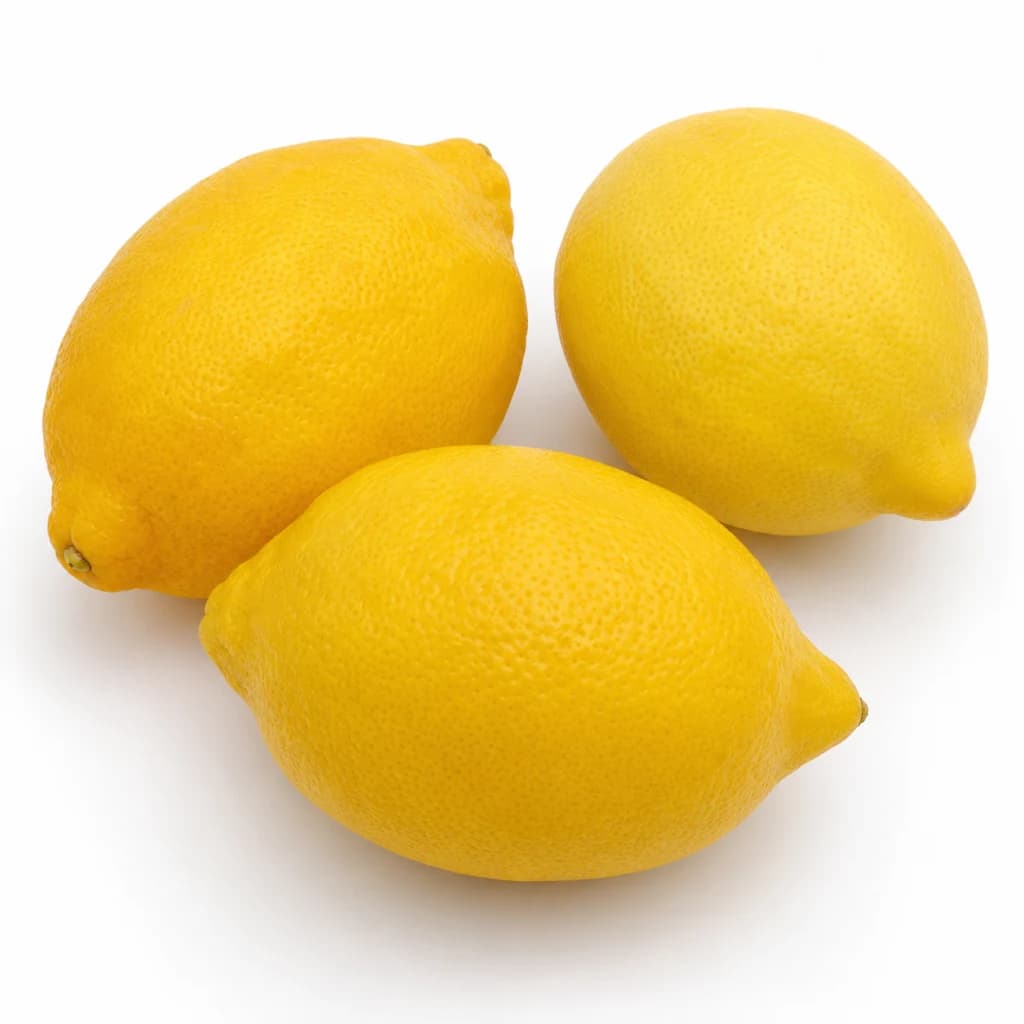
Lemon
Bright, acidic citrus that wakes up almost any dish
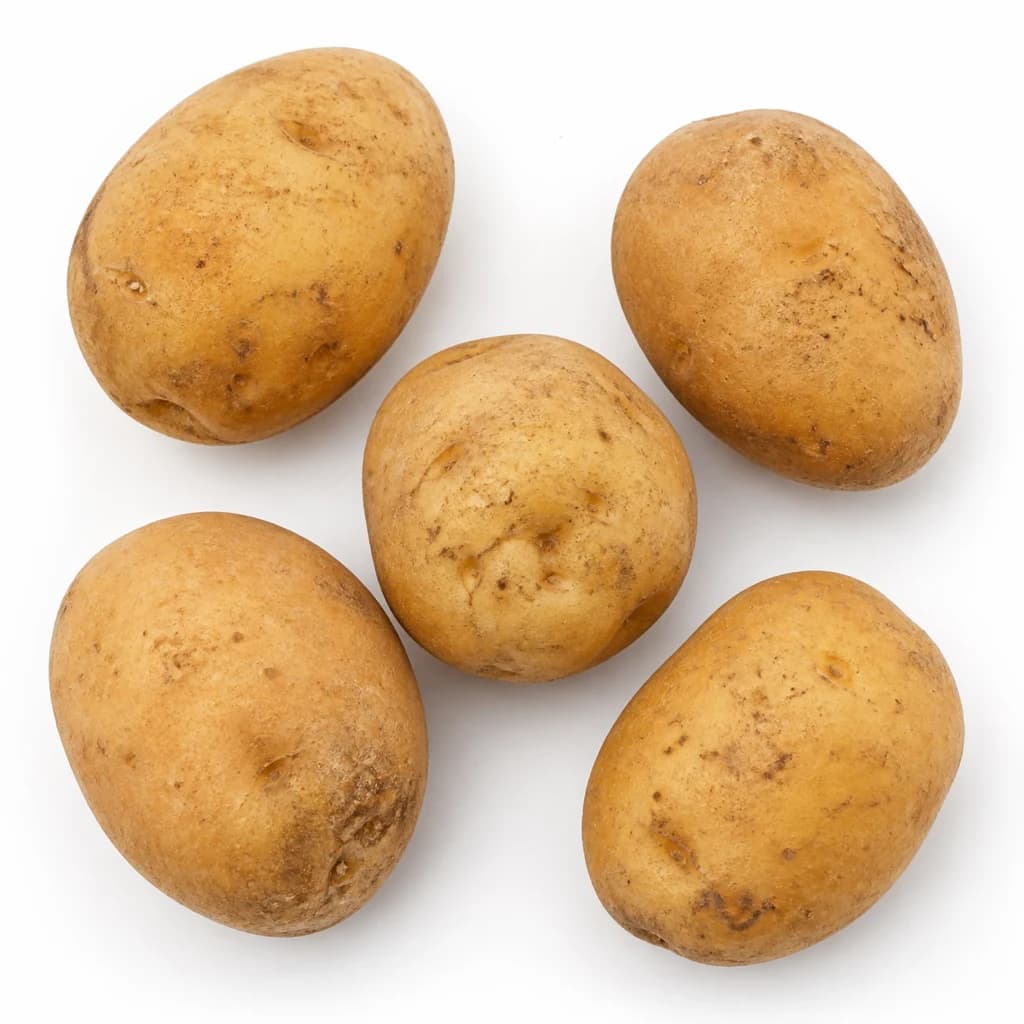
Potato
Humble, hearty staple — roast, mash, fry, or boil
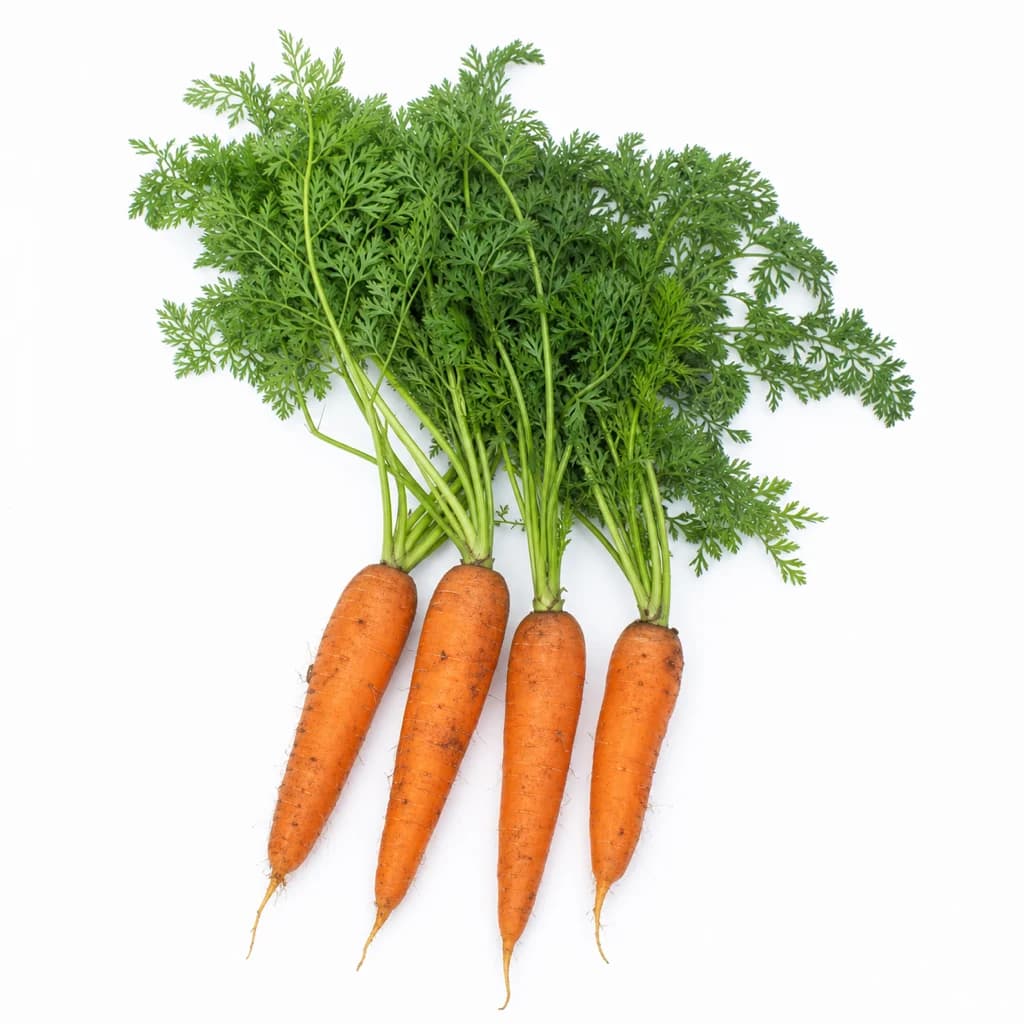
Carrot
Sweet, crunchy root — raw, roasted, or the base of a sofrito
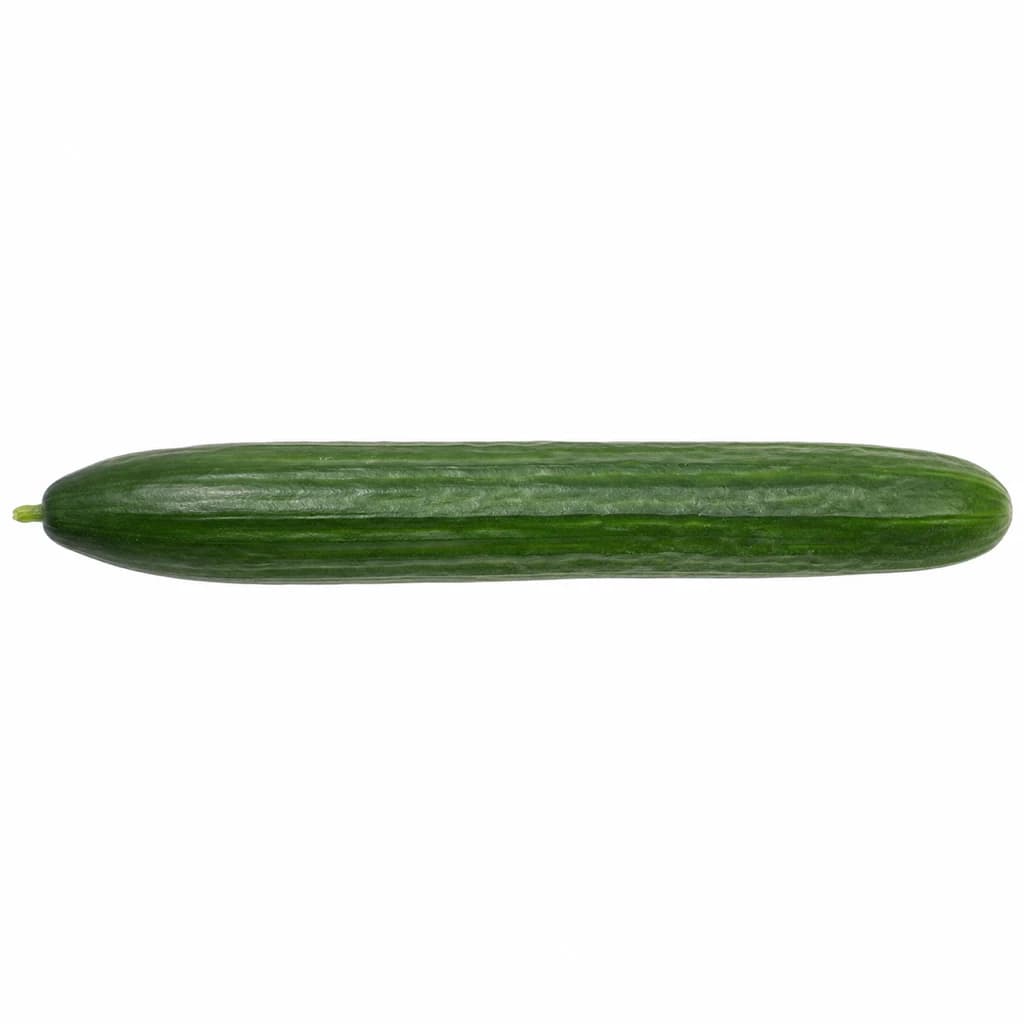
Cucumber
Cool, crisp, and watery — for salads, pickles, and tzatziki

Lettuce
Crisp leaves for salads, wraps, and a fresh crunch