Proteins
Kulen
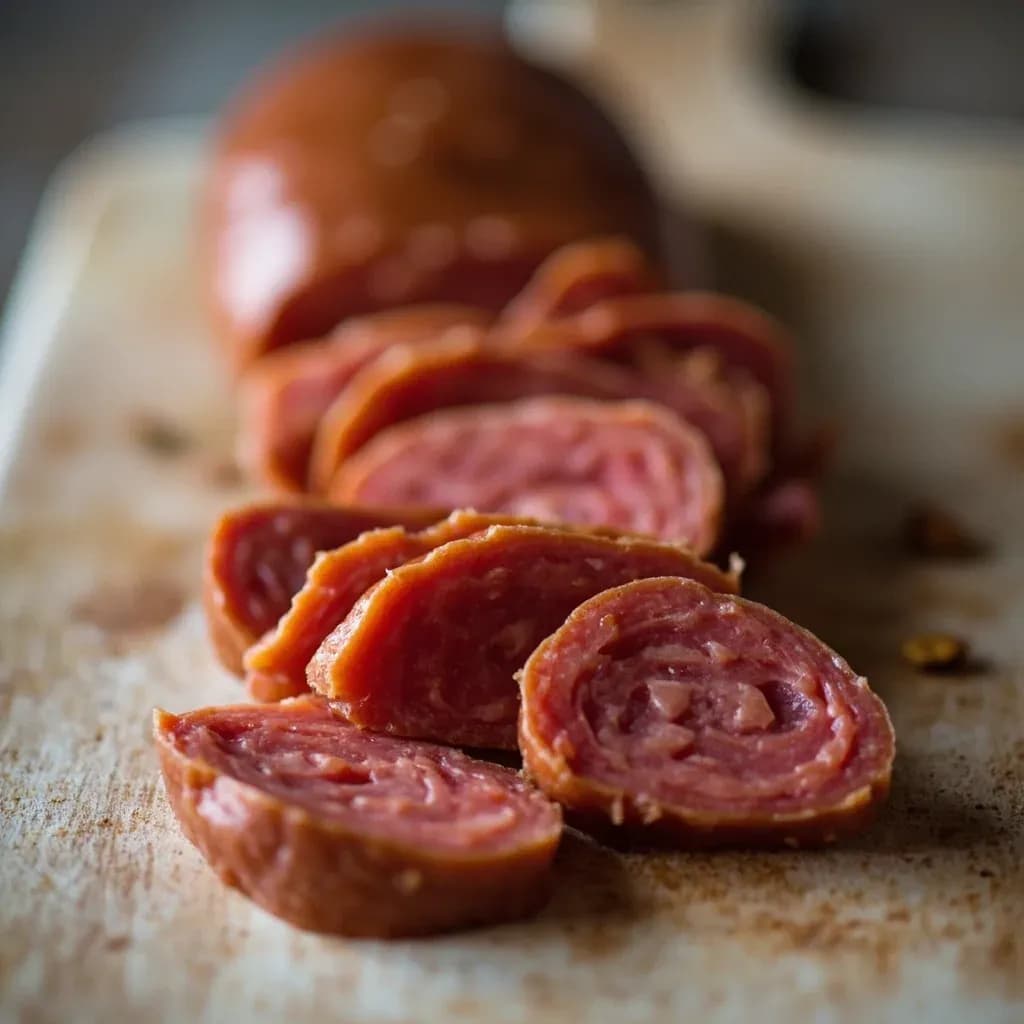
Spicy paprika-rich Croatian/Serbian dry-cured pork sausage, sliced as charcuterie.
Kulen is a robust dry-cured sausage from the Slavonia region of Croatia and Serbia, made from minced pork seasoned heavily with paprika and garlic. It is fermented and air-dried for months, developing a deep red color and a spicy, smoky flavor. It is sliced thin and served as an appetizer with cheese, bread and pickles.
Kulen is a distinguished dry-cured pork sausage from eastern Croatia (Slavonia) and northern Serbia (Vojvodina), made with coarsely ground lean pork shoulder and substantial back fat seasoned heavily with Hungarian-style paprika, garlic, black pepper, and salt. Unlike many European cured sausages, kulen derives its character almost entirely from the interplay of sweet and hot paprika with garlic—a combination that gives the sausage its deep red-orange color and distinctive sweet-spicy backbone. The result is a dense but slicable sausage with visible white fat specks throughout, aged a minimum of two to six months to develop concentrated flavor. Đakovo in Slavonia is considered the spiritual home of Croatian kulen, while the Srem region of Vojvodina produces the Serbian counterpart, often slightly spicier. Slavonski kulen holds Protected Geographical Indication status from Croatia, making it one of the few Balkan meats with formal geographical protection. The sausage occupies a specific niche: heavier on paprika than most other European dry sausages, with a larger casing diameter than typical Hungarian kolbász, and a fat content of 30–45% that keeps it moist and flavorful during long ageing.
- Measured in
- g
- Storage
- Fridge
Types & varieties
PGI-protected Croatian version from Slavonia with strict standards for paprika content, meat cut, and ageing requirements
From Đakovo, considered the premier Croatian style and often regarded as the benchmark for quality
Serbian Vojvodina/Srem style; typically spicier due to higher proportion of hot paprika
"Kulen's sister"—made from trimmings remaining after making whole kulen; often sliced thinner and slightly softer
Identifying Quality Kulen
Quality kulen should have an even deep red-orange color without brown or gray patches, visible white fat specks distributed uniformly throughout (clumped fat indicates poor mixing), and a clean garlicky-paprika aroma. Avoid products with artificial casings—authentic kulen uses natural pork intestine. Traditional recipes rely on paprika's natural preservatives and salt; steer clear of sausages with added nitrates or nitrites. The sausage should feel firm but yield slightly under pressure; excessive hardness suggests over-drying, while soft spots may indicate spoilage.
- Firm with slight give; avoid rock-hard or mushy spots
- Deep red-orange throughout; no discoloration
- Uniform white fat specks, not clumped
- Clean paprika-garlic aroma; avoid sour, ammonia, or rancid smells
- Natural pork intestine casing only
Slicing and Presentation
The single most important technique for serving kulen is proper slicing. A refrigerated kulen will be dull and will not slice cleanly—the fat smears and the texture resists clean cuts. Always bring whole sausage to room temperature for 20–30 minutes before slicing. Use a sharp long slicer or sharp chef's knife; a mandoline set to 2–3mm produces professional-looking translucent slices ideal for appetizer plates. Slice on a slight bias for maximum surface area and visual appeal. For a traditional appetizer plate, arrange slices overlapping, slightly fanned, alongside aged cheese, olives, pickled peppers, and raw onion rings.
- Rest 20–30 minutes at room temperature before slicing
- Use sharp knife or mandoline set to 2–3mm thickness
- Slice on bias for presentation and maximum surface area
- Overlap slices slightly on serving board
Common uses
Tips & pitfalls
- Bring refrigerated kulen to room temperature for 20–30 minutes before slicing—this releases the aroma and makes thin, clean cuts possible
- Use a sharp, long slicer or sharp chef's knife; a mandoline gives paper-thin, professional-looking slices
- Slice on a slight bias to maximize surface area and presentation on a board
- When storing sliced pieces, press plastic wrap directly against cut surfaces to minimize oxidation
- Look for firm texture, deep red color without brown or gray patches, and a clean garlicky-paprika aroma—avoid anything with sour, ammonia, or rancid smells
- Traditional kulen has visible white fat specks throughout; absence may indicate over-processing
- If using in cooked applications, add near the end to prevent the paprika flavor from cooking off and the fat from rendering away
- Pair with full-flavored Balkan cheeses like paški sir or smoked trappist-style cheese for authentic combinations
- Authentic kulen should not need refrigeration while whole—refrigeration can cause texture drying; only slice and refrigerate leftovers
Nutrition
Energy
649 kJ · per 100 g
Where the calories come from
Protein
18.8g
38% DV
Carbs
0.5g
0% DV
Fat
8.1g
10% DV
Fiber
0g
0% DV
Sugars
0g
of which
Sodium
593mg
26% DV
Source · USDA FoodData Central · approx. Sausage, turkey, fresh, raw
View on FDC →In the shops
Matched grocery products
No matched grocery products for Kulen yet.
Good to know
- Origin
- Eastern Croatia (Slavonia) and northern Serbia (Vojvodina)
- Primary Region
- Đakovo in Slavonia is the most famous production center; Srem region in Vojvodina is the Serbian heartland
- Key Ingredient
- Pork shoulder and back fat, 30–45% fat content essential for flavor and texture
- Signature Seasoning
- Hungarian-style paprika (sweet and hot), garlic, black pepper, salt
- Casings
- Natural pork intestine, typically wider casings (35–40mm) giving a large diameter sausage
- Texture
- Firm, dense, slicable at room temperature; not as hard as fully dried sausages
- Color
- Deep red-orange from heavy paprika content; fat renders as white/cream-colored specks
- Ageing Time
- 2–6 months minimum; traditional recipes age up to one year
- Typical Weight
- 1–3 kg per sausage depending on casing size and tradition
- Serving Temperature
- Room temperature—bring refrigerated sausage to room temperature for 20–30 minutes before slicing for clean cuts and full aroma
- Storage (whole)
- Hang in cool, dry, ventilated space; whole kulen does not require refrigeration
- Shelf Life
- Months whole; weeks to months sliced in fridge; freezes poorly (texture degrades)
- PGI Status
- Slavonski kulen holds Protected Geographical Indication from Croatia
Substitutes
- Hungarian paprika sausage (Fűszeres kolbász) — Shares heavy paprika and garlic seasoning; may be slightly softer in texture but works well as a direct substitute
- Spanish chorizo (curado/dry) — Paprika-based and garlicky; good flavor substitute though fattier and may have different spice profiles (smoked pimentón vs. Hungarian)
- Sobrasada (Balearic) — Paprika and garlic seasoned; spreadable when fresh, but aged versions exist with dry texture similar to kulen
- Hungarian téliszalámi — Dry-cured and garlicky; though less paprika-forward than kulen, it provides similar texture and charcuterie application
Pairs with
Also called
Kulin · Spicy Cured Sausage
Related
Egg
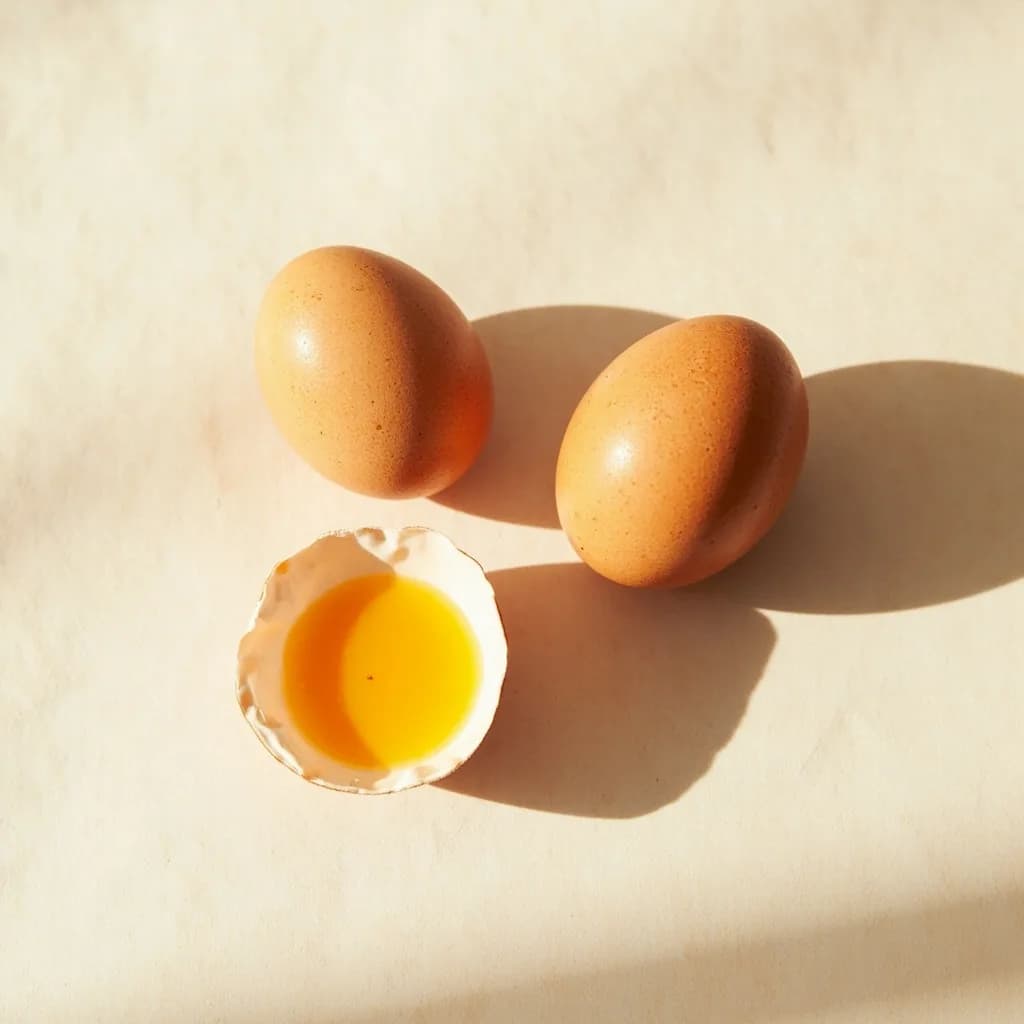
The kitchen's everything ingredient — bind, leaven, enrich, or fry
Chicken Breast
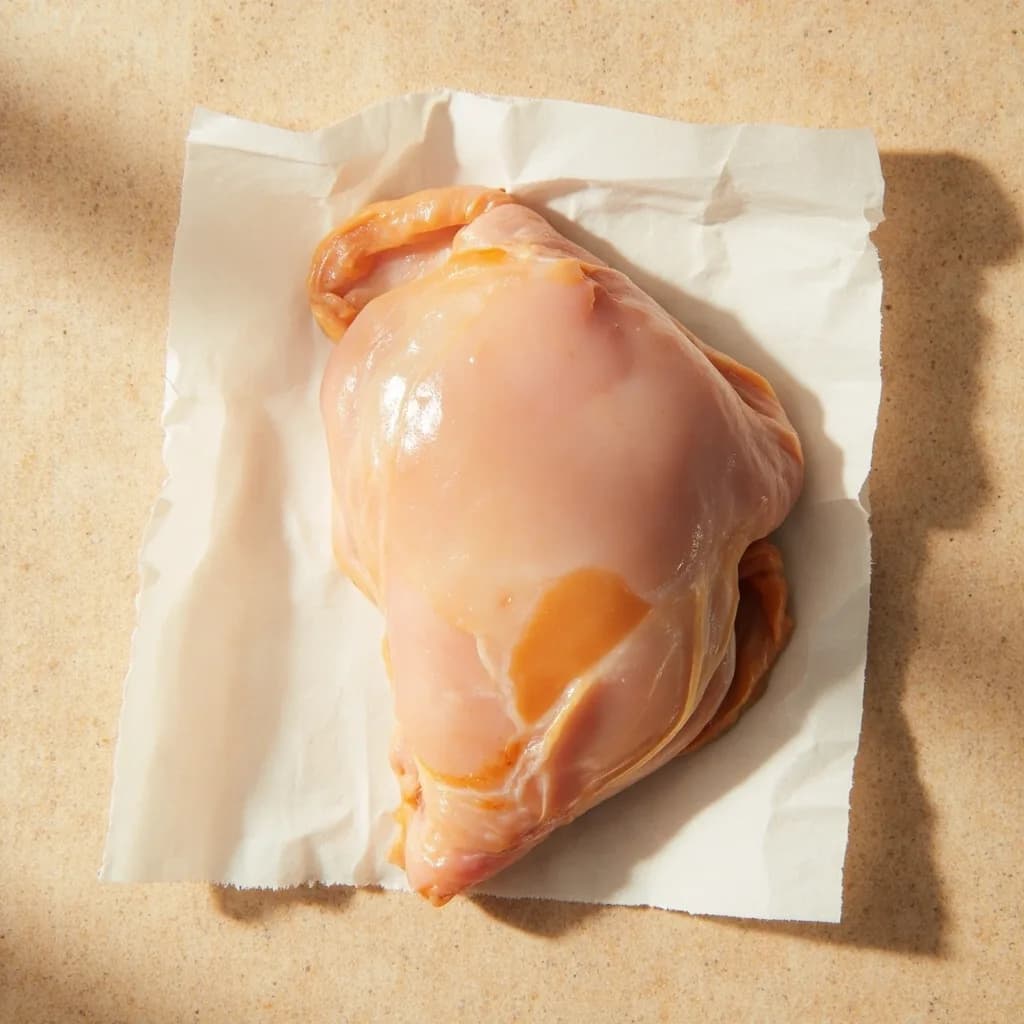
Lean, quick-cooking white meat for everyday dinners

Ground Beef
Versatile minced beef for burgers, ragù, tacos, and meatballs
Pork Loin
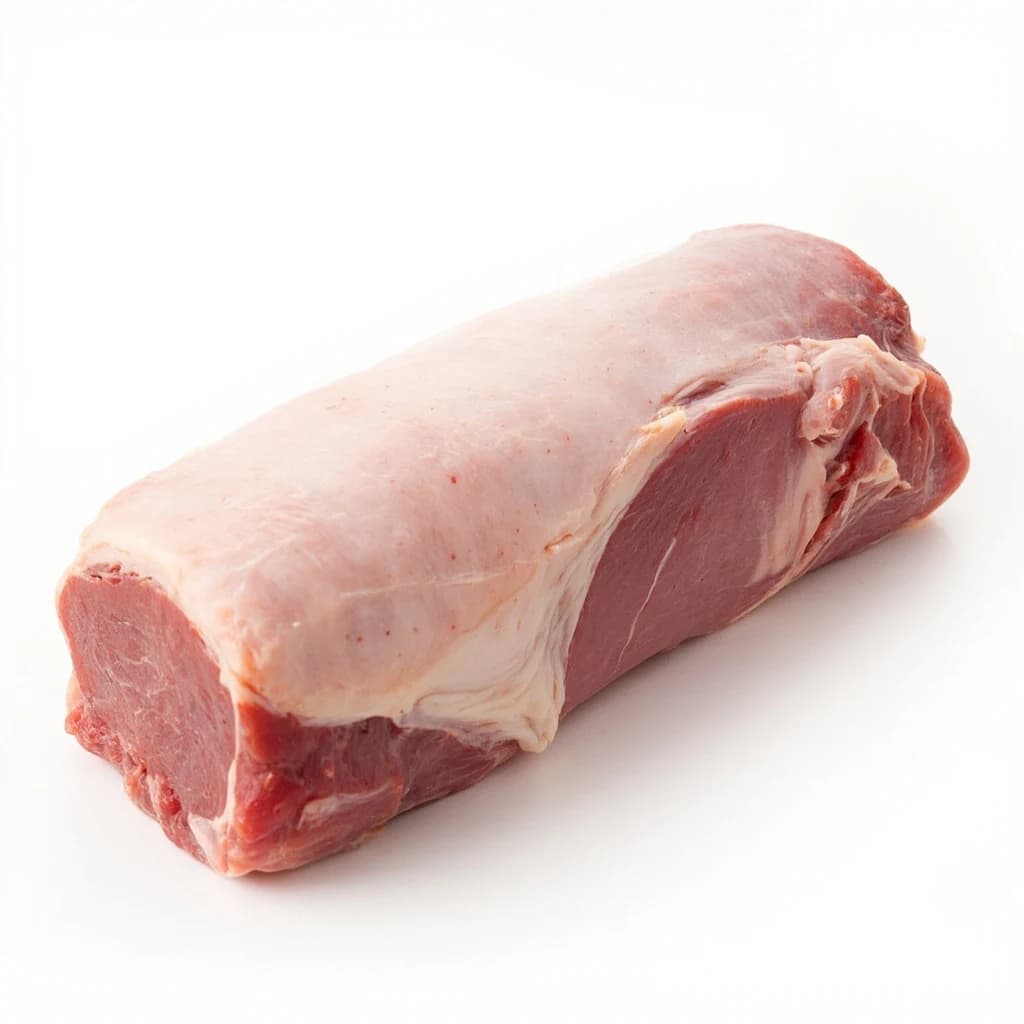
Lean, tender roasting cut that stays juicy with care
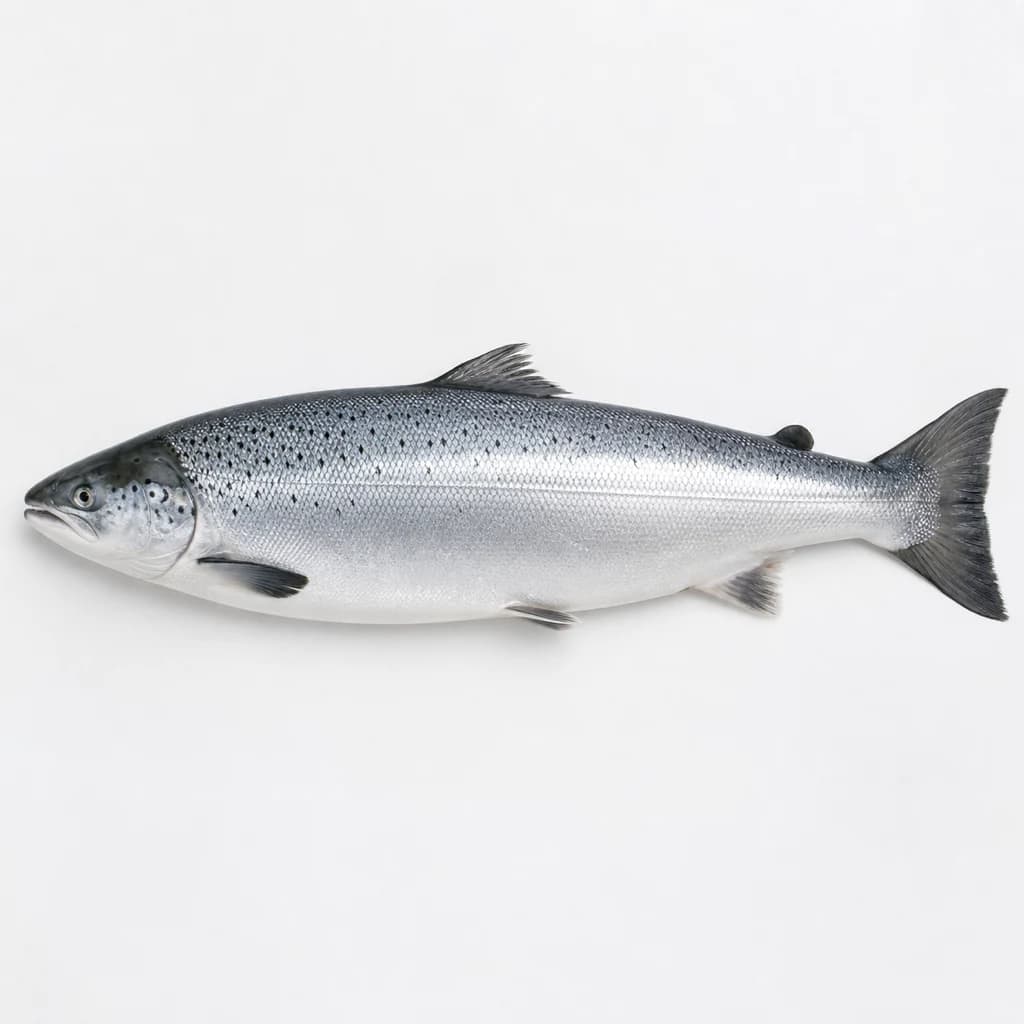
Salmon
Rich, rosy fish that roasts, grills, or cures beautifully

Egg White
Pure protein that whips to airy peaks for meringue and more
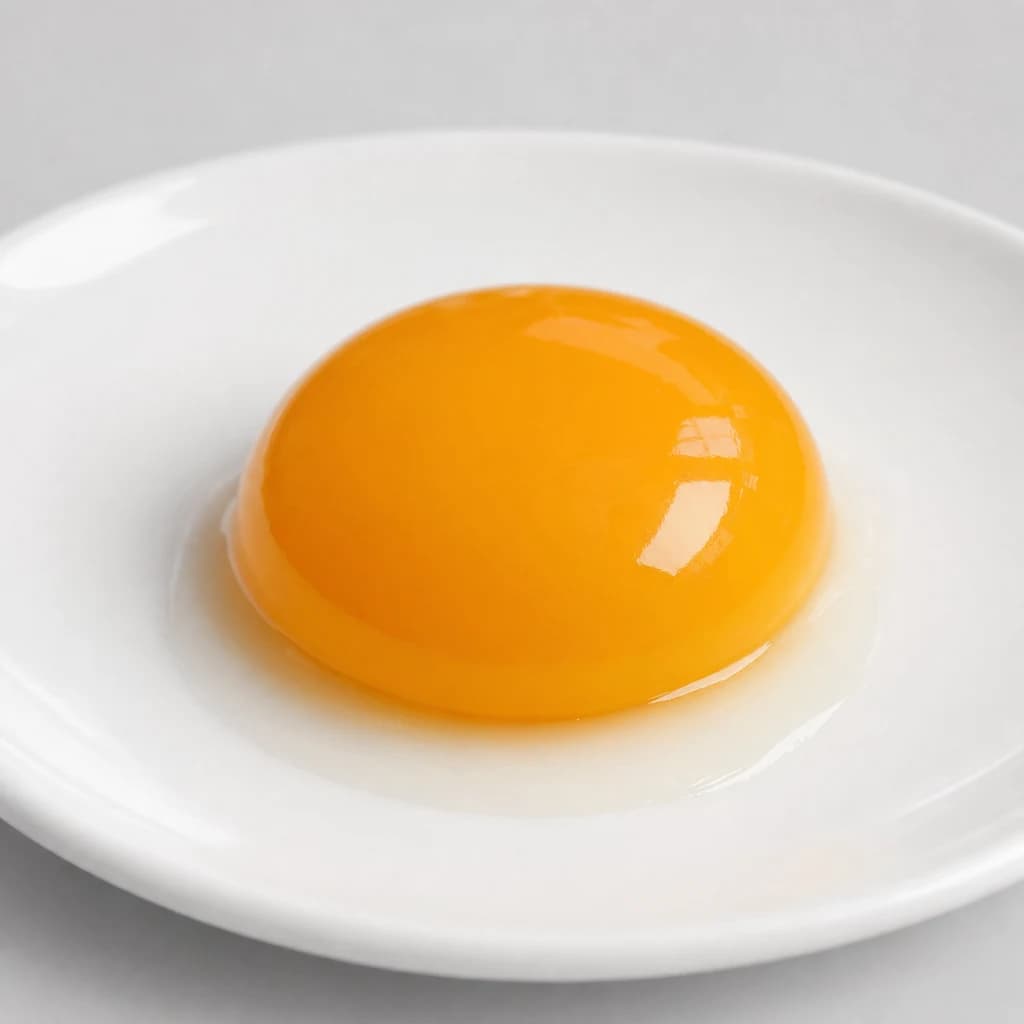
Egg Yolk
Rich, golden yolk for custards, mayonnaise, and pasta

Quail Egg
Tiny, speckled eggs for garnishing and elegant bites