Proteins
Ladyfish
Bony, silvery inshore fish often ground into fish cakes, balls and patties.
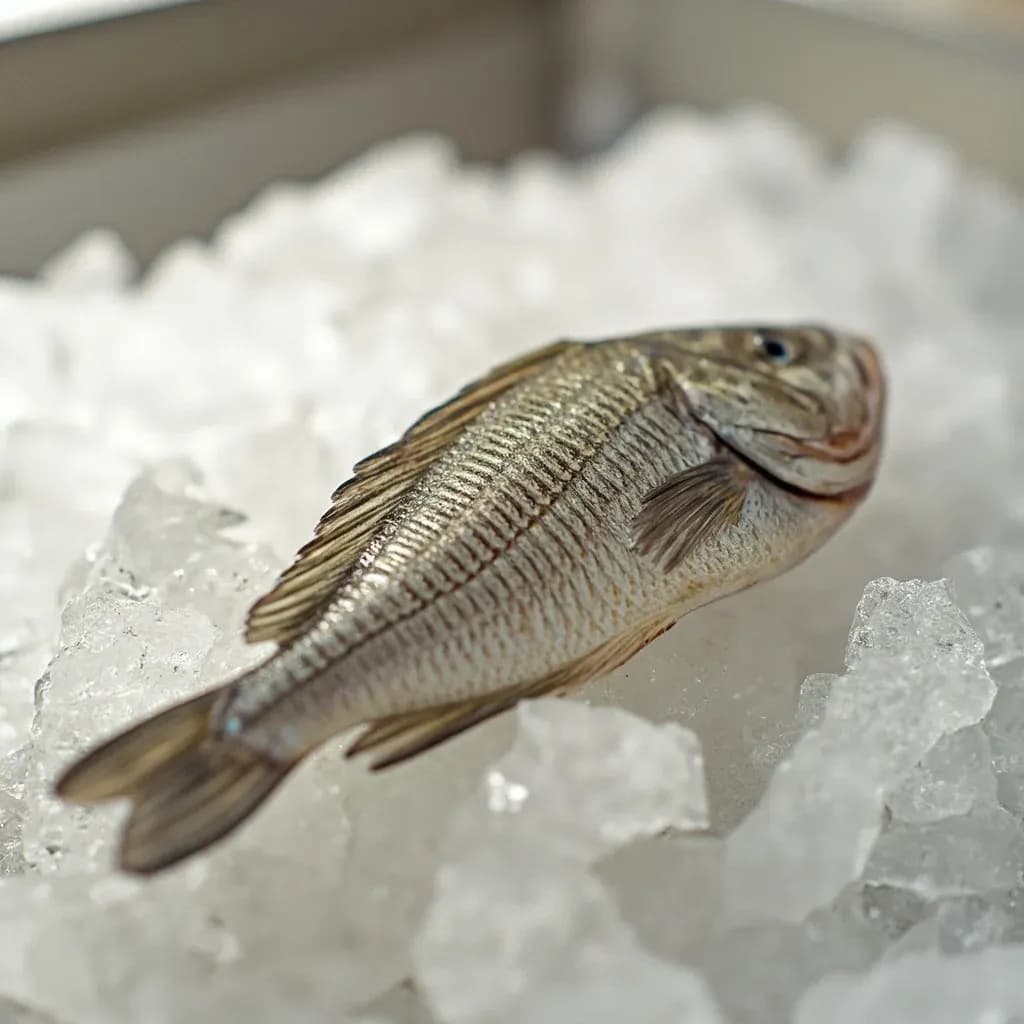
Ladyfish is a slender, silvery saltwater fish with soft but very bony flesh found in warm coastal waters. Because of its many fine bones, it is commonly scraped, ground and worked into fish cakes, fish balls and patties. The minced flesh has a mild flavor that takes well to seasoning.
Ladyfish (Elops saurus) is a silvery, inshore predator also known as ten-pounder and bonefish, prized in Gulf Coast and Southern cooking traditions despite—or perhaps because of—its notoriously bony flesh. The fish belongs to the Elopidae family and inhabits bays, estuaries, and mangrove waters from Massachusetts to Brazil. What makes ladyfish distinctive in the kitchen is its dense network of Y-shaped pin bones that run the length of the fillet, making standard filleting impractical. This bone structure transforms the fish from a simple table cut into a processing ingredient: ground, pickled, or prepared whole in ways that work with its architecture rather than against it. The flesh itself is white, lean, and mild—closer in flavor to thread herring or small mullet than to stronger-flavored oily fish—with a slightly firmer texture that holds up well to binding and frying.
Historically, ladyfish was a working-class staple throughout Florida and Louisiana, valued for its abundance and low cost once you understood how to handle it. Smoked or pickled ladyfish sustained communities before refrigeration, and fried fish balls made from ground ladyfish remain a soul food classic on Gulf Coast tables. Today, the fish appears on specialty menus as chefs rediscover heritage preparations and sustainable local sourcing. The bones, while numerous, are small and relatively soft. When the fish is ground with binders or fried whole until deeply crisp, the bones become entirely edible—part of the texture rather than a hazard. Understanding this fish means accepting that it demands a different approach than a clean fillet, and that different approach yields exceptional results in the right preparations.
Ladyfish seasons year-round, with peak availability in spring through fall along the Gulf Coast and Florida. Expect fish in the 2–4 pound range; larger specimens up to 15 pounds exist but the smaller to medium sizes are generally preferred for processing. Yield is approximately 35–40% edible flesh after careful deboning, though much of the fish's culinary value comes from using the entire carcass in stocks or converting trimmings into fish cakes. Fresh ladyfish should smell clean and briny—a sweet ocean scent, not ammonia or sour notes that indicate spoilage. Use within 1–2 days of purchase, or freeze at 0°F for up to three months.
- Measured in
- g
- Storage
- Fridge
Allergens
Types & varieties
Elops saurus—the primary species for US Gulf Coast and Southeast cuisine
Elops affinis—similar characteristics, common in Pacific and Indian Ocean regions
Local name 'Machro' or 'Kotiok'—used in West African fish cakes and grilled preparations
The Y-Bone Challenge
The Y-shaped pin bones are ladyfish's defining characteristic—and its primary culinary hurdle. These bones run in a dense row along both sides of the vertebral column, and unlike larger bones in other fish, they cannot be simply pulled out with pliers. The technique requires deboning tweezers or narrow needle-nose pliers, along with a fillet laid flat on a clean work surface. Work systematically from tail to head, using your fingertips to locate each bone's Y-junction just beneath the flesh surface, then grip as close to the base as possible and pull firmly at a slight angle toward the head. Expect to remove 40–60 bones from a medium fish. If the bones resist, snip them flush with the flesh rather than tearing the meat. After deboning, run your fingertips across the entire surface to ensure none were missed.
- Work on a clean, flat surface with good lighting
- Use deboning tweezers or needle-nose pliers—standard kitchen tweezers are too short
- Remove bones working tail-to-head at a slight angle
- Cut away the dark bloodline along the center for cleaner flavor
- Rinse and pat dry before using in any preparation
Processing vs. Filleting
Ladyfish fundamentally rewards processing over filleting. When you grind or chop the fish, the small, soft bones become part of the texture—harmless when thoroughly cooked and bound with eggs and breadcrumbs. This is not a compromise; it's the traditional preparation method that makes the fish valuable. Deep-frying small whole ladyfish achieves a similar result: the bones crisp to edibility in hot oil, and the fish becomes a complete eating experience rather than a frustrating dental challenge. Understanding this transforms your approach: stop trying to get clean fillets and start treating the fish as an ingredient for transformation.
- Grinding is the most efficient use of the fish—bones and all
- Deep-frying small whole fish crisps the bones to edibility
- Avoid expensive cuts: buy whole fish and process at home
- Reserve bones and heads for fish stock
Common uses
Tips & pitfalls
- The primary challenge is the Y-shaped bones—use deboning tweezers or a narrow needle to systematically remove all pin bones before cooking
- Soaking ground or chopped ladyfish in salted water for 30 minutes helps draw out blood and reduces fishy odor
- For fish cakes, mix with cold binders (eggs, breadcrumbs) and chill before frying to help the patties hold together
- Do not overmix when preparing ground fish—work quickly and gently to maintain texture
- If frying whole small fish, score the flesh deeply at angles to help bones become crisp and edible
- The oil content is low, so add a little oil to the pan if sautéing or pan-frying
- Fresh ladyfish should smell clean and briny—avoid any ammonia or sour odors indicating spoilage
- When purchasing whole fish, ask your fishmonger to scale it but do the deboning yourself for better control and to avoid missed bones
- Save the heads, bones, and trimmings for making a rich fish stock—you've already paid for them, use everything
Nutrition
Nutrition
No USDA FoodData Central match for Ladyfish yet. We surface a per-100 g profile once a generic whole-food entry is matched and verified.
In the shops
Matched grocery products
No matched grocery products for Ladyfish yet.
Good to know
- Family
- Elopidae (Ten-pounders)
- Scientific Name
- Elops saurus
- Common Names
- Ten-pounder, Bonefish, Skipjack, Ratfish (US Gulf Coast)
- Distribution
- Western Atlantic: Massachusetts to Brazil, including Gulf of Mexico; also Eastern Atlantic and Indo-Pacific
- Habitat
- Inshore waters: bays, estuaries, mangroves, tidal creeks
- Size
- Typically 2–4 lbs; can reach 15+ lbs and 3+ feet
- Flesh
- White, lean, mild-flavored but extremely bony (many small Y-bones)
- Season
- Year-round; peak spring through fall in Gulf Coast and Florida
- Yield
- Approximately 35–40% edible flesh after deboning
- Storage
- Use within 1–2 days fresh; freeze at 0°F for up to 3 months
- Difficulty
- Moderate—Y-bone removal requires patience and practice
Substitutes
- Sardines — Similar texture and oil content; excellent for grilling whole or making into cakes when ladyfish unavailable
- Mackerel — Similar mild flavor and bony structure; works well for pickled or ground preparations
- Atlantic Herring — Comparable size, bone structure, and flavor profile; good for traditional fish ball recipes
- Small Jack Crevalle — Bony but firm-fleshed; can substitute when cut into chunks or ground
- Bluefish (for strong-flavor dishes) — Much stronger flavor—only substitute in heavily seasoned preparations like spicy fish cakes
Pairs with
Also called
Tenpounder
Related

Egg
The kitchen's everything ingredient — bind, leaven, enrich, or fry

Chicken Breast
Lean, quick-cooking white meat for everyday dinners

Ground Beef
Versatile minced beef for burgers, ragù, tacos, and meatballs

Pork Loin
Lean, tender roasting cut that stays juicy with care

Salmon
Rich, rosy fish that roasts, grills, or cures beautifully

Egg White
Pure protein that whips to airy peaks for meringue and more

Egg Yolk
Rich, golden yolk for custards, mayonnaise, and pasta

Quail Egg
Tiny, speckled eggs for garnishing and elegant bites